When you talk about art, you do not need to be an expert or an art historian. The most important thing is to be able to say which art forms you enjoy and why, and to show interest when other people talk about their own tastes. In this section, you will learn useful phrases for sharing your preferences politely and naturally in everyday conversation.
One of the easiest ways to begin is to use a clear preference phrase.I really enjoy... and I'm a big fan of... are both positive ways to talk about things you love. They are direct and confident, and they are perfect for friends and people you know well. If you want to be a little softer, especially in a more formal situation, you can say I'm quite keen on..., which is very common in British English. On the negative side, you can use I'm not really into... for a mild dislike, or I'm not a big fan of... when something is really not for you. All of these phrases are polite and common in everyday conversation, and they work in almost any social setting.
Asking questions is just as important as answering them, because conversations are always two-sided. You can start a chat about art with What kind of art do you enjoy? or Have you been to any exhibitions lately? If you want to talk about a specific work, you can ask Have you ever seen the new film at the cinema? or Have you been to the photography exhibition downtown? These questions give the other person a chance to share, and their answers will give you plenty to talk about in return.
It is also useful to be able to say how a piece of art makes you feel. Phrases like It really makes me feel... and I find it very... are perfect for this. For example, you could say, I find modern dance very moving, or it really makes me feel calm. These phrases show that you have thought about what you have seen or heard, and they help the conversation go deeper than a simple yes or no.
Finally, remember that in British English we often use the verb to be into in informal conversation. The sentence I'm really into classical music means the same as I really enjoy classical music. It is a relaxed and friendly way to talk about your interests, and you will hear it a lot in everyday British speech, especially among younger people.
Here is a small bank of phrases that will help you speak confidently about art:
English phrase
Arabic gloss
Use
I really enjoy...
أنا أستمتع حقا بـ...
Strong positive
I'm quite keen on...
أنا مولع بـ...
Mild positive (British)
I'm not really into...
لست مهتما حقا بـ...
Mild negative
I'm not a big fan of...
لست من المعجبين الكبار بـ...
Strong negative
What kind of art do you enjoy?
ما نوع الفن الذي تستمتع به؟
Asking about taste
Have you ever seen...?
هل سبق أن شاهدت...؟
Asking about a specific work
My favourite art form is...
فني المفضل هو...
Stating a preference
It really makes me feel...
يجعلني أشعر حقا بـ...
Describing the effect
Picture this: you've just bumped into a friend at a gallery and you want to chat about what you both enjoy. You could open with a friendly question, something like, 'Have you been to the new art exhibition at the Tate?' They might come back with, 'Not yet, but I've heard it's amazing. I'm quite keen on modern photography.' That little exchange shows how naturally you can share what you love without sounding stiff. You can be enthusiastic, or you can politely say something isn't really your thing. Now you'll record yourself saying these and then have a live chat with the AI below.
Listen to this short chat between two friends at an art exhibition. Notice the phrases they use to talk about what they like and what they do not.
E
EmmaHi Tom! Have you been to the new art exhibition at the Tate?
T
TomNot yet, but I've heard it's amazing. I'm quite keen on modern photography.
E
EmmaOh, me too! I really enjoy black-and-white portraits.
T
TomHave you ever seen the work of that British photographer, Paul Hill?
E
EmmaYes, I have! His work is so moving. What about you? Do you enjoy painting?
T
TomI'm not a big fan of painting, to be honest. I prefer sculpture. It really makes me feel calm.
I'm quite keen on modern photography, but I'm not really into poetry.
This sentence uses two useful British phrases. 'I'm quite keen on...' is a polite positive, and 'I'm not really into...' is a polite negative. They are perfect for sharing your tastes in conversation.
Required
Read this sentence aloud. It is a clear and confident way to share what you like.
I really enjoy modern photography.
Required
Read this question aloud. It is a friendly way to start a conversation about art with someone new.
Have you ever been to an art exhibition?
Required
You are at an art exhibition in London. Start a conversation with another visitor. Mention one art form you really enjoy and one you are not a big fan of. Ask about their tastes too, and try to use the phrases from the lesson.
Required
Vocabulary
Vocabulary
6
cards
Welcome to a friendly tour of the world of art. When we talk about art, we are not just talking about paintings in a gallery. Art comes in many forms, and almost everyone enjoys at least one of them. Understanding the vocabulary for these art forms will help you share your tastes, ask other people about their interests, and discover new activities you might want to try.
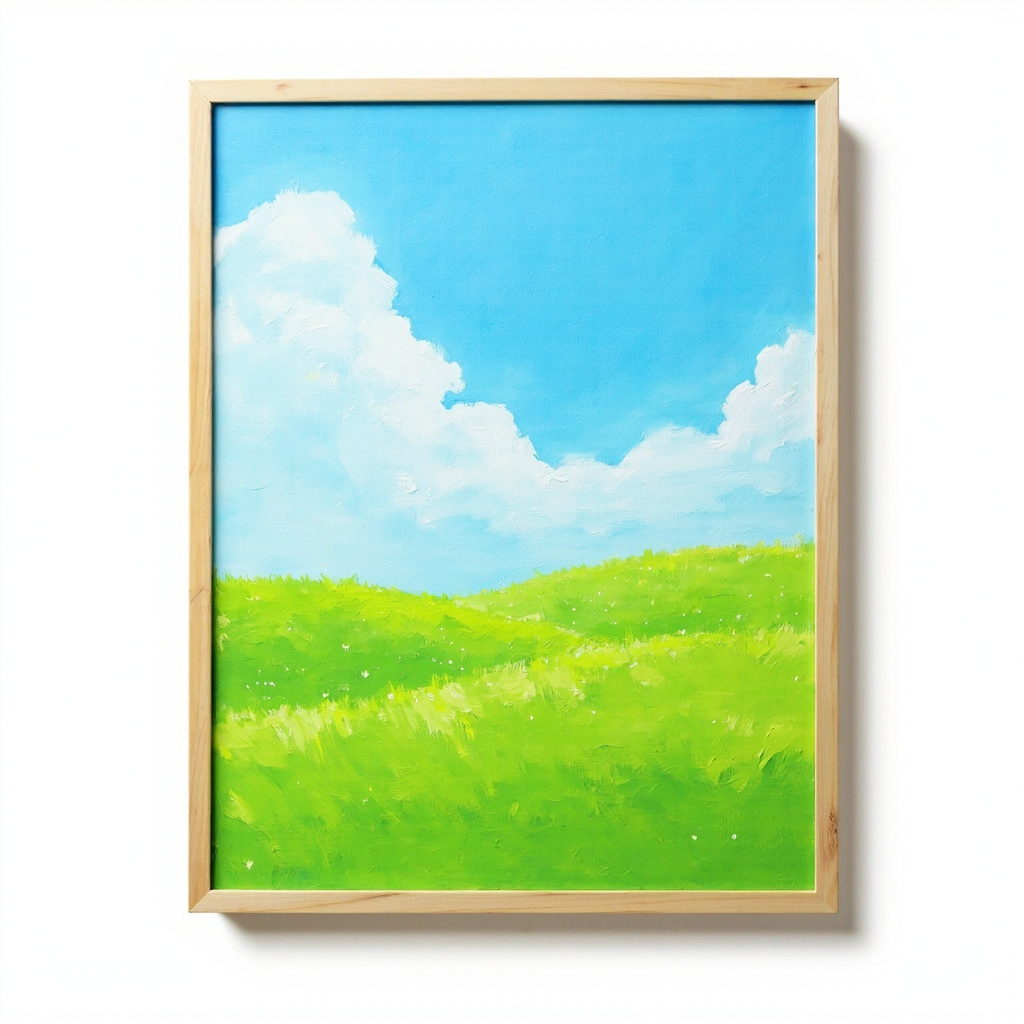
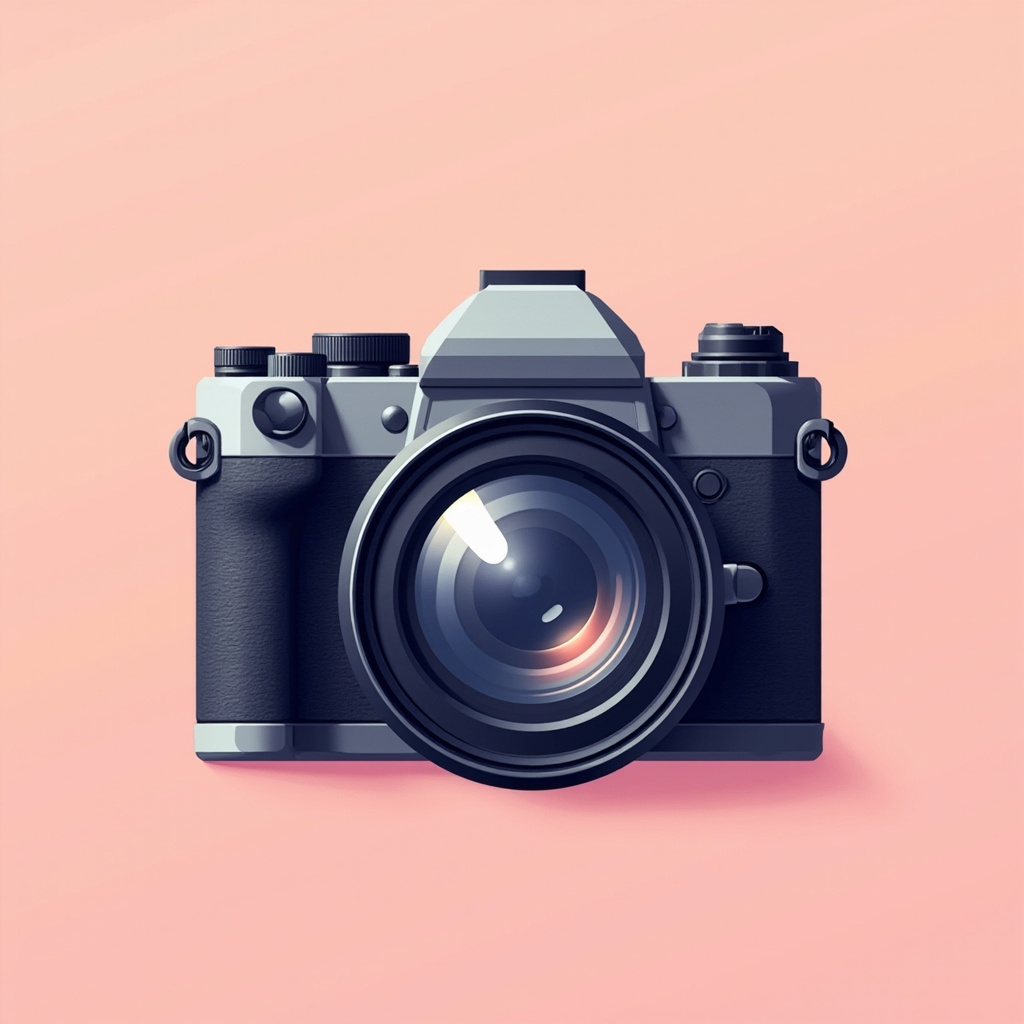
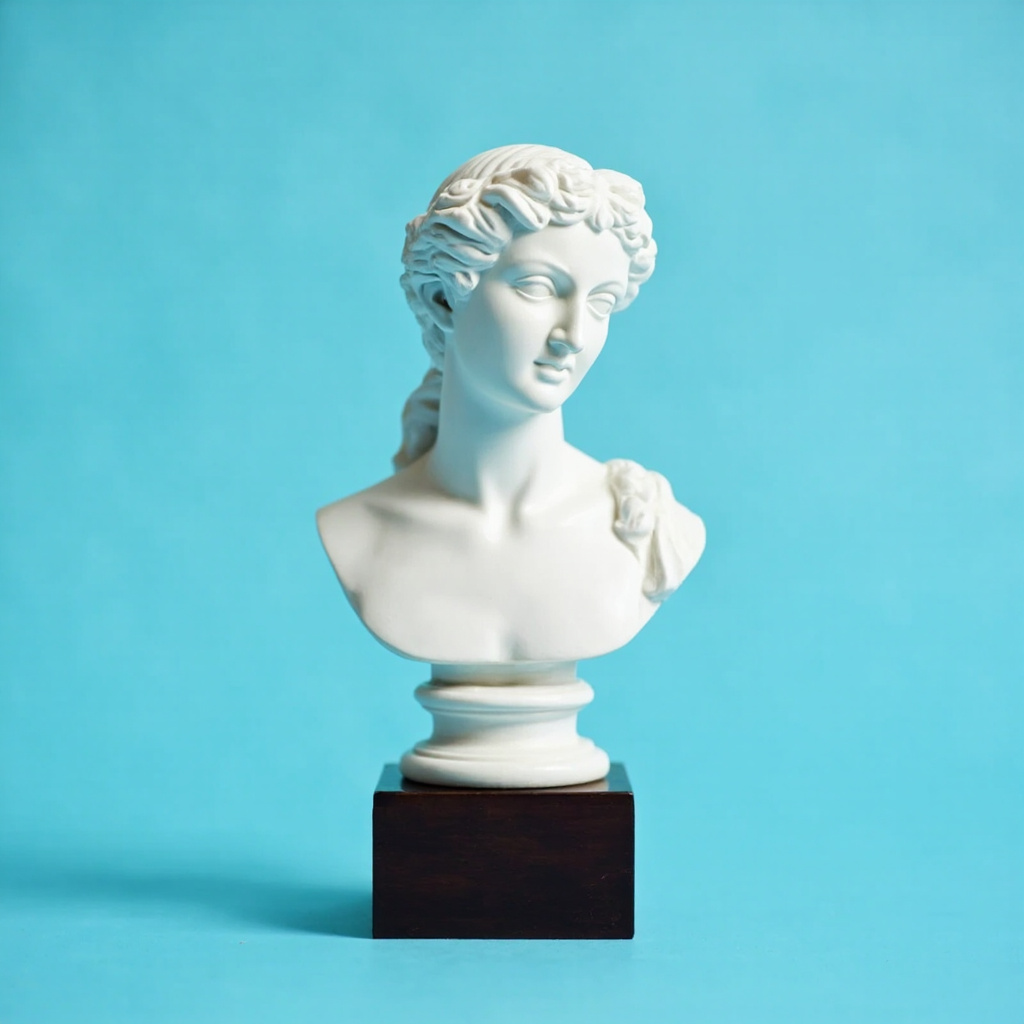
Visual art is what most people imagine first, and it includes some of the oldest forms of human creativity.Painting is the art of creating images with paint on a canvas, a wall or paper. Famous painters like J. M. W. Turner used colour and light to capture the beauty of the British landscape, while contemporary artists experiment with digital tools and unusual materials.Sculpture, on the other hand, is three-dimensional. Sculptors work with stone, wood, metal or clay to shape objects you can walk around and see from every side. Public sculptures are common in city squares, where they often become famous landmarks.Photography is a more modern visual art form. It uses a camera to capture a single moment in time, and a great photograph can tell a powerful story without a single word. Today, photography is everywhere — on our phones, in magazines and in galleries.
Performing arts are quite different because they happen live, in front of an audience.Music is perhaps the most universal of all the art forms. It can be classical, like the works of Elgar or Vaughan Williams, or modern, like pop, rock, jazz or hip-hop. Listening to music is one of the most popular pastimes in the world, and millions of people also play instruments themselves.Dance is another live art form where the body becomes the instrument. From ballet to contemporary street dance, it expresses emotion through movement, often without any words at all.Theatre brings stories to life on a stage, with actors speaking the lines and creating characters in front of a seated audience. British theatre has a long and rich tradition, from Shakespeare's plays in Stratford-upon-Avon to modern musicals in the West End of London.
Finally, there are the literary arts, which use the written or spoken word.Poetry is a special kind of writing that uses rhythm, rhyme and carefully chosen words to express deep feelings. A poem can be very short — just a few lines — and yet say a great deal.Literature is a broader term that covers novels, short stories, plays and non-fiction. Reading a great novel can feel like travelling to another world without leaving your chair, and it is one of the most popular leisure activities in the UK.
When you talk about art, it is also useful to know the verbs that usually go with these nouns. We listen tomusic, we watch a dance performance or a theatre show, we readpoetry and literature, and we look at or admire a painting, a sculpture or a photograph. Choosing the right verb makes your English sound natural and accurate, so try to remember these common collocations.
Word
Part of speech
Meaning in Arabic
Example
painting
noun
لوحة فنية
There is a beautiful painting on the wall of the living room.
sculpture
noun
منحوتة
The bronze sculpture in the square is over two metres tall.
photography
noun
التصوير الفوتوغرافي
Photography has changed a great deal since the invention of digital cameras.
music
noun
موسيقى
She plays music every evening to relax after work.
dance
noun / verb
رقص / يرقص
We watched a modern dance performance at the theatre last Saturday.
theatre
noun
مسرح
The new theatre will open its doors to the public next month.
poetry
noun
شعر
He writes poetry in his free time and has published two collections.
literature
noun
أدب
British literature includes some of the world's most famous novels.
عالم الفن بالإنجليزي
الكلمات اللي في الدرس ده بتغطي مجال الفن بكل أنواعه. لما تحب تقول إنك بتحب نوع معين من الفن، أو تسأل حد عن ذوقه، الكلمات دي هتكون سلاحك الأساسي.
أنواع الفن الأساسية
عندنا ثلاث مجموعات كبيرة، تقسيمها كده بيسهّل عليك تفتكرها:
الفنون البصرية (Visual arts): painting، sculpture، photography
الفنون الأدائية (Performing arts): music، dance، theatre
الفنون الأدبية (Literary arts): poetry، literature
الفعل الصح مع كل فن
هنا الجزء المهم جدًا في المستوى B2. الفعل اللي بييجي قبل الكلمة بيغيّر معنى الجملة تمامًا، ولازم تحفظ الـ collocations دي:
listen to + music (تسمع موسيقى)
watch + dance / theatre (تشوف رقصة أو مسرحية)
read + poetry / literature (تقرأ شعر أو أدب)
look at / admire + painting / sculpture / photograph (تبص على أو تعجب بلوحة أو منحوتة أو صورة)
مثال عملي
تخيل إنك بتقول لصاحبك: "Yesterday I went to the theatre to watch a dance performance, and after the show we visited a gallery to look at a beautiful sculpture." - الجملة دي فيها مثال حي على إنك بتستخدم الفعل الصح مع كل نوع.
التعبيرات المهمة
في تعبيرات بتفيدك لما تيجي تتكلم عن ذوقك الفني:
be a fan of - تكون من المعجبين بشيء
be into - مهتم بـ
enjoy / love / appreciate - تستمتع / تحب / تقدّر
مثال: "I really enjoy modern photography, but I'm not a big fan of poetry."
نصيحة للحفظ
الطريقة الأحسن تحفظهم بالربط بينهم. حاول كل يوم تعمل جملة من عندك فيها على الأقل كلمتين من الكلمات، وتستخدم الفعل الصح معاهم. كمان ممكن تجمعهم في موضوع واحد زي: "I love reading literature, especially poetry, and I also enjoy listening to music while I look at photography online."
Learn the names of eight common art forms. You will see each word, hear it, and read an example sentence in context.
danceˈdɑːns
To move the body rhythmically to music, often following a set pattern or steps.
literatureˈlɪtərətʃə
Written works, especially those with artistic or intellectual value, such as novels, poetry, and plays.
musicˈmjuː.zɪk
a pattern of sounds made by musical instruments , voices , or computers , or a combination of these, intended
paintingˈpeɪn.tɪŋ
a picture made using paint :
the skill or activity of making a picture or putting paint on a wall :
photographyfəˈtɒɡrəfi
The art or practice of taking pictures with a camera. Photography involves capturing light to create images.
poetryˈpəʊətri
A type of literature that expresses ideas, emotions, and experiences in a rhythmic, imaginative way, often usi
sculptureˈskʌlp.tʃə
A work of art made by carving, modeling, or shaping stone, wood, clay, or other materials, or the art of creat
theatreˈθiːətə
A building where plays, operas, and other performances are performed in front of an audience.
Required
Match each art form to the description that explains it.
Match each art form to the description that explains it.
painting
sculpture
photography
music
dance
theatre
poetry
literature
creating images with paint on canvas
shaping three-dimensional objects from materials like stone or metal
capturing moments and images with a camera
organised sound, often with melody and rhythm
expressing ideas or feelings through movement
live performances with actors on a stage
writing that uses rhythm and carefully chosen words
written works such as novels and short stories
There is a beautiful sculpture in the park near my house.
Notice the verb 'there is' used to say that something exists in a place. Try to remember the verb that goes with sculpture — we look at or admire a sculpture.
Required
Listen to the speaker. Which art form does the speaker enjoy?