✓I CAN talk about imaginary past situations using the third conditional
✓I CAN listen to stories of risk and regret
Grammar
Grammar
11
cards
What is the third conditional?
The third conditional allows us to talk about imaginary situations in the past — events that did not happen, or that happened in a way different from how we would have liked. We use it to express regret, to imagine a better outcome, to criticise a past decision, or to reflect on how things could have turned out differently. It is the most hypothetical of the four main conditionals, because we are looking back on a past that can no longer be changed.
The basic structure
The pattern is fixed and must be learned as a single unit. The if-clause uses the past perfect (had + past participle), and the main clause uses would (or could / should / might) + have + past participle.
Form
Example
Positive
If I had trained harder, I would have reached the summit.
Negative
If I hadn't missed the bus, I wouldn't have been late.
Question
What would you have done if you had seen the bear?
Both clauses refer to a past time, but the meaning is counterfactual — the situation is imagined, not real. We are not describing what actually happened; we are describing what would have happened under different circumstances.
Common contractions
In natural spoken English we almost always contract these forms. The contraction is essential to sounding fluent: I would have → I'd have, he / she would have → he'd have / she'd have, would not have → wouldn't have, had not → hadn't. For example, "If I had known, I would have called" is more commonly heard as "If I'd known, I'd have called." In fast speech, the have in would have can almost disappear — it becomes the contracted form would've /ˈwʊdəv/.
Common uses and modal verbs
We use the third conditional for four main situations: regret (If I had studied engineering, I would have got that job in Berlin), imagining a better outcome (If she had worn a helmet, she wouldn't have hurt her head), explaining why something went wrong (If we had checked the forecast, we wouldn't have started the climb), and criticising a past decision (If they had listened to the guide, they wouldn't have got lost). The modal in the main clause tells you the speaker's attitude: would (certain imaginary result), could (ability or possibility), might (uncertain), should (unfulfilled duty). Compare: If I had trained more, I would have won (certain) — If I had trained more, I might have won (uncertain) — If I had trained more, I should have won (expected).
Punctuation and strong regret
If the if-clause comes first, follow it with a comma; if the main clause comes first, no comma is needed: If I had seen the sign, I would have stopped (comma) — I would have stopped if I had seen the sign (no comma). For very emotional regret, English also uses two set phrases: "If only I had…" and "I wish I had…". A full example: If I had checked the avalanche report, I would have stayed on the marked slopes. If I had gone with a friend, I wouldn't have been alone.
الـ Third Conditional — كلام عن ماضي مش حصل
يا صديقي، تعال نتكلم على قاعدة من أهم قواعد الإنجليزي: الـ Third Conditional. دي بنستخدمها لما نبصّ على ورا ونقول "يا ريت كان حصل كذا"، أو "لو كنت عملت كذا كان كل حاجة اتغيرت". يعني هي عن مواقف في الماضي متصوّرة ومش حقيقية، لأن الماضي خلاص مش هنقدر نغيّره.
شكل الجملة
القاعدة ثابتة ولازم تحفظها كوحدة واحدة:
جملة الـ if بنستخدم فيها الـ past perfect: يعني had + التصريف التالت للفعل.
الجملة الرئيسية بنستخدم فيها would أو could أو should أو might، وبعدين have + التصريف التالت.
مثال من الدرس نفسه: "If I had trained harder, I would have reached the summit." يعني "لو كنت اتمرّنت أكتر، كان هيبقى عندي وصلت القمة".
الاختصارات مهمة جداً
في الكلام العادي دايماً بنختصر. I would have بتقولها I'd have، وwould not have بتبقى wouldn't have، وhad not بتبقى hadn't. الجملة "If I'd known, I'd have called" هي اللي بيقولها الناس فعلاً، مش الصيغة الطويلة منها.
اختيار الـ Modal
الكلمة اللي قبل have بتعبّر عن إحساس المتكلم:
would = النتيجة حتمية في الخيال
could = قدرة أو إمكانية
might = مش متأكد
should = واجب ما اتعملش
شوف الفرق بين التلاتة: "If I had trained more, I would have won" (متأكد)، و"If I had trained more, I might have won" (مش متأكد)، و"If I had trained more, I should have won" (كان لازم أبقى كسبت).
بنستخدمها في إيه؟
للندم: If I had studied engineering, I would have got that job in Berlin.
تخيّل نتيجة أحسن: If she had worn a helmet, she wouldn't have hurt her head.
شرح ليه حاجة غلطت: If we had checked the forecast, we wouldn't have started the climb.
انتقاد قرار قديم: If they had listened to the guide, they wouldn't have got lost.
العلامات والتعبيرات القوية
لو جملة الـ if هي اللي في الأول، حطّ كوما بعدها. ولو الجملة الرئيسية في الأول، مفيش كوما. ولما الندم يبقى قوي أوي، الإنجليزي عنده تعبيرين ثابتين: "If only I had…" و "I wish I had…"، دول بيعبّروا عن حسرة كبيرة.
إيه اللي تدوّر عليه في التمارين؟
في الأسئلة الجاية، ركّز على had + past participle في جملة الـ if، واختار الـ modal الصح في الجملة التانية حسب المعنى. وخد بالك من الـ contractions زي I'd have و wouldn't have لأن دول هم اللي بيخلّوا كلامك طبيعي زي أهل الإنجليزي.
If I had trained harder, I would have reached the summit.
Read this model example. Notice the verb forms in both clauses: 'had trained' in the if-clause, 'would have reached' in the main clause.
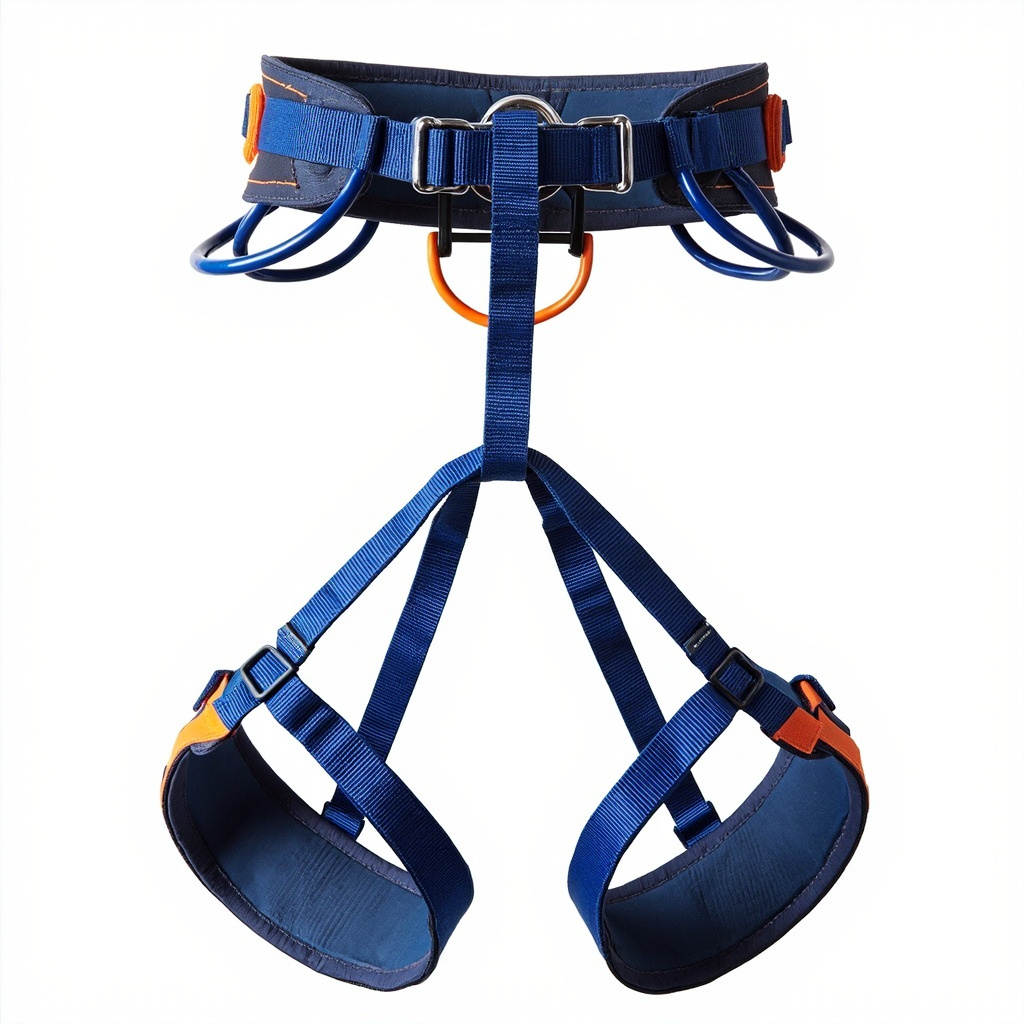
If she hadn't worn a harness, she would have fallen off the cliff.
Here is a negative example. Notice that 'had not' becomes 'hadn't' in natural speech, and that the main clause is also negative in form when the condition is negative.
Required
Look at the two sentences above. What verb form comes right after 'if' in the third conditional?
had + past participle (the past perfect)
would + infinitive
simple past
Required
If I had known about the avalanche warning, I ___ (not go) skiing that day.
Required
If she ___ (wear) a helmet, she wouldn't have hurt her head.
Required
We would have reached the summit if the weather ___ (be) better.
Required
Which sentence is in the third conditional?
If I win the lottery, I will travel around the world.
If I had won the lottery, I would have travelled around the world.
If I won the lottery, I would travel around the world.
Required
Put the words in the correct order to make a third conditional sentence.
If
I
had
trained
harder
I
would
have
Required
In the third conditional, the main clause uses 'if + had + past participle' and the if-clause uses 'would + have + past participle'.
It is the other way round. The IF-clause uses 'had + past participle' (e.g. had trained), and the MAIN clause uses 'would / could / should / might + have + past participle' (e.g. would have won).
Required
Drag the correct word or phrase into each gap to complete the third conditional sentences. The same group of words will be used for all four sentences.
had listened
had checked
could have
would have
If we the map, we wouldn't have got lost.
She called you if she had had your number.
If they to the guide, they would have been safe.
He won the race if he had tried harder.
Listening
Listening
5
cards
The scene
You are going to listen to a conversation between two friends, Mia and Jake. They are talking about a recent extreme adventure — a bungee jump in New Zealand. Jake is telling Mia what happened, and he uses the third conditional to reflect on what could have gone wrong. This is a real-life example of how native speakers actually use the third conditional in conversation: with contractions, with hesitation, and with strong emotion. Listen for the moments when Jake says things like If I had… and I would have… — these are the third conditional in action.
The speakers
Mia (female voice) is Jake's friend. She sounds surprised and a little shocked, and she asks short, direct questions to keep the story moving.Jake (male voice) did the bungee jump. He sounds calm but reflective, especially when he talks about what could have happened. He uses the third conditional several times — once to talk about a possible regret, and several times to talk about possible injuries or accidents.
What to listen for
As you listen, try to notice: (1) the third conditional structures — how many sentences can you hear using if + had + past participle? Try to count them. (2) The contractions — does Jake say would have in full, or would've? Does Mia say had or hadn't? The contracted forms are the natural, spoken forms. (3) The vocabulary — which words from the previous section (summit, altitude, reckless, caution, regret) appear? You will hear some of them. (4) The speaker's feelings — at the end, does Jake regret doing the jump, or is he glad he did it? Listen for the answer.
Cultural context: extreme sports in New Zealand
New Zealand is famous for extreme sports. It is the home of commercial bungee jumping, which started in the 1980s. The country is also well known for skydiving, jet boating, heli-skiing and caving. Many young travellers go there specifically to do these activities, and stories of 'what could have gone wrong' are very common. The third conditional is the natural way to tell these stories in English — looking back on a risky decision and imagining the alternatives.
Useful phrases to listen for
The conversation contains several phrases you have already studied. Read them before listening — they will help you recognise them when you hear them: If I had seen the photos beforehand, I might not have gone. — If the instructor had measured it correctly, I wouldn't have hit the water so hard. — If I had landed on my head, I would have been in serious trouble. — If they hadn't apologised, I would have taken legal action. — If I had refused to jump, I would have regretted it forever. After the dialogue you will answer three questions: one about the gist of the conversation, one about a specific detail, and one where you have to fill in a missing word. Do not worry if you miss a word the first time — you can listen more than once. Native speakers often miss words too; the trick is to listen for key information rather than every single word.
محادثة النهارده
الدرس ده هتسمع فيه محادثة بين اتنين أصحاب، ميا وجيك. جيك راح نيوزيلندا يعمل قفزة bungee jumping، يعني قفزة بالحبال من مكان عالي. والمحادثة دي مهمة جداً لأن جيك بيستخدم الـ Third Conditional بشكل طبيعي جداً في الكلام، زي ما بنتكلم احنا في الحياة اليومية.
الـ Third Conditional إزاي بتشتغل؟
الصيغة دي بنستخدمها لما نحكي عن موقف في الماضي وبنقول إيه اللي كان ممكن يحصل غير كده. بتبقى من اتنين part:
الجملة اللي فيها if: بنقول had + past participle
الجملة التانية: بنقول would have + past participle
أمثلة من المحادثة
If I had seen the photos beforehand, I might not have gone. يعني لو شفت الصور قبل ما أنط، يمكن كنت مبقاش نطيت. هنا بنلاحظ إنه استعمل might not have بدل would not have، وده بيدّي معنى الاحتمال مش التأكيد.
If the instructor had measured it correctly, I wouldn't have hit the water so hard. لو المدرس كان قاس الحبل صح، ما كنتش هخبط في المية. لاحظ الـ contraction: wouldn't have.
If they hadn't apologised, I would have taken legal action. لو ما اعتذروش، كنت هاخد الموضوع للقانون. هنا بنشوف hadn't كاختصار لـ had not.
If I had landed on my head, I would have been in serious trouble. لو وقعت على راسي، كنت هبقى في مشكلة كبيرة. هنا بنلاحظ would have been لأن الـ verb هو to be.
الاختصارات في الكلام العادي
الناس الإنجليزي لما بيتكلموا بيستعملوا اختصارات كتير. في المحادثة دي هتسمع:
would've بدل would have
hadn't بدل had not
might not have (ممكن تتسمع might not have أو might not have في السريع)
لما تسمع الكلام بسرعة، ركّز على would've وhad عشان تلتقط الصيغة بسرعة.
معلومة ثقافية
نيوزيلندا مشهورة جداً بالرياضات الخطيرة. هي أصلاً اللي ابتدا فيها الـ bungee jumping التجاري في التمانينات. كمان فيها skydiving وjet boating وكهوف. قصص "إيه اللي كان ممكن يحصل" منتشرة جداً بين المسافرين هناك، والـ Third Conditional هي الصيغة الطبيعية اللي بيحكوا بيها.
نصايح للاستماع
أول مرة، ركّز على الإحساس العام ومعنى القصة. تاني مرة حاول تعدّ كام جملة فيها if + had + past participle. تالت مرة ركّز على التفاصيل والكلمات. مفيش ضغط، ممكن تسمع أكتر من مرة، وده طبيعي.
Two friends, Mia and Jake, are talking about a recent bungee jump in New Zealand. Jake is using the third conditional to reflect on what could have gone wrong. Listen for the third conditional sentences and the adventure vocabulary.
M
MiaJake! I heard you went bungee jumping in New Zealand. Tell me everything!
J
JakeIt was terrifying, Mia. If I had seen the photos beforehand, I might not have gone.
M
MiaWhat happened exactly?
J
JakeThe cord was too long. If the instructor had measured it correctly, I wouldn't have hit the water so hard.
M
MiaOh my goodness! Were you hurt?
J
JakeJust a badly bruised leg. If I had landed on my head, I would have been in serious trouble.
M
MiaWhat did the company say after it happened?
J
JakeThey apologised and refunded my money. If they hadn't apologised, I would have taken legal action.
M
MiaAnd would you do it again?
J
JakeDefinitely! If I had refused to jump, I would have regretted it forever.
Required
What is the conversation mainly about?
Jake's holiday in New Zealand
Jake's recent bungee jump and what could have gone wrong
The price of bungee jumping in New Zealand
Required
Jake was seriously injured and had to go to hospital after the bungee jump.
Jake says he 'just had a badly bruised leg' — a minor injury. He was not seriously hurt, although he admits that if he had landed on his head, he would have been in serious trouble.
Required
If the instructor had measured the cord correctly, Jake ___ (not hit) the water so hard.
Pronunciation
Pronunciation
6
cards
The weak form of 'have'
In connected speech, English speakers rarely say the full word have /hæv/. When have follows a modal verb (would, could, should, might, must), it almost always becomes a contraction with a weak vowel: would've, could've, should've, might've, must've. The have part is reduced to a quick schwa /ə/ followed by /v/, or to a schwa /ə/ before a consonant. This is one of the most important pronunciation features of the third conditional: if you pronounce every word fully, you will sound stiff and unnatural. Listen to native speakers — they almost never say would have in full.
How to make the schwa + /v/
The schwa /ə/ is the most common vowel in English. It is the sound of an unstressed, relaxed syllable. To make it: relax your jaw so it drops slightly; keep your tongue in the middle of your mouth, low and flat — do not push it forward or back; do not round your lips — the mouth is almost neutral; the sound is short and unstressed — you can barely hear it. The /v/ at the end is a voiced sound: put your top teeth on your bottom lip and switch your voice on — you should feel a vibration in your fingers if you touch your throat. Practise the schwa on its own first: 'uh'. Then add the /v/: 'uhv'. Then add the modal in front: 'would-uhv', 'could-uhv', 'should-uhv'. Try to make the whole contraction a single, smooth syllable.
The common contractions
Full form
Contracted
Sounds like
would have
would've
/ˈwʊdəv/
could have
could've
/ˈkʊdəv/
should have
should've
/ˈʃʊdəv/
might have
might've
/ˈmaɪtəv/
must have
must've
/ˈmʌstəv/
Notice that would have and should have are both pronounced /ˈʊdəv/ in the contracted form — the h disappears and the l disappears, leaving just the vowel sound. This is a normal feature of English and is not a mistake.
Spelling trap: 'of' vs 'have'
A very common spelling error in writing is to write 'would of', 'could of', 'should of' instead of 'would have', 'could have', 'should have'. This comes from the pronunciation: 'would've' sounds like 'would of' to the ear.In writing, the correct form is always 'have' or "'ve". Never write 'of' in these constructions. This is one of the most frequent errors made by learners, and a useful one to remember.
Practice and importance for the third conditional
In the third conditional, every main clause contains a contracted have: I would've gone, she could've been hurt, they should've told us, we might've got lost. If you say these without contracting have, your speech will sound slow and unnatural. Try saying these sentences out loud, paying attention to the weak forms: If I'd known, I would've come. She could've been hurt, but she wasn't. We should've checked the map first. They might've got lost without the guide. In the next steps you will hear these contractions in context, discriminate between the full and contracted forms, and repeat the target sentences out loud.
الـ weak form بتاعت "have" في الـ contractions
يا صديقي، النهارده عندنا حاجة مهمة جدًا في النطق الإنجليزي. لما بتتكلم بسرعة، كلمة have بتفقد صوتها الكامل وبتتحول لصوت صغير جدًا اسمه schwa، وبعدها حرف الـ v. وده بيحصل لما بتجي بعد modal verb زي would أو could أو should أو might أو must.
يعني إيه schwa؟
الـ schwa هو الصوت الأكثر شيوعًا في اللغة الإنجليزية. عشان تعمله صح:
سيب فكك يسترخي ونزّله لتحت شوية.
لسانك يفضل في نص بوقك، واطي ومفلطح، ماترفعوش لفوق ولا تبدلوش لورا.
ماتكرمش شفايفك، سيبهم في الوضع العادي المحايد.
الصوت يبقى قصير وسريع، يعني بالكاد تسمعه، زي ما تقول "آه" بالهنج في ثانية.
وإزاي تعمل صوت الـ v؟
حط أسنانك العلوية على شفتك السفلية برفق، وشغّل صوتك. لو حطيت صباعك على حلقك، هتحس بـ vibration واضحة. ده صوت voiced، يعني الـ vocal cords بتشتغل معاه.
جرّب كده على مراحل
أول حاجة قول الـ schwa لوحده: "uh". بعدين ضيف عليه الـ v: "uhv". بعدين ضيف الـ modal في الأول: "would-uhv"، "could-uhv"، "should-uhv". خلي الـ contraction كلها تبقى في مقطع واحد سلس، زي ما بتتنهد بهدوء.
أهم الـ contractions
would have → would've → /ˈwʊdəv/
could have → could've → /ˈkʊdəv/
should have → should've → /ˈʃʊdəv/
might have → might've → /ˈmaɪtəv/
must have → must've → /ˈmʌstəv/
لاحظ حاجة حلوة: would have و should have الاتنين بيتقالوا /ˈʊdəv/ في الصورة المختصرة! الـ h والـ l بيختفيوا خالص، وبيفضل بس صوت الـ oo. ده طبيعي ومتعمد ومش غلط خالص.
الـ trap الخطير في الكتابة
كتير من المتعلمين بيكتبوا "would of" أو "could of" أو "should of" بدل would have و could have و should have. وده لأن ودنك بتسمع الجملة كأنها "would of". بس خد بالك: في الكتابة، الصواب دايمًا هو "have" أو "'ve". متكتبش "of" في الحتة دي أبدًا، حتى لو ودنك بتكدب عليك!
ليه ده مهم في الـ third conditional؟
في الـ third conditional، الجملة الرئيسية دايمًا فيها contracted have مع would أو could أو might أو should. مثلاً:
I would've gone if I'd had time.
She could've been hurt, but she wasn't.
We should've checked the map before we set off.
لو قلتها من غير contraction وكلمت كل كلمة كاملة، كلامك هيبقى بطيء وتقيل ومش طبيعي. الناس في المحادثات اليومية بتقول "would've" في ثواني.
دلوقتي ركز في الجمل اللي جاية، اسمع الفرق بين الشكل الكامل والشكل المختصر، وكرّر وراهم عشان تحفظ الإحساس ده في ودنك.
To produce a contracted modal + 'have', start with the modal: would, could, should, might or must. Then add the weak form 've' = a quick schwa /ə/ + /v/. Relax your jaw, keep your tongue low and flat, do not round your lips, and finish with a voiced /v/ (top teeth on bottom lip, voice on). Practise 'uhv' on its own first, then add the modal in front: 'would-uhv', 'could-uhv', 'should-uhv'. The whole contraction should be a single smooth syllable, almost as fast as the modal on its own.
Required
Audio is being generated — try again in a minute.
Listen carefully to the sentence. How did the speaker say 'would have'?
As the full form 'would have' (/wʊd hæv/)
As the contraction 'would've' (/ˈwʊdəv/)
Required
Say the sentence out loud. Focus on the weak form of 'have' in 'would've' — it should be a quick, single syllable: /ˈwʊdəv/.
I would've gone if I'd had the time.
Required
Say the sentence out loud. The 'have' in 'could've' is also contracted. Make it a single smooth syllable: /ˈkʊdəv/.
She could've been hurt, but she wasn't.
Required
Say the sentence out loud. Notice that 'should've' is pronounced /ˈʃʊdəv/ — the 'l' disappears in the contraction, and only the vowel sound of 'should' remains.
We should've checked the map before we set off.
Speaking
Speaking
7
cards
Your turn to speak
Now it is your turn to speak. In this section you will learn some useful phrases for talking about imaginary past situations, and then you will have a short conversation with the AI. The topic is adventures you wish you had taken — or perhaps adventures you wish you had not taken. The third conditional is the perfect structure for this kind of storytelling.
Useful phrases
Here are some phrases you can use in the conversation. Try to learn two or three of them so you can produce them naturally.
English phrase
When to use it
If I had known about the trip, I would have gone.
Talking about a missed opportunity
If we had booked earlier, we would have got cheaper flights.
Explaining why something cost more or was harder
I wish I had learned to surf when I was younger.
Expressing a long-term regret
If I had listened to the guide, I wouldn't have got lost.
Admitting a past mistake
I should have checked the weather before we set off.
Saying what you ought to have done
She could have been hurt, but luckily she wasn't.
Saying what was possible (but did not happen)
If only I had said yes.
A stronger, more emotional way to express regret
Tips for sounding natural
When you speak, remember to: use contractions (I'd, I would've, didn't — full forms sound stiff); link your sentences — don't stop after one conditional, add a second one to extend the story (If I'd known, I would have gone. And if I had gone, I would have met them.); add a consequence — don't just say the conditional, add what would have followed (If I'd trained more, I would have run faster AND I would have enjoyed the race more.); hesitate naturally — native speakers use fillers like well, actually, I think, you know — they don't speak in perfect sentences.
The model conversation
You will first hear a short model conversation between Sara and Omar. They are talking about a hiking trip that went wrong. Notice how they use the third conditional, how they contract the verbs, and how they add extra information to keep the conversation flowing. Listen for these key phrases: If I had checked the weather forecast, I would have stayed home — If I had brought a waterproof jacket, I would have been fine — If I had stayed home, I would have missed the sunset though. Pay attention to the rhythm: both clauses have stress on the main verb, and the second clause is slightly faster than the first.
Common topics for the conversation
Here are some ideas you can use if you need inspiration: a trip you wanted to take but missed; a skill you wish you had learned (a language, a sport, an instrument); a risk you wish you had taken (changing jobs, moving abroad, telling someone how you feel); an accident or mistake you wish you could undo; or even an adventure you actually took — you can use the third conditional to imagine it differently! (If I had taken a different route, I would have seen the waterfall.)
Register
The conversation is informal and friendly. You can use contractions, short questions (Really? Why? And then?), and casual fillers (well, actually, I think, you know). Avoid very formal language or long, complex sentences. The AI is your friend, not an examiner — so relax, take your time, and remember: there are no perfect answers, only interesting stories.
الكندشنال التالت (Third Conditional) في الإنجليزي
النهاردة هنتكلم عن تركيب مهم جداً في اللغة الإنجليزية اسمه الكندشنال التالت أو Third Conditional. التركيب ده بنستخدمه لما عايزين نتكلم عن حاجات حصلت في الماضي بس بشكل تخيّلي — يعني حاجات ما حصلتش فعلاً، بس بنتخيّل إنها كانت ممكن تحصل لو الأمور كانت مختلفة.
شكل التركيب
الجملة بتتكون من شقين:
If + had + past participle في الجزء الأول (الشرط)
would have + past participle في الجزء التاني (النتيجة)
مثال من المحادثة اللي فوق: "If I had checked the weather forecast, I would have stayed home." يعني "لو كنت اتشكت الطقس، كنت هفضل في البيت." شايف؟ الفعل الأول في الماضي التام (had checked)، والتاني في would have + stayed.
إمتى بنستخدمه؟
لما نتكلم عن فرصة ضايعة زي: "If I had known about the trip, I would have gone." (لو كنت أعرف عن الرحلة، كنت هروح).
لما نعترف بغlطة في الماضي زي: "If I had listened to the guide, I wouldn't have got lost." (لو كنت سمع كلام المرشد، مكانتش هتوه).
لما نقول اللي كان المفروض نعمله زي: "I should have checked the weather before we set off." (كان لازم اتشكت الطقس قبل ما نمشي).
أو لما نعبر عن ندم بطريقة عاطفية أقوى: "If only I had said yes." (لو بس كنت قلت أيوة).
نصايح عشان الكلام يطلع طبيعي
أولاً، استعمل الاختصارات (contractions) زي I'd و I would've و didn't — الصيغة الكاملة بتبان stiff أو متكلّفة. ثانياً، اربط جملتين مع بعض بدل ما توقف عند كاندشنال واحدة. مثال: "If I'd known, I would have gone. And if I had gone, I would have met them." كده بتحكي قصة مش بتقول جملة واحدة بس. ثالثاً، ضيف نتيجة تانية بعد الكاندشنال عشان تمدّ القصة: "If I'd trained more, I would have run faster AND I would have enjoyed the race more." رابعاً، استعمل كلمات تفكير زي well و actually و you know — الأم بِيبي بيز ما بيستخدموش، بس المتكلم الأصلي بيستخدمهم عادي لإن مفيش حد بيتكلم جمل كاملة من غير ما يفكّر.
الإيقاع مهم
لما بتقول الجملة، حط stress على الفعل الأساسي في الشقين، والشق التاني (would have...) ييجي أسرع شوية من الأول. ده بيخلي كلامك يسمع طبيعي زي اللي بيتكلم بيه فعلاً.
Two friends, Sara and Omar, are talking about a hiking trip that went wrong. Listen to the third conditional phrases they use, and notice the contractions.
S
SaraSo, how was the hiking trip last weekend?
O
OmarHonestly, it was a disaster. If I had checked the weather forecast, I would have stayed home.
S
SaraOh no! What happened?
O
OmarIt started raining halfway up. If I had brought a waterproof jacket, I would have been fine.
S
SaraSounds rough. Do you regret going?
O
OmarIf I had stayed home, I would have missed the sunset though. So no regrets — but I should have been more prepared.
If I had checked the weather forecast, I would have stayed home.
Read this key model sentence. Notice that you can also contract it: 'If I'd checked the weather forecast, I'd have stayed home.' In natural conversation, the contracted form is more common.
Required
Say the sentence out loud. Try to use the contracted form 'I'd have' instead of 'I would have' — it sounds much more natural.
If I had known about the trip, I would have gone.
Required
Say the sentence out loud. Focus on the rhythm — both clauses have stress on the main verb, and the whole sentence should flow as a single thought.
If we had booked earlier, we would have got cheaper flights.
Required
Imagine you are sitting in a coffee shop with a friend. They want to hear about a recent adventure — or one you wish you had taken. Use the third conditional to talk about what could have happened, and to express any regrets. Answer the questions in full sentences. Try to use the third conditional at least three times during the conversation, and use contractions (I'd, would've, didn't) to sound natural. Don't worry about making mistakes — the AI is patient and will help you.
Required
Vocabulary
Vocabulary
6
cards
Eight key words for adventure and risk
Before we talk about extreme adventures, we need the right vocabulary. In this lesson we focus on eight words and phrases connected to risk, mountains, and the feelings that come with dangerous experiences. These words appear in news reports, adventure documentaries, and travel writing, and they will help you describe exciting — and sometimes frightening — experiences. Many of them are also useful for talking about regret, which is the central idea behind the third conditional.
The words
Word
Part of speech
Meaning
Example
summit
noun
قمة الجبل
We reached the summit just before sunrise.
altitude
noun
الارتفاع عن سطح البحر
At high altitude, the air is much thinner.
vertigo
noun
دوار المرتفعات
She suffers from vertigo, so she avoids cliffs.
harness
noun
حِزام الأمان
Check your harness before you start the climb.
reckless
adjective
متهوِّر
His reckless driving put everyone at risk.
expedition
noun
بعثة استكشافية
The expedition to the North Pole lasted six months.
regret
verb / noun
نَدم
I regret not telling her the truth.
caution
noun
حَذَر
The guide spoke with caution about the weather.
Collocations and patterns
Some of these words go naturally with specific prepositions or verbs. Notice the common collocations: reach the summit (not arrive the summit), at high altitude (not in high altitude), suffer from vertigo (not have vertigo in formal writing), wear a harness / climb in a harness, act recklessly (the adverb form), go on an expedition, regret doing something (not regret to do), treat with caution / exercise caution.
Word families
Many of these words belong to larger families. Recognising the family helps you build vocabulary quickly: summit (n) → verb to summit (to reach the top), used in climbing.Altitude (n) → adjective high-altitude (a high-altitude climb).Caution (n) → verb to caution (to warn) and adjective cautious (careful).Regret (v) → adjective regrettable (a regrettable mistake).Reckless (adj) → adverb recklessly, noun recklessness.
Words in context — and a connection to grammar
Adventure writing often combines several of these words in one paragraph. For example: "The expedition set off in cautious spirits. At high altitude, the air was thin, and two climbers suffered from mild vertigo. The guide cautioned them against reckless behaviour, but the thrill of the summit was too strong. None of them regretted the decision to go." Notice how the writer uses both noun and adjective forms to avoid repetition. Three of these words go especially well with the third conditional: regret (I regret not bringing a torch), reckless (His reckless behaviour caused the accident), and caution (If the guide had exercised more caution, nobody would have been hurt). You will meet all of these words again in the listening section, where two friends talk about a recent bungee jump.
الكلمات والمعاني
في الدرس ده هنتعلم ٨ كلمات أساسية بتتقال كتير في عالم المغامرات والرياضة العنيفة. الكلمات دي بتوصف المخاطر والجبال والمشاعر اللي بتحس بيها لما بتمارس رياضة خطرة.
summit (اسم): قمة الجبل. بتقول reach the summit، مش arrive the summit.
altitude (اسم): الارتفاع عن سطح البحر. بتتقال مع at high altitude.
vertigo (اسم): دوار المرتفعات. بتتقال suffer from vertigo.
harness (اسم): حزام الأمان. Wear a harness أو climb in a harness.
expedition (اسم): بعثة استكشافية. بنقول go on an expedition.
regret (فعل/اسم): ندم. I regret doing something — لازم الـ -ing.
caution (اسم): حذر. Exercise caution أو treat with caution.
عائلات الكلمات (Word Families)
مهم تعرف إن الكلمات دي ليها عائلات كبيرة بتساعدك تبني مفرداتك بسرعة:
caution (اسم) → cautious (صفة) و to caution (فعل بمعنى يحذر)
reckless (صفة) → recklessly (حال) و recklessness (اسم)
regret (فعل) → regrettable (صفة، زي a regrettable mistake)
altitude → high-altitude (صفة مركبة)
summit → to summit (فعل، يعني يوصل للقمة)
الجملة النموذجية والـ Third Conditional
الجملة اللي في الدرس بتوضح الـ third conditional:
If I had been more cautious, I wouldn't have acted so recklessly.
يعني: لو كنت حذر أكتر، ما كنتش هتصرف بتهور. شوف إزاي cautious و reckless بييجوا كعكس لبعض في نفس الجملة، وده بيقوي المعنى.
تركيبات مهمة (Collocations)
خد بالك من التركيبات الشائعة دي عشان متغلطش فيها:
reach the summit (مش arrive)
at high altitude (مش in)
suffer from vertigo (في الكتابة الرسمية)
go on an expedition
regret doing something (مع -ing)
حاول تكتب ٣ جمل من عندك باستخدام الكلمات دي عشان تثبتها في دماغك وتستخدمها في الكلام بتاعك بعد كده.
These are the eight key words for this lesson. Tap each one to see its meaning, part of speech, and an example sentence.
altitudeˈæltɪtjuːd
Altitude is the height of an object or place above sea level or above the ground. It refers to the vertical di
cautionˈkɔːʃən
Careful attention or warning to avoid danger or mistakes; prudence in speech or action.
E
expeditionˌekspəˈdɪʃən
A long journey undertaken by a group of people to explore a place or to do scientific research.
harnessˈhɑːnɪs
Equipment made of straps and buckles used to control or attach something, such as a horse or safety equipment
recklessˈrekləs
Not careful about danger or consequences; acting without thinking about the possible results of one's actions.
regretrɪˈɡret
To feel sad, sorry, or disappointed about something that has happened or something you have done.
summitˈsʌmɪt
A summit is the highest point of a mountain or hill, or an important meeting between leaders of countries or o
vertigoˈvɜːtɪɡəʊ
A sensation of dizziness where you feel that you or your surroundings are spinning or tilting, often caused by
Required
Match each meaning on the left to the correct word. Drag the word from the bank into the gap.
Match each meaning on the left to the correct word. Drag the word from the bank into the gap.
the top of a mountain
height above sea level
dizziness caused by being high up
straps that keep a climber safe
not thinking about the danger of an action
an organised journey for a particular purpose
to feel sorry about something you did or didn't do
great care and attention to danger
summit
altitude
vertigo
harness
reckless
expedition
regret
caution
If I had been more cautious, I wouldn't have acted so recklessly.
Read this model sentence. It uses the third conditional AND two vocabulary words from this lesson: 'cautious' (the adjective form of caution) and 'recklessly' (the adverb form of reckless).
Required
Audio is being generated — try again in a minute.
Listen to the sentence. What did the speaker feel when she looked down from the summit?
excitement
vertigo
regret
Required
Which word means 'an organised journey for a particular purpose, often to a remote or difficult place'?