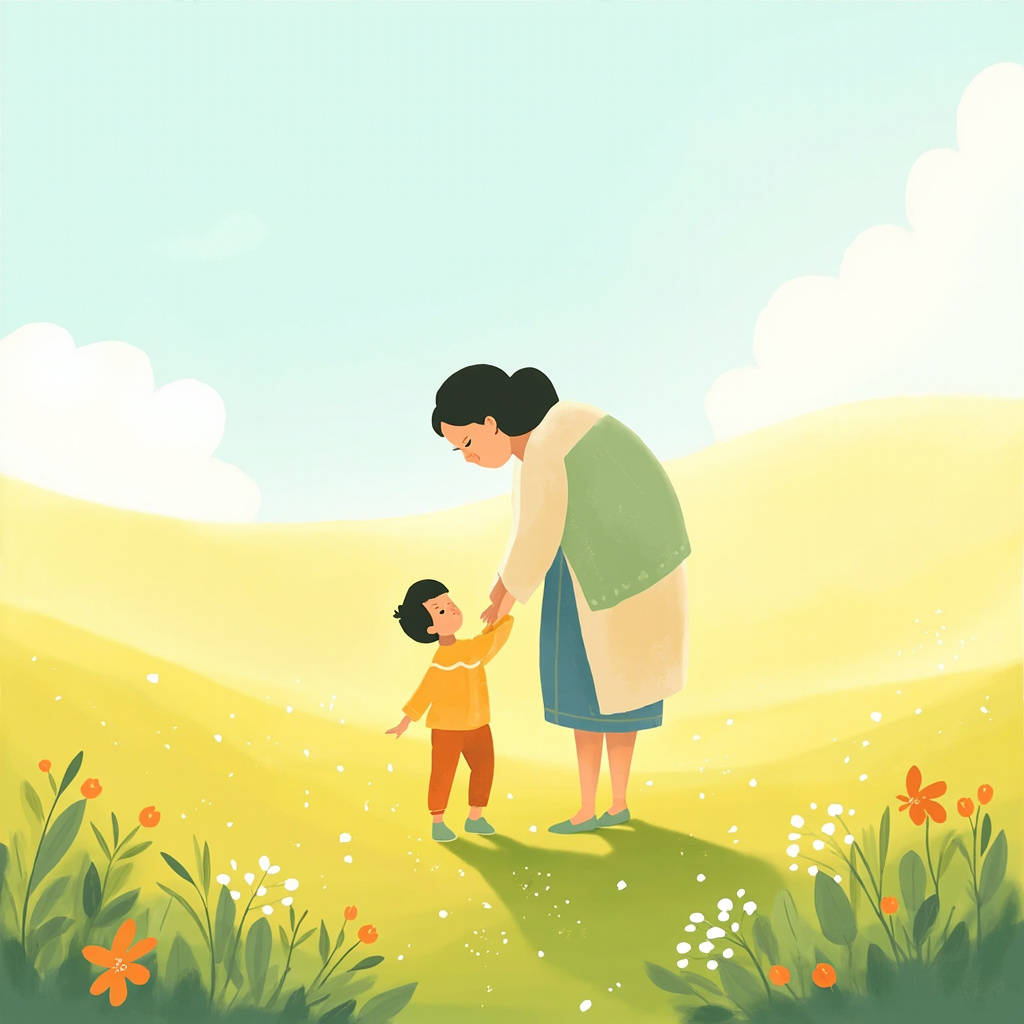
Talking about family is not only about listing names and relations. At B2 level, learners are expected to talk about the quality of relationships, shared experiences and feelings of closeness, using natural, fluent phrases. This section gives you the language to do exactly that in a conversational British English style.
The first two phrases, "I'm very close to my…" and "We get on really well (with)", are the most natural ways to introduce the topic of closeness. Notice the preposition to in I'm very close to my older sister, even though we use with in I get on well with my sister. We can intensify get on in several ways: we get on brilliantly, we get on really well, we get on like a house on fire. The idiom like a house on fire means "very quickly and very well" and is informal and lively. The pattern is always get on with + person: I get on with my dad much better now that I am older.
"We have a lot in common" explains why two people get on. It means they share interests, opinions or experiences: My brother and I have a lot in common — we both love cooking and old films. The phrase also works for friends, colleagues and flatmates, so it is a useful all-rounder. "I look up to my…" expresses deep admiration. We use it for people we respect because of their character, achievements or advice: I look up to my grandfather; he rebuilt the family business after the war. The pattern is look up to + person, with no change of preposition.
"We've always been there for each other" describes long-term emotional support. It is a warm, slightly formal phrase that works well at the end of a longer answer. Notice the present perfect tense have been, which shows the support has continued over many years: My sisters and I have always been there for each other, even through the difficult times."I take after my mother/father" means that I am similar to one of my parents in appearance, character or both: I take after my dad — we are both quite reserved. The preposition is always after, not of or with. The phrase is especially useful when answering the common B2 question "Who are you most similar to in your family?"
"My family means everything to me" is a strong, sincere phrase. Use it when you want to emphasise how important your family is in your life. It is especially effective at the end of a longer answer in an interview, a speaking exam or a personal conversation. You can soften it slightly with "My family means a great deal to me" if you want a more reserved register. Finally, the more reflective phrase "I grew up in a… household" lets you describe the atmosphere of your childhood home. Common adjectives include a noisy household, a single-parent household, a working-class household, a happy household. The word household focuses on the people living together rather than the physical building, which is what we usually mean when we talk about the past.
In real conversation, you rarely use just one of these phrases. The best answers combine two or three of them into a short, natural paragraph: "I am very close to my mum. We get on brilliantly, and we have always been there for each other. I really look up to her — she is the strongest person I know." This kind of extended answer is what B2 speakers aim for in both the IELTS speaking test and everyday life. Listen to the model dialogue that follows, paying attention to the way the speakers use these phrases naturally. Then you will have a chance to repeat the key sentences aloud and finally to hold your own conversation with a colleague about your family.
إزاي تتكلم عن العيلة في الإنجليزي بشكل طبيعي
في مستوى B2، لما حد يسألك عن عيلتك، مش المطلوب إنك تعدد أسماء وأقارب وبس. المطلوب إنك تطلع جودة العلاقة والمشاعر اللي بينك وبينهم. الكلام لازم يبقى شخصي ودافي، مش زي إجابة محفوظة.
الجمل الأساسية اللي هتحتاجها
1. "I'm very close to my..."
دي الطريقة الطبيعية جداً إنك تقول إنك قريب من حد. لاحظ إن الـ preposition هنا to، مش with. مثلاً: "I'm very close to my older sister."
2. "Get on with + person"
وده العكس، الـ preposition هنا with: "I get on really well with my dad." والفعل ده بيتقوى بأكتر من طريقة:
we get on brilliantly
we get on really well
we get on like a house on fire (idiom معناه إنكم بتآلفوا بسرعة وبقوة)
3. "Have a lot in common"
معناها إنكم بتتشاركو في اهتمامات أو آراء أو تجارب. مثال: "My brother and I have a lot in common — we both love cooking." الجملة دي بتشتغل مع عيلة وأصحاب وزملاء كمان.
4. "Look up to + person"
لما بتحب حد وبتحترمه جداً بسبب شخصيته أو إنجازاته. "I really look up to my grandfather." الـ preposition دايماً to وما بتتغيرش.
5. "Have been there for each other"
جملة دافية معناها إنكم سندتوا بعض فترة طويلة. لاحظ زمن present perfect (have been)، ده بيوضح إن الدعم ده استمر سنين. مثلاً: "My sisters and I have always been there for each other, even through the difficult times."
6. "Take after + person"
معناها إنك شبه أبوك أو أمك في الشكل أو الطباع. "I take after my dad — we are both quite reserved." الـ preposition دايماً after، مش of أو with.
7. "My family means everything to me"
لو عايز تقول إن عيلتك هي كل حاجة ليك. لو عايز تبقى أقل درامية: "My family means a great deal to me."
8. "Grew up in a... household"
بتوصف بيتها اللي كبرت فيه. أمثلة: a noisy household، a happy household، a single-parent household. كلمة household بتركز على الناس مش المبنى نفسه.
إزاي تربطهم في إجابة واحدة
في الكلام الطبيعي مش بتستخدم جملة واحدة. تربطهم في flow واحد:
"I'm very close to my sister. We get on like a house on fire and we have a lot in common. We've always been there for each other, especially through the difficult times."
التعبيرات الإضافية المفيدة
a tough upbringing (تربية صعبة)
a huge inspiration (مصدر إلهام كبير)
close to my sister (قريب من أختي)
الidioms والـ collocations اللي لازم تحفظهم
like a house on fire — بسرعة وبقوة
means everything to me — كل حاجة ليا
a huge inspiration — إلهام كبير
a tough upbringing — طفولة صعبة
الخلاصة
الهدف في B2 مش الإجابة الصح، الهدف إنك تدي impression إنك بتتكلم بطلاقة. خلي إجاباتك فيها تفاصيل شخصية، استخدم الـ present perfect لما تتكلم عن حاجات استمرت فترة طويلة، وماتنساش الـ prepositions — to مع close و look up، وwith مع get on، وafter مع take.
Listen to Emma and Tom talking about their families. Pay attention to the natural phrases they use to describe closeness and admiration.
E
EmmaSo Tom, do you come from a big family?
T
TomNot really. I'm very close to my sister, though. We get on really well.
E
EmmaThat's lovely. Do you have a lot in common?
T
TomYes, we do — we both love cooking and we have always been there for each other.
E
EmmaWho did you look up to when you were growing up?
T
TomI really looked up to my grandfather. He had a tough upbringing, but he was incredibly kind.
I'm very close to my mum — we get on brilliantly and we have always been there for each other.
A model B2 answer that combines three of the phrases from this section in one natural sentence. Notice how the prepositions change with different verbs: 'close to' but 'get on with'.
Required
Read this sentence aloud, paying attention to the rhythm and the preposition 'with' after 'get on'.
I'm very close to my older sister. We get on really well.
Required
Read this sentence aloud, emphasising the phrasal verb 'look up to'.
I really look up to my grandfather. He has been a huge inspiration in my life.
Required
You are at a work social event. Your colleague has just asked about your family. Answer naturally, using at least two of the phrases from this section, such as 'I'm very close to my…', 'We get on really well', 'I look up to my…' or 'We've always been there for each other'.
Required
Vocabulary
Vocabulary
6
cards
When we talk about family in English, we quickly move beyond the basic words "mother, father, brother, sister" that learners meet at lower levels. B2 speakers are expected to describe relationships, childhood memories and the emotional closeness between family members with a richer, more precise vocabulary. This section introduces you to eight carefully chosen words and phrases that will help you do that naturally, both in writing and in conversation.
The first pair of words, sibling and relative, help you refer to family members beyond the basic nuclear family. Sibling is a single word that covers both brothers and sisters, and it is particularly useful when you do not want to specify gender, or when you are talking about brothers and sisters as a group: I have two younger siblings, and they both live abroad. The plural form siblings is far more common than the singular in everyday conversation, and you will hear it constantly in films, podcasts and interviews. A relative is any family member, near or distant — uncles, aunts, cousins, grandparents and in-laws. British English speakers often use "relatives" to mean the wider family circle: Most of my relatives live in the same region, so we meet quite often. The word is slightly more formal than "my family" and suggests the broader network of people you are related to by blood or by marriage.
The next two words, upbringing and divorce, are useful when you want to talk about your family background. The noun upbringing describes the way a child is raised — the values, habits, discipline and care they receive from parents and carers. It is a slightly formal word, common in reflective writing, biographies and interviews: Her strict upbringing shaped her work ethic. In most cases it appears with an adjective, such as strict, religious, working-class or loving, which lets you characterise the kind of home someone grew up in. Divorce is the legal end of a marriage. It is a sensitive topic, so the language around it is usually careful and neutral. The most natural collocation is the verb phrase go through a divorce: My grandparents went through a difficult divorce when my mum was twelve. This avoids the slightly cold have a divorce and reflects the emotional weight of the experience.
The words bond and childhood describe the emotional side of family life. The word bond works as both a noun and a verb. As a noun it refers to a strong emotional connection between people, often within a family: The bond between the twins is remarkable. As a verb it is followed by with or over: I bonded with my dad over fishing when I was a kid. The verb form is particularly useful when you want to describe a moment of connection rather than a long-term relationship. Childhood is the period of being a child, and the word often carries emotional weight. Common collocations include a happy childhood, spend one's childhood, childhood memories and childhood friend. The word works in both light-hearted and serious contexts, which makes it very flexible for storytelling, anecdotes and reflective answers.
Finally, close-knit and look up to are two phrases that capture the feeling of a connected, supportive family. The adjective close-knit (always hyphenated in British English) describes a family or group whose members support each other and know each other well: We come from a close-knit family and speak to each other every day. You will also see it in the noun phrase a close-knit community, used to describe small towns or neighbourhoods. The phrasal verb look up to means to admire and respect someone, often an older relative or mentor: I have always looked up to my grandmother; she taught me to be independent. The preposition to is essential — we say I look up to my dad, never I look up my dad. The verb is typically used in the simple or present perfect tense to suggest a long-lasting feeling of respect, which is why it works so well in reflective writing.
Below, each word is given with its part of speech, a short Arabic gloss and a fresh example sentence. Read the sentence aloud, picture your own family, and then try to write one sentence of your own using each word. That small step turns new vocabulary from something you simply recognise into something you can actively use in conversation.
Word
Part of speech
Arabic
Example
sibling
noun
أخ أو أخت
I have two younger siblings who both live abroad.
relative
noun
قريب
Most of my relatives live in the same region.
upbringing
noun
تربية
Her strict upbringing shaped her work ethic.
divorce
noun
طلاق
My grandparents went through a difficult divorce.
bond
noun / verb
رابطة
The bond between the twins is remarkable.
childhood
noun
طفولة
She spent her childhood in a small village in Wales.
close-knit
adjective
متماسك
We come from a close-knit family.
look up to
phrasal verb
يحتذي بـ
I have always looked up to my grandmother.
كلمات العيلة في الإنجليزي — مستوى B2
في الدرس ده هنتعلم ٨ كلمات وعبارات بتتسخدّم لما نتكلّم عن العيلة بطريقة طبيعية ومتحضّرة. الكلمات دي مش بس أسماء قرابة عادية — دي هتساعدك تصف العلاقات، والطفولة، والقرب العاطفي بين أفراد العيلة.
كلمات القرابة الممتدة
sibling: كلمة واحدة بتغطّي الإخوة والبنات مع بعض. بنستخدمها لما مش عايز تحدّد النوع، أو لما بتتكلم عنهم كمجموعة. الـ plural العادي هو siblings، ودي اللي بتتسسمع كتير في الأفلام والمقابلات. مثال: I have two younger siblings, and they both live abroad.
relative: أي حد من العيلة سواء قريب أو بعيد — الأعمام، العمّات، الخالات، الجدود. في الإنجليزي البريطاني، بيقولوا my relatives لما يقصدوا الشبكة الأوسع من العيلة. مثال: Most of my relatives live in the same region.
الخلفيّة العائليّة
upbringing: اسم معناه الطريقة اللي اتربّى بيها الطفل من أهله. كلمة شوية formal، وبتظهر عادةً مع صفة قبلها زي strict upbringing, loving upbringing, religious upbringing. مثال: Her strict upbringing shaped her work ethic.
divorce: الانفصال القانوني بين الزوجين. أكتر collocation طبيعي معاها هي go through a divorce، مش have a divorce، عشان الأولى بتعكس الثقل العاطفي للموضوع. مثال: My grandparents went through a difficult divorce when my mum was twelve.
الجانب العاطفي
bond: بتشتغل اسم وفعل. كاسم معناها رابطة عاطفية قوية: The bond between the twins is remarkable. كفعل بنتبعها بـ with أو over، ودي بنستخدمها لما نوصف لحظة اتّصال حقيقية: I bonded with my dad over fishing when I was a kid.
childhood: فترة الطفولة، والكلمة ليها شحنة عاطفية. من الـ collocations الشائعة: a happy childhood, spend one's childhood, childhood memories, childhood friend.
عبارات إضافيّة مهمّة
close-knit: صفة مركّبة (compound adjective) بتتحط قبل الاسم، وبتوصف عيلة متماسكة وأعضاها قريبين من بعض. مثال: We come from a close-knit family.
look up to: phrasal verb معناه تحترم حد أو تعتبره قدوة ليك. مثال: I have always looked up to my older brother.
نصيحة عمليّة
لما تيجي تتكلّم عن عيلتك، حاول تدمج كذا كلمة في جملة واحدة عشان الصوت يطلع طبيعي ومتحضّر، مش مجرد حفظ كلمات. شوف المثال ده: We come from a close-knit family, and I have always looked up to my older brother — my childhood was really happy because of that bond.
لاحظ إزاي الجملة الواحدة فيها أكتر من كلمة من اللي اتعلمناها، وده بالظبط اللي بيخلّي الإنجليزي بتاعك في مستوى B2 مش A2.
These eight words and phrases will help you describe family members, talk about your childhood and explain the emotional bonds within a family. Read each one aloud, then study the example sentence in the table below.
bondbɒnd
A strong connection or relationship between people, things, or ideas; a force that joins things together.
childhoodˈtʃaɪldhʊd
Childhood is the period of time in a person's life when they are a child, typically from birth to adolescence.
close-knitˌkləʊs ˈnɪt
Describing a group of people who are strongly connected to each other, often because they share the same belie
divorcedɪˈvɔːs
A divorce is the legal ending of a marriage between two people.
look up tolʊk ʌp tuː
To admire and respect someone, often because of their achievements, qualities, or behavior. You look up to peo
relativeˈrelətɪv
A member of your family; a person who is related to you by blood or marriage.
siblingˈsɪblɪŋ
A sibling is a brother or sister; a person who shares the same parents as you.
upbringingˈʌp.brɪŋ.ɪŋ
The way a child is raised and taught to behave by their parents or guardians during their early years.
Required
Match each word or phrase on the left with its meaning on the right.
Match each word or phrase on the left with its meaning on the right.
sibling
relative
upbringing
divorce
bond
childhood
close-knit
look up to
a brother or sister
a member of your wider family
the way a child is raised
the legal end of a marriage
a strong emotional connection
the period of being a child
supportive and closely connected
to admire and respect someone
We come from a close-knit family, and I have always looked up to my older brother.
A model sentence using two of the new words. Notice the hyphen in 'close-knit' and the fixed preposition 'to' after 'look up to'.
Required
Listen to the speaker, then choose the correct answer about what you heard.
The twins have a strong emotional connection.
The twins are no longer close to each other.
The twins live in different countries.
Required
Which sentence uses the phrasal verb 'look up to' correctly?
I look up to my grandmother; she is incredibly wise.