
The Future of Work: How AI Is Reshaping Careers
From factories to hospitals, artificial intelligence is transforming the workplace — and the skills we need to thrive in it.
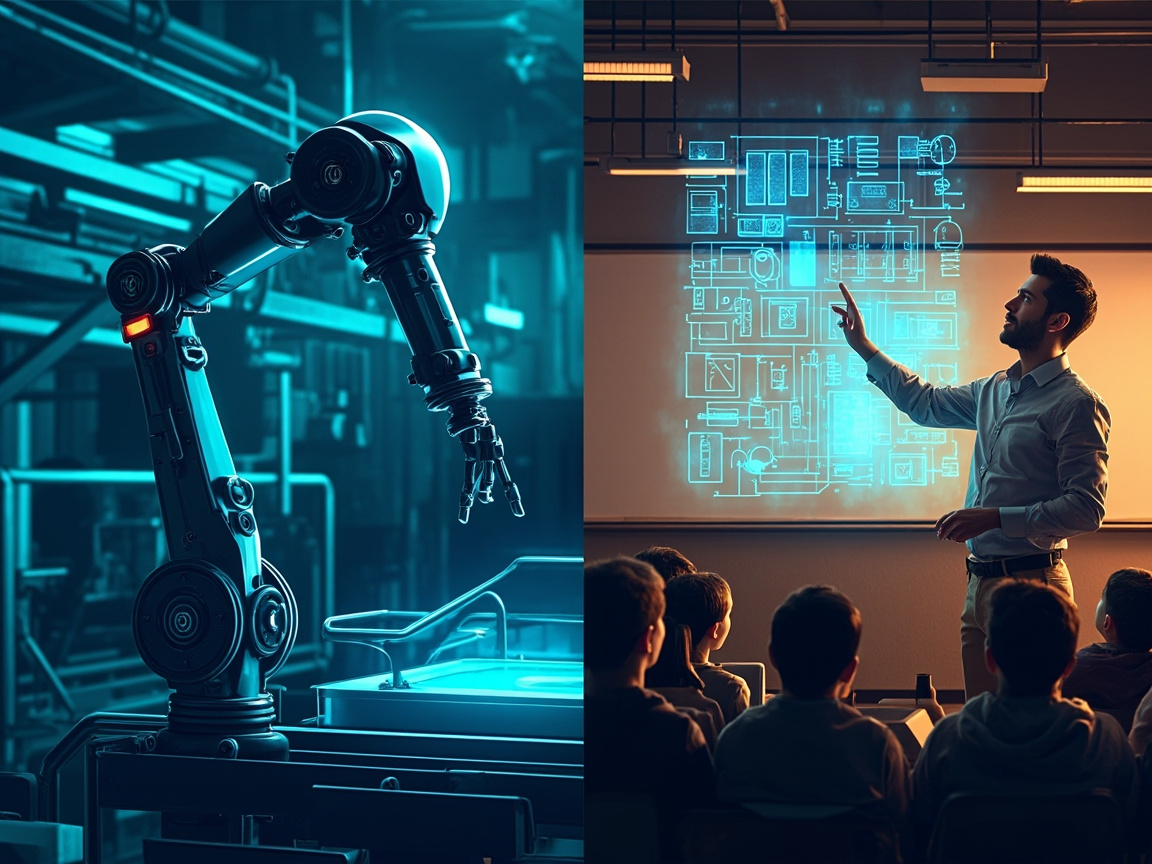
AI Walks Into the Office
Artificial intelligence is no longer a concept from science fiction. It has quietly entered offices, factories, and hospitals around the world. Algorithms now handle tasks that once required hours of human effort, such as sorting through job applications or reading medical scans. Companies of all sizes are discovering that smart machines can work around the clock without needing a coffee break. This shift is not just about efficiency — it is changing the very nature of what a job looks like.
Which Jobs Are Being Automated?
Automation is moving fastest in industries that rely on repetitive tasks. Assembly-line workers, data-entry clerks, and basic customer-service agents are all facing major changes. Even journalists and designers have started using AI tools to draft articles and create images in minutes. However, experts agree that jobs requiring deep creativity, emotional intelligence, or physical movement in unpredictable environments are much harder to replace. The key question is not whether machines will take over — it is which specific tasks they will handle.

New Roles in the Age of AI
While some careers are shrinking, entirely new fields are emerging. Roles such as AI trainer, data ethicist, and robot maintenance technician barely existed a decade ago. Businesses now need people who can teach machines what to look for and how to avoid harmful bias. Governments are also hiring specialists to write rules for how AI should be used responsibly. For young workers, this means that learning how to work alongside intelligent systems is becoming just as important as traditional office skills.
The Skills That Will Matter Tomorrow
Analysts at major research firms suggest that critical thinking, communication, and problem-solving will be the most valuable skills in the coming decades. Workers who can ask the right questions and judge the quality of an AI's output will always be needed. On the other hand, simply memorizing facts or following step-by-step instructions will be less useful as machines improve. Upskilling — learning new abilities throughout your career — is quickly becoming a requirement rather than a choice.

Hope, Fear, and the Road Ahead
Not everyone sees AI as a threat. Many economists argue that the technology will create more jobs than it destroys, just as the internet did in the 1990s. Unions, however, are calling for stronger protections for workers in vulnerable sectors. Across the globe, schools and universities are beginning to redesign their programmes to prepare students for a workplace where human-machine collaboration is normal. The future of work will not be shaped by technology alone — it will depend on the choices we make today.
Quiz
-
1What type of tasks is automation affecting fastest, according to the article?
The article states that automation is moving fastest in industries that rely on repetitive tasks.
-
2Which of the following is mentioned as a new job role created by AI?
The article lists AI trainer, data ethicist, and robot maintenance technician as new roles emerging from AI.
-
3According to the article, which skill is expected to become increasingly valuable?
The article says critical thinking, communication, and problem-solving will be the most valuable skills in the coming decades.
-
4What does the article say about jobs involving creativity or emotional intelligence?
The article notes that jobs requiring deep creativity or emotional intelligence are much harder to replace.
-
5What analogy does the article use to suggest AI might create more jobs than it removes?
The article compares the current AI shift to the internet in the 1990s, which many economists say created more jobs than it destroyed.