
The Future of Work: How AI Is Reshaping Careers
From factories to hospitals, artificial intelligence is transforming the workplace — and the skills we need to thrive in it.
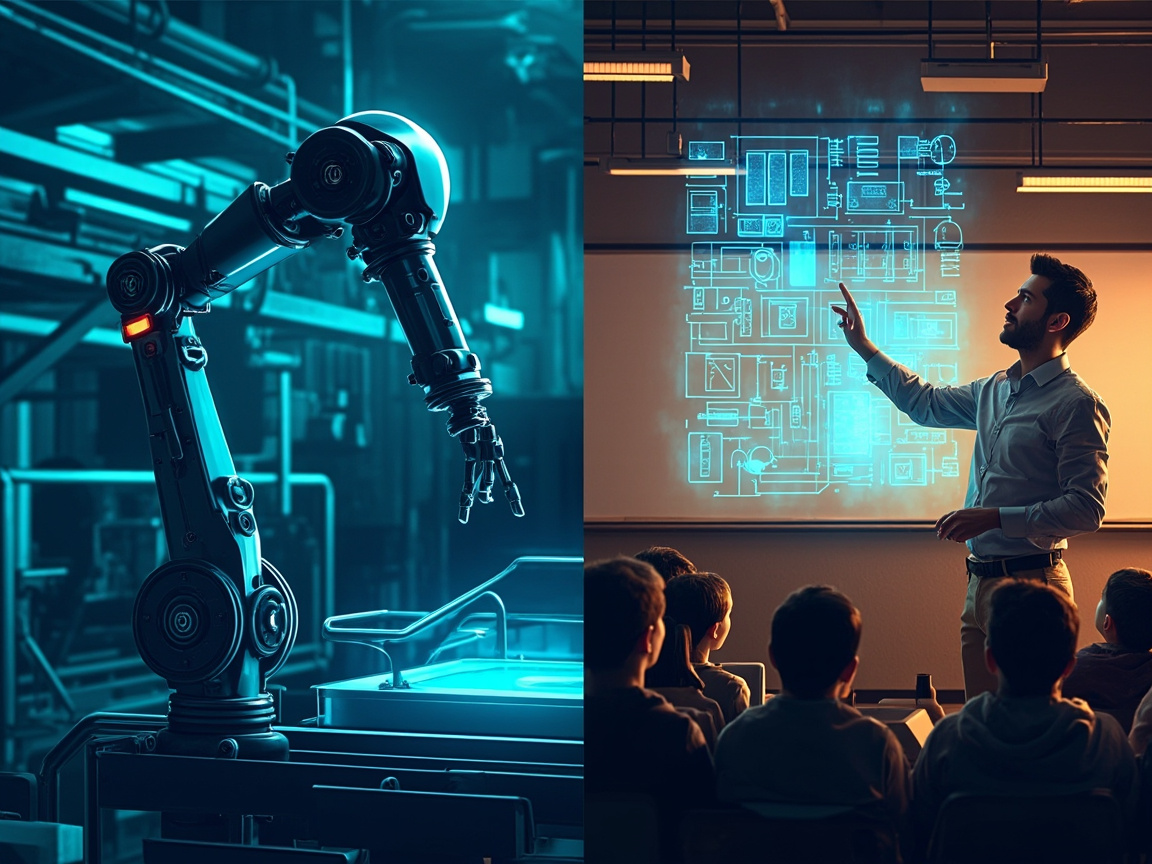
AI Walks Into the Office
Artificial intelligence is no longer a concept from science fiction. It has quietly entered offices, factories, and hospitals around the world. Algorithms now handle tasks that once required hours of human effort, such as sorting through job applications or reading medical scans. Companies of all sizes are discovering that smart machines can work around the clock without needing a coffee break. This shift is not just about efficiency — it is changing the very nature of what a job looks like.
Which Jobs Are Being Automated?
Automation is moving fastest in industries that rely on repetitive tasks. Assembly-line workers, data-entry clerks, and basic customer-service agents are all facing major changes. Even journalists and designers have started using AI tools to draft articles and create images in minutes. However, experts agree that jobs requiring deep creativity, emotional intelligence, or physical movement in unpredictable environments are much harder to replace. The key question is not whether machines will take over — it is which specific tasks they will handle.

New Roles in the Age of AI
While some careers are shrinking, entirely new fields are emerging. Roles such as AI trainer, data ethicist, and robot maintenance technician barely existed a decade ago. Businesses now need people who can teach machines what to look for and how to avoid harmful bias. Governments are also hiring specialists to write rules for how AI should be used responsibly. For young workers, this means that learning how to work alongside intelligent systems is becoming just as important as traditional office skills.
The Skills That Will Matter Tomorrow
Analysts at major research firms suggest that critical thinking, communication, and problem-solving will be the most valuable skills in the coming decades. Workers who can ask the right questions and judge the quality of an AI's output will always be needed. On the other hand, simply memorizing facts or following step-by-step instructions will be less useful as machines improve. Upskilling — learning new abilities throughout your career — is quickly becoming a requirement rather than a choice.

Hope, Fear, and the Road Ahead
Not everyone sees AI as a threat. Many economists argue that the technology will create more jobs than it destroys, just as the internet did in the 1990s. Unions, however, are calling for stronger protections for workers in vulnerable sectors. Across the globe, schools and universities are beginning to redesign their programmes to prepare students for a workplace where human-machine collaboration is normal. The future of work will not be shaped by technology alone — it will depend on the choices we make today.
الذكاء الاصطناعي والشغل: اللي بيتغير واللي بيفضل
هتتعلّم إيه من الدرس؟
المقال ده بيسأل سؤال عصرنا: هل الذكاء الاصطناعي هياخد شغلنا؟ بيمشي بخمس مراحل — دخول المكاتب، الوظائف المعرضة، الوظائف الجديدة، المهارات المطلوبة، والمستقبل. هنقرا كل قسم ونطلّع اللغة اللي بتستخدم في أخبار التكنولوجيا والاقتصاد.
دخول هادي: التقنية مش خيال علمي بعد دلوقتي
Companies of all sizes are discovering that smart machines can work around the clock without needing a coffee break.
الشركات بكل أحجامها بتكتشف إن الآلات الذكية تقدر تشتغل على مدار الساعة من غير ما تحتاج بريك آهوة.
أول قسم بيوصّل إن الذكاء الاصطناعي بقى حقيقة يومية. الكاتب بيستخدم تعبير بيوصف شغل الآلة من غير توقف:
التعبير «around the clock» معناه طول اليوم بلا توقف — وده الميزة اللي بيفرق بيها الآلة عن الإنسان. والجملة بتبني مقارنة صامتة: الآلة مش بتحتاج بريك. لاحظ إن الكاتب بيستخدم تشبيه بسيط عشان الفكرة التقنية تبقى مفهومة.
الوظائف المعرضة: التكرار هو الهدف
However, experts agree that jobs requiring deep creativity, emotional intelligence, or physical movement in unpredictable environments are much harder to replace.
بس الخبراء متفقين إن الوظائف اللي محتاجة إبداع عميق أو ذكاء عاطفي أو حركة في بيئات مش متوقعة أصعب بكتير إنها تتستبدل.
تاني قسم بيعدّد الوظائف اللي بتتأثر. المقال بيشرح إن المشكلة مش كل الشغل — مش أي وظيفة — والجملة دي بتوضح المعيار:
الجملة بتحط حدود الخوف: مش كل الوظائف في خطر. المعيار هو نوع المهارة — الإبداع والمشاعر والحركة المرنة صعب تتحول لكود. وكلمة «However» هي اللي بتلغي الانطباع المتشائم اللي فات وترجع التوازن.
وظائف جديدة: مسميات مكانتش موجودة
While some careers are shrinking, entirely new fields are emerging.
في الوقت اللي بعض المهن بتصغّر، في مجالات جديدة تمامًا بتظهر.
تالت قسم بيقلب الصورة: بدل ما نبص على اللي بيختفي، نشوف اللي بيظهر. المقال بيستخدم فعل بيوصف الظهور التدريجي:
الفعل «emerge» معناه يظهر أو يطلع للسطح — حاجة بتتكوّن مش بتتخلق فجأة. والتركيب «While X, Y» بيعمل مقارنة بين حاجتين بيحصلوا في نفس الوقت: الانكماش والنمو. دي طريقة عرض متوازنة مش متفائلة ببلاش.
مهارات بكرة: التفكير مش الحفظ
Upskilling — learning new abilities throughout your career — is quickly becoming a requirement rather than a choice.
تطوير المهارات — تعلم قدرات جديدة طول مشوارك الوظيفي — بيتحول بسرعة لشرط مش اختيار.
رابع قسم عن المهارات المطلوبة. المقال بيرفع قيمة التفكير النقدي، وبيستخدم مصطلح بيوصف التعلم المستمر:
الكلمة دي مصطلح حديث في سوق الشغل: مش مجرد تتعلم، ده تحديث مهاراتك باستمرار. والمقال بيشرحها بين شرطتين — طريقة بتستخدم لما تقطع الجملة بتعريف سريع. والنتيجة جاية واضحة: مش رفاهية.
الطريق قدّام: التقنية مش قدر
The future of work will not be shaped by technology alone — it will depend on the choices we make today.
مستقبل الشغل مش هيتشكّل بالتكنولوجيا لوحدها — هيعتمد على الاختيارات اللي بناخدها النهارده.
آخر قسم بيقفل برسالة مسؤولية. المستقبل مش بتحدده الآلة لوحدها — الجملة دي بتوزّن الخوف والأمل:
التركيب «be shaped by» معناه «يتشكّل بـ» — بيوصف التأثير اللي بيغيّر شكل الحاجة. والنفي هنا مهم: مش التكنولوجيا لوحدها، في دور إنساني. نفس فكرة بداية المقال بس بصياغة أعمق — من الخوف للاختيار.
لغة سوق الشغل والتقنية
كل تعبير من المقال ليه حياة في الأخبار والنقاشات المهنية. شوف المعنى والاستخدام.
work around the clock
معناها «تشتغل على مدار الساعة»: شغل مستمر من غير توقف ليلًا ونهارًا.
التعبير around the clock بييجي بعد الفعل: work around the clock / open around the clock / monitored around the clock. بيتستخدم في الأخبار عن الخدمات والمستشفيات والأنظمة. ولو عايز تقول مدة أقصر بتقول around the corner بس دي معناها قريب مش زمن.
The hospital operates around the clock.
المستشفى شغالة على مدار الساعة. وصف خدمة.
The team worked around the clock to finish the project.
الفريق اشتغل ليل نهار عشان يخلص المشروع. وصف مجهود مكثف.
much harder to replace
معناها «أصعب بكتير إنها تتستبدل»: درجة عالية من الصعوبة في الاستبدال.
التركيب much + comparative + to + verb: much easier to learn / much harder to find. الـ«much» بتقوّي المقارنة — مش مجرد أصعب، ده أصعب بكتير. و«replace» هنا معناها استبدال إنسان بآلة أو شيء بآخر.
Finding a good doctor is much harder in small towns.
لقاء دكتور كويس أصعب بكتير في البلاد الصغيرة. مقارنة مع much.
Old books are much harder to replace than digital files.
الكتب القديمة أصعب بكتير في الاستبدال من الملفات الرقمية. مقارنة قيمة.
are emerging
معناها «بتظهر» أو «بتتكوّن تدريجيًا»: حاجة جديدة بتطلع للسطح.
الفعل emerge بييجي في المضارع المستمر لما الحاجة لسه بتظهر: new trends are emerging / problems are emerging. وفي الماضي: a leader emerged. مش بياخد مفعول مباشر — الحاجة هي اللي بتظهر، مش حد بيطلعها.
New technologies are emerging every year in medicine.
تقنيات جديدة بتظهر كل سنة في الطب. وصف تطور مستمر.
A clear pattern emerged from the data after months of analysis.
نمط واضح طلع من البيانات بعد شهور من التحليل. استخدام في الماضي.
Upskilling
معناها «تطوير المهارات»: تعلم قدرات جديدة عشان تفضل مناسب لشغلك أو لشغل أحسن.
الكلمة مصطلح حديث مكوّن من up- معناها «لأعلى» + skill. عكسها أحيانًا reskilling يعني تعلم مهارة جديدة خالص لمجال تاني. بتتقال في أخبار الاقتصاد وفرص العمل: upskilling programs / upskilling opportunities.
The company offers upskilling courses for its employees.
الشركة بتقدم كورسات تطوير مهارات لموظفيها. استخدام في بيئة العمل.
Upskilling is essential if you want to stay competitive in tech.
تطوير المهارات ضروري لو عايز تفضل منافس في التكنولوجيا. نصيحة مهنية.
will not be shaped by
معناها «مش هيتشكّل بـ» أو «مش هيتحدد بـ»: تأثير خارجي بيغيّر طبيعة الحاجة.
التركيب be shaped by مبني للمجهول بيوصف عوامل التشكيل: shaped by experience / shaped by culture. وفي النفي مع alone بتوصّل إن العامل ده مش الوحيد. استخدمه لما تتكلم عن تأثيرات طويلة على شخص أو مجتمع أو قرار.
Our opinions are shaped by the media we consume.
آراءنا بتتشكّل بالإعلام اللي بنستهلكه. تأثير بيئي.
The city was shaped by its history as a port.
المدينة اتشكّلت بتاريخها كميناء. تأثير تاريخي.
ورقة مراجعتك للمستقبل
تقريب النطق بالعربي للمساعدة بس؛ صوت المقال هو الموديل.
| التعبير | معناه هنا | النطق | تقريب بالعربي | موضعه |
|---|---|---|---|---|
| work around the clock | تشتغل على مدار الساعة | /wɜːk əˈraʊnd ðə klɒk/ | وِرك أراوند ذَ كلوك | فقرة دخول الذكاء الاصطناعي |
| much harder to replace | أصعب بكتير إنها تتستبدل | /mʌtʃ ˈhɑːdə tə rɪˈpleɪs/ | مَتش هاردَ تَ رِبليس | فقرة الوظائف المعرضة |
| are emerging | بتظهر / بتتكوّن | /ɑːr ɪˈmɜːdʒɪŋ/ | آر إمِرجينج | فقرة الوظائف الجديدة |
| Upskilling | تطوير المهارات | /ˈʌpskɪlɪŋ/ | أبسكيلينج | فقرة مهارات المستقبل |
| will not be shaped by | مش هيتشكّل بـ / مش هيتحدد بـ | /wɪl nɒt biː ʃeɪpt baɪ/ | وِل نوت بي شِبت باي | فقرة المستقبل |
اختار مهنة واحدة تعرفها واكتب جملة عنها: هل هي من النوع اللي بيتأتمت بسهولة ولا من النوع اللي «much harder to replace»؟ برر رأيك بجملة تانية باستخدام «depends on» أو «shaped by».
Quiz
-
1What type of tasks is automation affecting fastest, according to the article?
The article states that automation is moving fastest in industries that rely on repetitive tasks.
-
2Which of the following is mentioned as a new job role created by AI?
The article lists AI trainer, data ethicist, and robot maintenance technician as new roles emerging from AI.
-
3According to the article, which skill is expected to become increasingly valuable?
The article says critical thinking, communication, and problem-solving will be the most valuable skills in the coming decades.
-
4What does the article say about jobs involving creativity or emotional intelligence?
The article notes that jobs requiring deep creativity or emotional intelligence are much harder to replace.
-
5What analogy does the article use to suggest AI might create more jobs than it removes?
The article compares the current AI shift to the internet in the 1990s, which many economists say created more jobs than it destroyed.