AI in the Classroom: Reimagining Language Learning
How artificial intelligence is transforming TESOL — and what it means for the future of education
The Rise of the AI Tutor
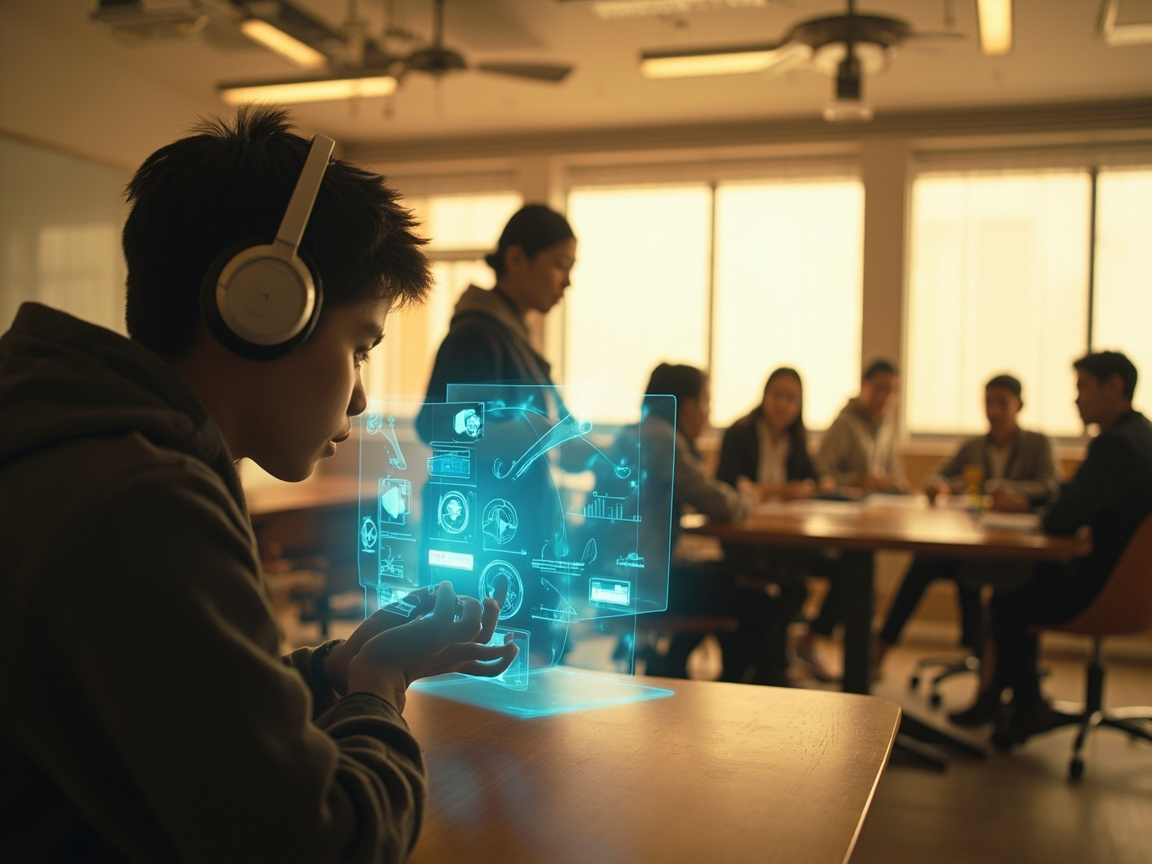
In classrooms from Seoul to São Paulo, algorithmic language tutors are becoming impossible to ignore. ChatGPT and similar large language models can now engage students in authentic conversation, instantly correcting grammar and offering adaptive explanations tailored to individual learners. For English teachers, this represents both an unprecedented opportunity and a profound challenge to traditional pedagogy. The technology can generate unlimited practice exercises, simulate job interviews, and provide patient, non-judgmental feedback at any hour. Yet this implementation of AI in language education raises fundamental questions about what it means to truly learn a language.
Personalized Practice at Scale
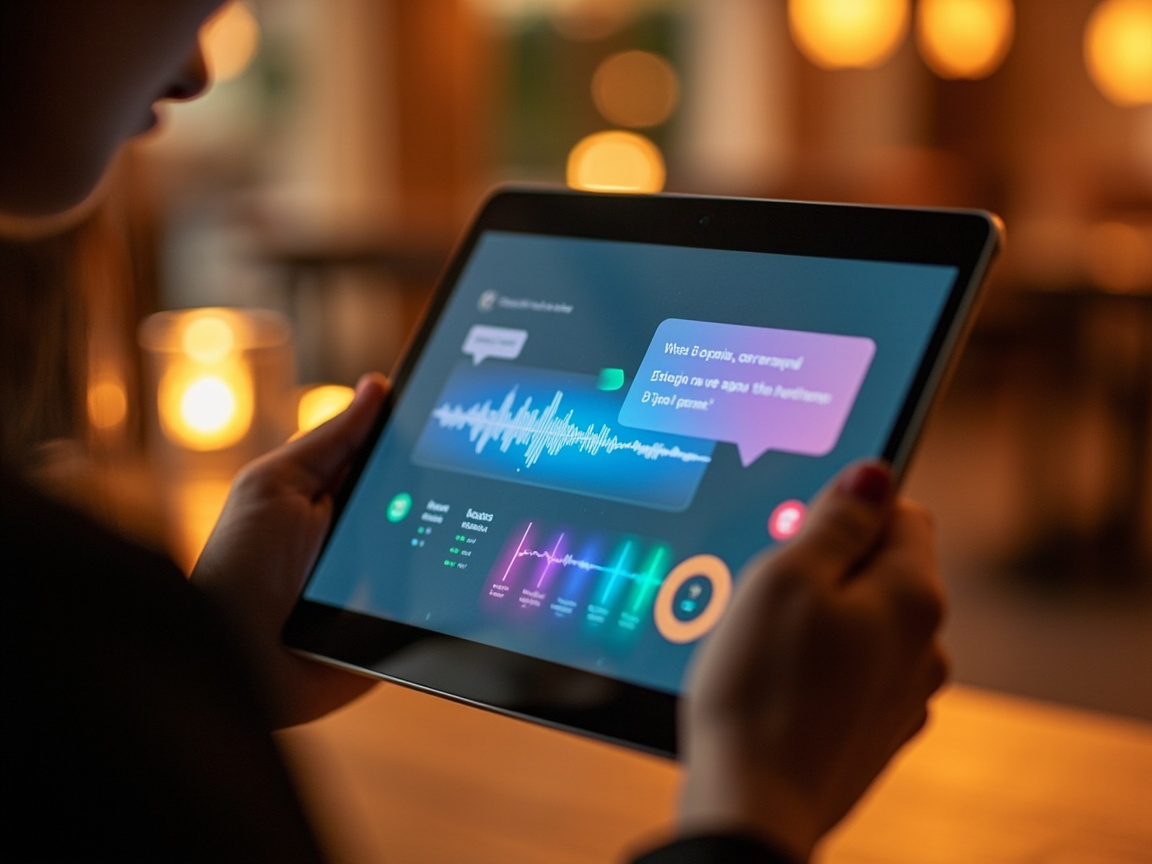
One of the most compelling arguments for AI tutors lies in their ability to deliver personalized learning experiences that were previously available only through expensive private tutoring. These systems can scaffold lessons by breaking complex grammar rules into digestible chunks, then gradually increasing difficulty as the learner progresses. Unlike human teachers who must divide attention among thirty students, AI can provide heuristic feedback that guides learners toward discovery rather than simply providing answers. Research suggests that students who engage with AI conversation partners may develop greater fluency and confidence in speaking, particularly in low-stakes environments where fear of judgment is removed.
The Integrity Debate
However, the integration of AI into language learning has ignited concerns about academic integrity and the very nature of language proficiency. Educators worry that students may rely too heavily on AI assistance, submitting synthetic work that reflects the machine's capabilities rather than their own developing skills. The specter of plagiarism has evolved beyond copy-pasting; now, students can produce polished essays that may not represent their actual competence. Universities and language testing organizations are scrambling to develop detection methods and new assessment formats that can distinguish genuine human achievement from AI-generated output.

The Teacher's Evolving Role
Rather than rendering human teachers obsolete, AI may be reshaping their role from information provider to learning facilitator. In this new paradigm, teachers can focus on the interpersonal dimensions of education that machines cannot replicate — building community, inspiring motivation, and addressing the emotional aspects of learning a new language. Some educators are experimenting with blended approaches, using AI for drill-based practice while reserving classroom time for discussion, collaborative projects, and cultural immersion activities. The most forward-thinking programs are teaching students to use AI ethically, treating it as a tool to augment their learning rather than a shortcut to avoid effort.
Looking Forward: A Balanced Approach
The most nuanced perspectives on AI in TESOL acknowledge that the technology is neither savior nor villain — it is simply a new instrument in the educational toolkit. The key lies in remediation strategies that help struggling learners while still building independent skills. As AI continues to evolve, so too must our frameworks for responsible use. The goal is not to resist technological progress, but to ensure that the human elements of language learning — communication, connection, and cultural understanding — remain at the heart of education. The future of TESOL may well depend on our ability to harness AI's power while preserving the irreplaceable value of human interaction.
الذكاء الاصطناعي في الفصل: المدرس الجديد اللي مش بشر
هتتعلّم إيه من الدرس؟
المقال ده بيسأل إيه معنى تعلم لغة لما الآلة تقدر تتكلم معاك. أربع أقسام: صعود المدرس الذكي، التخصيص بالجملة، جدل النزاهة، ودور المدرس البشري. هنطلّع لغة التعليم والتقنية.
المدرس الذكي: تصحيح فوري من غير حكم
The technology can generate unlimited practice exercises, simulate job interviews, and provide patient, non-judgmental feedback at any hour.
التقنية تقدر تولّد تمارين ممارسة بلا حدود، وتحاكي مقابلات شغل، وتقدم تغذية راجعة صبورة وغير حاكمة في أي ساعة.
أول قسم عن المدرس الاصطناعي. المقال بيوضح إن الميزة مش بس السرعة — ده عدم الخوف من الغلط:
المصطلح «non-judgmental feedback» معناه تغذية راجعة من غير حكم أو إحراج — بتصحّح من غير ما تحرجك. والمقال بيوصّل إن ده بيفتح باب للممارسة الخاصة — تقدر تغلط من غير ما حد يشوف. دي ميزة نفسية مش تقنية بس.
التخصيص بالجملة: كل طالب لوحده
These systems can scaffold lessons by breaking complex grammar rules into digestible chunks, then gradually increasing difficulty as the learner progresses.
الأنظمة دي تقدر تبني الدروس بتقسيم قواعد النحو المعقدة لقطع قابلة للهضم، وبعدين تزوّد الصعوبة تدريجيًا كل ما المتعلم يتقدم.
تاني قسم عن التخصيص. المقال بيستخدم فعل بيوصف البناء التدريجي للتعلم:
الفعل «scaffold» معناه يبني بسقالات — يدعم التعلم خطوة بخطوة من غير ما يدوّر النتيجة. والمقال بيوضح الطريقة: تقسيم للقطع الصغيرة وبعدين صعوبة متزايدة. دي طريقة التعلم التكيفي — مش نفس الدرس للكل.
النزاهة: لما الطالب يبعت شغل الآلة
Educators worry that students may rely too heavily on AI assistance, submitting synthetic work that reflects the machine's capabilities rather than their own developing skills.
المعلمين بيقلقوا إن الطلبة ممكن يعتمدوا زيادة عن اللزوم على مساعدة الذكاء الاصطناعي، بيقدموا شغل صناعي بيعكس قدرات الآلة مش مهاراتهم اللي بتتطور.
تالت قسم عن الخوف. المقال بيستخدم مصطلح بيوصف العمل المزيف:
المصطلح «synthetic work» معناه شغل صناعي — منتج بالآلة مش بالإنسان. والمقال بيوضح المشكلة: مش بس الغش، ده إن التقييم مش بيقيس مهارة الطالب الحقيقية. «reflects the machine's capabilities» بتوصّل إن الورقة بتحكي عن الآلة مش عن صاحبها.
دور المدرس: من مقدم معلومة لمرشد
Rather than rendering human teachers obsolete, AI may be reshaping their role from information provider to learning facilitator.
بدل ما يخلّي المدرسين البشر قدامى، الذكاء الاصطناعي ممكن يعيد تشكيل دورهم من مقدم معلومة لمرشد تعلم.
آخر قسم عن الحل. المقال بيستخدم مصطلح بيوصف التحول في الدور:
المصطلح «learning facilitator» معناه مرشد أو ميسّر تعلم — مش المصدر الوحيد للمعلومة، ده اللي بيصمم التجربة ويدعمها. والمقال بيوصّل إن المدرس مش بيختفي — بيتحول للحاجة اللي الآلة مش قادرة عليها: الاتصال الإنساني.
التوازن: لا مُنقذ ولا شِرير — أداة جديدة بس
The most nuanced perspectives on AI in TESOL acknowledge that the technology is neither savior nor villain — it is simply a new instrument in the educational toolkit.
أدق وجهات النظر عن الذكاء الاصطناعي في تعليم اللغة بتعترف إن التقنية لا مُنقذ ولا شِرير — هي بس أداة جديدة في صندوق أدوات التعليم.
آخر قسم بيقدّم الرأي المتوازن. المقال بيستخدم تعبير بيوصف النظرة الوسطية للتقنية:
التركيب «neither X nor Y» معناه لا هذا ولا ذاك — نفي للطرفين المتطرفين. والمقال بيوصّل إن الموقف الناضج مش مبالغة في التفاؤل ولا في التشاؤم — التقنية أداة، والقيمة في إزاي نستخدمها. «educational toolkit» صورة مجازية لمجموعة أدوات المعلم.
لغة التعليم والتقنية
كل تعبير من المقال ليه استخدام في الكلام التعليمي والتقني. شوف المعنى والأمثلة.
non-judgmental feedback
معناها «تغذية راجعة غير حاكمة»: تصحيح من غير إحراج أو تقييم شخصي.
الصفة non-judgmental: non-judgmental attitude / non-judgmental environment / non-judgmental feedback. بيتقال في التعليم والعلاج النفسي. والاسم judgment معناه الحكم أو التقييم.
A good teacher provides non-judgmental feedback to shy students.
المدرس الكويس بيقدم تغذية راجعة غير حاكمة للطلبة الخجولين. استخدام تعليمي.
The app creates a non-judgmental space for language practice.
التطبيق بيخلق مساحة غير حاكمة لممارسة اللغة. استخدام تقني.
scaffold lessons
معناها «يبني الدروس» أو «يدعم التعلم تدريجيًا»: تعليم منظم من السهل للصعب.
الفعل scaffold من اسم السقالات: scaffold learning / scaffold instruction / scaffolded support. بيتقال في التعليم عن البناء التدريجي للمعرفة. مش معناه يدوّر الإجابة — معناه يبني القدرة.
The teacher scaffolds lessons so students can build skills step by step.
المدرسة بتبني الدروس عشان الطلبة يقدروا يطوروا المهارات خطوة بخطوة. استخدام تعليمي.
Good language apps scaffold vocabulary from easy to difficult.
تطبيقات اللغة الكويسة بتبني المفردات من السهل للصعب. استخدام تقني.
synthetic work
معناها «شغل صناعي»: منتج بالآلة مش بالإنسان — يبان طبيعي بس مش أصلي.
الصفة synthetic: synthetic work / synthetic materials / synthetic voice. بيتقال في التقنية والأخلاقيات. عكسها authentic work أو genuine work. المصطلح بيتزايد في الكلام عن الذكاء الاصطناعي.
The teacher could tell the essay was synthetic work, not the student's own writing.
المدرسة قدرت تقول إن المقال شغل صناعي مش كتابة الطالب. استخدام تعليمي.
Companies are developing tools to detect synthetic work in exams.
الشركات بتطور أدوات عشان تكشف الشغل الصناعي في الامتحانات. استخدام تقني.
learning facilitator
معناها «مرشد تعلم»: اللي بيساعد التعلم يحصل مش بيقدمه مباشرة.
الاسم facilitator: learning facilitator / workshop facilitator / facilitate discussion. بيتقال في التعليم والتدريب. والفعل facilitate معناه يسهّل أو يساعد — مش يعلّم بالمعنى التقليدي.
The coach acts as a learning facilitator, not a lecturer.
الكوتش بيشتغل كمرشد تعلم مش محاضر. وصف دور.
Online platforms can facilitate learning through interactive exercises.
المنصات أونلاين تقدر تساعد التعلم من خلال تمارين تفاعلية. استخدام تقني.
neither savior nor villain
معناها «لا مُنقذ ولا شِرير»: رفض للطرفين المتطرفين — مش ملاك ولا شيطان.
التركيب neither + noun + nor + noun: neither good nor bad / neither friend nor enemy / neither right nor wrong. بيتقال لما ترفض التصنيف الثنائي. ولاحظ إن الفعل بيتفق مع الاسم الأقرب لـ«nor».
The new policy is neither a complete success nor a total failure.
السياسة الجديدة لا نجاح كامل ولا فشل تام. تقييم متوازن.
He is neither a friend nor an enemy — just a colleague.
هو لا صاحب ولا عدو — بس زميل. وصف علاقة محايدة.
ورقة مراجعتك للتعليم والذكاء
تقريب النطق بالعربي للمساعدة بس؛ صوت المقال هو الموديل.
| التعبير | معناه هنا | النطق | تقريب بالعربي | موضعه |
|---|---|---|---|---|
| non-judgmental feedback | تغذية راجعة غير حاكمة / تصحيح بدون إحراج | /nɒn dʒʌdʒˈmentəl ˈfiːdbæk/ | نون جَجمِنتَل فيدباك | قسم المدرس الذكي |
| scaffold lessons | يبني الدروس / يدعم التعلم | /ˈskæfəld ˈlesənz/ | سكافَولد لِسَنز | قسم التخصيص |
| synthetic work | شغل صناعي / منتج بالآلة | /sɪnˈθetɪk wɜːk/ | سِنثِتِك وِرك | قسم النزاهة |
| learning facilitator | مرشد تعلم / ميسّر | /ˈlɜːnɪŋ fəˈsɪlɪteɪtə/ | لِرنينج فَسِلِتِيتَر | قسم دور المدرس |
| neither savior nor villain | لا مُنقذ ولا شِرير / نفي الطرفين | /ˈnaɪðə ˈseɪvjə nɔː ˈvɪlən/ | نايذَر سِيڤيَر نور ڤِلَن | قسم التوازن |
اكتب جملة عن تجربتك مع الذكاء الاصطناعي في التعلم باستخدام «scaffold» أو «facilitator». وبعدين فسّر الفرق بين «feedback» و«non-judgmental feedback».
Quiz
-
1According to the article, what is one key advantage AI tutors offer over traditional classroom settings?
The article states that AI can provide personalized feedback at any hour, unlike human teachers with limited time.
-
2What does the word 'scaffold' mean in the context of this article?
The glossary defines 'scaffold' as providing temporary support to help someone learn, which aligns with the article's description of breaking complex rules into digestible chunks.
-
3What concern do educators raise about students using AI tools?
The article mentions concerns that students may submit synthetic work that reflects the machine's capabilities rather than their own developing skills.
-
4How might the role of human teachers evolve according to the article?
The article states that teachers may shift from information providers to facilitators, focusing on community building and emotional aspects that machines cannot replicate.
-
5What is the article's overall tone regarding AI in language learning?
The article presents a nuanced perspective, acknowledging AI's benefits while addressing legitimate concerns about integrity and the human elements of education.