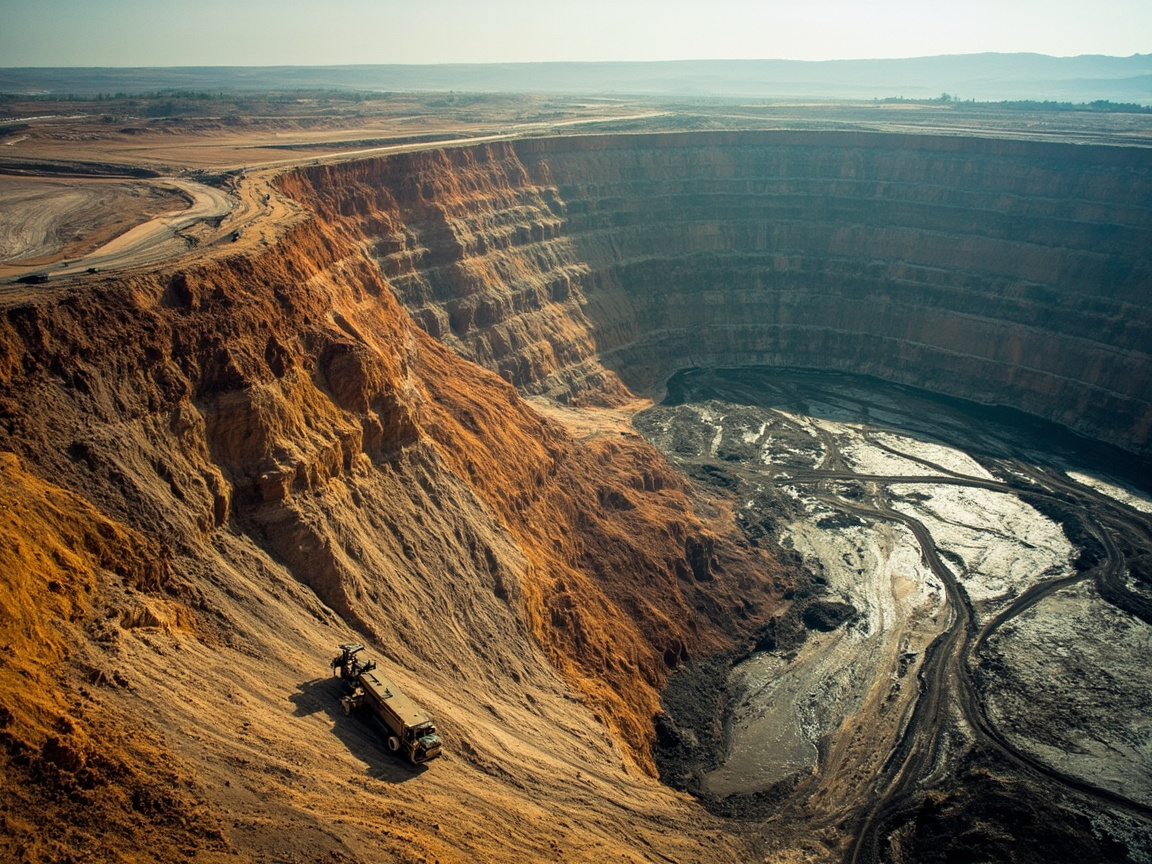
Rare Earths: The Metals That Run the World
Seventeen obscure elements sit at the centre of a new global power struggle — from your phone to a missile's guidance system.
More Common Than You Think
Despite their name, rare earths are not especially scarce in the Earth's crust. The group of seventeen metallic elements is called "rare" mainly because they are difficult to find in concentrated, economically useful deposits. They share similar chemical properties, which makes them tricky to separate and refine. Elements such as neodymium, dysprosium and yttrium are almost unknown to the public, yet they are deeply woven into modern life. From the glass on your phone screen to the vibrating motor in your toothbrush, these materials are quietly everywhere.
Why Modern Life Cannot Live Without Them
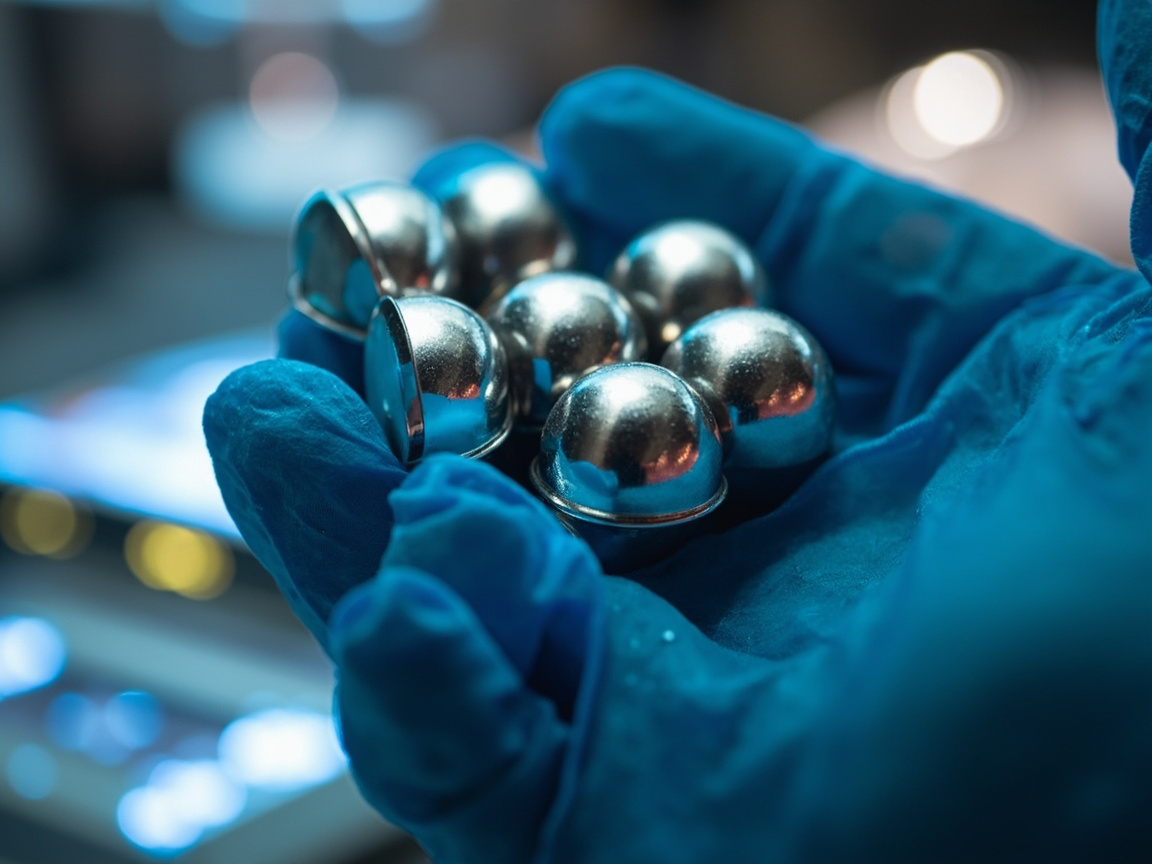
Rare earths are indispensable to the technologies that define the twenty-first century. Neodymium-iron-boron magnets, for instance, are the strongest permanent magnets ever created and power everything from electric-car engines to wind turbines. Europium and terbium produce the red and green colours on screens, while samarium is used in high-temperature alloys inside jet engines. Defence systems are equally dependent: precision-guided missiles, sonar arrays and radar all rely on these elements. In short, no serious industry — civilian or military — runs without a steady supply.
The China Factor
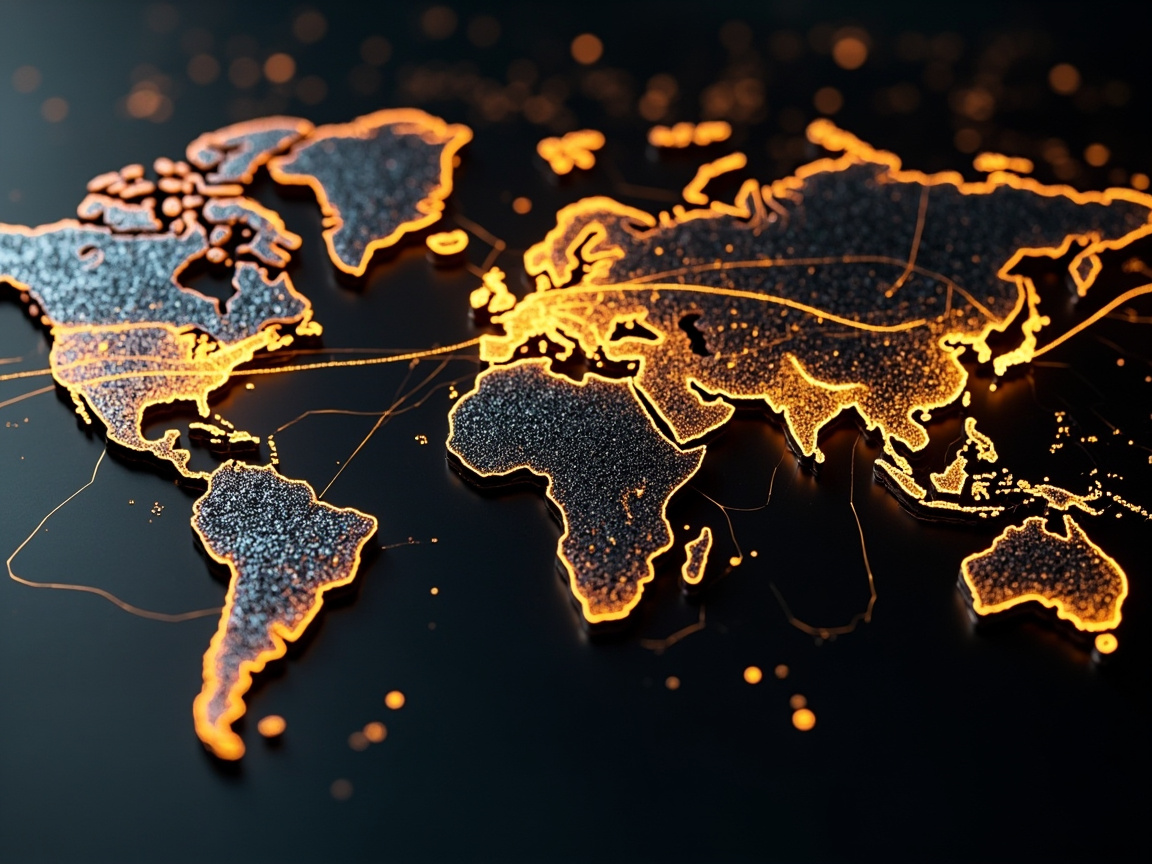
Today, a single country dominates the global supply chain. China produces around 70 percent of mined rare earths and refines roughly 90 percent of them, a near-monopoly built over four decades of patient industrial policy. In 2010, Beijing briefly halted exports to Japan during a diplomatic dispute, sending shockwaves through global markets and prices soaring. The episode was a warning: whoever controls these seventeen metals can leverage them as a powerful foreign-policy tool. Western governments have been playing catch-up ever since.
The West Rushes to Catch Up
The United States, the European Union and Australia are now pouring billions into new mines and processing plants. In California, the Mountain Pass mine has reopened, while in Texas a refinery is being built to process material from Africa. Australia is extracting ore in Western Australia and shipping it for treatment in Malaysia. Governments are also building stockpiles, funding research into substitutes, and signing supply agreements with friendly nations. The aim is strategic: to guarantee that critical industries never run short.
A Costly and Dirty Business
Mining and refining rare earths is messy work. The extraction process often uses toxic acids, and separating the metals generates radioactive waste. In parts of Inner Mongolia, lakes have been poisoned and farmland ruined, prompting protests and tighter regulation inside China. As new mines open in the West, the same environmental trade-offs are emerging, raising difficult questions about how clean the energy transition can really be. Critics argue that an electric car is only as green as the supply chain behind its magnets.
A New Map of Power
The race for rare earths is reshaping the global economy. Nations that once thought little about geology are now signing defence-style partnerships over minerals, and sanctions on rival suppliers have become routine. The metals sit at the meeting point of climate policy, trade war and military power, making them one of the most lucrative and politically charged resources of the decade. Whoever secures the supply chain may also secure technological sovereignty for the century ahead. The obscure elements, it turns out, are anything but minor.
Quiz
-
1According to the article, why are the seventeen elements called "rare earths"?
The article explains that 'rare' refers to the difficulty of finding concentrated, economically useful deposits, not the actual scarcity of the elements.
-
2Which application of rare earths is mentioned in the article?
The article specifically mentions neodymium-iron-boron magnets powering electric-car engines and wind turbines.
-
3What share of rare earth refining is currently controlled by China?
The article states that China refines roughly 90 percent of rare earths, while mining accounts for about 70 percent.
-
4Why did the 2010 dispute with Japan matter to the world?
The article describes the 2010 export halt as a warning that whoever controls these metals can leverage them as a powerful foreign-policy tool.
-
5Which of the following is NOT a response by Western governments to China's dominance?
The article mentions new refineries, research into substitutes and government stockpiles, but does not mention any ban on electric vehicles.