
DeepSeek-R1: The Open-Source AI Model Shaking Up Big Tech
A new Chinese AI system is challenging Silicon Valley giants and changing the rules of global technology competition.
What Is DeepSeek-R1?
DeepSeek-R1 is an open-source artificial intelligence model released in January 2025 by the Chinese startup DeepSeek. Unlike closed AI systems that keep their code secret, open-source models share their design freely with the public. This means developers around the world can study, modify, and build on the technology without paying expensive licensing fees. The model gained attention for achieving high performance at a remarkably low cost, reportedly trained for roughly six million dollars. It quickly became one of the most discussed AI releases of the year and sparked widespread debate across the technology industry.
Why Is Open-Source AI Important?
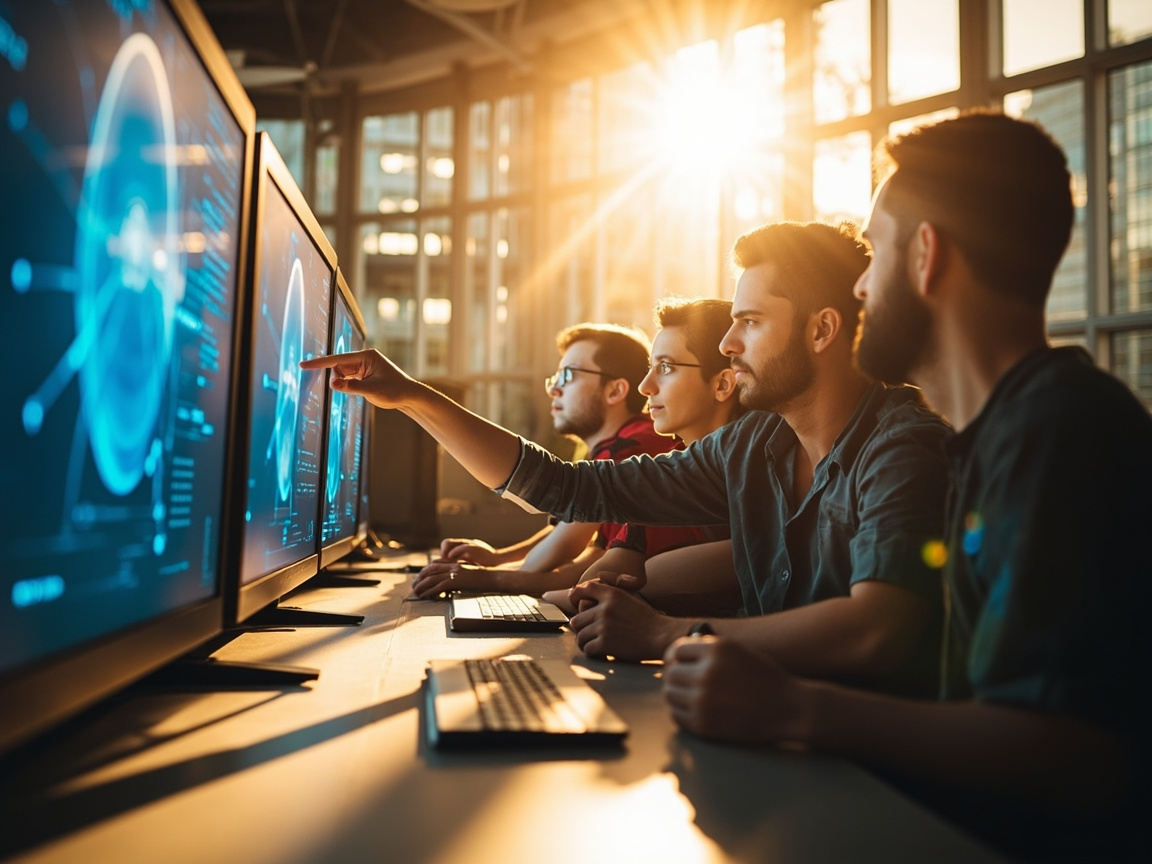
Open-source AI is important because it lowers the barriers to entry for smaller companies and research groups. When powerful models are locked behind closed doors, only wealthy corporations can afford to experiment with them. By contrast, an open-source approach allows a startup in Nairobi or a university lab in Berlin to access state-of-the-art tools. This democratisation of technology can lead to faster innovation and more diverse applications. Critics, however, warn that open-source AI also makes it harder to prevent misuse of the technology.
How Does It Compare to Western AI Models?
DeepSeek-R1 showed competitive performance on several benchmarks that measure reasoning, coding, and language understanding. Many experts were surprised that a model trained at such a low cost could rival systems developed by companies like OpenAI and Google. The efficiency of the training process raised questions about how much money Western firms really need to spend on AI development. Some analysts argued that the gap between open-source and proprietary models is narrowing rapidly. Others cautioned that raw benchmark scores do not tell the whole story about real-world reliability.

The Global Competition Heats Up
The release of DeepSeek-R1 intensified the ongoing competition between the United States and China in the field of artificial intelligence. American technology companies have long dominated the AI sector, but this release demonstrated that Chinese researchers are making rapid advances. Markets reacted sharply, with some analyst reports noting that DeepSeek's capabilities challenged the assumption that only billion-dollar budgets could produce top-tier AI. Governments on both sides are now watching closely as the landscape of AI development continues to shift. This competition is likely to shape international technology policy for years to come.
What This Means for Everyday Users
For ordinary users, the rise of open-source AI could eventually mean more free or low-cost tools powered by advanced models. Developers can integrate DeepSeek's technology into apps, websites, and services without licensing restrictions. This could lead to smarter personal assistants, better language translators, and more helpful educational tools. At the same time, users should remain aware that open-source models may have different safety standards compared to commercial products. As the technology matures, the benefits and risks will become clearer for everyone who uses digital services.
Quiz
-
1What makes DeepSeek-R1 different from most major AI systems?
DeepSeek-R1 is an open-source model, so its design and code are shared freely with the public.
-
2According to the article, DeepSeek-R1 was reportedly trained for approximately how much money?
The article states that DeepSeek-R1 was trained for roughly six million dollars.
-
3What benefit of open-source AI does the article highlight?
The article explains that open-source AI lowers barriers to entry, giving smaller organisations access to powerful technology.
-
4Why did financial markets react sharply to the release of DeepSeek-R1?
Markets reacted sharply because the model's performance challenged the belief that only companies with enormous budgets could produce top-tier AI.
-
5What caution does the article raise about open-source AI for everyday users?
The article notes that open-source models may have different safety standards compared to commercial products, which users should be aware of.