Trade Wars Explained: How Tariffs Shape the Global Economy
Understanding how trade policy decisions affect everyday prices and international relations around the world.
What Are Tariffs and Why Do Countries Use Them?
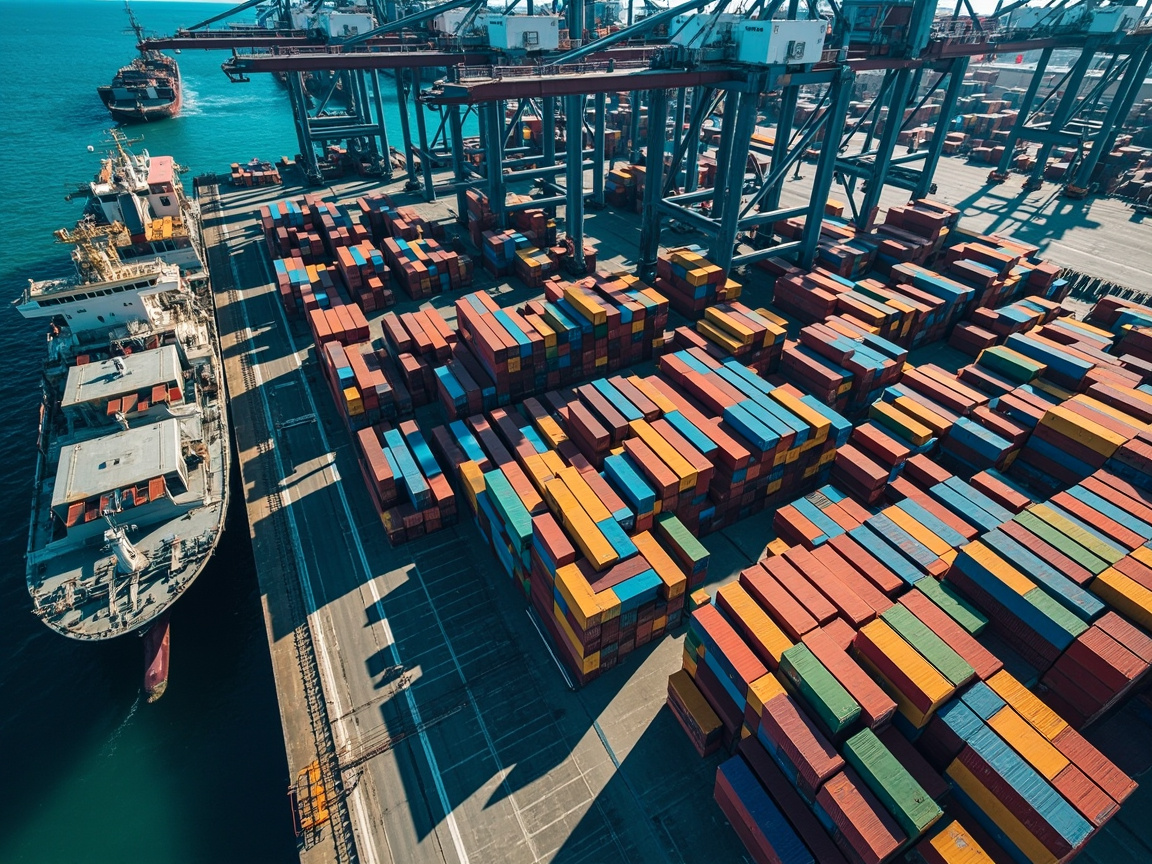
A tariff is essentially a tax that a government places on goods imported from another country. When a country wants to protect its own domestic businesses, it may raise the cost of foreign products by adding these taxes. The goal is to make locally made goods more competitive compared to cheaper imports. This policy approach is known as protectionism. Governments also use tariffs as a tool to encourage other countries to change unfair trading practices, such as currency manipulation or weak environmental standards.
The 2025 Tariff Debates: A Global Flashpoint
In 2025, major economies found themselves in increasingly tense trade negotiations over proposed tariff increases. Several countries announced new import taxes on steel, electronics, and agricultural products, sparking fears of a global trade war. The United States, European Union, and China exchanged threats of retaliation, raising concerns that multiple nations might impose sanctions on each other's goods. These disputes centred on accusations of market access barriers and government subsidies that give certain industries unfair advantages.
How Tariffs Impact Prices and Consumer Choice
When governments impose tariffs, companies that import goods must pay the extra tax, and they often pass those costs on to shoppers. This means everyday items like electronics, clothing, and food could become more expensive. Smaller businesses that rely on imported materials may struggle to stay competitive, leading to fewer choices for consumers. The disrupted supply chain can also cause shortages of certain products. Economists warn that prolonged tariff policies can lead to inflation, reducing the purchasing power of ordinary citizens.
Jobs and Industries: The Human Cost of Trade Conflicts
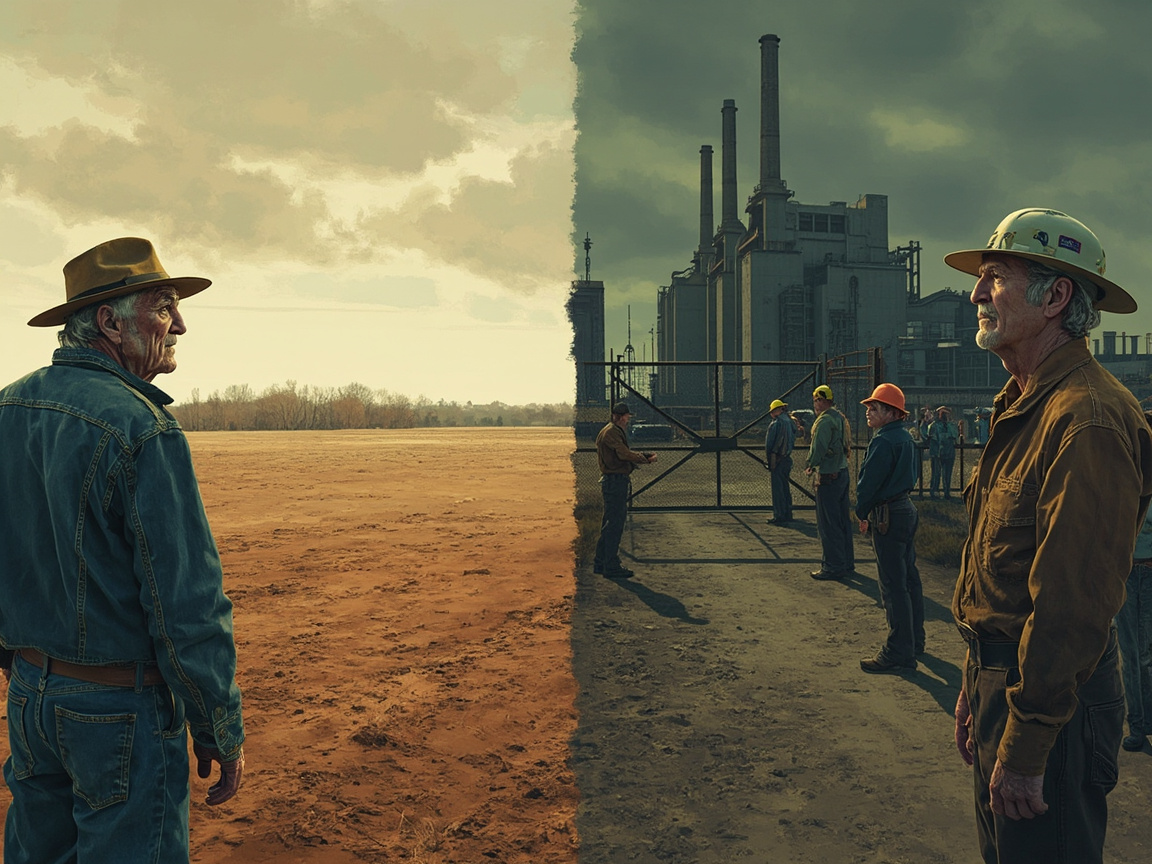
Supporters of tariffs argue they protect manufacturing jobs by keeping foreign products more expensive than domestic ones. For example, if a tariff makes imported cars costlier, consumers might buy locally made vehicles instead, supporting workers in that industry. However, critics point out that industries relying on exported goods can suffer when other countries retaliate with their own tariffs. Farmers, in particular, often become collateral damage in trade disputes, losing crucial export markets. The uncertainty created by tariff threats makes it difficult for companies to plan long-term investments and hiring.
The Road Ahead: Finding Balance in Global Trade
Many economists and world leaders believe that multilateral agreements, rather than unilateral tariff actions, offer the best path to fair trade. Organisations like the World Trade Organization serve as forums where countries can settle disputes through negotiation rather than escalation. Some analysts suggest that smart tariffs targeting specific unfair practices may be acceptable, while broad tariff wars hurt everyone involved. The challenge lies in balancing national interests with the interconnected reality of the modern global economy.
Quiz
-
1What is a tariff?
A tariff is a tax that governments impose on imported goods, making them more expensive for consumers.
-
2What does 'retaliation' mean in the context of trade wars?
Retaliation occurs when one country responds to tariffs by imposing its own taxes on the other country's goods.
-
3How might tariffs affect the supply chain?
Tariffs can disrupt supply chains by making imported materials more expensive or harder to obtain.
-
4What is the difference between 'unilateral' and 'multilateral' trade actions?
Unilateral actions are taken by a single country, while multilateral approaches involve cooperation between several nations.
-
5According to the article, which group often suffers during international trade conflicts?
Farmers can become collateral damage in trade disputes because they may lose access to export markets when other countries retaliate.