Subjunctive Mood and Advanced Modal Complexity
Master the use of subjunctive forms, semi-modals, and complex modal combinations for expressing varying degrees of certainty and hypothetical scenarios.
Explanation
The subjunctive mood is a grammatical mood used to express wishes, demands, suggestions, or hypothetical situations. Unlike the indicative mood, which states facts, the subjunctive often appears in that‑clauses after expressions such as insist, recommend, essential, vital. The present subjunctive uses the base form of the verb (e.g., be, go, have), while the past subjunctive uses were for all persons (e.g., If I were taller…).
Modal verbs (can, may, must, will, shall, would, should, might, could) express modality—possibility, ability, obligation, or permission. Semi‑modals (ought to, have to, need to, dare to, used to) share some modal features but differ in negation, conjugation, or use with complement verbs.
Complex modal combinations arise when modals are paired with perfect infinitives, progressive infinitives, or other modals to convey nuanced meanings:
- might have been – a hypothetical past event.
- should have been – an expectation about a past event that did not happen.
- could have been – a past possibility that was not realized.
- would have been – a conditional past result.
These forms allow speakers to express varying degrees of certainty, speculation, and hypothetical reasoning.
Examples
Below are illustrative sentences that highlight the subjunctive mood and advanced modal usage. The target words are marked with highlighting.
- It is vital that she be present at the meeting.
- If I were you, I would reconsider the offer.
- He demanded that the report be submitted by Friday.
- God bless you.
- She might have been late, but she wasn’t.
- You ought to see a doctor about that cough.
- If we had studied harder, we could have passed the exam.
- They should have left earlier, but they didn’t.
Common mistakes
- Using "was" instead of "were" in the past subjunctive: If I was (incorrect) → If I were (correct).
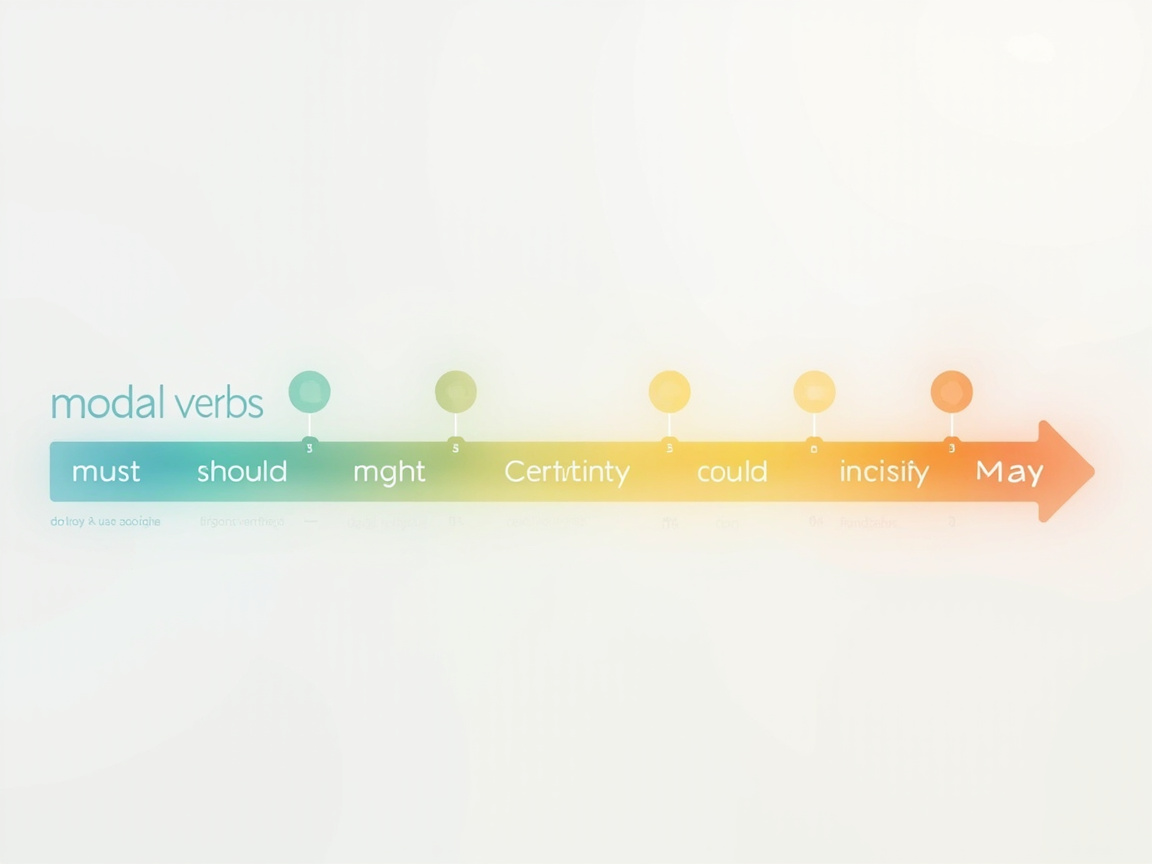
- Mixing up "might have" and "must have": "He must have missed the train" suggests certainty, while "He might have missed the train" indicates possibility. Mixing them changes the speaker’s certainty.
- Forgetting the base form after mandative subjunctive triggers: It is essential that he arrives (incorrect) → It is essential that he arrive (correct).
- Overusing semi‑modals as full modals: "I ought to can do it" is redundant; correct usage is "I ought to do it" or "I can do it."
- Misplacing the perfect infinitive with modals: "She could have" (no verb) is incomplete; must be "She could have gone."
In real life
Dialogue – Discussing a hypothetical job offer
Alex: If I were you, I’d seriously consider that position in Berlin.
Jordan: I’m not sure. I might have missed the application deadline.
Alex: You could still contact the HR department and ask for an extension.
Jordan: That’s a good point. I should have sent an email earlier, but I was busy.
Alex: Well, it might have worked out anyway. Let’s draft a polite request together.
الفعل التمنّي: لو كنت مكانك وصيغة الوجوب الغريبة
هتتعلّم إيه من الدرس؟
الدرس ده بيغطي منطقة نحوية غامضة حتى للمتقدمين: الـsubjunctive والأفعال شبه الناقصة. المقال بيشرح إنها مش مجرد «فورمال» — ده نظام بيعبّر عن التمني والافتراض والوجوب بطريقة خاصة. هنمشي على الشرح والأمثلة والأخطاء والحوار.
الشرح: صيغة المضارع اللي مش بتتغير
The present subjunctive uses the base form of the verb (e.g., be, go, have), while the past subjunctive uses were for all persons (e.g., If I were taller…).
المضارع التمني بيستخدم الصيغة الأصلية للفعل (مثال: be, go, have)، بينما الماضي التمني بيستخدم were لكل الأشخاص (مثال: لو كنت أطول…).
المقال بيعرّف الـsubjunctive كصيغة بتستخدم للتمني والطلب والافتراض. الفرق الأساسي هو إن الفعل بيبقى في صورته الأصلية من غير s:
القاعدة الغريبة هنا: في الماضي التمني بنقول «If I were» مش «If I was» — حتى مع I وhe/she. وفي المضارع التمني بعد كلمات زي insist وrecommend بنقول «that he be» مش «that he is». دي صيغة ثابتة مش بتتبع قواعد التصريف العادية.
أمثلة: الصيغة اللي بتتقال في القانون والدعاء
If I were you, I would reconsider the offer.
لو كنت مكانك، كنت هعيد التفكير في العرض.
قسم الأمثلة بيحط جمل بتوضح الاستخدام. أشهر مثال هو اللي بيبين الفرق بين الواقع والتمني:
الجملة دي هي النموذج الأشهر للـsubjunctive في الحياة اليومية: «If I were you» بنقولها للنصيحة رغم إنها مستحيلة حرفيًا — إنت مش ممكن تبقى أنا. والمقال بيوضح إن «were» هنا مش غلط، ده المطلوب في التمني والافتراض.
الأخطاء: لما تخلط التأكيد بالاحتمال
Mixing up "might have" and "must have": "He must have missed the train" suggests certainty, while "He might have missed the train" indicates possibility.
الخلط بين «might have» و«must have»: «لازم يكون فاته القطر» بتقول تأكد، بينما «يمكن يكون فاته القطر» بتقول احتمال.
قسم الأخطاء بيحذر من غلطات شائعة. أدقها هو الخلط بين درجات اليقين في «must have» و«might have»:
الفرق بين الاتنين هو درجة اليقين: «must have» معناها منطقيًا إنه حصل فعلًا، بينما «might have» معناها ممكن يكون حصل. لو خلطتهم بتقلب المعنى — من تقرير شبه مؤكد لتخمين بعيد. دي نقطة دقيقة في الاستخدام اليومي.
الحوار: النصيحة اللي متأخر عنها
I should have sent an email earlier, but I was busy.
كان لازم أبعت الإيميل بدري، بس كنت مشغول.
آخر قسم حوار عن عرض شغل مفقود. المقال بيوضح إن الأفعال المركبة بتستخدم في الندم والافتراض عن الماضي:
التركيب «should have + participle» معناه «كان لازم» — ندم على حاجة مفروض تحصلت وما حصلتش. الجملة دي بتوصّل إن الندم هنا مش بس أمنية، ده تقييم لفعل ماضي اتفوّت. و«but» بتبرر السبب من غير ما تلغي الندم.
صيغة التمني والندم
كل تركيب هنا مربوط بجملته من الدرس. شوف المعنى والاستخدام والأمثلة الجديدة.
uses were for all persons
معناها «بيستخدم were لكل الأشخاص»: قاعدة الماضي التمني — نفس الصيغة للمفرد والجمع.
في الـsubjunctive بنستخدم were مع I / he / she / it مش was: If I were rich / If she were here / I wish it were Friday. في الكلام العادي الكتير بيقولوا «was» وده مقبول، لكن «were» هو الصح الرسمي والامتحاني.
If I were taller, I would play basketball.
لو كنت أطول، كنت هلعب كرة سلة. افتراض مستحيل.
I wish it were summer already.
ياريت بقى الصيف خلاص. تمني عن الواقع.
If I were you
معناها «لو كنت مكانك»: نصيحة بتقول إنك تتصرف كأنك الشخص التاني في موقفه.
التركيب If I were you, I would + verb: بيتقال للنصيحة القوية بس اللطيفة. بعدها بتيجي النصيحة بـwould: I would apologize / I would wait. ما تقولش «If I was you» في الكتابة الرسمية — «were» هو الصح.
If I were you, I would ask for a raise.
لو كنت مكانك، كنت هطلب زيادة. نصيحة مهنية.
If I were you, I would not trust that offer.
لو كنت مكانك، مش كنت هثق في العرض ده. تحذير لطيف.
must have missed
معناها «لازم يكون فاته»: تأكيد قوي إن حاجة حصلت في الماضي بناءً على الدليل.
التركيب must have + participle للاستنتاج المؤكد: must have left / must have forgotten / must have missed. عكسه can't have للاستحالة. و«might have» للاحتمال الضعيف — الفرق في درجة اليقين مش في الوقت.
You must have seen the news — it's everywhere.
لازم تكون شفت الخبر — ده في كل حتة. استنتاج مؤكد.
She can't have forgotten — she has the best memory.
مستحيل تكون نسيت — عندها أحسن ذاكرة. نفي الاستنتاج.
should have sent
معناها «كان لازم يبعت»: ندم أو لوم على فعل ماضي اتفوّت.
التركيب should have + participle للندم على الماضي: should have called / should have studied / should have told. وفي النفي: shouldn't have done معناها «ماكانش لازم تعمل» — لوم على فعل اتعمل. مفيد جدًا في الكلام عن الفرص الضايعة.
I should have studied harder for the exam.
كان لازم أذاكر أكتر للامتحان. ندم على تقصير.
You shouldn't have spent all your money on that game.
ماكانش لازم تصرف فلوسك كلها على اللعبة دي. لوم على فعل.
ورقة مراجعتك للتمني والندم
تقريب النطق بالعربي للمساعدة بس؛ صوت المقال هو الموديل.
| التعبير | معناه هنا | النطق | تقريب بالعربي | موضعه |
|---|---|---|---|---|
| uses were for all persons | بيستخدم were لكل الأشخاص (subjunctive) | /ˈjuːzɪz wɜː fɔːr ɔːl ˈpɜːsənz/ | يوزِز وِر فور أول بِرسَنز | فقرة الشرح |
| If I were you | لو كنت مكانك | /ɪf aɪ wɜː juː/ | إف آي وِر يو | فقرة الأمثلة |
| must have missed | لازم يكون فاته (تأكيد) | /mʌst hæv mɪst/ | مَست هاڤ مِست | فقرة الأخطاء |
| should have sent | كان لازم يبعت (ندم) | /ʃʊd hæv sent/ | شُد هاڤ سِنت | فقرة الحوار |
اكتب جملة ندم عن حاجة فاتتك باستخدام «should have» وجملة نصيحة لحد باستخدام «If I were you». بعدين فسّر لنفسك الفرق بين «must have» و«might have».
Quiz
-
1What is the primary function of the subjunctive mood?
The subjunctive mood conveys wishes, demands, or hypothetical situations rather than facts.
-
2Which of the following sentences uses the present subjunctive?
The present subjunctive appears after ‘that’ expressions of importance, using the base form ‘be’.
-
3Which semi‑modal is used in the sentence ‘You ought to see a doctor’?
‘Ought to’ is classified as a semi‑modal because it shares some modal features but not all.
-
4Which complex modal combination can express a hypothetical event that did not occur?
All three forms (might have been, should have been, could have been) can indicate a past hypothetical that did not happen.
-
5In the third conditional, what tense is used in the if‑clause?
The third conditional uses the past perfect in the if‑clause to refer to an unreal past condition.