Cooling the City: Fighting the Urban Heat Island
From white roofs to urban forests, how cities are using simple and smart ideas to stay livable in a warming world.
What Is the Urban Heat Island Effect?
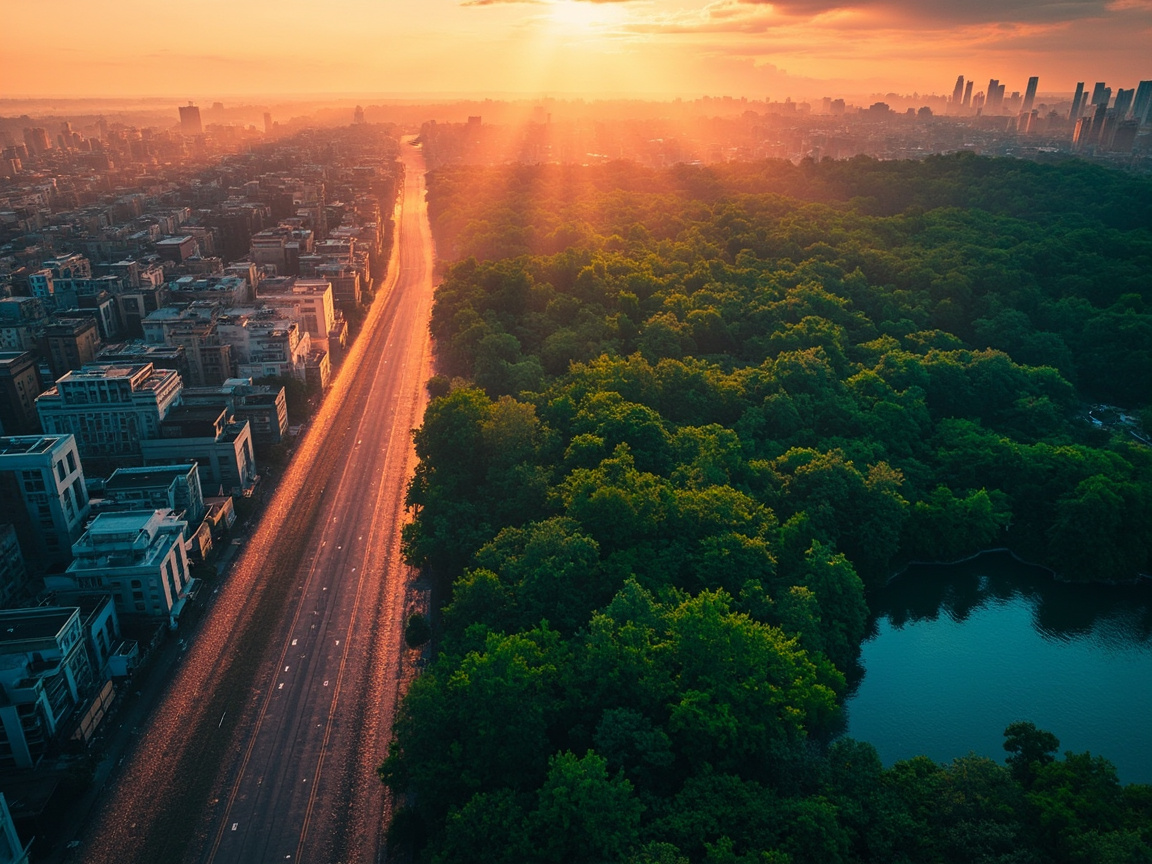
Cities are often significantly warmer than the surrounding countryside. This phenomenon is known as the urban heat island effect. Concrete and asphalt pavement absorb solar radiation during the day and release it slowly at night. As a result, city centers can feel sweltering long after the sun goes down. The problem is getting worse as global temperatures continue to rise.
Bright Roofs, Cooler Streets
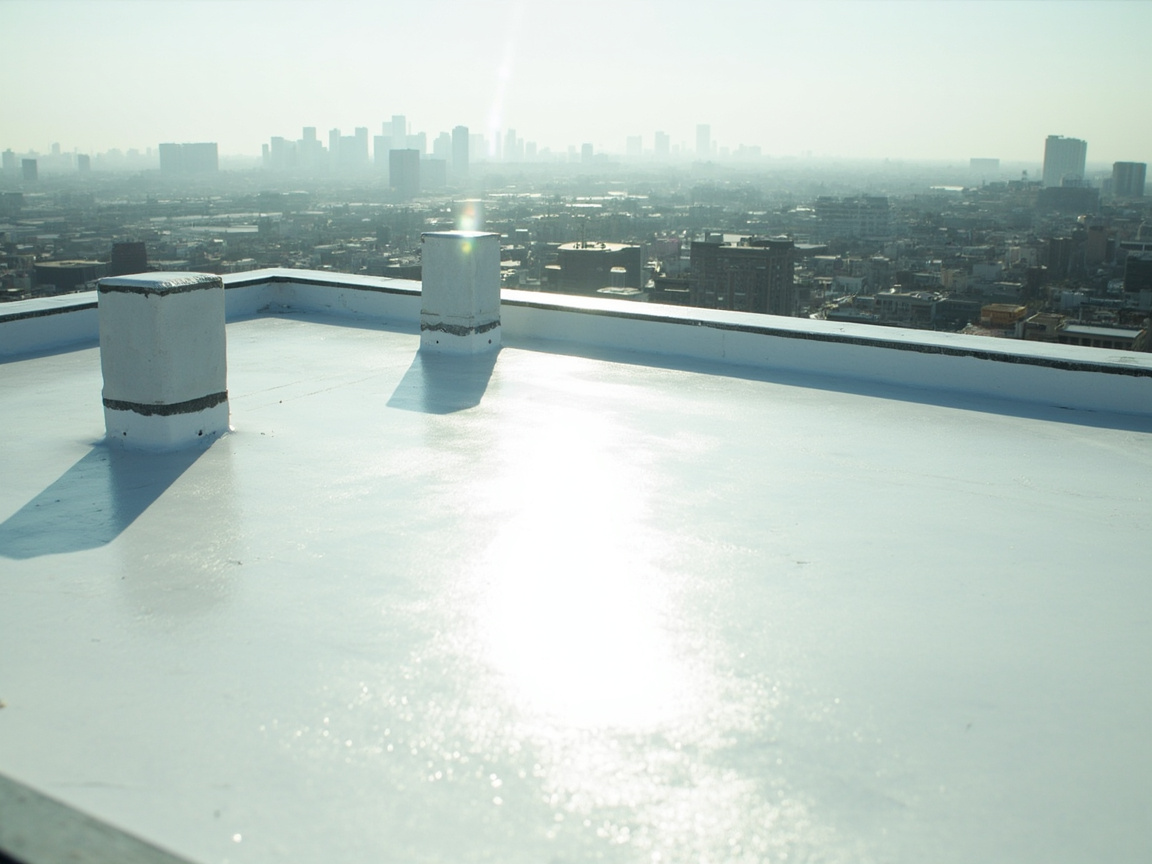
One innovative solution is surprisingly simple: paint roofs white. White surfaces reflect sunlight instead of absorbing it, which can lower rooftop temperatures by up to 30 percent. Several cities, including New York and Athens, have already started large-scale projects. These efforts help mitigate the heat island effect while also reducing air conditioning costs. Experts say the implementation of this strategy is both cheap and fast.
Urban Forests: Nature's Air Conditioner
Trees and parks are powerful tools in the fight against urban heat. A thick tree canopy provides shade and cools the air through a process called evapotranspiration. Studies show that neighborhoods with more trees can be several degrees cooler than those without. Planting more green spaces also improves air quality and supports local wildlife. City planners are now treating parks as essential infrastructure, not just decoration.
The Cooling Power of Water
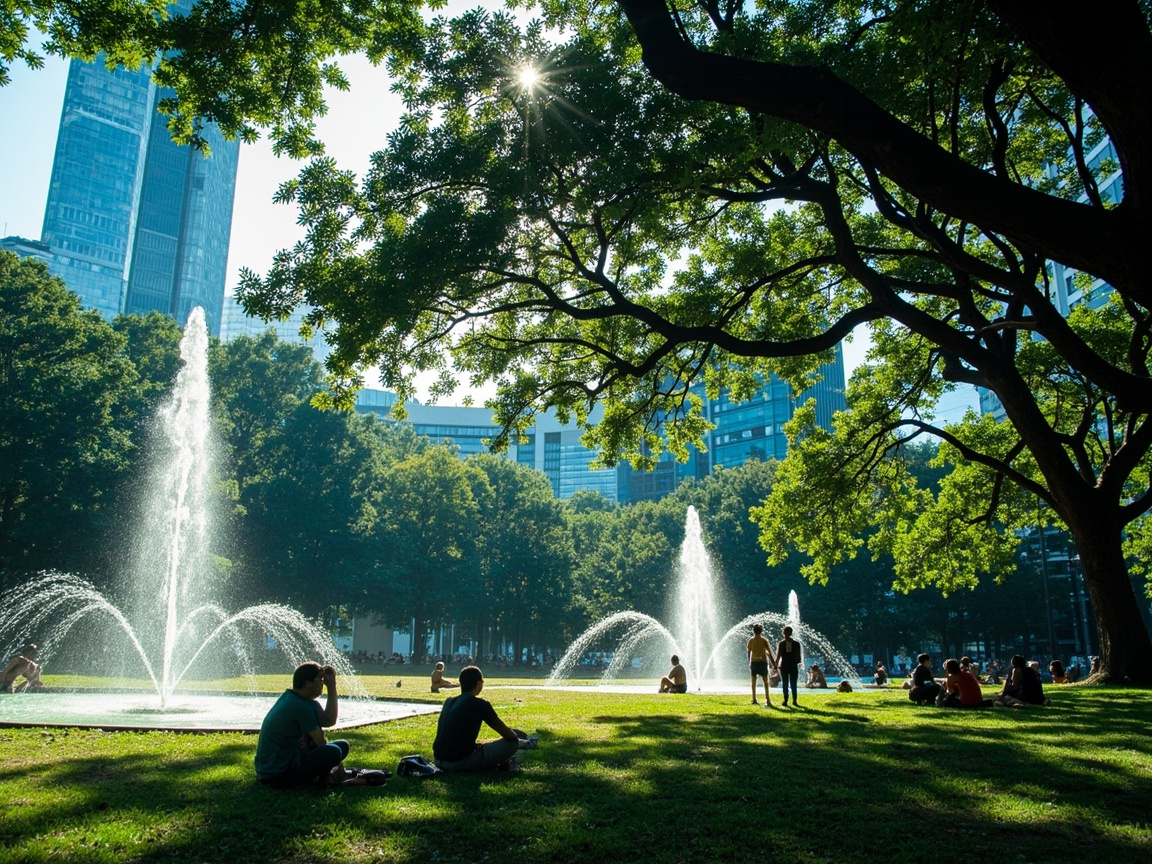
Water plays an important role in lowering city temperatures. Fountains, ponds, and misting systems cool the surrounding air through evaporation. In hot climates, these features can make public spaces far more comfortable for residents. Some architects are even designing buildings with waterfalls on their facades. When combined with green roofs, water features can dramatically reduce the humidity and heat inside homes.
Smart Cities and Long-Term Solutions
To truly combat rising temperatures, cities need a long-term plan. Many are now developing climate strategies that combine white roofs, urban forests, and smart water systems. The goal is to create urban environments that prioritize sustainability and quality of life. As more people move into cities, these solutions will become increasingly important. The fight against urban heat is, in the end, a fight for the future of city living.
Quiz
-
1What is the urban heat island effect?
The article explains that cities are often significantly warmer than the surrounding countryside, which is known as the urban heat island effect.
-
2Why do white roofs help reduce heat in cities?
The article states that white surfaces reflect sunlight instead of absorbing it, which lowers rooftop temperatures.
-
3According to the article, what is one benefit of planting more trees in cities?
The article mentions that neighborhoods with more trees can be several degrees cooler than those without them.
-
4How do water features like fountains cool the surrounding air?
The article explains that fountains, ponds, and misting systems cool the surrounding air through evaporation.
-
5What is the long-term goal of smart city climate strategies mentioned in the article?
The article states that the goal is to create urban environments that prioritize sustainability and quality of life.