Lights, Camera, Côte d'Azur: Inside the Cannes Film Festival
From the red carpet to the deal-making rooms, how a French seaside town became the capital of world cinema
A Riviera of Cinema
For ten days every May, the small French town of Cannes transforms into the beating heart of world cinema. The festival, founded in 1946, was designed to rival Venice and to celebrate film after the dark years of World War II. Today it is widely considered the most prestigious film event on the planet, attracting directors, stars, and journalists from across the globe. The setting itself — golden beaches, luxury hotels, and the famous Croisette — adds to the glamorous atmosphere that defines the festival.

The Red Carpet Ritual
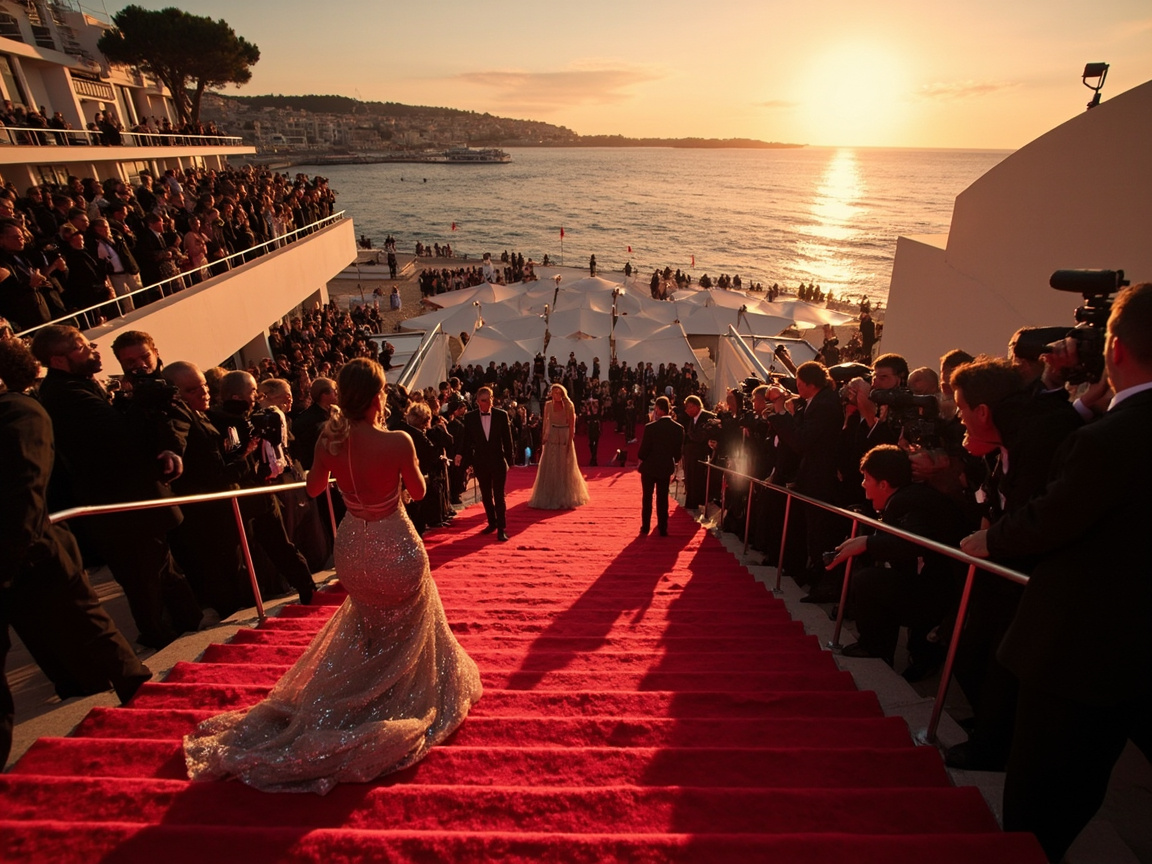
No image captures Cannes quite like the red carpet stretched in front of the Palais des Festivals. Each evening, invited guests walk past hundreds of photographers in their finest outfits, knowing that a single photo can travel around the world in seconds. For many actresses, the event is almost as important as the films themselves, and fashion houses often dress them in custom designs. The premiere of a major film can feel like a royal procession, with fans screaming from behind the barriers.
Behind the Velvet Rope: The Film Market
While celebrities pose for cameras, an entire industry operates out of view in the Marché du Film. This enormous market, running alongside the festival, hosts thousands of companies buying and selling distribution rights. Small, independent producers can secure deals that change their careers, while streaming giants hunt for their next big hit. The real money often moves behind closed doors, in quiet meetings and polite handshakes that never make the evening news.
The Palme d'Or Race
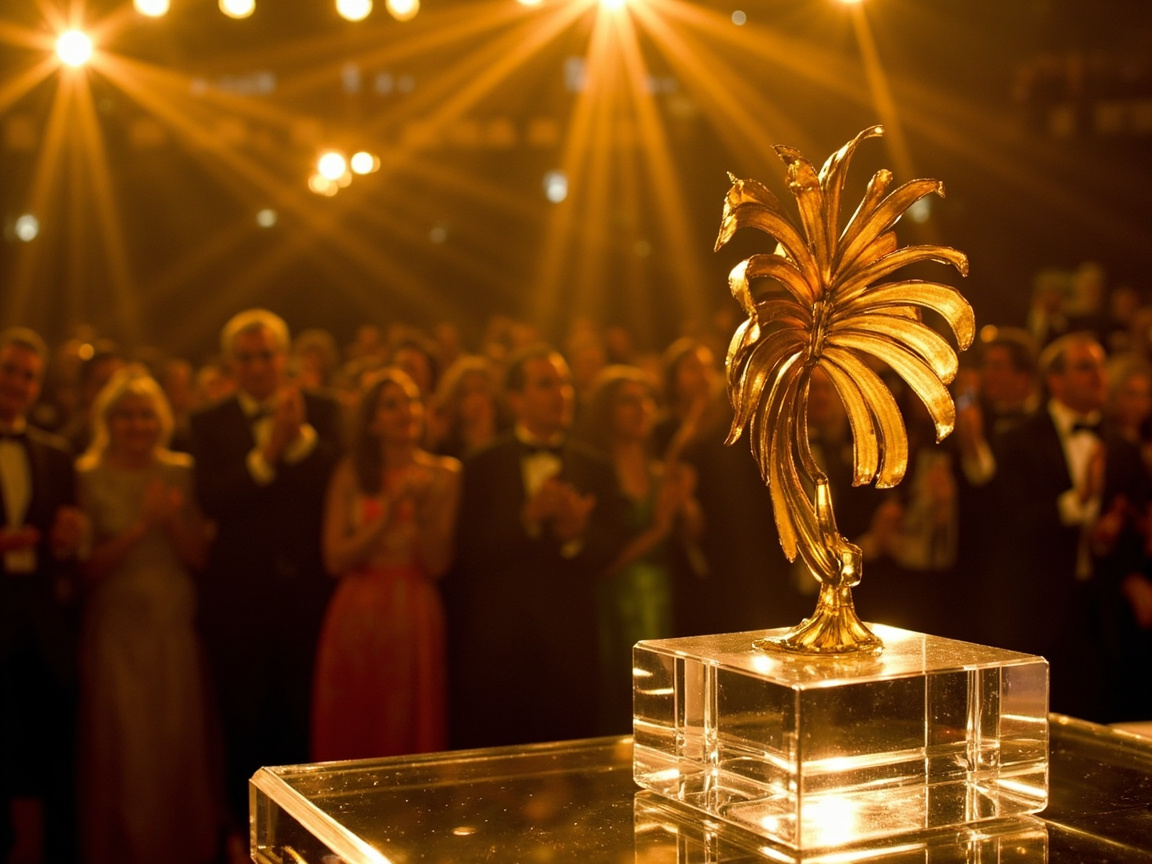
At the top of every filmmaker's wish list is the Palme d'Or, the festival's highest award. A jury of international film professionals watches around twenty films in competition and debates for hours before announcing the winner. Winning can instantly turn an unknown director into a household name, as it did for Quentin Tarantino and Bong Joon-ho. The final ceremony is broadcast live to millions of viewers, making the moment truly global.
Fashion, Flops, and Fury
Cannes is not only about celebration; it has also become a platform for protest and debate. Filmmakers have used their screening events to call attention to issues such as the rights of women, the war in Ukraine, and the rise of streaming services. Some films receive scathing reviews, and even legendary directors can face tough criticism here. Yet the festival continues to thrive because it balances high art with high spectacle, making every edition feel historic.
Quiz
-
1In which year was the Cannes Film Festival founded?
The article says the festival was founded in 1946, after World War II.
-
2What is the highest prize awarded at Cannes?
The article clearly identifies the Palme d'Or as the festival's highest prize.
-
3What is the Marché du Film?
The article describes the Marché du Film as a market where companies buy and sell distribution rights.
-
4Approximately how many films does the main jury watch in competition?
The article states that the jury watches 'around twenty films in competition.'
-
5Which of the following causes was NOT mentioned in the article as being raised at Cannes?
The article mentions women's rights, the war in Ukraine, and the streaming revolution, but does not mention environmental issues.