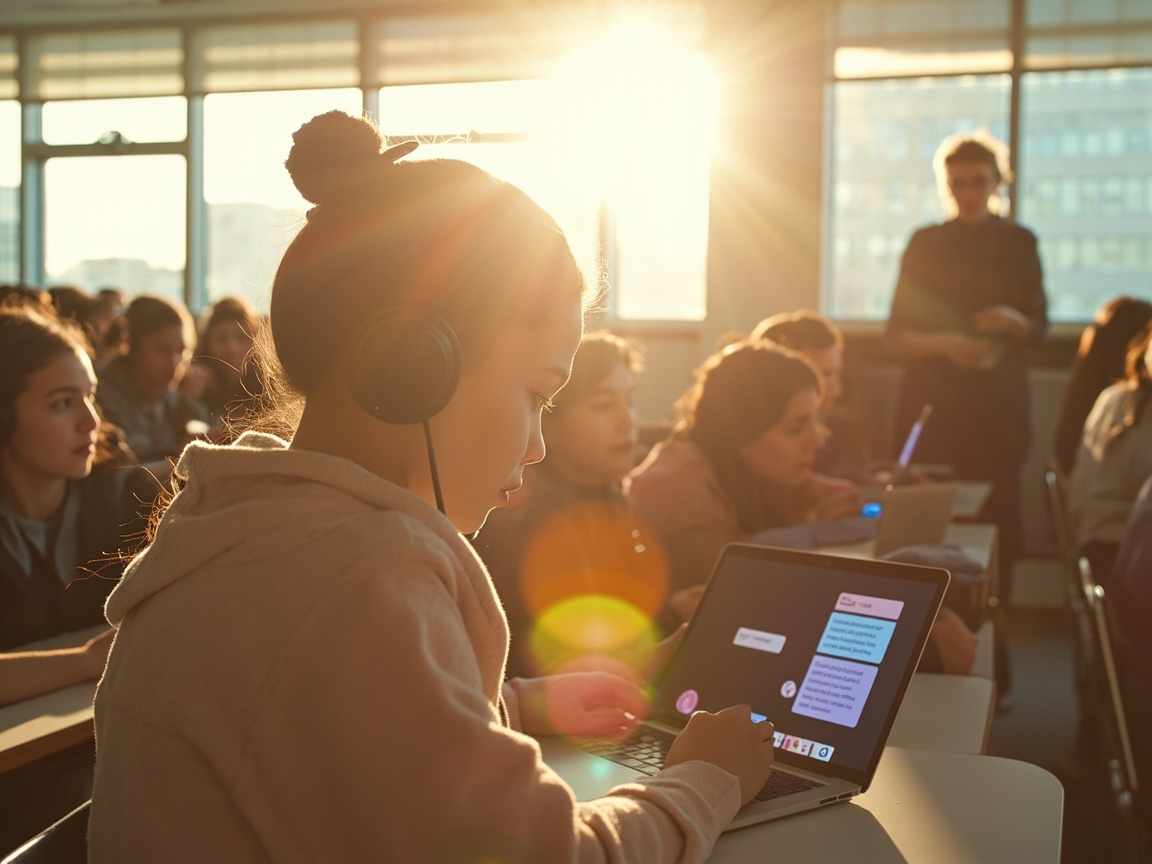
AI Tutors Enter the Classroom
Personalised, patient, always on — the debate over machine teachers is moving from science fiction to school reality.
A New Teaching Assistant in Every Desk
Schools around the world are quietly testing AI-powered tutoring systems that promise to give every student a private teacher. These tools use large language models to explain maths problems, check essays, and answer questions in natural language. Unlike traditional educational software, they can hold a conversation and adapt the difficulty of tasks on the fly. For teachers, the appeal is clear: a tireless helper that can free up time for creative lesson planning.
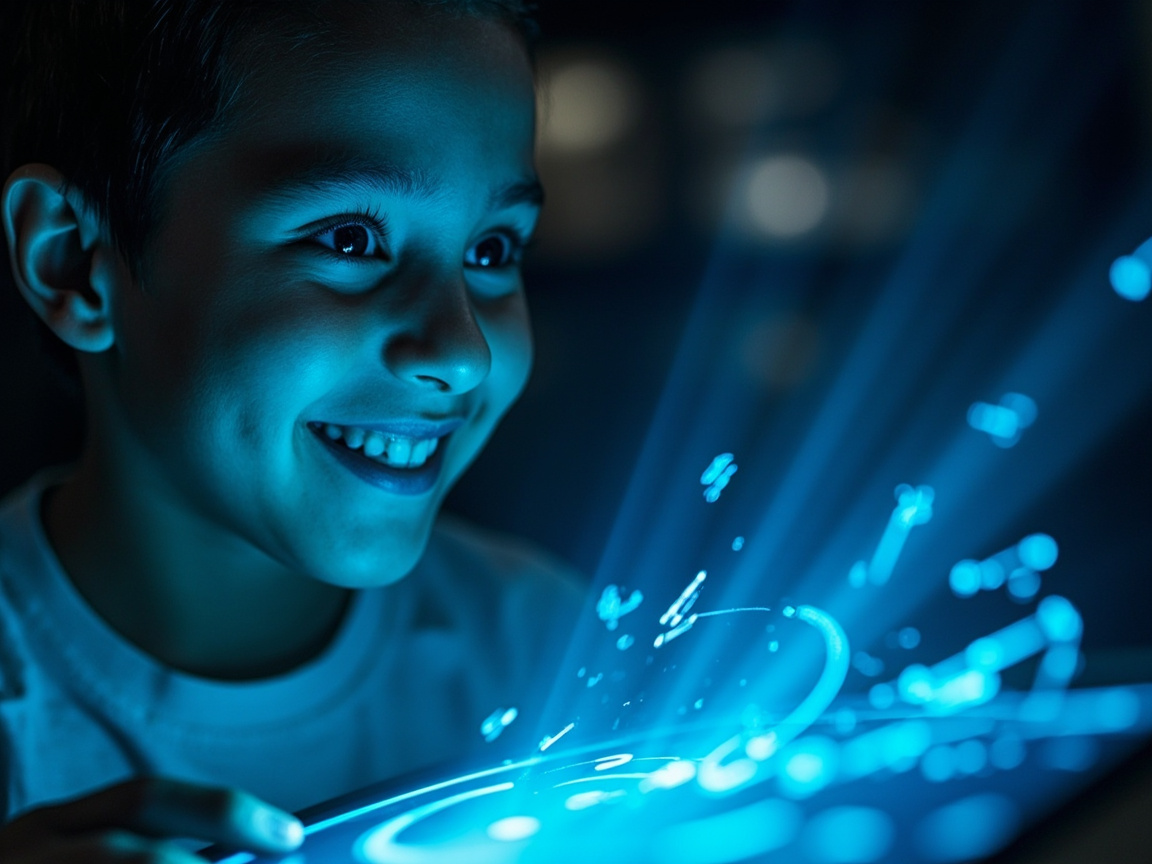
Personalised Learning at Scale
The biggest selling point is personalisation, with each student receiving a personalised learning path. An AI tutor can spend ten minutes helping a struggling reader sound out words, then jump to advanced calculus with a gifted student, all without taking a coffee break. This level of one-to-one attention was once impossible in crowded public schools. Researchers say early pilots show small but real gains in student engagement and test scores, and they help teachers assess work more quickly.
Worries from Parents and Teachers
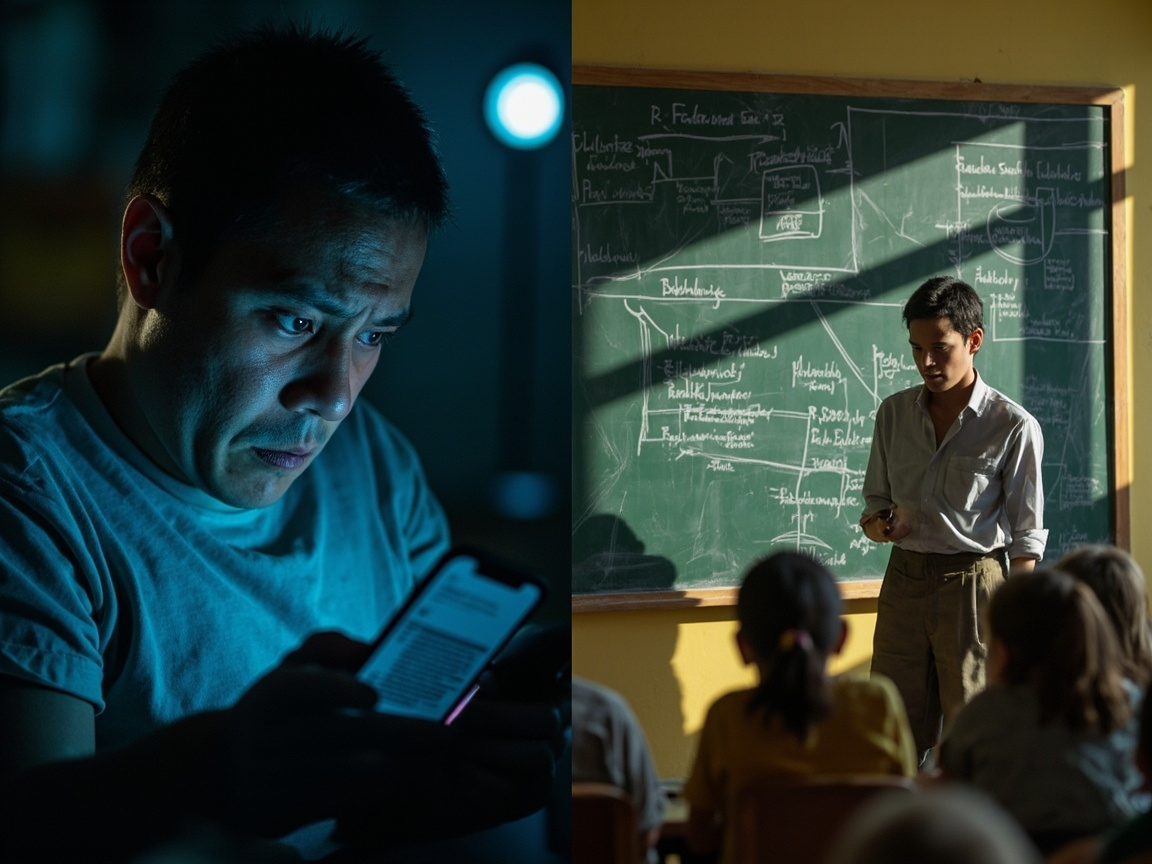
Not everyone is convinced. Critics worry about data privacy, the spread of misinformation, and what happens when a young child spends hours talking to a machine instead of a human. Some teachers fear being replaced, while others point to the risk that an algorithm could weaken critical thinking. There is also a deeper question: can a chatbot truly understand the emotional side of learning, such as the anxiety a teenager feels before an exam? Skeptical educators want clear evidence that the tools actually help before they are widely adopted.
Rules of the Road
Governments are starting to respond with new rules. The European Union's AI Act requires clear labelling of AI-generated content, and several U.S. states now mandate parental consent before schools adopt such tools. Many districts are writing policies that ban AI tutors from making final grades or sharing personal data with third parties. Officials say the goal is to balance innovation with student safety, and to give teachers a clear role in how the technology is implemented in the curriculum.
A Hybrid Future?
Most experts now argue that the future is hybrid: human teachers leading the classroom, with AI assistants handling drills, reminders, and instant feedback. Advocates believe this combination could finally close the learning gap and improve educational equity between rich and poor schools. Skeptics remain cautious, pointing out that the technology is still young and full of unexpected flaws. One thing seems certain: the conversation about machine teachers is no longer science fiction — it is happening in school halls right now.
Quiz
-
1What is one of the main advantages of AI tutors mentioned in the article?
The article highlights personalisation as the biggest selling point of AI tutors.
-
2Why are some educators skeptical about AI tutors?
The article notes that critics worry an algorithm could weaken critical thinking and miss emotional aspects.
-
3According to the article, what does the European Union's AI Act require?
The article states the EU AI Act requires clear labelling of AI-generated content.
-
4What does the term 'hybrid' future mean in the context of the article?
The article describes a hybrid future with human teachers leading and AI handling routine tasks.
-
5Which concern about AI tutors is mentioned in the article?
The article raises concerns about data privacy and the spread of misinformation.