Quiz: Words That Changed Meaning
An advanced C1 quiz on semantic drift — the strange, centuries-long journey of everyday vocabulary.
What Is Semantic Drift?
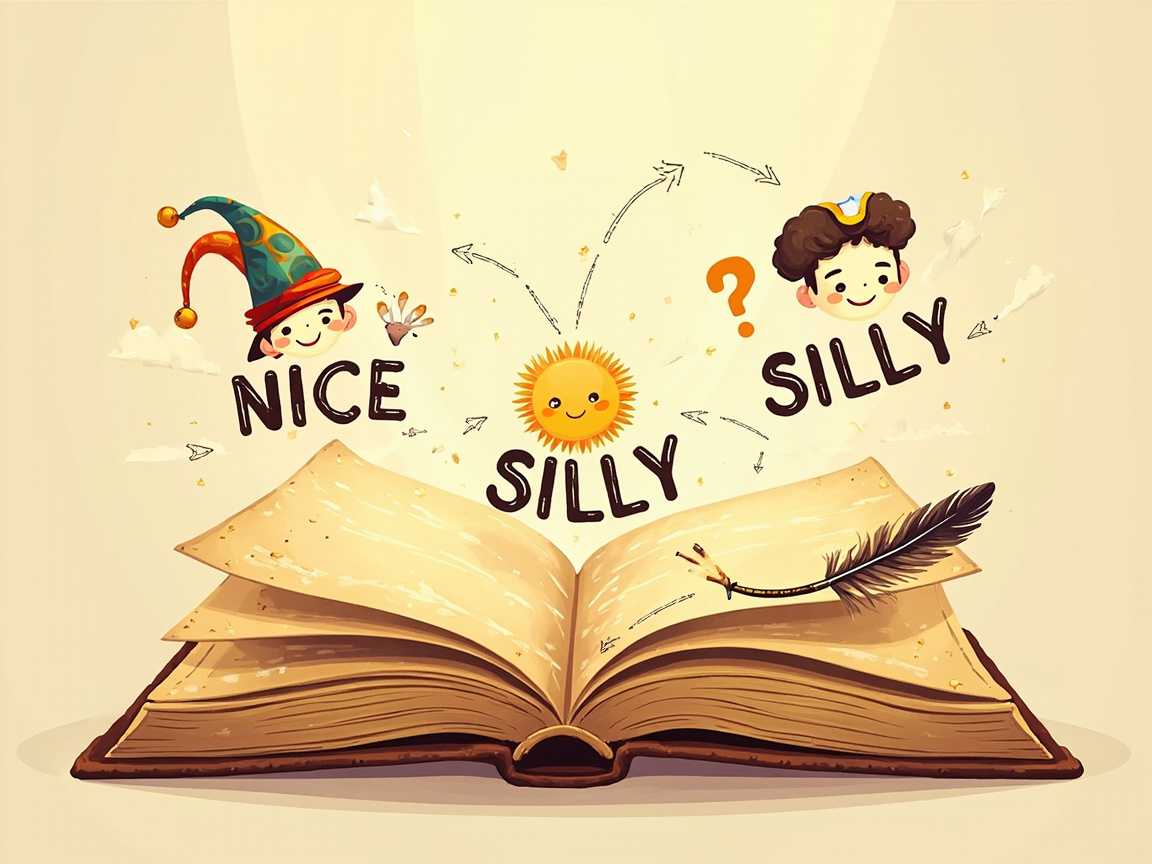
Every living language is in constant motion, and one of the most fascinating forces behind that motion is semantic drift — the slow, often invisible process by which a word's meaning shifts over centuries. The etymology of a familiar term can therefore tell a very different story from its current use: nice, for instance, descended from the Latin nescius ('ignorant') and passed through Old French before settling into its modern, flattering sense. Some of these shifts leave behind archaic senses that modern readers encounter only in Shakespeare or the King James Bible, while other meanings quietly fall out of use and become obsolete. For C1 learners, recognising this layered history is key to understanding why literal translations can mislead and why dictionary definitions often list a long string of subtly different senses.

From Praise to Insult — and Back Again
Drift does not move in one direction alone: some words have grown kinder, a process linguists call amelioration, while others have slid the other way into pejoration, taking on negative or offensive overtones their original users never intended — consider how silly once meant simply 'happy' or 'blessed'. A word's connotation — the emotional colouring that surrounds a neutral meaning — can therefore change faster than its core definition, especially when the word is borrowed as a loanword into a new cultural context. C1 speakers are expected to read between the lines of figurative usage and to notice when an author is deliberately exploiting an older sense for humour or irony. Studying these shifts is, in short, a way of reading history through vocabulary.
Quiz
-
1According to the article, what is semantic drift?
The first sub-section defines semantic drift as the slow, often invisible process by which a word's meaning shifts over centuries.
-
2The article traces the modern English word 'nice' back to which original meaning?
The article states that 'nice' descended from the Latin nescius, meaning 'ignorant', before drifting to its modern flattering sense.
-
3What term does the article use for the process by which a word's meaning becomes more positive over time?
The second sub-section explicitly defines amelioration as the process by which a word's meaning grows kinder.
-
4According to the article, the word 'silly' once meant:
The article gives 'silly' as an example of a word that once meant 'happy' or 'blessed' before undergoing pejoration.
-
5What does the article say C1 speakers should be able to do with figurative and archaic uses of words?
The article states that C1 speakers are expected to read between the lines of figurative usage and notice when an author deliberately uses an older sense for humour or irony.