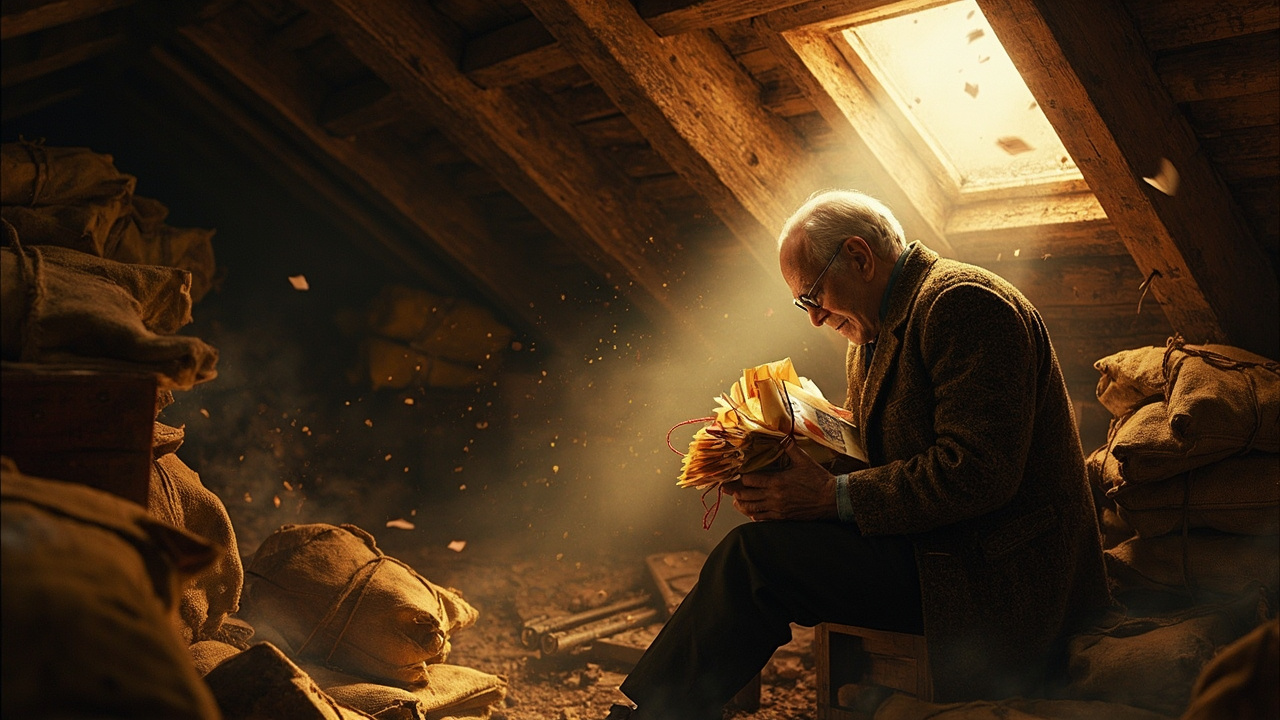
خادم البريد السابق و الرسائل\n\nكان هربرت فينش يوزع الرسائل على قرية ويلوبروك لمدة ثلاثة وأربعين عامًا. عندما تقاعد أخيرًا في يوم周二 رمادي من شهر نوفمبر، اقترحت عليه زوجته إلينور أن يرتب العلية حيث تراكمت أوراق العمل لعقود. كانت العلية مليئة بالغبار وضيقة، مملوءة بأسعار فرز قديمة ومعدات مكسورة. كان هربرت قد صعد إلى هناك مرتين فقط طوال سنوات خدمته، وفي كل مرة من غير رغبة.,当他拉开覆盖 الزاوية القماش المشمع، شيء غير متوقع لفت انتباهه - حزمة من الرسائل مربوطة بخيط أحمر باهت، مخفية خلف كومة من أكياس البريد التالفة. حسب أربعين ورقة في المجموع. لم يتم إرسال أي منها. كانت تحمل تواريخ تمتد من عام 1952 إلى عام 1978، وكل واحدة موجهة إلى شخص ما في القرية. شعر هربرت بقشعريرة باردة travers lui. كيف ended up here, منسية و غير مقروءة؟ جلس على صندوق مقلوب و فتح الرسالة الأولى، المؤرخة في مارس 1952. كانت من توماس كارتر إلى زوجته مارغريت، تخبرها بأنه لن يعود من الحرب. كان هربرت يعرف أن توماس كارتر لم يأتِ حقًا إلى الوطن، لكن مارغريت لم تستلم أي رسالة - simplement elle avait attendu, et attendu, jusquن came official notification. كانت الرسالة الحقيقية قد تم اعتراضها قبل أن تصل إليها. في الأيام التالية، فتح هربرت المزيد من الرسائل. كل واحدة كشفت سرًا مختلفًا. كانت هناك رسالة من مدير البنك إلى أخيه، يعترف بأنه سرق money من حساب التوفير في القرية. أخرى كانت رسالة حب من المعلمة إلى زوجة القس. واحتوت الثالثة على تقرير طبي يشير إلى أن السيدة العجوز بيمبرتون لم تمت بسبب قصور في القلب عام 1965، كما اعتقد الجميع، ولكن بسبب شيء أكثر إزعاجًا mucho más preocupante. أدرك هربرت بصمت متزايد أن شخصًا ما أخفى هذه الرسائل عمدًا. شخص ما فتحها، قرأها، ثم把它们藏在العلية بدلاً من تسليمها. خط اليد على طوابع الجمارك كان مألوفًا - elderly postmaster قبله، السيد العجوز هوراس ويب، الذي خدم حتى عام 1979. كان السيد ويب شخصية محترمة في ويلوبروك. كان أيضًا، كما بدا، رجلاً decide qui أ truth القرية يمكن أن تتعامل معها و تلك التي لا تستطيع. تساءل هربرت عما إذا كان السيد ويب يعتقد أنه يحمي الناس، أم أنه كان ببساطة خائفًا من الفوضى التي قد تسببها هذه Revelaciones. السؤال الآن هو ما يجب على هربرت أن يفعله بها. قضى عدة ليالٍ يفكر في الأمر. بعض الأسرار كانت صغيرة - imbarazzante أكثر من being ضار. أخرى كانت أكبر بكثير. يمكن أن تغير الطريقة التي يفهم بها الناس عائلاتهم، تاريخهم. في النهاية، قرر هرببت أن القرية تستحق أن تعرف. دعا إلى اجتماع في قاعة المجتمع ووضع الرسائل على الطاولة أمامه. كانت التفاعلات مختلطة. بعض الناس بكوا. آخرون أصبحوا غاضبين. جلست مارغريت كارتر، البالغة من العمر واحد وتسعين عامًا وتعيش وحدها في المنزل الذي كانت تنتظر فيه زوجها، بصمت فقط. عندما انتهى هربرت من الحديث، نهضت ببطء. 'شكرًا لك'، قالت بهدوء. 'الآن أعرف الحقيقة.' كان أحفاد مدير البنك غاضبين. غادر ابن المعلم ولم يعد أبدًا إلى القرية. رفض القس التعليق. ولكن ببطء، في الأشهر التالية، shift شيء ما. بدأ سكان ويلوبروك في تقبل أن تاريخهم كان أكثر تعقيدًا مما تخيلوا، وكان ذلك بخير. دُفنت الأسرار لفترة طويلة جدًا. توفي هربرت فينش في الربيع التالي، بسلام، في نومه. وجدته إلينور على مكتبه مع إحدى الرسائل في يده وابتسامة صغيرة على وجهه. كان قد delivered رسالة واحدة أخيرة - هذه واحدة إلى المستقبل.
Die Briefe des Postmeisters\n\nHerbert Finch hatte vierundvierzig Jahre lang Briefe im Dorf Willowbrook zugestellt. Als er an einem grauen Dienstag im November endlich in den Ruhestand ging, schlug seine Frau Eleanor vor, dass er den Dachboden des Postamts aufräumen sollte, wo sich jahrzehntelang Papierkram angesammelt hatte. Der Dachboden war staubig und eng, voll mit alten Sortiertischen und kaputter Ausrüstung. Herbert war in all seinen Dienstjahren nur zweimal dort hinaufgestiegen, jedes Mal widerwillig. Als er die Plane an der Ecke zurückzog, fiel ihm etwas Unerwartetes ins Auge — ein Bündel Briefe, zusammengebunden mit verblasstem rotem Garn, versteckt hinter einem Stapel beschädigter Postsäcke. Er zählte siebenundvierzig Briefe insgesamt. Keiner davon war je abgeschickt worden. Sie trugen Daten aus den Jahren 1952 bis 1978, und jeder einzelne war an jemanden im Dorf adressiert. Herbert durchlief ein kalter Schauer. Wie waren sie hier gelandet, vergessen und ungelesen? Er setzte sich auf eine umgedrehte Kiste und öffnete den ersten Brief, datiert vom März 1952. Er war von Thomas Carter an seine Frau Margaret, in dem er ihr mitteilte, dass er nicht aus dem Krieg zurückkehren würde. Herbert wusste, dass Thomas Carter tatsächlich nie nach Hause gekommen war, aber Margaret hatte keinen Brief erhalten — sie hatte einfach gewartet und gewartet, bis die offizielle Benachrichtigung eintraf. Der echte Brief war abgefangen worden, bevor er sie erreichen konnte. In den folgenden Tagen öffnete Herbert weitere Briefe. Jeder enthüllte ein anderes Geheimnis. Da war ein Brief vom Bankmanager an seinen Bruder, in dem er gestand, dass er Geld aus dem Sparkonto des Dorfes gestohlen hatte. Ein anderer war ein Liebesbrief vom Lehrer an die Frau des Rektors. Ein dritter enthielt einen medizinischen Bericht, der darauf hindeutete, dass die alte Mrs. Pemberton 1965 nicht an Herzversagen gestorben war, wie alle glaubten, sondern an etwas viel Beunruhigenderem. Herbert wurde mit wachsendem Unbehagen klar, dass jemand diese Briefe absichtlich versteckt hatte. Jemand hatte sie geöffnet, gelesen und dann auf dem Dachboden versteckt, anstatt sie zuzustellen. Die Handschrift auf den Zollmarken war ihm vertraut — der alte Postmeister vor ihm, Mr. Horace Webb, der bis 1979 gedient hatte. Mr. Webb war eine geachtete Persönlichkeit in Willowbrook gewesen. Er war aber auch, wie es schien, ein Mann gewesen, der entschied, welche Wahrheiten das Dorf verkraften konnte und welche nicht. Herbert fragte sich, ob Mr. Webb geglaubt hatte, dass er die Menschen schützte, oder ob er einfach Angst vor dem Chaos gehabt hatte, das diese Enthüllungen hätten auslösen können. Die Frage jetzt war, was Herbert damit tun sollte. Er verbrachte mehrere Nächte damit nachzudenken. Einige Geheimnisse waren klein — peinlich eher als schädlich. Andere waren viel größer. Sie könnten verändern, wie Menschen ihre eigenen Familien, ihre eigenen Geschichten verstanden. Am Ende beschloss Herbert, dass das Dorf es verdiente zu wissen. Er berief eine Versammlung im Gemeindehaus ein und breitete die Briefe auf dem Tisch vor sich aus. Die Reaktionen waren gemischt. Manche Menschen weinten. Andere wurden wütend. Margaret Carter, jetzt einundneunzig Jahre alt und allein in dem Haus lebend, in dem sie auf ihren Mann gewartet hatte, saß einfach schweigend da. Als Herbert mit dem Reden fertig war, stand sie langsam auf. "Danke", sagte sie leise. "Jetzt kenne ich die Wahrheit." Die Enkel des Bankmanagers waren wütend. Der Sohn des Lehrers ging hinaus und kam nie wieder ins Dorf zurück. Der Pfarrer weigerte sich, einen Kommentar abzugeben. Aber langsam, in den folgenden Monaten, verschob sich etwas. Die Menschen von Willowbrook begannen zu akzeptieren, dass ihre Geschichte komplizierter war, als sie sich vorgestellt hatten, und das war in Ordnung. Die Geheimnisse waren zu lange vergraben gewesen. Herbert Finch starb im folgenden Frühling, friedlich, in seinem Schlaf. Eleanor fand ihn an seinem Schreibtisch mit einem der Briefe in der Hand und einem kleinen Lächeln im Gesicht. Er hatte eine letzte Nachricht zugestellt — diese hier an die Zukunft.
Las Cartas del Cartero\n\nHerbert Finch había entregado cartas en el pueblo de Willowbrook durante cuarenta y tres años. Cuando finalmente se jubiló un martes gris de noviembre, su esposa Eleanor le sugirió que ordenara el ático de la oficina de correos donde se habían acumulado décadas de papeles. El ático estaba polvoriento y estrecho, lleno de mesas de clasificación antiguas y equipos rotos. Herbert solo había subido allí dos veces en todos sus años de servicio, cada vez de mala gana. Cuando retiró la lona que cubría el rincón, algo inesperado llamó su atención: un manojo de cartas atadas con un hilo rojo descolorido, ocultas detrás de una pila de bolsas de correo dañadas. Contó cuarenta y siete cartas en total. Ninguna había sido enviada. Llevaban fechas comprendidas entre 1952 y 1978, y cada una estaba dirigida a alguien del pueblo. Herbert sintió un escalofrío recorrerlo. ¿Cómo habían terminado allí, olvidadas y sin leer? Se sentó en una caja volcada y abrió la primera carta, fechada en marzo de 1952. Era de Thomas Carter a su esposa Margaret, informándola de que no volvería de la guerra. Herbert sabía que Thomas Carter efectivamente nunca había regresado a casa, pero Margaret no había recibido ninguna carta — simplemente había esperado, y esperado, hasta que llegó la notificación oficial. La verdadera carta había sido interceptada antes de que pudiera llegar a ella. En los días siguientes, Herbert abrió más cartas. Cada una revelaba un secreto diferente. Había una carta del director del banco a su hermano, confesando que había robado dinero de la cuenta de ahorros del pueblo. Otra era una carta de amor de la maestra a la esposa del rector. Una tercera contenía un informe médico que sugería que la anciana señora Pemberton no había muerto de insuficiencia cardíaca en 1965, como todos creían, sino de algo mucho más preocupante. Herbert se dio cuenta con creciente inquietud de que alguien había ocultado deliberadamente estas cartas. Alguien las había abierto, leído y luego escondido en el ático en lugar de entregarlas. La letra en los sellos de aduanas era familiar: el anciano cartero anterior a él, el señor Horace Webb, que había servido hasta 1979. El señor Webb había sido una figura respetada en Willowbrook. También había sido, al parecer, un hombre que decidía qué verdades podía manejar el pueblo y cuáles no. Herbert se preguntó si el señor Webb había creído que estaba protegiendo a la gente, o si simplemente había tenido miedo del caos que estas revelaciones podrían causar. La pregunta ahora era qué debía hacer Herbert con ellas. Pasó varias noches pensando en ello. Algunos secretos eran pequeños: avergonzantes más que dañinos. Otros eran mucho mayores. Podían cambiar la forma en que la gente entendía sus propias familias, sus propias historias. Al final, Herbert decidió que el pueblo merecía saber. Convocó una reunión en el salón comunitario y extendió las cartas sobre la mesa أمامه. Las reacciones fueron diversas. Algunas personas lloraron. Otras se enfurecieron. Margaret Carter, ahora con noventa y un años y viviendo sola en la casa donde había esperado a su marido, simplemente permaneció sentada en silencio. Cuando Herbert terminó de hablar, ella se levantó lentamente. «Gracias», dijo en voz baja. «Ahora conozco la verdad.» Los nietos del director del banco estaban furiosos. El hijo de la maestra salió y nunca volvió al pueblo. El rector se negó a hacer comentarios. Pero lentamente, en los meses siguientes, algo cambió. La gente de Willowbrook comenzó a aceptar que su historia era más complicada de lo que habían imaginado, y estaba bien así. Los secretos habían estado enterrados durante demasiado tiempo. Herbert Finch murió la primavera siguiente, pacíficamente, mientras dormía. Eleanor lo encontró en su escritorio con una de las cartas en la mano y una pequeña sonrisa en el rostro. Había entregado un último mensaje: este para el futuro.
Les Lettres du Maître Postier\n\nHerbert Finch avait livré des lettres au village de Willowbrook pendant quarante-trois ans. Lorsqu'il prit finalement sa retraite un mardi gris de novembre, sa femme Eleanor lui suggéra de ranger le grenier du bureau de poste où des décennies de paperasse s'étaient accumulées. Le grenier était poussiéreux et étroit, rempli de vieilles tables de tri et d'équipements cassés. Herbert n'y était monté que deux fois durant toutes ses années de service, chaque fois à contrecœur. En tirant la bâche qui couvrait le coin, quelque chose d'inattendu attira son regard — un paquet de lettres attaché avec une ficelle rouge pâlie, caché derrière une pile de sacs de courrier endommagés. Il compta quarante-sept lettres en tout. Aucune n'avait été postée. Elles portaient des dates s'étendant de 1952 à 1978, et chacune était adressée à quelqu'un du village. Herbert sentit un froid glacial le traverser. Comment avaient-elles fini là, oubliées et non lues ? Il s'assit sur une caisse renversée et ouvrit la première lettre, datée de mars 1952. Elle était de Thomas Carter à son épouse Margaret, l'informant qu'il ne reviendrait pas de la guerre. Herbert savait que Thomas Carter n'était effectivement jamais rentré chez lui, mais Margaret n'avait reçu aucune lettre — elle avait simplement attendu, et attendu, jusqu'à l'arrivée de la notification officielle. La vraie lettre avait été interceptée avant de pouvoir lui parvenir. Au cours des jours suivants, Herbert ouvrit d'autres lettres. Chacune révélait un secret différent. Il y avait une lettre du directeur de la banque à son frère, confessant qu'il avait volé de l'argent du compte d'épargne du village. Une autre était une lettre d'amour de l'instituteur à la femme du recteur. Une troisième contenait un rapport médical suggérant que la vieille Mme Pemberton n'était pas morte d'une crise cardiaque en 1965, comme tout le monde le croyait, mais de quelque chose de bien plus troublant. Herbert réalisa avec une inquiétude grandissante que quelqu'un avait délibérément caché ces lettres. Quelqu'un les avait ouvertes, lues, puis dissimulées dans le grenier au lieu de les livrer. L'écriture sur les timbres de douane était familière — le vieux maître postier avant lui, M. Horace Webb, qui avait servi jusqu'en 1979. M. Webb avait été une figure respectée à Willowbrook. Il avait aussi, semblait-il, été un homme qui décidait quelles vérités le village pouvait supporter et lesquelles il ne pouvait pas. Herbert se demanda si M. Webb avait cru qu'il protégeait les gens, ou s'il avait simplement eu peur du chaos que ces révélations pourraient causer. La question maintenant était ce que Herbert devait en faire. Il passa plusieurs nuits à y réfléchir. Certains secrets étaient petits — embarrassants plutôt que nuisibles. D'autres étaient bien plus grands. Ils pourraient changer la façon dont les gens comprenaient leurs propres familles, leurs propres histoires. Finalement, Herbert décida que le village méritait de savoir. Il convoqua une réunion à la salle communautaire et étala les lettres sur la table devant lui. Les réactions furent mitigées. Certaines personnes pleurèrent. D'autres se mirent en colère. Margaret Carter, maintenant âgée de quatre-vingt-onze ans et vivant seule dans la maison où elle avait attendu son mari, resta simplement assise en silence. Quand Herbert termina de parler, elle se leva lentement. « Merci », dit-elle doucement. « Maintenant je connais la vérité. » Les petits-enfants du directeur de la banque furent furieux. Le fils de l'instituteur sortit et ne revint jamais au village. Le recteur refusa de commenter. Mais lentement, au cours des mois suivants, quelque chose changea. Les gens de Willowbrook commencèrent à accepter que leur histoire était plus compliquée qu'ils ne l'avaient imaginé, et c'était acceptable ainsi. Les secrets avaient été enterrés trop longtemps. Herbert Finch mourut le printemps suivant, paisiblement, dans son sommeil. Eleanor le trouva à son bureau avec l'une des lettres dans la main et un petit sourire sur le visage. Il avait livré un dernier message — celui-ci adressé à l'avenir.
Le Lettere del Maestro Postiere\n\nHerbert Finch aveva consegnato lettere al villaggio di Willowbrook per quarantatré anni. Quando finalmente andò in pensione un martedì grigio di novembre, sua moglie Eleanor gli suggerì di mettere ordine nella soffitta dell'ufficio postale dove si erano accumulati decenni di carta. La soffitta era polverosa e angusta, piena di vecchi tavoli di smistamento e attrezzature rotte. Herbert vi era salito solo due volte in tutti i suoi anni di servizio, ogni volta con riluttanza. Mentre tirava via il telone che copriva l'angolo, qualcosa di inaspettato attirò la sua attenzione — un fascio di lettere legate con un filo rosso sbiadito, nascosto dietro una pila di sacchi postali danneggiati. Contò quarantasette lettere in tutto. Nessuna di esse era stata imbucata. Portavano date che andavano dal 1952 al 1978, e ognuna era indirizzata a qualcuno del villaggio. Herbert sentì un brivido freddo attraversarlo. Come erano finite lì, dimenticate e non lette? Si sedette su una cassa rovesciata e aprì la prima lettera, datata marzo 1952. Era di Thomas Carter a sua moglie Margaret, informandola che non sarebbe tornato dalla guerra. Herbert sapeva che Thomas Carter non era mai tornato a casa, ma Margaret non aveva ricevuto alcuna lettera — aveva semplicemente aspettato, e aspettato, finché non era arrivata la notifica ufficiale. La vera lettera era stata intercettata prima di poterla raggiungere. Nei giorni successivi, Herbert aprì altre lettere. Ognuna rivelava un segreto diverso. C'era una lettera del direttore della banca a suo fratello, in cui confessava di aver rubato soldi dal conto di risparmio del villaggio. Un'altra era una lettera d'amore dell'insegnante alla moglie del rettore. Una terza conteneva un referto medico che suggeriva che la vecchia signora Pemberton non fosse morta di insufficienza cardiaca nel 1965, come tutti credevano, ma di qualcosa di molto più inquietante. Herbert si rese conto con crescente disagio che qualcuno aveva deliberatamente nascosto queste lettere. Qualcuno le aveva aperte, lette, e poi nascoste nella soffitta invece di consegnarle. La calligrafia sui francobolli doganali era familiare — l'anziano maestro postiere prima di lui, il signor Horace Webb, che aveva servito fino al 1979. Il signor Webb era stato una figura rispettata a Willowbrook. Era stato anche, a quanto pareva, un uomo che decideva quali verità il villaggio potesse sopportare e quali no. Herbert si chiese se il signor Webb avesse creduto di stare proteggendo la gente, o se avesse semplicemente avuto paura del caos che queste rivelazioni avrebbero potuto causare. La domanda ora era cosa Herbert dovesse farne. Passò diverse notti a pensarci. Alcuni segreti erano piccoli — imbarazzanti più che dannosi. Altri erano molto più grandi. Avrebbero potuto cambiare il modo in cui le persone capivano le proprie famiglie, le proprie storie. Alla fine, Herbert decise che il villaggio meritava di sapere. Convulse una riunione nella sala comunitaria e dispose le lettere sul tavolo davanti a sé. Le reazioni furono miste. Alcune persone piangevano. Altre si arrabbiarono. Margaret Carter, ora novantun anni e viveva da sola nella casa dove aveva aspettato il marito, semplicemente sedeva in silenzio. Quando Herbert finì di parlare, lei si alzò lentamente. "Grazie", disse piano. "Ora conosco la verità." I nipoti del direttore della banca erano furiosi. Il figlio dell'insegnante uscì e non tornò mai più al villaggio. Il rettore rifiutò di commentare. Ma lentamente, nei mesi successivi, qualcosa cambiò. La gente di Willowbrook cominciò ad accettare che la loro storia fosse più complicata di quanto avessero immaginato, e andava bene così. I segreti erano stati sepolti troppo a lungo. Herbert Finch morì la primavera seguente, pacificamente, nel sonno. Eleanor lo trovò alla sua scrivania con una delle lettere in mano e un piccolo sorriso sul viso. Aveva consegnato un ultimo messaggio — questo al futuro.