العنوان: الطاحونة القديمة
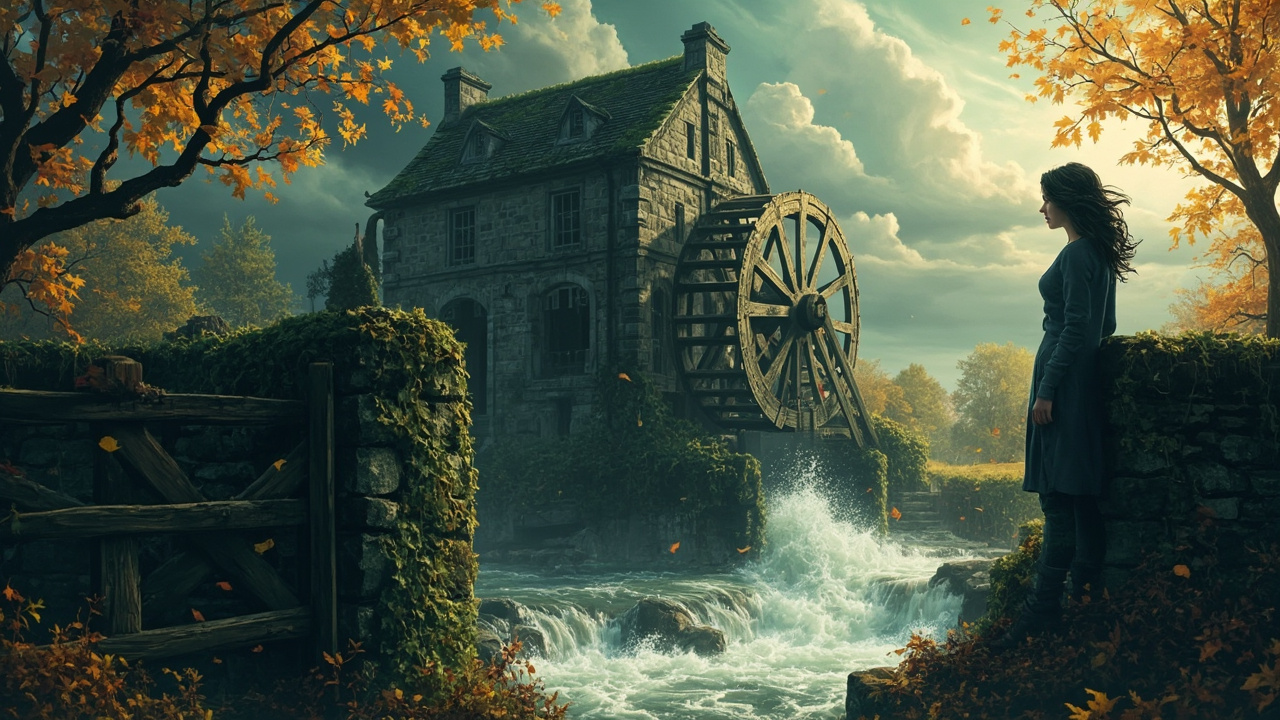
وقفت إلينور عند البوابة، والرياح تجذب خصلات شعرها الداكن، وتحدق في المبنى الحجري المتهالك أمامها. كان اللبلاب يتسلق الجدران كأوردة خضراء، وعجلة المياه الكبرى معلقة بلا حراك فوق الجدول، وأجنحتها الخشبية تعفن تحت مطر أكتوبر. لم تكن تتوقع أن تكون الطاحونة جميلة إلى هذا الحد، حتى في انحطاطها. كان محاميها قد اتصل بها قبل ثلاثة أسابيع携带着 الخبر. جدتها، امرأة لم تكن قد التقتها سوى مرتين في طفولتها، توفيت عن أربعة وتسعين عاماً وتركت كل شيء لها. بدا المحامي متفاجئاً عندما ذكر قيمة الطاحونة. كان المطورون مهتمين بها لسنوات، على ما يبدو. يمكن لإلينور أن تبيعها غداً وتسدد قسط شقتها في لندن. يمكنها أن تبدأ من جديد. لكنها لم تقضِ أربعةcientos كيلومتر فقط لتوقيع أوراق. أطلقت الباب الأمامي أنيناً وهي تدفعه. تطاير الغبار في الضوء الشاحب المتسرب عبر النوافذ المكسورة. خطت بحذر فوق الأنقاض ودخلت ما كان يوماً ورشة عمل. آلات صدئة تحت طبقات من الأوساخ. استقرت أطنان من غبار الدقيق عبر القرون في كل شق وزاوية. لكن شيئاً ما في المكان كان يشعر بالحياة، كأن الجدران تتذكر الأيدي التي عملت هنا. في المكتب الصغير بالخلف وجدت الصندوق. كادت أن تفوته تماماً. كان الصندوق الخشبي تحت مكتب، مخفياً خلف الجص المتساقط. في داخله، ملفوفاً بقماش اصفر، وجدت دفتر يوميات جلدي، وحزمة من الصور بالأبيض والأسود، وكومة من الرسائل مربوطة بشريط باهت. اسم جدتها، هارييت أشوورث، كان مكتوباً على الصفحة الأولى بخط جميل. بدأت اليومية عام ألف وتسعمئة واثنان وأربعين. جلست إلينور على الأرض المتربة وقرأت بينما كان ضوء ما بعد الظهر يتحرك عبر الغرفة. كانت جدتها في الثالثة والعشرين من عمرها. كتبت عن الطاحونة، عن عجلة المياه التي كانت لا تزال تدور في تلك الأيام، عن إيقاع الحبوب والماء. لكن بعد ذلك تغيرت كتاباتها. ظهرت أسماء—أسماء غريبة، أسماء أجنبية. كتبت عن ليالٍspent في الاستماع لسيارات على الطريق، عن طرود موضوعة عند الباب، عن الحفاظ على أسرار حتى عن عائلتها الخاصة. "العجلة تدور،" كتبت في يونيو ألف وتسعمئة وثلاثة وأربعين. "وأنا أدور معها. هؤلاء الناس يهربون من الظلام. لن أرجعهم." فحصت إلينور الصور بيدين مرتجفتين. كانت تظهر رجالاً ونساءً وأطفالاً يقفون أمام الطاحونة، squinting في ضوء الشمس. كان بعضهم يرتدي ملابس مستعارة. كانوا جميعاً يبتسمون، مرتاحين، أحياء. تعرفت على جدتها واقفة على حافة إحدى المجموعات، امرأة شابة ذات عيون جدية وفك حازم. الرسائل كانت من العائلات. رسائل شكر، كثير منها، مكتوبة بالإنجليزية والألمانية والبولندية والفرنسية. شكرت هارييت على المأوى، على الأمان، على فرصة البدء من جديد. رسالة واحدة، مؤرخة عام ألف وتسعمئة وسبعة وأربعين، جاءت من عائلة استقرت في كندا. "بسببك،" كتبوا، "أطفالنا لن يعرفوا الظلام الذي هربنا منه." عندما نظرت إلينور أخيراً للأعلى، حل الليل. مشت خارجاً ووقفت بجانب عجلة المياه الصامتة. murmurاد التيار،unchanged بعد كل هذه السنوات. كانت جدتها قد حافظت على هذا السر لعقود. عملت وحدها، لم تثق بأحد، protect الناس الذين لم تقابلهم قط. 그리고 بعد ذلك أغلقت الحقيقة في صندوق تحت مكتب ولم تتحدث عنها مرة أخرى أبداً. يوم الأحد، اتصلت إلينور بمحاميها. "أنا لا أبيع،" قالت. "أحتاج وقتاً للتفكير فيما يأتي بعد." لم تشرح أن الطاحونة أصبحت أكثر من حجر وخشب. كانت نصب تذكاري لشجاعة امرأة، بنيت من الصمت والتضحية. لم تستطع أن تدعها become موقف سيارات أو صف من أكواخ العطلات. ستدور العجلة مرة أخرى. كانت قد قررت بالفعل.
Die alte Mühle
Eleanor stand am Tor, der Wind zerrte an ihrem dunklen Haar, und starrte auf das verfallende Steingebäude vor ihr. Efeu kroch die Wände hinauf wie grüne Adern, und das große Wasserrad hing reglos über dem Bach, seine hölzernen Schaufeln verrotteten im Oktoberregen. Sie hatte nicht erwartet, dass die Mühle so schön sein würde, selbst in ihrem Verfall. Ihr Anwalt hatte vor drei Wochen telefonisch die Nachricht überbracht. Ihre Großmutter, eine Frau, der sie in ihrer Kindheit nur zweimal begegnet war, war mit vierundneunzig Jahren gestorben und hatte ihr alles hinterlassen. Der Anwalt hatte überrascht geklungen, als er den Wert der Mühle erwähnte. Entwickler waren offenbar seit Jahren interessiert gewesen. Eleanor könnte sie morgen verkaufen und ihre Wohnung in London abbezahlen. Sie könnte neu anfangen. Aber sie war nicht vierhundert Kilometer gefahren, nur um Papiere zu unterschreiben. Die Eingangstür ächzte, als sie sie aufstieß. Staub wirbelte in dem blassen Licht, das durch die zerbrochenen Fenster drang. Sie stieg vorsichtig über das Gerümpel und betrat, was einmal eine Werkstatt gewesen war. Verrostete Maschinen saßen unter Schmutzschichten. Jahrhunderte von Mehlstaub hatten sich in jeden Riss und jede Ecke gesetzt. Doch etwas an dem Raum fühlte sich lebendig an, als erinnerten sich die Wände an die Hände, die hier gearbeitet hatten. In dem kleinen Büro hinten fand sie die Schachtel. Sie hätte sie fast ganz übersehen. Die Holztruhe stand unter einem Schreibtisch, versteckt hinter herabgefallenem Putz. Darin, in vergilbtes Tuch gewickelt, entdeckte sie ein ledernes Tagebuch, ein Bündel Schwarz-Weiß-Fotos und einen Stoß Briefe, die mit verblichenem Band zusammengebunden waren. Der Name ihrer Großmutter, Harriet Ashworth, stand auf der ersten Seite in sorgfältiger Handschrift. Das Tagebuch begann 1942. Eleanor setzte sich auf den staubigen Boden und las, während das Nachmittagslicht durch den Raum wanderte. Ihre Großmutter war damals dreiundzwanzig Jahre alt gewesen. Sie schrieb über die Mühle, über das Wasserrad, das in jenen Tagen noch drehte, über den Rhythmus von Getreide und Wasser. Doch dann veränderten sich ihre Einträge. Namen tauchten auf—seltsame Namen, fremde Namen. Sie schrieb über Nächte, in denen sie auf Autos auf der Straße lauschte, über Pakete, die an der Tür abgelegt wurden, darüber, Geheimnisse selbst vor der eigenen Familie zu bewahren. "Das Rad dreht sich", hatte sie im Juni 1943 geschrieben. "Und ich drehe mich mit ihm. Diese Menschen fliehen vor der Dunkelheit. Ich werde sie nicht abweisen." Eleanor betrachtete die Fotos mit zitternden Händen. Sie zeigten Männer, Frauen und Kinder, die vor der Mühle standen und in der Sonne blinzelten. Einige trugen geliehene Kleidung. Alle lächelten, erleichtert, am Leben. Sie erkannte ihre Großmutter am Rand einer Gruppe, eine junge Frau mit ernsten Augen und einem entschlossenen Kiefer. Die Briefe stammten von den Familien. Dankesbriefe, viele von ihnen, auf Englisch, Deutsch, Polnisch und Französisch geschrieben. Sie dankten Harriet für Unterkunft, für Sicherheit, für die Chance, neu anzufangen. Ein Brief, datiert von 1947, kam von einer Familie, die sich in Kanada niedergelassen hatte. "Dank Ihnen", schrieben sie, "werden unsere Kinder die Dunkelheit, der wir entflohen sind, niemals kennenlernen." Als Eleanor schließlich aufblickte, war Nacht hereingebrochen. Sie ging nach draußen und stellte sich neben das stille Wasserrad. Der Bach plätscherte vorbei, nach all den Jahren unverändert. Ihre Großmutter hatte dieses Geheimnis jahrzehntelang bewahrt. Sie hatte allein gearbeitet, niemandem vertraut, Menschen beschützt, die sie nie getroffen hatte. Und dann hatte sie die Wahrheit in einer Schachtel unter einem Schreibtisch verschlossen und nie wieder darüber gesprochen. Am Sonntag rief Eleanor ihren Anwalt an. "Ich verkaufe nicht", sagte sie. "Ich brauche Zeit, um darüber nachzudenken, was als nächstes kommt." Sie erklärte nicht, dass die Mühle mehr geworden war als Stein und Holz. Sie war ein Denkmal für den Mut einer Frau, erbaut aus Stille und Opfer. Sie konnte nicht zulassen, dass sie ein Parkplatz oder eine Reihe von Ferienhäusern wurde. Das Wasserrad würde sich wieder drehen. Sie hatte es bereits entschieden.
El Viejo Molino
Eleanor estaba en la verja, el viento tirando de su cabello oscuro, y contemplaba el edificio de piedra en ruinas ante ella. La hiedra trepaba por las paredes como venas verdes, y la gran rueda hidráulica colgaba inmóvil sobre el arroyo, sus paletas de madera pudriéndose bajo la lluvia de octubre. No había esperado que el molino fuera tan hermoso, ni siquiera en su decadencia. Su abogado le había telefoneado tres semanas antes con la noticia. Su abuela, una mujer que solo había conocido dos veces en su infancia, había muerto a los noventa y cuatro años y le había dejado todo. El abogado había sonado sorprendido cuando mencionó el valor del molino. Aparentemente, los promotores habían estado interesados durante años. Eleanor podía venderlo mañana y pagar su apartamento en Londres. Podía empezar de nuevo. Pero no había conducido cuatrocientos kilómetros solo para firmar papeles. La puerta principal crujió cuando la empujó. El polvo giraba en la tenue luz que se filtraba a través de las ventanas rotas. Pisó con cuidado los escombros y entró en lo que había sido un taller. Maquinaria oxidada se sentaba bajo capas de mugre. Siglos de polvo de harina se habían depositado en cada grieta y rincón. Sin embargo, algo sobre el espacio se sentía vivo, como si las paredes recordaran las manos que habían trabajado allí. Fue en la pequeña oficina de atrás donde encontró la caja. Por poco la perdió por completo. El cofre de madera estaba bajo un escritorio, oculto tras el yeso caído. Dentro, envuelto en tela amarillenta, descubrió un diario de cuero, un manojo de fotografías en blanco y negro, y una pila de cartas atadas con cinta descolorida. El nombre de su abuela, Harriet Ashworth, estaba escrito en la primera página con caligrafía cuidada. El diario comenzaba en 1942. Eleanor se sentó en el suelo polvoriento y leyó mientras la luz de la tarde se desplazaba por la habitación. Su abuela había tenido veintitrés años. Escribía sobre el molino, sobre la rueda hidráulica que aún giraba en aquellos días, sobre el ritmo del grano y el agua. Pero entonces sus entradas cambiaron. Aparecieron nombres—nombres extraños, nombres extranjeros. Escribía sobre noches escuchando coches en la carretera, sobre paquetes dejados en la puerta, sobre guardar secretos incluso de su propia familia. "La rueda gira," había escrito en junio de 1943. "Y yo giro con ella. Estas personas huyen de la oscuridad. No las rechazaré." Eleanor examinó las fotografías con manos temblorosas. Mostraban hombres, mujeres y niños de pie ante el molino, entrecerrando los ojos bajo la luz del sol. Algunos vestían ropa prestada. Todos sonreían, aliviados, vivos. Reconoció a su abuela de pie al borde de un grupo, una mujer joven con ojos serios y mandíbula resuelta. Las cartas eran de las familias. Cartas de agradecimiento, muchas de ellas, escritas en inglés, alemán, polaco y francés. Agradecían a Harriet por el refugio, por la seguridad, por la oportunidad de empezar de nuevo. Una carta, fechada en 1947, provenía de una familia que se había establecido en Canadá. "Por causa de usted," escribieron, "nuestros hijos nunca conocerán la oscuridad de la que escapamos." Cuando Eleanor finalmente levantó la vista, había caído la noche. Caminó hacia afuera y se quedó junto a la rueda hidráulica silenciosa. El arroyo murmuraba al pasar, sin cambios después de todos estos años. Su abuela había guardado este secreto durante décadas. Había trabajado sola, sin confiar en nadie, protegiendo a personas que nunca había conocido. Y luego había encerrado la verdad en una caja bajo un escritorio y nunca más habló de ello. El domingo, Eleanor telefoneó a su abogado. "No vendo," dijo. "Necesito tiempo para pensar en lo que viene después." No explicó que el molino se había convertido en algo más que piedra y madera. Era un monumento al coraje de una mujer, construido con silencio y sacrificio. No podía permitir que se convirtiera en un estacionamiento o en una hilera de casas de vacaciones. La rueda hidráulica volvería a girar. Ya lo había decidido.
Le Vieux Moulin
Éleanor se tenait à la grille, le vent tirant sur ses cheveux sombres, et fixait le bâtiment de pierre en ruine devant elle. Le lierre grimpait aux murs comme des veines vertes, et la grande roue à eau pendait immobile au-dessus du ruisseau, ses pales de bois pourrissant sous la pluie d'octobre. Elle n'avait pas prévu que le moulin serait si beau, même dans sa décrépitude. Son notaire l'avait téléphoné trois semaines plus tôt avec la nouvelle. Sa grand-mère, une femme qu'elle n'avait rencontrée que deux fois dans son enfance, était morte à quatre-vingt-quatorze ans et lui avait tout légué. Le notaire avait semblé surpris quand il avait mentionné la valeur du moulin. Des promoteurs avaient apparemment été intéressés pendant des années. Éleanor pouvait le vendre demain et rembourser son appartement à Londres. Elle pouvait recommencer. Mais elle n'avait pas fait quatre cents kilomètres juste pour signer des papiers. La porte d'entrée grinça lorsqu'elle la poussa. La poussière tourbillonnait dans la lumière pâle qui filtrait à travers les fenêtres brisées. Elle enjamba soigneusement les débris et entra dans ce qui avait été un atelier. Des machines rouillées étaient assises sous des couches de crasse. Des siècles de poussière de farine s'étaient déposés dans chaque fissure et recoin. Pourtant, quelque chose dans l'espace semblait vivant, comme si les murs se souvenaient des mains qui avaient travaillé ici. C'est dans le petit bureau au fond qu'elle trouva la boîte. Elle l'aurait presque manquée. Le coffre en bois était sous un bureau, caché derrière du plâtre effondré. À l'intérieur, enveloppé dans un tissu jauni, elle découvrit un journal en cuir, un paquet de photographies en noir et blanc, et une pile de lettres attachées avec un ruban décoloré. Le nom de sa grand-mère, Harriet Ashworth, était écrit sur la première page d'une écriture soignée. Le journal commençait en 1942. Éleanor s'assit sur le plancher poussiéreux et lut tandis que la lumière de l'après-midi se déplaçait dans la pièce. Sa grand-mère avait vingt-trois ans. Elle écrivait sur le moulin, sur la roue à eau qui tournait encore à cette époque, sur le rythme du grain et de l'eau. Mais ses entrées changèrent. Des noms apparurent—des noms étranges, des noms étrangers. Elle écrivait sur des nuits passées à écouter des voitures sur la route, sur des paquets déposés à la porte, sur le maintien de secrets même envers sa propre famille. "La roue tourne," avait-elle écrit en juin 1943. "Et je tourne avec elle. Ces gens fuient l'obscurité. Je ne les chasserai pas." Éleanor examina les photographies d'une main tremblante. Elles montraient des hommes, des femmes et des enfants debout devant le moulin, plissant les yeux dans la lumière du soleil. Certains portaient des vêtements empruntés. Tous souriaient, soulagés, vivants. Elle reconnut sa grand-mère debout au bord d'un groupe, une jeune femme aux yeux graves et à la mâchoire déterminée. Les lettres provenaient des familles. Des lettres de remerciement, beaucoup d'entre elles, écrites en anglais, en allemand, en polonais et en français. Elles remerciaient Harriet pour l'abri, pour la sécurité, pour la chance de recommencer. Une lettre, datée de 1947, venait d'une famille qui s'était installée au Canada. "Grâce à vous," écrivirent-ils, "nos enfants ne connaîtront jamais l'obscurité dont nous avons échappé." Quand Éleanor leva finalement les yeux, la nuit était tombée. Elle marcha dehors et se tint à côté de la roue à eau silencieuse. Le ruisseau murmurait, inchangé après toutes ces années. Sa grand-mère avait gardé ce secret pendant des décennies. Elle avait travaillé seule, ne faisant confiance à personne, protégeant des gens qu'elle n'avait jamais rencontrés. Et puis elle avait enfermé la vérité dans une boîte sous un bureau et n'en avait plus jamais parlé. Dimanche, Éleanor appela son notaire. "Je ne vends pas," dit-elle. "J'ai besoin de temps pour réfléchir à ce qui vient ensuite." Elle n'expliqua pas que le moulin était devenu plus que de la pierre et du bois. C'était un monument au courage d'une femme, bâti de silence et de sacrifice. Elle ne pouvait pas le laisser devenir un parking ou une rangée de cottages de vacances. La roue à eau tournerait à nouveau. Elle l'avait déjà décidé.
Il Vecchio Mulino
Eleanor stava alla recinzione, il vento che tirava i suoi capelli scuri, e fissava l'edificio di pietra in rovina davanti a lei. L'edera saliva sui muri come vene verdi, e la grande ruota idraulica pendeva immobile sopra il ruscello, le sue pale di legno che marcivano sotto la pioggia di ottobre. Non si aspettava che il mulino fosse così bello, anche nel suo decadimento. Il suo avvocato l'aveva telefonato tre settimane prima con la notizia. Sua nonna, una donna che aveva incontrato solo due volte durante l'infanzia, era morta a novantaquattro anni e le aveva lasciato tutto. L'avvocato era sembrato sorpreso quando aveva menzionato il valore del mulino. Gli sviluppatori erano stati apparentemente interessati per anni. Eleanor poteva venderlo domani e saldare il suo appartamento a Londra. Poteva ricominciare. Ma non aveva percorso quattrocento chilometri solo per firmare dei documenti. La porta d'ingresso gemette quando la spinse. La polvere volteggiava nella luce pallida che filtrava attraverso le finestre rotte. Camminò attentamente sui detriti ed entrò in quello che era stato un tempo un laboratorio. Macchinari arrugginiti sedevano sotto strati di sporcizia. Secoli di polvere di farina si erano depositati in ogni crepa e angolo. Eppure qualcosa nello spazio sembrava vivo, come se i muri si ricordassero delle mani che avevano lavorato lì. Fu nel piccolo ufficio sul retro che trovò la scatola. Per poco non la mancò del tutto. Il baule di legno era sotto una scrivania, nascosto dietro l'intonaco caduto. Dentro, avvolto in un panno ingiallito, scoprì un diario di pelle, un fascio di fotografie in bianco e nero e una pila di lettere legate con un nastro sbiadito. Il nome di sua nonna, Harriet Ashworth, era scritto sulla prima pagina in una calligrafia accurata. Il diario iniziava nel 1942. Eleanor si sedette sul pavimento polveroso e lesse mentre la luce del pomeriggio si spostava nella stanza. Sua nonna aveva ventitré anni. Scriveva del mulino, della ruota idraulica che in quei giorni girava ancora, del ritmo del grano e dell'acqua. Ma poi le sue annotazioni cambiarono. Apparvero nomi—nomi strani, nomi stranieri. Scriveva di notti trascorse ad ascoltare le automobili sulla strada, di pacchi lasciati alla porta, di mantenere segreti anche dalla propria famiglia. "La ruota gira," aveva scritto nel giugno 1943. "E io giro con essa. Queste persone fuggono dall'oscurità. Non le respingerò." Eleanor esaminò le fotografie con mani tremanti. Mostravano uomini, donne e bambini in piedi davanti al mulino, socchiudendo gli occhi nella luce del sole. Alcuni indossavano abiti presi in prestito. Tutti sorridevano, sollevati, vivi. Riconobbe sua nonna in piedi al margine di un gruppo, una giovane donna con occhi seri e una mascella determinata. Le lettere erano delle famiglie. Lettere di ringraziamento, molte di loro, scritte in inglese, tedesco, polacco e francese. Ringraziavano Harriet per il rifugio, per la sicurezza, per la possibilità di ricominciare. Una lettera, datata 1947, proveniva da una famiglia che si era stabilita in Canada. "A causa vostra," scrissero, "i nostri figli non conosceranno mai l'oscurità da cui siamo fuggiti." Quando Eleanor finalmente alzò lo sguardo, la notte era caduta. Camminò fuori e si fermò accanto alla ruota idraulica silenziosa. Il ruscello mormorava oltre, invariato dopo tutti questi anni. Sua nonna aveva custodito questo segreto per decenni. Aveva lavorato da sola, non fidandosi di nessuno, proteggendo persone che non aveva mai incontrato. E poi aveva chiuso la verità in una scatola sotto una scrivania e non ne aveva mai più parlato. La domenica, Eleanor telefonò al suo avvocato. "Non vendo," disse. "Ho bisogno di tempo per pensare a cosa viene dopo." Non spiegò che il mulino era diventato più che pietra e legname. Era un monumento al coraggio di una donna, costruito dal silenzio e dal sacrificio. Non poteva lasciare che diventasse un parcheggio o una fila di cottage per le vacanze. La ruota idraulica avrebbe girato di nuovo. L'aveva già deciso.