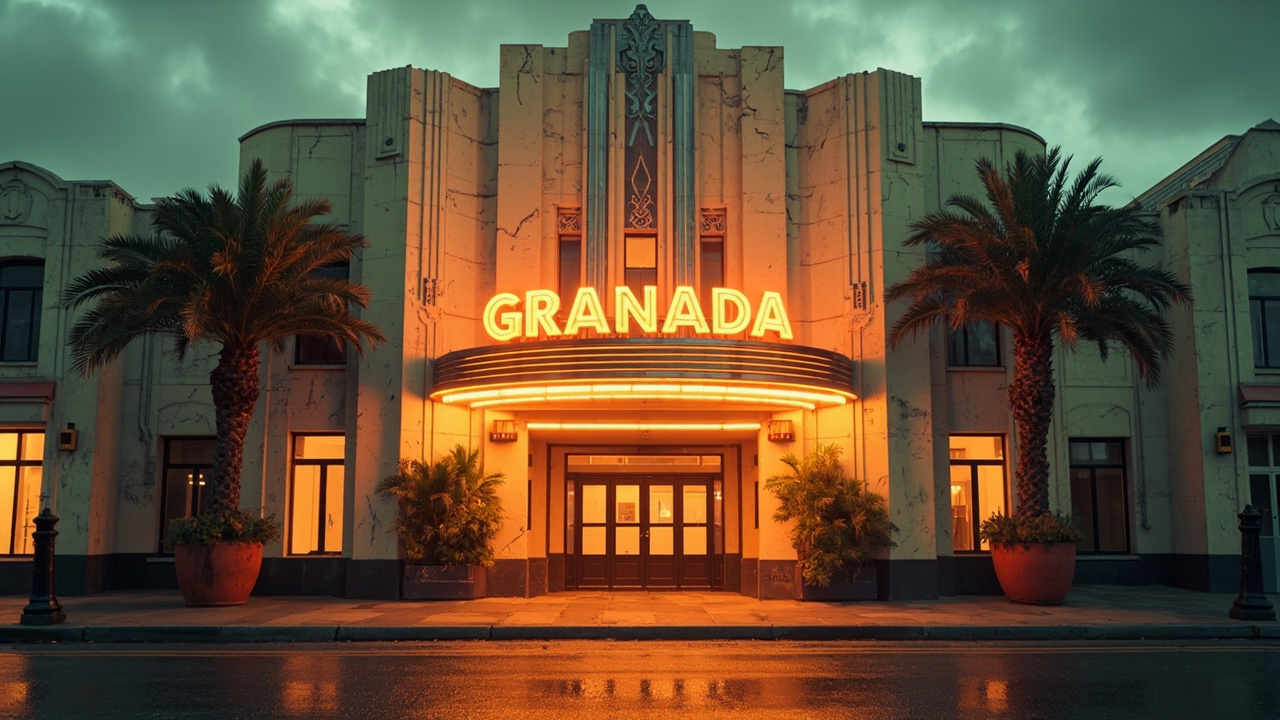
ظهرت الإعلانات على بوابة سينما غرانادا في صباح يوم الثلاثاء الرمادي. بعد سبع وثمانين عامًا من عرض الأفلام، كان المبنى مخصصًا للهدم. وافق المجلس المحلي على خطط لبناء سوبرماركت جديد في الموقع الذي كانت تقف فيه صالة السينما. كانت هناك صورة للمشروع المقترح بجانب الإعلان – مبنى عصري أنيق من الزجاج والصلب. بدا نظيفًا وفعالًا، لكنه كان أيضًا عديم الحياة بشكل مطلق أمام السماء الرمادية.
كانت سارة تشين تمر بسينما غرانادا يوميًا لمدة خمس سنوات دون أن تطأ قدمها داخلها أبدًا. كانت تعمل في مكتبة الكتب عبر الشارع، وكان المسرح موجودًا دائمًا هناك – تذكير أنيق لعصر مختلف، بواجهته الكريمية ولافتته النيون المميزة. لكن مثل كثير من السكان المحليين، لم تفكر كثيرًا فيما قد يحدث له.
في تلك الليلة، ذكرت سارة خبر الهدم لزميلها ماركوس. اتسعت عيناه. "ألم تسمعي عن الحملة؟" سألها. "هناك أشخاص يحاربون لإنقاذه." أظهر لها هاتفه – مجموعة على فيسبوك يضم عدة مئات من الأعضاء، جميعهم يناقشون بشغف حول ما يجب فعله.
وجدت سارة نفسها منجذبة للقضية. خلال الأيام التالية، علمت أن غرانادا افتُتحت عام 1936، خلال العصر الذهبي للسينما البريطانية.كان داخلها تحفة في التصميم الأرت ديكو – سلالم متدفقة، وأعمال جصية معقدة، وسقف في قاعة الرقص مرسوم بالغيوم والملائكة الطائرين. ربما بدا المبنى عاديًا من الشارع، لكن في الداخل كان هناك شيء مميز للغاية.
ذهبت إلى اجتماع مجموعة "أنقذوا غرانادا" في الغرفة الخلفية لحانة كينغز أرمز. كان هناك نحو عشرين شخصًا حاضرين، معظمهم أكبر سنًا من سارة. كانت المنسقة امرأة تُدعى باتريشيا أوكونكو، كانت قد انتقلت إلى البلدة قبل عامين فقط لكنها وقعت في حب المسرح في اللحظة التي خطت فيها قدمها بالداخل.
"نحتاج أن نُظهر للمجلس أن هذا المبنى يهم أكثر من مجرد قلة من الناس،" قالت باتريشيا. "نحتاج أن نصنع ضجة."
الشخص الذي يستطيع حقًا صنع ضجة كان هارولد ويب، مُسقط الأفلام المتقاعد الذي عمل في غرانادا لمدة ثلاثة وأربعين عامًا. وصل متأخرًا معتذرًا، وجلس في المقدمة. عندما طلبت منه باتريشيا التحدث، وقف ببطء ونظر حول الغرفة.
"أتذكر عندما كانت هذه البلدة مختلفة،" بدأ. "في الخمسينيات والستينيات، كانت غرانادا المكان الذي يجب أن تكون فيه ليلة السبت. كانت الطوابير تمتد حتى أسفل الطريق. كان الناس يأتون بملابس أنيقة – كان الأمر مناسبة، وليس مجرد فيلم. كان والدي يعرض الأفلام هنا قبلي، ووالد والده قبله. ثلاثة أجيال من عائلة ويب. هذا ما تعنيه لي هذه المكانة."
شعرت سارة بكتلة في حلقها. لم تكن تتوقع أن تشعر بمشاعر قوية جدًا تجاه مبنى لم تزُره قط.
اكتسبت الحملة زخمًا. جمعت العرائض أكثر من ثلاثة آلاف توقيع في ثلاثة أسابيع. كتبت باتريشيا رسائل للصحف. أجرى هارولد مقابلات مع الإذاعة المحلية، يروي قصصًا جعلت المستمعين يضحكون ويبكون بالتساوي. ساعدت سارة في تنظيم عرض في قاعة المدينة – عرض لفيلم "موعد وجيز" الكلاسيكي البريطاني عام 1945 – لجمع الأموال للقضية.
ثم جاءت الأخبار التي لم يتوقعها أحد. أعلن المجلس عن استشارة عامة. سيعتبرون مقترحات بديلة للموقع، بما في ذلك إمكانية الحفاظ على داخلية المسرح وإيجاد استخدام جديد له.
لم تكن تلك انتصارًا بعد – فقط فرصة للاستمرار في القتال. لكن عندما مرت سارة بسينما غرانادا تلك الليلة، لاحظت شيئًا مختلفًا. كانت لافتة النيون مضاءة، تومض برفق أمام السماء المعتمة. وكانت ليست الوحيدة التي توقفت لتنظر.
ربما كان للمسرح القديم مستقبل بعد كل شيء.
Der Anschlag erschien am Tor des Granada-Kinos an einem grauen Dienstagmorgen. Nach siebenundachtzig Jahren Filmvorführungen sollte das Gebäude abgerissen werden. Der Gemeinderat hatte Pläne für einen neuen Supermarkt an der Stelle genehmigt, wo einst das Kino stand. Neben dem Anschlag war ein Foto des geplanten Neubaus – ein schlankes, modernes Gebäude aus Glas und Stahl. Es sah sauber und effizient aus, aber auch völlig leblos vor dem grauen Himmel.
Sarah Chen war fünf Jahre lang jeden Tag am Granada vorbeigelaufen, ohne jemals einen Fuß hineinzusetzen. Sie arbeitete in der Buchhandlung gegenüber, und das Kino war immer dort gewesen – eine elegante Erinnerung an eine andere Ära, mit seiner cremefarbenen Fassade und dem markanten Neonschild. Aber wie viele Einheimische hatte sie nie viel darüber nachgedacht, was damit passieren könnte.
An diesem Abend erwähnte sie den Abrissanschlag gegenüber ihrem Kollegen Marcus. Seine Augen weiteten sich. "Du hast noch nichts von der Kampagne gehört?" fragte er. "Es gibt Leute, die kämpfen, um es zu retten." Er zeigte ihr sein Handy – eine Facebook-Gruppe mit mehreren hundert Mitgliedern, die alle leidenschaftlich darüber diskutierten, was getan werden sollte.
Sarah fand sich von der Sache angezogen. In den folgenden Tagen erfuhr sie, dass das Granada 1936 eröffnet worden war, während des goldenen Zeitalters des britischen Kinos. Sein Inneres war ein Meisterwerk des Art-Déco-Designs – geschwungene Treppen, aufwendige Stuckarbeiten und eine Decke im Ballsaal, die mit Wolken und fliegenden Engeln bemalt war. Das Gebäude mochte von der Straße aus gewöhnlich aussehen, aber im Inneren verbarg sich etwas ganz Besonderes.
Sie ging zu einem Treffen der Gruppe "Rettet das Granada" im Hinterzimmer des King's Arms. Es waren etwa zwanzig Personen anwesend, die meisten älter als Sarah. Die Organisatorin war eine Frau namens Patricia Okonkwo, die erst vor zwei Jahren in die Stadt gezogen war, aber sich in dem Moment in das Kino verliebt hatte, als sie es betreten hatte.
"Wir müssen dem Gemeinderat zeigen, dass dieses Gebäude mehr Menschen am Herzen liegt als nur eine Handvoll," sagte Patricia. "Wir müssen Lärm machen."
Der Mann, der wirklich Lärm machen konnte, war Harold Webb, ein pensionierter Filmvorführer, der vierunddreißig Jahre lang im Granada gearbeitet hatte. Er kam spät, entschuldigte sich und setzte sich nach vorne. Als Patricia ihn bat zu sprechen, stand er langsam auf und sah sich im Raum um.
"Ich erinnere mich, als diese Stadt noch anders war," begann er. "In den Fünfzigern und Sechzigern war das Granada der Ort, wo man samstagabends sein musste. Die Schlange zog sich die ganze Straße hinunter. Die Leute kamen fein angezogen – es war ein Anlass, nicht nur ein Film. Mein Vater zeigte hier Filme, bevor ich es tat, und sein Vater vor ihm. Drei Generationen von Webbs. Das bedeutet dieser Ort für mich."
Sarah spürte einen Kloß im Hals. Sie hatte nicht erwartet, so emotional wegen eines Gebäudes zu sein, das sie nie besucht hatte.
Die Kampagne gewann an Fahrt. Eine Petition sammelte in drei Wochen über dreitausend Unterschriften. Patricia schrieb Briefe an Zeitungen. Harold gab Interviews im lokalen Radio und erzählte Geschichten, die die Zuhörer gleichermaßen zum Lachen und Weinen brachten. Sarah half, eine Vorführung im Rathaus zu organisieren – eine Aufführung von "Begegnung", dem klassischen britischen Film von 1945 – um Geld für die Sache zu sammeln.
Dann kamen die Nachrichten, die niemand erwartet hatte. Der Gemeinderat kündigte eine öffentliche Anhörung an. Sie würden alternative Vorschläge für das Gelände in Betracht ziehen, einschließlich der Möglichkeit, das Innere des Kinos zu erhalten und eine neue Nutzung für das Gebäude zu finden.
Es war noch kein Sieg – nur eine Chance, weiterzukämpfen. Aber als Sarah an diesem Abend am Granada vorbeiging, fiel ihr etwas anderes auf. Das Neonschild war erleuchtet und flackerte sanft gegen den sich verdunkelnden Himmel. Und sie war nicht die Einzige, die stehengeblieben war, um zu schauen.
Vielleicht hatte das alte Kino doch noch eine Zukunft.
L'avis est apparu sur le portail du Granada Cinema un mardi matin gris. Après quatre-vingt-sept ans de projection de films, le bâtiment devait être démoli. Le conseil municipal avait approuvé les plans d'un nouveau supermarché à l'emplacement de l'ancien cinéma. Il y avait une photo du projet proposé à côté de l'avis – un bâtiment élégant et moderne en verre et en acier. Ça avait l'air propre et efficace, mais aussi absolument sans vie contre le ciel gris.
Sarah Chen passait devant le Granada chaque jour depuis cinq ans sans jamais y avoir mis les pieds. Elle travaillait dans la librairie d'en face, et le cinéma avait toujours été là – un rappel élégant d'une autre époque, avec sa façade couleur crème et son enseigne au néon distinctive. Mais comme beaucoup d'habitants, elle n'avait jamais vraiment réfléchi à ce qui pourrait lui arriver.
Ce soir-là, elle a mentionné l'avis de démolition à son collègue Marcus. Ses yeux se sont écarquillés. "Tu n'as pas entendu parler de la campagne ?" a-t-il demandé. "Il y a des gens qui se battent pour le sauver." Il lui a montré son téléphone – un groupe Facebook avec plusieurs centaines de membres, tous argumentant passionnément sur ce qu'il fallait faire.
Sarah s'est sentie attirée par la cause. Au cours des jours suivants, elle a appris que le Granada avait ouvert en 1936, pendant l'âge d'or du cinéma britannique. Son intérieur était un chef-d'œuvre du design Art Déco – des escaliers sweepings, des plâtres élaborés et un plafond dans la salle de bal peint avec des nuages et des anges volants. Le bâtiment pouvait sembler ordinaire depuis la rue, mais à l'intérieur se trouvait quelque chose de plutôt spécial.
Elle est allée à une réunion du groupe Sauvez le Granada dans l'arrière-salle du King's Arms. Il y avait peut-être vingt personnes présentes, dont la plupart étaient plus âgées que Sarah. L'organisatrice était une femme appelée Patricia Okonkwo, qui ne s'était installée en ville que deux ans plus tôt mais était tombée amoureuse du cinéma dès qu'elle avaitmis les pieds à l'intérieur.
"Nous devons montrer au conseil que ce bâtiment compte pour plus qu'une poignée de gens," a dit Patricia. "Nous devons faire du bruit."
La personne qui pouvait vraiment faire du bruit était Harold Webb, un projectionniste à la retraite qui avait travaillé au Granada pendant quarante-trois ans. Il est arrivé en retard, s'excusant, et s'est assis à l'avant. Quand Patricia lui a demandé de parler, il s'est levé lentement et a regardé autour de la pièce.
"Je me souviens quand cette ville était différente," a-t-il commencé. "Dans les années cinquante et soixante, le Granada était l'endroit où il fallait être un samedi soir. La file d'attente s'étirait tout le long de la rue. Les gens venaient habillés chic – c'était un événement, pas juste un film. Mon père projetait des films ici avant moi, et son père avant lui. Trois générations de Webb. C'est ce que cet endroit signifie pour moi."
Sarah a senti une boule dans sa gorge. Elle n'avait pas prévu de se sentir aussi émue par un bâtiment qu'elle n'avait jamais visité.
La campagne a pris de l'ampleur. Une petition a recueilli plus de trois mille signatures en trois semaines. Patricia a écrit des lettres aux journaux. Harold a accordé des entretiens à la radio locale, racontant des histoires qui faisaient rire et pleurer les auditeurs à parts égales. Sarah a aidé à organiser une projection à la mairie – une projection de "Rencontrez brève", le classique britannique de 1945 – pour collecter des fonds pour la cause.
Puis sont venues les nouvelles que personne n'avait prévu. Le conseil a annoncé une consultation publique. Ils examineraient des propositions alternatives pour le site, y compris la possibilité de préserver l'intérieur du cinéma et de trouver une nouvelle utilisation pour le bâtiment.
Ce n'était pas encore une victoire – juste une chance de continuer à se battre. Mais quand Sarah est passée devant le Granada ce soir-là, elle a remarqué quelque chose de différent. L'enseigne au néon était allumée, clignotant doucement contre le ciel qui s'assombrissait. Et elle n'était pas la seule à s'être arrêtée pour regarder.
Peut-être que le vieux cinéma avait quand même un avenir.
Объявление появилось на воротах кинотеатра «Гранада» серым вторничным утром. После восьмидесяти семи лет кинопоказов здание должно было быть снесено. Местный совет одобрил планы строительства нового супермаркета на месте, где когда-то стоял кинотеатр. Рядом с объявлением была фотография предполагаемой застройки — элегантное современное здание из стекла и стали. Оно выглядело чистым и эффективным, но также совершенно безжизненным на фоне серого неба.
Сара Чен проходила мимо «Гранады» каждый день в течение пяти лет, но никогда не переступала его порог. Она работала в книжном магазине через дорогу, и кинотеатр всегда был там — элегантное напоминание о другой эпохе, с его кремового цвета фасадом и характерной неоновой вывеской. Но, как и многие местные жители, она никогда особо не задумывалась о том, что с ним может случиться.
Той вечером она упомянула объявление о сносе своему коллеге Маркусу. Его глаза расширились. «Ты ещё не слышала о кампании?» — спросил он. «Люди борются за его спасение». Он показал ей свой телефон — группу в Facebook с несколькими сотнями участников, все страстно обсуждали, что следует сделать.
Сара почувствовала себя привлечённой к этому делу. В последующие дни она узнала, что «Гранада» открылась в 1936 году, в золотую эпоху британского кинематографа. Его интерьер был шедевром дизайна в стиле ар-деко — широкие лестницы, замысловатая лепнина и потолок в бальном зале, расписанный облаками и летящими ангелами. Здание могло выглядеть обычным с улицы, но внутри скрывалось нечто по-настоящему особенное.
Она пошла на собрание группы «Спасём «Гранаду»» в задней комнате паба «Кингз Армс». Присутствовало около двадцати человек, большинство из них старше Сары. Организатором была женщина по имени Патрисия Оконко, которая переехала в город всего два года назад, но влюбилась в этот кинотеатр с того момента, как переступила его порог.
«Нам нужно показать совету, что это здание важно не только для горстки людей, — сказала Патрисия. — Нам нужно поднять шум».
Человеком, который мог по-настоящему поднять шум, был Гарольд Уэбб, бывший киномеханик, проработавший в «Гранаде» сорок три года. Он опоздал, извинился и сел впереди. Когда Патрисия попросила его выступить, он медленно поднялся и осмотрел комнату.
«Я помню, когда этот город был другим, — начал он. — В пятидесятые и шестидесятые «Гранада» была местом, где нужно было быть субботним вечером. Очередь тянулась до самого конца улицы. Люди приходили нарядные — это было событие, а не просто фильм. Мой отец показывал здесь фильмы до меня, а его отец — до него. Три поколения Уэббов. Вот что значит для меня это место».
Сара почувствовала ком в горле. Она не ожидала, что будет так переживать из-за здания, в котором она никогда не была.
Кампания набирала обороты. Петиция собрала более трёх тысяч подписей за три недели. Патрисия писала письма в газеты. Гарольд давал интервью местному радио, рассказывая истории, от которых слушатели в равной степени смеялись и плакали. Сара помогла организовать показ в городской ратуше — показ классического британского фильма 1945 года «Краткие встречи» — чтобы собрать средства для дела.
Затем пришли новости, которых никто не ожидал. Совет объявил о проведении общественных консультаций. Они рассмотрят альтернативные предложения для участка, включая возможность сохранения интерьера кинотеатра и поиска нового назначения для здания.
Это ещё не была победа — только шанс продолжать бороться. Но когда Сара проходила мимо «Гранады» тем вечером, она заметила кое-что другое. Неоновая вывеска горела, мягко мигая на фоне темнеющего неба. И она была не единственной, кто остановился посмотреть.
Возможно, у старого кинотеатра всё же было будущее.