عنوان القصة: جسر السكة الحديدية
أمضت الدكتورة إلينور مارش خمسة عشر عامًا في دراسة العمارة الفيكتورية، وقد سئمت من خوض معارك خاسرة. لذا عندما رن الهاتف في صباح رمادي من شهر نوفمبر وشرح صوت متوتر أن جسر بلاكودود يجب هدمه، تنهدت وقالت إنها مشغولة جدًا لتقديم المساعدة.
"لقد اتخذ المجلس قراره بالفعل،" أضافت قبل أن تغلق الخط. "لن يغير أي جدال تاريخي من آرائهم."
لكن في ذلك afternoon، وجدت إلينور رسالة handed delivered على عتبة بابها. كانت من جمعية نورثمور للحفاظ على السكك الحديدية، وبداخلها صورة بالأبيض والأسود من عام 1874. أظهرت الصورة الملكة فيكتوريا نفسها تقف بجانب ذلك الجسر الذي أصبح الآن مقررًا هدمه. درست إلينور الصورة لحظة طويلة. كان هناك شيء مألوف في الفستان الملكي، وتوزيع كبار الشخصيات. وضعت الرسالة على طاولة المطبخ وأقنعَت نفسها أنه لا يعني شيئًا.
مع حلول المساء، أقنعت نفسها على الأقل بزيارة الموقع.
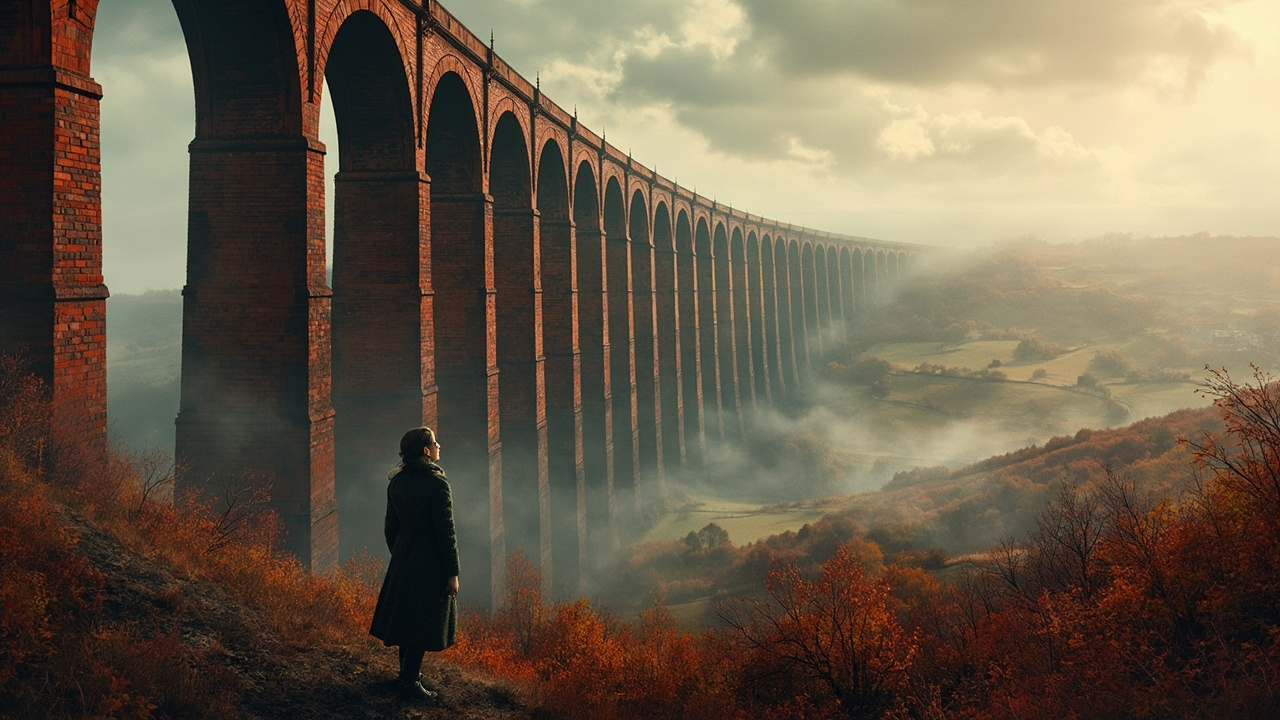
ارتفع جسر بلاكودود Majestätisch فوق الوادي، حيث stretches vierونتان وأربعون قوسًا عبر مائتي متر من الريف المفتوح. كانت إلينور قد مرت به مرات لا تحصى بالسيارة دون أن تراه حقًا. الآن، وهي تقف تحت أعمدته الحمراء الشامخة، شعرت بإحساس غير متوقع من الدهشة.
اجتمع مجموعة صغيرة من enthusiasts لاستقبالها. كان قائدهم مدير إشارات متقاعد يدعى بيرنارد شو، whose eyes أضاء when رأى سيارتها تدخل موقف السيارات.
"الدكتورة مارش! بدأنا نفكر أنك لن تأتي."
"أنا لا أعد بشيء،" ردت إلينور، وهي تخرج من سيارتها. "أنا هنا فقط للنظر."
على مدى الأسابيع التالية، وجدت إلينور نفسها منجذبة بشكل متزايد إلى لغز الجسر. قدم لها بيرنارد سجلات السكك الحديدية القديمة، وسجلات الصيانة، ومذكرات Workers الشخصية الذين بنوا الهيكل. فحصة التقنيات iron lattice الفريدة المخفية تحت عقود من الطلاء واكتشفت أن التقنيات الهندسية المستخدمة كانت متقدمة كثيرًا على عصرها.
ثم، مدفونة في أرشيف المقاطعة، وجدت شيئًا رائعًا.
كان الجسر قد صممه السير توماس هاردينغ، نفس المهندس الذي سيبني لاحقًا هيكل Pavilion الملكي الشهير. والأهم من ذلك، أنه كان يُستخدم سرًا خلال حرب القرم لنقل الجنود wounded من قطارات المستشفيات الخاصة مباشرة إلى منشأة عسكرية مخفية قريبة. أُخذت صورة الملكة فيكتوريا خلال زيارتها غير المعلنة untuk inspect هذه الترتيبات.
"هذا يغير كل شيء،" اعترفت إلينور لبيرنارد صباحًا رماديًا وهم يقفان معًا على ممشى الجسر.
كان اجتماع المجلس مكتظًا. ملأ السكان المحليون، وenthusiasts السكك الحديدية، وأعضاء الصحافة كل المقاعد. قدمت إلينور نتائجها بسلطة هادئة، وصفت سمات الهندسة الفريدة للجسر ودوره المخفي في التاريخ العسكري. عندما كشفت عن اتصال الملكة بالموقع، ripple ارتسمات الدهشة عبر الجمهور.
تexchange أعضاء المجلس glances غير متأكدين. أحدهم، امرأةClearly توقعت قرارًا سهلًا، سألت ما إذا كان يمكن التحقق من هذه المعلومات.
"كل الوثيقة متاحة في أرشيف المقاطعة،" ردت إلينور بحزم. "يمثل الجسر ليس مجرد تميز هندسي فيكتوري، بل فصلًا مهملًا من التاريخ الوطني."
بعد ثلاثة أسابيع، تم إلغاء أمر الهدم رسميًا. سيتم الحفاظ على جسر بلاكودود وترميمه بعناية.
تلقت إلينور رسالة من بيرنارد شو، مكتوبة الآن على ورقة تحمل عنوان من صندوق الائتمان newly formed للحفاظ على جسر بلاكودود. هل ستفكر في أن تصبح مستشارهم التاريخي الرسمي؟ قرأت الرسالة مرتين، ثم التقطت قلمها.
"سأكون حريصة،" كتبت، وفوجئت بمدى جدية اقتناعها.
Titel der Geschichte: Die Eisenbahnbrücke
Dr. Eleanor Marsh hatte fünfzehn Jahre damit verbracht, viktorianische Architektur zu studieren, und sie war es leid, verlorene Anliegen zu verteidigen. Als daher eines grauen Novembermorgens das Telefon klingelte und eine nervöse Stimme erklärte, dass die Blackwood-Brücke abgerissen werden sollte, seufzte sie und sagte, sie sei viel zu beschäftigt, um zu helfen.
„Der Rat hat bereits entschieden", fügte sie hinzu, bevor sie auflegte. „Kein historisches Argument wird ihre Meinung ändern."
Aber an diesem Nachmittag fand Eleanor einen handgeschriebenen Brief an ihrer Haustür. Er stammte von der Northmoor Eisenbahn-Erhaltungsgesellschaft und enthielt ein Schwarz-Weiß-Foto von 1874. Das Bild zeigte Königin Victoria persönlich, wie sie neben genau der Brücke stand, die nun zum Abriss vorgesehen war. Eleanor betrachtete das Foto einen langen Moment. An dem königlichen Kleid und der Platzierung der Würdenträger war etwas Vertrautes. Sie legte den Brief auf ihren Küchentisch und überzeugte sich selbst, dass es nichts bedeutete.
Bis zum Abend hatte sie sich selbst davon überzeugt, wenigstens die Baustelle zu besuchen.
Die Blackwood-Brücke erhob sich prächtig über dem Tal, ihre zweiundvierzig Bögen erstreckten sich über zweihundert Meter offenes Land. Eleanor war unzählige Male daran vorbeigefahren, ohne sie je wirklich zu sehen. Nun, als sie unter ihren aufragenden roten Backsteinsäulen stand, verspürte sie ein unerwartetes Gefühl der Ehrfurcht.
Eine kleine Gruppe von Enthusiasten hatte sich versammelt, um sie zu treffen. Ihr Anführer war ein pensionierter Stellwerkswärter namens Bernard Shaw, dessen Augen aufleuchteten, als er ihr Auto auf den Parkplatz fahren sah.
„Dr. Marsh! Wir begannen schon zu glauben, dass Sie nicht kommen würden."
„Ich verspreche nichts", erwiderte Eleanor, während sie aus dem Wagen stieg. „Ich bin nur hier, um mir alles anzusehen."
In den folgenden Wochen jedoch fand sich Eleanor zunehmend in das Geheimnis der Brücke verstrickt. Bernard stellte ihr alte Eisenbahnunterlagen, Wartungsprotokolle und persönliche Tagebücher von Arbeitern vor, die das Bauwerk errichtet hatten. Sie untersuchte das distinctive Eisenfachwerk, das unter Jahrzehnten von Farbe verborgen lag, und entdeckte, dass die verwendeten Techniken ihrer Zeit weit voraus waren.
Dann, vergraben in den Kreisarchiven, fand sie etwas Bemerkenswertes.
Die Brücke war von Sir Thomas Harding entworfen worden, demselben Ingenieur, der später die berühmte Struktur des Royal Pavilion errichten würde. Noch bedeutender war, dass sie während des Krimkriegs heimlich zum Transport verwundeter Soldaten von speziellen Lazarettzügen direkt zu einer verborgenen militärischen Einrichtung in der Nähe genutzt worden war. Das Foto von Königin Victoria wurde während ihres nicht öffentlich bekannt gemachten Besuchs zur Inspektion dieser Vereinbarungen aufgenommen.
„Das ändert alles", gab Eleanor an einem grauen Morgen zu, als sie gemeinsam auf dem Fußweg der Brücke standen.
Die Ratssitzung war überfüllt. Einheimische, Eisenbahnenthusiasten und Pressevertreter füllten jeden Sitzplatz. Eleanor präsentierte ihre Ergebnisse mit ruhiger Autorität und beschrieb die einzigartigen technischen Merkmale der Brücke und ihre verborgene Rolle in der Militärgeschichte. Als sie die Verbindung der Königin zum Ort offenlegte, durchliefen Wellen der Verblüffung das Publikum.
Die Ratsmitglieder wechselten unsichere Blicke. Eine von ihnen, eine Frau, die offensichtlich mit einer leichten Entscheidung gerechnet hatte, fragte, ob diese Informationen überprüft werden könnten.
„Jedes Dokument ist in den Kreisarchiven verfügbar", erwiderte Eleanor entschieden. „Die Brücke repräsentiert nicht nur viktorianische Ingenieurskunst, sondern auch ein übersehenes Kapitel unserer Nationalgeschichte."
Drei Wochen später wurde der Abrissbescheid offiziell aufgehoben. Die Blackwood-Brücke würde erhalten und sorgfältig restauriert werden.
Eleanor erhielt einen Brief von Bernard Shaw, nun auf Briefpapier des neu gegründeten Blackwood-Brücken-Erhaltungsvereins geschrieben. Würde sie in Betracht ziehen, ihre offizielle historische Beraterin zu werden? Sie las den Brief zweimal, dann nahm sie ihren Stift zur Hand.
„Ich wäre geehrt", schrieb sie, und war selbst überrascht, wie sehr sie es so meinte.
Titre de l'histoire : Le Viaduc Ferroviaire
La Dre Eleanor Marsh avait passé quinze ans à étudier l'architecture victorienne, et elle en avait assez de se battre pour des causes perdues. Alors quand le téléphone sonna par un matin gris de novembre et qu'une voix nerveuse expliqua que le Viaduc de Blackwood allait être démoli, elle soupira et dit qu'elle était bien trop occupée pour aider.
« Le conseil a déjà décidé », ajouta-t-elle avant de raccrocher. « Aucun argument historique ne changera leur avis. »
Mais cet après-midi-là, Eleanor trouva une lettre livrée à la main sur le pas de sa porte. Elle provenait de la Société de Préservation du Chemin de Fer de Northmoor, et elle contenait une photo en noir et blanc de 1874. L'image montrait la Reine Victoria elle-même se tenant aux côtés du viaduc même qui devait maintenant être détruit. Eleanor étudia la photo un long moment. Il y avait quelque chose de familier dans la robe royale, dans le placement des dignitaires. Elle posa la lettre sur la table de sa cuisine et se dit que cela ne signifiait rien.
Le soir même, elle s'était persuadée d'au moins visiter le site.
Le Viaduc de Blackwood s'élevait magnifiquement au-dessus de la vallée, ses quarante-deux arches s'étirant sur deux cents mètres de campagne ouverte. Eleanor était passée devant d'innombrables fois en voiture sans jamais vraiment le voir. Maintenant, debout sous ses colonnes massives en brique rouge, elle ressentit un sentiment inattendu d'émerveillement.
Un petit groupe d'enthousiastes s'était rassemblé pour la rencontrer. Leur leader était un ancien aiguilleur à la retraite nommé Bernard Shaw, dont les yeux s'illuminèrent quand il vit sa voiture se garer sur le parking.
« Dre Marsh ! Nous commencions à croire que vous ne viendriez pas. »
« Je ne promets rien », répondit Eleanor en sortant de son véhicule. « Je suis simplement venue regarder. »
Au cours des semaines suivantes, cependant, Eleanor se retrouva de plus en plus attirée par le mystère du viaduc. Bernard lui présenta de vieux registres de chemins de fer, des journaux d'entretien et les carnets personnels des ouvriers qui avaient construit l'édifice. Elle examina le treillage métallique distinctif dissimulé sous des décennies de peinture et découvrit que les techniques d'ingénierie utilisées étaient bien en avance sur leur temps.
Puis, enfouie dans les archives du comté, elle trouva quelque chose de remarquable.
Le viaduc avait été conçu par Sir Thomas Harding, le même ingénieur qui construirait plus tard la célèbre structure du Pavillon Royal. Plus significativement encore, il avait été utilisé secrètement pendant la Guerre de Crimée pour transporter des soldats blessés depuis des trains hospitaliers spéciaux directement vers une installation militaire cachée à proximité. La photo de la Reine Victoria avait été prise lors de sa visite non-publicisée pour inspecter ces arrangements.
« Cela change tout », admit Eleanor auprès de Bernard un matin gris alors qu'ils se tenaient ensemble sur le sentier du viaduc.
La réunion du conseil était bondée. Les résidents locaux, les passionnés de chemins de fer et les membres de la presse occupaient chaque siège. Eleanor présenta ses découvertes avec une autorité tranquille, décrivant les caractéristiques d'ingénierie uniques du viaduc et son rôle caché dans l'histoire militaire. Quand elle révéla le lien de la reine avec le site, des murmures d'étonnement ondulèrent à travers l'assemblée.
Les membres du conseil échangèrent des regards incertains. L'un d'eux, une femme qui avait clairement prévu une décision facile, demanda si cette information pouvait être vérifiée.
« Chaque document est disponible dans les archives du comté », répondit Eleanor fermement. « Le viaduc représente non seulement l'excellence de l'ingénierie victorienne, mais aussi un chapitre négligé de l'histoire nationale. »
Trois semaines plus tard, l'ordre de démolition fut officiellement annulé. Le Viaduc de Blackwood serait préservé et soigneusement restauré.
Eleanor reçut une lettre de Bernard Shaw, écrite cette fois sur du papier à en-tête du newly formed Trust de Préservation du Viaduc de Blackwood. Accepterait-elle de devenir leur conseillère historique officielle ? Elle lut la lettre deux fois, puis saisit sa plume.
« J'en serais honorée », écrivit-elle, surprise elle-même de la sincérité de ses sentiments.
Название рассказа: Железнодорожный виадук
Доктор Элеонора Марш потратила пятнадцать лет на изучение викторианской архитектуры, и она устала бороться за безнадёжные дела. Поэтому когда в серое ноябрьское утро зазвонил телефон и нервный голос сообщил, что виадук Блэквуд собираются снести, она вздохнула и сказала, что слишком занята, чтобы помогать.
«Совет уже принял решение», — добавила она перед тем, как повесить трубку. «Никакие исторические доводы не изменят их мнение».
Но тем же днём Элеонора обнаружила на пороге своего дома письмо, доставленное вручную. Оно было от Общества охраны памятников железнодорожного наследия Нортмора, и в нём оказалась чёрно-белая фотография 1874 года. На снимке была запечатлена сама королева Виктория, стоявшая рядом с тем самым виадуком, который теперь должен был быть уничтожен. Элеонора долго изучала фотографию. Что-то в королевском платье, в расположении почётных гостей казалось ей знакомым. Она положила письмо на кухонный стол и убедила себя, что это ничего не значит.
К вечеру она уже уговорила себя хотя бы съездить на место.
Виадук Блэквуд величественно возвышался над долиной — сорок два арочных пролёта раскинулись на двести метров открытого пространства. Элеонора бесчисленное количество раз проезжала мимо него на машине, ни разу по-настоящему не взглянув. Теперь, стоя под его грандиозными колоннами из красного кирпича, она ощутила неожиданное чувство изумления.
Небольшая группа энтузиастов собралась её встретить. Их лидером был бывший машинист железнодорожной сигнализации по имени Бернард Шо, глаза которого загорелись, когда он увидел её машину, въезжающую на стоянку.
«Доктор Марш! Мы уже начали думать, что вы не придёте».
«Я ничего не обещаю», — ответила Элеонора, выходя из машины. «Я просто здесь, чтобы посмотреть».
Однако в последующие недели Элеонора всё больше погружалась в тайну виадука. Бернард познакомил её со старыми железнодорожными архивами, журналами технического обслуживания и личными дневниками рабочих, строивших эту конструкцию. Она изучила характерные железные решётчатые элементы, скрытые под десятилетиями краски, и обнаружила, что использованные инженерные методы намного опережали своё время.
Затем, среди архивов графства, она нашла нечто примечательное.
Виадук был спроектирован сэром Томасом Хардингом — тем самым инженером, который позднее построил знаменитое здание Королевского павильона. Что ещё более значительно, он тайно использовался во время Крымской войны для перевозки раненых солдат из специальных госпитальных поездов прямо к скрытому военному объекту поблизости. Фотография королевы Виктории была сделана во время её неафишируемого визита для проверки этих arrangements.
«Это меняет всё», — призналась Элеонора Бернарду в одно серое утро, когда они стояли вместе на пешеходной дорожке виадука.
Заседание совета было переполнено. Местные жители, любители железных дорог и представители прессы заняли все места. Элеонора представила свои выводы со спокойной убеждённостью, описывая уникальные инженерные особенности виадука и его скрытую роль в военной истории. Когда она раскрыла связь королевы с этим местом, волны изумления прокатились по залу.
Члены совета обменялись неуверенными взглядами. Одна из них, женщина, явно Expecting лёгкого решения, спросила, можно ли проверить эту информацию.
«Все документы доступны в архивах графства», — твёрдо ответила Элеонора. «Виадук представляет собой не просто образец викторианского инженерного мастерства, но и забытую главу национальной истории».
Три недели спустя приказ о сносе был официально отменён. Виадук Блэквуд будет сохранён и тщательно отреставрирован.
Элеонора получила письмо от Бернарда Шо, написанное теперь на бланке недавно созданного Фонда охраны виадука Блэквуд. Согласится ли она стать их официальным историческим консультантом? Она прочитала письмо дважды, затем взяла ручку.
«Буду польщена», — написала она, удивившись тому, насколько искренне она это имела в виду.