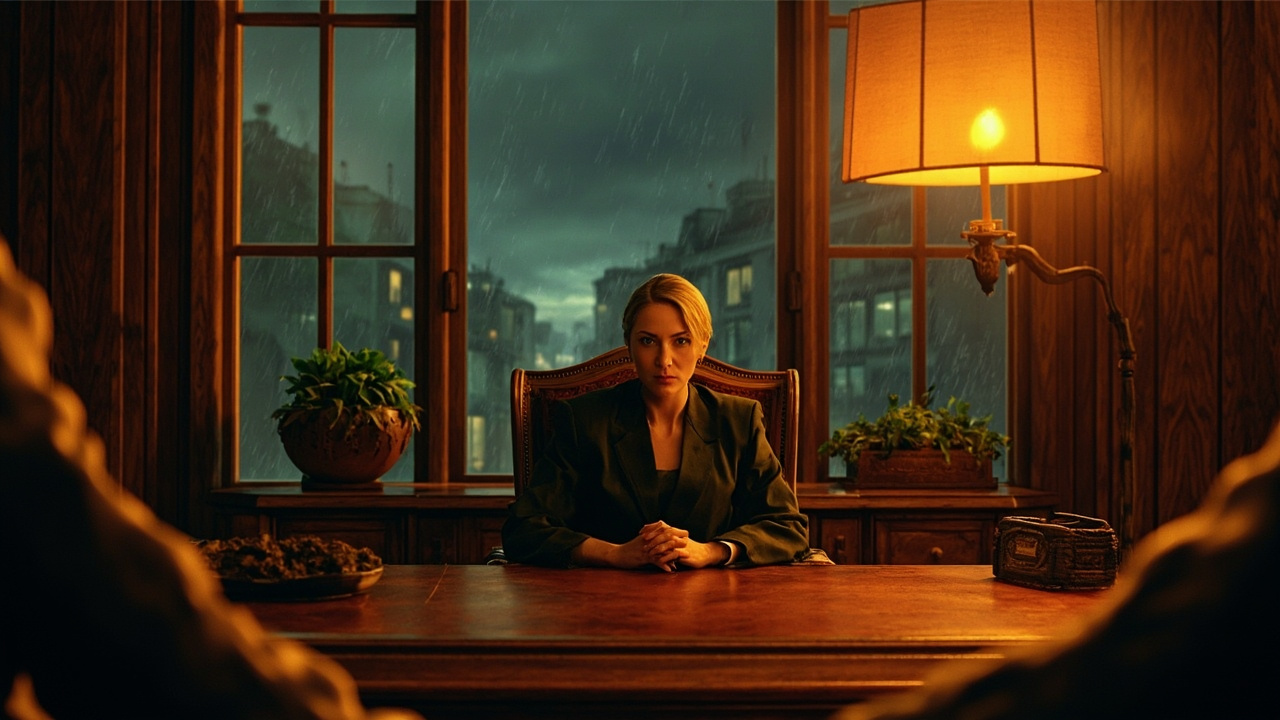
حديقة المُبلّغ
كانت إلينور ويتمورز دائمًا تؤمن بأن الأرقام تقول الحقيقة، أو على الأقل أنه يمكن إرغامها على ذلك. كان هذا الاقتناع هو ما حملها عبر ست سنوات في شركة بيمبرتون وشركاؤها، إحدى أكثر شركات المحاسبة مرموقة في لندن، حيث كانت غرف الاجتماعات المبطنة بالخشب تطنّ بالثقة الهادئة للمال العريق والسرائر الأقدم. كانت قد شرعت في تدقيق روتيني لشركة ميدريان هولدينغز—عميلة ضخمة لدرجة أن تقاريرها الفصلية يمكن أن تصنع أو تكسر المسارات المهنية—عندما لاحظت التباين لأول مرة. ثلاثة ملايين جنيه إسترليني، حوّلت في سبع عشرة معاملة منفصلة على مدى ثمانية عشر شهرًا، كل منها متنكرة في ثوب المصروفات المشروعة. رسوم استشاريين. مصروفات إعادة الفواتير. متاهة من الفواتير صُممت، أدركت تدريجيًا، ليس لإخفاء الإهمال بل لتسهيل السرقة بمقياس صناعي.
جلست إلينور وحدها في التوهج الكهرماني لمصباح مكتبها تلك الليلة، بينما كان بقية المكتب قد أُفرغ، وشعرت بالدوار الغريب الذي يصاحب معرفة شيء خطير. كانت قد سمعت القصص، بالطبع—المُبلّغون الذين طُردوا من مهنهم، والسمعة التي مزّقتها فرق قانونية بخزائن حرب لا نهاية لها. تحمي الشركة أهلها، ولم تكن هي واحدة منهم. كانت المرأة من فرع ميدلاندز التي تسلقت السلم بفضل الجدارة وحدها، والجدارة، اشتبهت، لن تعني شيئًا يُذكر.
الأسابيع التالية كانت تمرينًا في البارانويا المستمرة. أثارت مخاوفها مع مديرها المباشر، جوناثان فوكس، رجلًا تكلفة بدلاته أكثر من سيارتها الأولى وابتسامته لم تصل إلى عينيه قط. استمع بما بدا كاهتمام، نصحها أن تبقي ملاحظاتها لنفسها، وخلال أيام لاحظت رجال الأمن يتسكعون بالقرب من محطة عملها باهتمام متجدد.
كان خلال هذه الفترة من الرعب المتصاعد أن بدأت إلينور تلاحظ البستاني. كانت قد كادت، بصراحة، لا تلتفت لوجوده من قبل. كان رجلًا صغيرًا ذا ملامح تآكلتها الشمس يدفع عربة من نباتات أصص عبر الممرات في ساعات الصباح الباكر، شعره الرمادي يفلت من تحت قبعة مسطحة، ويداه ملطختان بالأسود المميز للتربة الغنية. كانت الشركة توظّف شركة خارجية للحدائق، لكن هذا الرجل لم ينتمِ لا إليها ولا لإدارة مرافق المبنى. بدا وكأنه يتجلى في زوايا المبنى التي لا يزورها أحد: الفناء المنسي في الطابق الرابع، وأصص النوافذ فوق الردهة المركزية، وحديقة الزهور المهملة التي تمتد على طول الجدار الشرقي.
اسمه آرثر. عندما قدّمت إلينور نفسها أخيرًا—مدفوعة إليه بمزيج من الوحدة والراحة الغريبة التي وجدتها في حضوره غير الملحوظ—أخبرها أنه يعمل على تجميل مساحات المبنى الخضراء منذ أحد عشر عامًا، منذ أن أجبره جرح في ظهره على التخلي عن مهنته السابقة. لم يتوسع في الشرح. لمحت. لكن آرثر كان يستمع. حيث كان جوناثان فوكس قد عرض الحذر والتهديد الخفي، عرض آرثر الصمت والاهتمام، وصبر من اعتاد مشاهدة الأشياء تنمو في وقتها الخاص.
وجدت إلينور نفسها، على مدى الأسابيع اللاحقة، تشارك شظايا من قلقها—نادرًا ما كانت تفاصيل ما اكتششفته، لكن بما يكفي لنقل ثقله. كان آرثر سيومئئ برأسه، يقلم ساقًا شاردة، ويقدم الملاحظة المنزلية العرضية التي أصابتها، بغرابة، بالحكمة أكثر من أي شيء سمعته من شركاء الشركة.
"تعرف ما الذي تعلمته،" قال ذات afternoon رمادي، وهي جالسة على مقعد في الفناء تشاهده يعمل، "أراقب الأشياء تنمو؟ ليست دائمًا الأقوى هي التي تبقى. إنها التي تعرف متى تنحني."
"ومتى تنحني أنت؟" سألت إلينور.
"عندما يكون الريح ضدك ولا فائدة من الوقوف بصلابة. لكنك لا تنكسر، انتبه. تنحني، ثم عندما يمر العاصفة، تستقيم من جديد."
فكرت في هذا طويلًا بعد أن رحل.
المواجهة، عندما جاءت، لم تكن بأي حال من الأحوال الخاتمة الدرامية التي تخيلتها إلينور. جمعت أدلتها منهجيًا، صنعّت نسخًا، خبّأتها في أماكن خارجreach الشركة، ثم اتصلت بالهيئة المعنية بالسلوك المالي. دام الحديث أربعين دقيقة. في نهايته، شعرت فارغة لكن غريبة الخفة، كأنها أخيرًا وضعت عبئًا كانت تحمله دون أن تعترف بوزنه تمامًا.
ما بعد ذلك كان فوضويًا ومطوّلًا، كما هي الأمور دومًا. أُطلقت تحقيقات. سقط رؤوس—رغم أنها لم تكن بالعدد الذي ينبغي، وليس الرؤوس في القمة. إدارة إلينور خروجًا هادئًا من الشركة، و أُعلن رحيلها كقرار متبادل، وتسوية مغادرتها مشروطة باتفاقية عدم إفصاح وقّعتها بقلب ثقيل لكن بضمير مرتاح.
في يومها الأخير، وجدت آرثر في الفناء، ينقل الشتلات إلى أصص أكبر. استقام ببطء، نفخ التربة من ركبتيه، وللمرة الأولى في كل الأشهر التي عرفته، ابتسم.
"سمعت،" قال ببساطة. "الأخبار، مثلًا. أنا مسرور لأجلك."
هزّت إلينور رأسها. "خسرت كل شيء. مسيرتي المهنية، سمعتي—"
"خسرت الأجزاء من نفسك التي لم تكن أبدًا لك لت保留ها،" قاطعها آرثر، وعاد إلى شتلاته. "الآن لديك مساحة لتنمو شيئًا جديدًا."
شاهدته يعمل لحظة—الطريقة الحريصة التي عالج بها كل نبتة رقيقة، والخبرة الواضحة في كل حركة—وفهمت، أخيرًا، أن بعض أحكم النصائح يأتي من مصادر غير متوقعة. العالم، كما تعلمت، لا يكافئ دائمًا أولئك الذين يقولون الحقيقة للسلطة. لكنه في بعض الأحيان، يجعل لهم مكانًا.
وآرثر، على عادته، كان ينتقل بالفعل إلى الأصص التالي.
كانت إلينور ويتمرز قد سعت دائمًا لإرضاء الجميع، حتى على حساب نفسها. لكن في تلك اللحظة، وهي تقرأ كلمات آرثر، شعرت بشيء يتغير بداخلها—جرأة كانت مفقودة منها من قبل، وإرادة للتحدي لم تعرفها يومًا.
Der Garten des Whistleblowers
Eleanor Whitmore hatte immer geglaubt, dass Zahlen die Wahrheit erzählten, oder zumindest, dass man sie dazu zwingen konnte. Diese Überzeugung hatte sie durch sechs Jahre bei Pemberton & Associates getragen, einer der angesehensten Buchhaltungsfirmen Londons, wo Eichenhölzer verkleidete Besprechungszimmer vom stillen Selbstbewusstsein alten Geldes und älterer Geheimnisse summten. Sie führte eine routinemäßige Prüfung von Meridian Holdings durch – einem Kunden, so gewaltig, dass seine Quartalsberichte Karrieren machen oder zerstören konnten –, als sie die Abweichung zum ersten Mal bemerkte. Drei Millionen Pfund, in siebzehn separaten Transaktionen über achtzehn Monate überwiesen, jede verkleidet als legitime Ausgabe. Beratergebühren. Weitergereichte Spesen. Ein Labyrinth von Rechnungen, das, wie sie nach und nach erkannte, nicht dazu diente, Nachlässigkeit zu verbergen, sondern Diebstahl in industriellem Maßstab zu erleichtern.
Eleanor saß an diesem Abend allein im bernsteinfarbenen Schein ihrer Schreibtischlampe, während der Rest des Büros leer war, und spürte das eigentümliche Schwindelgefühl, etwas Gefährliches zu wissen. Sie hatte natürlich die Geschichten gehört – Whistleblower, die aus ihren Berufen vertrieben wurden, Rufmord durch Anwaltsteams mit bodenlosen Kriegskassen. Die Kanzlei beschützte ihre eigenen, und sie war nicht eine der Ihren. Sie war die Frau aus der Midlands-Niederlassung, die sich allein durch Verdienste nach oben gearbeitet hatte, und Verdienste, vermutete sie, würden sehr wenig zählen.
Die folgenden Wochen waren eine Übung in anhaltender Paranoia. Sie legte ihrem Vorgesetzten Jonathan Ffoulkes ihre Bedenken vor, einem Mann, dessen Anzüge mehr kosteten als ihr erstes Auto und dessen Lächeln nie ganz seine Augen erreichte. Er hörte mit dem Anschein von Besorgnis zu, riet ihr, ihre Beobachtungen für sich zu behalten, und innerhalb weniger Tage bemerkte sie Sicherheitspersonal, das mit neuem Interesse in der Nähe ihres Arbeitsplatzes herumlungerte.
Während dieser Zeit wachsender Furcht begann Eleanor, den Gärtner zu bemerken. Sie hatte, ehrlich gesagt, seine Existenz kaum registriert. Er war ein kleiner, wettergegerbter Mann, der früh morgens einen Wagen mit Topfpflanzen durch die Korridore schob, sein graues Haar unter einer Schirmmütze hervorlugte, seine Hände von dem besonderen Schwarz reicher Erde gefärbt. Die Firma beschäftigte eine externe Landschaftsgärtnerei, aber dieser Mann gehörte weder dieser noch der Facility-Verwaltung des Gebäudes. Er schien in vergessenen Winkeln des Gebäudes aufzutauchen, die niemand besuchte: dem vergessenen Innenhof im vierten Stock, den Blumenkästen über der Eingangshalle, dem vernachlässigten Staudenbeet entlang der Ostwand.
Sein Name war Arthur. Als Eleanor sich schließlich vorstellte – getrieben von einer Mischung aus Einsamkeit und dem eigentümlichen Trost, den sie in seiner unauffälligen Gegenwart fand –, erzählte er ihr, dass er die Grünflächen des Gebäudes seit elf Jahren pflegte, seit eine Rückenverletzung ihn gezwungen hatte, seinen früheren Beruf aufzugeben. Er ging nicht ins Detail. Sie drängte nicht. Aber Arthur hörte zu. Wo Jonathan Ffoulkes Vorsicht und versteckte Drohung geboten hatte, bot Arthur Schweigen und Aufmerksamkeit, die Geduld von jemandem, der gewohnt war, Dinge in ihrem eigenen Tempo wachsen zu sehen.
Eleanor fand sich in den folgenden Wochen dabei, Bruchstücke ihrer Angst zu teilen – niemals die Einzelheiten dessen, was sie entdeckt hatte, aber genug, um die Last davon zu vermitteln. Arthur nickte, schnitt einen abirrenden Trieb zurück und machte gelegentlich eine häusliche Bemerkung, die sie, seltsamerweise, als weiser traf als alles, was sie von den Partnern der Firma gehört hatte.
„Wissen Sie, was ich gelernt habe", sagte er eines grauen Nachmittags, als sie auf einer Bank im Innenhof saß und ihm bei der Arbeit zusah, „wenn man zusieht, wie Dinge wachsen? Diejenigen, die überleben, sind nicht immer die stärksten. Es sind diejenigen, die wissen, wann sie sich biegen müssen."
„Und wann biegen Sie sich?" fragte Eleanor.
„Wenn der Wind gegen Sie steht und es keinen Sinn hat, starr zu bleiben. Aber Sie brechen nicht. Sie biegen sich, und dann, wenn der Sturm vorübergezogen ist, richten Sie sich wieder auf."
Sie dachte lange darüber nach, nachdem er gegangen war.
Die Konfrontation, als sie kam, war ganz und gar nicht das dramatische Ende, das Eleanor sich vorgestellt hatte. Sie sammelte ihre Beweise methodisch, machte Kopien, verstaute sie an Orten außerhalb der Reichweite der Firma, und dann rief sie die Finanzaufsichtsbehörde an. Das Gespräch dauerte vierzig Minuten. Am Ende fühlte sie sich ausgehöhlt, aber seltsam leicht, als hätte sie endlich eine Last abgesetzt, die sie getragen hatte, ohne ihr Gewicht ganz anzuerkennen.
Die Folgen waren chaotisch und langwierig, wie solche Dinge es unweigerlich sind. Ermittlungen wurden eingeleitet. Köpfe rollten – wenn auch nicht so viele wie sie sollten, und nicht die ganz oben. Eleanor wurde diskret aus der Firma herausmanövriert, ihr Ausscheiden als gemeinsame Entscheidung angekündigt, ihre Abfindungsregelung an eine Vertraulichkeitsvereinbarung gebunden, die sie mit schwerem Herzen, aber klarem Gewissen unterzeichnete.
An ihrem letzten Tag fand sie Arthur im Innenhof, Sämlinge in größere Töpfe umsetzend. Er richtete sich langsam auf, bürstete die Erde von seinen Knien, und zum ersten Mal in all den Monaten, die sie ihn kannte, lächelte er.
„Ich habe gehört", sagte er einfach. „Die Nachrichten, weißt du. Ich freue mich für dich."
Eleanor schüttelte den Kopf. „Ich habe alles verloren. Meine Karriere, meinen Ruf—"
„Du hast die Teile von dir verloren, die nie wirklich deine waren, um sie zu behalten", unterbrach Arthur sie und kehrte zu seinen Sämlingen zurück. „Jetzt hast du Platz, um etwas Neues wachsen zu lassen."
Sie sah ihm einen Moment bei der Arbeit zu – die sorgfältige Art, wie er jede zarte Pflanze behandelte, die in jeder Bewegung offensichtliche Expertise – und verstand schließlich, dass einige der weisesten Ratschläge aus unerwarteten Quellen kommen. Die Welt, hatte sie gelernt, belohnt nicht immer diejenigen, die der Macht die Wahrheit sagen. Aber sie macht ihnen manchmal Platz.
Und Arthur, wie er nun einmal war, wandte sich bereits dem nächsten Topf zu.
Le Jardin du Lanceur d'Alerte
Eleanor Whitmore avait toujours cru que les chiffres disaient la vérité, ou du moins qu'on pouvait les y forcer. C'était cette conviction qui l'avait portée à travers six années chez Pemberton & Associates, l'un des cabinets comptables les plus prestigieux de Londres, où les salles de réunion aux panneaux de chêne bourdonnaient de la tranquille assurance de l'argent ancien et de secrets encore plus vieux. Elle effectuait un audit de routine de Meridian Holdings — un client si énorme que ses rapports trimestriels pouvaient faire ou défaire des carrières — lorsqu'elle remarqua d'abord la divergence. Trois millions de livres, transférés en dix-sept transactions distinctes sur dix-huit mois, chacune déguisée en dépense légitime. Honoraires de consultants. Dépenses refacturées. Un labyrinthe de factures conçues, réalisa-t-elle progressivement, non pas pour masquer la négligence mais pour faciliter un vol à l'échelle industrielle.
Eleanor était assise seule dans la lueur ambrée de sa lampe de bureau ce soir-là, le reste du bureau vidé, et ressentait le vertige particulier de savoir quelque chose de dangereux. Elle avait entendu les histoires, bien sûr — les lanceurs d'alerte chassés de leurs professions, les réputation dévastées par des équipes juridiques aux arsenaux sans fond. Le cabinet protégeait les siens, et elle n'était pas des leurs. Elle était la femme de la succursale des Midlands qui s'était hissée par le mérite seul, et le mérite, soupçonnait-elle, ne vaudrait pas grand-chose.
Les semaines suivantes furent un exercice de paranoïa soutenue. Elle souleva ses préoccupations auprès de son responsable, Jonathan Ffoulkes, un homme dont les complets coûtaient plus que sa première voiture et dont le sourire n'atteignait jamais ses yeux. Il écouta avec ce qui semblait être de l'inquiétude, lui conseilla de garder ses observations pour elle, et en quelques jours elle remarqua des agents de sécurité traînant près de son poste de travail avec un intérêt renouvelé.
Ce fut durant cette période de terreur croissante qu'Eleanor commença à remarquer le jardinier. Elle avait, en vérité, à peine enregistré son existence auparavant. C'était un petit homme marqué par les intempéries qui poussait un chariot de plantes en pot à travers les couloirs aux premières heures du matin, ses cheveux gris s'échappant sous une casquette plate, ses mains tachetées de la noirceur particulière d'une terre riche. Le cabinet employait une entreprise d'aménagement paysager externe, mais cet homme n'appartenait ni à celle-ci ni à la gestion des installations du bâtiment. Il semblait se matérialiser dans les recoins du bâtiment que personne ne visitait : la cour oubliée au quatrième étage, les bacs à fleurs au-dessus de l'atrium, la plate-bande herbacée négligée qui longeait le mur est.
Son nom était Arthur. Quand Eleanor se présenta enfin — poussée par un mélange de solitude et du confort étrange qu'elle trouvait dans sa présence ordinaire — il lui dit qu'il entretenait les espaces verts du bâtiment depuis onze ans, depuis qu'une blessure au dos l'avait forcé à abandonner sa profession précédente. Il n'élabora pas. Elle n'insista pas. Mais Arthur écoutait. Là où Jonathan Ffoulkes avait offert la prudence et la menace voilée, Arthur offrait le silence et l'attention, la patience de quelqu'un habitué à regarder les choses pousser à leur propre rythme.
Eleanor se retrouva, au cours des semaines suivantes, partageant des fragments de son anxiété — jamais les détails de ce qu'elle avait découvert, mais assez pour transmettre son poids. Arthur hochait la tête, taillait une tige errante, et offrait parfois une observation domestique qui la frappait, étrangement, comme plus sage que tout ce qu'elle avait entendu des associés du cabinet.
« Vous savez ce que j'ai appris », dit-il un après-midi gris, alors qu'elle était assise sur un banc dans la cour à le regarder travailler, « en regardant les choses pousser ? Celles qui survivent ne sont pas toujours les plus fortes. Ce sont celles qui savent quand plier. »
« Et quand est-ce que vous pliez ? » demanda Eleanor.
« Quand le vent est contre vous et que ça ne sert à rien de rester rigide. Mais vous ne cédez pas, attention. Vous pliez, et puis quand la bourrasque est passée, vous vous redressez. »
Elle y pensa longtemps après son départ.
La confrontation, quand elle vint, ne ressemblait en rien au dénouement dramatique qu'Eleanor avait imaginé. Elle assembla méthodiquement ses preuves, fit des copies, les rangea dans des endroits hors de portée du cabinet, puis elle appela l'Autorité des Conductes Financières. La conversation dura quarante minutes. À la fin, elle se sentit vidée mais étrangement légère, comme si elle avait enfin posé un fardeau qu'elle portait sans vraiment reconnaître son poids.
Les suites furent désordonnées et prolongées, comme c'est toujours le cas. Des enquêtes furent ouvertes. Des têtes tombèrent — bien que pas autant qu'elles auraient dû, et pas celles du sommet. Eleanor fut discrètement poussée vers la sortie du cabinet, son départ annoncé comme une décision mutuelle, son indemnité de départ conditionnée par un accord de confidentialité qu'elle signa le cœur lourd mais la conscience claire.
Le jour de son départ, elle trouva Arthur dans la cour, transplantant des plantules dans des pots plus grands. Il se redressa lentement, essuya la terre de ses genoux, et pour la première fois depuis tous ces mois qu'elle le connaissait, il sourit.
« J'ai entendu », dit-il simplement. « Les nouvelles, quoi. Je suis content pour vous. »
Eleanor secoua la tête. « J'ai tout perdu. Ma carrière, ma réputation — »
« Vous avez perdu les parties de vous-même qui n'étaient jamais vraiment vôtres à garder », interrompit Arthur, retournant à ses plantules. « Maintenant vous avez de la place pour faire pousser quelque chose de nouveau. »
Elle le regarda travailler un moment — la façon prudente dont il manipulait chaque plante tendre, l'expertise évidente dans chaque mouvement — et comprit, finalement, que certains des conseils les plus sages viennent des endroits les plus inattendus. Le monde, avait-elle appris, ne récompense pas toujours ceux qui disent la vérité au pouvoir. Mais il leur fait parfois de la place.
Et Arthur, fidèle à lui-même, passait déjà au pot suivant.
Сад информатора
Элинор Уитморс всегда верила, что цифры говорят правду, или, по крайней мере, что их можно заставить это делать. Именно эта убеждённость несла её через шесть лет работы в компании «Пембертон и партнёры» — одной из самых престижных бухгалтерских фирм Лондона, где обшитые дубовыми панелями конференц-залы гудели от спокойной уверенности старых денег и ещё более древних тайн. Она проводила плановый аудит компании «Меридиан Холдингз» — клиента настолько огромного, что его квартальные отчёты могли создать или разрушить карьеры, — когда впервые заметила расхождение. Три миллиона фунтов, переведённые семнадцатью отдельными транзакциями за восемнадцать месяцев, каждая из которых была облачена в одежды законных расходов. Консультационные сборы. Перевыставленные расходы. Лабиринт счетов, предназначенный, как она постепенно осознала, не для сокрытия халатности, а для организации хищения в промышленных масштабах.
Той вечером Элинор сидела одна в янтарном свете настольной лампы, в то время как остальная часть офиса опустела, и испытывала странное головокружение от осознания чего-то опасного. Конечно, она слышала истории — как информаторов вытесняли из профессий, как репутации разрушались юридическими командами с бездонными военными казнами. Фирма защищала своих, а она не была одной из своих. Она была женщиной из отделения в Мидлендсе, которая пробилась наверх исключительно благодаря заслугам, а заслуги, подозревала она, будут значить очень мало.
Последующие недели были упражнением в затяжной паранойе. Она подняла свои опасения перед своим непосредственным руководителем Джонатаном Ффолксом, мужчиной, чьи костюмы стоили больше, чем её первая машина, и чья улыбка никогда по-настоящему не достигала глаз. Он выслушал с видимой озабоченностью, посоветовал ей держать свои наблюдения при себе, и через несколько дней она заметила, как охранники с новым интересом стали ошиваться возле её рабочего места.
Именно в этот период нарастающего ужаса Элинор начала замечать садовника. До этого, честно говоря, она едва замечала его существование. Это был маленький, обветренный мужчина, который рано утром катил тележку с комнатными растениями по коридорам, его седые волосы выбивались из-под плоской кепки, а руки были испачканы особой чернотой богатой почвы. Фирма пользовалась услугами сторонней ландшафтной компании, но этот человек не принадлежал ни к ней, ни к управлению помещениями здания. Он словно материализовался в забытых уголках здания, которые никто не посещал: в забытом дворике на четвёртом этаже, в оконных ящиках над атриумом, в запущенном травянистом бордюре, тянувшемся вдоль восточной стены.
Его звали Артур. Когда Элинор наконец представилась — движимая смесью одиночества и странного утешения, которое она находила в его неприметном присутствии, — он рассказал ей, что ухаживает за зелёными насаждениями здания уже одиннадцать лет, с тех пор как травма спины заставила его оставить прежнюю профессию. Он не стал распространяться. Она не настаивала. Но Артур слушал. Там, где Джонатан Ффолкс предложил осторожность и завуалированную угрозу, Артур предложил молчание и внимание, терпение того, кто привык наблюдать, как вещи растут в своё время.
Элинор обнаружила, что в последующие недели делится фрагментами своего беспокойства — никогда не конкретикой того, что она обнаружила, но достаточно, чтобы передать его тяжесть. Артур кивал, подрезал заблудший стебель и время от времени делал обыденное замечание, которое странным образом казалось ей мудрее всего, что она слышала от партнёров фирмы.
«Знаете, что я понял, — сказал он однажды серым днём, когда она сидела на скамейке во дворике и смотрела, как он работает, — наблюдая за тем, как вещи растут? Те, что выживают, не всегда самые сильные. Это те, кто знает, когда нужно согнуться».
«А когда вы гнётесь?» — спросила Элинор.
«Когда ветер против вас и нет смысла стоять жёстко. Но вы не ломаетесь, понятно. Вы гнётесь, а потом, когда ураган пройдёт, вы снова выпрямляетесь».
Она долго думала об этом после его ухода.
Когда столкновение наступило, оно совсем не походило на драматическую развязку, которую представляла себе Элинор. Она методично собрала свои доказательства, сделала копии, спрятала их в местах, недоступных для фирмы, а затем позвонила в Управление по финансовому регулированию и надзору. Разговор длился сорок минут. К его концу она чувствовала себя опустошённой, но странно лёгкой, словно наконец сбросила ношу, которую несла, не вполне осознавая её вес.
Последствия были беспорядочными и затяжными, как это обычно и бывает. Были начаты расследования. Покатились головы — хотя не так много, как следовало бы, и не те, что на самом верху. Элинор тихо вытеснили из фирмы, её уход был объявлен обоюдным решением, а компенсация при увольнении зависела от соглашения о неразглашении, которое она подписала с тяжёлым сердцем, но с чистой совестью.
В свой последний день она нашла Артура во дворике, пересаживающего сеянцы в большие горшки. Он медленно выпрямился, стряхнул землю с колен и впервые за все месяцы, что она его знала, улыбнулся.
«Я слышал, — сказал он просто. — Новости, значит. Я рад за тебя».
Элинор покачала головой. «Я потеряла всё. Свою карьеру, репутацию—»
«Ты потеряла те части себя, которые никогда по-настоящему тебе не принадлежали», — перебил её Артур, возвращаясь к своим сеянцам. «Теперь у тебя есть место, чтобы вырастить что-то новое».
Она некоторое время смотрела, как он работает — как осторожно он обращался с каждым нежным растением, какова была видна в каждом движении экспертиза — и наконец поняла, что некоторые из самых мудрых советов приходят из неожиданных источников. Мир, как она усвоила, не всегда вознаграждает тех, кто говорит правду власти. Но иногда он даёт им место.
И Артур, верный себе, уже переходил к следующему горшку.