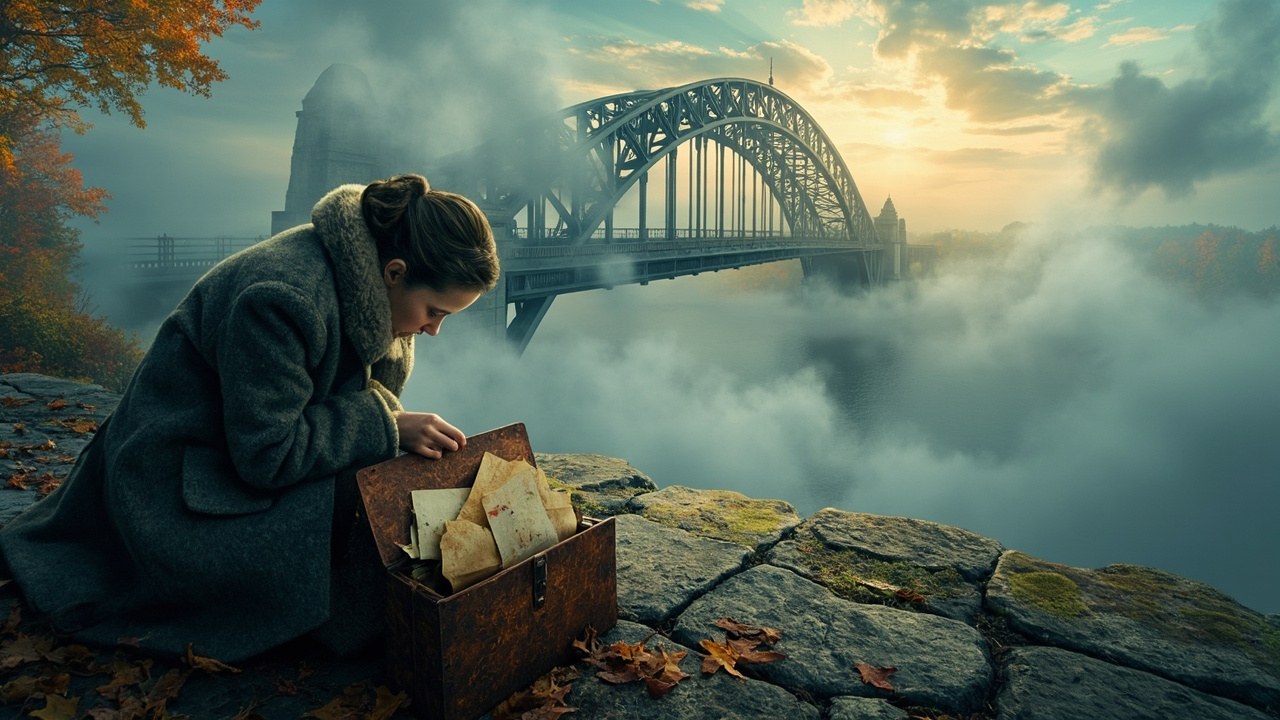
سر جسر آيرون
قضت الدكتورة إلينور مارش ثلاثين عامًا بين أرشيفات شروبشاير المتربة، تنزع الأسرار من سجلات الأبرشية والدفاتر المنسية. غير أن جسر آيرون نفسه كان دائمًا يفلت منها—عجب من عجائب الهندسة في القرن الثامن عشر، يجذب السياح من شتى أنحاء العالم، لكن تاريخه الأعمق ظل، من وجهة نظرها، مشبوهًا بضعف المعلومات. قادتها هذه الإحساس المستمر بعدم الاكتمال إلى التقدم بطلب إلى مجلس المقاطعة للحصول على إذن بالدخول خلال المسح الهيكلي الأخير. كان الجسر، كما اشتبهت منذ زمن بعيد، يحتفظ بأسرار تحت قوسه الحديدي الشهير. لكن ما اكتشفته تجاوز أحلامها الأكثر طموحًا.
في صباح رمادي من أواخر أكتوبر، حين كان الضباب لا يزال يلتصق بوادي سيڤرن، وجدت إلينور نفسها تفحص الركيزة الشمالية للجسر. كان البناؤون الذين شيّدوها عام 1779 رواد الثورة الصناعية، لكن عملهم كشف عن تناقضات غير عادية. جزء من أعمال الطوب، الموضوع في الإطار الحديدي، حمل سمات لا لبس فيها بأنه أقدم بكثير من محيطه. "هذا ليس أصليًا،" همسّت لمهندس الجسر، رجل متجهم يُدعى توماس، أمضى أربعين عامًا في صيانة هذا الامتداد. "شخص ما بنى هذه الغرفة قبل أن يُشكّل الجسر نفسه." أومأ توماس ببطء، كما لو كان ينتظر أن يقولها أحد بصوت عالٍ أخيرًا. "عمل جدي هنا في أربعينيات القرن العشرين،" أضاف بثقة. "قال لي ألا ألمس تلك الجدار أبدًا. قال إن بعض الأمور يُفترض بها أن تظل مدفونة."
تسارع نبض قلب إلينور. كانت تعرف المنطقة معرفة عميقة—سجلاتها الأبرشية، لوائح محاكمها الإقطاعية، ذاكرتها المتراكمة عبر القرون. عرفت أيضًا أن هذا الانعطاف من نهر سيڤرن شهد حركة كثيفة خلال الحرب الأهلية الإنجليزية، قبل ألف ومائة وثلاثين عامًا فقط من بناء الجسر. كان أنصار الملكيين ينتشرون بكثافة في شروبشاير، وازدهرت الترتيبات السرية لمساعدة التاج في الخفاء.
استغرق الأمر ثلاثة أسابيع للحصول على الإذن، وأسبوعين آخرين لاستخراج الحجارة المُخفية دون إلحاق ضرر هيكلي. خلفها lay ممر ضيق، جدرانه تتعرق من مياه الارتواء التي تسربت عبر القرون. نزلت إلينور بمفردها، ضوء مشععلها يخترق ظلامًا لم يعرف حضورًا بشريًا منذ عهد الاستعادة. كانت الغرفة صغيرة لكن مُشيّدة بدقة—فضاء مقببي بالكاد يكفي شخصين للوقوف فيه. على رف من بلوط عتيق، محميًا بالهواء الجاف الصاعد من الأرض، rested حقيبة جلدية. كانت أبازيمها قد صدئت منذ زمن بعيد، لكن الجلد ظل مرنًا، preserved بفعل صدفة كيميائية أو ربما باختيار مقصود.
في الداخل، وجدت إلينور مراسلات. عشرات الرسائل، تحول حبرها إلى بني داكن لكن لا يزال مقروءًا، تحمل تواريخ 1643 و1644—أعوام الحرب الأهلية الأكثر ظلمة. كانت موجهة إلى مالك أراضٍ صغير يُدعى السير إدموند ويكليف، وجاءت من أعلى مستويات القضية الملكي. هنا كانتCommunications من السكرتير الشخصي للأمير روبرت نفسه، تفصيل تحركات القوات. هنا كانت رسائل من كوفنتري، حيث كانت القوى البرلمانية تعتقد أن خطوط إمدادها آمنة، تكشف أن الملكيين عرفوا بالضبط أين ستسير كل عربة ذخيرة.
لكن ما جعل يدي إلينور ترتجف كان الوثيقة الأخيرة: خريطة مرسومة باليد، تحدد شبكة من الملاذات الآمنة والكنوز المخفية عبر وادي سيڤرن بأكمله. لم تكن هذه مجرد مخبأ من رسائل سرية. كانت مخطط عملية سرية influence مسار الحرب عبر منطقة بأكملها.
ثلاثة أيام، لم تغادر إلينور الغرفة. صنفت، صوغرت، وبكت من الدهشة البحتة. حين خرجت أخيرًا إلى الضوء الرمادي لشروبشاير، عرفت أن تاريخ جسر آيرون—بل وتاريخ الحرب الأهلية الإنجليزية في شروبشاير—لن يُكتب أبدًا بالطريقة نفسها مجددًا.
وهي تمشي ببطء عائدة عبر الامتداد الشهير، وأضلاعه الحديدية المصبوبة تتلألأ في الشمس الخريفية الضعيفة، تأملت إلينور أن بعض الأسرار، يبدو، geduldig تتجاوز كل مقياس بشري. تنتظر في الظلام، تكسب وقتها، حتى يأتي شخص ما يكترث بما يكفي للاستماع.
Das Geheimnis der Eisenbrücke
Dr. Eleanor Marsh hatte dreißig Jahre unter den staubigen Archiven von Shropshire verbracht, Geheimnisse aus Pfarrregistern und vergessenen Hauptbüchern hervorzulocken. Und doch war ihr die Eisenbrücke selbst immer entgangen—ein Wunderwerk des Ingenieurwesens aus dem 18. Jahrhundert, das Touristen aus aller Welt anzog, aber dessen tiefere Geschichte, so schien es ihr, verdächtig dünn war. Dieses nagende Gefühl der Unvollständigkeit veranlasste sie, beim Grafschaftsrat einen Antrag auf Zugang während der kürzlichen Strukturuntersuchung zu stellen. Die Brücke, so vermutete sie seit langem, barg Geheimnisse unter ihrem berühmten gusseisernen Bogen. Was sie jedoch entdeckte, übertraf ihre ehrgeizigsten Erwartungen bei weitem.
Es war an einem grauen Morgen Ende Oktober, als der Nebel noch immer am Severn-Tal hing, dass Eleanor den nördlichsten Pfeiler der Brücke untersuchte. Die Maurer, die ihn 1779 errichtet hatten, waren Pioniere der Industriellen Revolution gewesen, doch ihre Arbeit verriet ungewöhnliche Unstimmigkeiten. Ein Abschnitt des Mauerwerks, der in den Eisenrahmen eingelassen war, trug die unverkennbaren Merkmale, dass er weit älter war als seine Umgebung. "Das ist nicht original," murmelte sie dem Brückenmeister zu, einem wettergegerbten Mann namens Thomas, der vier Jahrzehnte damit verbracht hatte, die Spannweite zu erhalten. "Jemand hat diese Kammer lange bevor die Brücke überhaupt Form annahm, erbaut." Thomas nickte langsam, als hätte er darauf gewartet, dass jemand es endlich ausspricht. "Mein Großvater arbeitete hier in den 1940er Jahren," vertraute er ihr an. "Er sagte mir, diese Mauer niemals zu berühren. Er sagte, manche Dinge sollten begraben bleiben."
Eleanors Herzschlag beschleunigte sich. Sie kannte die Region innig—ihre Pfarrregister, ihre herrschaftlichen Gerichtsrollen, ihre Jahrhunderte akkumulierter Erinnerung. Sie wusste auch, dass dieser Bogen des Severn während des Englischen Bürgerkriegs erheblichen Verkehr gesehen hatte, nur hundertdreißig Jahre vor dem Bau der Brücke. Royalistische Sympathisanten waren in Shropshire weit verbreitet gewesen, und geheime Vereinbarungen zur Unterstützung der Krone hatten sich im Schatten entwickelt.
Es dauerte drei Wochen, um die Genehmigung zu erhalten, und weitere zwei Wochen, um die verborgenen Steine zu entfernen, ohne strukturelle Schäden zu verursachen. Dahinter lag ein schmaler Durchgang, dessen Wände von jahrhundertealtem Grundwasser schwitzten. Eleanor stieg allein hinab, ihre Fackel schnitt durch Dunkelheit, die seit der Restauration keine menschliche Präsenz gekannt hatte. Die Kammer war klein, aber sorgfältig konstruiert—ein gewölbter Raum, kaum groß genug für zwei Personen. Auf einem Regal aus gealterter Eiche, geschützt von der trockenen Luft, die von der Erde aufstieg, ruhte eine Ledertasche. Die Schnallen waren längst korrodiert, aber das Leder selbst war geschmeidig geblieben, erhalten durch einen chemischen Zufall oder vielleicht durch bewusste Wahl.
Drinnen fand Eleanor Korrespondenz. Dutzende von Briefen, deren Tinte zu Sepia verblasst, aber noch lesbar war, mit Daten aus 1643 und 1644—den dunkelsten Jahren des Bürgerkriegs. Sie waren an einen unbedeutenden Grundbesitzer namens Sir Edmund Wycliffe gerichtet, und sie kamen von den höchsten Ebenen der royalistischen Sache. Hier waren Mitteilungen vom eigenen Sekretär von Prinz Rupert, die Truppenbewegungen enthüllten. Hier waren Briefe aus Coventry, wo die Parlamentstruppen glaubten, ihre Nachschublinien seien sicher, die enthüllten, dass die Royalisten genau wussten, wo jeder Munitionswagen fahren würde.
Aber was Eleanor vor Beben brachte, war das letzte Dokument: eine handgezeichnete Karte, die ein Netzwerk von safe houses und versteckten Depots durch das gesamte Severn-Tal markierte. Dies war nicht nur ein Versteck geheimer Briefe. Es war der Grundriss einer geheimen Operation, die den Kriegsverlauf in einer gesamten Region beeinflusst hatte.
Drei Tage lang verließ Eleanor die Kammer nicht. Sie katalogisierte, fotografierte, weinte vor reinem Staunen. Als sie endlich ins graue Shropshire-Licht trat, wusste sie, dass die Geschichte der Eisenbrücke—und indeed, des Englischen Bürgerkriegs in Shropshire—nie wieder auf dieselbe Weise geschrieben werden würde.
Als sie langsam über die berühmte Spannweite zurückging, ihre gusseisernen Rippen im schwachen Herbstsonne glänzend, betrachtete Eleanor, dass manche Geheimnisse, semble-t-il, geduldiger sind als alle menschliche Messung. Sie warten im Dunkeln, nehmen sich Zeit, bis jemand kommt, der sich genug kümmert zuzuhören.
Le Secret du Pont de Fer
La Dre Eleanor Marsh avait passé trente ans dans les archives poussiéreuses du Shropshire, arrachant des secrets aux registres paroissiaux et aux registres oubliés. Pourtant, le Pont de Fer lui-même lui avait toujours échappé—une merveille de l'ingénierie du dix-huitième siècle qui attirait des touristes du monde entier, mais dont l'histoire profonde restait, selon elle, dangereusement thin. C'est ce sentiment persistant d'incomplétude qui l'amena à demander au conseil du comté l'accès lors de la récente enquête structurelle. Le pont, soupçonnait-elle depuis longtemps, renfermait des secrets sous son arche célèbre en fonte. Ce qu'elle découvrit, cependant, dépassa ses attentes les plus ambitieuses.
C'était par un matin gris de fin octobre, alors que la brume s'accrochait encore à la Severn Gorge, qu'Eleanor se trouva à examiner la pile nord du pont. Les maçons qui l'avaient construit en 1779 avaient été des pionniers de la Révolution industrielle, mais leur travail trahissait des incohérences inhabituelles. Une section de briquetage, encastrée dans la structure en fer, portait les marques indiscutables d'être beaucoup plus ancienne que son environnement. "Ce n'est pas original," murmura-t-elle au maître d'œuvre, un homme rude nommé Thomas qui avait passé quarante ans à entretenir le pont. "Quelqu'un a construit cette chambre bien avant que le pont ne prenne forme." Thomas hocha lentement la tête, comme s'il avait attendu que quelqu'un le dise enfin à voix haute. "Mon grand-père a travaillé ici dans les années 1940," confia-t-il. "Il m'a dit de ne jamais toucher ce mur. Certaines choses doivent rester enfouies."
Le cœur d'Eleanor s'accéléra. Elle connaissait intimement la région—ses registres paroissiaux, ses rôles de cour manoriaux, ses siècles de mémoire accumulée. Elle savait aussi que ce méandre de la Severn avait connu un trafic important pendant la guerre civile anglaise, à peine cent trente ans avant la construction du pont. Les sympathisants royalistes pullulaient dans le Shropshire, et des arrangements secrets pour aider la Couronne s'étaient multipliés dans l'ombre.
Il fallut trois semaines pour obtenir la permission, et deux autres semaines pour extraire les pierres dissimulatrices sans causer de dommages структурные. Derrière elles se trouvait un passage étroit, ses murs suintant de eaux souterraines accumulées pendant des siècles. Eleanor descendit seule, sa torche découpant dans l'obscurité qui n'avait pas connu de présence humaine depuis la Restauration. La chambre était petite mais méticuleusement construite—un espace voûté à peine assez grand pour deux personnes. Sur une étagère de chêne ancien, protégée par l'air sec qui s'élevait de la terre, reposait une sacoche en cuir. Ses boucles étaient depuis longtemps corrodées, mais le cuir lui-même était demeuré souple, préservé par un accident de chimie ou peut-être par un choix délibéré.
À l'intérieur, Eleanor trouva de la correspondance. Des dizaines de lettres, leur encre décolorée en sépia mais encore lisibles, portant les dates de 1643 et 1644—les années les plus sombres de la guerre civile. Elles étaient adressées à un petit propriétaire terrien nommé Sir Edmund Wycliffe, et provenaient des plus hautes sphères de la cause royaliste. On y trouvait des communications du propre secrétaire du prince Rupert, détaillant les mouvements de troupes. On y trouvait des lettres de Coventry, où les forces parlementaires croyaient leurs lignes d'approvisionnement sûres, révélant que les royalistes savaient précisément où chaque wagon de munitions allait voyager.
Mais ce qui fit trembler les mains d'Eleanor fut le dernier document : une carte, dessinée à la main, marquant un réseau de maisons sûres et de caches cachées à travers toute la vallée de la Severn. Ce n'était pas simplement une cache de lettres secrètes. C'était le plan d'une opération clandestine qui avait influencé le cours de la guerre à travers toute une région.
Pendant trois jours, Eleanor ne quitta pas la chambre. Elle catalogua, photographia, pleura de pur émerveillement. Quand elle émergea enfin dans la lumière grise du Shropshire, elle savait que l'histoire du Pont de Fer—et, en vérité, de la guerre civile anglaise dans le Shropshire—ne serait jamais écrite de la même façon.
Alors qu'elle marchait lentement pour retraverser le célèbre pont, ses côtes en fonte brillant dans le faible soleil d'automne, Eleanor réfléchit au fait que certains secrets semblent être patients au-delà de toute mesure humaine. Ils attendent dans l'obscurité, barrant leur temps, jusqu'à ce que quelqu'un vienne qui se soucie assez d'écouter.
Тайна Железного моста
Доктор Элеанор Марш тридцать лет провела среди пыльных архивов Шропшира, извлекая секреты из приходских реестров и забытых книг. Однако сам Железный мост всегда оставался для неё недостижимой целью — чудо инженерной мысли восемнадцатого века, привлекающее туристов со всего мира, но, по её мнению, его более глубокая история подозрительно скудна. Именно это настойчивое чувство неполноты побудило её обратиться в совет графства с просьбой о допуске во время недавнего структурного обследования. Мост, как она давно подозревала, хранил тайны под своим знаменитым чугунным сводом. Но то, что она обнаружила, превзошло её самые амбициозные ожидания.
Это было серым утром позднего октября, когда туман ещё висел над долиной Северн, и Элеанор оказалась за изучением северной опоры моста. Каменщики, строившие её в 1779 году, были пионерами Промышленной революции, но их работа выдавала необычные несоответствия. Один участок кирпичной кладки, встроенный в железный каркас, нёс несомненные признаки того, что он значительно старше окружающих конструкций. «Это не оригинал, — пробормотала она мостовому мастеру, закалённому годами человеку по имени Томас, который сорок лет посвятил поддержанию этой переправы. — Кто-то построил эту комнату задолго до того, как мост вообще начали возводить.» Томас медленно кивнул, словно ждал, что кто-то наконец произнесёт это вслух. «Мой дед работал здесь в 1940-х годах, — доверительно сообщил он. — Он говорил мне никогда не трогать эту стену. Говорил, что некоторые вещи должны оставаться погребёнными.»
Сердце Элеанор забилось чаще. Она глубоко знала этот край — его приходские записи, помещичьи судебные списки, его века накопленной памяти. Она также знала, что этот изгиб Северна был свидетелем значительного движения во время Английской гражданской войны, всего каких-то сто тридцать лет до строительства моста. Роялистские симпатизанты кишели в Шропшире, и тайные соглашения о помощи Короне расцветали в тенях.
Потребовалось три недели, чтобы получить разрешение, и ещё две недели, чтобы извлечь скрывающие камни, не причинив структурного ущерба. За ними лежал узкий проход, стены которого сочились влагой многовековых грунтовых вод. Элеанор спустилась в одиночку, её фонарь прорезал тьму, не знавшую человеческого присутствия со времён Реставрации. Комната была маленькой, но тщательно сконструированной — сводчатое пространство едва достаточное для двух человек. На полке из старого дуба, защищённой сухим воздухом, поднимавшимся от земли, покоилось кожаное портфолио. Пряжки давно проржавели, но кожа оставалась гибкой — её сохранила какая-то случайность химии или, возможно, намеренный выбор.
Внутри Элеанор обнаружила корреспонденцию. Десятки писем, чернила которых выцвели до сепии, но всё ещё читались, датированные 1643 и 1644 годами — самыми тёмными годами Гражданской войны. Они были адресованы мелкому землевладельцу сэру Эдмунду Уиклиффу и пришли с самых высоких эшелонов роялистского дела. Здесь были послания от личного секретаря Принца Руперта, подробно описывавшие передвижения войск. Здесь были письма из Ковентри, где парламентские силы считали свои линии снабжения безопасными, но из которых явствовало, что роялисты точно знали, где пройдёт каждый фургон с боеприпасами.
Но что заставило руки Элеанор дрожать — это последний документ: карта, нарисованная от руки, отмечавшая сеть тайных убежищ и скрытых тайников по всему Севернскому ущелью. Это было не просто хранилище секретных писем. Это был план тайной операции, которая повлияла на ход войны по всему региону.
Три дня Элеанор не покидала комнату. Она каталогизировала, фотографировала, плакала от чистого изумления. Когда она наконец вышла в серый свет Шропшира, она знала, что история Железного моста — и, по правде говоря, Английской гражданской войны в Шропшире — никогда больше не будет написана прежним способом.
Когда она медленно шла обратно через знаменитый пролёт, его чугунные рёбра поблёскивали в слабом осеннем солнце, Элеанор размышляла о том, что некоторые тайны, как видно, терпеливы сверх всякой человеческой меры. Они ждут во тьме, выжидая своё время, пока не появится кто-то достаточно заботливый, чтобы выслушать.