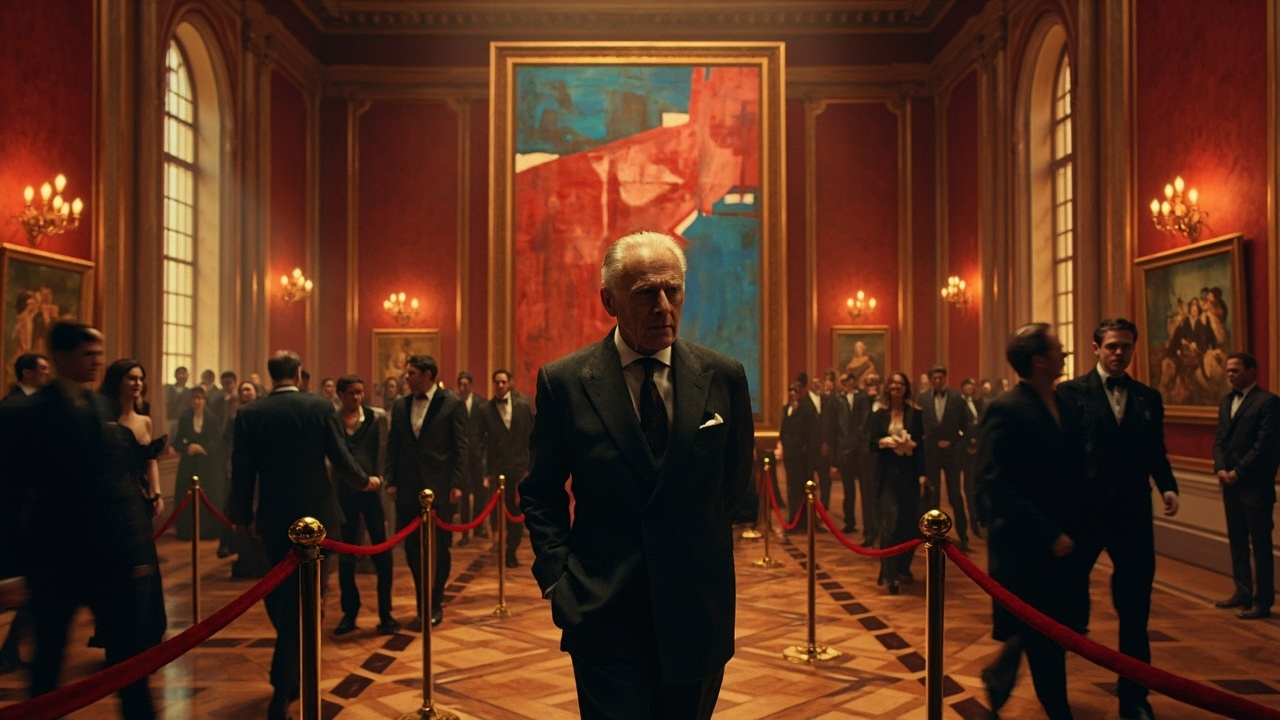
حملت ضوء المساء في ميرفيل ذلك الجودة الخاصة التي تتسم بها أمسيات أكتوبر في لندن—عنبري ومتردد، كأنه يتردد في التخلي عن النهار للظلام. وصل إدموند ثورن بدقة في الموعد المحدد، كما فعل طوال واحد وثلاثين عامًا من خدمته، وكما اعتزم أن يفعل طوال ما تبقى من حياته. كان نادي ويتمور يقع في منزل غير بارز في شارع أصبح، عبر عقود من الحذر المتراكم، مرادفًا للأمور التي يُترك تفصيلها دون فحص. لم يكن إدموند يتوقع أن يتلقى دعوة بعد كل هذه السنوات، ومع ذلك ها هي—بطاقة كريمية، خط أنيق، لا عنوان للإرجاع. مجرد تاريخ، ووقت، وسطر واحد: ستفهم عندما تصل. لم يفهم شيئًا بعد. تلك كانت مشكلة الدعوات من الحياة السابقة. احتلت الصالة غرفة المعيشة التي كانت تحوّلت إلى شيء يشبه المسرح. قاد الحبال المخملية الضيوف المدعوين—ربما أربعين شخصًا إجمالًا—إلى أعمال مُطوّرة بإطارات ذهبية، والتي رصدها إدموند بتقييمه التلقائي من تدريبه، كانت متوسطة العيار بشكل موحد. ذلك النوع من الفن الذي يشتريه الأثرياء ليس لأنه يُعجبهم بل لأنه يُكمّل سجادهم.宣布 المزايد، وهي امرأة في عمر غير محدد بشعر فضّي وأسلوب كلام دقيق ينتمي إلى الطبقات العليا، عن الدفعة الأولى. لوحة لفنان روسي اشتراكي غامض، كل هندسة عدوانية ولون مزعج. أوضحت أن provenance كان استثنائيًا—تم الحصول عليها مباشرة من ممتلكات مسؤول سوفيتي بارز فرّ في عام 1971. sharpen انتباه إدموند. كان قد سمع عن ذلكalias. كان قد قضى، في الواقع، ثلاثة أشهر من حياته يحاول التحقق من ظروفه قبل أن يتم تصنيف الملف بما يتجاوز تصريحه ويُعاد تعيينه إلى شؤون أقل إثارة. الاسم—volkov—بقا lodging في ذاكرته، شظية لم ينجح قط في استخراجها. proceed المزايدة dengan ritualism الخاص بهذه المناسبات. رفع الكتالوجات أيدي مرتدية قفازات. تبادل الحاضرون إيماءات بين المزايدين الذين عرفوا بالضبط إلى أي مدى يُسمح لهم الذهاب. بيعت الدفعة بـاثنان وثلاثون ألف جنيه لرجل في الصف الثالث لم يتعرفه إدموند. لكنها لم تكن اللوحة هي التي أوقفت انتباه إدموند. كانت وصف الكتالوج. تواريخ محددة. تعيينات تشغيلية لا تتوافق مع أي سجل عام. أسماء handlers التي صادفها مرة واحدة فقط، في ملفات كان من المفترض أنها دُمّرت. لم تكن هذه أعمالًا فنية. فهم إدموند هذا فجأة، بوضوح بارد كرجل قضى عقودًا يميز بين ما تبدو عليه الأشياء وما هي عليه فعلاً. هذه كانت شهادات. مشفرة، مجزأة، لكن لا لبس فيها لأي شخص يعرف كيف يقرأها. أكدت الدفعة الثانية شكوكه. لوحة أخرى، provenance آخر يتضمن مواطنًا سوفيتيًا آخر منشقًا. وصف كتالوج آخر dense with references لا ينبغي أن توجد خارج الأرشيفات السرية. كان أعلى مزايد هذه المرة رجلًا أصغر سنا مع نوع من stillness يشير إلى ثروة كبيرة وصبر أكبر. انتقل إدموند إلى مؤخرة الغرفة، positioning himself بالقرب من المخرج. كان قلبه ينبض بإيقاع لم يشعر به منذ سنوات—الارتجاف الخاص لرجل اصطدم بشيء مهم وخطير بنسب متساوية. كانت Division التحليلية وطنه طوال ثلاثة عقود، وقد تعلّم هناك أن يثق بغرائزه فوق كل شيء. كانت غريزته تصرخ الآن. الدفعة الثالثة. الدفعة الرابعة. كل واحدة جذبت مزايدات أعلى، كل واحدة تراكمت أكثر البيانات في catalog العقلي لإدموند. بدأ يبني نظرية، والنظرية كانت مقلقة. كان شخص ما قد جمع مجموعة من الشهادات المشفرة من حقبة الحرب الباردة—حسابات من الدرجة الأولى لعمليات لم承认 أبدًا رسميًا، حوادث دُفنت، وربما الأكثر خطورة، هويات أولئك الذين ارتكبوا الفظائع من الجانبين ثم تآمروا لضمان بقائها دون فحص. من سيفعل هذا؟ من يمكن أن يصل إلى such material؟ فكر إدموند في الملفات التي رآها في سنواته الأخيرة في الخدمة، تلك المُعلّمة ليس للإبادة بل لـ preservation ، المحفوظة في خزائن existence whose كان معترفًا به فقط في أكثر الوثائق سرية. كان يفترض دائمًا أن تلك الملفات ستبقى هناك، مختومة حتى heat death الكون أو حتى يحصل بعض المؤرخين المستقبليين بطريقة ما على تصريح لفحصها. لم يكن قد考虑 أن شخصًا ما قد يكون يسيّل ذلك الأرشيف بشكل نشط. announce المسؤولة Harrington الدفعة الخامسة. رفع الرجل الذي حدده إدموند على أنه الشاب ذي stillness المزعج كتالوجه دون تردد. ارتفعت المزايدة. watch إدموند وجه الرجل، يبحث عن some indication من الدافع. لم تبدُ الأسباب المعتادة لحضور مثل هذه المزادات منطبقة. لم يكن هذا تقديرًا فنيًا. كان هذا اقتناء من نوع مختلف تمامًا. بيعت الدفعة بـمائة وأربعون ألف جنيه. الرجل في الصف الثالث—الذي اشترى اللوحة الأولى—لم يزايد. اتخذ إدموند قراره. سيرحل. سيعود إلى شقته في تشيلسي، يسكب لنفسه ويسكي، ويتصل بزميلته السابقة مارغريت، التي انتقلت إلى position في وزارة الداخلية حيث remained ذاكرتها للتفاصيل التشغيلية ميزة وليست مصدر إزعاج. سيُexplain ما رأته. سيترك للآخرين decide كيفية الاستجابة. كان على بعد ثلاث خطوات من الباب cuando una mano tocó su codo. "السيد ثورن." كانت Cultured، faintly accent. "كنت أتساءل ما إذا كنت قد تبقى لحظة. هناك matter أود مناقشته معك." وقف أمامه الرجل الذي اشترى الدفعة الرابعة. كان perhaps forty، بشعر داكن وعينين لا تكشفان شيئًا. بدلته إنجليزية، ساعته سويسرية، وdo manner كان رجل معتاد على أن يُطاع.
Das Abendlicht in Mayfair hatte jene besondere Qualität, die für Oktoberabende in London eigentümlich ist—bernsteinfarben und widerwillig, als zögere es, den Tag der Dunkelheit zu überlassen. Edmund Thorne traf punktuell ein, wie er es während seiner einunddreißig Jahre im Dienst stets getan hatte und wie er es für den Rest seines Lebens zu tun beabsichtigte. Der Whitmore Club nahm ein unscheinbares Stadthaus in einer Straße ein, deren Name durch Jahrzehnte akkumulierter Diskretion zum Synonym für Angelegenheiten geworden war, die man besser nicht untersuchte. Edmund hatte nicht erwartet, nach all den Jahren eine Einladung zu erhalten, und doch war sie da— cremefarbene Karte, elegante Schreibschrift, keine Rückadresse. Nur ein Datum, eine Uhrzeit und eine einzige Zeile: Sie werden verstehen, wenn Sie ankommen. Er verstand noch nichts. Das war das Problem mit Einladungen aus seinem früheren Leben. Die Galerie nahm ein, was einst ein Wohnzimmer gewesen war, obwohl es in etwas verwandelt worden war, das einem Theater ähnelte. Samtkordeln leiteten die geladenen Gäste—etwa vierzig an der Zahl—an vergoldeten Werken vorbei, die, wie Edmund mit der automatischen Einschätzung seiner Ausbildung feststellte, durchweg mittelmäßig waren. Die Art von Kunst, die wohlhabende Männer nicht kauften, weil sie sie bewunderten, sondern weil sie ihre Teppiche ergänzte. Die Auktionatorin, eine Frau unbestimmbaren Alters mit silbernem Haar und dem präzisen Sprachgebrauch der oberen Schichten, kündigte das erste Los an. Eine Leinwand eines obskuren russischen Modernisten, ganz aggressive Geometrie und verstörende Farbe. Die Herkunft, erklärte sie, sei außergewöhnlich—direkt aus dem Nachlass eines hochrangigen sowjetischen Beamten erworben, der 1971 überlief. Edmunds Aufmerksamkeit schärfte sich. Er hatte von dieser Überlaufung gehört. Er hatte tatsächlich drei Monate seines Lebens damit verbracht, die Umstände zu überprüfen, bevor die Akte über seine Freigabeebene hinaus als geheim eingestuft und er auf weniger interessante Angelegenheiten versetzt wurde. Der Name—Wolkow—war in seinem Gedächtnis stecken geblieben, ein Splitter, den er nie erfolgreich hatte entfernen können. Die Versteigerung folgte dem besonderen Ritual solcher Anlässe. Kataloge wurden von behandschuhten Händen gehoben. Nicken wurde zwischen Bietern ausgetauscht, die genau wussten, wie weit sie gehen durften. Das Los wurde für zweiunddreißigtausend Pfund an einen Mann in der dritten Reihe verkauft, den Edmund nicht kannte. Aber es war nicht das Gemälde, das Edmunds Aufmerksamkeit gefesselt hatte. Es war die Katalogbeschreibung. Konkrete Daten. Operative Bezeichnungen, die mit keinen öffentlichen Aufzeichnungen übereinstimmten. Decknamen, die er nur einmal getroffen hatte, in Akten, die hätten vernichtet werden sollen. Dies waren keine Kunstwerke. Edmund verstand dies plötzlich, mit der kalten Klarheit eines Mannes, der Jahrzehnte damit verbracht hat, zwischen dem zu unterscheiden, was Dinge zu sein scheinen und was sie tatsächlich sind. Dies waren Zeugnisse. Verschlüsselt, fragmentiert, aber unmissverständlich für jeden, der wusste, wie man sie las. Das zweite Los bestätigte seinen Verdacht. Eine weitere Leinwand, eine weitere Herkunft, die einen weiteren überlaufenden sowjetischen Bürger betraf. Ein weiterer Katalog voller Referenzen, die außerhalb klassifizierter Archive nicht existieren sollten. Der Höchstbietende diesmal war ein jüngerer Mann mit jener Art von Stille, die erheblichen Reichtum und noch größere Geduld suggerierte. Edmund bewegte sich nach hinten im Raum und positionierte sich in der Nähe des Ausgangs. Sein Herz schlug in einem Rhythmus, den er seit Jahren nicht gespürt hatte—die besondere Beschleunigung eines Mannes, der auf etwas Bedeutendes und Gefährliches gleichermaßen gestoßen ist. Die Analytische Abteilung war drei Jahrzehnte lang sein Zuhause gewesen, und er hatte dort gelernt, seinen Instinkten mehr als allem anderen zu vertrauen. Seine Instinkte schrien jetzt. Das dritte Los. Das vierte. Jedes zog höhere Gebote, jedes akkumulierte mehr Daten in Edmunds mentalem Katalog. Er begann, eine Theorie zu konstruieren, und die Theorie war alarmierend. Jemand hatte eine Sammlung von verschlüsselten Zeugnissen aus der Ära des Kalten Krieges zusammengestellt—Augzeugenberichte von Operationen, die nie offiziell anerkannt worden waren, Vorfälle, die begraben worden waren, und vielleicht am gefährlichsten, die Identitäten derjenigen, die Greueltaten auf beiden Seiten begangen und dann verschworen hatten, sicherzustellen, dass sie ununtersucht blieben. Wer würde so etwas tun? Wer könnte Zugang zu solchem Material haben? Edmund dachte an die Akten, die er in seinen letzten Jahren beim Dienst gesehen hatte, die nicht zur Vernichtung, sondern zur Aufbewahrung gekennzeichnet waren, in Tresoren, deren Existenz nur in den geheimsten Dokumenten anerkannt wurde. Er hatte immer angenommen, dass diese Akten dort bleiben würden, versiegelt bis zum Wärmetod des Universums oder bis ein zukünftiger Historiker irgendwie die Freigabe erhielte, sie zu prüfen. Er hatte nicht in Betracht gezogen, dass jemand dieses Archiv aktiv monetarisieren könnte. Frau Harrington kündigte das fünfte Los an. Der Bieter, den Edmund als den jungen Mann mit der verstörenden Stille identifiziert hatte, hob seinen Katalog ohne zu zögern. Die Gebote stiegen. Edmund beobachtete das Gesicht des Mannes und suchte nach irgendeinem Hinweis auf Motivation. Die üblichen Gründe für die Teilnahme an solchen Auktionen schienen nicht zuzutreffen. Dies war keine Kunstschätzung. Dies war ein Erwerb völlig anderer Art. Das Los wurde für einhundertvierzigtausend Pfund verkauft. Der Mann in der dritten Reihe—der das erste Gemälde gekauft hatte—bot nicht. Edmund traf seine Entscheidung. Er würde gehen. Er würde in seine Wohnung in Chelsea zurückkehren, sich einen Whisky einschenken und seine ehemalige Kollegin Margaret anrufen, die eine Position im Innenministerium innehatte, wo ihr Gedächtnis für operative Details ein Vorteil und keine Unannehmlichkeit war. Er würde erklären, was er gesehen hatte. Er würde andere entscheiden lassen, wie sie reagieren sollten. Er war drei Schritte von der Tür entfernt, als eine Hand seinen Ellbogen berührte. «Herr Thorne.» Die Stimme war kultiviert, leicht akzentuiert. «Ich fragte mich, ob Sie vielleicht einen Moment bleiben könnten. Es gibt eine Angelegenheit, die ich gerne mit Ihnen besprechen würde.» Der Mann, der das vierte Los gekauft hatte, stand vor ihm. Er war vielleicht vierzig, mit dunklem Haar und Augen, die nichts preisgaben. Sein Anzug war englisch, seine Uhr schweizerisch, und seine Art war die eines Mannes, der gewohnt war, dass man ihm gehorchte.
La luz de la tarde en Mayfair tenía esa cualidad particular peculiar de las tardes de octubre en Londres—ámbar y reacia, como si estuviera reluctante a ceder el día a la oscuridad. Edmund Thorne llegó precisamente a tiempo, como siempre lo había hecho a lo largo de sus treinta y un años en el Servicio, y como tenía intención de hacer durante lo que restara de su vida. El Whitmore Club ocupaba una casa señorial discreta en una calle cuyo nombre, a través de décadas de discreción acumulada, se había vuelto sinónimo de asuntos que era mejor dejar sin examinar. Edmund no esperaba recibir una invitación después de todos estos años, y sin embargo aquí estaba—tarjeta color crema, escritura elegante, sin dirección de retorno. Solo una fecha, una hora, y una única línea: Entenderás cuando llegues. No entendía nada todavía. Ese era el problema de las invitaciones de la vida anterior. La galería ocupaba lo que había sido un salón, aunque había sido transformado en algo parecido a un teatro. Cuerdas de terciopelo guiaban a los invitados—unas cuarenta personas en total—pasando obras enmarcadas en oro que, Edmund notó con la evaluación automática de su entrenamiento, eran todas uniformemente mediocres. El tipo de arte que los hombres ricos compraban no porque lo admiraran sino porque complementaba sus alfombras. La subastadora, una mujer de edad indeterminada con cabello plateado y el diction preciso de las altas esferas, anunció el primer lote. Un lienzo de un modernista ruso oscuro, todo geometría agresiva y colores inquietantes. La procedencia, explicó, era excepcional—adquirida directamente de la herencia de un alto funcionario soviético que había defeccionado en 1971. La atención de Edmund se agudizó. Había oído hablar de esa defección. Había pasado, de hecho, tres meses de su vida intentando verificar sus circunstancias antes de que el expediente fuera clasificado más allá de su autorización y fuera reasignado a asuntos menos interesantes. El nombre—Volkov—había permanecido alojado en su memoria, una astilla que nunca había logrado extraer. La puja procedió con el ritualismo particular de tales ocasiones. Catálogos levantados por manos enguantadas. Señales intercambiadas entre postores que sabían exactamente cuánto podían llegar. El lote se vendió por treinta y dos mil libras a un hombre en la tercera fila que Edmund no reconoció. Pero no era la pintura lo que había llamado la atención de Edmund. Era la descripción del catálogo. Fechas específicas. Designaciones operativas que no correspondían a ningún registro público. Nombres de manejadores que había encontrado solo una vez, en archivos que se supone deberían haber sido destruidos. Estos no eran obras de arte. Edmund entendió esto de repente, con la fría claridad de un hombre que ha pasado décadas distinguiendo entre lo que las cosas parecen ser y lo que realmente son. Estas eran testimonios. Cifrados, fragmentados, pero inequívocos para cualquiera que supiera leerlos. El segundo lote confirmó su sospecha. Otro lienzo, otra procedencia que involucraba a otro ciudadano soviético defeccionado. Otro catálogo denso con referencias que no deberían existir fuera de archivos clasificados. El postor más alto esta vez era un hombre más joven con el tipo de quietud que sugería considerable riqueza y paciencia aún más considerable. Edmund se movió hacia la parte trasera de la sala, posicionándose cerca de la salida. Su corazón latía con un ritmo que no había sentido en años—la aceleración particular de un hombre que ha tropezado con algo significativo y peligroso en igual medida. La división analítica había sido su hogar durante tres décadas, y había aprendido allí a confiar en sus instintos más que en nada. Sus instintos rugían ahora. El tercer lote. El cuarto. Cada uno atraía pujas más altas, cada uno acumulaba más datos en el catálogo mental de Edmund. Comenzó a construir una teoría, y la teoría era alarmante. Alguien había ensamblado una colección de testimonios cifrados de la era de la Guerra Fría—relatos de primera mano de operaciones nunca reconocidas oficialmente, incidentes enterrados, y quizás lo más peligroso, las identidades de aquellos que habían cometido atrocidades en ambos bandos y luego habían conspirado para asegurar que permanecieran sin examinar. ¿Quién haría esto? ¿Quién podría tener acceso a tal material? Edmund pensó en los archivos que había visto en sus últimos años en el Servicio, los marcados no para destrucción sino para preservación, almacenados en bóvedas cuya existencia solo era reconocida en la documentación más secreta. Siempre había asumido que esos archivos permanecerían allí, sellados hasta la muerte térmica del universo o hasta que algún historiador futuro obtuviera somehow autorización para examinarlos. No había considerado que alguien pudiera estar monetizando activamente ese archivo. La señora Harrington anunció el quinto lote. El postor que Edmund había identificado como el joven hombre de la quietud inquietante levantó su catálogo sin vacilar. Las pujas ascendieron. Edmund observó el rostro del hombre, buscando alguna indicación de motivación. Las razones habituales para asistir a tales subastas no parecían aplicarse. Esto no era apreciación artística. Esto era adquisición de un tipo completamente diferente. El lote se vendió por ciento cuarenta mil libras. El hombre en la tercera fila—que había comprado la primera pintura—no pujó. Edmund tomó su decisión. Se iría. Regresaría a su apartamento en Chelsea, se serviría un whisky, y llamaría a su antigua colega Margaret, que se había mudado a una posición en el Home Office donde su memoria para los detalles operativos seguía siendo una ventaja en lugar de una inconveniencia. Explicaría lo que había visto. Dejaría que otros decidieran cómo responder. Estaba a tres pasos de la puerta cuando una mano tocó su codo. «Señor Thorne.» La voz era culta, ligeramente accentuada. «Me preguntaba si podría quedarse unos momentos. Hay un asunto que me gustaría discutir con usted.» El hombre que había comprado el cuarto lote estaba frente a él. Tenía quizás cuarenta años, cabello oscuro y ojos que no revelaban nada. Su traje era inglés, su reloj era suizo, y su manner era el de un hombre acostumbrado a ser obedecido.
La lumière du soir à Mayfair possédait cette qualité particulière aux soirs d'octobre londoniens—ambrée et réticente, comme si elle hésitait à céder le jour aux ténèbres. Edmund Thorne arriva précisément à l'heure, comme il l'avait toujours fait au cours de ses trente et une années de service, et comme il avait l'intention de le faire pour tout ce qui restait de sa vie. Le Whitmore Club occupait une maison de ville discrète dans une rue dont le nom, à travers des décennies de discrétion accumulée, était devenu synonymous avec des questions mieux laissées inexaminées. Edmund n'avait pas prévu de recevoir une invitation après toutes ces années, et pourtant la voici—carte crème, écriture élégante, aucune adresse de retour. Juste une date, une heure, et une seule ligne : Vous comprendrez à votre arrivée. Il ne comprenait rien encore. Voilà le problème des invitations de son ancienne vie. La galerie occupait ce qui avait été un salon, bien qu'il eût été transformé en quelque chose ressemblant à un théâtre. Des cordes de velours guidaient les invités—une quarantaine environ—devant des œuvres encadrées d'or que, Edmund le nota avec l'évaluation automatique de sa formation, étaient toutes uniformément médiocres. Le genre d'art que les hommes riches achetaient non pas parce qu'ils l'admiraient, mais parce qu'il complétait leurs tapis. La directrice des ventes, une femme d'âge indéterminé aux cheveux argentés et à l'élocution précise des hautes sphères, annonça le premier lot. Une toile d'un moderniste russe obscur, toute géométrie agressive et couleurs troublantes. La provenance, expliqua-t-elle, était exceptionnelle—acquise directement auprès de la succession d'un officiel soviétique proéminent qui avait fait défection en 1971. L'attention d'Edmund se tendit. Il avait entendu parler de cette défection. Il avait, en fait, passé trois mois de sa vie à tenter d'en vérifier les circonstances avant que le dossier ne soit classé au-delà de son habilitation et qu'il ne soit réaffecté à des affaires moins intéressantes. Le nom—Volkov—était resté fiché dans sa mémoire, une écharde qu'il n'avait jamais réussi à extraire. Les offres se succédèrent selon le rituel particulier de ces occasions. Des catalogues levés par des mains gantées. Des signes échangés entre enchérisseurs qui savaient exactement jusqu'où ils pouvaient aller. Le lot fut vendu trente-deux mille livres à un homme du troisième rang qu'Edmund ne reconnut pas. Mais ce n'était pas le tableau qui avait retenu l'attention d'Edmund. C'était la description du catalogue. Des dates précises. Des désignations opérationnelles qui ne correspondaient à aucun enregistrement public. Des noms de responsables qu'il n'avait rencontrés qu'une seule fois, dans des dossiers qui auraient dû être détruits. Ce n'étaient pas des œuvres d'art. Edmund le comprit soudain, avec la clarté froide d'un homme qui a passé des décennies à distinguer ce que les choses semblent être et ce qu'elles sont réellement. C'étaient des témoignages. Chiffrés, fragmentaires, mais indubitables pour quiconque savait les lire. Le deuxième lot confirma son soupçon. Une autre toile, une autre provenance impliquant un autre citoyen soviétique défector. Un autre catalogue dense de références qui ne devraient pas exister hors des archives classifiées. Le plus offrant cette fois était un jeune homme au calme troublant qui suggérait une fortune considérable et une patience plus considérable encore. Edmund se déplaça à l'arrière de la pièce, se positionnant près de la sortie. Son cœur battait selon un rythme qu'il n'avait pas ressenti depuis des années—l'accélération particulière d'un homme qui vient de tomber sur quelque chose d'important et de dangereux en égale mesure. La division analytique avait été son foyer pendant trois décennies, et il y avait appris à faire confiance à ses instincts plus qu'à tout autre chose. Ses instincts hurlaient maintenant. Le troisième lot. Le quatrième. Chacun attirait des offres plus élevées, chacun accumulait plus de données dans le catalogue mental d'Edmund. Il commença à construire une théorie, et la théorie était alarmante. Quelqu'un avait assemblé une collection de témoignages chiffrés de l'ère de la Guerre froide—comptes rendus de première main d'opérations jamais officiellement reconnues, d'incidents enterrés, et peut-être plus dangereusement encore, les identités de ceux qui avaient commis des atrocités des deux côtés puis conspiré pour s'assurer qu'elles restent inexaminées. Qui ferait cela ? Qui pourrait avoir accès à de tels matériaux ? Edmund pensa aux dossiers qu'il avait vus dans ses dernières années au Service, ceux marqués non pas pour destruction mais pour préservation, conservés dans des vaults dont l'existence n'était reconnue que dans la documentation la plus secrète. Il avait toujours supposé que ces dossiers y resteraient, scellés jusqu'à la mort thermique de l'univers ou jusqu'à ce qu'un historien futur obtienne somehow une habilitation pour les examiner. Il n'avait pas considéré que quelqu'un pourrait monétiser activement cet archive. Mme Harrington annonça le cinquième lot. L'enchérisseur qu'Edmund avait identifié comme le jeune homme au calme inquiétant leva son catalogue sans hésitation. Les offres grimpèrent. Edmund observait le visage de l'homme, cherchant quelque indication de motivation. Les raisons habituelles d'assister à de telles ventes aux enchères ne semblaient pas s'appliquer. Ce n'était pas l'appréciation de l'art. C'était une acquisition d'un genre entièrement différent. Le lot fut vendu cent quarante mille livres. L'homme du troisième rang—qui avait acheté le premier tableau—ne fit pas d'offre. Edmund prit sa décision. Il partirait. Il rentrerait dans son appartement à Chelsea, se servirait un whisky, et appellerait son ancienne collègue Margaret, qui avait rejoint un poste au Home Office où sa mémoire pour les détails opérationnels restait un atout plutôt qu'un inconvenience. Il expliquerait ce qu'il avait vu. Il laisserait à d'autres le soin de décider comment réagir. Il était à trois pas de la porte lorsqu'une main toucha son coude. « Monsieur Thorne. » La voix était cultivée, légèrement accentuée. « Je me demandais si vous pourriez rester quelques instants. Il y a une affaire que je voudrais discuter avec vous. » L'homme qui avait acheté le quatrième lot se tenait devant lui. Il avait peut-être quarante ans, les cheveux sombres et des yeux qui ne révélaient rien. Son costume était anglais, sa montre suisse, et sa manière était celle d'un homme habitué à être obéi.
La luce della sera a Mayfair aveva quella qualità particolare peculiare delle sere di ottobre londoniane—ambrata e riluttante, come se fosse riluttante a cedere il giorno all'oscurità. Edmund Thorne arrivò precisamente in orario, come aveva sempre fatto durante i suoi trentun anni di servizio, e come intendeva fare per tutto ciò che restava della sua vita. Il Whitmore Club occupava una casaggiato discreta in una via il cui nome, attraverso decenni di discrezione accumulata, era diventato sinonimo di questioni meglio lasciate non esaminate. Edmund non si aspettava di ricevere un invito dopo tutti questi anni, eppure eccolo qui—cartoncino color crema, calligrafia elegante, nessun indirizzo di ritorno. Solo una data, un orario e una singola riga: Capirai quando arriverai. Non capiva ancora nulla. Questo era il problema degli inviti dalla propria vita precedente. La galleria occupava quello che era stato un salotto, sebbene fosse stato trasformato in qualcosa che assomigliava a un teatro. Cordoni di velluto guidavano gli ospiti invitati—forse quaranta in totale—oltre a opere incorniciate in oro che, Edmund notò con la valutazione automatica del suo addestramento, erano tutte uniformemente mediocri. Il tipo di arte che gli uomini ricchi acquistavano non perché la ammirassero, ma perché complementava i loro tappeti. Il banditore, una donna di età indeterminata con capelli argentati e il linguaggio preciso delle alte sfere, annunciò il primo lotto. Una tela di un modernista russo obscure, tutta geometria aggressiva e colori inquietanti. La provenienza, spiegò, era eccezionale—acquistata direttamente dalla proprietà di un alto funzionario sovietico che era defesso nel 1971. L'attenzione di Edmund si acuì. Aveva sentito parlare di quella defezione. Aveva, in fatto, trascorso tre mesi della sua vita cercando di verificarne le circostanze prima che il fascicolo fosse classificato oltre la sua autorizzazione e lui fosse riassegnato a questioni meno interessanti. Il nome—Volkov—era rimasto conficcato nella sua memoria, una scheggia che non era mai riuscito a estrarre. L'asta procedette con il ritualismo particolare di queste occasioni. Cataloghi sollevati da mani guantate. Cenni scambiati tra offerenti che sapevano esattamente quanto potevano spingersi. Il lotto fu venduto per trentaduemila sterline a un uomo nella terza fila che Edmund non riconobbe. Ma non era il dipinto ad aver arrestato l'attenzione di Edmund. Era la descrizione del catalogo. Date specifiche. Designazioni operative che non corrispondevano a nulla in nessun registro pubblico. Nomi di handler che aveva incontrato solo una volta, in fascicoli che avrebbero dovuto essere distrutti. Questi non erano opere d'arte. Edmund lo capì improvvisamente, con la fredda chiarezza di un uomo che ha trascorso decenni distinguendo tra ciò che le cose sembrano essere e ciò che sono realmente. Queste erano testimonianze. Cifrate, frammentarie, ma inequivocabili per chiunque sapesse leggerle. Il secondo lotto confermò il suo sospetto. Un'altra tela, un'altra provenienza che coinvolgeva un altro cittadino sovietico disertore. Un altro catalogo denso di riferimenti che non dovrebbero esistere fuori dagli archivi classificati. L'offerente più alto questa volta era un uomo più giovane con il tipo di quiete che suggeriva notevole ricchezza e pazienza ancora più considerevole. Edmund si mosse verso il fondo della stanza, posizionandosi vicino all'uscita. Il suo cuore batteva con un ritmo che non sentiva da anni—l'accelerazione particolare di un uomo che si è imbattuto in qualcosa di significativo e pericoloso in egual misura. La divisione analitica era stata la sua casa per tre decenni, e lì aveva imparato a fidarsi dei propri istinti più di tutto il resto. I suoi istinti urlavano ora. Il terzo lotto. Il quarto. Ognuno attirava offerte più alte, ognuno accumulava più dati nel catalogo mentale di Edmund. Cominciò a costruire una teoria, e la teoria era allarmante. Qualcuno aveva assemblato una collezione di testimonianze cifrate dell'era della Guerra Fredda—resoconti di prima mano di operazioni mai ufficialmente riconosciute, incidenti sepolti, e forse più pericolosamente, le identità di coloro che avevano commesso atrocità da entrambe le parti e poi cospirato per assicurarsi che rimanessero inesaminate. Chi farebbe questo? Chi potrebbe avere accesso a tale materiale? Edmund pensò ai fascicoli che aveva visto nei suoi ultimi anni al Servizio, quelli contrassegnati non per la distruzione ma per la conservazione, custoditi in volte la cui esistenza era riconosciuta solo nella documentazione più segreta. Aveva sempre supposto che quei fascicoli sarebbero rimasti lì, sigillati fino alla morte termica dell'universo o fino a quando qualche storico futuro non avesse somehow ottenuto l'autorizzazione per esaminarli. Non aveva considerato che qualcuno potesse stare attivamente monetizzando quell'archivio. La signora Harrington annunciò il quinto lotto. L'offerente che Edmund aveva identificato come il giovane uomo con la quiete inquietante sollevò il suo catalogo senza esitazione. Le offerte salirono. Edmund osservò il volto dell'uomo, cercando qualche indicazione di motivazione. Le ragioni usuali per partecipare a tali aste non sembravano applicarsi. Non era apprezzamento dell'arte. Era acquisizione di un tipo completamente diverso. Il lotto fu venduto per centoquaranta mila sterline. L'uomo nella terza fila—che aveva acquistato il primo dipinto—non fece offerte. Edmund prese la sua decisione. Se ne sarebbe andato. Sarebbe tornato nel suo appartamento a Chelsea, si sarebbe versato un whisky e avrebbe chiamato la sua ex collega Margaret, che si era trasferita a una posizione all'Home Office dove la sua memoria per i dettagli operativi rimaneva un vantaggio piuttosto che un inconveniente. Avrebbe spiegato ciò che aveva visto. Avrebbe lasciato che altri decidessero come rispondere. Era a tre passi dalla porta quando una mano toccò il suo gomito. «Signor Thorne.» La voce era colta, leggermente accentata. «Mi chiedevo se potesse restare qualche momento. C'è una questione che vorrei discutere con lei.» L'uomo che aveva acquistato il quarto lotto stava davanti a lui. Aveva forse quarant'anni, capelli scuri e occhi che non rivelavano nulla. Il suo abito era inglese, il suo orologio svizzero, e il suo modo era quello di un uomo abituato a essere obbedito.