✓I CAN use possessive adjectives my, your, his, her.
✓I CAN talk about my family.
Grammar
Grammar
10
cards
In this section, we learn two grammar points: the verb have/has and possessive adjectives my, your, his, her.
We use have and has to talk about things we own or people in our family. The verb form changes with the subject. Look at the table:
Subject
Verb
Example
I
have
I have a sister.
You
have
You have a brother.
We
have
We have a big family.
They
have
They have a baby.
He
has
He has a grandfather.
She
has
She has a grandmother.
It
has
It has big eyes.
Rule: Use have with I, you, we, they. Use has with he, she, it.
We also use possessive adjectives before a noun to show who something belongs to.My is for I.Your is for you.His is for he.Her is for she. Example: My mother is a teacher.His father is kind. We use has with he, she, it, and we use his or her with these subjects too.
في الدرس ده هنشرح اتنين من أهم القواعد في الإنجليزي: الفعل have / has وضمائر الملكية my, your, his, her. دول بيساعدوك تتكلم عن عيلتك بسهولة وبثقة.
الفعل have و has
الفعل have معناه "عند" أو "يملك"، وبنستخدمه لما نتكلم عن حاجة عندنا أو حد في العيلة. بس خلي بالك، الفعل ده بيغير شكله حسب الفاعل اللي قبله.
بنستخدم have مع:
I → I have a sister. (عندي أخت)
You → You have a brother. (عندك أخ)
We → We have a big family. (عندنا عيلة كبيرة)
They → They have a baby. (عندهم طفل صغير)
بنستخدم has مع:
He → He has a grandfather. (عنده جدّو)
She → She has a grandmother. (عندها ست كبيرة)
It → It has big eyes. (عنده عيون كبيرة)
القاعدة بسيطة: لو الفاعل I, you, we, they يبقى have. لو الفاعل he, she, it يبقى has.
ضمائر الملكية Possessive Adjectives
ضمائر الملكية دي بنحطها قبل الاسم عشان نوضح ده بتاع مين. وكل ضمير بيروح مع فاعل محدد:
my → معناها "بتاعي"، وبتيجي مع I. مثال: My mother is a teacher. (أمي مدرّسة)
your → معناها "بتاعك"، وبتيجي مع you. مثال: Your father is kind. (أبوك طيب)
his → معناها "بتاعه"، وبتيجي مع he. مثال: His brother is young. (أخوه صغير)
her → معناها "بتاعها"، وبتيجي مع she. مثال: Her sister is smart. (أختها ذكية)
خلي بالك من الفرق
مع he, she, it بنستخدم has في الفعل، وفي نفس الوقت بنستخدم his أو her في ضمائر الملكية. ومع I, you, we, they بنستخدم have في الفعل، وبنستخدم my أو your في ضمائر الملكية.
دلوقتي جرب بنفسك: قول "I have..." وكمّل الجملة باسم حد من عيلتك، أو "My..." وكمّل بعلاقة القرابة. كل ما تتدرب أكتر، هتلاقيها بتيجي أوتوماتيك!
I have two brothers.
Listen to this example with 'have'.
She has one sister.
Listen to this example with 'has'.
Required
Look at the sentences above. When do we use 'has' instead of 'have'?
With I, you, we, they
With he, she, it
Always
Required
I ___ a baby sister.
Required
She ___ a big family.
Required
Choose the correct sentence.
He have a brother.
He has a brother.
He have has a brother.
Required
The sentence is correct: 'They has a baby.'
With 'they', we use 'have', not 'has'. The correct sentence is 'They have a baby.'
Required
Put the words in the correct order to make a sentence.
have
I
big
a
family
Required
Ali has a sister. ___ name is Sara.
My
His
Her
Listening
Listening
5
cards
Two friends meet at school. They talk about their families. Listen to the dialogue. Who has brothers? Who has sisters? What about grandparents and babies?
Before you listen, think: when you meet a new friend in English, what questions do you ask about their family? You can ask: Do you have brothers or sisters? or Do you have a big family?
Prediction: Do you think Tom has a big family or a small family? Listen and find out.
After you listen, you will answer three kinds of questions.Gist questions are about the main idea — like Who has a big family?Specific information questions are about one detail — like How many sisters does Emma have?Detail questions ask you to remember exact words from the dialogue. Listen for the family words: mother, father, sister, brother, baby, grandmother, grandfather. Try to hear the /v/ sound in 'have' and 'has' too.
اسمع وافهم: بيكلّموا عن العيلة
في السيكشن ده، هنسمع محادثة بسيطة بين اتنين أصحاب، Emma و Tom، قاعدين مع بعض في المدرسة. الحوار كله عن العيلات بتاعتهم، وهتسأل نفسك: مين عنده إخوات؟ ومين عنده أخت؟ وفين الجدّة؟
الكلمات المهمة: العيلة بالإنجليزي
في المحادثة دي هتلاقي أهم كلمات العيلة اللي لازم تعرفها:
mother يعني ماما
father يعني بابا
brother يعني أخ أو صاحب
sister يعني أخت أو صاحبة
baby يعني بيبي صغير
grandmother يعني ستو أو تيتا
القواعد المهمة: have ولا has؟
من أهم الحاجات في الدرس ده الفرق بين have و has:
بنستخدم have لما نتكلم عن I أو you أو we أو they:
I have one brother.
They have a big family.
بنستخدم has بس مع he أو she أو it:
He has a grandmother.
She has a baby.
لاحظ كمان إن الفعل have بيتحوّل لـ has لما نضيف s فيبقى صعب شوية على الأذن، بس لما تسمعه كتير هتلاقيه سهل.
إيه اللي تركّز عليه وإنت بتسمع
في تمارين السمع في الإنجليزي، عادةً بيسألوك على ٣ حاجات:
Gist يعني الفكرة الكبيرة: مين عنده عيلة كبيرة ومين عنده صغيرة؟
Specific information يعني معلومة معيّنة: عنده كام أخت؟ عمرها كام؟
Details يعني تفاصيل صغيرة زي الأسماء والأرقام
نصيحة: ركّز على صوت الـ v
في كلمة have و has، فيه صوت الـ /v/ اللي مهم جداً. في العربي معندناش الصوت ده، فممكن تسمعه كأنه f. جرّب تقولها كده: haav، وحطّ شفايفك على سنانك الأمامية عشان تطلع صح.
استمتع بالاستماع ومتنساش تدوّر على أسماء الأهل والأعمار في الحوار! 🎧
Emma and Tom meet at school and talk about their families.
E
EmmaHi Tom! Do you have brothers or sisters?
T
TomHi Emma! Yes, I have one brother. His name is Sam. He is fifteen.
E
EmmaCool! Do you have a big family?
T
TomNot very big. I have a mother, a father, and a brother. What about you?
E
EmmaI have two sisters. Their names are Anna and Lisa.
T
TomNice! Do you have a baby in your family?
E
EmmaNo, but my cousin has a baby. She is one year old.
T
TomHow cute! My grandmother lives with us too. She is seventy.
Required
What is the main topic of the dialogue?
School subjects
Family members
Food and drinks
Required
How many sisters does Emma have?
One
Two
Three
Required
Tom's grandmother is ___ years old.
Pronunciation
Pronunciation
6
cards
This section focuses on the /v/ sound in English. This is an important sound because the word have uses it. Many Arabic speakers say /f/ instead of /v/ — they say fave for have. But /v/ and /f/ are different sounds.
How to make /v/:
Put your top teeth on your bottom lip.
Push air out gently.
Turn your voice ON. Feel the buzz in your throat.
How to make /f/:
Put your top teeth on your bottom lip.
Push air out gently.
Turn your voice OFF. No throat buzz.
The shape of your mouth is the same. The only difference is your voice. Try it! Say vvvvv and feel the buzz. Then say fffff and feel only air.
Words with /v/:
very, have, love, five, never, of
Words with /f/:
family, father, four, from, fine
In the word have, you need the buzz — say /v/, not /f/!
صوت الـ /v/ في الإنجليزي — ليه مهم وإزاي بتعمله صح
كتير من اللي بيتكلموا عربي بيغلطوا في صوت الـ /v/، وبيطلعوه /f/ — يعني ب يقولوا hafe بدل have. والحقيقة إن الصوتين قريبين جداً من بعض، بس فيه فرق صغير واحد بيفرق بين الكلمتين تمامًا.
إزاي بتعمل صوت الـ /v/؟
تخيل كده إنك عايز تعض شفتك السفلى بخفة. حط الأسنان اللي فوق على الشفة اللي تحت، واطلع شوية هوا من بقك. بس في اللحظة دي شغّل صوتك — يعني اتكلم وأنت بتعمل الحركة. هتحس بحاجة بتزقزق في زورك، زي الدبان الصغيرة. ده هو صوت الـ /v/.
إيه الفرق بين الـ /v/ والـ /f/؟
الحركة واحدة بالظبط: سنانك فوق على شفتك، والهوا بيخرج. الفرق الوحيد هو الـ voicing — يعني صوتك شغال ولا لأ.
لو قفلت صوتك → بيطلع الـ /f/ (هوا بس، من غير أي همهمة)
لو فتحت صوتك → بيطلع الـ /v/ (هوا مع اهتزاز في الزور)
كلمات من الدرس لازم تركز عليها
الكلمة الأساسية في الدرس هي have — يعني "عندي". لما بتقول I have a big family، لازم تستخدم صوت الـ /v/ الصح، مش /f/. لو نطقتها غلط، المستمع مش هيفهم أو هيحس إن كلامك غريب.
ركّز كمان على الكلمات دي:
كلمات فيها /v/: very, love, five, never, of — كلهم محتاجين الاهتزاز في الزور
كلمات فيها /f/: family, father, four, from, fine — دول هوا نضيف من غير همهمة
اختبار سريع تعمليه في البيت
حط إيدك على زورك وانت بتقول الكلمتين دول:
van 🚐 — هتحس بالاهتزاز
fan 🌀 — هتحس بسكوت
لو حسيت بالاهتزاز، يبقى أنت بتعمل الصوت صح. جرّب كمان على كلمة have من الدرس وقولها ببطء: hhhhh-aaaaa-vvvvv**. كده هتثبت الصوت في دماغك.
في التمرين اللي جاي، هتسمع الكلمة وترد بعديها — ركز أذنك على الاهتزاز ده، ومتفكرش إن شكل بقك هو اللي هيفرق — صوتك هو اللي هيفرق.
To make /v/: top teeth on bottom lip, push air out, voice ON — feel the buzz. For /f/: same mouth shape, but voice OFF. The word 'have' uses /v/, not /f/. Practice: 'vvvvv' (buzz) then 'fffff' (no buzz).
Required
Which word do you hear?
have
half
Required
Say this word aloud. Focus on the /v/ sound — feel the buzz on your bottom lip.
have
Required
Read this sentence aloud. Say 'have' with the /v/ buzz, not 'fave'.
I have a big family.
Required
Read this sentence. Listen for the /v/ sound in 'love' and 'very'.
I love my family very much.
Reading
Reading
6
cards
In this section, you read a short text about a family. The text is a message from a person named Ali. He writes about his mother, father, brothers, and sisters.
Strategy: Skimming
When you read, first SKIM the text. Skimming means reading very fast to get the general idea. Don't stop at every word. Look at the first sentence and the last sentence. They often tell you the main idea.
Key words in the text:
message (n.) — a short text you write to someone
doctor (n.) — a person who helps sick people
teacher (n.) — a person who helps students learn
week (n.) — seven days
After you skim, read it again slowly. This time, look for the answers to the questions. This is called scanning. Scanning means looking for specific information, like a name or a number. Pay attention to the verb have and the possessive adjectives my, his, her.
أهلاً بيك في تمرين القراءة! 👨👩👧👦
النص اللي قدامك ده رسالة قصيرة من شاب اسمه Ali، بيكلم فيها عن عيلته - مامته، باباه، إخواته، وأخواته. الرسالة دي بسيطة جداً ومستواك A1، يعني المفروض تلاقيها سهلة لو ركزت شوية.
إزاي تقرأ النص صح؟ 📖
في الدرس ده عندنا استراتيجيتين مهمين للقراءة:
Skimming (القراءة السريعة): دي إنك تقرأ النص بسرعة من غير ما تقف عند كل كلمة. الهدف منها إنك تاخد الفكرة العامة بس. ركز على أول جملة وآخر جملة في كل فقرة - دول غالباً بيقولوا لك إيه موضوع الكلام.
Scanning (البحث عن معلومة): دي إنك تقرأ النص تاني بس بهدوء، وتدور على معلومة معينة زي اسم أو رقم أو إجابة سؤال.
الكلمات الجديدة 🔑
message: معناها رسالة، أي كلام قصير بتكتبه لحد.
doctor: دكتور، اللي بيعالج الناس العيانين.
teacher: مدرس أو أستاذ، اللي بيعلّم التلاميذ.
week: أسبوع، يعني سبع أيام.
القواعد المهمة في النص 📝
لما تقرأ هتلاقي الفعل have بيتكرر كتير، وده معناه "عند" أو "لديه".
I have → أنا عندي (لما بتكلم عن نفسك)
He has → هو عنده
She has → هي عندها
وبعد ما تيجي الأسماء، لازم تاخد بالك من الصفات الملكية (possessive adjectives):
My → بتاعتي (للمتكلم). مثال: my mother (مامي).
His → بتاعه (للمذكر الغائب). مثال: his father (باباه).
Her → بتاعها (للمؤنث الغائب). مثال: her sister (أختها).
نصيحة أخيرة 💡
متحاولش تفهم كل كلمة من أول مرة. ابدأ بـ skimming عشان تفهم النص بيتكلم عن إيه، وبعدين استخدم scanning عشان تلاقي الإجابات اللي محتاجها في الأسئلة. كده هتوفر وقت وتذاكر بذكاء! يلّا بينا نبدأ.
Hi! My name is Ali. I want to tell you about my family. I have a big family. My mother is a doctor and my father is a teacher. I have two brothers and one sister. My brothers are Ahmed and Omar. My sister's name is Layla. She is eight years old. My grandmother lives with us. She is sixty-five. She makes very good food! My grandfather lives in another city, but he visits us every week. I love my family very much.
القراءة: Meet Ali's Family
الهدف من القطعة:
النهاردة هتقابل Ali في قطعة قراءة بسيطة عن عائلته. القراءة من أهم الطرق إنك تثبّت الكلمات والقواعد في دماغك، لأنك بتشوفها في سياقها الطبيعي مش مجرد قوائم حفظ.
استراتيجية القراءة (Reading Strategy):
في أي قطعة جديدة، جرّب الطريقة دي على مرتين:
Skim - قراءة سريعة: مر على القطعة بسرعة عشان تاخد الفكرة العامة بس. متوقفش عند أي كلمة مش عارفها.
Scan - قراءة تفصيلية: ارجع اقرا بالراحة وادور على التفاصيل المهمة زي الأسماء والأعمار والشغل.
المفردات الأساسية (Vocabulary):
الكلمات الجديدة في القطعة:
mother = الأم
father = الأب
brothers = الإخوة (الذكور - جمع)
sister = الأخت (مفرد)
grandmother = الجدة
grandfather = الجد
لاحظ الفرق: brothers جمع يعني أكتر من أخ، لكن sister مفرد. لو عندك أكتر من أخت بنقول sisters.
القواعد المهمة (Key Grammar):
١. فعل have:
I have two brothers. (عندي أخوين)
I have one sister. (عندي أخت واحدة)
I have مع الفاعل I, you, we, they. لو بنتكلم عن حد تاني بنقول he has أو she has.
٢. الضمائر والفعل to be:
My mother is a doctor. (ماما دكتورة)
My father is a teacher. (بابا مدرّس)
She is eight years old.
بنستخدم is مع المفرد (he, she, it) و are مع الجمع (we, you, they).
٣. طريقة قول العمر في الإنجليزي:
في الإنجليزي بنقول:
She is eight years old. (عندها تمان سنين)
He is sixty-five years old. (عنده خمسة وستين)
القاعدة: Subject + is + number + years old. أحياناً بنحذف years old لو السياق واضح.
ملخص:
لما تقرأ القطعة، ركّز على:
شغل كل فرد في العيلة (doctor, teacher)
الأعمار المذكورة (eight, sixty-five)
مين ساكن مع علي ومين بيزورهم كل أسبوع
القراءة مش بس اختبار - دي فرصة تشوف الإنجليزي في سياقه الطبيعي، وده اللي هيسهّل عليك الكلام والكتابة بعدين.
Required
What is the main idea of the message?
Ali tells us about his school.
Ali tells us about his family.
Ali tells us about his food.
Required
Ali's mother is a teacher.
The text says: 'My mother is a doctor.' The father is the teacher.
Required
How many brothers does Ali have?
One
Two
Three
Required
Ali's grandfather lives in the same house as the family.
The text says: 'My grandfather lives in another city.'
Speaking
Speaking
7
cards
Now it is your turn to speak! In this section, you will learn useful phrases for talking about your family. Then you will have a short conversation with Tom.
Useful phrases:
English
Use
I have a big family.
Introduce your family
I have one brother.
Talk about siblings
His/Her name is...
Say a name
My mother is a teacher.
Talk about a parent
She is 40 years old.
Give an age
Do you have a big family?
Ask a question
Yes, I do. / No, I don't.
Short answer
Pronunciation tip: Remember, the word have has the /v/ sound. Don't say fave. Say have with a buzz.
Tips for speaking:
Speak slowly and clearly.
Use I have for yourself.
Use My mother is... or My father is... for parents.
Use He is... or She is... for family members.
Now let's practice with Tom!
إزاي تتكلم عن عيلتك بالإنجليزي 🏠
في الدرس ده هتتعلم جمل بسيطة تقدر تستخدمها لما حد يسألك عن عيلتك. تخيل إنك قاعد مع صاحب جديد في المدرسة وهو عايز يعرف عندك إخوات إيه ووالدك شغال إيه. هتتعلم كام عبارة أساسية هتساعدك تقول كل ده بسهولة وتبان واثق من نفسك.
العبارات اللي هتحتاجها
"Do you have a big family?" — دي سؤال بتفتح بيه الموضوع مع حد جديد أو صاحب ما تعرفوش كويس.
"I have one brother and one sister." — الإجابة اللي بتوصف بيها إخواتك. ممكن تقول "I have two brothers" أو "I don't have any siblings" لو أنت بس.
"His/Her name is..." — بتستخدمها لما تيجي تقول اسم حد. بنقول "His name" للمذكر زي Omar، و "Her name" للمؤنث زي Layla.
"My mother is a doctor." — لما حد يسألك والدتك شغالة إيه.
"Yes, I do. / No, I don't." — إجابات قصيرة للسؤال اللي بيبدأ بـ "Do you have".
قواعد مهمة لازم تفهمها
لما تتكلم عن نفسك بتقول "I have" (أنا عندي). متقولش "I has" — ده غلط.
لما تتكلم عن الوالدين بتقول "My mother is..." أو "My father is...".
لما تتكلم عن حد تاني زي أخوك أو أختك بتستخدم "He is..." أو "She is...".
لاحظ الفرق المهم: My sister's name is Layla (الـ 's معناها ملكية، يعني اسم أختك) لكن My sister is kind (أختي لطيفة). الـ 's ممكن تعني possessive أو اختصار لكلمة is أو has.
نصيحة النطق 🔊
كلمة "have" فيها صوت الـ /v/ مش صوت الـ /f/. يعني متقولش "I have a brother" كأنها "I hafe a brother". حط سنانك على شفتك السفلى وهتسمع صوت زي الـ buzz الخفيف. جرّب تقول "have, have, have" وركز على الصوت ده.
نصايح للكلام
اتكلم ببطء وواضح ومتقولش بسرعة عشان تبين مرتاح. مفيش ضغط عليك لو غلطت. استخدم الجمل اللي اتعلمتها في المحادثة مع Tom، وبعدين غيّر الأسماء والمهن على حسب عيلتك الحقيقية. دلوقتي دورك تسجّل وتتمرن!
Listen to a model conversation about family.
T
TomHi Sara! Do you have a big family?
S
SaraHi Tom! Yes, I have one brother and one sister.
T
TomWhat are their names?
S
SaraMy brother's name is Omar. My sister's name is Layla.
T
TomNice! And what does your mother do?
S
SaraMy mother is a doctor.
I have one brother and one sister.
This is a good sentence to introduce your siblings.
Required
Say this sentence about your family. Speak clearly.
I have a big family.
Required
Describe your parents. Use 'My' and 'is'.
My mother is kind and my father is funny.
Required
Tom wants to know about your family. Tell him about your mother, father, brothers, and sisters. Use 'I have' and 'my'. Answer his questions.
Required
Vocabulary
Vocabulary
6
cards
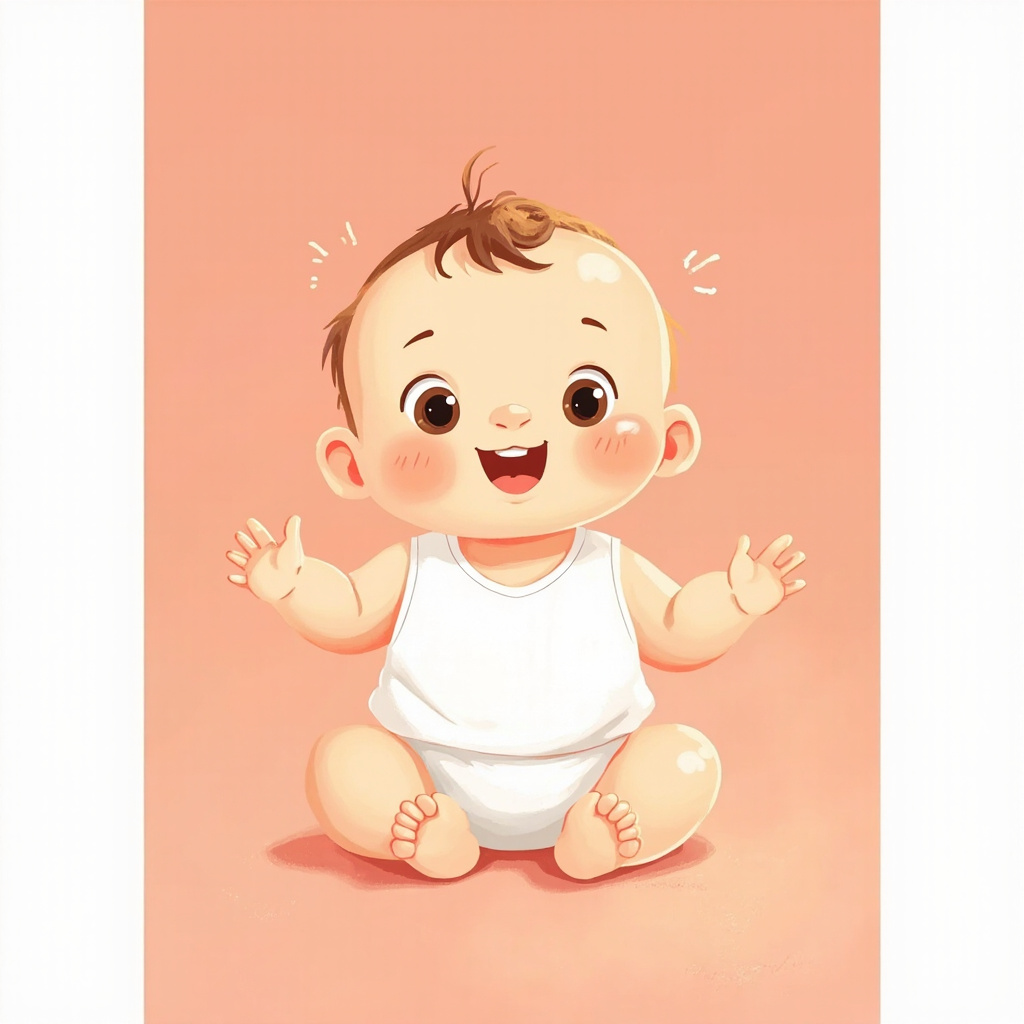
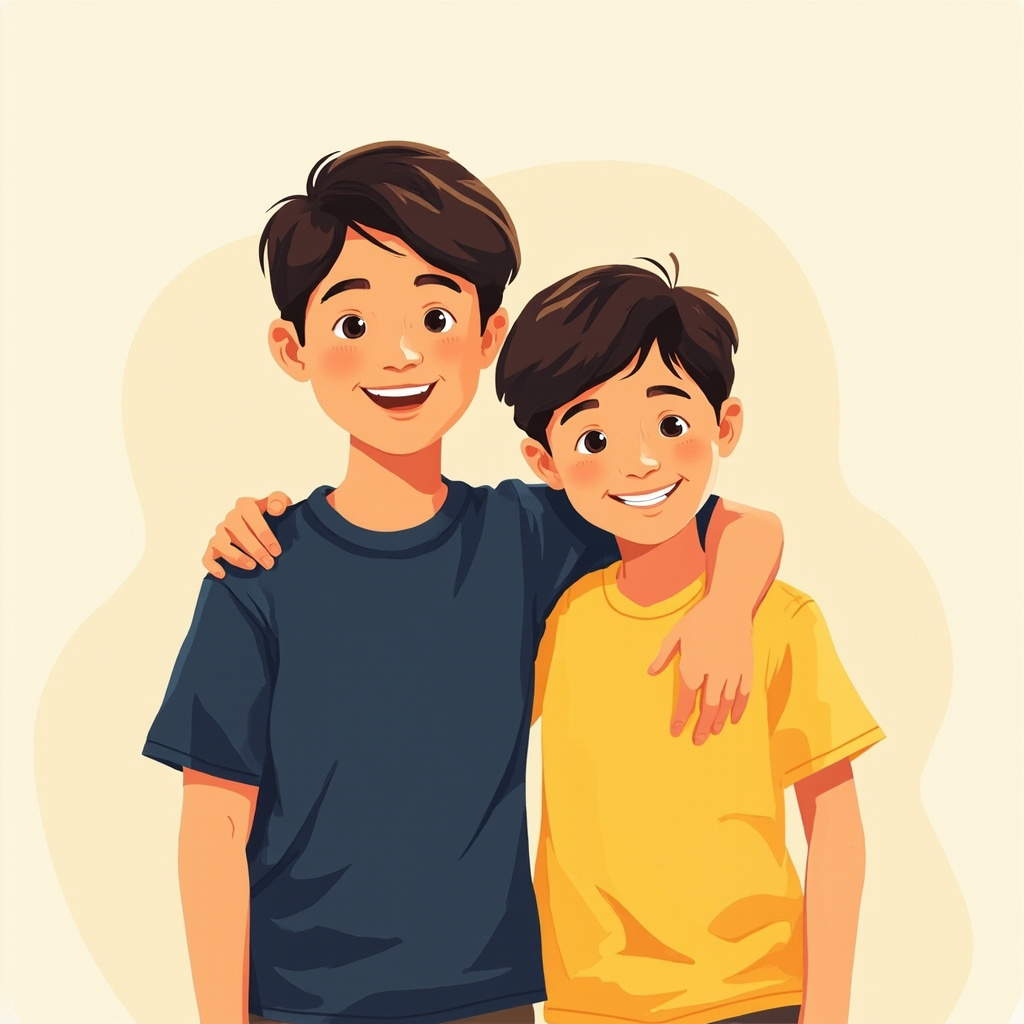
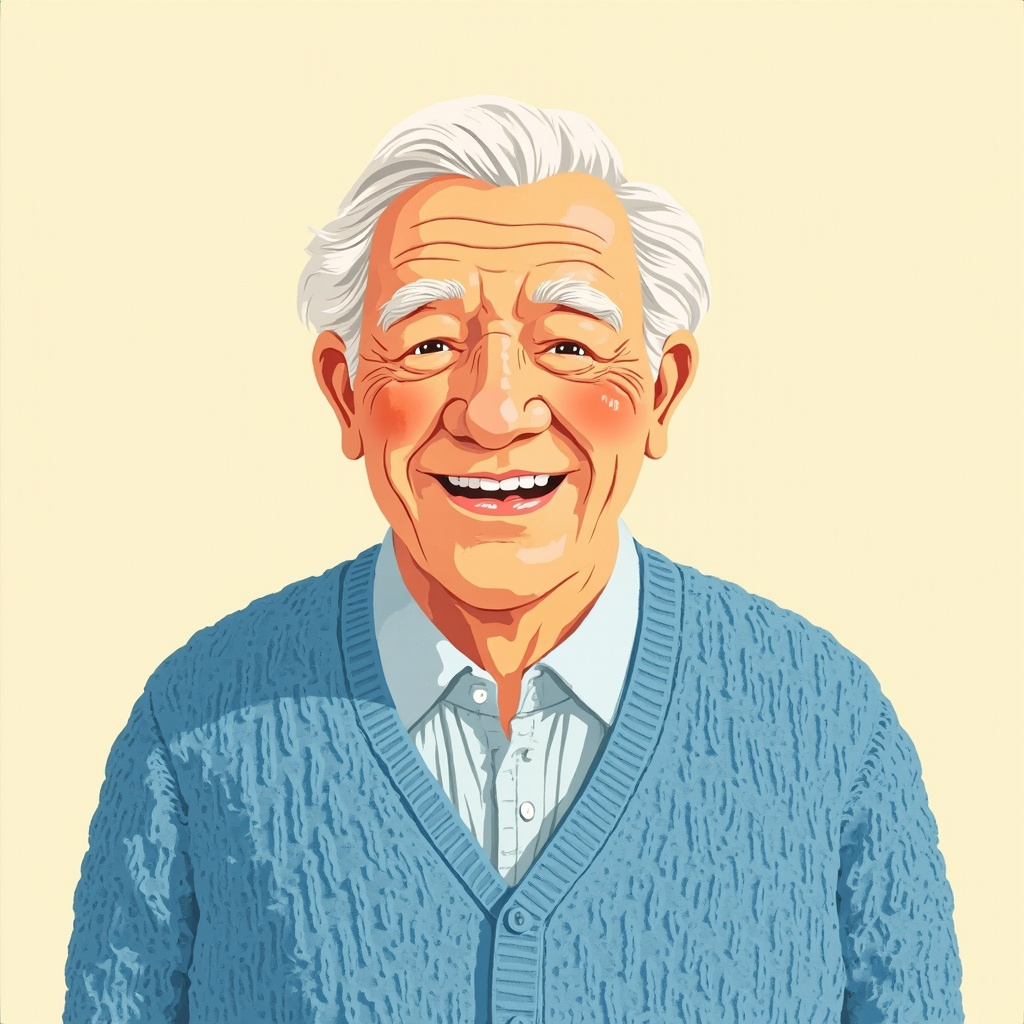
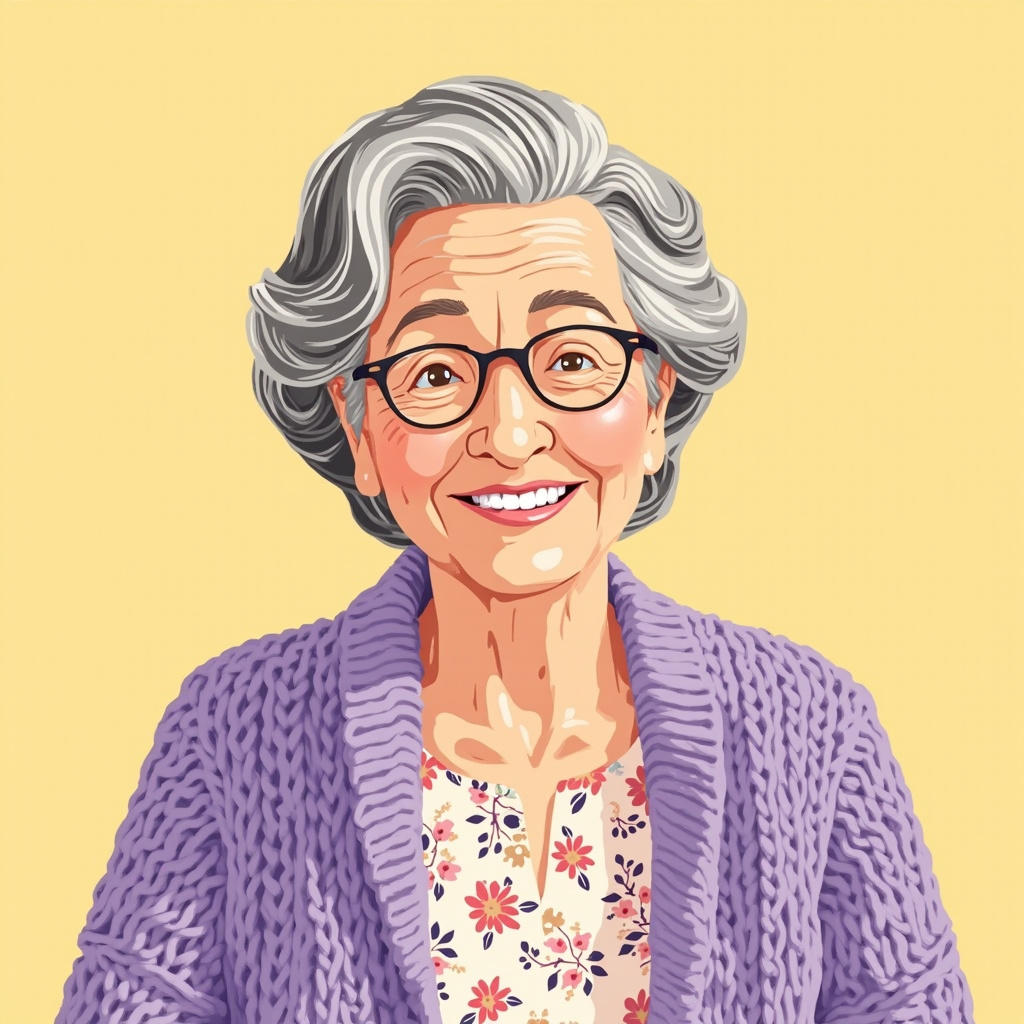
This lesson is about family.Family is the people you live with — your mother, father, sisters, brothers, and grandparents. We talk about our family every day in English, so these words are very important.
Look at the table below. It has 8 important words for family. Read each example carefully. The example shows you how the word works in a real English sentence.
Many of the examples use I have or My + family word. For example, My mother is a teacher and I have one sister. In the next part, we will use these words with have and has to talk about families.
Family words:
Word
Type
Example
mother
noun
My mother is a teacher.
father
noun
His father is very kind.
sister
noun
I have one sister.
brother
noun
She has a babybrother.
baby
noun
The baby is sleeping.
grandmother
noun
My grandmother is 70.
grandfather
noun
His grandfather lives far away.
family
noun
I love my family very much.
After you learn these words, you can name the people in your family in English. You can also say how many brothers or sisters you have.
كلمات العيلة بالإنجليزي
في الدرس ده هنتعلم ٨ كلمات مهمة عن العيلة. كلهم أسماء (nouns)، يعني بيوصفوا أشخاص أو حاجة. الكلمات دي هتساعدك تتكلم عن أمك وأبوك وإخواتك وجدودك بأبسط طريقة.
الكلمات الأساسية
mother = أم (الماما)
father = أب (البابا)
sister = أخت
brother = أخ
baby = طفل رضيع / بيبي
grandmother = جدة (ماما الكبيرة)
grandfather = جد (بابا الكبير)
family = عائلة / عيلة
إزاي تستخدمهم في جمل؟
أغلب الجمل بتبقى على شكل من اتنين:
I have + family word → معناها "عندي / معايا". مثال: I have one sister — معايا أخت واحدة.
My + family word → معناها "بتاعي / اللي ليا". مثال: My mother is a teacher — أمي مدرّسة.
لو بتتكلم عن حد تاني، بنستخدم His (بتاعه) أو Her (بتاعتها)، وكمان بنستخدم has بدل have. مثال: She has a baby brother — عندها أخ صغير.
أمثلة من الحياة
My mother is a teacher — أمي مدرّسة.
His father is very kind — أبوه طيب جداً.
My grandmother is 70 — جدتي عندها سبعين سنة.
His grandfather lives far away — جدّه عايش بعيد.
The baby is sleeping — البيبي نايم.
نصيحة مهمة
لما تتكلم عن حد من عيلتك، دايماً حط My قبل الكلمة. مثال: My sister, My brother, My family. ده بيفهم اللي قدامك إن ده حد قريب منك.
الجملة اللي لازم تحفظها
"I love my family very much" — أنا بحب عيلتي جداً. جملة بسيطة وجميلة، تقدر تقولها لما حد يسألك عن عيلتك أو تعرفه بنفسك.
Learn these 8 family words.
babyˈbeɪbi
A very young human, typically from birth to a few years old.
brotherˈbrʌð.ər
a man or boy with the same parents as another person :
a man who is a member of the same group as you or who s
familyˈfæm.əl.i
a group of people who are related to each other, such as a mother , a father , and their children :
the childr
fatherˈfɑː.ðər
a male parent :
(the title of) a Christian priest , especially a Roman Catholic or Orthodox priest :
a name fo
grandfatherˈɡræn.fɑː.ðər
the father of a person's mother or father :
grandmotherˈɡræn.mʌð.ər
the mother of a person's father or mother :
motherˈmʌð.ər
a female parent :
the title of a woman who is in charge of, or who has a high rank within, a convent (= house
sisterˈsɪs.tər
a girl or woman who has the same parents as another person :
a girl or woman who treats you in the kind way th
Required
Match each English word to its English meaning.
Match each English word to its English meaning.
mother
father
sister
brother
baby
grandmother
grandfather
family
the female parent
the male parent
a girl in your family
a boy in your family
a very young child
your parent's mother
your parent's father
parents, children, grandparents together
I love my family very much.
Listen to this model sentence with the word 'family'.
Required
Who is the sentence about?
a baby
a grandmother
a father
Required
Which word means 'the mother of your mother or father'?