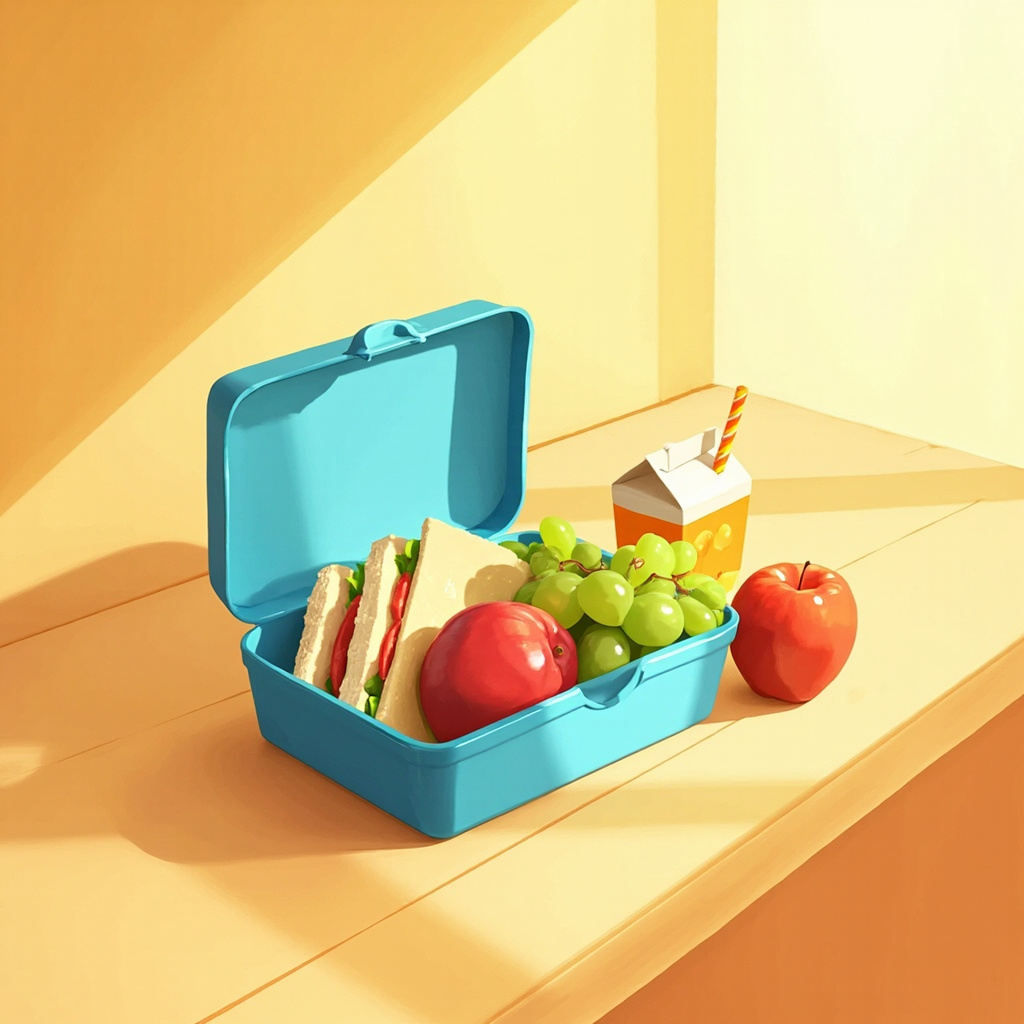
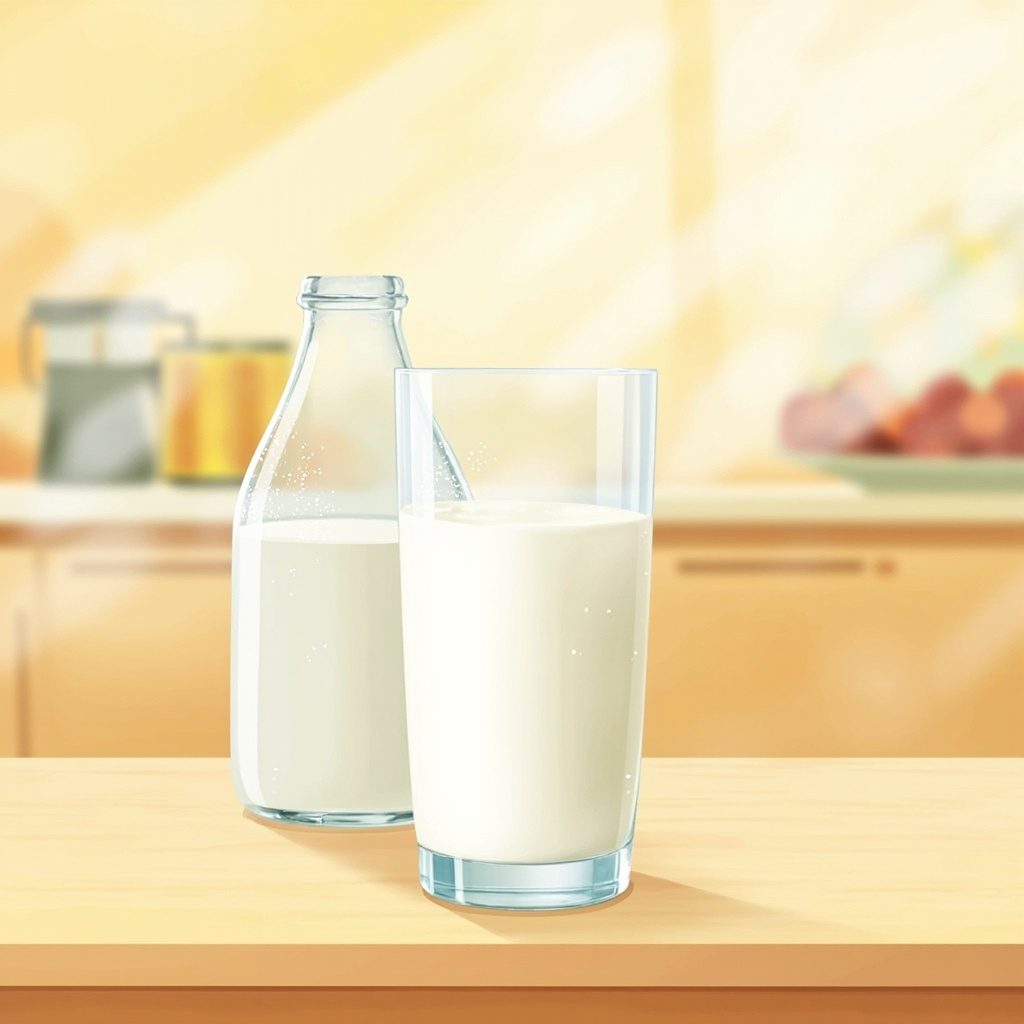
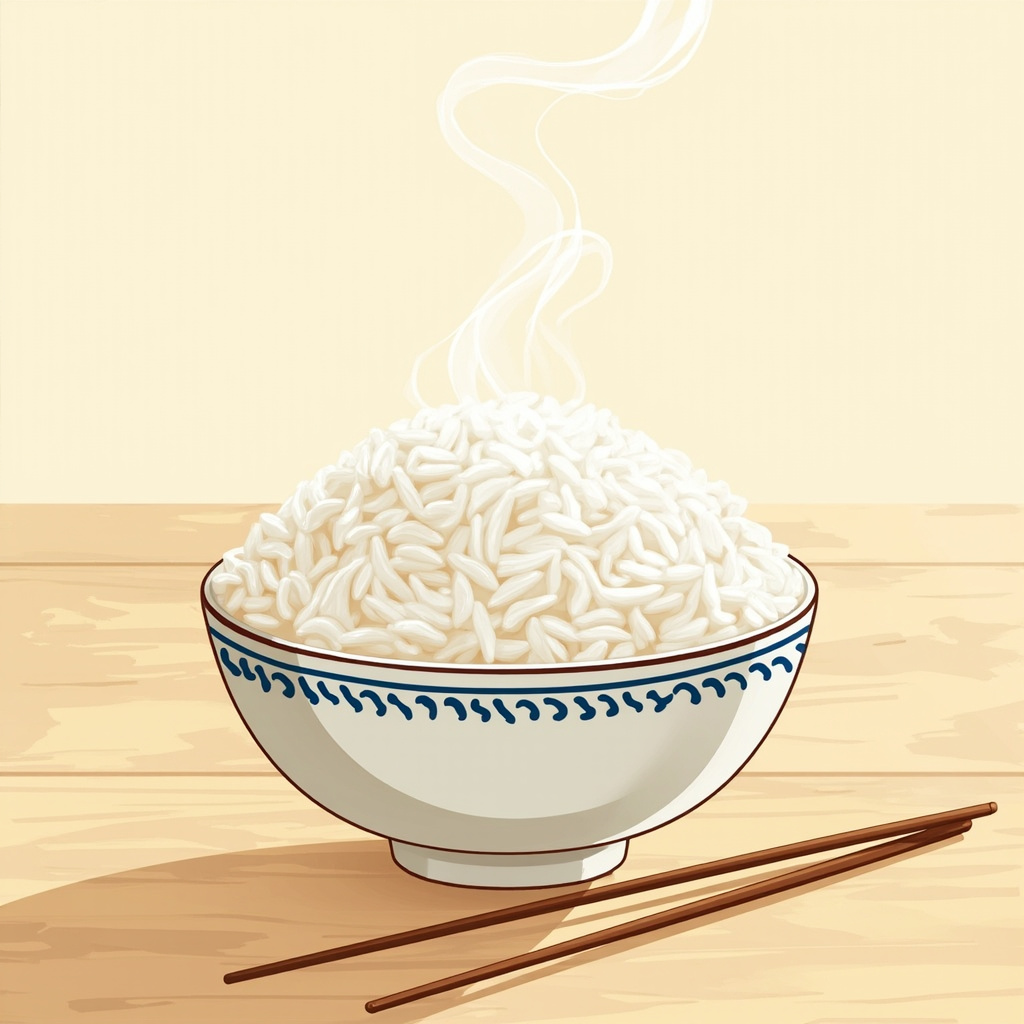
We use different words to talk about quantity (how much of something). This is important in English because much, many, and a lot of all mean "a large amount," but we use them in different places.
Look at the table below.much goes with uncountable nouns like water, rice, sugar, bread, and milk. These are things we cannot count one by one.many goes with countable nouns like eggs, apples, and oranges. We can count these.a lot of (or lots of) works with both kinds of nouns, but English usually prefers it in positive sentences.
Word
Use with
Example
much
uncountable (questions/negatives)
How muchrice? / I don't have muchrice.
many
countable (questions/negatives)
How manyeggs? / I don't have manyeggs.
a lot of
both (positive sentences)
I have a lot ofbread. / There are a lot of apples.
We often use much and many in questions and negatives. In positive sentences, English usually prefers a lot of. So we say I have a lot of rice, not I have much rice.
الكلام عن الكميات في الإنجليزي: much و many و a lot of
في الإنجليزي فيه 3 كلمات بيستخدموا لما عايز تقول "كتير" أو "قد إيه" من حاجة معينة: much، many، و a lot of. التلاتة معاهم نفس المعنى تقريبا، بس بيستخدموا في أماكن مختلفة، وده بيحير المتعلمين الجداد.
الفرق الأساسي: Countable vs Uncountable
عشان تفهم القاعدة، لازم تعرف إن في الإنجليزي فيه نوعين من الأسماء:
Uncountable nouns (أسماء مش بنعدها واحدة واحدة): زي water، rice، sugar، bread، milk. دي حاجات لو حاولت تعدها بتبقى غريبة، فبنقول "a lot of rice" مش "three rices".
Countable nouns (أسماء بنقدر نعدها): زي eggs، apples، oranges. دي بنقولها one apple، two apples، three apples عادي.
امتى تستخدم كل واحدة؟
many → بتتحط مع الأسماء المعدودة (countable): many eggs، many apples، many people
much → بتتحط مع الأسماء الغير معدودة (uncountable): much rice، much water، much sugar
a lot of (ولو عايز كاجوال أكتر، lots of) → بتشتغل مع الاتنين: a lot of bread، a lot of apples، lots of rice
القاعدة الذهبية: Positive vs Negative/Question
دي أهم حاجة في الدرس ده. في الإنجليزي:
في الجمل الإيجابية (positive sentences)، الإنجليزي بيفضل a lot of جدا. فبنقول: I eat a lot of bread for breakfast. مش بنقول I eat much bread في الكلام العادي، ده بيعتبر غلط.
في الأسئلة والنفي (questions and negatives)، بييجي دور much و many:
How much rice do you want? (سؤال)
I don't have much rice. (نفي)
How many eggs do you want? (سؤال)
I don't have many eggs. (نفي)
نصيحة للحفظ
اسأل نفسك: هل أقدر أحط رقم قدام الاسم؟ لو أيوه (one egg، two apples)، يبقى countable وأقدر استخدم many أو a lot of. لو لأ (one rice مش منطقي)، يبقى uncountable وأستخدم much أو a lot of.
الخلاصة في جملة واحدة: في الكلام العادي الإيجابي استخدم a lot of مع أي حاجة، وفي الأسئلة والنفي ارجع لـ much للغير معدودة و many للمعدودة.
I eat a lot of bread for breakfast.
Notice 'a lot of' is in a positive sentence.
How much rice do you want?
Notice 'How much' is in a question, and rice is uncountable.
Required
Look at the two sentences above. In positive sentences, we use ___ to talk about a big quantity.
much
many
a lot of
Required
___ water do you drink every day?
How much
How many
How a lot of
Required
I don't have ___ eggs.
Required
We use 'many' with water.
Water is uncountable. We use 'much' with water, not 'many'.
Required
Put the words in order to make a sentence.
I
don't
have
much
sugar
Required
Drag the right word (much / many / a lot of) into each sentence.
a lot of
much
many
a lot of
I drink milk every morning.
How apples do you want?
We don't have rice.
There are oranges on the table.
Listening
Listening
5
cards
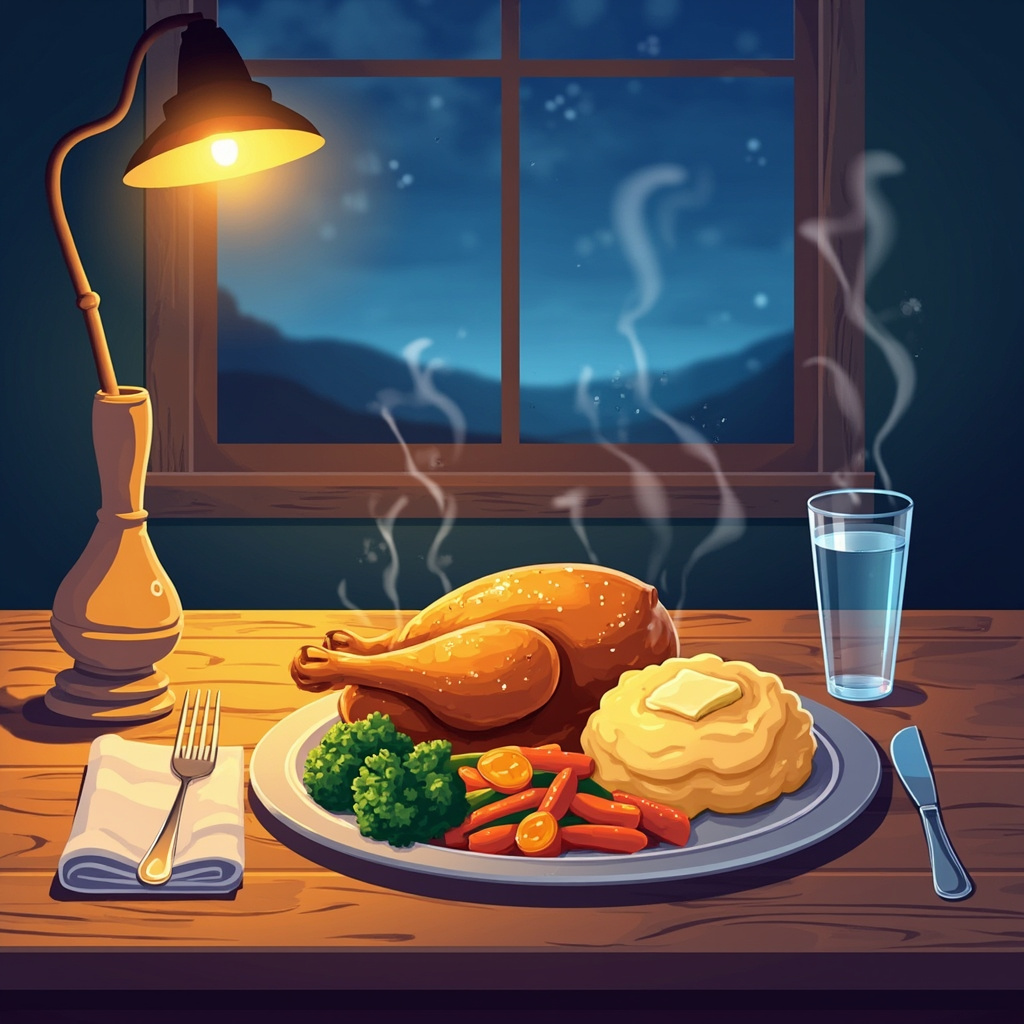
Anna and Tom are at home. It is dinner time. They are at the table, and they are looking at the food. They talk about how much rice there is, how many eggs there are, and if there is water for the meal. They also talk about sugar in the water.
Before you listen, think: What is on your table at dinner? Do you have rice, bread, eggs, or something else? This is a good time to think about meal words.
In the conversation, Anna and Tom use much, many, and a lot of. Listen for these words. They will help you answer the questions. Remember: much with uncountable, many with countable, a lot of in positive sentences.
Listen to the conversation carefully. You will hear it one time. Then answer three questions about it.
في الدرس ده هنتعلم إزاي نتكلم عن الأكل اللي على السفرة باستخدام ثلاث كلمات مهمة جداً: much و many و a lot of. الجونالوج بين آنا وتوم بيحصل في البيت وقت العشا، وهما قاعدين على الطاولة بيتكلموا عن الأكل الموجود.
الفرق بين much و many:
much بنستخدمها مع الأسماء اللي مش بنقدر نعدها، يعني الحاجات اللي مالهاش عدد معين أو بتتوزن بالكيلو أو بالملعقة، زي rice و water و sugar و bread. مثلاً: How much rice is there? يعني قد إيه أرز موجود؟
many بنستخدمها مع الأسماء اللي بنقدر نعدها واحدة واحدة، زي eggs و plates و cups. مثلاً: How many eggs? يعني كام بيضة؟
طب و a lot of؟
a lot of بنستخدمها في الجمل الإيجابية مع النوعين، سواء countable أو uncountable. في الجونالوج آنا بتقول There is a lot of rice — يعني فيه أرز كتير. وكمان بتقول There are many eggs too — يعني فيه بيض كتير برضو.
جمل تانية مفيدة من الجونالوج:
Dinner is ready! — العشا جاهز.
What do we have? — عندنا إيه؟
Let's eat! — يلا ناكل!
I am very hungry. — أنا جعان جداً.
نصيحة للحفظ: لما تيجي تتكلم عن الأكل في البيت، اسأل نفسك الأول: الحاجة دي بتتعد ولا لأ؟ لو بتتعد زي البيض استخدم many أو a lot of. لو مش بتتعد زي الأرز أو السكر استخدم much أو a lot of. القاعدة دي هتساعدك في كل مرة تتكلم فيها عن الأكل.
Anna and Tom are at the dinner table at home. Listen to their conversation about the food.
A
AnnaTom, dinner is ready!
T
TomGreat! What do we have?
A
AnnaWe have rice, bread, and eggs.
T
TomHow much rice is there?
A
AnnaThere is a lot of rice. There are many eggs too.
T
TomHow many eggs?
A
AnnaThere are six eggs. Let's eat!
T
TomPerfect. I am very hungry.
Required
What is the conversation about? (GIST)
Work and school
Dinner at home
Sports at the park
Required
There is a lot of rice on the table.
Anna says 'There is a lot of rice.'
Required
There are ___ eggs on the table.
Pronunciation
Pronunciation
6
cards
The /l/ sound is in many English words. It is similar to the Arabic letter "ل," but the position of the tongue is a little different.
To make /l/, put the tip of your tongue behind your top front teeth. Let the air come out the sides of your mouth. The mouth is open. The voice is on - the sound is loud.
When /l/ is at the beginning of a word, like lemon or lunch, the tongue moves quickly. When /l/ is at the end of a word, like milk or salad, the tongue stays up at the top of the mouth, and the back of the tongue goes down. This is sometimes called the "dark L."
Words with the /l/ sound:
lunch /lʌntʃ/
milk /mɪlk/
lemon /ˈlɛmən/
salad /ˈsæləd/
lettuce /ˈlɛtɪs/
jelly /ˈdʒɛli/
Many Arabic speakers mix /l/ and /r/. Listen carefully to the difference. The /l/ sound uses the tongue tip at the top. The /r/ sound uses the tongue further back.
صوت الـ /l/ في الإنجليزي
الـ /l/ ده صوت أساسي في الإنجليزي، وبيظهر في كلمات كتير بنستخدمها كل يوم، خصوصاً لما بنتكلم عن الأكل. تخيل إنك بتطلب lunch (غدا) في مطعم، أو بتشرب كوباية milk (لبن) مع salad (سلطة) فيها lettuce (خس) و lemon (ليمون) - كل الكلمات دي فيها صوت الـ /l/.
إزاي بتعمل الصوت ده بفيزيائي؟
عشان تنطق الـ /l/ صح، لازم تعمل الحركات دي:
حط طرف لسانك (مش وسطه) ورا سنانك الأمامية العلوية، يعني ملامس للثة من فوق
سيب الهوا يعدي من جنبَي بقك، مش من النص في المنتصف
بقك يفضل مفتوح بشكل طبيعي
الـ vocal cords بتكون شغالة (الصوت جهوري وواضح مش همس)
فرق مهم: الـ /l/ في أول الكلمة ولا في آخرها
لما الـ /l/ تبقى في أول الكلمة زي lemon أو lettuce، لسانك بيتحرك بسرعة لفوق وبيعمل نغمة واضحة. لكن لما تبقى في آخر الكلمة زي milk أو jelly، الموضوع بيتغير شوية:
طرف اللسان بيفضل فوق، ملامس للثة
باقي اللسان (الجزء اللي ورا) بينزل لتحت
ده اللي علماء الأصوات بيسموه أحياناً "dark L"
الكلمات اللي هنتمرن عليها في الدرس
في درسنا عن الأكل، الـ /l/ بيظهر في:
lunch /lʌntʃ/ - الغدا
milk /mɪlk/ - اللبن
lemon /ˈlɛmən/ - الليمون
salad /ˈsæləd/ - السلطة
lettuce /ˈlɛtɪs/ - الخس
jelly /ˈdʒɛli/ - الجيلي
غلطة شائعة لازم تاخد بالك منها
من أكتر المشاكل إن الناطقين بالعربي بيخلطوا بين الـ /l/ والـ /r/. الفرق الجوهري:
الصوت
مكان اللسان
/l/
طرف اللسان فوق، ملامس للثة
/r/
اللسان أبعد ورا، مش بيلمس الأسنان
لما تقول lemon وتلاقي نفسك بتقولها remon شبه العربي، يبقى لسانك رجع ورا. ركز إن طرف اللسان هو اللي بيشتغل في الـ /l/، مش الجزء اللي ورا منه. اسمع التسجيل كويس وكرر ورا المتحدث.
Put the tip of your tongue behind your top teeth. Let air come out the sides of your mouth. The voice is on. This is the /l/ sound. Now listen to the example: 'lunch'.
Required
Which word do you hear? /l/ or /r/?
long
wrong
Required
Read this word. Put your tongue tip behind your top teeth. /l/
lunch
Required
Read this word. The /l/ is at the end - keep your tongue up. /l/
milk
Required
Read this short phrase. Two /l/ sounds: 'a lot of miLK'.
a lot of milk
Speaking
Speaking
7
cards
Today we practice ordering food at a restaurant. We use much, many, and a lot of at the table and at restaurants.
Here are some useful phrases:
English
What do you have?
How much rice?
How many eggs?
Can I have some water, please?
I don't want much sugar.
I want a lot of bread, please.
Look at the phrases. We use How much with rice, water, and bread (these are uncountable). We use How many with eggs (countable). We use a lot of when we want a big amount of something.
After the model dialogue, you will record two phrases. Listen to the waiter carefully. Then you will have a real conversation with the waiter. Be ready to ask about portions and amounts!
القسم ده بيتكلم عن طلب الأكل في مطعم بالإنجليزي، وال focus الأساسي بتاعه هو على ثلاث كلمات مهمة: much، many، و a lot of. خلينا نشرحهم واحد واحد.
الموقف: أنت جالس في مطعم صغير، والجرسون (waiter) بييجي يسألك عايز تاكل إيه. المطلوب منك إنك ترد عليه وتطلب الأكل وتسأل عن الكميات.
How much و How many — إيه الفرق؟
How much بنستخدمها مع الحاجات اللي مش بنقدر نعدها (uncountable nouns)، زي الرز، والمية، والسكر، والخبز.
How much rice? (كام أرز؟)
How much water? (كام مية؟)
How much sugar? (كام سكر؟)
How many بنستخدمها مع الحاجات اللي بنقدر نعدها واحدة واحدة (countable nouns)، زي البيض، والتفاح، والصحون.
How many eggs? (كام بيضة؟)
How many apples? (كام تفاحة؟)
القاعدة السهلة: لو تقدر تعد الحاجة على صوابعك، استخدم how many. لو لأ، استخدم how much.
A lot of — لما عايز كمية كبيرة
A lot of معناها "كثيراً من" وبنستخدمها لما نطلب كمية كبيرة من حاجة، سواء كانت countable أو uncountable. الجملة النموذجية في القسم بتقول: "I want a lot of rice, please." لاحظ إنها بتيجي بعد الفعل want وعلى طول قبل الـ noun.
I want a lot of rice, please. (أنا عايز أرز كتير، لو سمحت.)
I want a lot of bread, please. (أنا عايز خبز كتير، لو سمحت.)
مثال من المحادثة
الـ waiter بيقول: "How much rice?" وده سؤال عن كمية أرز مش عدد، عشان الأرز uncountable. وأنت بترد: "A lot of rice, please." يعني عايز كمية كبيرة.
بعدين الـ waiter بيقول: "We have many eggs." لاحظ many مع eggs لأنها countable.
نصيحة للتدريب
لما تتكلم مع الـ AI، حاول:
تسأل عن الكميات بـ how much أو how many صح.
تستخدم a lot of لما عايز تطلب كتير.
تقول please في الآخر عشان الكلام يكون مؤدب.
اتدرب كويس وهتلاقي نفسك بتطلب في مطعم حقيقي بثقة!
A waiter and a customer in a small restaurant. Watch the model conversation.
W
WaiterHello! What do you want to eat?
S
SaraI want rice, please.
W
WaiterHow much rice?
S
SaraA lot of rice. And how many eggs do you have?
W
WaiterWe have many eggs. Two or six.
S
SaraI want two eggs, please.
I want a lot of rice, please.
Notice: 'a lot of' is in a positive sentence, with uncountable 'rice'.
Required
Read this question aloud. The answer will be a big amount.
How much rice do you want?
Required
Read this sentence aloud. Notice 'much' is in a negative sentence.
I don't want much sugar.
Required
You are at a restaurant. The waiter is ready to take your order. Order rice, eggs, and water. Ask 'How much rice?' and 'How many eggs?' Say how much you want with 'a lot of', 'much', or 'many'.
Required
Vocabulary
Vocabulary
6
cards
Today we learn eight common words about meals. We use these words every day when we talk about food and drink.
Three words are the names of meals: breakfast (the morning meal), lunch (the middle of the day), and dinner (the evening meal).
Some words are countable - we can count them: eggs (two eggs, many eggs). Other words are uncountable - we cannot count them one by one: water, bread, rice, milk. We say "some water" or "much water."
Word
Type
Example
breakfast
noun
I have bread for breakfast.
lunch
noun
We eat rice at lunch.
dinner
noun
My family has dinner at 7.
water
noun
I drink a lot of water.
bread
noun
There is bread on the table.
rice
noun
The rice is hot.
eggs
noun
I eat two eggs in the morning.
milk
noun
She drinks milk every day.
Look at the table. The word "rice" is uncountable, so we say "How muchrice?" not "How many rice?"
الكلام عن الأكل والوجبات - ٨ كلمات لازم تعرفهم
الدرس ده فيه ٨ كلمات أساسية عن الأكل والمشروبات، وهنقسهم لجزئين: أسماء الوجبات والأكل والمشروبات نفسها.
أولاً: أسماء الوجبات التلاتة
breakfast = فطور - الوجبة اللي بتاكلها الصبح
lunch = غداء - وجبة نص النهار
dinner = عشاء - وجبة بالليل
لما تتكلم عن أي وجبة، استخدم الفعل have كده:
"I have bread for breakfast" (أنا باكل خبز في الفطور)
"My family has dinner at 7" (أهلنا بياكلوا العشاء الساعة ٧)
٢) Uncountable (مش معدودة) - اللي مش بنقدر نعدها واحدة واحدة. زي water و bread و rice و milk:
❌ مش هتقول "two milks" أبداً - دي غلط
❌ مش هتقول "a water" - دي غلط
✅ بتقول: "some water" (شوية مية) أو "a glass of water" (كوباية مية)
✅ بتقول: "some bread" أو "a piece of bread" (قطعة خبز)
القاعدة الذهبية في السؤال
مع الـ countable بتسأل: How many? (كام؟)
مع الـ uncountable بتسأل: How much? (قد إيه؟)
مثلا ❌ "How many rice?" - غلط كبير! ✅ الصح: "How much rice?" (قد إيه الرز؟)
مثال كامل من الدرس
"I have a lot of bread for breakfast, and I drink milk too."
لاحظ هنا استخدمنا a lot of مع bread لأنها uncountable، واستخدمنا drink مع milk لأن اللبن بنشربه مش بناكله. لو بدل milk كنت قلت eggs هتقول eat (آكل): "I eat two eggs in the morning."
Meet the meal words. Read each word and listen to the sound.
breadbred
a food made from flour , water , and usually yeast , mixed together and baked :
breakfastˈbrekfəst
The first meal of the day, usually eaten in the morning.
dinner
the main meal of the day, usually eaten in the evening.
eggsɛɡz
Eggs are oval-shaped objects with shells, produced by female birds such as chickens, commonly eaten as food.
lunch
the meal you eat in the middle of the day.
milkmɪlk
A white liquid produced by female mammals to feed their young, especially cows, used as food by humans.
riceraɪs
A cereal grain that is cooked and eaten as a staple food in many countries, especially in Asia.
waterˈwɔː.tər
a clear liquid , without colour or taste , that falls from the sky as rain and is necessary for animal and pla
Required
Match each meal word to its meaning.
Match each meal word to its meaning.
the morning meal
the middle-of-day meal
the evening meal
the white drink from cows
small white grains we cook
round food from chickens
breakfast
lunch
dinner
milk
rice
eggs
I have a lot of bread for breakfast, and I drink milk too.