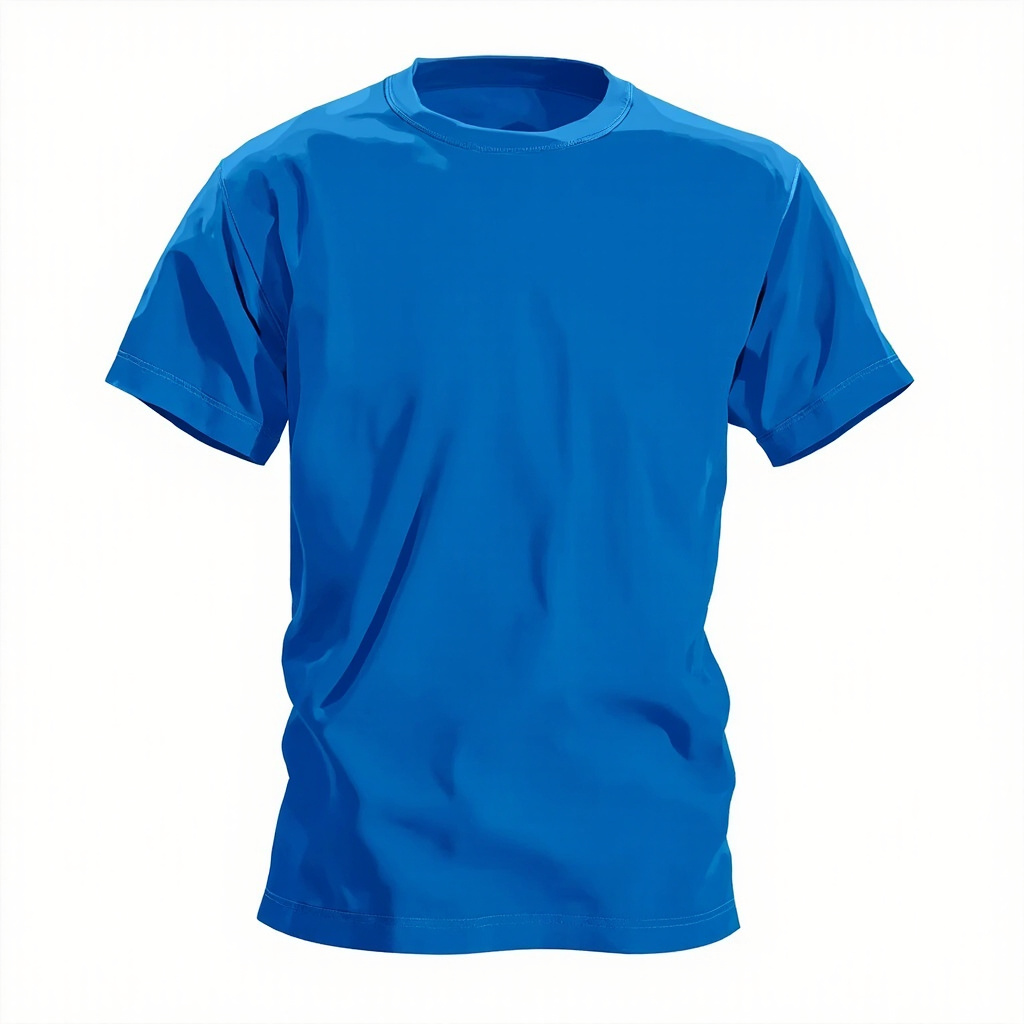
We use the present continuous to talk about what is happening now. We also use it to describe what someone is wearing at this moment. The form is: subject + am/is/are + verb-ing.
For clothes, we often use the verb wearing. We say: She is wearing a red dress. This means she has a red dress on her body right now.
Look at the table. The verb be (am, is, are) changes with the subject.
Subject
Be
Wearing
Clothes
I
am
wearing
a shirt
You
are
wearing
jeans
He
is
wearing
a hat
She
is
wearing
a dress
We
are
wearing
jackets
They
are
wearing
shoes
Important rules:
With he, she, or a name, use is.
With I, use am.
With you, we, they, use are.
To make a question, put am/is/are before the subject: What is she wearing? To make a negative, add not after am/is/are: She is not wearing a hat.
Now look at the examples and notice the pattern. Then practice the rule.
القاعدة: إزاي توصف الهدوم اللي لابسها حد دلوقتي
النهارده هندرس قاعدة جميلة في الإنجليزي اسمها Present Continuous أو المضارع المستمر. بنستخدمها لما نحكي عن حاجة بتحصل دلوقتي أو النهارده، خصوصاً لو عايزين نوصف الهدوم اللي حد لابسها في اللحظة دي.
شكل الجملة
القاعدة بسيطة جداً:
Subject + am / is / are + verb-ing + the clothes
يعني الفاعل + am أو is أو are + الفعل + ing + الهدوم.
الفعل اللي بنستخدمه دايماً مع الهدوم هو wearing (يعني لابس). فمثلاً لو حد لابس جاكيت أسود النهارده، بتقول: He is wearing a black jacket today.
تصريف to be حسب الفاعل
الكلمة am أو is أو are بتتغير حسب مين الفاعل:
I (أنا) → I am wearing a shirt.
You (إنت / إنتي) → You are wearing jeans.
He / She (هو / هي) → He is wearing a hat. / She is wearing a red dress.
We (إحنا) → We are wearing jackets.
They (هم) → They are wearing shoes.
إزاي تعمل سؤال؟
عشان تسأل عن الهدوم، حط am / is / areقبل الفاعل:
What are you wearing to the party? (إنت لابس إيه الحفلة؟)
What is she wearing today? (هي لابسة إيه النهارده؟)
إزاي تعمل نفي؟
حط not بعد am / is / are:
She is not wearing a hat. (هي مش لابسة طاقية.)
They are not wearing jackets. (هم مش لابسين جواكت.)
ركز على الحاجات دي في التمارين
اختار am أو is أو are صح على حسب الفاعل. مع he و she واسم واحد بنستخدم is، ومع I بنستخدم am، ومع you و we و they بنستخدم are.
متحذفش wearing، لأنها هي اللي بتدل إنك بتتكلم عن هدوم.
الجملة لازم تبقى عن اللحظة دي، مش عن عادة. يعني مش هتقول I wear a shirt، هتقول I am wearing a shirt.
يلا بينا نطبق في التمارين!
He is wearing a black jacket today.
Example 1: A man with a black jacket.
What are you wearing to the party?
Example 2: A question about clothes.
Required
Look at the two examples above. What word comes right after the subject?
am/is/are
wearing
a / an
Required
She ___ wearing a red dress.
Required
They ___ wearing blue jeans.
Required
Choose the correct sentence.
He are wearing a hat.
He is wearing a hat.
He am wearing a hat.
Required
We say: 'I are wearing a jacket.'
With 'I', we use 'am', not 'are'. The correct sentence is 'I am wearing a jacket.'
Required
Put the words in order to make a sentence.
She
is
wearing
a
white
t-shirt
Required
Complete each sentence. Drag the correct form of 'be' to the gap.
are
is
are
am
I wearing new shoes today.
They wearing black jackets.
He wearing a blue hat.
We wearing jeans to school.
Listening
Listening
5
cards
In this section, you listen to a conversation at a party. Two friends, Emma and Tom, are at a celebration. They look at people around them and describe their clothes.
Before you listen: What do you think they are talking about? Are they talking about the food? The music? Or are they talking about what people are wearing? Picture people in nice clothes at a party.
Listen carefully. You will hear words like wearing, dress, shirt, jacket, hat. These are all words for clothes. You will also hear colors: red, blue, black.
Try to remember three things:
What is the girl wearing?
What is the man wearing?
What do Emma and Tom say about each other?
Listen to the dialogue two times if you need to. Then answer the questions.
وصف الهدوم – شرح المحادثة
في الدرس ده بنسمع Emma و Tom في حفلة. الاتنين بيبصوا للناس حواليهم وبيدّوا رأيهم في الهدوم. المحادثة دي بسيطة بس فيها شوية قواعد مهمة في الإنجليزي.
القاعدة الأساسية: is wearing
لما تتكلم عن هدوم حد لابسها دلوقتي بالظبط، بنستخدم المضارع المستمر "is wearing". شوف:
She is wearing a beautiful red dress
He is wearing a big hat
I am wearing my new jeans
لاحظ إن الـ -ing بتيجي بعد الفعل wear.
ترتيب الصفة قبل الاسم
في الإنجليزي الصفة بتتيجي قبل الاسم، مش بعده. عشان كده بنقول:
a red dress (مش a dress red)
a black jacket
a blue shirt
black shoes
a big hat
الهدوم والألوان اللي ظهرت
الهدوم:
dress – فستان
shirt – قميص
jacket – جاكت
hat – طاقية
jeans – بنطلون جينز
shoes – جزم
الألوان:
red أحمر، blue أزرق، black أسود
عبارات ذكية في المحادثة
"Look at that girl over there" – بصي للبنت اللي هناك. كلمة over there معناها "هناك بعيد".
"The one in the red dress?" – يعني "اللي لابسة الفستان الأحمر؟". بنستخدم the one in + الهدوم عشان نحدد شخص من غير ما نقول اسمه.
"Who is that man next to her?" – مين الراجل اللي جنبها؟ next to معناها "جنب".
"I like your new jeans" – بحب الجينز الجديد بتاعك. your معناها "بتاعك"، و new قبل الاسم زي ما قلنا.
نصيحة للاستماع
لما تسمع، ركّز على:
الألوان والهدوم
مين لابس إيه
آخر جزء: Tom و Emma بيغبطوا بعض على هدومهم
Emma and Tom are at a party. They are looking at people and describing their clothes.
E
EmmaHi Tom! Do you like the party?
T
TomYes! Look at that girl over there.
E
EmmaThe one in the red dress?
T
TomYes! She is wearing a beautiful red dress and black shoes.
E
EmmaShe looks great. Who is that man next to her?
T
TomThe man in the black jacket? He is wearing a big hat too.
E
EmmaI like your blue shirt, Tom.
T
TomThanks, Emma! And I like your new jeans.
Required
What is the conversation mainly about?
The food at the party
The clothes people are wearing
Music at the party
Required
What color is the girl's dress?
blue
red
black
Required
The man ___ wearing a black jacket and a big hat.
Pronunciation
Pronunciation
6
cards
Today we learn the -ing sound. Many words in this lesson end with -ing: wearing, talking, looking, walking. The sound is /ɪŋ/. The /ŋ/ is a special sound at the end.
How do you make the /ŋ/ sound?
Open your mouth a little.
Put the back of your tongue up against the soft palate (the soft part at the back of the top of your mouth).
Let the air come out through your nose, not your mouth.
Do not use your voice. It is a quiet sound.
Try it: say sing or ring. Feel the back of your tongue touch the top of your mouth. The air comes out your nose.
Listen to the difference:
sin /sɪn/ — the tongue stays low, air comes out the mouth.
sing /sɪŋ/ — the tongue goes up at the back, air comes out the nose.
Words with -ing from our lesson: wearing, looking, talking, walking, eating, sitting. In all of them, the -ing ends with the /ŋ/ sound, not /n/.
النطق بتاع "-ing"
في الدرس ده هنتعلم صوت مهم جدًا في اللغة الإنجليزية، وهو الصوت اللي بيسمع في آخر كلمات كتير زي wearing وlooking وtalking وwalking. كل الكلمات دي بتنتهي بصوت اسمه /ɪŋ/، وده الصوت اللي لازم تتعلمه كويس.
طب إيه هو صوت /ŋ/ ده؟
ده صوت أنفي (nasal) بيشبه حرف النون "ن" بس مختلف شوية. عشان تعمله صح، محتاج تعمل الخطوات دي:
افتح بقك شوية بسيط
ارفع آخر لسانك (يعني الجزء اللي ورا) وخليه يلمس السقف الناعم اللي في آخر سقف بقك من جوه، وده اسمه soft palate
سيب الهوا يطلع من أنفك، مش من بقك
خلي صوتك هادي، ما تستخدمش الحبال الصوتية بتاعتك
جرّب كده!
قول كلمة sing أو ring ببطء. حاسس إن آخر لسانك بيرفع وبيلمس سقف بقك من جوه؟ والهوا بيطلع من أنفك؟ ده بالظبط صوت الـ /ŋ/.
الفرق بين /n/ و/ŋ/:
كتير من اللي بيتعلموا إنجليزي بيخلطوا بين الصوتين، وده طبيعي. تعالوا نشوف الفرق:
في كلمة sin (/sɪn/): اللسان بيفضل واطي في بقك، والهوا بيطلع من بقك عادي
في كلمة sing (/sɪŋ/): اللسان بيرفع ورا وبيلمس سقف بقك، والهوا بيطلع من أنفك
حاول دلوقتي تنطق الاتنين ورا بعض: sin... sing. حسيت بالفرق؟
كلمات من الدرس بتنتهي بـ /ɪŋ/:
wearing — لابس / لابسة
looking — بيبص / بتبص
talking — بيتكلم / بتتكلم
walking — بيمشي / بتمشي
eating — بياكل / بتاكل
sitting — قاعد / قاعدة
في كل الكلمات دي، "-ing" بتنطق /ɪŋ/ مش /ɪn/. لاحظ إن فيه ناس بتنطقها "إن" بدل "ينج"، وده غلط. الإصدار بتاع "-ing" لازم يكون فيه صوت الـ /ŋ/ في الآخر.
نصيحة أخيرة:
لما توصل للتمارين اللي تحت، ركز على حركتين بس: ارفع آخر لسانك، وسيب الهوا يطلع من أنفك. ابدأ بالكلمات البسيطة زي sing و ring، وبعدين انتقل للجمل الكاملة من الدرس.
To make /ŋ/: put the back of your tongue against your soft palate. Let the air go out through your nose. Try: 'sing', 'ring', 'wearing'.
Required
Listen carefully. Your friend is talking about a song. What word do you hear?
sin
sing
Required
Say the word 'wearing' out loud. Focus on the /ŋ/ sound at the end.
wearing
Required
Read the sentence out loud. Pay attention to the -ing ending.
She is wearing a red dress.
Required
Read the sentence out loud. Listen to the -ing at the end of 'wearing'.
They are wearing new hats.
Reading
Reading
6
cards
In this section, you read a short text about a family getting ready for a party. The strategy is skimming: read the text quickly to get the main idea. Do not stop at every word. Just look for the big picture.
Strategy: Skimming
When you skim, you:
Read the first and last sentences.
Look for names, colors, and clothes.
Ask yourself: 'What is this text about?'
Before you read, learn these key words:
party — a celebration (حفلة)
outfit — a set of clothes (طقم ملابس)
ready — prepared (مستعد)
birthday — the day you were born (عيد ميلاد)
Now skim the text. Do not read slowly. Just find the main idea and answer the questions.
إيه هو الـ Skimming؟
الـ skimming أو "القراءة السريعة" هي استراتيجية بنستخدمها لما نحب نفهم الـ main idea (الفكرة الرئيسية) من أي نص من غير ما نقف على كل كلمة. فكّر فيها زي لما تكون بتبص على صورة من بعيد — مش بتفصّل كل حاجة، بس بتمسك الصورة الكبيرة.
إزاي تعمل Skimming صح؟
في النص اللي جاي، جرّب الخطوات دي:
ابدأ بالأول والآخر: اقرأ أول جملة وآخر جملة في كل فقرة، دول غالبًا بيقولوا لك إيه الموضوع.
دوّر على الكلمات المميزة: زي أسماء الناس، الألوان زي red وwhite، وأنواع الهدوم زي dress وshirt.
اسأل نفسك: "النص ده بيتكلم عن إيه؟" لو عرفت تجاوب في جملة واحدة، يبقى أنت عملت كده صح.
الكلمات اللي هتقابلك
party — يعني حفلة، زي حفلة عيد ميلاد.
outfit — يعني طقم ملابس كامل، يعني اللبس كله اللي لابسه الشخص.
ready — يعني مستعد أو جاهز، زي ما تقول "I'm ready" قبل ما تنزل من البيت.
birthday — يعني عيد الميلاد.
ليه الـ Skimming مهم؟
في الحياة الواقعية، مش بيبقى عندك وقت تقرأ كل كلمة في رسالة أو إيميل أو مقال. الـ skimming بتدربك على تلتقط المعلومة المهمة بسرعة. في التمرين ده، المطلوب منك بس تفهم إن فيه family بتجهّز نفسها لـ birthday party، وإنهم بيختاروا outfits وبيقولوا لبعض "Are you ready?".
خد وقتك، اقرأ بسرعة، وبعدين جاوب على الأسئلة.
Today is my sister's birthday party. I want to look nice. I am wearing a long blue dress and white shoes. My brother Tom is wearing a black shirt and new jeans. My mother is wearing a yellow hat and a red jacket. My father is wearing a brown jacket and old shoes. We are all ready for the party!
القراءة بتاعتنا النهاردة عن إيه؟
النهاردة عندنا قراءة قصيرة عن عائلة بتجهّز لحفلة عيد ميلاد. كل واحد في العيلة لابس إيه؟ ده اللي هنعرفه من الباساج. القراءة دي مهمة عشان هتدرّبك على الكلام عن الهدوم بالإنجليزي.
الجرامر الأهم: المضارع المستمر (Present Continuous)
في الباساج استخدمنا زمن اسمه المضارع المستمر عشان نوصف حاجة بتحصل دلوقتي أو في وقت معيّن. الصيغة بتاعته سهلة: الفاعل + am/is/are + wearing.
I am wearing (أنا لابس/ة)
He/She is wearing (هو/هي لابس/ة)
We/You/They are wearing (إحنا/إنت/هم لابس/ة)
الفرق بين am و is و are
am بتتجي مع I بس: I am wearing a long blue dress.
is بتتجي مع he, she, it أو اسم واحد: My mother is wearing a yellow hat.
are بتتجي مع you, we, they أو أكتر من واحد: We are all ready.
الهدوم (Clothes vocabulary)
خد بالك من الكلمات دي:
dress = فستان
shirt = قميص
jacket = جاكيت / بالطو
jeans = بنطلون جينز
shoes = جزم / أحذية
hat = طاقية
الألوان (Colors)
في الباساج ظهرت ألوان كتير:
blue أزرق، white أبيض، black أسود، yellow أصفر، red أحمر، brown بني
صفات تانية (Adjectives)
long = طويل
new = جديد
old = قديم
إزاي تقرأ الباساج؟
الأول، اقرأه بسرعة عشان تفهم الفكرة العامة (ده اسمه skimming).
بعدين، لما تيجي تجاوب على الأسئلة، ارجع واقرا الجزء اللي محتاجه بس (ده اسمه scanning).
مش لازم تفهم كل كلمة، المهم تلاقي المعلومة اللي بتدوّر عليها. ركّز على الألوان والهدوم عشان هي دي اللي هييجي عليها أسئلة أكيد.
Required
What is the text mainly about?
The food at the party
The clothes the family is wearing
A school day
Required
The writer is wearing a red dress.
The writer is wearing a blue dress, not red.
Required
Tom is wearing a black shirt.
The text says: 'My brother Tom is wearing a black shirt and new jeans.'
Required
What color is the mother's hat?
red
yellow
blue
Speaking
Speaking
7
cards
Now you speak English! In this section, you describe what you are wearing today. You also ask a friend about their clothes. Use the present continuous: I am wearing...
Here are useful phrases for the conversation:
I am wearing a/an... — أنا أرتدي...
What are you wearing? — ماذا ترتدي؟
I like your... — يعجبني...
You look great! — تبدو رائعاً!
What color is it? — ما لونه؟
Listen to the model conversation. Tom and Emma ask and answer about their clothes. They use the present continuous. Then you will have a similar conversation with the AI.
Remember: speak clearly and use the new words. You can use the model phrases to help you. Don't worry about mistakes — just try!
وصف الهدوم - اتكلم عن اللبس بتاعك
في الجزء ده هنتعلم إزاي نتكلم بالإنجليزي عن الهدوم اللي لابسها دلوقتي. هنستخدم زمن اسمه Present Continuous أو المضارع المستمر، وده الزمن اللي بنستخدمه لما عايزين نوصف حاجة بتحصل في اللحظة دي، زي اللبس اللي علينا.
القاعدة الأساسية
الجملة في الزمن ده بتتكون من: الفاعل (I, you, he...) + am / is / are + الفعل + ing. لما نتكلم عن نفسنا بنقول I am wearing يعني "أنا لابس" أو "أنا مرتدي".
مثال:
I am wearing a blue shirt (أنا لابس قميص أزرق)
I am wearing new jeans (أنا لابس جينز جديد)
كلمات مهمة عن الهدوم
shirt = قميص
dress = فستان
jeans = جينز
shoes = أحذية
pants = بنطلون
skirt = جيب
hat = قبعة
jacket = جاكيت
الألوان بالإنجليزي
red = أحمر
blue = أزرق
black = أسود
white = أبيض
green = أخضر
yellow = أصفر
brown = بني
جمل هتحتاجها في المحادثة
لو عايز تقول إيه اللي لابسه:
I am wearing a red dress and white shoes. (أنا لاسة فستان أحمر وأحذية بيضا)
I am wearing a blue shirt and jeans. (أنا لابس قميص أزرق وجينز)
لو عايز تسأل حد:
What are you wearing today? (إيه اللي لابسه النهارده؟)
What color is it? (إيه لونه؟)
Are you ready for the party? (جاهز/ة للحفلة؟)
لو عايز تمدح صاحبك:
I like your shirt. (القميص بتاعك عاجبني)
You look great! (شكلك رائع!)
مثال كامل من المحادثة
تخيل إنك بتقابل صاحبك قبل الحفلة:
Tom: Hi Emma! Are you ready for the party?
Emma: Yes! I am wearing a red dress and black shoes.
Tom: Nice! I am wearing a blue shirt and jeans.
Emma: I like your shirt. You look great!
Tom: Thanks! What color is your dress?
Emma: It is red. My favorite color!
نصيحة مهمة
ركّز على حاجتين: am بتيجي بعد I بس، والفعل دايماً بياخد -ing في الآخر. تمرّن على الجمل دي بصوت عالي قبل ما تتكلم مع الـ AI. ومتقلقش من الغلط، كل مرة بتتكلم بتتعلم أكتر!
Tom and Emma are getting ready for a party. They are asking about each other's clothes.
T
TomHi Emma! Are you ready for the party?
E
EmmaYes! I am wearing a red dress and black shoes.
T
TomNice! I am wearing a blue shirt and jeans.
E
EmmaI like your shirt. You look great!
T
TomThanks! What color is your dress?
E
EmmaIt is red. My favorite color!
I am wearing a blue shirt and new jeans today.
A model sentence. Use this structure to describe your own clothes.
Required
Read the sentence out loud. Describe a special outfit.
I am wearing a red dress and white shoes.
Required
Ask a friend about their clothes. Read the question out loud.
What are you wearing today?
Required
You are at a party. Tom asks about your clothes. Tell him what you are wearing. Use: 'I am wearing a...' Ask him about his clothes too.
Required
Vocabulary
Vocabulary
6
cards
Today we learn words for clothes. Clothes are things you wear on your body. You wear different clothes every day. At home, you might wear a t-shirt. At work, you might wear a shirt. At a party, you might wear a dress.
Look at the table below. It shows 8 new words for clothes. Each word has a type, a meaning, and an example sentence. Say each word out loud. Try to remember them.
Word
Type
Example
shirt
noun
She wears a blue shirt.
pants
noun
His pants are black.
dress
noun
I like her red dress.
shoes
noun
My shoes are new.
hat
noun
He has a big hat.
jacket
noun
My jacket is warm.
t-shirt
noun
I wear a white t-shirt.
jeans
noun
Her jeans are long.
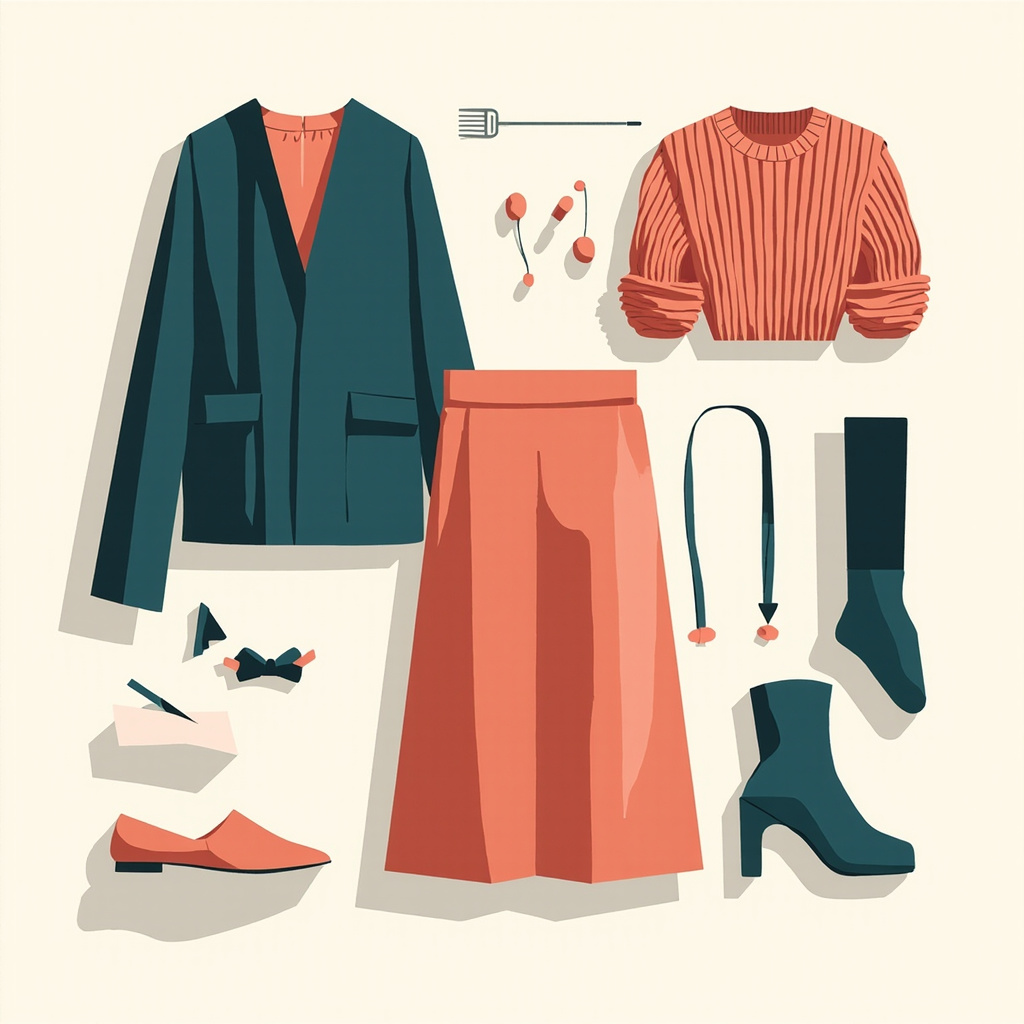
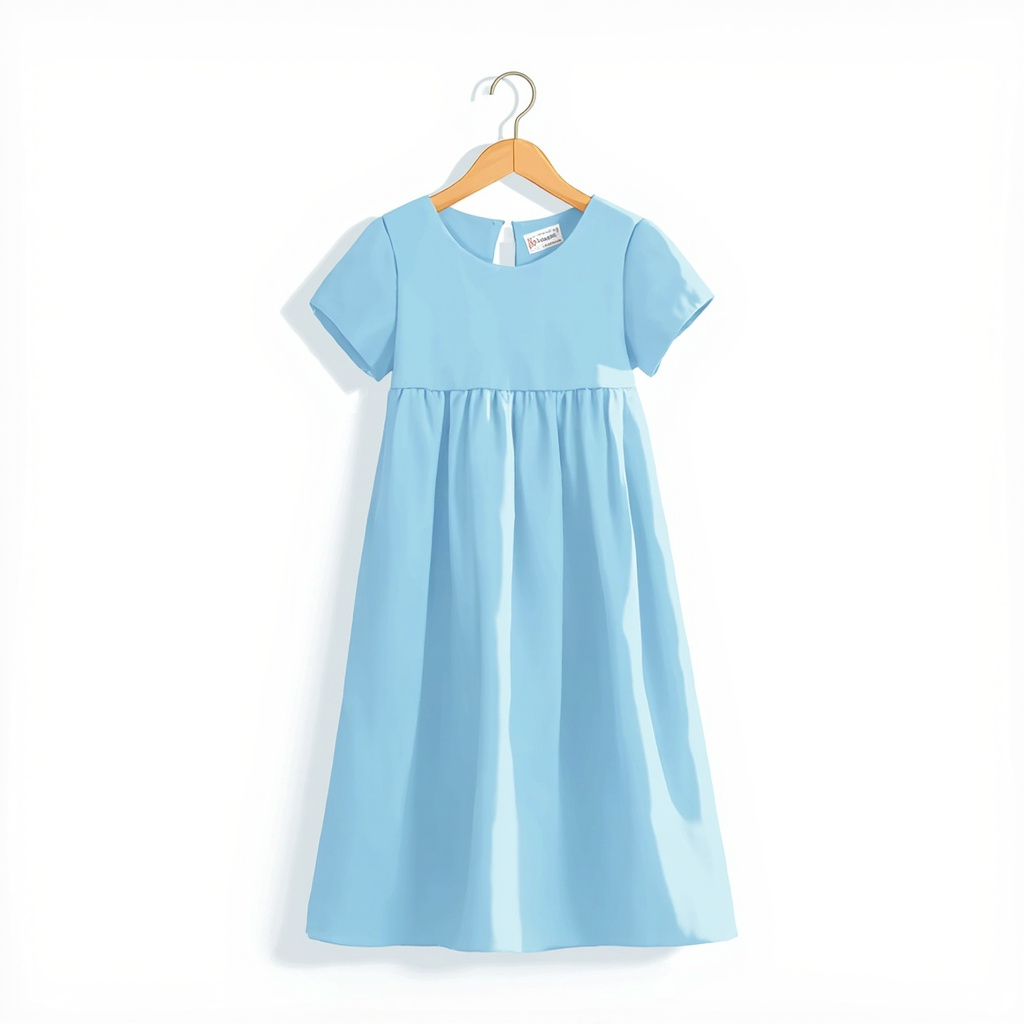
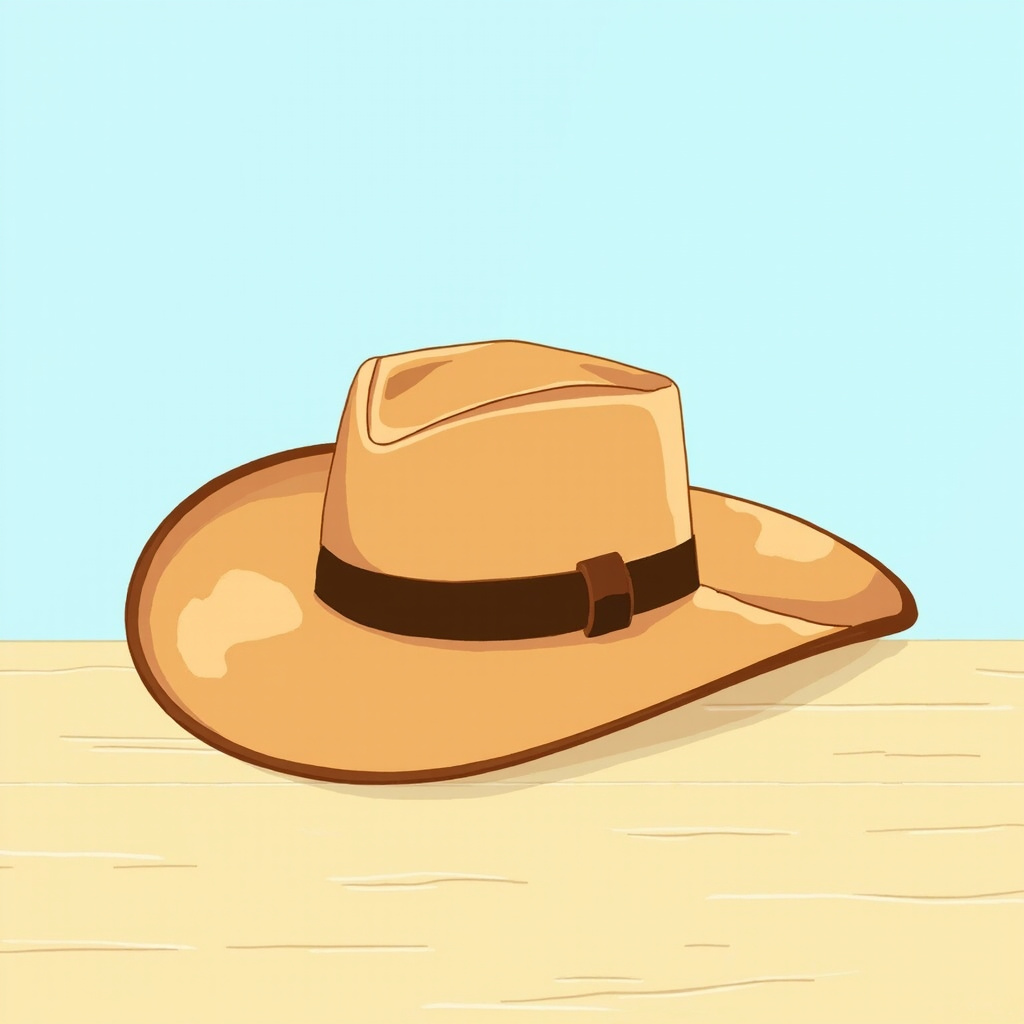
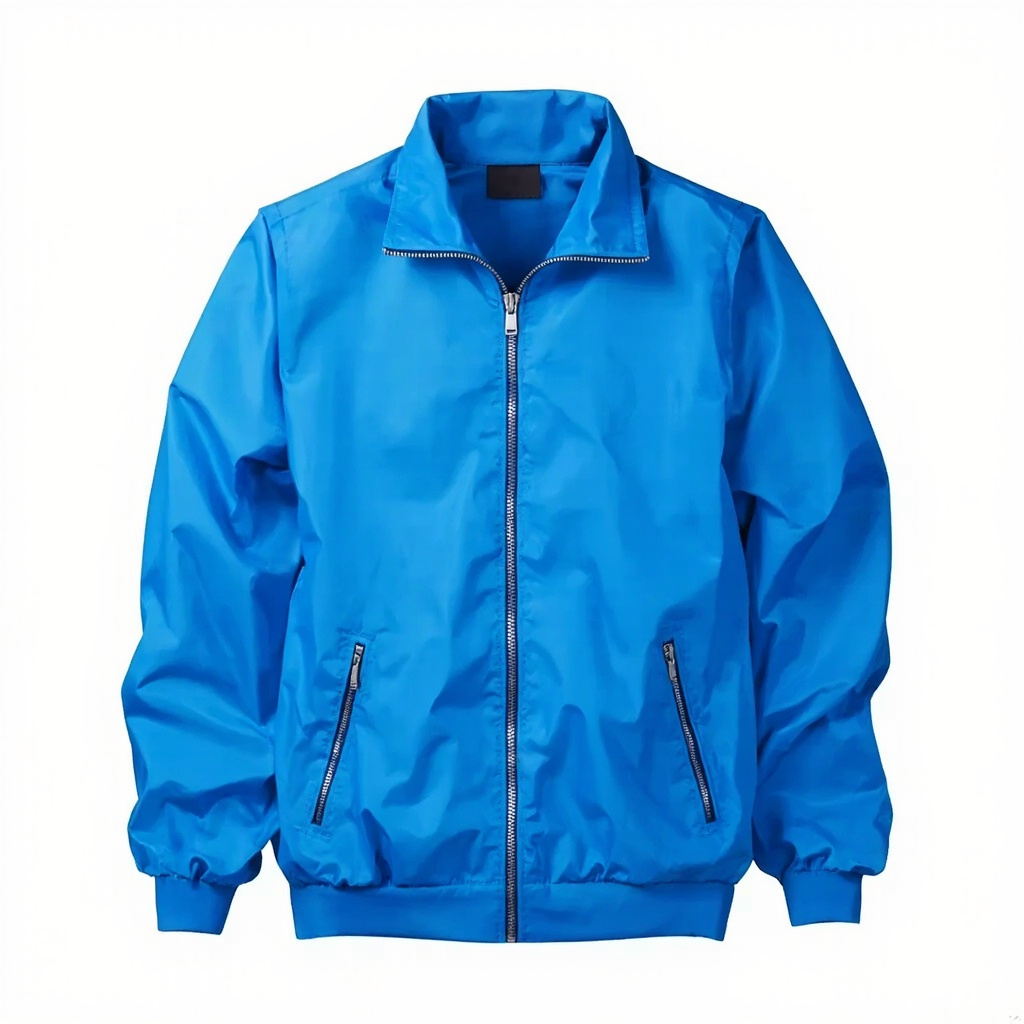
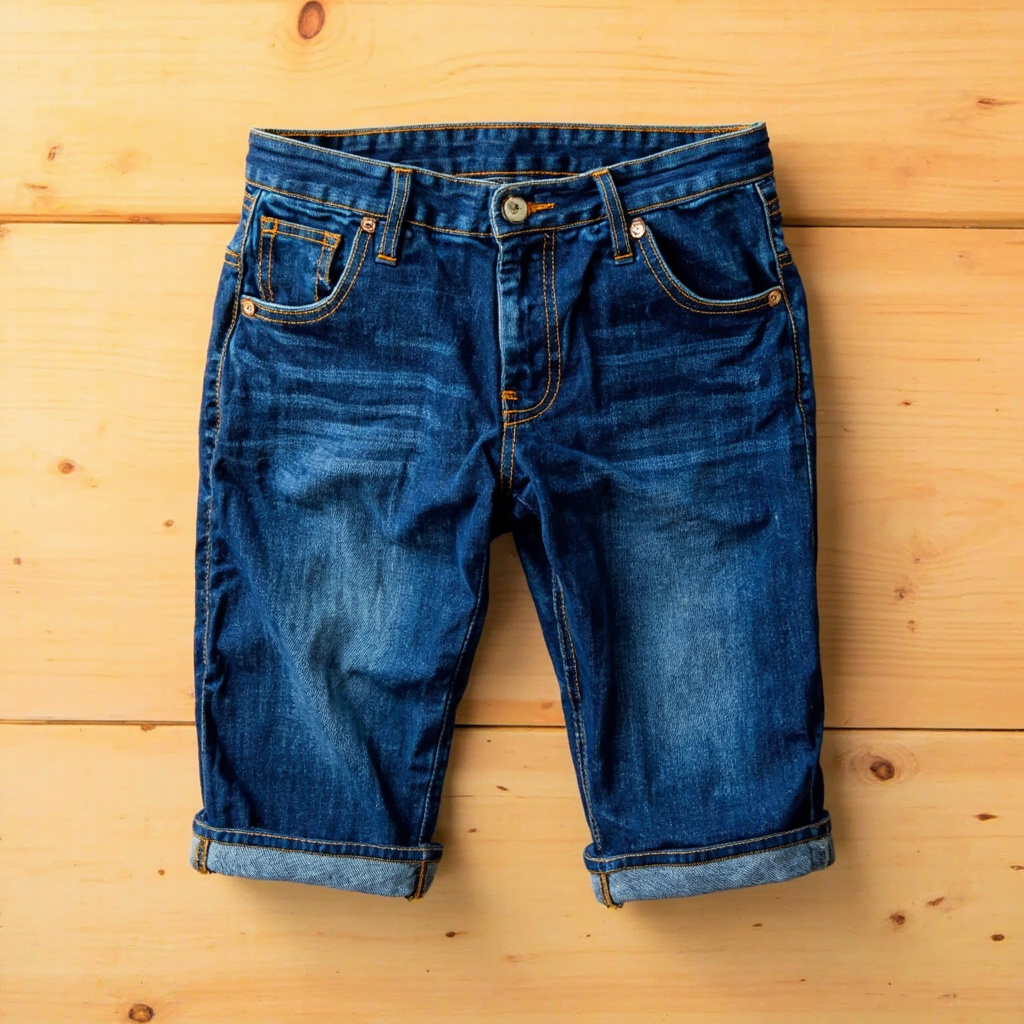
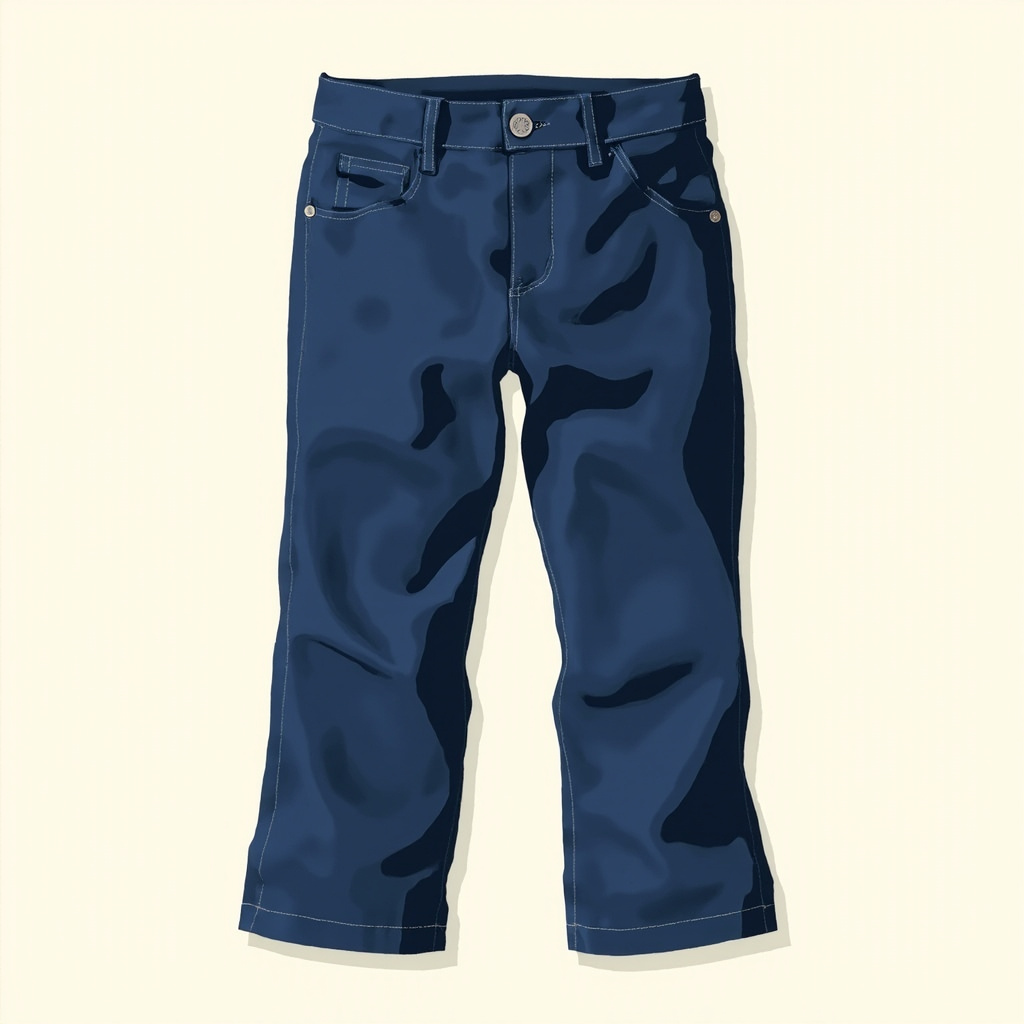
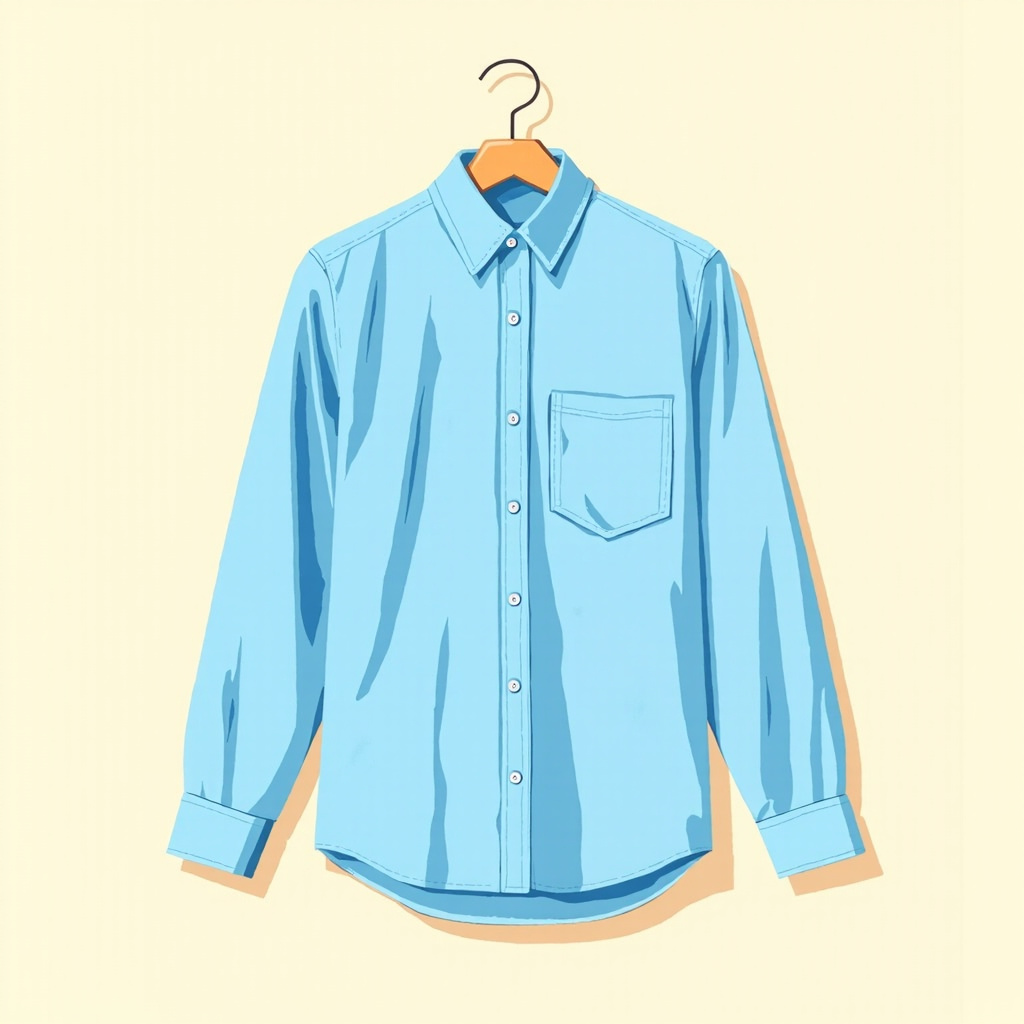
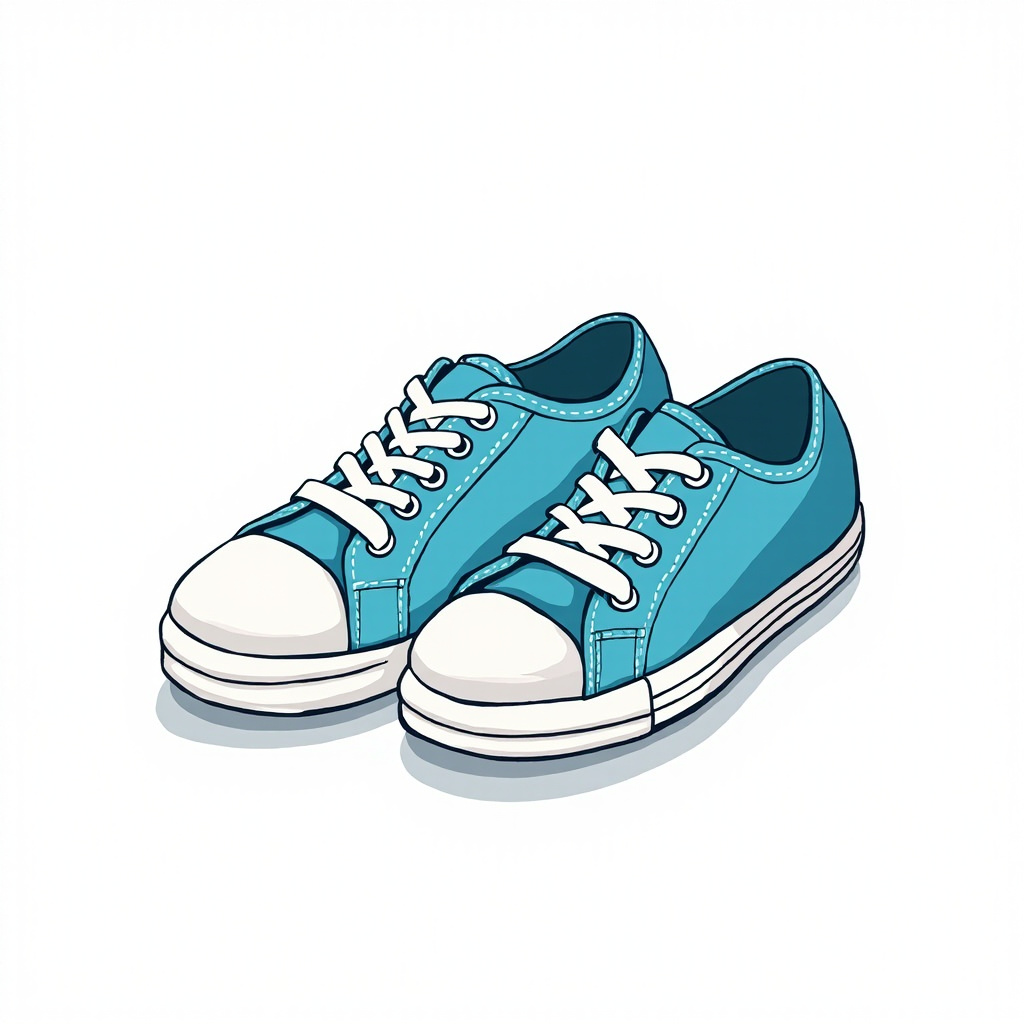
We have different words for different parts of the body. A shirt or t-shirt is for the top.Pants or jeans are for the bottom. A dress is one piece for women.Shoes go on your feet. A hat goes on your head. A jacket is for cold weather.
In the next section, we use these words to talk about what people are wearing right now.
الدرس ده عن الهدوم (clothes) بالإنجليزي. هنتعلم مع بعض ٨ كلمات أساسية بنستخدمها كل يوم لما نتكلم عن اللي بنلبسه. كل الكلمات دي أسماء (nouns) وبتتقال عن الحاجات اللي بنحطها على جسمنا.
تقسيم الهدوم
عشان نفتكرهم بسهولة، هنقسّمهم لمجموعات:
الجزء العلوي (للنص):
shirt = قميص، وده لبس بيكون رسمي شوية أو للمناسبات
t-shirt = تيشيرت، وده لبس كاجوال يومي ومريح
jacket = جاكيت أو سترة، وده لبس تقيل بنلبسه لما الجو بيبقى بارد
الجزء السفلي (للتاني):
pants = بنطلون، وده لبس عادي بنلبسه في الشغل أو الخروج
jeans = جينز، وده بنطلون من القماش الأزرق السميك وكاجوال
dress = فستان، وده لبس كامل للستات والبنات
حاجات تانية:
shoes = أحذية، اللي بنلبسها في رجولنا
hat = قبعة، اللي بنحطها على دماغنا
إزاي نكوّن جملة بالهدوم
في الإنجليزي، لما نتكلم عن حد لابس إيه دلوقتي، بنستخدم فعل wear (يلبس) ومعاه ing-. يعني بنقول:
Subject + is/am/are + wearing + الهدوم
مثال من الدرس:
She is wearing a blue shirt and black jeans today.
(هي لابسة قميص أزرق وجينز أسود النهارده)
جمل تانية على نفس النمط:
I am wearing a white t-shirt. (أنا لابس تيشيرت أبيض)
He is wearing a big hat. (هو لابس قبعة كبيرة)
She is wearing a red dress and white shoes. (هي لابسة فستان أحمر وأحذية بيضا)
حاجة مهمة
لاحظ إن في الإنجليزي بنقول a pair of jeans أو a pair of pants أحياناً، بس في الكلام العادي بنقول jeans و pants عادي. كمان كلمة dress بتيجي بمعنى فستان (ملابس) مش بمعنى يلبس (فعل).
في الجزء الجاي هنتدرب على الجمل دي أكتر عشان نبقى مرتاحين نستخدمها.
Learn these 8 words for clothes. Tap each word to hear it.
dressdres
a piece of clothing that covers the top half of the body and hangs down over the legs , usually worn by women
hathæt
a covering for the head that is not part of a piece of clothing :
used to refer to one of the various jobs or
jacketˈdʒæk.ɪt
a short coat :
→ dust jacket
a cover to protect something:
jeansdʒiːnz
Trousers made of strong blue cotton denim cloth, typically with metal buttons and rivets at the seams.
pantspænts
A garment that covers the body from the waist down, with separate openings for each leg.
shirtʃɜːt
a piece of clothing worn , especially by men, on the upper part of the body , made of light cloth like cotton
shoesʃuːz
Shoes are items of clothing worn on the feet, typically consisting of a sturdy sole and an upper part, used fo
t-shirtˈtiː.ʃɜːt
A casual, short-sleeved shirt with a round neckline, typically made of cotton and worn as informal clothing.
Required
Match each English word to its meaning.
Match each English word to its meaning.
shirt
pants
dress
shoes
hat
jacket
t-shirt
jeans
قميص
بنطال
فستان
أحذية
قبعة
سترة
تيشيرت
جينز
She is wearing a blue shirt and black jeans today.
A model sentence with the new words. Read it and listen.