We use have and has to talk about health problems. We say what we have when something hurts.
I, you, we, and they use have.He, she, and it use has. This is the same rule as in many other sentences with the present simple.
Subject
Word
Example
I
have
I have a headache.
You
have
You have a cold.
We
have
We have a stomachache.
They
have
They have a fever.
He
has
He has a toothache.
She
has
She has a backache.
To make a question, use do with I / you / we / they, and does with he / she / it.
Question
Short answer
Do you have a headache?
Yes, I do. / No, I don't.
Does she have a fever?
Yes, she does. / No, she doesn't.
To make a negative sentence, use don't have or doesn't have.
I don't have a cold.
He doesn't have a fever.
إزاي تقول عندك إيه وجعك بالإنجليزي؟
في الدرس ده هنتعلم قاعدة مهمة جدًا عشان تقدر تتكلم عن جسمك والأوجاع اللي عندك بالإنجليزي. القاعدة بسيطة، بس لازم تركز فيها كويس.
الفعل have وأشكاله
عندنا في الإنجليزي فعل اسمه have ومعناه "عنده" أو "بيكون عنده". بس الفعل ده ليه شكلين مختلفين:
have — لما نتكلم عن نفسنا أو عن أي مجموعة
has — لما نتكلم عن شخص واحد تاني بس
إمتى نستخدم كل واحدة؟
كلمة have بتتكتب مع الضمائر دي:
I (أنا) — I have a headache (أنا عندي صداع)
You (إنت/إنتي) — You have a cold (إنت عندك برد)
We (إحنا) — We have a stomachache (إحنا عندنا وجع في بطننا)
They (هما) — They have a fever (هما عندهم سخونية)
كلمة has بتتكتب مع:
He (هو) — He has a toothache (هو عنده وجع أسنان)
She (هي) — She has a backache (هي عندها وجع ضهر)
It (حاجة/حيوان) — It has a pain
إزاي نسأل سؤال؟
عشان تسأل سؤال عن وجع، بنستخدم do مع I, you, we, they، وبنستخدم does مع he, she, it. خلي بالك إن الـ does فيها حرف s لأن الفاعل مفرد.
Do you have a headache? (إنت عندك صداع؟)
Does she have a fever? (هي عندها سخونية؟)
والرد بيكون قصير جدًا:
Yes, I do. / No, I don't.
Yes, she does. / No, she doesn't.
إزاي نعمل جملة منفية؟
بنضيف don't قبل have لما الفاعل يكون I, you, we, they، وبنضيف doesn't مع he, she, it.
I don't have a cold. (أنا مش عندي برد)
He doesn't have a fever. (هو مش عنده سخونية)
نصيحة للحفظ
أبسط طريقة تفتكر بيها: لو بتتكلم عن نفسك أو ناس كتير، قول have. لو بتتكلم عن شخص واحد تاني، قول has. كده مش هتغلط أبدًا!
I have a headache.
Listen and read. Notice the word after I.
She has a stomachache.
Listen and read. Notice the word after She.
Required
Look at the two sentences above. What word comes after 'I', 'you', 'we', and 'they'?
has
have
having
Required
He ___ a toothache.
Required
They ___ a cold today.
Required
How do you ask your friend about a headache?
Does you have a headache?
Do you have a headache?
Are you have a headache?
Required
She have a backache.
The sentence is wrong. With 'she' we use 'has', not 'have'. The correct sentence is 'She has a backache.'
Required
Put the words in order to make a correct sentence.
she
has
a
toothache
Required
Drag the correct word (have or has) into each sentence.
have
has
has
have
have
I a headache today.
She a stomachache.
He a toothache.
We a backache.
They a cold.
Listening
Listening
5
cards
Tom is not feeling well today. After class, he talks with his friend Emma. They talk about his health.
Before you listen, think: What do you say when a friend is sick? What words do you use to talk about a headache, a stomachache, or a fever?
Now listen to the conversation. Pay attention to what Tom says he has, and what Emma offers to do.
سياق الـ Listening
في الجزء ده هتسمع محادثة قصيرة بين Tom و Emma بعد ما يخلصوا الحصص. Tom مش كويس، و Emma بتسأله وتهتم بيه. المطلوب منك تسمع كويس وتفهم الـ gist (الفكرة العامة) وكمان الـ details (التفاصيل) زي أسماء الأمراض اللي عنده.
الكلمات والعبارات الأساسية
"How are you today?" - سؤال عن الحال، زي "إيه أخبارك النهارده؟" تقريباً، وبتنفع في أي وقت من اليوم.
"I feel sick" - معناها "حاسس إني تعبان / مش كويس". بنستخدمها لما جسمك مش طبيعي خالص.
"I have a headache" - معناها "عندي صداع". كلمة headache دايماً بتيجي بعد have أو has.
"my stomach hurts" - معناها "بطني بتوجعني". hurts يعني "بيوجع" أو "بيألم".
"Do you have a fever?" - يعني "عندك سخونية؟". fever هي السخونية أو ارتفاع درجة حرارة الجسم.
"I think I eat too much" - معناها "أنا فاكر إني أكلت كتير أوي". هنا Tom بيدّي رأيه الشخصي عن سبب تعبه.
القواعد المهمة في الإنجليزي للمرض
في الإنجليزي عندنا طريقتين أساسيتين للتعبير عن المرض:
"I have + المرض": زي I have a headache (عندي صداع) أو I have a fever (عندي سخونية). الـ have هنا زي "عندي" بالعربي.
"My + عضو + hurts": زي my stomach hurts (بطني بتوجعني) أو my head hurts (راسي بتوجعني). هنا الـ 's في my بتشير إن العضو ده بتاعك.
كمان ركّز على "I feel + صفة"، زي I feel sick. بعد feel بنحط adjective (صفة) زي sick, tired, happy, sad.
وأخيراً "I think + جملة" معناها "أنا أعتقد / أنا فاكر"، وبتستخدمها لما تقولهاد رأيك أنت. Tom بيقولها عشان مش متأكد 100% - هو حاسس إنه السبب إنه أكل كتير.
نصيحة للاستماع
أول مرة ركّز على الفكرة العامة بس: مين تعبان وإيه الأعراض. تاني مرة ركّز على التفاصيل - أسماء الأمراض بالظبط، وإيه اللي Emma عرضت عليه في الآخر.
Tom and Emma are talking after class. Tom is not feeling well.
E
EmmaHi Tom! How are you today?
T
TomHi Emma. I'm not fine. I feel sick.
E
EmmaOh no! What's wrong?
T
TomI have a headache. And my stomach hurts.
E
EmmaThat's bad. Do you have a fever?
T
TomNo, I don't. I think I eat too much.
E
EmmaOh! Do you want some water?
T
TomYes, please. Thank you, Emma.
Required
What is wrong with Tom?
He has a headache and a stomachache.
He has a fever and a cold.
He is happy and hungry.
Required
Tom has a fever.
Tom says 'No, I don't' when Emma asks 'Do you have a fever?'. So he does not have a fever.
Required
Emma offers Tom some ___.
Pronunciation
Pronunciation
6
cards
This lesson has the sound /θ/. You find this sound in the body word tooth, and also in think, three, thumb, throat, and bath.
To make the /θ/ sound, follow these steps:
Put the tip of your tongue between your top teeth and bottom teeth.
Push air out through the small gap.
Do not use your voice. Just push air.
You can feel cool air on your tongue.
The /θ/ sound is different from /t/. In /t/, the tongue is behind the top teeth. In /θ/, the tongue is between the teeth. Listen for the air in /θ/.
Example words with /θ/:
think — I think so.
three — I have three pens.
tooth — I have a toothache.
thumb — My thumb hurts.
throat — My throat is sore.
bath — I take a bath at night.
صوت الـ /θ/ في الإنجليزي
النهارده هنعرف إزاي ننطق صوت مهم جدًا في الإنجليزي، وهو صوت الـ /θ/ اللي بيتكتب بالحروف "th" في الكلمات. الصوت ده بيظهر في كلمات كتير زي think و three و tooth و thumb و bath.
إزاي تعمل الصوت ده بلسانك؟
عشان تنطقه صح، محتاج تعمل الخطوات دي بالظبط:
حط طرف لسانك بين أسنانك - يعني لسانك يبقى باين شوية بره بين الأسنان العلوية والسفلية.
اطلع هوا من الفم من الفتحة الصغيرة دي.
مستخدمش صوتك خالص - يعني الصوت ده voiceless أو "سايل". لو حطيت إيدك قدام بقك، هتحس بالهوا طالع.
هتحس ببرودة خفيفة على لسانك كمان.
الفرق بين /θ/ و /t/
كتير من الناس بتخلط بين الصوت ده وصوت الـ /t/ العادية، بس الفرق كبير:
في /t/: طرف لسانك بيكون ورا الأسنان من جوه الفم، والهوا بيتوقف ورا الأسنان.
في /θ/: طرف لسانك بيكون بين الأسنان، باين بره شوية، والهوا بيمر من الجنبين.
أمثلة من كلمات الدرس
من الكلمات اللي اتعلمتها في الجزء بتاع جسم الإنسان:
tooth - زي ما في جملة "I have a toothache" (يعني عندي وجع في ضرس).
three - الرقم تلاتة بالإنجليزي.
thumb - صباع الإبهام.
throat - الزور أو الحلق.
نصيحة للحفظ
لما تنطق الكلمة، ركز على حركة لسانك وحاول قدام مراية لو محتاج تشوف وضع لسانك بنفسك. والأهم: اسمع الأمثلة في التمرين تحت وكرر وراها، عشان ودنك تعتاد على الصوت وتعرف الفرق بينه وبين الـ /t/ العادية.
Put the tip of your tongue between your teeth. Push air out without using your voice. This is the /θ/ sound. You find it in the word 'tooth'.
Required
Which word do you hear?
three
tree
Required
Read this word out loud. Put your tongue between your teeth and push air out.
tooth
Required
Read this sentence out loud. Feel the /θ/ in 'tooth'.
I have a toothache.
Required
Read this number out loud. Keep your tongue between your teeth.
three
Reading
Reading
6
cards
Reading strategy — Skimming. When you skim, you read fast. You do not read every word. You look at the title, the first line, and the last line. You find the main idea. Skimming is good when you want to know what a text is about.
Here are four words to know before you read:
sick (adjective) = not feeling well
hurt (verb) = feel pain
fever (noun) = very high body temperature when you are sick
better (adjective) = more healthy than before
Now read the message from Mia. Skim it first to find the main idea. Then read it again for detail.
استراتيجية القراءة: الـ Skimming (القراءة السريعة)
في الجزء ده من الدرس، هنتعلم مهارة مهمة جداً اسمها skimming أو "القراءة السريعة". الفكرة إنك مش بتقرأ كل كلمة في النص، لأ، انت بتحرك عينيك بسرعة على الصفحة وبتدور على العنوان والجملة الأولى والجملة الأخيرة عشان تاخد الفكرة العامة. فكّر فيها كأنك بتبص على خريطة قبل ما تسافر، عشان تعرف الاتجاه العام مش كل شارع جانبي. وبعد ما تخلص الـ skim، ممكن ترجع تاني مرة وتقرأ بهدوء عشان تفهم التفاصيل.
أربع كلمات أساسية قبل ما تبدأ القراءة:
تخيّل إن صاحبك مش حاسس بنفسه كويس، بنوصف حالته بالصفة sick، ودي معناها "مش في حالته الطبيعية". طيب لو وقع على ركبته وضرب نفسه، الكلمة اللي بتوصف إحساسه بالألم هي hurt، ودي فعل يعني "حاسس بألم". ولما حد يعيّى جسمه وترتفع حرارته بشكل كبير، بنستخدم الاسم fever، ودي يعني "سخونية". ولما ياخد الدواء ويبدأ يتحسن، ممكن نقول عليه: "He is better now"، يعني "بقى أحسن من قبل".
إزاي تقرا رسالة Mia؟
المطلوب منك الأول تعمل skim للرسالة، يعني تمر عليها بعينيك بسرعة عشان تاخد الفكرة العامة. بعدين ترجع تاني مرة وتقرأها بالراحة، وتركز على الكلمات الجديدة في سياقها.
نصيحة صغيرة: حاول تعمل جمل من عندك بالكلمات دي، زي مثلاً:
I have a fever and my head hurts.
I feel better today, thank you.
She is sick and cannot come to work.
كده الكلمات هتفضل في دماغك أكتر وهتستخدمها في كلامك بسهولة.
Read this message from Mia to her friend Sam:
Subject: Not at school today
Hi Sam,
I am not at school today. I am sick. I have a headache and my back hurts. My stomach hurts too. My mom is at home with me. I drink hot water and I eat soup. I want to feel better soon. See you on Monday!
- Mia
Required
What is this message about? (Gist)
Mia is sick at home today.
Mia is at school with Sam.
Mia is on vacation at the beach.
Required
Mia has a headache and a backache.
Mia writes: 'I have a headache and my back hurts.' Headache + backache = pain in the head and in the back.
Required
Mia drinks cold water.
Mia writes: 'I drink hot water'. She drinks hot water, not cold water.
Required
Who is with Mia at home?
Her mom
Her friend Sam
Her teacher
Speaking
Speaking
7
cards
Use these phrases when you talk about your body and your health:
How are you? — ask a friend about their health.
I don't feel well. — say you are sick.
What's wrong? — ask what the problem is.
I have a headache. — say what hurts (use have / has).
My back hurts. — say what hurts (use hurts).
Do you have a ...? — ask a friend about a health problem.
I hope you feel better. — say something kind to a sick friend.
Listen to the model conversation. Then practice the same conversation yourself with the AI.
إزاي تتكلّم عن جسمك وصحتك بالإنجليزي
في الدرس ده هنتعلم جمل بسيطة بتستخدمها في الموقف اللي بتمرض فيه أو صاحبك بيمرض. الموضوع سهل بس مهم جداً في الحياة اليومية.
الموقف: سلّم على صاحبك واسأله عن صحته
تخيّل إنك بتقابل صاحبك وعايز تسأله إيه أخباره. أول حاجة بتفتح بيها الكلام هي التحية، وبعدين بتسأله عن صحته. لو ردّ عليك إنه مش كويس، بتسأله إيه اللي فيه بالظبط، وبعدين بتديله كلمة حلوة.
الجُمل الأساسية اللي هتحتاجها
Hi! How are you today? — يعني "أهلاً، إيه أخبارك النهارده؟" دي بداية طبيعية لأي كلام.
I don't feel well. — معناها "أنا مش حاسس بنفسي كويس." بنستخدمها لما نكون تعبانين.
What's wrong? — بتسأل بيها صاحبك إيه المشكلة. يعني "إيه اللي فيك؟"
I have a headache. — الجملة النموذجية في الدرس ده. معناها "عندي صداع."
My back hurts too. — يعني "ضهري كمان بيوجعني."
Oh no! I hope you feel better soon. — جملة لطيفة بتقولها لصاحبك، يعني "يا خسارة! إن شاء الله تبقى أحسن."
القواعد المهمة
في الإنجليزي فيه طريقتين تتكلم بيهم عن الألم:
I have + المرض: دي لما تتكلم عن حاجة عندك زي صداع أو ألم في المعدة. مثلاً: I have a headache (عندي صداع) أو I have a stomachache (معدتي بتوجعني).
My + جزء الجسم + hurts: دي لما عايز تقول إن جزء معين من جسمك بيوجع. مثلاً: My head hurts (راسي بيوجعني) أو My back hurts (ضهري بيوجعني).
اتفرّق بين الاتنين: have بتجيب معاها اسم المرض، و hurts بتجيب معاها اسم العضو.
نصيحة للممارسة
لما تتمرّن مع الـ AI، حاول تعمل محادثة كاملة: سلّم، اسأل عن الصحة، ردّ على السؤال، وبعدين اختتم بكلمة لطيفة. ركّز على إن كلامك يطلع طبيعي زي ما بتتكلم مع صاحبك الحقيقي.
Emma and Tom are friends. Tom does not feel well. Listen to the model.
E
EmmaHi! How are you today?
T
TomHi Emma. I don't feel well.
E
EmmaI'm sorry. What's wrong?
T
TomI have a headache. My back hurts too.
E
EmmaOh no! I hope you feel better soon.
I have a headache.
This is the key model phrase. Listen and repeat.
Required
Read this sentence out loud. Say it clearly.
I have a stomachache.
Required
Read this sentence out loud. Say it clearly.
I don't feel well.
Required
You do not feel well. Your friend will ask 'How are you?' and 'What's wrong?'. Tell your friend what hurts (for example: a headache, a stomachache, a backache, a toothache). Then answer 'Yes' or 'No' if your friend asks 'Do you have a fever?'
Required
Vocabulary
Vocabulary
6
cards
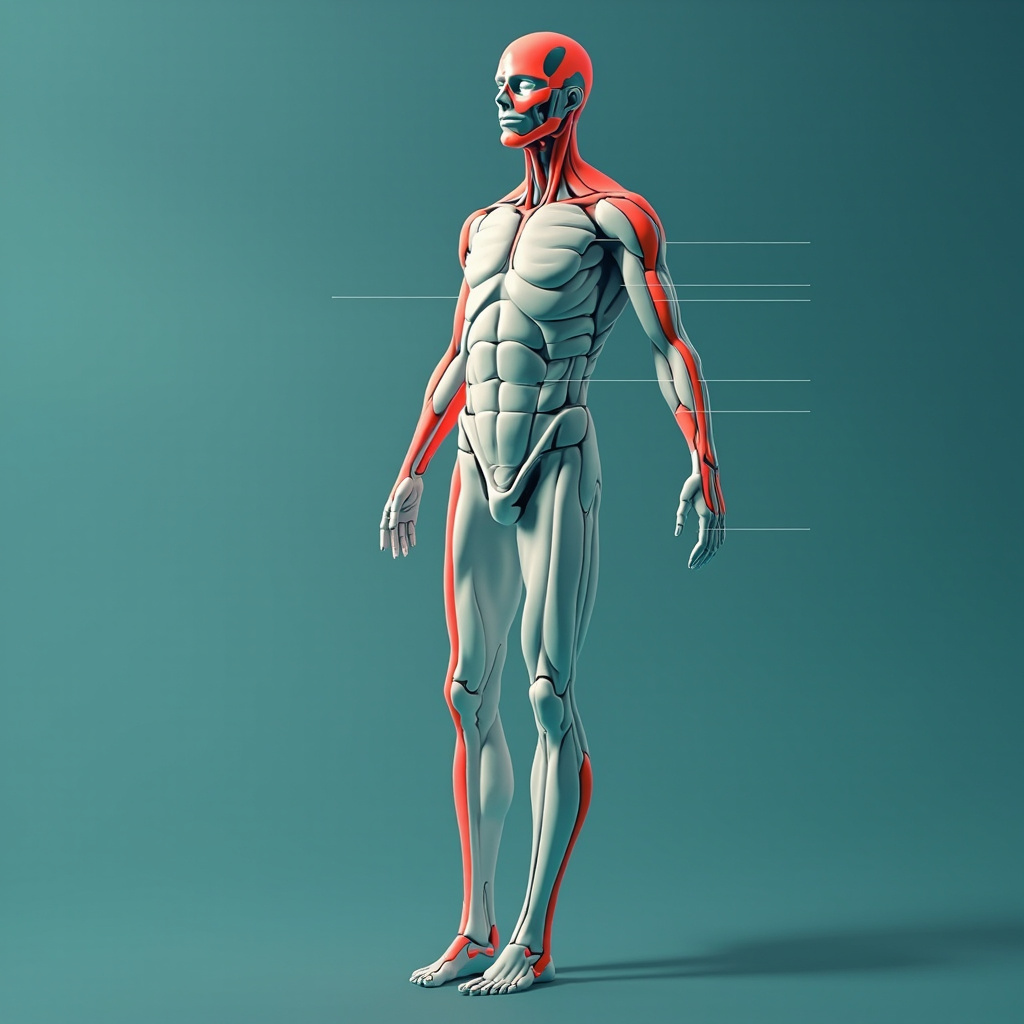
In this lesson, we talk about the body. We learn the names of body parts so we can say what hurts when we do not feel well.
Look at the table. Read each word out loud. The word tells you the name of a body part. The meaning column shows the word in your first language. The example sentence shows how to use the word in a sentence.
Word
Part of speech
Meaning
Example sentence
head
noun
My head hurts today.
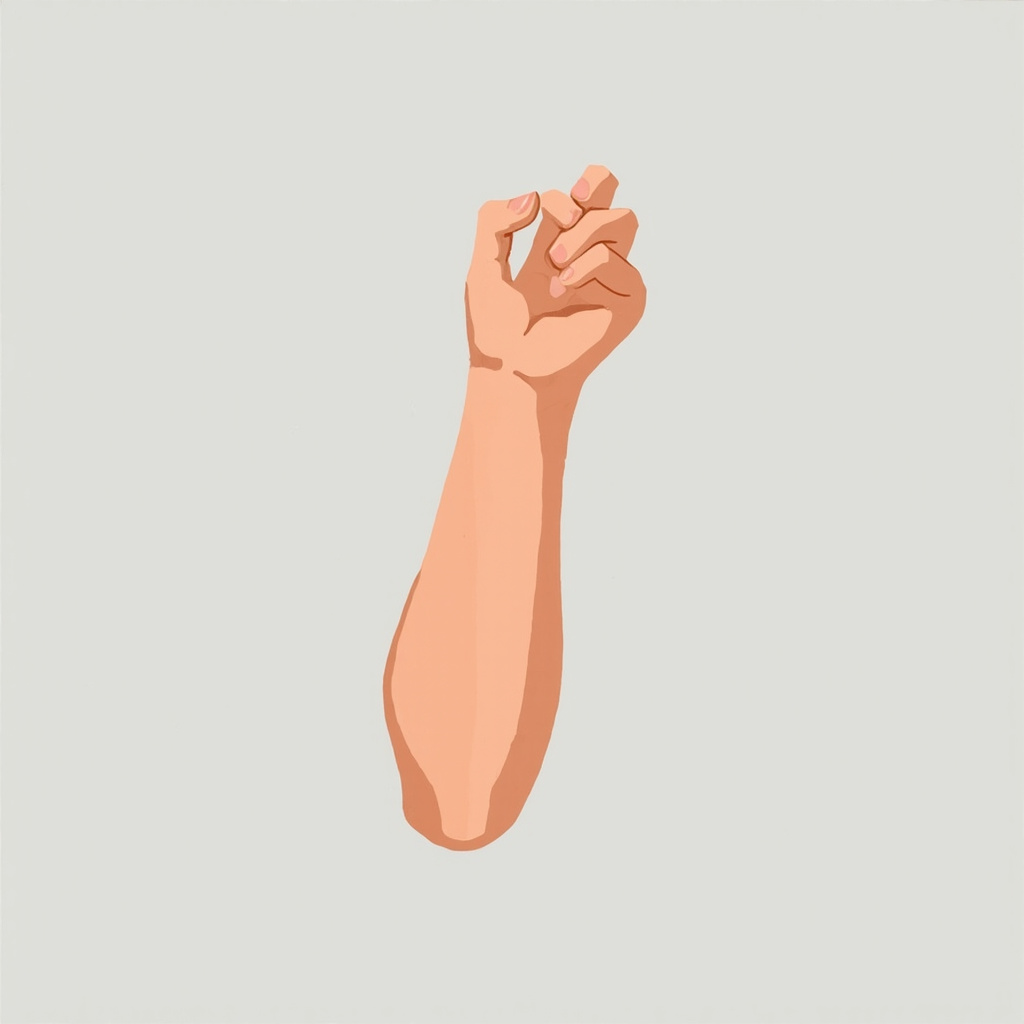
arm
noun
She has long arms.
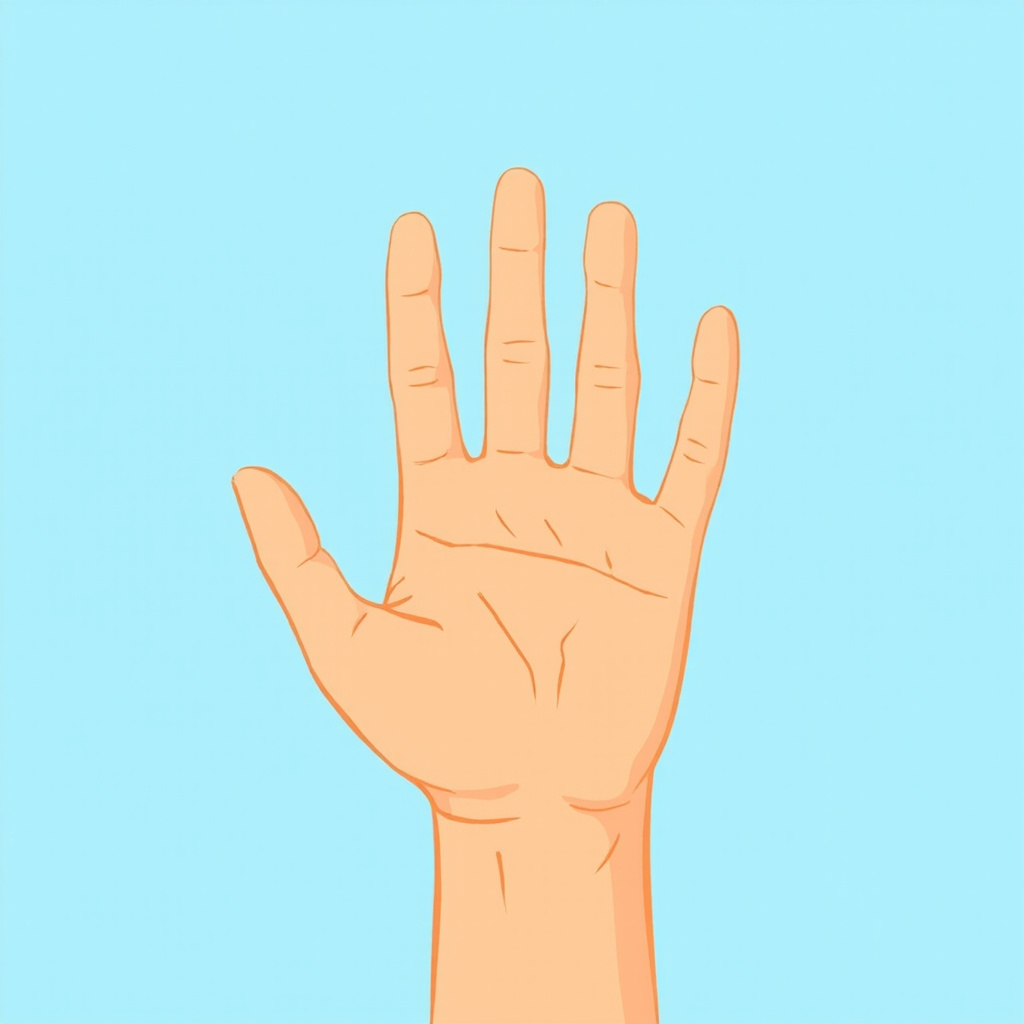
hand
noun
I wash my hands.
leg
noun
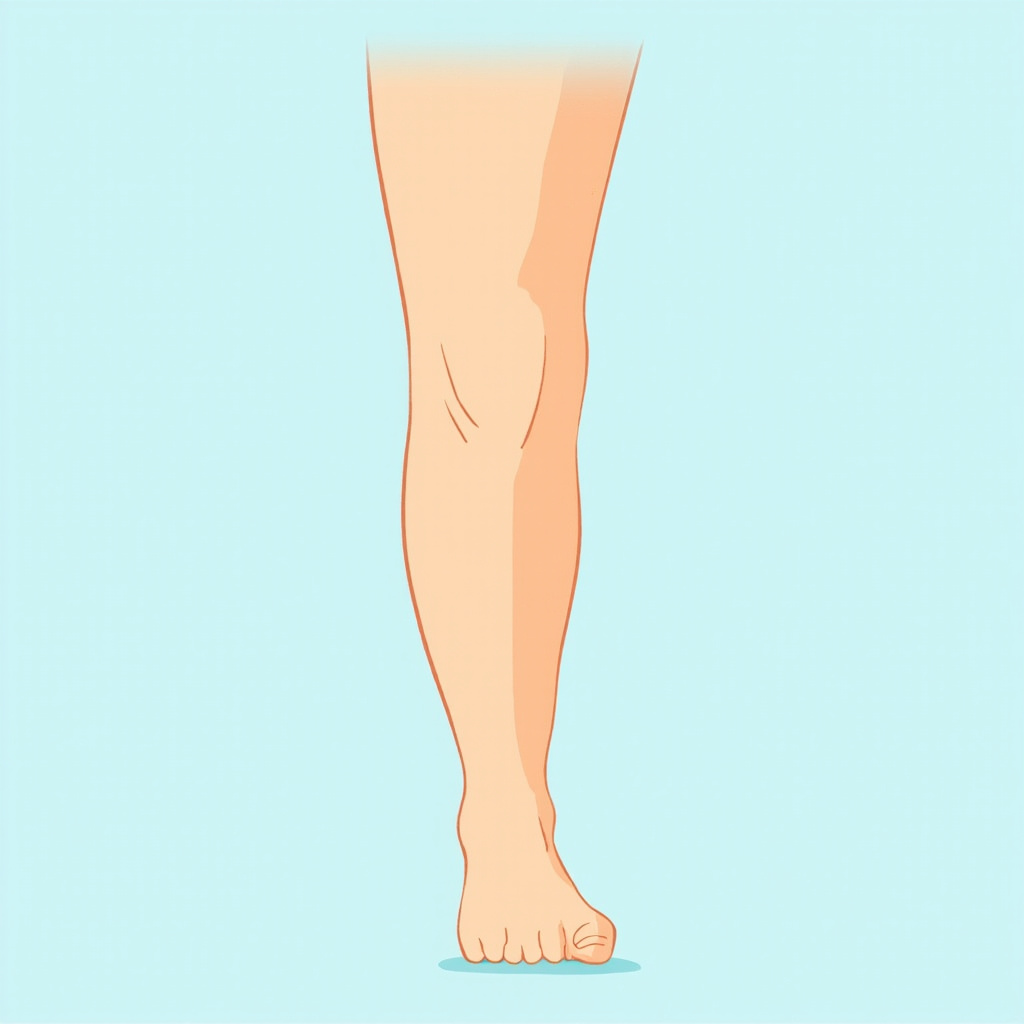
His leg is strong.
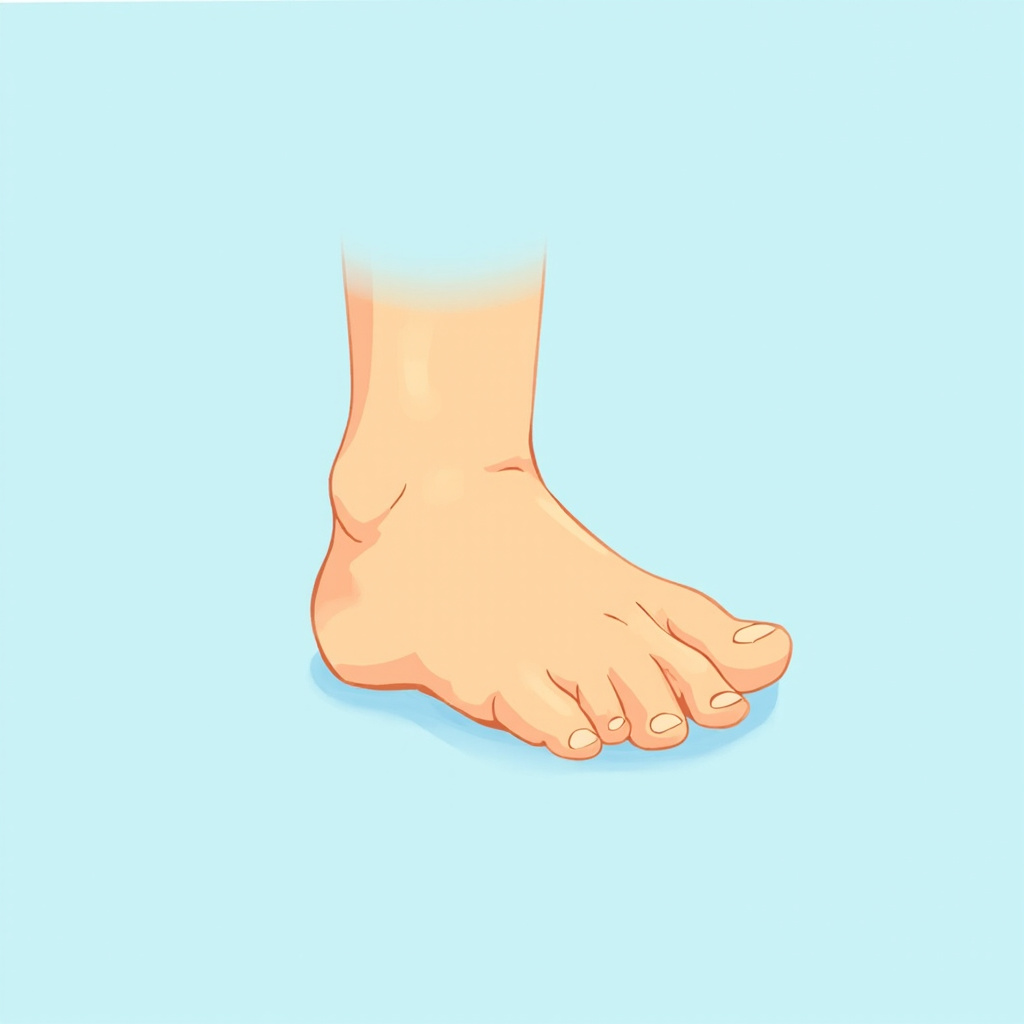
foot
noun
My foot is cold.
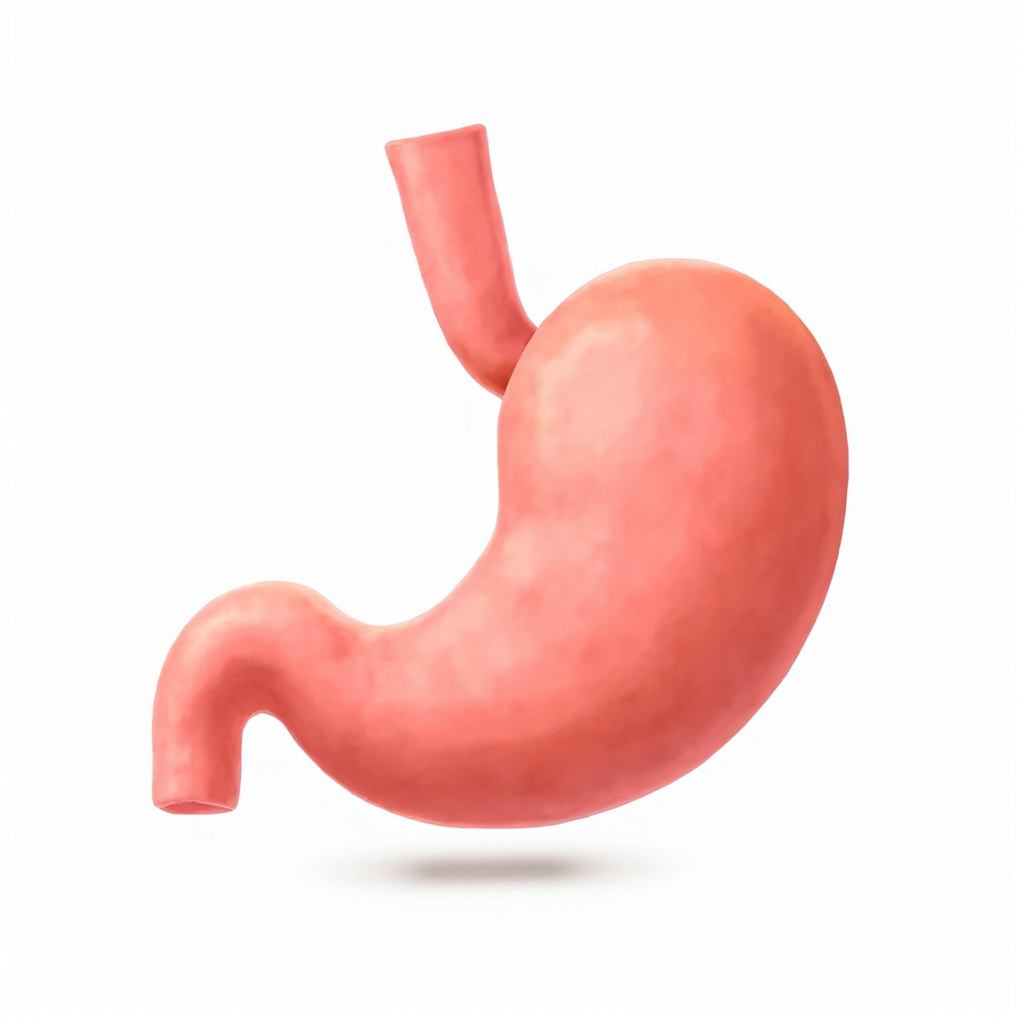
stomach
noun
My stomach is full.
back
noun
Her back is tired.
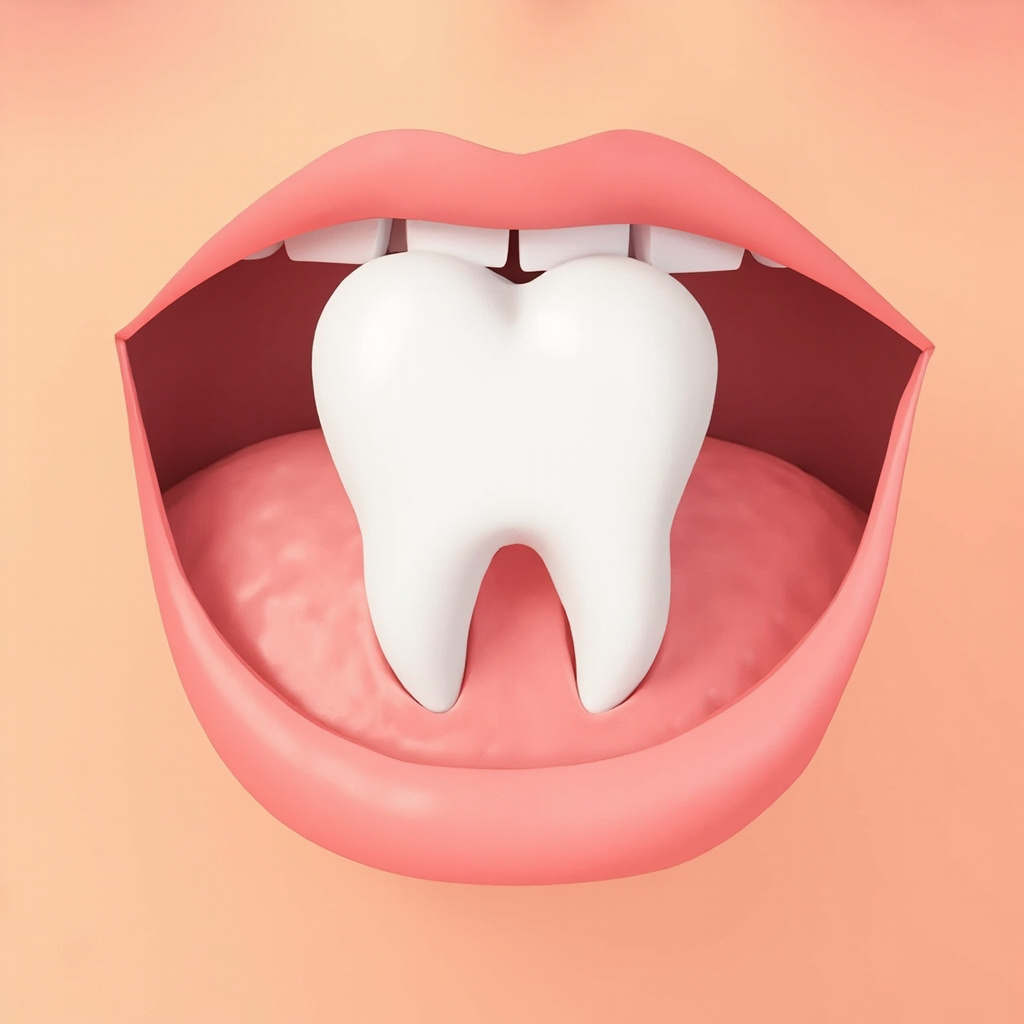
tooth
noun
He has a toothache.
You will also see these words in the next section: headache (pain in the head), stomachache (pain in the stomach), toothache (pain in the tooth), and backache (pain in the back). The word ache means pain.
في الدرس ده هنتعلم أسماء أجزاء الجسم بالإنجليزي. دول من أهم الكلمات لأنك بتحتاجهم لما تروح الدكتور أو عايز تقول لحد إنك تعبان أو في حاجة بتوجعك.
أسماء أجزاء الجسم - Body Parts
دي كلها nouns (أسماء) في اللغة الإنجليزية، وكلها مفرد:
head - راس
arm - دراع
hand - إيد
leg - رِجل
foot - قدم
stomach - معدة
back - ضهر
tooth - سنّ
ملحوظة مهمة: كلمة foot جمعها بيكون feet، وكلمة tooth جمعها بيكون teeth — دول شوية exceptions (استثناءات) لازم تحفظهم كويس.
إزاي تقول إن حاجة بتوجعك؟
عندنا في الإنجليزي أكتر من طريقة:
١. My + body part + hurts
My head hurts. (راسي بتوجعني)
My back hurts. (ضهري بيوجعني)
My foot hurts. (قدمي بتوجعني)
٢. I have a + [part + ache]
I have a headache. (عندي صداع)
I have a stomachache. (عندي وجع في معدتي)
I have a toothache. (عندي وجع في سناني)
I have a backache. (عندي وجع في ضهري)
كلمة ache إيه معناها؟
كلمة ache معناها "وجع" أو "ألم". لما بنضيفها بعد اسم جزء الجسم بنعمل كلمة واحدة اسمها compound word، يعني:
head + ache = headache
stomach + ache = stomachache
tooth + ache = toothache
back + ache = backache
ضمائر الملكية - Possessive Adjectives
لما بتتكلم عن جسمك أو جسم حد تاني، بنستخدم الضمائر دي:
my → بتاعتي (لـ I)
your → بتاعتك (لـ you)
his → بتاعه (لـ he)
her → بتاعها (لـ she)
جمل للمراجعة
I have a headache. My head hurts a lot.
He has a stomachache.
My foot is cold.
I wash my hands every day.
Her back is tired.
دلوقتي جرب تقول الجمل دي بصوت عالي عشان تتمرن على النطق والاستخدام.
Meet the eight body parts for this lesson. Tap each word to hear it.
armɑːm
One of the two upper limbs of the human body, extending from the shoulder to the hand.
backbæk
The rear part of the human body from the shoulders to the hips, or the side or part of something that is behin
footfʊt
The foot is the part of the body at the bottom of the leg that you stand on. It is also a unit of measurement
handhænd
The part of the body at the end of the arm with fingers, used for holding things, touching, and lifting.
headhed
The head is the upper part of the body of a person or animal, containing the brain, eyes, ears, nose, and mout
leglɛɡ
One of the two long parts of the body that you use for standing and walking. It can also refer to a support of
stomachˈstʌmək
The organ in the body where food is digested after being swallowed.
toothtuːθ
One of the hard white structures in the mouth used for biting and chewing food.
Required
Match each body part to its short description.
Match each body part to its short description.
head
arm
hand
leg
foot
stomach
back
tooth
top of your body
connects to your shoulder
you write with it
you walk on it
at the end of your leg
inside your body, for food
behind you
inside your mouth
I have a headache. My head hurts a lot.
Listen. Then read it out loud.
Required
Listen to the sentence. What part of the body hurts?