Many English nouns fall into two groups: countable and uncountable. Countable nouns are things you can count with numbers — one biscuit, two biscuits, three biscuits. Uncountable nouns are things you cannot count directly — water, sugar, tea. We don't usually say 'two waters' or 'three sugars' in normal English (you may hear it in a restaurant when the waiter means 'two cups of water').
Look at the table below to see the pattern clearly:
Countable
Uncountable
Examples
a biscuit, two sandwiches, some cakes
water, tea, some coffee, much sugar
a / an
✓ Yes
✗ No
some
✓ Yes
✓ Yes
any
✓ Yes
✓ Yes
many
✓ Yes
✗ No
much
✗ No
✓ Yes
a few
✓ Yes
✗ No
a little
✗ No
✓ Yes
a lot of
✓ Yes
✓ Yes
So we say a cup of tea and some coffee. We ask How many biscuits? but How much sugar?. We can use a lot of with both kinds: a lot of biscuits, a lot of water.
A very useful structure is the partitive — when we use a container or 'piece' to make an uncountable noun countable. Common ones for drinks and food are:
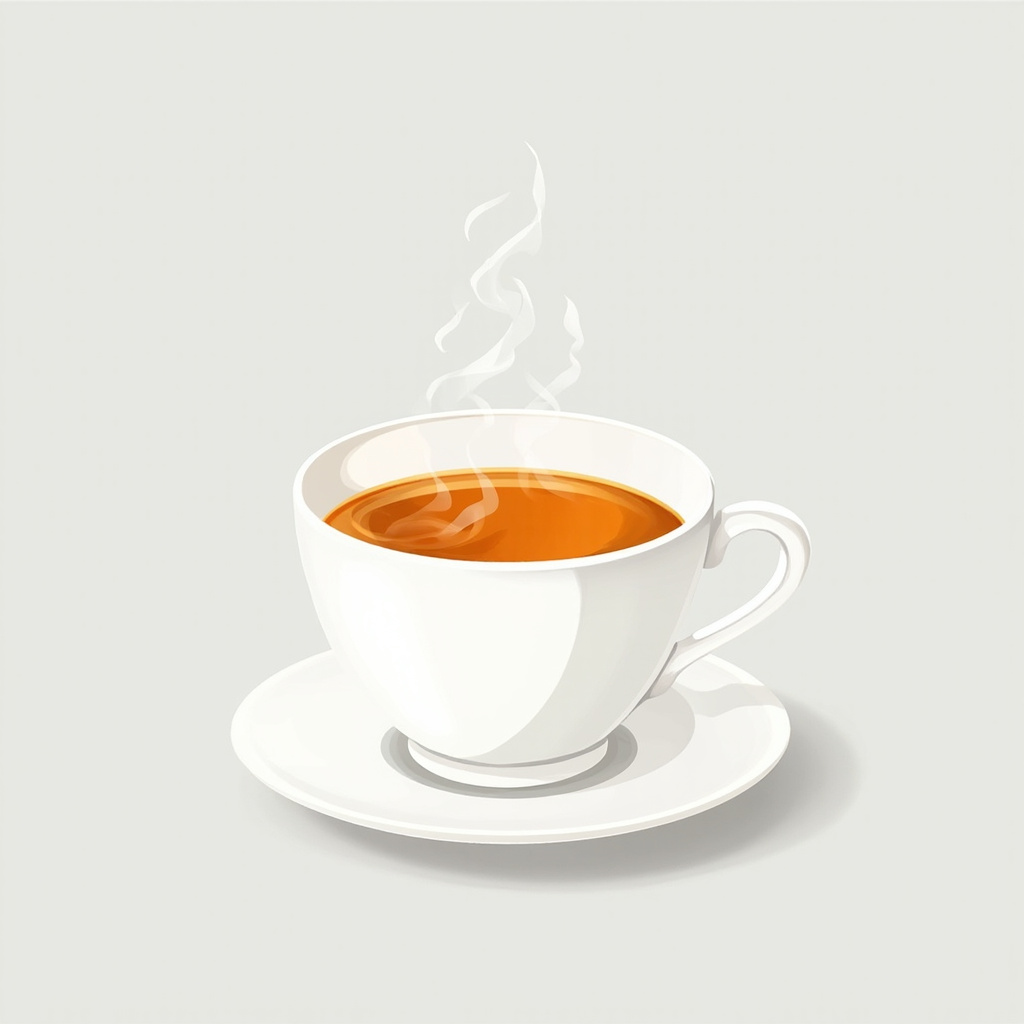
a cup oftea / coffee
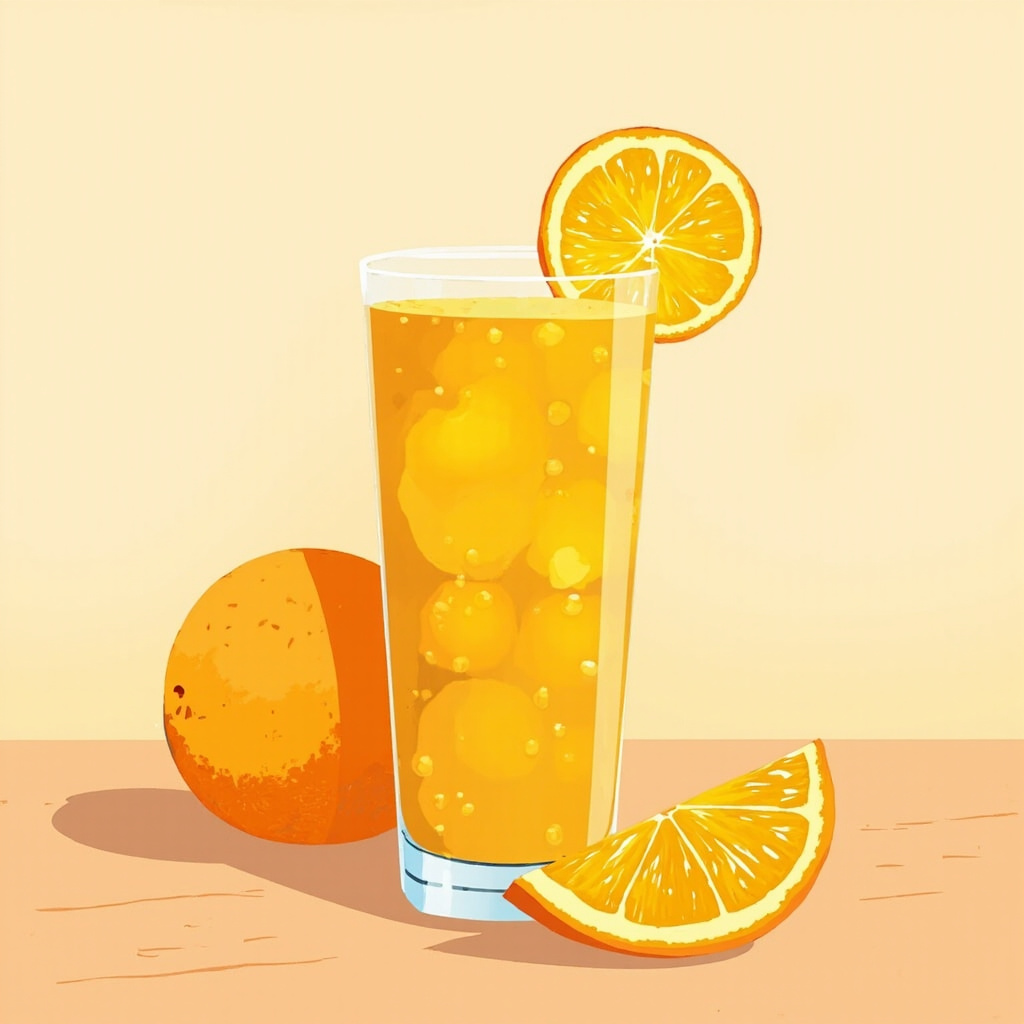
a glass ofwater / juice
a bottle ofwater / juice
a piece ofcake
So even though 'tea' is uncountable, you can order 'two cups of tea' or 'a glass of water'. This is a very common way to talk about amounts in cafés and restaurants.
In questions and negatives, some usually changes to any:
I'd like some tea. (positive)
Do you have any biscuits? (question)
I don't have any sugar. (negative)
But in offers and requests we still use some:
Would you like some cake?
Can I have some water, please?
Practise these patterns in the steps below. The exercises use the drinks and snacks you learned in the vocabulary section.
الأسماء المعدودة والغير معدودة (Countable and Uncountable Nouns)
في اللغة الإنجليزي، عندنا نوعين أساسيين من الأسماء: countable يعني اللي بنقدر نعدّها واحدة واحدة، زي biscuit, sandwich, cake. و uncountable يعني اللي مش بنقدر نعدّها بالعدد، زي water, tea, coffee, sugar.
إزاي نفرّق بينهم؟
بنستخدم many و a few مع الأسماء المعدودة: How many biscuits? — a few biscuits.
بنستخدم much و a little مع الأسماء الغير معدودة: How much sugar? — a little sugar.
a lot of و some و any بيشتغلوا مع الاتنين.
حيلة ذكية: الـ Partitives
لما يكون الاسم uncountable زي tea أو water، بنقدر نطلبه باستخدام إناء أو وحدة قياس، وده اسمه partitive:
a cup of tea / coffee
a glass of water / juice
a bottle of water / juice
a piece of cake
فبدل ما نقول two teas (وده غلط في الإنجليزي العادي)، بنقول two cups of tea. وده الأسلوب اللي هتلاقيه في الكافيهات والمطاعم.
Some ولا Any؟
القاعدة بسيطة:
في الجمل الموجبة بنستخدم some: I'd like some tea, please.
في الأسئلة والنفي بنستخدم any: Do you have any sugar? — I don't have any biscuits.
بس في العروض والطلبات (offers and requests)، نرجع لـ some تاني: Would you like some coffee? — Can I have some water, please?
خلي بالك في التمارين
في الأسئلة اللي جاية، هتلاقي اختيارات وملء فراغ، فلازم تركز على نوع الاسم (معدود ولا لا) عشان تختار الكلم الصح بين many و much، أو بين a few و a little. وتدريب الـ reorder هيساعدك تحس بترتيب السؤال الصح في المحادثة.
How much sugar would you like in your tea?
Notice the question word 'How much' with the uncountable noun 'sugar'.
How many biscuits would you like with your coffee?
Compare with this sentence. 'How many' goes with the countable noun 'biscuits'.
Required
Look at the two questions above. Which question word goes with uncountable nouns like sugar, water or tea?
How many
How much
How often
How long
Required
We use 'much' with uncountable nouns and 'many' with countable nouns. Complete the question.
How ___ sugar do you take in your tea?
Required
Which sentence is the most natural way to order water in a café?
I'd like a water, please.
I'd like a glass of water, please.
I'd like a waters, please.
I'd like waters, please.
Required
'I'd like some coffees, please.' is a correct way to order coffee in a café.
We don't use 'some coffees' in standard English. The natural forms are 'I'd like some coffee' (uncountable) or 'I'd like two coffees' (counting cups).
Required
Put the words in the correct order to make a question.
you
Do
any
have
juice
?
Required
Drag the correct word into each gap. Choose between a, some, any or much.
any
some
a
much
some
Can I have glass of water, please?
There is milk in the fridge.
I don't have sugar at home.
How coffee do you drink every day?
Would you like cake with your tea?
Listening
Listening
5
cards
In this listening task, you will hear a short conversation between two friends, Emma and Tom. They are in a small café in London, late in the morning. They are sitting at a table by the window, looking at the menu and deciding what to drink and eat. Listen carefully to what each person wants, and notice the polite phrases they use to order.
Before you listen, think about this question: When you go to a café, do you usually order just a drink, or do you also have something to eat? This will help you predict some of the vocabulary you are about to hear. You should expect words like coffee, juice, cake, sandwich and quantities like a little and a glass of.
The speakers use natural, polite English — phrases like 'I'd like…', 'Can I have…?' and 'How much is that?'. These are the same phrases you will need to use yourself when you order a drink or a snack in a real British café. Pay attention to the rhythm of the sentences: in British English, the speaker's voice often rises gently at the end of polite questions, and the unstressed words — 'a', 'the', 'of', 'and' — are spoken quickly and quietly.
You will listen three times in total. First, listen for the gist — the general idea: where are the people, and what are they doing? Then listen again for the specific details about what each person orders. Finally, we will check the details with a short fill-in-the-blank task. Don't worry if you don't catch every word the first time — that is completely normal, and you will improve with practice. The audio plays at a natural British speed.
السياق العام
في الـlistening ده، هتسمع محادثة قصيرة بين اتنين أصحاب، إيمـا Emma وتوم Tom. هما قاعدين في كافيه صغير في لندن، متأخرين شوية في الصباح، جنب الشباك، وبيبصوا على المنيو وبيفكروا هيشربوا إيه وياكلوا إيه. الفكرة إنك تسمع وتلاحظ إزاي بيستخدموا عبارات مهذبة polite لما بيطلبوا.
العبارات المهذبة للطلب
لما تيجي تطلب في كافيه في بريطانيا، العبارات دي هي اللي هتحتاجها. مثلاً لما توم عايز قهوة، مقالش "I want coffee"، لأ، قال "I'd like a coffee, please" يعني "عايز قهوة لو سمحت". كمان لما إيمـا سألته "Hot or iced?"، دي طريقة سريعة تسأل عن المشروب سخن ولا مثلج. ولما توم رد "Hot, with a little sugar and some milk"، هنا بنلاحظ إن "a little" بتُستخدم للكميات الصغيرة، زي شوية سكر. وفي الآخر لما عايز تعرف الحساب، توم بيقول "How much is that altogether?" يعني "كل ده بكام؟" وده سؤال مهم تحفظه.
الكميات مع المأكولات والمشروبات
لما إيمـا عايزة عصير، قالت "a glass of orange juice" يعني "كوباية عصير برتقال". ولما توم سألها "do you want anything to eat?"، هي ردّت "can I have a piece of that chocolate cake, please?" — كلمة "a piece of" بنستخدمها مع الحاجات اللي بتتقطع زي الكيك. ركز على الفرق بين:
a glass of → للسوائل (عصير، مية)
a piece of → للحاجات اللي بتتقطع (كيك، جاتو)
a little → للكميات القليلة (شوية سكر، شوية لبن)
استراتيجية الاستماع
هتسمع المحادثة تلات مرات. أول مرة ركز على الـgist يعني الفكرة العامة — هما فين وإيه بيعملوا. تاني مرة ركز على الـdetails — كل واحد طلب إيه بالظبط. وتالت مرة هنحل fill-in-the-blank عشان نتأكد إنك فهمت. وده طبيعي جداً، مفيش حد بيفهم كل كلمة من أول مرة. المهم إنك تحاول ومع التكرار هتلاقي نفسك فهمت أكتر.
A small café in London, late morning. Emma and Tom are sitting at a table, looking at the menu.
E
EmmaHi Tom! Are you ready to order?
T
TomYes, I am. I'd like a coffee, please.
E
EmmaHot or iced?
T
TomHot, with a little sugar and some milk. What about you?
E
EmmaI think I'll have a glass of orange juice.
T
TomGood idea. And do you want anything to eat?
E
EmmaYes, can I have a piece of that chocolate cake, please?
T
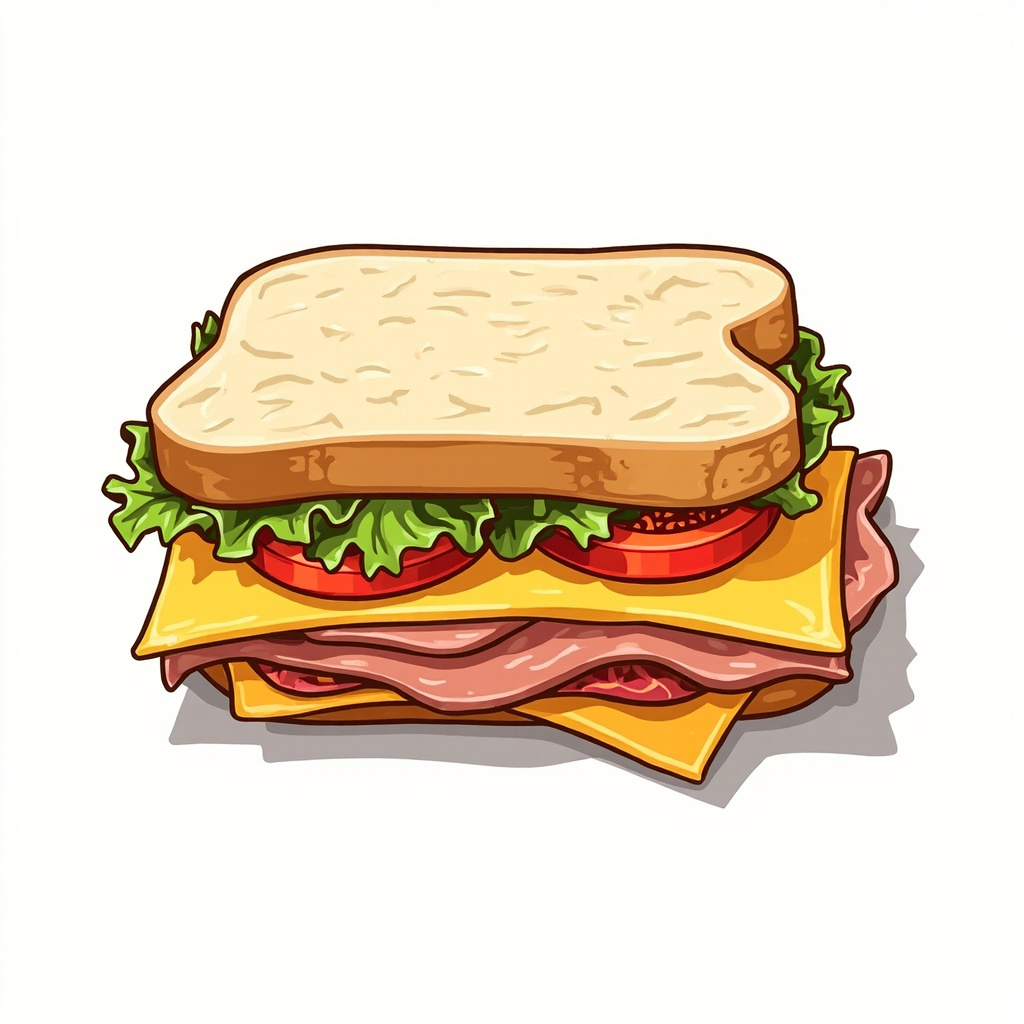
TomI'll have a cheese sandwich. How much is that altogether?
Required
Listen again. What is the main purpose of this conversation?
Emma and Tom are arguing about the bill.
Emma and Tom are ordering drinks and food in a café.
Emma and Tom are complaining about the food.
Emma and Tom are cooking together at home.
Required
Tom orders an iced coffee.
Tom says, 'I'd like a coffee, please… Hot, with a little sugar and some milk.' He orders a hot coffee, not an iced one.
Required
Listen one more time and complete the sentence.
Emma orders a glass of orange ___ and a piece of chocolate ___.
Pronunciation
Pronunciation
6
cards
In this lesson, we focus on one important vowel sound: /ʌ/, the short 'u' sound. It is one of the most common vowels in English, and it appears in many of the words you have just learned: cup, much, some, one, but and nothing. It can be difficult to hear and produce, but with a little practice you will master it.
How to make the sound /ʌ/:
Mouth: Open your mouth slightly, but keep your lips relaxed. Do not spread your lips into a wide smile, and do not round them tightly.
Tongue: The tongue sits low and central in the mouth — not at the front (that would be /æ/) and not at the back (that would be /ɑː/).
Voicing: The sound is voiced — your vocal cords vibrate. The sound is short and quick, not long.
Feel: It is a relaxed, neutral vowel. It is similar to the Arabic vowel in 'كتاب' (the 'a' in 'kitab').
Compare /ʌ/ with /æ/:
/ʌ/ (this lesson)
/æ/ (a common confusion)
cup
cap
much
match
some
Sam
but
bat
luck
lack
fun
fan
To feel the difference, put your hand on your jaw. For /ʌ/, the jaw drops a little. For /æ/, the jaw drops more and the mouth is wider. Listen to the example words and notice the difference.
You will hear /ʌ/ all through the dialogue in the next section, because Emma and Tom will talk about 'a cup of coffee' and ask 'How much sugar?'. The little word 'a' at the start of those sentences is also pronounced /ə/ — the same relaxed, central vowel. So in 'a cup of coffee' you have three short, central vowels in a row: a /ə/, cup /kʌp/, of /əv/.
Listen carefully to the difference between /ʌ/ and /æ/. The next steps will train your ear and your mouth.
صوت الـ /ʌ/ في الإنجليزية (The short 'u' sound)
في الدرس ده بنركز على صوت مهم جداً في اللغة الإنجليزية، اسمه الـ /ʌ/ short u. الصوت ده من أكتر الحروف المتحركة اللي بتتكوّرن في اللغة، وهتلاقيه في كلمات كتير من الدرس زي cup و much و some و but. كتير من المتعلمين بيخلطوا بينه وبين صوت تاني قريب منه، عشان كده لازم تاخد بالك.
إزاي تعمل الصوت ده في بقك؟
عشان تنطق الـ /ʌ/ صح، فيه 3 حاجات لازم تاخد بالك منهم:
الشفايف (Lips): سيبها مرتاحة وطبيعية. لا تبسطها زي ما بتعمل لما بتبتسم، ولا تلفها زي ما بتعمل لما بتقول 'oo'. خلّيها في النص.
اللسان (Tongue): يبقى في نص الفم ومنزل لتحت شوية. لو اللسان اتقدم لقدام، الصوت هيطلع /æ/ زي 'cap'. لو رجعته لورا أوي، هيطلع صوت تاني خالص.
الأحبال الصوتية (Voicing): الصوت ده voiced، يعني الحبال الصوتية بتتهز. بس الصوت نفسه قصير وسريع، مش طويل.
الفرق بين /ʌ/ و /æ/
الاتنين أصوات قصيرة (short vowels)، بس بينهم فرق واضح في شكل الفم:
عشان تحس بالفرق بإيدك، حط إيدك على دقنك. لما بتقول cup هتحس إن الدقن بتنزل شوية بسيطة. لما بتقول cap هتحس إن الدقن بتنزل أكتر بكتير وبقك بيفتح أوسع.
نصيحة للمصريين
صوت الـ /ʌ/ ده شبه جداً صوت الـ 'a' في كلمة كتاب (kitab) لما بتقولها من غير ما تفتح بقك أوي. خد بالـ 'a' في النص - دي تقريباً نفس الـ /ʌ/. ابدأ من هنا وطبّق الصوت على الكلمات الإنجليزية.
ليه مهم في الدرس ده؟
في جمل زي "a cup of coffee" و "How much sugar?"، صوت الـ /ʌ/ بيظهر كذا مرة ورا بعض: في a (اللي بتنطق /ə/)، وفي cup (/kʌp/)، وفي of (/əv/). عشان كده محتاج تتمرن على ودنك وعلى بقك كويس قبل ما تدخل على التمارين. ركّز على الفرق بين /ʌ/ و /æ/ علشان تقدر تفرّق لما تسمع.
Reminder — how to make /ʌ/:
Relax your lips — do not smile wide.
Drop your jaw a small amount.
Place your tongue low and central in the mouth.
Make a short, voiced sound. Stop the air quickly.
The sound is short and neutral. Practise saying 'cup — much — some — but' and feel the tongue stay in the same central position. The sound should feel relaxed — like a tiny grunt of surprise.
Required
Listen carefully. Which word did you hear?
cap
cup
cop
keep
Required
Say the phrase clearly. Focus on the /ʌ/ in 'cup' and the /ə/ in 'a' and 'of'.
a cup of tea
Required
Say the question naturally. The /ʌ/ sound appears in 'much' — keep it short and relaxed.
How much sugar?
Required
Say the sentence. Notice /ʌ/ in 'some' and the soft /dʒ/ sound at the start of 'juice'.
I'd like some juice, please.
Reading
Reading
6
cards
Reading is an important skill at B1 level. In this section, you will read a short blog post from a British writer about her favourite drinks. The post is about 100 words long, with simple but natural English — perfect for skimming and scanning practice.
Strategy box: Skimming and scanning
When you skim a text, you read it quickly to get the general idea. You do not stop for every word you do not know. Look at:
the title
the first sentence of each paragraph
the last sentence of each paragraph
any words in bold or italics
Skimming is useful when you read a blog post, a menu, or a short article. You don't need to understand every word to understand the main idea. After you skim, you can scan the text again to find specific information, like the name of a drink or a number. Scanning means moving your eyes quickly over the text until you find the word or fact you need.
Key words to look out for before you read the article:
Word
Meaning
builder's tea
a strong, hot British tea with milk
flat white
a coffee with a small amount of milk on top
fizzy
full of bubbles, like Coca-Cola
lemonade
a sweet, fizzy lemon drink
These words are all connected to the topic of drinks. You do not need to know them perfectly before you read — but understanding them will help you follow the article easily.'Builder's tea' is a cultural reference: it means a strong, no-nonsense cup of tea, the kind British builders drink on a cold morning. After you read, you will answer one question about the gist (general idea) and three true/false questions about the details of the text.
استراتيجية القراءة: Skimming و Scanning
في البارت ده هتتعلم إزاي تقرأ نص قصير بذكاء من غير ما تضيع وقتك في كل كلمة. في استراتيجيتين مهمين للقراءة السريعة: skimming و scanning، وكل واحدة فيهم ليها استخدام مختلف عن التانية.
إيه هي الـ Skimming؟
الـ skimming معناها إنك تقرأ النص بسرعة عشان تاخد الـ general idea (الفكرة العامة) بس. مش لازم تفهم كل كلمة. بص على الحاجات دي وانت بتمر على النص:
الـ title (العنوان)
أول جملة في كل paragraph
آخر جملة في كل paragraph
أي كلمة مكتوبة بـ bold أو italics
الـ skimming مفيد جداً لما تقرأ blog post أو menu في مطعم أو article قصيرة. مش محتاج تفهم كل حاجة عشان تفهم النص بيتكلم عن إيه.
وإيه هي الـ Scanning؟
الـ scanning معناها إنك تحرّك عينيك بسرعة على النص لحد ما تلاقي الكلمة أو المعلومة اللي محتاجها. مثلاً، لو السؤال قالك "what drink does the writer prefer in the morning?"، مش هتقرأ من الأول للآخر — هتدوّر بس على كلمة زي morning أو tea.
الكلمات الجديدة عن المشروبات
في النص اللي جاي، هتلاقي أربع كلمات مهمة. حاول تفهمها من السياق الأول، وبعدين ارجع هنا لو مش فاكر:
builder's tea: شاي بريطاني قوي وساخن مع لبن. اسمه كده لأن الـ builders (العمال في بريطانيا) بيشربوه بارد أو سخن عشان يدفّيهم في موقع الشغل.
flat white: قهوة عليها طبقة لبن مخفوق صغيرة فوق. مشهورة في بريطانيا وأستراليا.
fizzy: معناها فيها فقاعات. لما تشرب حاجة fizzy بتحس بالفقاعات بتفرقع في بقك، زي الكوكاكولا.
بعد كده، لو فيه سؤال محتاج تفصيلة معينة، ارجع واعمل scan بس للجزء المطلوب.
خد وقتك، اقرأ النص اللي تحت، وبعدين جاوب على الأسئلة. مفيش وقت محدد — أهم حاجة تفهم وتستمتع.
My Favourite Drinks
I'm a big fan of British tea. Every afternoon at four o'clock, I sit down with a cup of tea and a biscuit. My favourite is builder's tea — strong, hot, with a little milk.
When I'm in a hurry, I prefer a flat whitecoffee. I don't like fizzy drinks, and I don't put much sugar in my drinks. On hot summer days, I enjoy a cold glass of lemonade.
What about you? Tell me your favourite drink in the comments!
Required
What is the main idea of this blog post?
The writer explains how to make tea at home.
The writer talks about her favourite British drinks.
The writer complains about fizzy drinks.
The writer describes a busy day in a café.
Required
The writer drinks tea every afternoon.
The first paragraph says: 'Every afternoon at four o'clock, I sit down with a cup of tea and a biscuit.'
Required
The writer likes fizzy drinks.
The second paragraph says: 'I don't like fizzy drinks'. The writer does NOT like them.
Required
The writer puts a lot of sugar in her drinks.
The second paragraph says: 'I don't put much sugar in my drinks.' 'Much' here means 'a lot' — but in the negative, so she uses very little sugar.
Speaking
Speaking
7
cards
Now it is your turn to speak! In this section, you will learn the phrases you need to order a drink and a snack in a British café. You will first hear a short model conversation between a customer and a waiter, then repeat the key sentences, and finally have a real conversation with me in the role-play.
Useful phrases for ordering in a café:
English
When to use it
Can I have a coffee, please?
to order a drink
I'd like a glass of water.
to order politely
Anything else?
what the waiter may ask you
Would you like anything to eat?
a polite offer
How much is that?
to ask the price
I'll have…, please.
to choose from the menu
That sounds good.
to accept a suggestion
Thank you, cheers.
to finish politely
Top tips for sounding natural in British English:
Always use 'please' when you order something.
'Can I have…?' and 'I'd like…' are both very polite.
If you don't understand, say: 'Sorry, could you say that again, please?'
'Cheers' is a friendly way to say 'thank you' in a café in the UK.
Speak at a natural speed. Don't speak too slowly — that can sound unnatural.
Smile when you speak! The waiter will hear it in your voice.
You will first hear a short model conversation (6 lines), then repeat the key sentence 'Can I have…, please?' two or three times, and finally have a role-play conversation with me in the café. Try to use the polite phrases from the table above. Don't worry about being perfect — the waiter will be friendly, and you can always ask him to repeat.
طلب المشروبات في مقهى بريطاني
في الدرس ده هنتعلم إزاي تطلب مشروب أو حاجة خفيفة في مقهى بريطاني بأسلوب مهذب وطبيعي. الحوار اللي بين الويتر والزبون بيوضحلك الصيغ الأساسية اللي محتاج تستخدمها.
صيغ الطلب المهذبة
في الإنجليزي عندك كذا طريقة تطلب بيها، وكلهم بيبقوا مؤدبين لو ضفت please في الآخر:
Can I have...? — دي أكتر صيغة مباشرة وبسيطة. معناها "ممكن آخد؟" زي: Can I have a cup of tea, please? (ممكن كوبااية شاي من فضلك؟)
I'd like...? — اختصار لـ I would like، وبتدي إحساس أكتر أدب ورسمية. زي: I'd like a glass of orange juice, please.
I'll have..., please. — بتستخدمها لما تختار حاجة من المنيو. زي: I'll have two shortbread biscuits, please.
أدوات الكمية الصح
كل مشروب ليه أداة كمية مختلفة لازم تستخدمها:
a cup of للشاي والقهوة (سخن): a cup of tea, a cup of coffee
a glass of للعصير والمية (ساقع): a glass of water, a glass of orange juice
a piece of للحاجات زي الكيك: a piece of chocolate cake
أسئلة الويتر المتوقعة
الويتر غالباً بيسألك سؤال مهم: Anything else? يعني "حاجة تانية؟" — دي فرصتك تضيف أكل أو مشروب تاني. وكمان ممكن يسألك Would you like anything to eat? وده عرض مهذب.
لما تسأل عن منتج
لو عايز تعرف المقهى عنده حاجة معينة، استخدم Do you have...? زي: Do you have any biscuits?
نصايح تخليك تبان طبيعي
please هي الكلمة السحرية في بريطانيا — استخدمها دايماً في الطلب.
في آخر المحادثة ممكن تقول cheers — دي كلمة بريطانية ودودة بمعنى شكراً.
حاول تتكلم بسرعة طبيعية، لأن الكلام البطيء الزيادة ممكن يبقى شكله مش طبيعي.
دلوقتي هتسمع المحادثة النموذجية، بعدين تسجل صوتك وأنت بتقول الجمل، وفي الآخر هتعمل رول بلاي مع الـ AI في المقهى.
At the counter of a British café. A customer is ordering a drink and a snack.
W
WaiterGood morning! What can I get you?
C
CustomerCan I have a cup of tea, please?
W
WaiterOf course. Anything else?
C
CustomerDo you have any biscuits?
W
WaiterYes, we have chocolate biscuits and shortbread.
C
CustomerI'll have two shortbread biscuits, please.
Can I have a cup of tea and a biscuit, please?
This is the key phrase for the lesson. It uses a polite question form to order both a drink and a snack together.
Required
Say the sentence clearly. Use polite, rising intonation at the end and remember to smile.
Can I have a glass of orange juice, please?
Required
Say the sentence. Notice the polite phrase 'I'd like' — it is softer than 'I want'.
I'd like a piece of chocolate cake, please.
Required
You are in a busy café in London. Greet the waiter, order one drink and one snack using polite phrases, and ask for the bill at the end. Try to use 'Can I have…?' and 'I'd like…' and remember to say 'please' and 'thank you'.
Required
Vocabulary
Vocabulary
6
cards
Welcome to your first lesson on drinks and snacks! In this section, you will meet eight very common English words that British people use every day in cafés, at home, and at work. These words will help you order a drink, ask for something to eat, and have a friendly chat about what you like.
Look at the table below. Each word has a small Arabic gloss to remind you of the meaning, plus a short example sentence. Try to read the example sentences out loud — the rhythm of the sentence will help you remember the word naturally.
Word
Part of speech
Arabic gloss
Example
coffee
noun
قهوة
I'd like a coffee, please.
tea
noun
شاي
She drinks tea with no sugar.
water
noun
ماء
Can I have a glass of water?
juice
noun
عصير
I prefer fresh orange juice.
biscuit
noun
بسكويت
Would you like a biscuit with your tea?
sandwich
noun
ساندويتش
He usually has a sandwich for lunch.
cake
noun
كيك
This chocolate cake is delicious.
sugar
noun
سكر
I don't take any sugar in my coffee.
In British English, 'biscuit' is the word for a small sweet dry cake — Americans call the same thing a 'cookie'.'Juice' is the everyday word for a drink made from fruit; you can say orange juice, apple juice, or just a juice when you order at a counter.'Cake' is a sweet baked food, often served in a slice.
Most of these words are uncountable (water, coffee, tea, juice, sugar), but a few are countable (biscuit, sandwich, cake). Don't worry about this rule yet — we will study it carefully in the next section. For now, just meet the words, listen to them, and try to use them in a simple sentence.
You will meet all of these words again in the listening, reading and speaking parts of the lesson. Pay attention to the small details — for example, in British English the 't' at the end of biscuit is usually silent in fast speech: it sounds like 'bis-cu'. The 'e' at the end of juice makes an /s/ sound, not a /z/ sound.
المشروبات والسناكات: ٨ كلمات أساسية
الدرس ده بيقدملك ٨ كلمات إنجليزية بيستخدموها الناس كل يوم في القهاوي والبيت والشغل. الكلمات دي هتساعدك تطلب أي حاجة عايزها في الكافيه أو لما تكون مع صحابك.
الكلمات والوظيفة النحوية
كل الكلمات اللي في الدرس ده هي أسماء (nouns)، مفيش فيها أفعال:
المشروبات (Drinks):
coffee — قهوة، المشروب الصبحاني الأشهر
tea — شاي، المشروب المفضل في بريطانيا
water — مية، ودي بتتقال كتير في المطاعم
juice — عصير، زي orange juice أو apple juice
السناكات والأكل الخفيف (Snacks):
biscuit — بسكويت (اللي في أمريكا بيسموه cookie)
sandwich — ساندويتش، وجبة سريعة للشغل
cake — كيك أو تورتة، بييجي في شرايح
الإضافة (Add-on):
sugar — سكر، بتضيفه للشاي أو القهوة
Countable و Uncountable — فرق مهم
في الإنجليزية فيه فرق لازم تفهمه:
Countable nouns (اللي بتتعد): زي biscuit و sandwich و cake. بتقول a biscuit أو two biscuits أو a sandwich.
Uncountable nouns (اللي مش بتتعد): زي water و coffee و tea و juice و sugar. مش بتقول a water، لكن بتقول a cup of water أو a glass of juice.
نصايح للنطق (Pronunciation)
في كلمة biscuit، حرف الـ t في الآخر بيتنطق صامت في الكلام السريع، فبتسمعها تقريبًا bis-cu.
في كلمة juice، الـ e في الآخر بتخلي الـ c تتنطق صوت س مش ز.
في كلمة water، الـ t بتنطق برضو بشكل خفيف في بريطانيا، وبتسمعها wo-ta.
جملة نموذجية كاملة
I'd like a cup of tea and a biscuit, please.
الجملة دي فيها فعل would like (عايز من فضلك) وبتستخدم كلمتين من اللي اتعلمتهم: tea و biscuit. جملة مهذبة وطبيعية جدًا في أي كافيه بريطاني.
Meet the eight key words for this lesson. Tap each word to hear it spoken aloud in British English.
biscuitˈbɪskɪt
A small, flat, baked food, typically made from flour, sugar, and butter, often eaten with tea or coffee.
cakekeɪk
a sweet food made with a mixture of flour , eggs , fat , and sugar :
a small flat object made by pressing toge
coffeeˈkɒf.i
a dark brown powder with a strong flavour and smell that is made by crushing the dark seeds of a tropical bush
juicedʒuːs
A liquid that is extracted from fruits, vegetables, or meat, often consumed as a drink.
sandwichˈsænwɪtʃ
A food made of two slices of bread with meat, cheese, or other filling between them.
sugarˈʃʊɡə
A sweet crystalline substance obtained from sugar cane or sugar beet, used to sweeten food and drinks.
teatiː
a drink made from the dried and cut leaves of the tea plant , or the leaves that are used to prepare this drin
waterˈwɔː.tər
a clear liquid , without colour or taste , that falls from the sky as rain and is necessary for animal and pla
Required
Match each English word with its short English definition.
Match each English word with its short English definition.
coffee
tea
water
juice
biscuit
sandwich
cake
sugar
a hot brown drink made from beans
a hot drink made by pouring water on dried leaves
a clear drink with no colour or taste
a drink made from fruit
a small sweet dry cake, often eaten with tea
two pieces of bread with food between them
a sweet baked food, often served in slices
a sweet white powder used in food and drinks
I'd like a cup of tea and a biscuit, please.
A polite, natural sentence you can use in any British café. Notice the soft 't' at the end of 'biscuit'.
Required
Listen to the speaker carefully. What does she want to order?
a cup of tea and a biscuit
a glass of juice and a sandwich
a coffee and a piece of cake
Required
Which sentence is the most natural way to order a drink in a British café?