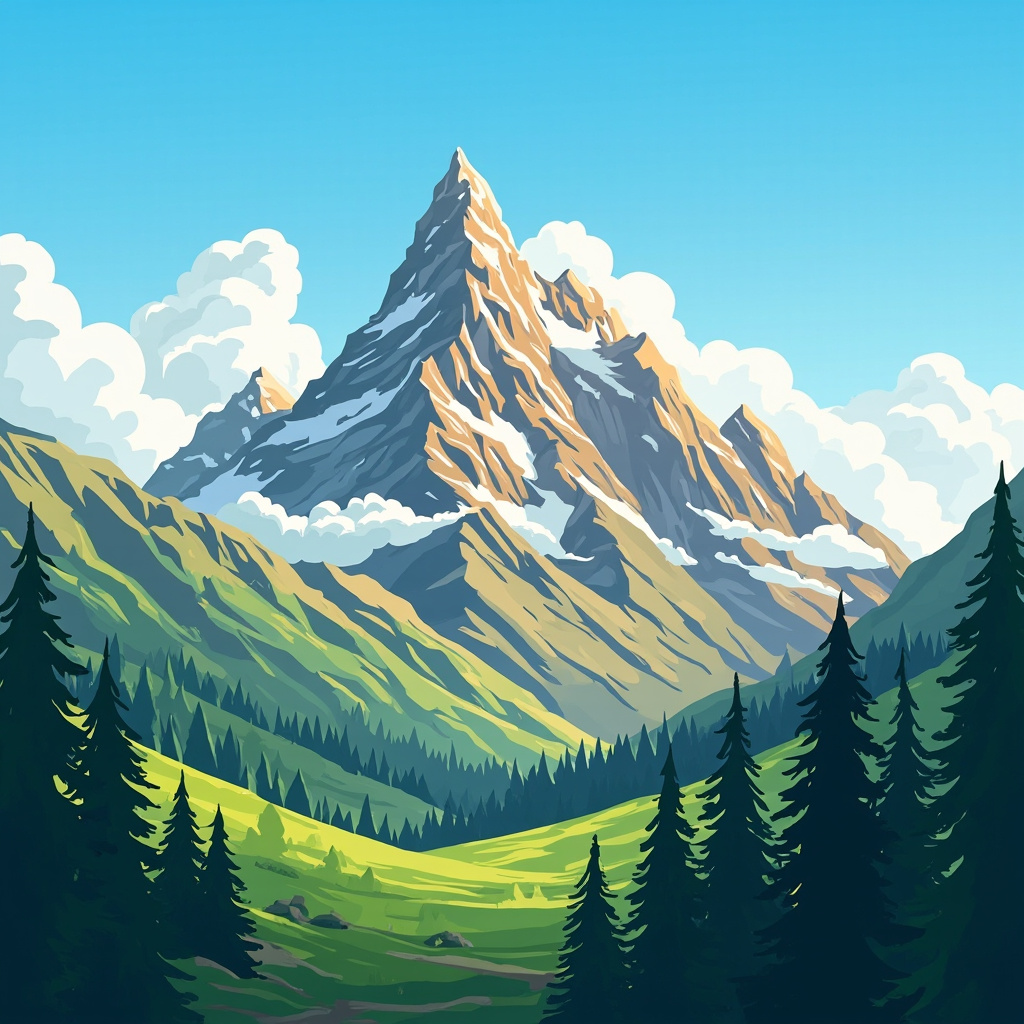
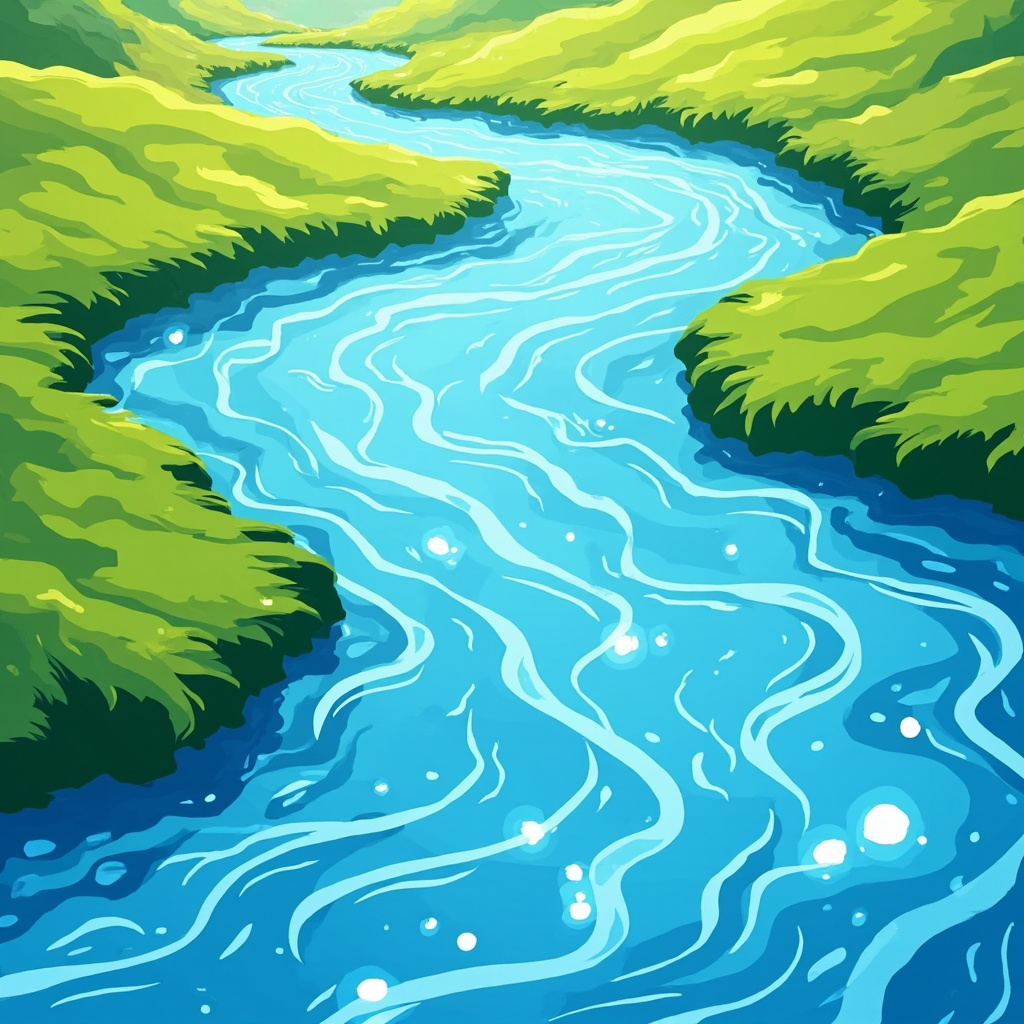
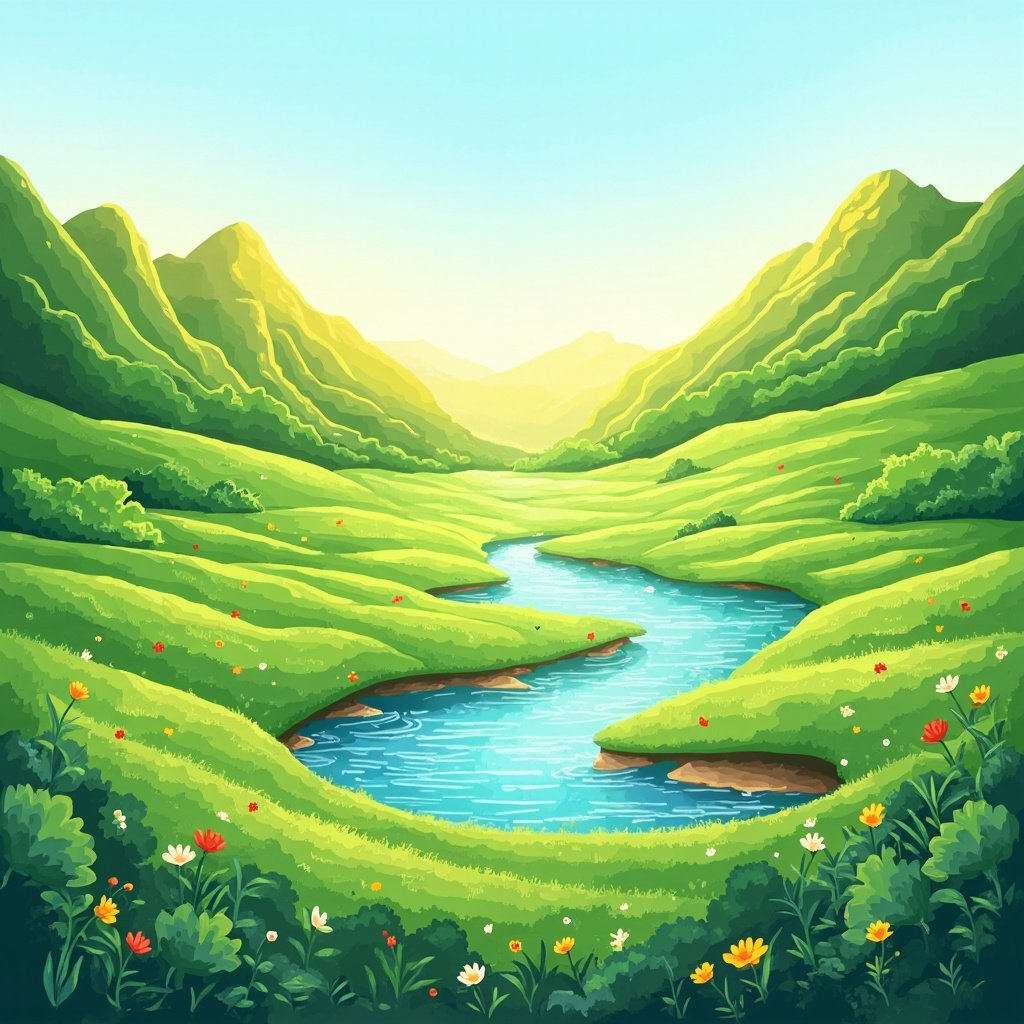
Now that you can name eight different landscapes, it is time to use them in real speaking. In this section, you will practise talking about landscape photos. Imagine you are looking at a picture with a friend. You need to describe what you see, where things are in the photo, and how the place makes you feel. Talking about pictures is a very common everyday activity in English — people do it with friends, in class, on social media, and on travel websites — so this skill is genuinely useful in real life.
When you describe a photo, it helps to divide the picture into three parts: the foreground (what is closest to you), the middle ground (the area in the centre), and the background (what is far away). This structure makes your description clear and easy to follow. Native speakers often describe pictures in this order without thinking about it: near first, far second, opinion at the end.
Here are some useful phrases for describing landscapes. Read each one aloud as you study it so you get used to the sound.
English phrase
When to use it
In the foreground, I can see …
To talk about what is at the front of the picture.
In the background, there are …
To talk about what is far away.
In the middle of the photo, there is …
To talk about the centre.
The place looks …
To give your impression (peaceful, wild, busy, empty).
It reminds me of …
To connect the photo to your own experience.
The view is …
To describe the overall scene (breathtaking, calm, dramatic).
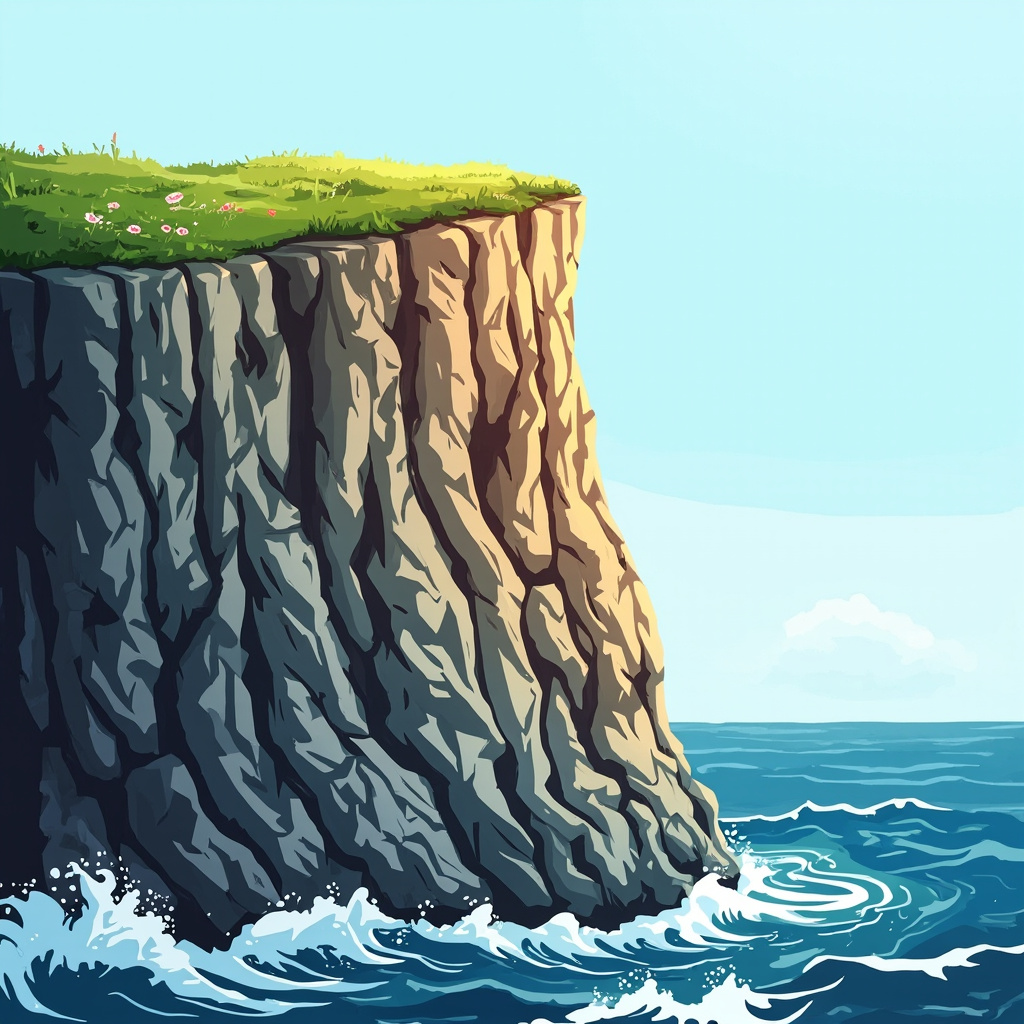
Look at this example: 'In the foreground, I can see a sandy beach. In the background, there are tall cliffs. The view is breathtaking.' Notice how the speaker moves from the front of the picture to the back. This is a very common and natural way to describe a landscape photo in English. Try to copy this structure when you speak.
You will first hear a short model dialogue between two friends, Emma and Tom, who are looking at landscape photos together. Listen carefully for the structure: foreground first, background second, opinion at the end. Then you will repeat two key sentences aloud so you can practise the rhythm and pronunciation. Finally, you will have your own short conversation with the AI about a landscape photo you have chosen. Try to use at least three new words from the vocabulary section, such as mountain, forest or cliff. Speak clearly and at a natural speed — not too fast, not too slow. Remember, a short, clear description is better than a long, confusing one. Adding a small personal feeling, like 'I would love to visit this place', makes your description sound more natural. By the end of this section, you will be able to describe any landscape photo clearly, using the right words and a natural structure.
وصف صور المناظر الطبيعية بالإنجليزي
يا صديقي، النهاردة هنتعلم إزاي نصف صورة منظر طبيعي (landscape photo) بشكل طبيعي وواضح بالإنجليزي. المهارة دي من أكتر المهارات اللي بتستخدمها في الحياة اليومية — مع صحابك، في السوشيال ميديا، أو حتى لما تسافر وتحب تشارك صورك.
القاعدة الذهبية: قسّم الصورة لثلاث أجزاء
أي صورة منظر طبيعي بتتكون من تلات مناطق، ودي اللي بتخلي الوصف بتاعك واضح ومرتب:
foreground (المقدمة) — اللي قريب منك في الصورة
middle ground (الوسط) — المنطقة اللي في النص
background (الخلفية) — اللي بعيد ورا
الـ English speakers بطبيعتهم بيبدأوا بالـ foreground وبعدين background، وبيخلوا رأيهم في الآخر.
الجمل الأساسية اللي هتحتاجها
في الدرس ده هتتعلم كذا جملة مهمة زي:
"In the foreground, I can see ..." — بتوصف بيها اللي قدامك في الصورة
"In the background, there are ..." — بتوصف بيها اللي ورا
"The place looks ..." — عشان تدي انطباعك (peaceful, wild, calm)
"It reminds me of ..." — لما عايز تربط الصورة بتجربة شخصية
"The view is ..." — لوصف المنظر كله (breathtaking, dramatic)
فرق مهم في الجرامر
لاحظ الفرق بين I can see و there are/is:
لما بتقول I can see يبقى أنت شايف الحاجة بنفسك، وبييجي بعدها اسم مفرد أو جمع: "I can see a river" أو "I can see mountains"
لما بتقول there are/is يبقى بتقول إن الحاجة موجودة في المكان: "there is a lake" أو "there are tall trees"
اسمع المحادثة بين Emma و Tom
Emma: Hi Tom! Look at this landscape photo.
Tom: Wow, it's beautiful. What can you see in the foreground?
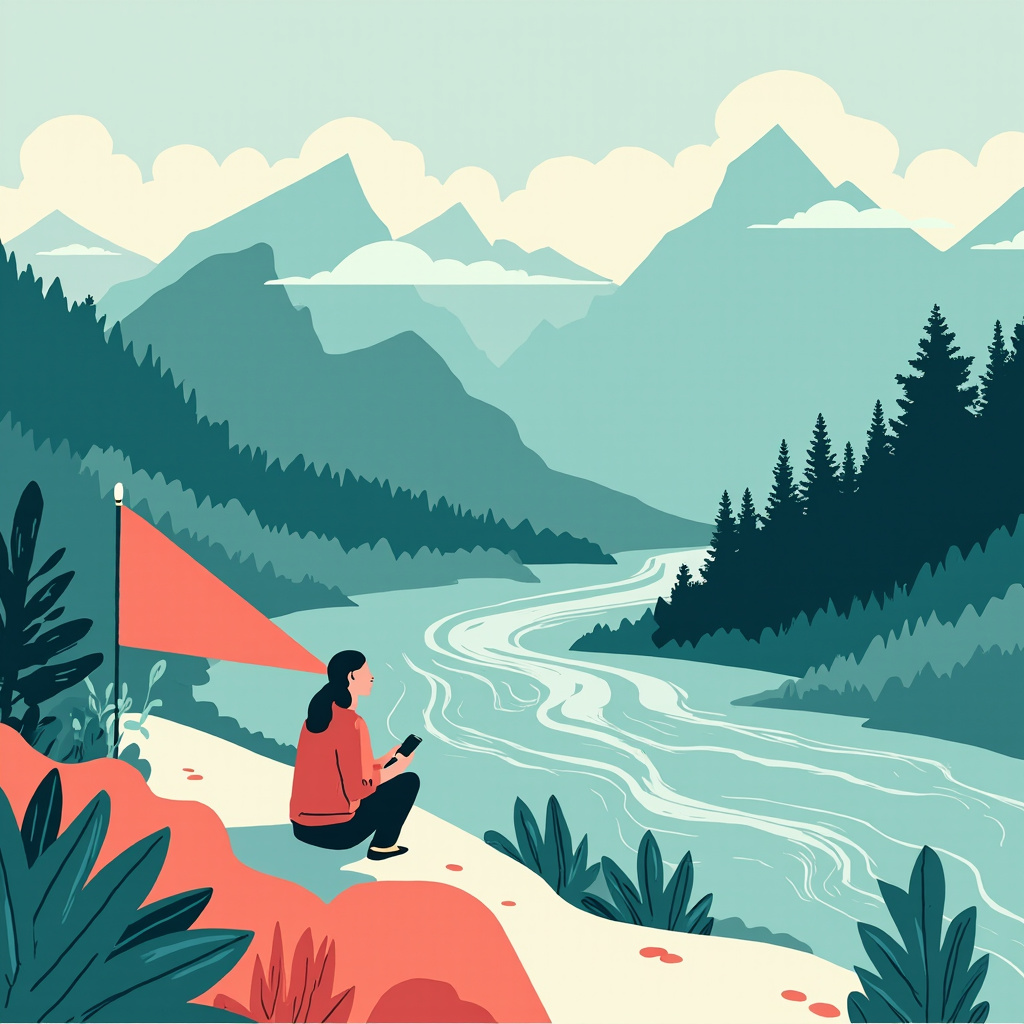
Emma: In the foreground, I can see a small river. In the background, there are tall mountains.
Tom: That sounds peaceful. Does the place look cold or warm?
Emma: The place looks cold. The mountains have snow on top.
Tom: It reminds me of my holiday in Scotland. The view is breathtaking!
لاحظ إزاي Emma بدأت بالـ foreground وبعدين راحت للـ background، وآخر جملة Tom قال "The view is breathtaking!" كدهديه رأيه الشخصي في الآخر.
نصايح للكلام الطبيعي
اتكلم ببطء وواضح — متبقاش سريع ومش بطيء أوي
ابدأ بحاجة بسيطة وبعدين زوّد التفاصيل شوية شوية
حاول تحط رأيك الشخصي زي "I would love to visit this place" عشان الكلام يطلع طبيعي أكتر
متبقاش Perfect، أهم حاجة إنك تتكلم وتعبّر
دلوقتي هتسجّل نفسك وإنت بتقول الجمل دي، وبعدين هتعمل محادثة مع الـ AI. يلا نبدأ!
Listen to Emma and Tom looking at a landscape photo together. Notice how they use foreground, background and opinion.
E
EmmaHi Tom! Look at this landscape photo.
T
TomWow, it's beautiful. What can you see in the foreground?
E
EmmaIn the foreground, I can see a small river. In the background, there are tall mountains.
T
TomThat sounds peaceful. Does the place look cold or warm?
E
EmmaThe place looks cold. The mountains have snow on top.
T
TomIt reminds me of my holiday in Scotland. The view is breathtaking!
In the foreground, I can see a sandy beach, and in the background, there are tall cliffs. The view is breathtaking.
Read this model sentence aloud. It is the kind of sentence you should aim to produce when you describe a landscape photo.
Required
Read this sentence aloud clearly. Try to copy the rhythm of the model: foreground first, then background.
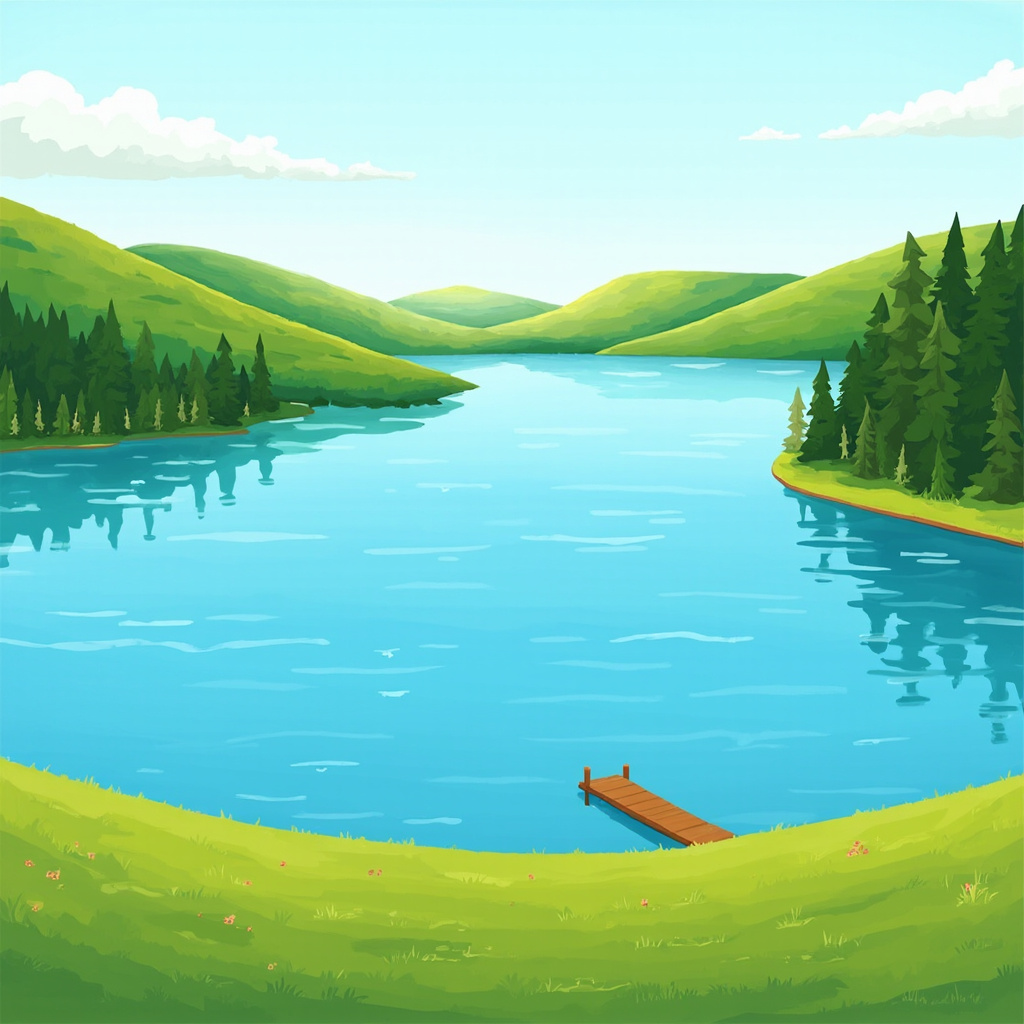
In the foreground, I can see a calm lake, and in the background, there are tall mountains.
Required
Read this sentence aloud clearly. Focus on the stress on 'breathtaking' and the natural linking of 'holiday'.
The view is breathtaking, and it reminds me of my last holiday.
Required
You and your friend Tom are looking at a landscape photo together. Use at least three words from the lesson (mountain, valley, forest, beach, cliff, desert, lake, river) and follow the structure: foreground first, background second, then your opinion about the view.
Required
Vocabulary
Vocabulary
6
cards
Welcome to a lesson about landscapes. A landscape is everything you can see when you look out across an area of land. It can include hills, water, trees, fields, or open sky. When we travel, watch films, or look at photographs, we often want to describe the scenery around us. In this lesson, you will learn the names of eight common landscapes and how to recognise them in a photo.
Before you look at the words, think about places you already know. Have you seen a mountain? A beach? A river? Each of these is a type of landscape. Learning the words for landscapes helps you describe your own experiences and understand other people's stories. It also helps you read travel articles and follow nature documentaries more easily.
Here are eight important words for talking about landscapes. Read each word, its part of speech, and the example sentence. The example shows the word used in real English.
Word
Part of speech
Example sentence
mountain
noun
Snow covers the top of the mountain in winter.
valley
noun
A small village sits at the bottom of the valley.
forest
noun
Birds sing loudly in the forest at dawn.
beach
noun
Children play with buckets and spades on the beach.
cliff
noun
Waves crash hard against the tall cliff.
desert
noun
The desert is very hot during the day and cold at night.
lake
noun
The lake is so clear that you can see the fish.
river
noun
A long river flows down from the mountains to the sea.
These eight words will help you describe almost any natural scene. Mountains, valleys, forests and rivers are typical of inland landscapes. Beaches and cliffs are typical of the coast. Deserts are dry, sandy places with very little rain. Lakes are still water surrounded by land. Notice that some of these words often appear together, for example a river that flows from a mountain, or a beach at the bottom of a cliff.
In the next steps, you will see the words in a word bank. You will match each word to a short meaning. Then you will read a model sentence using several of these words together, and you will hear the sentence spoken aloud. Pay attention to the pronunciation, especially the endings: -tain in mountain, -ey in valley, and the stress on the second syllable in desert.
In the UK, landscapes are very varied. Scotland has high mountains called Munros. The Lake District in England is famous for its lakes and forests. Cornwall has long beaches and dramatic cliffs. The more landscape words you know, the more easily you can describe where you have travelled, where you live, or where you would like to go in the future. Once you feel confident with these eight words, move on to the speaking section, where you will use them to describe a real landscape photo with a friend.
بسم الله، خلينا نتكلم عن كلمات المناظر الطبيعية (landscape vocabulary). الكلام ده مهم جداً لأنك لما تتفرج على صورة، أو تتفرج على فيلم، أو تسافر لمكان جديد، هتحتاج توصف اللي شايفه قدامك بكلمات واضحة.
النوع النحوي (Part of Speech)
كل الكلمات الثمانية دي أسماء (nouns)، وكلها أسماء معدودة (countable) — يعني تقدر تقول "a mountain" و"two mountains". مفيش ولا اسم واحد غير معدود (uncountable) فيهم.
المحددات وحروف الجر (Determiners & Prepositions)
كل كلمة ليها حرف جر بييجي معاها بشكل طبيعي:
in the forest (في الغابة)
in the valley (في الوادي)
in the desert (في الصحراء)
on the beach (على الشاطئ)
on the cliff (على الجرف)
in the lake (في البحيرة)
by the river (جنب النهر)
on the mountain (على الجبل)
ولما تتكلم عن مكان معين معروف، بنستخدم the، زي: the River Nile أو the Sahara Desert. لكن لما تتكلم عن النوع بشكل عام، بنستخدم a، زي: I saw a mountain.
كلمات مرتبطة (Related Words)
mountainous = جبلي (صفة من mountain)
forested = مليان غابات
lakeside / riverside = جنب البحيرة / جنب النهر
انتبه: كلمة desert اسم يعني "صحراء"، لكن desert فعل يعني "يهجر". النطق بيختلف — الاسم: DEZ-ert (التشديد على المقطع الأول)، والفعل: diz-ERT (التشديد على المقطع الثاني).
نقط نطق مهمة (Pronunciation Tips)
mountain بتنطق "MOWN-tin" — حرف الـ t بيتنطق بهدوء.
valley بتنطق "VAL-ee" — الـ a قصيرة.
beach بتنطق بطة طويلة "BEE-ch".
cliff بتنطق "KLIF" قصيرة.
أمثلة في جمل
We hiked up the mountain and saw a beautiful lake below.
The river flows through the valley before reaching the beach.
Waves crash hard against the tall cliff.
The desert is very hot during the day and cold at night.
الاستخدام في الحياة اليومية
الكلمات دي أساسية في وصف الصور، وقراءة مقالات السفر، ومتابعة أفلام الطبيعة (nature documentaries)، وكمان لما تحكي لأصحابك عن الأماكن اللي زرتها أو عايز تروحها. لما تحفظهم كويس، هتقدر تتكلم عن أي مكان في العالم بسهولة.
Learn these eight words for landscapes. Read each one aloud.
beachbiːtʃ
An area of sand or small stones beside the sea or a lake where people go to relax or play.
cliffklɪf
A steep rock face, especially at the edge of the sea, a river, or a mountain.
desertˈdezət
A vast, dry area of land with very little water and plant life, often covered with sand or rocks.
forestˈfɒrɪst
A large area of land covered with trees, smaller than a jungle and larger than a grove.
lakeleɪk
A large area of water surrounded by land, larger than a pond but smaller than a sea or ocean.
mountainˈmaʊntɪn
A very large natural elevation of the earth's surface, higher than a hill.
riverˈrɪvə
A large natural stream of water flowing to the sea, a lake, or another river.
valleyˈvæli
A low area of land between hills or mountains, typically with a river or stream flowing through it.
Required
Match each landscape word on the left to its meaning on the right.
Match each landscape word on the left to its meaning on the right.
mountain
valley
forest
beach
cliff
desert
lake
river
a very high hill with steep sides
low land between hills or mountains
a large area covered with trees
a sandy or pebbly area next to the sea
a high, steep rock face by the sea
a very dry, sandy area with little rain
a body of water surrounded by land
a long flow of water across land
In the photo, there is a river in the valley, a forest on the lower slopes, and tall mountains in the background.
Read this model sentence aloud. It uses four of the new words: river, valley, forest and mountains.
Required
Listen carefully. Where does the river flow down from?
A forest
The mountains
A beach
Required
Which word describes a high, steep rock face by the sea?