When we talk about climate change, we are often not 100% sure about what will happen in the future. English has a small group of modal verbs that we use to express how certain we are about something. The most common modals for probability are must, should, may, might, could and can't. Each one sits on a different point on a certainty scale — a kind of mental ruler that shows how sure the speaker feels.
Look at the table below. The left column shows how certain the speaker is, as a percentage. The middle column shows the modal we use in a positive sentence (when we think something is true or possible). The right column shows the modal we use in a negative sentence (when we think something is unlikely or impossible). Notice that might, may and could do not have a common negative form in this pattern — we usually use might not if we need a negative.
How sure?
Positive guess
Negative guess
Example
95% (almost certain)
must
can't
Temperatures must be rising.
75% (expected)
should
shouldn't
Sea levels should stop rising soon.
50% (possible)
may / might / could
—
It might rain more often.
There are four form rules you must remember for all modal verbs.First, modals do not add -s in the third person singular: He may agree (NOT he mays agree).Second, a modal is followed by the base form of another verb: They might go (NOT they might going).Third, the negative is formed with not after the modal: It might not rain.Fourth, to talk about the past, we use modal + have + past participle: It may have rained last night.
In climate change discussions, must is used to express strong beliefs about the present: The data must be wrong.Should is used to express expectations: Temperatures should continue to rise.May, might and could express possibility where the outcome is uncertain: More floods might occur next year. And can't rejects an idea we believe is impossible: The problem can't be solved by one country alone. Mastering these modals will help you discuss any uncertain future topic, not just climate change.
إزاي تتكلم عن الاحتمالات في الإنجليزي
في الإنجليزي عندنا مجموعة من الأفعال الصغيرة اسمها modal verbs بنستخدمها لما مش نكون متأكدين 100% من حاجة. الفكرة دي مهمة جداً خصوصاً لما نتكلم عن مواضيع زي التغير المناخي، لأن الكلام عن المستقبل بطبيعته فيه شك.
سلم التأكد – The Certainty Scale
تخيل إن في "مسطرة" في دماغك بتوريك قد إيه أنت متأكد من كلامك. كل modal بيحطّك على درجة مختلفة:
must معناها "أكيد" – تقريباً 95% تأكد. مثلاً: Temperatures must be rising، يعني أنا شبه متأكد إن الحرارة بترتفع فعلاً.
should معناها "المتوقع / المفروض" – حوالي 75%. مثلاً: Sea levels should stop rising soon.
may / might / could كلهم بمعنى "ممكن" – حوالي 50% تأكد. مثلاً: It might rain more often.
can't معناها "مستحيل" – بنستخدمها لما نرفض فكرة. مثلاً: The problem can't be solved by one country alone.
أربع قواعد لازم تحفظها
عشان تستخدم أي modal صح، لازم تفتكر الحاجات دي:
الـmodal مابيتغيرش مع الفاعل. يعني حتى لو الفاعل he أو she، مش بنضيف -s. نقول He may agree، مش he mays agree.
بعد الـmodal مباشرة بنحط الفعل في base form (المصدر بدون to). نقول They might go، مش they might going.
النفي بنعمله بإضافة not بعد الـmodal مباشرة: It might not rain.
لو عايز تتكلم عن الماضي، بنستخدم modal + have + past participle. مثلاً: It may have rained last night، يعني "يمكن أمطرت إمبارح".
نصيحة للتمارين
في الأسئلة اللي جاية، هتلاقي جمل عن المناخ وهتحتاج تختار الـmodal المناسب. ركّز على درجة التأكد اللي عايز توصلها، وافتكر إن must وcan't بييجوا في النهايات – واحد معناه "أكيد" والتاني "مستحيل". مع شوية تمرين، هتقدر تستخدمهم في أي موضوع مش بس climate change.
Sea levels must rise if global temperatures continue to increase.
Here must shows the speaker is almost certain (around 95%). Notice there is no -s on the modal and the verb rise is in its base form.
Renewable energy could replace fossil fuels in the future, but it might take many years.
Here could and might both express a possibility (around 50%). The speaker is not sure, so the modal shows uncertainty.
Required
Look at the two example sentences above. Which verb form always follows a modal verb (must, could, might, should, can't)?
The base form (e.g. rise, replace)
The -ing form (e.g. rising, replacing)
The past tense (e.g. rose, replaced)
Required
Global temperatures ___ (must / might) be rising. I'm almost sure.
Required
Renewable energy ___ (could / must) become the main source of power in fifty years.
Required
The sentence She cans speak three languages is correct.
Modal verbs never add *-s* in the third person. The correct form is *She **can** speak three languages*.
Required
In the sentence It might not rain tomorrow, the modal is might not.
To make a modal negative, we add **not** after the modal: *might not, should not, must not, cannot*.
Required
Put the words in order to make a sentence about climate change.
Renewable
energy
might
replace
fossil
fuels
in
the
Required
Drag the correct modal verb into each sentence. Choose from: must, might, could, should, can't.
must
might
should
can't
Sea levels rise if temperatures continue to increase.
Renewable energy replace fossil fuels one day.
We all try to reduce our carbon footprint.
The government ignore the climate crisis any longer.
Listening
Listening
5
cards
In this section, you are going to listen to a conversation between two friends, Maya and Daniel. They are sitting in a café in London, and the topic of climate change has just appeared in the news. Maya is studying environmental science at university and follows the topic closely. Daniel works in marketing and pays less attention to climate news. The two friends have different levels of concern, which is very common in real life.
As you listen, try to catch both the main idea (the gist) and the specific details (numbers, opinions, examples). The conversation also contains several modal verbs of probability that you practised in the grammar section: must, should, might and can't. Listen for how each speaker uses them to express their degree of certainty.
Before you press play, take a moment to predict.Why might two people of the same age have very different views on climate change? Possible reasons include their job, what they read, their daily habits, and their general level of optimism or pessimism about the future. Predicting in this way helps your brain get ready to listen for the answer.
سياحة سريعة في حوار Climate Change
تخيّل إنك قاعد في كافيه في لندن، وسمعت اتنين من أصحابك بيتكلموا عن موضوع مهم جداً: climate change. الكلام ده بيحصل كل يوم حوالينا، بس مش كل الناس بتبه أو بتاخد خطوة.
مين الكلام؟
Maya طالبة في الجامعة بتدرس environmental science، يعني هي شغالة في علم البيئة وعارفة تفاصيل كتير عن الموضوع. Daniel شغال في marketing، يعني شغله بعيد عن البيئة ومش بيهتم بكل خبر. لما تسمع الاتنين، هتحس إن في فرق بين شخص متفائل (optimistic) وشخص متشائم (pessimistic) — وده طبيعي جداً في الحياة.
استراتيجيات الاستماع
في الاستماع عندنا مستويين لازم تمسكهم:
Gist (الفكرة العامة): أول مرة تسمع، ركّز بس على الموضوع العام. الكلام عن إيه؟ الشخصيتين موافقين ولا مختلفين؟ متقلقش من أي كلمة.
emissions: الغازات اللي طالعة من المصانع والعربيات، ودي اللي بتسبب global warming.
renewable energy: طاقة متجددة، زي طاقة الشمس والرياح.
recycle: إعادة تدوير الزجاجات والورق.
to tackle: تواجه مشكلة وتحاول تحلها.
القواعد: Modal verbs of probability
في الحوار هتسمع كلمات بتعبّر عن مدى الثقة اللي المتحدث حاسس بيها:
must: معناها "أكيد" أو "لازم". مثلاً: They must do more (لازم يعملوا أكتر).
should: معناها "ينبغي". مثلاً: You should eat less meat.
might: معناها "ممكن". مثلاً: It might be too late (ممكن يكون فات الأوان).
can't: معناها "مستحيل". مثلاً: One person can't make a difference (شخص واحد مستحيل يغير).
ركّز على الـ modal verb عشان تفهم المتحدث واثق ولا مش واثق.
جمل مفيدة من الحوار
Are you following it closely? — سؤال عن مدى الاهتمام بموضوع معين.
Small changes add up — التغييرات الصغيرة بتتراكم مع الوقت.
Fair point — اعتراف إن كلام الطرف التاني فيه صح.
I find these reports a bit depressing — الأخبار دي بتحبطني.
نصيحة أخيرة
قبل ما تدوس play، خد ثانية وفكّر: ليه شخصين من نفس السن ممكن يكون عندهم آراء مختلفة جداً في climate change؟ هل لأن شغلهم مختلف، ولا عاداتهم اليومية، ولا قراءتهم؟ لما تعمل كده، مخك بيبدأ يجهز نفسه يسمع الإجابة.
Two friends, Maya and Daniel, discuss climate change in a London café. Maya studies environmental science; Daniel works in marketing.
M
MayaHave you seen the news today? There's another story about climate change.
D
DanielI know, it feels like every day there's something new. Are you following it closely?
M
MayaYes, I'm studying environmental science, so I have to. Today's report says global emissions rose again last year.
D
DanielHonestly, I find these reports a bit depressing. I try to recycle, but I feel like one person can't make a difference.
M
MayaThat's not really true. Small changes add up — cycling to work, eating less meat, switching to renewable energy.
D
DanielFair point, but what about the big companies? They produce most of the emissions.
M
MayaYou're right that governments and companies must do more. But individuals can also push for change.
D
DanielDo you honestly think it's too late to tackle climate change?
M
MayaI don't think so. There's still time, but we must act quickly. The next ten years are critical.
Required
What is the main topic of Maya and Daniel's conversation?
A new film they want to see
Climate change and what to do about it
A holiday they are planning
A new job at a company
Required
According to Maya, what does she study at university?
Marketing
Environmental science
Journalism
Engineering
Required
Maya says the next ten years are ___.
Pronunciation
Pronunciation
6
cards
Many of the words we use to talk about climate change have three or more syllables, and the syllable stress is essential. If you put the stress on the wrong syllable, a native speaker may not understand you, or may need a few seconds to work out what you mean. Getting the stress right is one of the fastest ways to sound more natural and confident.
There is a useful pattern in English: words ending in -tion (pronounced /ʃən/) usually have the main stress on the syllable just before the -tion. Look at these examples:
e-MIS-sion (emission)
pol-LU-tion (pollution)
solu-TION (solution)
reduc-TION (reduction)
The same pattern is common with -sion words (deci-SION) and many -ation words (infor-MA-tion, edu-CA-tion). However, there are a few exceptions, so it is always worth checking a dictionary when you are unsure.
The /ʃ/ sound in -tion can be tricky. To produce it: round your lips into a small "o" shape, as if you are about to whistle. Bring the back of your tongue up towards the roof of your mouth, and raise the tip of your tongue so it nearly touches just behind your upper teeth. Push air out gently through a small gap. The sound is voiceless — your vocal cords do not vibrate. You can feel this if you put your hand on your throat: there should be no buzz. The /ʃ/ sound is the same sound you hear at the start of shoe and shout, and at the end of mission and emission.
To stress a syllable, make it louder, slightly higher in pitch, and a little longer than the others. The unstressed syllables should be short and quick — they often become a soft /ə/ (schwa). Try saying emission aloud: the second syllable MIS should be the loudest and longest; the first and third syllables should be quick and quiet.
Word
Syllables
Where is the stress?
pollution
pol-lu-tion
pol-LU-tion
emission
e-mis-sion
e-MIS-sion
solution
so-lu-tion
so-LU-tion
reduction
re-duc-tion
re-DUC-tion
sustainable
sus-tain-a-ble
sus-TAIN-a-ble
في الدرس ده بنتعلم حاجة مهمة جدًا في الإنجليزي: النطق الصح لصوت الـ /ʃ/، وده الصوت اللي بنسمعه في آخر كلمات زي emission وpollution. كتير من الكلمات اللي بنستخدمها في موضوع تغيّر المناخ ليها ٣ مقاطع أو أكتر، ولازم نعرف فين الـ syllable stress (التشديد على المقطع) عشان الناس تفهمنا بسرعة.
إزاي تعمل صوت الـ /ʃ/ بإيدك وراسك
عشان تعمل الصوت ده صح، اتبع الخطوات دي:
شفايفك: اعمل شفايفك دائرة صغيرة زي ما هتعمل صفارة.
لسانك: ارفع ضهر لسانك ناحية سقف بقك، وفي نفس الوقت ارفع طرف لسانك بحيث يقرب من ورا سنانك الفوق.
الهوا: طلّع الهوا بهدوء من فتحة صغيرة.
الصوت: الصوت ده voiceless، يعني الحبال الصوتية مش بتشتغل. حط إيدك على رقبتك، لازم تفضل ساكتة من غير دبدبة.
نفس الصوت ده بتسمعه في أول shoe وshout، وفي آخر mission وemission.
قاعدة الـ stress في كلمات الـ -tion
في الإنجليزية في قاعدة حلوة: الكلمات اللي بتنتهي بـ -tion (بتتنطق /ʃən/) في الغالب الـ stress بييجي على المقطع اللي قبل الـ -tion على طول. بص للأمثلة:
e-MIS-sion ← stress على MIS
pol-LU-tion ← stress على LU
solu-TION** ← stress على TU (استثناء بسيط)
re-DUC-tion ← stress على DUC
ونفس الفكرة بتنطبق على كلمات -sion زي deci-SION، وكلمات -ation زي *infor-MA-tion وedu-CA*-tion. بس دايمًا افتح القاموس لو مش متأكد.
إزاي تعمل stress صح
لما تيجي تشدّد على مقطع، خليه أعلى صوتًا، أعلى في الـ pitch شوية، وأطول من باقي المقاطع. أما باقي المقاطع فخليها قصيرة وسريعة، وكثير بتتحول لصوت الـ schwa /ə/ الهادي. جرب دلوقتي قول emission بصوت عالي: e-MIS-sion. الـ MIS هي اللي لازم تكون العلاّنة. بعدين استمع للمثال في التمرين وكرّره وراه.
To make the /ʃ/ sound: round your lips, raise the back of your tongue, place the tip near your top teeth, and push air out gently without vibrating your vocal cords. To stress a syllable, make it louder, longer and slightly higher than the others. In emission, the stress is on MIS.
Required
Listen carefully. Which word do you hear?
emission
emotion
mission
Required
Read the word aloud. Remember the stress is on the second syllable: e-MIS-sion.
emission
Required
Read the word aloud. Stress the second syllable: pol-LU-tion.
pollution
Required
Read the word aloud. The stress falls on MOS: at-MOS-phere.
atmosphere
Reading
Reading
6
cards
Reading about climate change in English is a good way to build both your vocabulary and your general knowledge. However, you do not need to understand every word in a text. Good readers use strategies to read more efficiently and to find the information they need.
Strategy: Skim and scan.
Skim the text quickly to get the main idea. Read the title, the first sentence of each paragraph, and the last paragraph. Do not stop at unknown words.
Scan the text for specific information such as numbers, dates, names, or key words like however, because or in the future. Move your eyes quickly down the page until you find what you need.
Before you read the article, look at the table of key words below. Each word appears in the reading passage, and understanding them in advance will help you read faster.
Word
Part of speech
Arabic gloss
Meaning
drought
noun
جفاف
a long period with little or no rain
catastrophic
adjective
كارثي
extremely bad, causing serious damage
address
verb
يعالج / يتناول
to deal with a problem or issue
adapt
verb
يتكيف
to change your behaviour to fit new conditions
Now skim the article, then read it more carefully to answer the questions that follow.
إزاي تقرا المقال بذكاء
قبل ما تبدأ تقرا، فيه استراتيجيتين لازم تعرفهم كويس:
Skimming (القراءة السطحية السريعة): بتقرأ بسرعة عشان تاخد الفكرة العامة بس. ركز على العنوان، أول جملة في كل فقرة، وآخر جملة. مش محتاج تفهم كل كلمة.
Scanning (البحث بالعين): بتحرك عينك بسرعة على النص عشان تلاقي معلومة معينة، زي رقم أو اسم أو تاريخ. مش بتقرأ كل حاجة.
في البيسشن دي، هتستخدم الاستراتيجيتين مع بعضهم. الأول اعمل skim للمقال عشان تفهم الفكرة الرئيسية. بعدين لما الأسئلة تيجي، ارجع واعمل scan عشان تلاقي الإجابة بسرعة من غير ما تقرا النص كله تاني.
fossil fuels — الوقود الأحفوري (زي البترول والفحم)
renewable energy — الطاقة المتجددة، زي الطاقة الشمسية وطاقة الرياح
coastal cities — المدن الساحلية
rising sea levels — ارتفاع منسوب مياه البحر
catastrophic — كارثي أو مدمر جداً
going mainstream — بقت رائجة وشائعة بين الناس
demanding action — بيطالبوا باتخاذ إجراء
adapt their behaviour — يغيروا سلوكهم أو يتكيفوا مع الوضع
قواعد نحوية مفيدة
المضارع البسيط بيتستخدم كتير في المقال عشان يعبر عن حقائق علمية:
Climate change is happening now — التغير المناخي بيحصل دلوقتي
Scientists agree that human activity is the main cause — العلماء متفقين إن النشاط البشري هو السبب الرئيسي
تعبير "no longer" يعني "لم يعد":
is no longer a problem for the future = لم يعد مشكلة في المستقبل، بقى مشكلة بتحصل دلوقتي
الخلاصة: اعمل skim الأول، وبعدين scan لما تدور على إجابة.
Why Climate Change Matters to All of Us
Climate change is no longer a problem for the future — it is happening now. Across the world, extreme weather events such as floods, droughts and heatwaves are becoming more frequent and more severe. Scientists agree that human activity, especially the burning of fossil fuels, is the main cause.
The effects are not only environmental. They are also economic and social. Farming communities are losing their crops, coastal cities are facing rising sea levels, and millions of people are being forced to leave their homes. In some regions, the changes have already been catastrophic.
But there is still hope.Renewable energy is cheaper than ever, electric cars are going mainstream, and young people around the world are demanding action. If governments, companies and individuals all adapt their behaviour, we can address the problem together. The choices we make today will decide what kind of planet we leave for the next generation.
إزاي تقرا المقال بذكاء
قبل ما تبدأ تقرا، فيه استراتيجيتين لازم تعرفهم كويس:
Skimming (القراءة السطحية السريعة): بتقرأ بسرعة عشان تاخد الفكرة العامة بس. ركز على العنوان، أول جملة في كل فقرة، وآخر جملة. مش محتاج تفهم كل كلمة.
Scanning (البحث بالعين): بتحرك عينك بسرعة على النص عشان تلاقي معلومة معينة، زي رقم أو اسم أو تاريخ. مش بتقرأ كل حاجة.
في البيسشن دي، هتستخدم الاستراتيجيتين مع بعضهم. الأول اعمل skim للمقال عشان تفهم الفكرة الرئيسية. بعدين لما الأسئلة تيجي، ارجع واعمل scan عشان تلاقي الإجابة بسرعة من غير ما تقرا النص كله تاني.
fossil fuels — الوقود الأحفوري (زي البترول والفحم)
renewable energy — الطاقة المتجددة، زي الطاقة الشمسية وطاقة الرياح
coastal cities — المدن الساحلية
rising sea levels — ارتفاع منسوب مياه البحر
catastrophic — كارثي أو مدمر جداً
going mainstream — بقت رائجة وشائعة بين الناس
demanding action — بيطالبوا باتخاذ إجراء
adapt their behaviour — يغيروا سلوكهم أو يتكيفوا مع الوضع
قواعد نحوية مفيدة
المضارع البسيط بيتستخدم كتير في المقال عشان يعبر عن حقائق علمية:
Climate change is happening now — التغير المناخي بيحصل دلوقتي
Scientists agree that human activity is the main cause — العلماء متفقين إن النشاط البشري هو السبب الرئيسي
تعبير "no longer" يعني "لم يعد":
is no longer a problem for the future = لم يعد مشكلة في المستقبل، بقى مشكلة بتحصل دلوقتي
الخلاصة: اعمل skim الأول، وبعدين scan لما تدور على إجابة.
Required
What is the main point of the article?
Climate change is only a problem for poor countries.
Climate change is a serious global problem, but there is still hope.
Electric cars are the only solution to climate change.
Young people are the main cause of climate change.
Required
According to the article, extreme weather events are becoming less common.
The article says extreme weather events are *becoming more frequent and more severe*, not less common.
Required
The article says renewable energy is cheaper than it used to be.
The third paragraph states: *Renewable energy is cheaper than ever.*
Required
According to the article, what is the main cause of climate change?
Burning fossil fuels
Planting trees
Driving electric cars
Recycling
Speaking
Speaking
7
cards
In this final section, you will practise speaking about climate change. You will first listen to a short model conversation between two people, then record your own sentences, and finally take part in a roleplay with the AI.
Here are some useful phrases that will help you express your ideas clearly. The Arabic gloss is just a quick reminder — try to memorise the English phrase, not the translation.
English phrase
When to use it
I'm quite worried about...
To express personal concern
There is no doubt that...
To state something you believe strongly
I think we should / must...
To suggest an action
It might / could...
To express possibility
We can't ignore...
To emphasise a serious problem
A few tips for speaking naturally. First, do not translate from your first language; try to think directly in English. Second, use the modal verbs you practised in the grammar section (might, could, should, must) to express probability and to soften your opinions. Third, use hedging language such as I think, I believe and it seems — this sounds more polite and more natural in English than stating a strong opinion. Finally, speak at a steady pace: native speakers do not speak as fast as you might think, and pausing briefly between ideas is perfectly normal.
إزاي تتكلّم عن تغيّر المناخ بالإنجليزي
الدرس ده بيعلّمك تتكلّم عن climate change بالإنجليزي. في المحادثة اللي هتسمعها، صاحبين بيكلّموا عن الموضوع بصراحة، وكل واحد بيقول رأيه بهدوء. تعالوا نشوف العبارات المهمة والأفكار اللي وراها.
عبارات محوريّة في المحادثة
في الحوار بين Sophie و James، هتلاقي عبارات كتير مفيدة. خلّيني أركّز على أهمّهم:
"Do you think climate change is really as serious as people say?" — دي طريقة كويسة تفتح بيها أي نقاش. السؤال بيدّي فرصة للطرف التاني يشارك بدل ما تفرض رأيك من الأول.
"There is no doubt that..." — عبارة قويّة بتقول بيها إنك متأكّد تمامًا من حاجة. زي: "There is no doubt that education is important."
"I think we should all do our part." — هنا بيستخدم should عشان يقترح فعل. الفكرة إنّه بيقترح حل، مش بيأمر.
"reduce my carbon footprint" — معناها تقليل البصمة الكربونيّة، يعني تقليل التلوّث اللي بتعمله في حياتك اليوميّة.
الأفعال المساعدة (Modal Verbs)
في المحادثة، James بيستخدم should لما بيقترح. لكن هتلاقي كمان might و could و must، ودول أفعال مساعدة بتغيّر معنى الجملة كله:
might / could — معناها "ممكن". "It might take many years" معناها ممكن ياخد سنين كتير. بتخلّي كلامك أهدى وأقلّ حدّة.
must — معناها "لازم". أقوى من should، وبتستخدمها لما الحاجة مهمّة جدًا.
should — معناها "ينبغي". في النُص بين النصيحة والإجبار.
لغة التمهيد (Hedging Language)
في الإنجليزي، الأحسن ما تقولش رأيك بشكل قوى أوي. استخدم عبارات زي I think... أو I believe... أو it seems.... الفرق بين "Climate change is bad" و "I think climate change is a serious problem" هو إن الجملة التانية بتسيب مجال للطرف التاني يشارك. ده بيبان أكتر أدب وطبيعي في الإنجليزي.
نصايح للتكلّم بطلاقة
أولًا، ما تفكّرش بالعربي وتترجم، حاول تفكّر بالإنجليزي من الأول. ثانيًا، خد وقتك بين الجُمل — الناس في الإنجليزي ما بتتكلّمش بالسرعة اللي أنت فاكرها. ثالثًا، استخدم I think و it seems عشان تبان مهذّب. وأخيرًا، اتمرّن على الجُمل بصوت عالي قبل ما تسجّل، عشان صوتك يطلع واثق وواضح.
A short model conversation between two friends discussing climate change. Listen to the phrases they use.
S
SophieDo you think climate change is really as serious as people say?
J
JamesThere is no doubt that it's a serious problem. We've had floods and heatwaves almost every year.
S
SophieI agree, but what can ordinary people do? Big companies cause most of the pollution.
J
JamesI think we should all do our part. Small changes can help — using less plastic, cycling more, eating less meat.
S
SophieThat's true. I'm going to try to reduce my carbon footprint this year.
J
JamesWe could all do more to tackle this together. It starts with us.
There is no doubt that climate change is one of the biggest challenges of our time.
This is a useful phrase for stating a strong opinion in a polite, academic way. Use it in a short speech or an essay introduction.
Required
Read the sentence aloud. Try to stress should and tackle naturally.
I think we should all do more to tackle climate change.
Required
Read the sentence aloud. Use the modal verbs to express possibility and uncertainty.
It might take many years, but renewable energy could replace fossil fuels.
Required
You are talking to a friend who is worried about climate change. Discuss the problem and suggest two or three things you could both do to help. Use modal verbs such as should, could and might in your answers.
Required
Vocabulary
Vocabulary
6
cards
Climate change is a topic we see in the news almost every day, and the words used to discuss it are now part of everyday English. To read an article, follow a podcast, or take part in a conversation about the environment, you first need a small set of high-value words. This lesson introduces eight key terms that you will meet again and again in news reports, classroom discussions and casual chats with friends.
Below is a reference table. For each word, look at the part of speech and the example sentence. Try to understand the meaning from the English sentence first; the Arabic gloss is only a quick reminder. Notice how the verbs behave: tackle is a regular verb that does not take -s in the third person when we add a modal in front (must tackle), while rise changes form in the present simple (rises, rising, rose, risen).
Three of the nouns in the table are typically used in the plural form in this topic: emissions, fossil fuels and extreme weather. You would not normally say an emission in a news report, although the word is grammatically countable. The phrase carbon footprint is countable and is often described as small or large.Tackle is a strong, active verb that means deal with a serious problem; it is common in news headlines and is more forceful than handle.
Pay attention to the collocations (fixed word partnerships). We cut emissions, tackle a problem, rise by a number of degrees, and switch to renewable energy. These pairings are fixed in English and will make your speech and writing sound much more natural.
Word
Part of speech
Arabic gloss
Example sentence
carbon footprint
noun
البصمة الكربونية
My carbon footprint is smaller since I started cycling to work.
emissions
noun (usually pl.)
الانبعاثات
The government wants to cut emissions from factories.
renewable
adjective
متجدد
Solar and wind power are renewable energy sources.
fossil fuels
noun (pl.)
الوقود الأحفوري
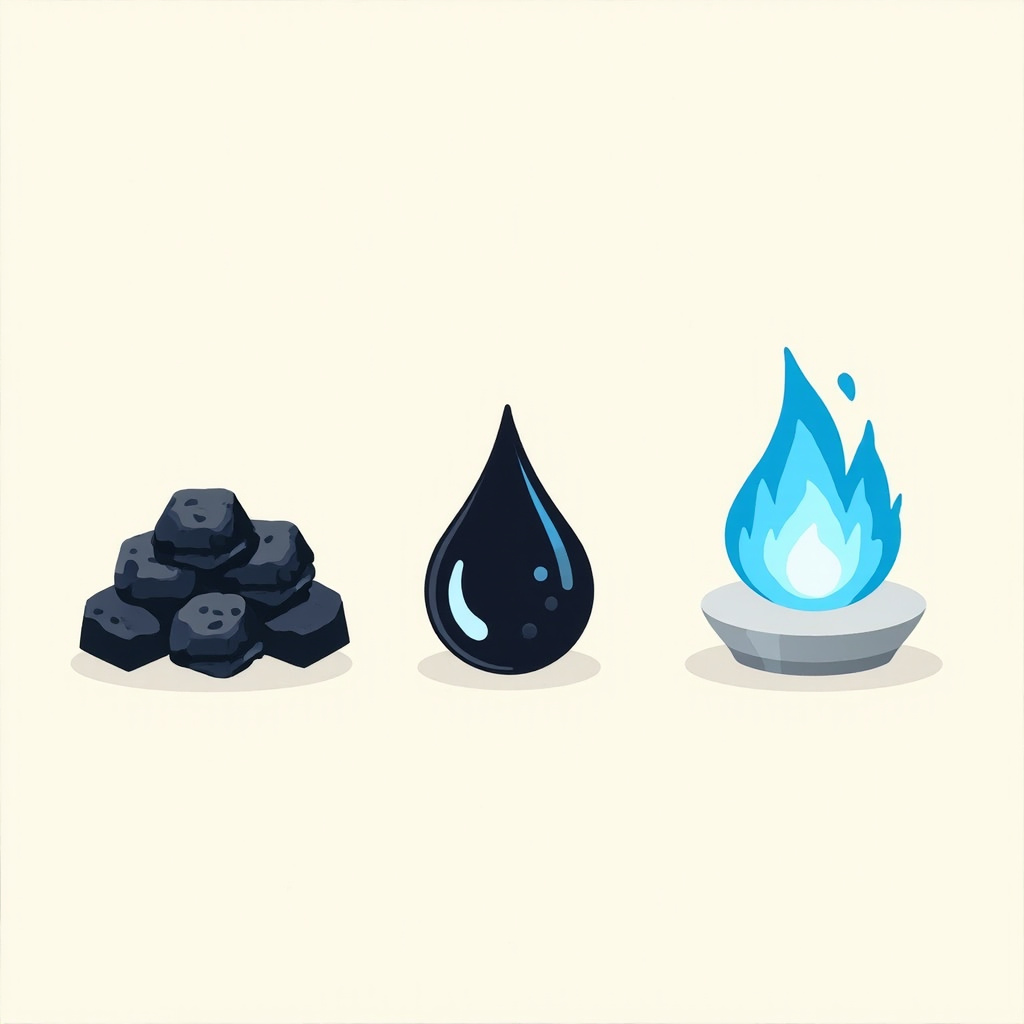
Burning fossil fuels releases carbon dioxide into the air.
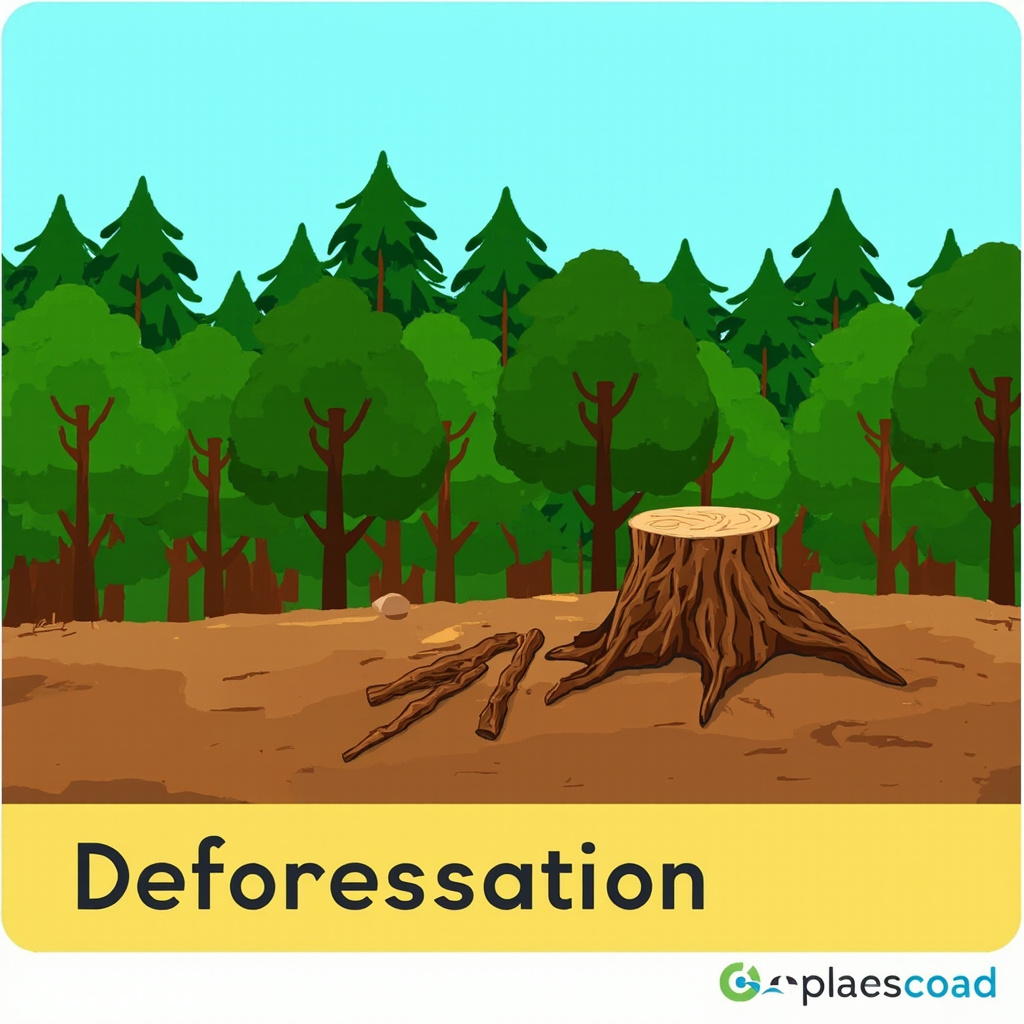
deforestation
noun
إزالة الغابات
Deforestation in the Amazon is threatening wildlife.
rise (rises, rose, risen)
verb
يرتفع
Global temperatures have risen by over one degree since 1900.
tackle
verb
يعالج / يواجه
Countries must tackle pollution together.
extreme weather
noun (pl.)
الطقس المتطرف
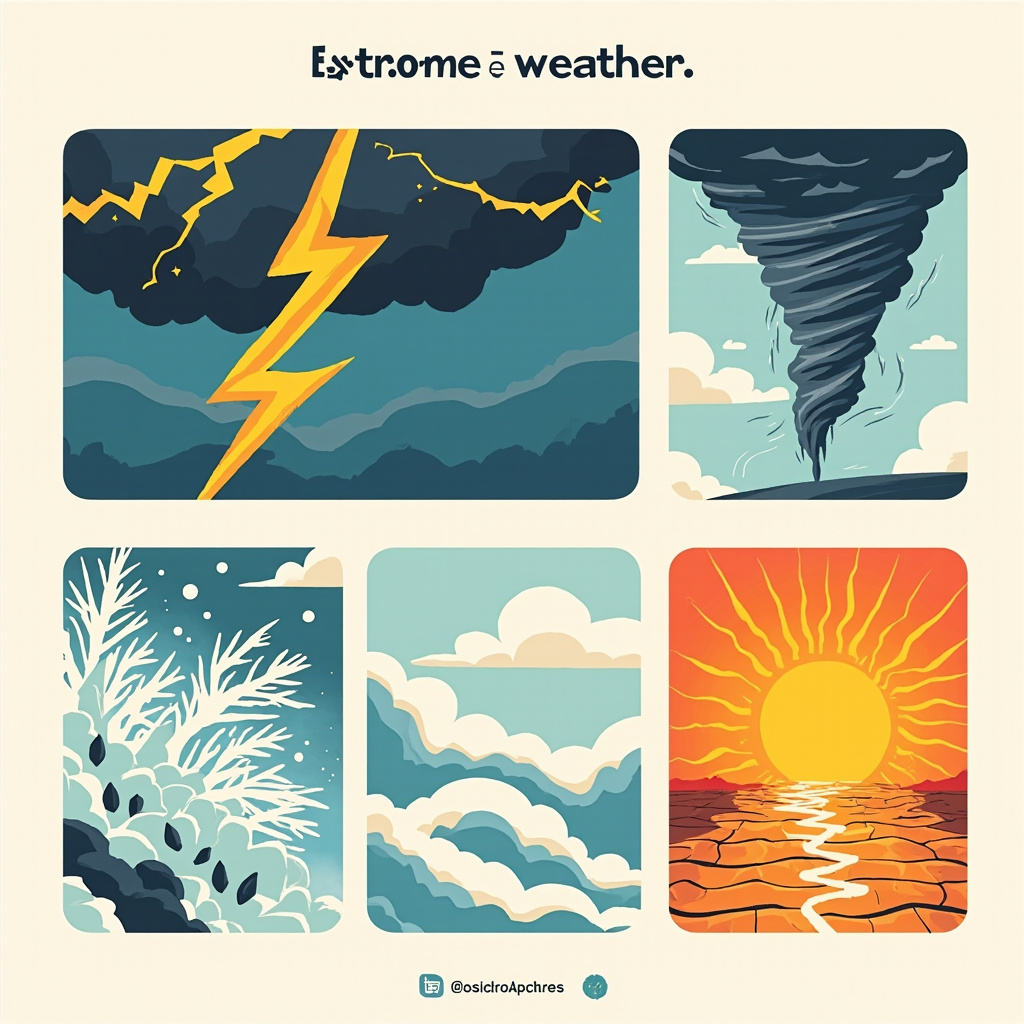
Floods and heatwaves are examples of extreme weather.
الكلمات اللي في الدرس ده كلها مرتبطة بموضوع التغير المناخي، ودي موضوع بيتقال في الأخبار كل يوم تقريبًا. عشان تقدر تتابع مقال أو بودكاست أو تتكلم مع صحابك عن البيئة، لازم يكون عندك الـ vocabulary الأساسي ده.
الأسماء (Nouns) والصفات (Adjectives)
carbon footprint (البصمة الكربونية): اسم countable، بنوصف بيه قد إيه الشخص أو الشركة بيسبب انبعاثات. ممكن تبقى small أو large.
emissions (الانبعاثات): اسم بييجي في الغالب بالجمع في سياق الأخبار. بنقول cut emissions مش cut an emission.
renewable (متجدد): adjective بتيجي قبل مصادر الطاقة. بنقول renewable energy أو renewable resources.
rise: verb بتصريف غير منتظم، تصريفها كالتالي: rises, rising, rose, risen. بنقول temperatures have risen by one degree.
tackle: verb عادية بس قوية في المعنى، يعني "يتعامل مع مشكلة كبيرة". لما نحط modal قبلها زي must أو should، ما بنزودش -s في الغائب. يعني بنقول he must tackle ومش he must tackles. وده لأن الـ modal بياخد الـ verb في الـ base form.
Collocations مهمة جدًا
ال collocations هي الكلمات اللي بتيجي مع بعض بشكل ثابت في الإنجليزي، فلازم تحفظها كده:
cut emissions (نقلل الانبعاثات)
tackle a problem (نتعامل مع مشكلة كبيرة)
switch to renewable energy (نتحول للطاقة المتجددة)
rise by a number of degrees (يرتفع بمقدار درجات)
burn fossil fuels (نحرق الوقود الأحفوري)
لما تستخدم الـ collocations دي في كلامك أو كتابتك، هتتكلم إنجليزي طبيعي زي الـ native speakers. نصيحتي ليك: حاول تقرأ مقال عن البيئة بالإنجليزي وتلاحظ الكلمات دي قد إيه بتتقال في سياقات مختلفة.
Read the eight key words for this lesson. Tap each one to hear it pronounced, and try to remember the meaning.
C
carbon footprintˈkɑːbən ˈfʊtprɪnt
The total amount of greenhouse gases produced by human activities, measured in carbon dioxide equivalent.
deforestationˌdiːfɒˈreɪʃən
The process of cutting down or destroying trees in a forest area, often on a large scale, leading to environme
emissionsɪˈmɪʃənz
The release of gases, chemicals, or radiation into the atmosphere, often referring to pollutants from vehicles
extreme weatherɪkˈstriːm ˈweðə
Weather conditions that are severe, unusual, or far from the expected range, such as hurricanes, heatwaves, bl
fossil fuelsˈfɒsəl ˌfjʊəlz
Natural energy sources such as coal, oil, and natural gas formed from the remains of ancient plants and animal
renewablerɪˈnjuːəbl
Able to be replaced by natural processes or supplies that do not run out, often used to describe energy source
riseraɪz
To move upward; to get up from a lying, sitting, or kneeling position; to increase in level, amount, or value.
tackleˈtækəl
To make a physical attempt to take the ball from an opponent in sports such as football; also means to deal wi
Required
Match each climate word to its meaning.
Match each climate word to its meaning.
carbon footprint
emissions
renewable
fossil fuels
deforestation
rise
tackle
extreme weather
the amount of carbon dioxide a person produces
gases released into the air by cars, factories, etc.
energy from sources that do not run out (sun, wind)
coal, oil and natural gas
cutting down large areas of forest
to go up or increase
to deal with a difficult problem
very strong storms, heatwaves or floods
We must cut emissions and switch to renewable energy if we want to tackle climate change.
Notice three vocabulary items in one sentence: cut emissions, renewable energy and tackle climate change.
Required
Listen to the sentence. According to the speaker, what is a major cause of climate change?
Carbon emissions
Renewable energy
Deforestation
Required
Which word means to deal with a difficult problem?