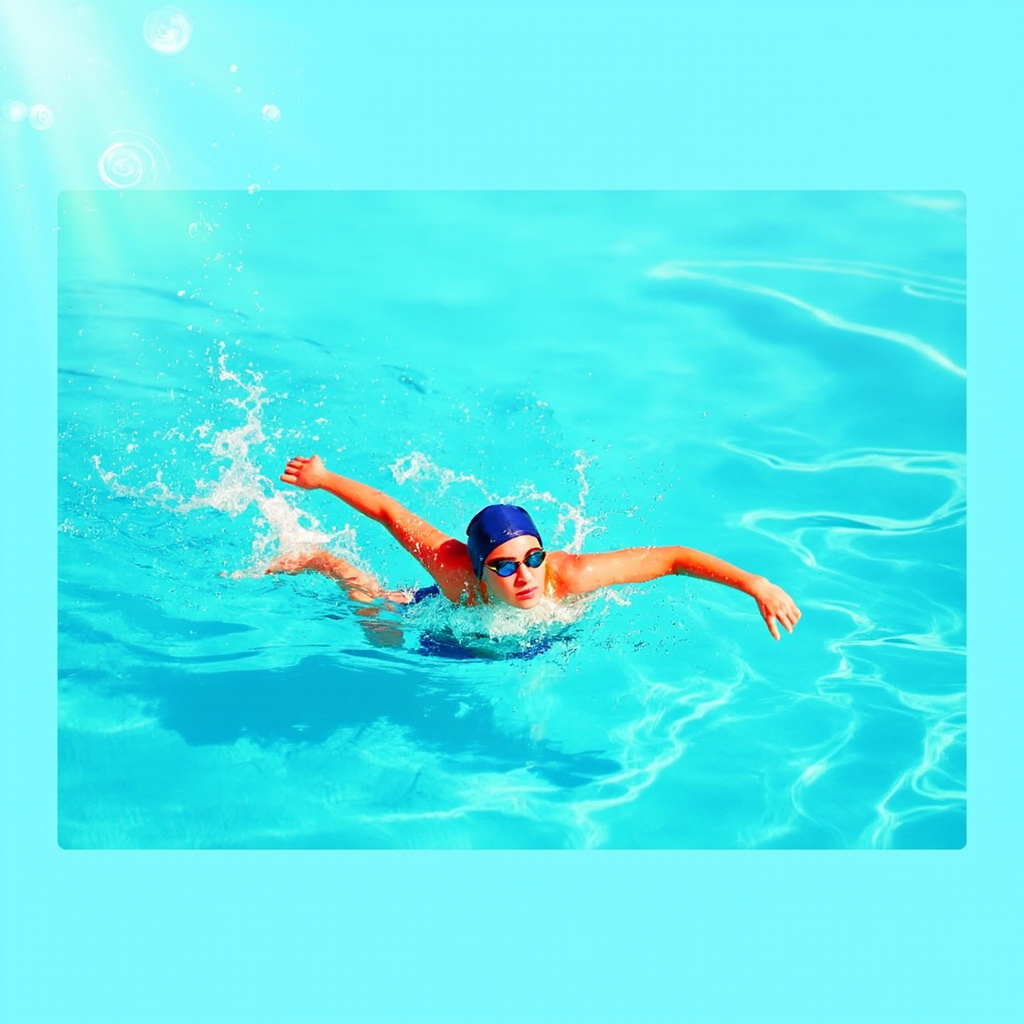
Being able to name an outdoor activity is only the first step. The next, and equally important, skill is to talk about which activities you would like to try, and why. In real conversations, simply saying I want to try climbing sounds a little flat and direct. English offers many more colourful and natural ways to express enthusiasm, hesitation, and personal preference. This section focuses on the phrases that native speakers actually use when they chat about hobbies and fitness goals.
If something sounds exciting, you can say: "I fancy trying rock climbing" or "I'd love to have a go at kayaking." Notice the structure: the verb of preference is followed by the -ing form. Both fancy and feel like take a gerund."Have a go (at something)" is a very British expression meaning "to try something once to see whether you like it." It is casual, friendly, and ideal for social chat, because it removes the pressure of committing to a long-term hobby. Another very common phrase is "take up", as in "I've decided to take up swimming."Take up means to start doing something regularly, often as a brand-new hobby.
Sometimes you are interested but not yet sure. In that case, use softer phrases such as "I'm thinking of…", "I'm toying with the idea of…", or "I've been considering…". These expressions tell the listener that you are still deciding. They are useful when you want to be honest about your hesitation, or when you are not yet ready to commit to a plan."I'm tempted to try camping" is another gentle option — it shows curiosity without any promise, and it leaves room for the other person to encourage you or to share their own experience.
After you name an activity, listeners almost always ask why. Be ready with one or two reasons: fitness, fresh air, a personal challenge, a recommendation, or simply the beauty of the location. You can answer with several conjunctions, all of which introduce a reason. The most common is because: it is direct, neutral, and works in almost every situation.As and since are slightly more formal, and they often introduce a reason that the listener already partly knows. Compare: "I fancy hiking, because the footpaths near my village are beautiful." / "As the weather has been so good, I'd like to try kayaking." / "Since you enjoyed it so much, maybe I should give camping a go."
A good conversation is never a long monologue. After you explain your choice, ask the other person the same question. Useful turn-taking questions include: "How about you?", "What about you — is there anything you'd like to try?", "Have you ever done any of these?", and "Which one appeals to you most?" These short invitations make the chat feel balanced and give the other speaker a clear opening to reply.
Here is a short example of a natural conversation about fitness activities. Notice the rhythm of statement, reason, and response.
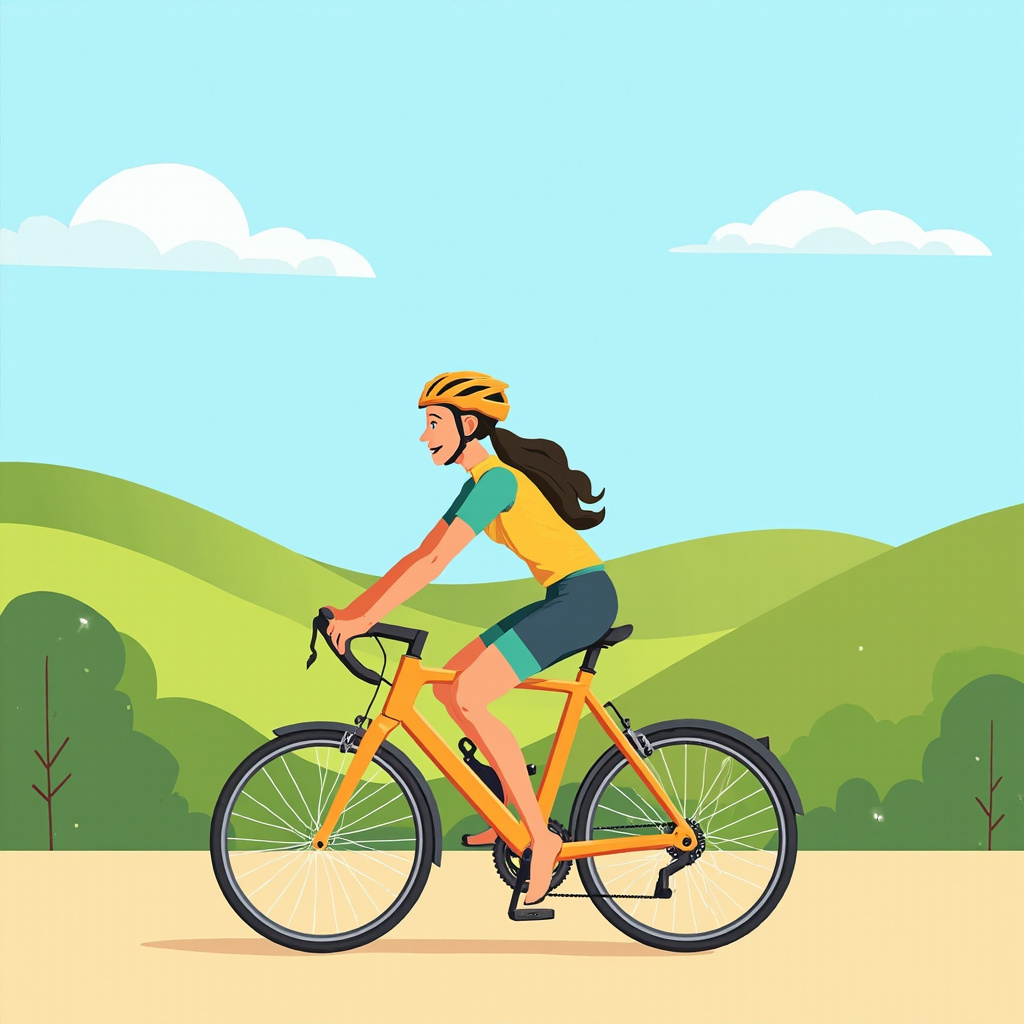
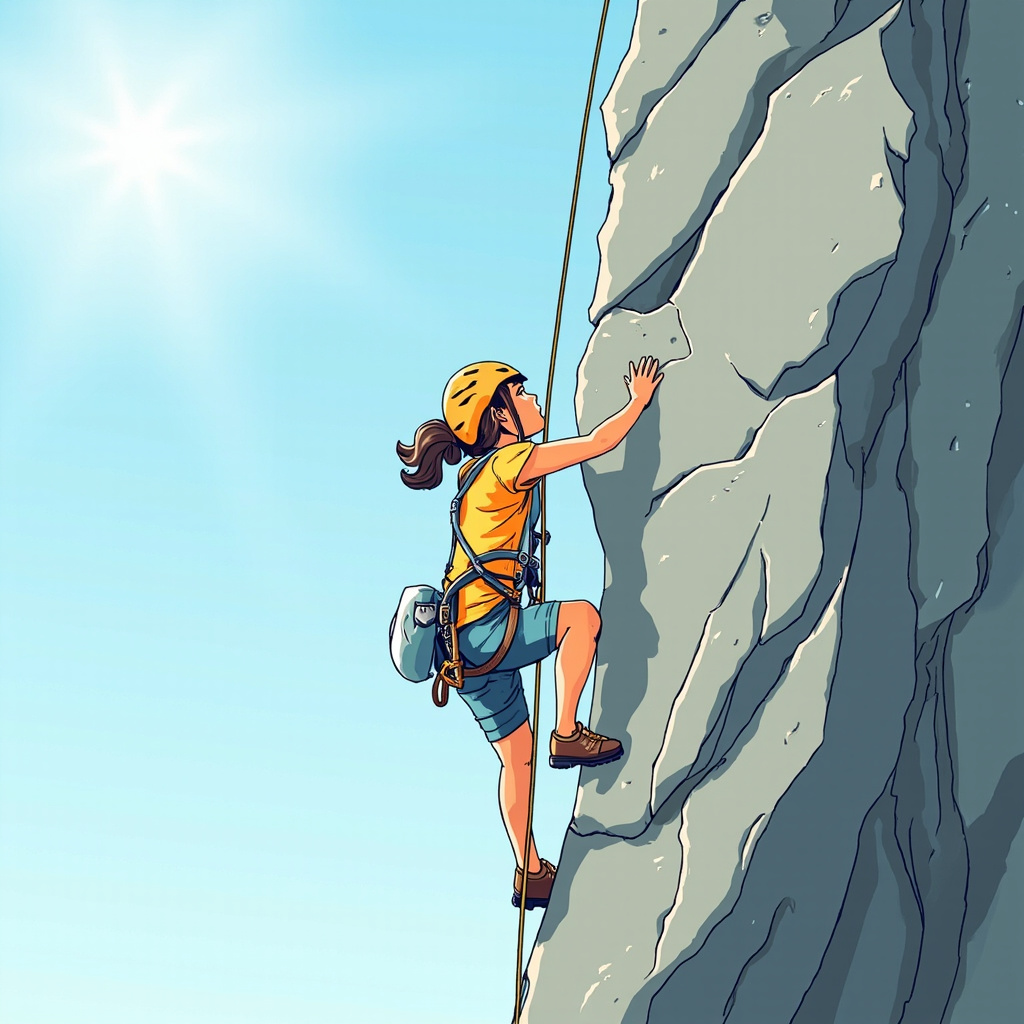
Emma:I've been thinking about taking up cycling. The scenic routes near my village look perfect.Tom:That sounds lovely. I fancy trying rock climbing, but I'm a bit nervous about the height.Emma:You should have a go. I read that beginners start on very low walls, so it's actually quite safe.Tom:Really? Maybe I'll give it a try next month.
Each speaker first states their idea, then adds either a reason or a feeling, and finally reacts to the other person. This statement → reason → response rhythm is the natural shape of a friendly conversation about fitness, and it is the rhythm you should aim for in the practice below. Try to use at least two of the patterns from this section — fancy, have a go at, take up, thinking about, or tempted to — in your own replies.
اتكلّم عن الـ outdoor fitness بتاعك زي الـ native speakers
في الـ section دي هتتعلم إزاي تتكلم عن الأنشطة الرياضية في الهوا الطلق بشكل طبيعي. الـ model conversation بين Emma و Tom بتوريك إيقاع المحادثة الحقيقية: بتقول فكرة، بتدّي سبب، وبعدين بترجّع السؤال للشخص التاني.
القواعد الأساسية: الفعل + الـ -ing
أهم نقطة في الـ section دي إن في verbs معينة في الإنجليزي لازم تيجي بعدها الـ gerund (يعني الفعل + ing)، مش infinitive (to + verb). مثلا:
fancy + ing → I fancy trying kayaking (يعني بحب أجرب الكاياك)
feel like + ing → I feel like going hiking (يعني حاسس إني عايز أروح أعمل هايكنج)
take up + noun → I've decided to take up swimming (يعني قررت أبدأ السباحة كهواية)
لاحظ إن ده مختلف عن want و would like اللي بياخدوا to + verb. فبتقول I want to try climbing لكن I fancy trying climbing. الفرق صغير بس بيخلّيك تبان natural جداً.
عبارات الافتتان والتشجيع في المحادثة
لما حاجة تبان ممتعة بس مش عايز تلتزم، الإنجليزي عنده مجموعة عبارات soft حلوة:
I'd love to have a go at it = عايز جداً أجربها مرة. العبارة دي بريطانية جداً ومعناها إنك هتجرب الحاجة مرة واحدة بس عشان تشوف عاجباكش.
I've been thinking about taking up... = بفكر أبدأ...
I'm tempted to try... = مغوي أجرب...
I'm toying with the idea of... = بلعب على فكرة إني...
A colleague swears by it = زميلي بيمجد فيها وشايف إنها تحفة.
ربط السبب بحرف العطف
لمّا تقول النشاط، الناس هتسألك why? فلازم تكون عارف تربط بـ conjunction مناسب:
because → أكتر حاجة شائعة ومباشرة ومحايدة: I fancy hiking, because the footpaths near my village are beautiful.
as → شوية formal، بتتقال لما السبب واضح للطرف التاني: As the weather has been so good, I'd like to try kayaking.
since → زي as تقريباً: Since you enjoyed it so much, maybe I should give camping a go.
اختم كلامك وسأل الشخص التاني
المحادثة الكويسة متوازنة. بعد ما تشرح اختيارك، رجّع السؤال:
How about you?
What about you — is there anything you'd like to try?
Have you ever done any of these?
Which one appeals to you most?
الجملة النموذجية
الجملة اللي لازم تحفظها هي: "I'd love to have a go at rock climbing, but I'm a bit nervous about the height." الجملة دي فيها أربع مهارات في سطر واحد: تعبير عن الرغبة (I'd love to)، استخدام idiom بريطاني (have a go at)، ذكر النشاط (rock climbing)، وإضافة تردد شخصي (a bit nervous about the height). الـ but بتخلّيك توازن بين الحماس والصراحة، وده natural جداً في الكلام الحقيقي.
Two friends compare outdoor activities they would like to try this year. Listen to the rhythm of statement, reason, and response.
E
EmmaI keep reading about outdoor fitness. Is there anything new you'd really like to try?
T
TomActually, yes — I've been thinking about taking up rock climbing. A colleague swears by it.
E
EmmaRock climbing? That sounds quite challenging. I fancy trying kayaking instead — it looks more relaxing.
T
TomMaybe we could do both. Have you ever been camping near a lake?
E
EmmaOnce, years ago. I'd love to have a go at it again, this time with a kayak.
T
TomBrilliant. Let's plan it for the spring.
I'd love to have a go at rock climbing, but I'm a bit nervous about the height.
Notice two useful patterns: 'I'd love to have a go at + -ing' for enthusiasm, and 'I'm a bit nervous about + noun' for hesitation.
Required
Read the sentence aloud. Focus on linking 'thinking about' and 'taking up' smoothly, and on the -ing forms.
I've been thinking about taking up kayaking this summer. The lakes near my village look perfect for a beginner.
Required
Read the sentence aloud. Pay attention to the contraction in 'I fancy', the -ing form after 'try', and the natural stress on 'challenge'.
I fancy trying rock climbing because it combines physical challenge with mental focus.
Required
You are chatting with Tom about outdoor activities. Reply with one activity you would like to try, explain why, and ask him to join you. Try to use 'fancy', 'have a go at', or 'take up' in your reply.
Required
Vocabulary
Vocabulary
6
cards
Outdoor activities bring exercise and fresh air together. Unlike going to an indoor gym, an outdoor pursuit combines physical movement with natural scenery, weather, and often a sense of adventure. In this section, you will learn eight common English words for activities that people do outside — from gentle walks on marked footpaths to more demanding sports such as rock climbing and kayaking. Knowing these words will help you understand fitness magazines, holiday brochures, podcasts, and friendly conversations about how people stay in shape.
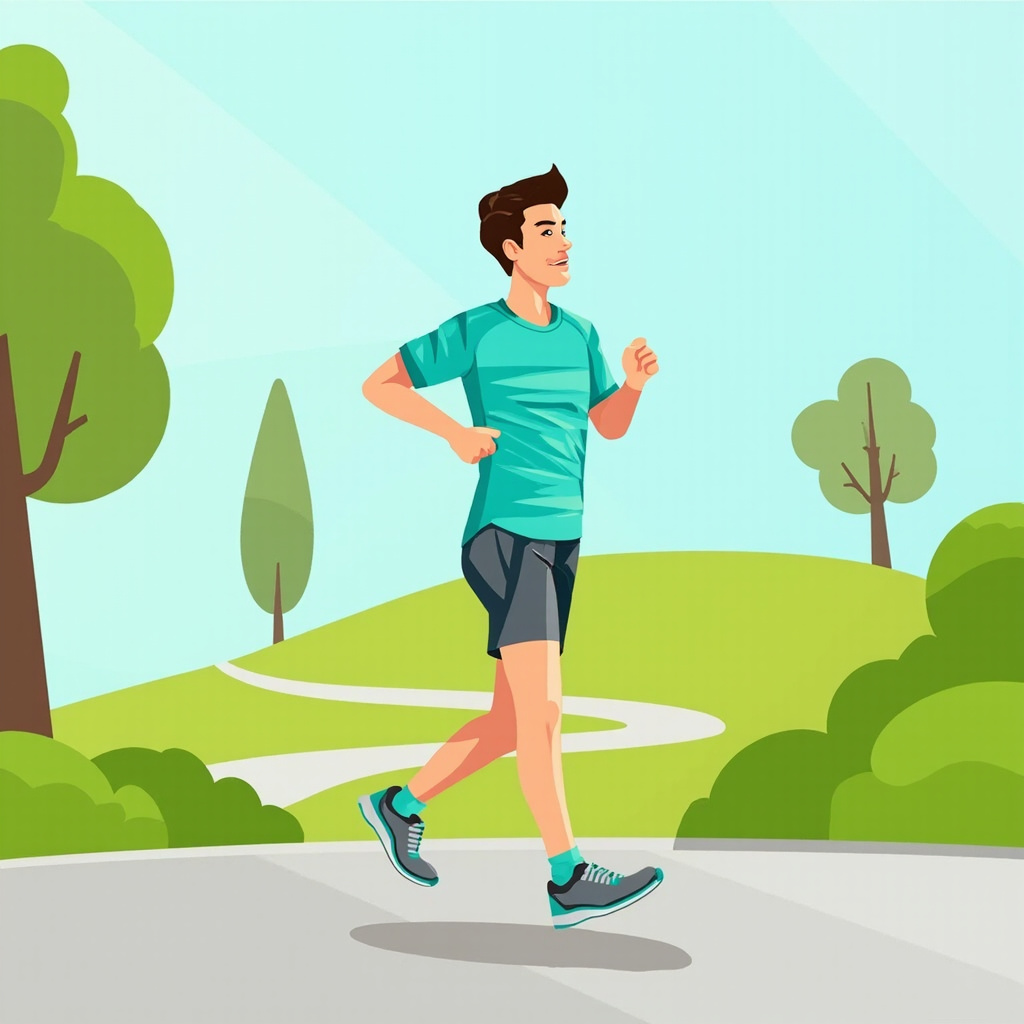
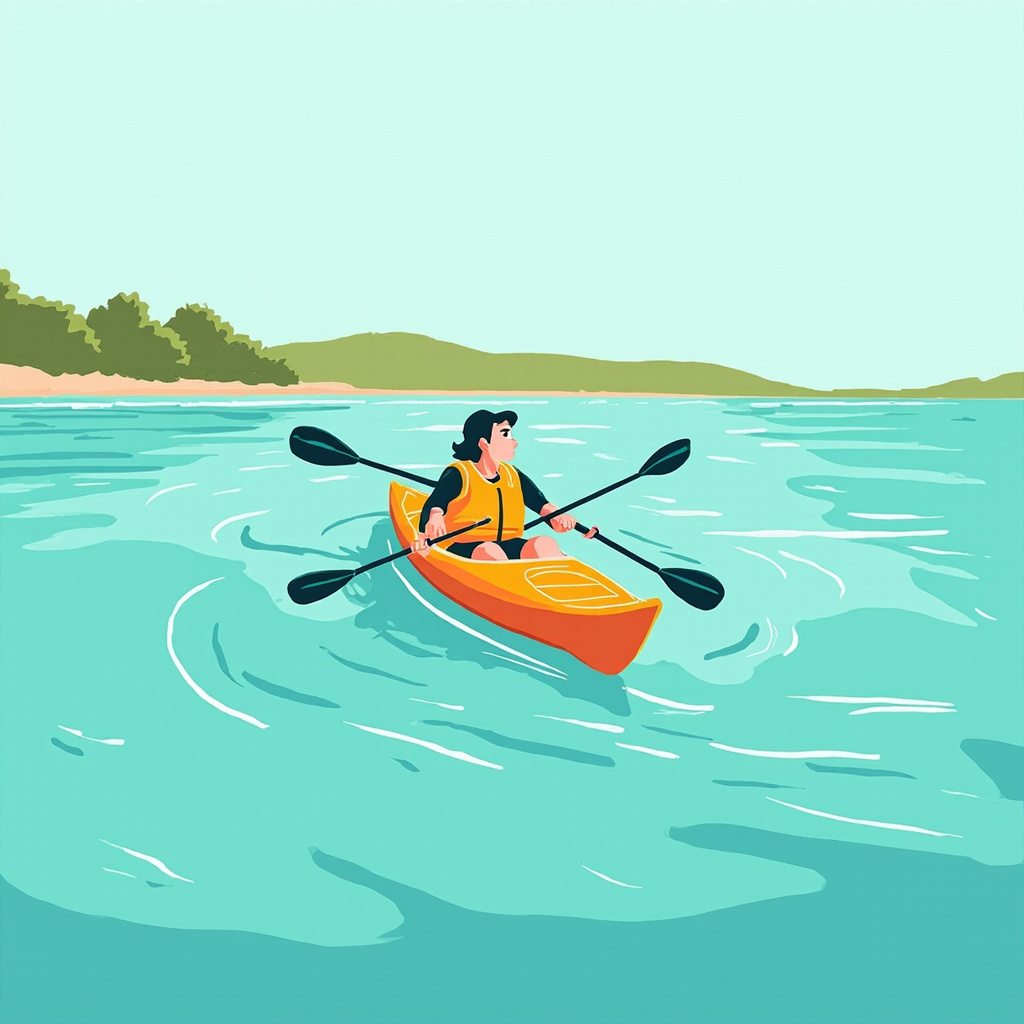
Some of the activities below are aerobic, which means they raise your heart rate and improve stamina.Jogging, cycling, and swimming all belong to this group. Others focus on strength, balance, or technical skill.Rock climbing builds upper-body power, and kayaking trains the shoulders, back, and core at the same time. A few of these activities are more about enjoyment and exploration: hiking takes you along footpaths through the countryside, and camping lets you sleep outdoors, usually in a tent, often for several nights. Finally, skateboarding is a popular urban activity that mixes balance, tricks, and travel through city streets. Recognising which group an activity belongs to can help you describe it more precisely and choose a hobby that suits you.
Most of these words are nouns, but several of them also work as verbs, and the verb form is extremely common in everyday speech. We can say: I go hiking at the weekend. Or: We cycled along the river yesterday. Notice how hike becomes hiking, cycle becomes cycling, and skateboard becomes skateboarding. We usually add -ing to the verb to talk about the activity itself, and we use the bare form with go in fixed expressions: go jogging, go cycling, go swimming, go hiking, go camping, go skateboarding, go rock climbing, go kayaking. This pattern, go + activity, is one of the easiest and most natural ways to talk about fitness in English.
A few useful adjectives often appear with these activities. A walk can be bracing if the weather is cold and the air feels fresh and sharp. A climb can be challenging or strenuous when it is physically demanding. A route can be scenic if the views along the way are beautiful. Learning these adjectives will let you give richer descriptions when you tell someone about an experience you have had.
Picking the right activity matters too. If you prefer quiet, solo pursuits, hiking, jogging, or kayaking may suit you. If you enjoy being part of a group or a club, rock climbing, skateboarding, and camping are often done with friends. Think about your budget, your local climate, and any equipment you might need.Cycling and skateboarding, for example, both require good equipment and some basic safety gear, while jogging and hiking require little more than a pair of comfortable shoes.Swimming usually needs a pool or a safe stretch of open water. Whatever you choose, the most important thing is that you enjoy it and can keep doing it regularly.
Be careful with spelling.Kayaking has a y in the middle, and skateboarding is one word.Rock climbing is written as two separate words, never hyphenated.Camping and jogging both double the final consonant before -ing — the rule in English is to double a single consonant after a short stressed vowel.Camping keeps the p; jogging keeps the g. Pronunciation is straightforward: stress is on the first syllable for hiking, cycling, camping, and skateboarding, and on the second syllable for kayaking and jogging.
Word
Part of speech
Meaning (Arabic)
Example sentence
hiking
noun / verb (-ing)
رياضة المشي في الطبيعة
We go hiking in the hills every Saturday.
cycling
noun / verb (-ing)
ركوب الدراجة
Cycling to work saves money and keeps me fit.
jogging
noun / verb (-ing)
الجري الخفيف
I do early-morning jogging before breakfast.
swimming
noun / verb (-ing)
السباحة
Swimming is gentle on the joints.
rock climbing
noun / verb
تسلق الصخور
Rock climbing requires strong arms and good focus.
kayaking
noun / verb (-ing)
ركوب الكاياك
Kayaking on the lake was the highlight of the holiday.
camping
noun / verb (-ing)
التخييم
We spent the weekend camping by the river.
skateboarding
noun / verb (-ing)
التزلج على الألواح
Skateboarding through the city is faster than walking.
في الدرس ده هنتعلم 8 كلمات إنجليزية لأنشطة خارجية الناس بتعملها عشان تفضل في حالة بدنية كويسة وتستمتع بالطبيعة في نفس الوقت. الكلمات هي: hiking (مشي طويل في الريف)، cycling (ركوب العجل)، jogging (جري خفيف)، swimming (سباحة)، rock climbing (تسلق صخور)، kayaking (تجديف بقارب صغير)، camping (تخييم)، وskateboarding (تزلج على لوح في الشارع).
تقسيم الأنشطة
أنشطة aerobic – دي اللي بتخلي قلبك يدق وبتحسّن تنفسك:
jogging
cycling
swimming
أنشطة قوة وتوازن – محتاجة مهارة وجهد عضلي:
rock climbing بتقوّي دراعاتك وكتافك
kayaking بتقوّي ضهرك والـ core
أنشطة متعة واستكشاف:
hiking على ممرات footpaths في الريف
camping تنام بره في خيمة، غالباً كذا ليلة
قاعدة مهمة: go + activity
كل الكلمات دي بتتكوّن بإضافة -ing للـ verb، وبتدخل بعد go في تعبير ثابت ومن أشهر الطرق اللي الإنجليز بيقولوا بيها إنهم بيمارسوا نشاط معين:
I go hiking at the weekend
We go cycling every morning
She goes swimming twice a week
They went camping in Wales
I tried kayaking last summer
صفات مفيدة مع الأنشطة دي
bracing walk – مشي في هواء بارد ومنعش
challenging climb – تسلق صعب ومحتاج مجهود
scenic route – طريق فيه مناظر جميلة
نصيحة عملية
لو بتحب الهدوء، hiking أو jogging ينفعوا. لو بتحب المغامرة، جرّب rock climbing أو kayaking. افتكر إن skateboarding و cycling محتاجين equipment كويس و safety gear، بينما jogging و hiking مش محتاجين غير جزمة مريحة.
Learn the names of eight popular outdoor activities. Tap each word to see its meaning, then move on to the practice below.
campingˈkæmpɪŋ
The activity of staying and sleeping outdoors in a tent, usually for pleasure.
cyclingˈsaɪklɪŋ
Cycling is the activity or sport of riding a bicycle, either for transportation, exercise, or recreation.
hikingˈhaɪkɪŋ
The activity of walking long distances in the countryside or mountains for pleasure or exercise.
joggingˈdʒɒɡɪŋ
The activity of running at a steady, gentle pace for exercise or health benefits.
kayakingkəˈjækɪŋ
The activity or sport of paddling a kayak on rivers, lakes, or oceans.
rock climbingˈrɒk ˈklaɪmɪŋ
The sport or activity of climbing up or across natural rock formations or artificial climbing walls using spec
skateboardingˈskeɪtbɔːdɪŋ
The sport or activity of riding a skateboard, typically performed on streets, parks, or dedicated skateparks.
swimmingˈswɪmɪŋ
The activity of moving through water by moving your arms and legs, especially as a sport or for pleasure.
Required
Match each activity to its short English definition.
Match each activity to its short English definition.
hiking
cycling
swimming
rock climbing
kayaking
camping
walking long distances in the countryside
riding a bicycle
moving through water using your arms and legs
climbing up steep natural rock faces or walls
paddling a small narrow boat on water
sleeping outdoors, usually in a tent
Rock climbing is more challenging than I expected, but I love the feeling of reaching the top.
A model sentence using the noun form of the activity. Notice the adjective 'challenging' and the present simple tense used to talk about a general experience.
Required
Listen to the sentence. Which outdoor activity does the speaker talk about?
Cycling
Hiking
Kayaking
Camping
Required
Which sentence uses the fixed expression go + activity correctly?