When we talk about how creative we are, we usually describe our interests and our personality at the same time. A good way to start a conversation about this is with short, honest phrases like "I'm quite creative" or "I'm not very artistic". These expressions give a quick overview before you go into details. Notice that artistic and creative are very close in meaning here — both describe a person who enjoys making things or thinking in original ways. If you want to be more specific, you can also say "I'm very imaginative" or "I don't think I'm very innovative." Honest answers sound more natural than false ones, so it is better to say "I'm not very good at it" than to pretend you are an expert.
To add more information, you can mention specific activities. Useful patterns include: "I enjoy + -ing" (e.g. "I enjoy painting"), "I'm good at + -ing" (e.g. "I'm good at sketching"), and "I'm interested in + noun" (e.g. "I'm interested in photography"). You can also talk about what you would like to try in the future. The phrase "I'd love to learn to + verb" is a polite and common way to express a wish, for example: "I'd love to learn to play the guitar." If you have never done something, you can say "I've never tried it" or "I haven't tried it yet." Both sound natural and modest.
Sometimes you want to compare your creativity with other people. You could say "My sister is much more imaginative than me" or "I'm not as innovative as my colleague." The structure "as ... as" is perfect for these comparisons, and the word "much" strengthens the difference. You can also use "a bit" or "slightly" for smaller differences: "I'm a bit more creative than my brother, but he is much better at sport." These comparative structures are very useful for talking about yourself and the people around you.
Here is a useful list of phrases for the conversation that follows. Read each phrase aloud a few times before you listen to the dialogue. Pay attention to the contraction "I'd" in "I'd love to" — it is the short form of "I would" and is used in friendly, relaxed English.
Phrase
المعنى
I'm quite creative in my free time.
أنا مبدع في وقت فراغي
I enjoy painting and sketching.
أستمتع بالرسم والتخطيط
I'm not very artistic, to be honest.
لست فنياً جداً، بصراحة
I'd love to learn to play the guitar.
أودّ تعلّم العزف على الغيتار
I've never tried pottery before.
لم أجرّب الفخار من قبل
I'm good at coming up with new ideas.
جيّد في ابتكار أفكار جديدة
My friend is much more imaginative than me.
صديقي أكثر خيالاً منّي
I'm still learning, but I really enjoy it.
ما زلت أتعلّم، لكنني أستمتع حقاً
You will hear Emma and Tom using some of these phrases in a short conversation. Listen carefully to the natural rhythm and the way they agree, disagree and ask follow-up questions. After that, you will have your own chance to speak. Try to use at least three of the phrases above in your own answers. If you make a small mistake, that is completely normal — keep going, and the meaning will still be clear.
Generating translation…
Listen to two friends, Emma and Tom, talking about how creative they are. Pay attention to the phrases they use.
E
EmmaHi Tom! Are you a creative person?
T
TomI'm quite creative, actually. I enjoy painting in my free time.
E
EmmaThat sounds lovely. I'm not very artistic myself, to be honest.
T
TomOh, really? Have you ever tried photography?
E
EmmaYes, I have. I'm good at coming up with ideas, but I'm still learning the technical side.
T
TomThat's great. I'd love to learn to compose music one day.
I'm quite creative, and I enjoy painting in my free time.
Read the model sentence aloud. It is a natural way to start a conversation about your creative hobbies.
Required
Read the sentence aloud clearly. Try to link the two activities with a natural rhythm.
I enjoy painting and sketching in my free time.
Required
Read the sentence aloud. Remember that 'I'd' is a contraction of 'I would'.
I'd love to learn to compose music one day.
Required
Have a short conversation with Tom about your creative hobbies and interests. Mention what you enjoy, what you are good at, and what you would like to try in the future.
Required
Vocabulary
Vocabulary
6
cards
Creativity is something we all have to some degree, even if we don't always recognise it in ourselves. It is the ability to think in new ways, to invent, and to express ideas through different kinds of activities. When we talk about being creative, we usually mean we can produce something original — a painting, a piece of music, a photograph, a poem, a piece of pottery, or even a new recipe in the kitchen. In everyday English, creativity is a noun that describes this general quality, and it is the topic of this lesson. If you are a creative person, you enjoy trying new things and you are not afraid of making mistakes along the way. The adjectives imaginative and innovative are closely related to creativity. An imaginative person has lots of fresh ideas in their head — they think of stories, characters and images that other people don't see. An innovative person, on the other hand, is good at putting those ideas into practice and changing the way things are done. Both qualities are highly valued at work, in education, and in everyday life.
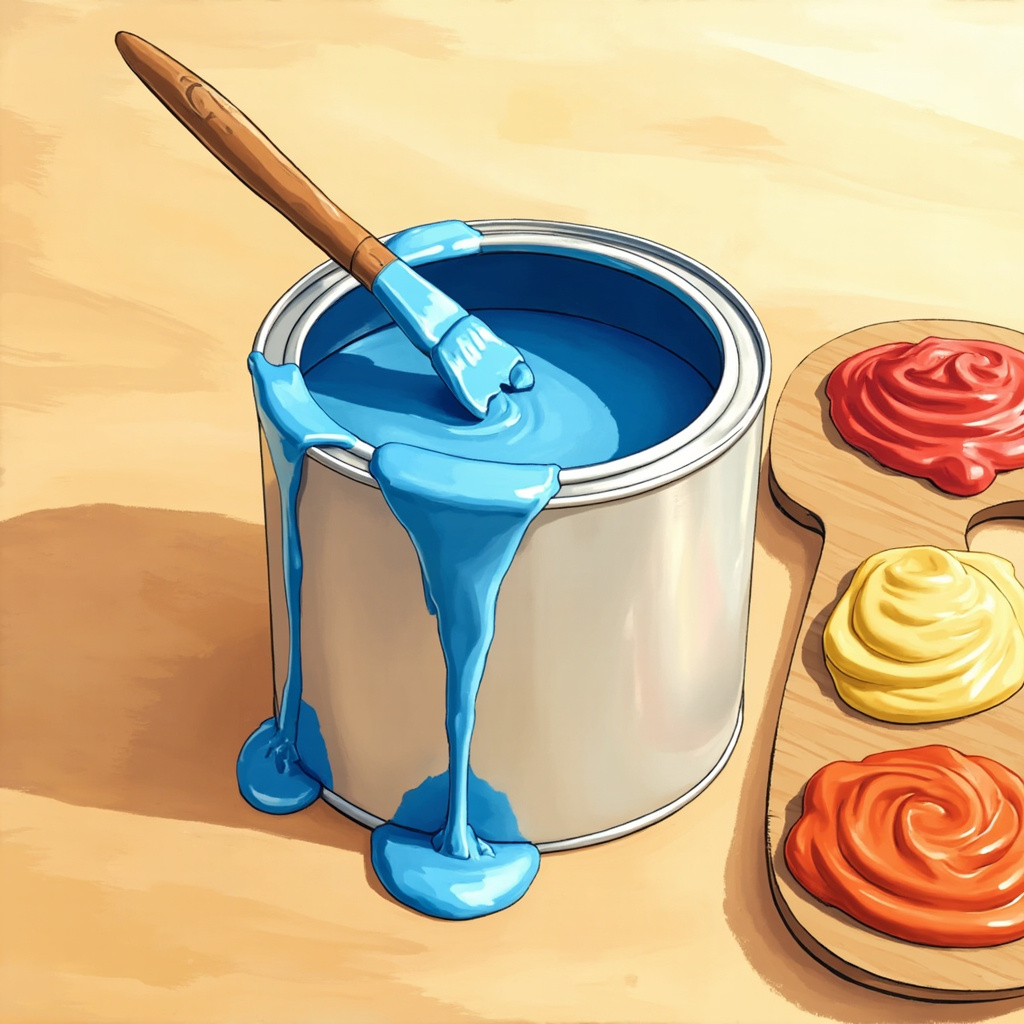
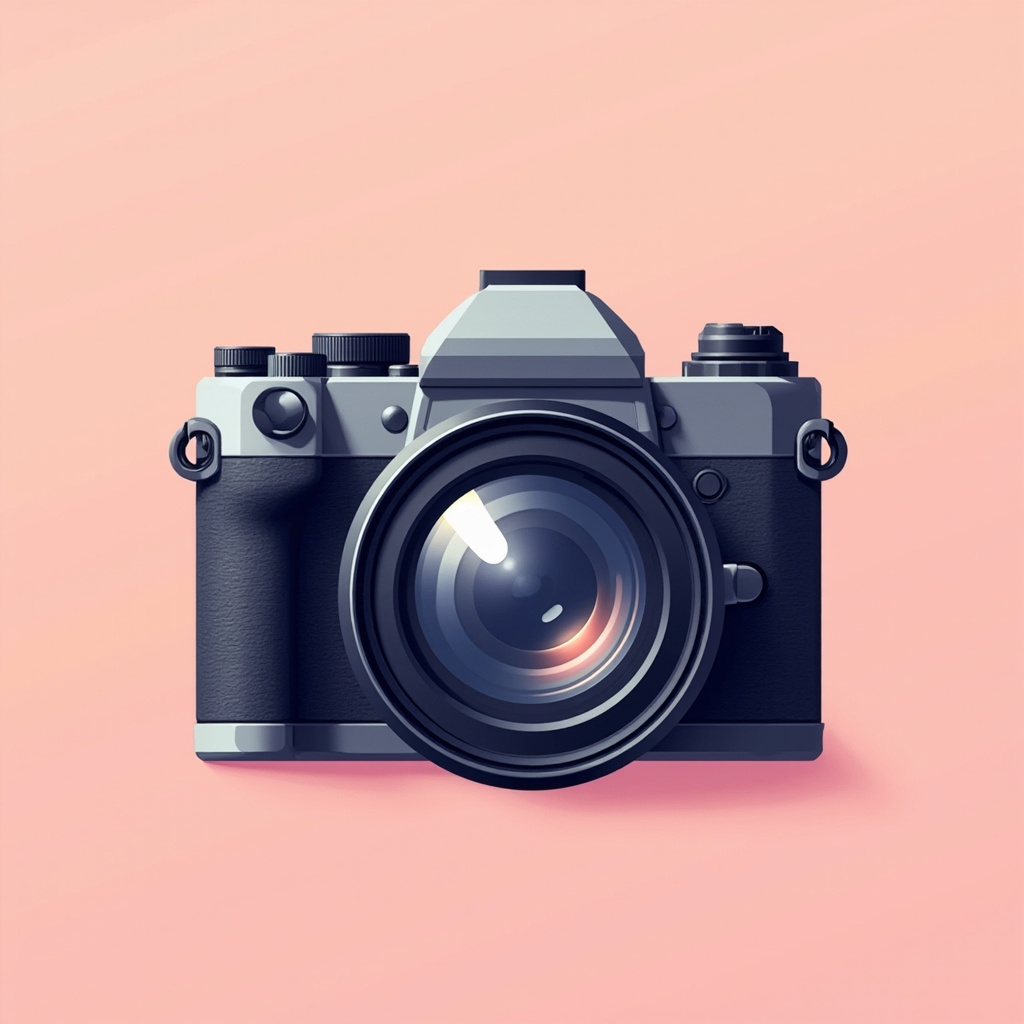
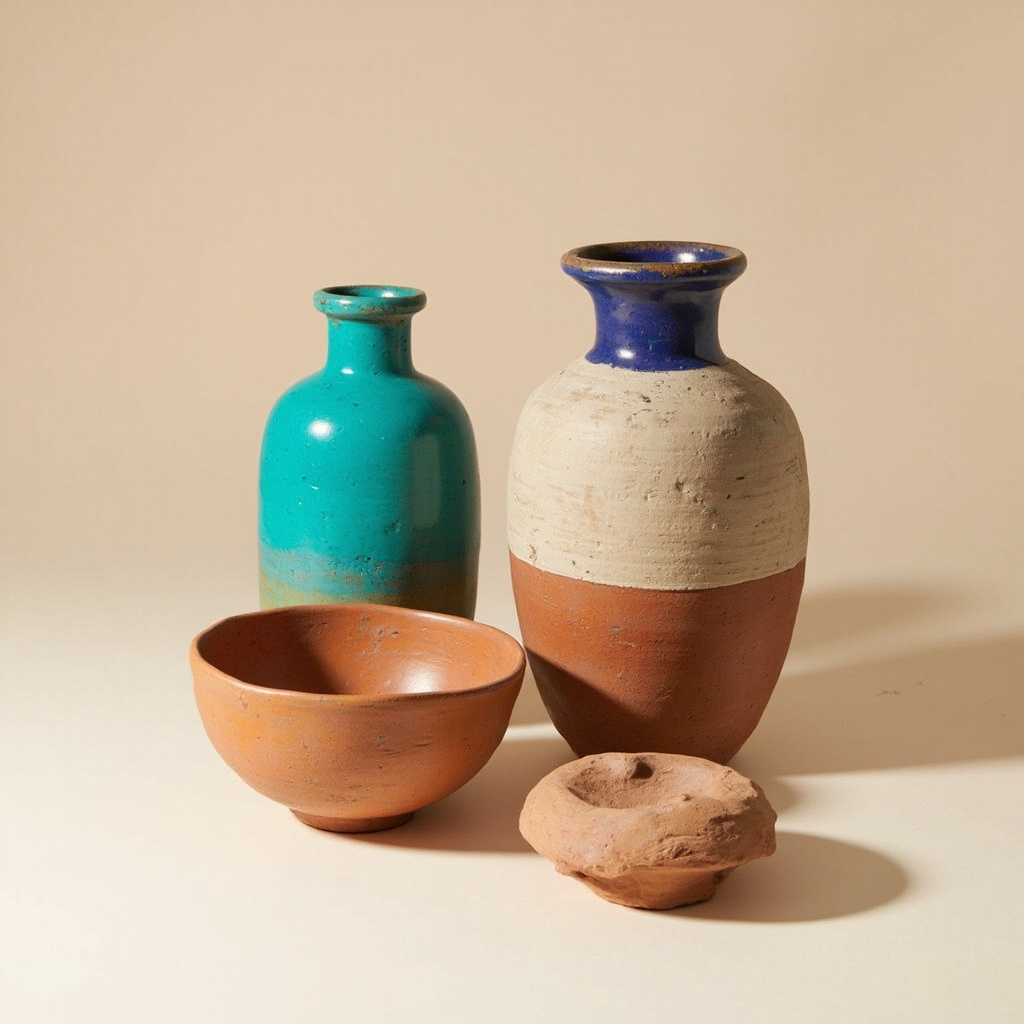
There are many creative activities you can do in your free time, and you don't need to be an expert to enjoy them. Some people paint with watercolours, oils or acrylics, spending hours mixing colours on a palette. Others prefer to sketch quickly in a notebook during their lunch break. Sketching is the act of drawing the basic shapes of something without too much detail, and it is a great way to practise your observation skills. If you enjoy music, you might compose your own songs — that is, write the melody and the chords, and sometimes the lyrics too. For something more hands-on, you could try pottery, which is the art of making bowls, cups, plates and other objects from clay. Pottery requires patience, but the result is something you can use every day. And of course, photography lets you capture moments and turn them into art with just a camera and your eye for composition. Many people carry a camera or use their phone to take creative photos of everyday life.
Look at the table below to meet the key words for this lesson. Notice the part of speech for each one, and read the example sentence carefully. The example shows the word in a real context, so pay attention to the grammar around it — for example, the verb forms and the prepositions that follow each word. Some of these words can be both verbs and nouns (like paint and sketch), and the table shows the most common use in this lesson.
Word
Part of speech
المعنى
Example
creativity
noun
الإبداع
Her creativity shines through in her photography.
paint
verb
يرسم بالألوان
He paints portraits of his friends at the weekend.
sketch
verb / noun
يرسم / رسم تخطيطي
I usually sketch the view from my window before painting it.
compose
verb
يؤلّف (موسيقى)
She composed a beautiful song for her sister's wedding.
pottery
noun
الفخار
We took a pottery class last summer and made our own bowls.
photography
noun
التصوير الفوتوغرافي
Photography is his main hobby, and he often exhibits his work.
imaginative
adjective
خيالي / مبدع
The children are very imaginative — they invent whole new worlds.
innovative
adjective
مبتكر
Her innovative approach to design has won several awards.
Once you have met the words, try to use them in your own sentences. Think about which creative activities you have tried and which ones you would like to try in the future. For example, you could say: "I tried pottery last summer and I loved shaping the clay with my hands" or "My sister is very imaginative — she always has new ideas for short films, costumes and stories." Try to make a mental picture of each activity as you read, because visual memory will help you remember the words more easily when you need them in conversation.
In British culture, creativity is celebrated in many ways. There are popular TV programmes about pottery, baking, sewing and interior design, and cities like London, Edinburgh and Liverpool host large art festivals every year. Even if your hobby is a quiet one — like writing a journal, drawing small doodles, or rearranging the furniture in your room — you are still being creative. The most important thing is to enjoy the process of making something, not just the final result. In the next part of the lesson, you will use these words to talk about how creative you are, first by listening to a short conversation and then by having your own chat about creativity.
Generating translation…
Meet the key words for talking about creativity. Read each word aloud and notice its part of speech.
composekəmˈpəʊz
To create or write something such as music, poetry, or a piece of writing by putting words, notes, or ideas to
creativitykriːˈeɪ.tɪ.və.ti
The ability to create or produce original and imaginative ideas, works, or solutions; the quality of being cre
imaginativeɪˈmædʒɪnətɪv
Having or showing a vivid and creative imagination; tending to think in original and unusual ways.
innovativeˈɪnəveɪtɪv
Something or someone that introduces new ideas, methods, or products; creative and original in approach.
paintpeɪnt
To apply color or paint to a surface using a brush or other tool to create a picture or design.
photographyfəˈtɒɡrəfi
The art or practice of taking pictures with a camera. Photography involves capturing light to create images.
potteryˈpɒtəri
Pottery is the craft of shaping and baking clay to make objects such as bowls, plates, and decorative items.
sketchsketʃ
A sketch is a quick, rough drawing that shows the basic features of something, or a brief written description.
Required
Match each word on the left with the correct meaning on the right.
Match each word on the left with the correct meaning on the right.
creativity
paint
sketch
compose
pottery
photography
the ability to think of new ideas
to make pictures using colours
to draw the basic shape of something
to write a piece of music
the art of making objects from clay
the art of taking photographs
She enjoys pottery in her free time, and her creativity inspires everyone around her.
Read the model sentence aloud. It uses two words from the lesson: a noun activity and an abstract quality.
Required
Audio is being generated — try again in a minute.
Listen carefully to the sentence. What did the brother compose?
A painting for the school concert
A piece of music for the school concert
A sketch for the school concert
Required
Which sentence uses a word from the lesson correctly?