Idioms in Action: 15 Expressions Using Body Parts
Discover 15 common English idioms that use body parts to express emotions, actions, and ideas in a lively and memorable way.
Legs and Feet: Moving Through Idioms
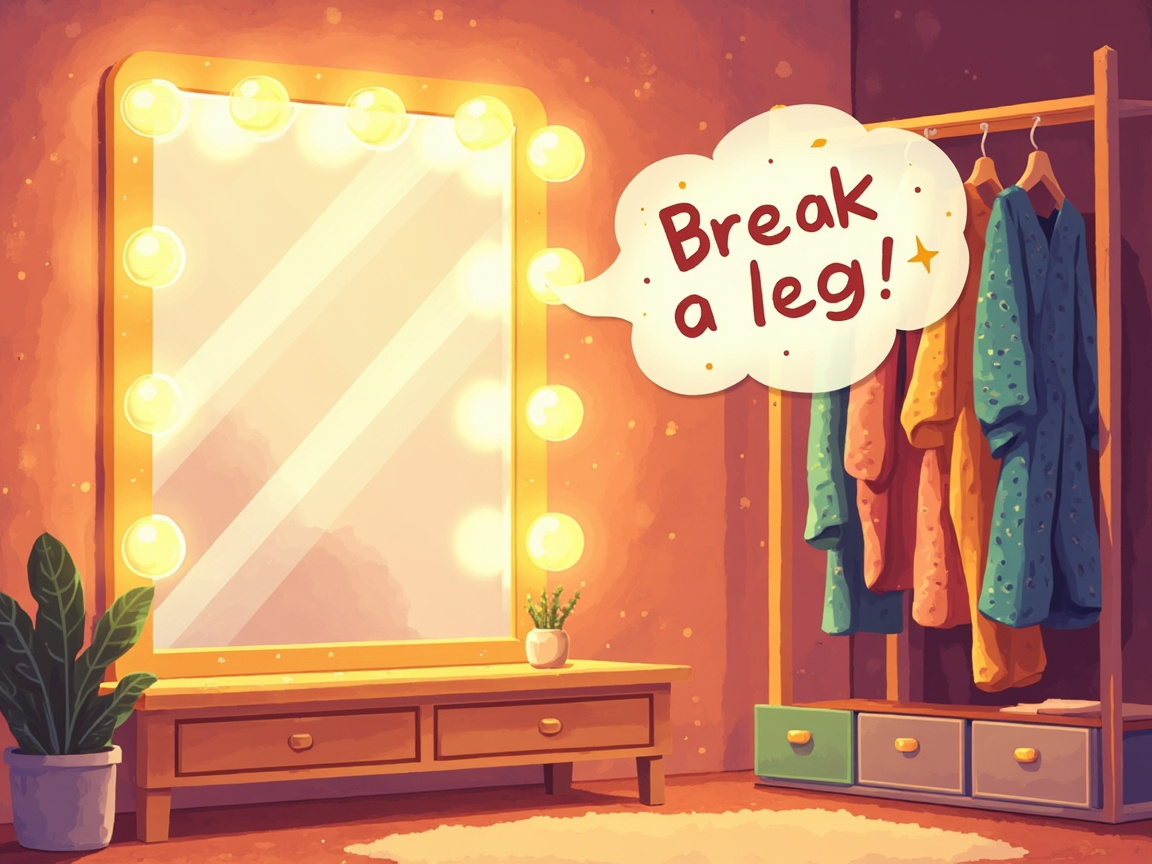
The idiom break a leg is one of the most well-known expressions in English, but it has nothing to do with physical injury. It is a way of wishing someone good luck, especially before a performance or important event. You would not say "good luck" to a performer — you say break a leg because the word "leg" here represents the stage curtain, and pulling the curtain (breaking it) means the show was a success. Another common idiom involving legs is pull someone's leg, which means to joke with someone or trick them in a harmless way. If you say "I passed all my exams without studying," and your friend replies, "You're pulling my leg," they think you are not being serious. Finally, when someone says they have cold feet, it means they are nervous or having second thoughts, usually right before something important like a wedding or a business deal.
Arms and Hands: Working and Reaching
English speakers often use arms and hands to talk about costs and effort. If something costs an arm and a leg, it is extremely expensive — so costly that it feels like you would have to give away parts of your body to afford it. On the other hand, if you need to persuade someone to do something, you might need to twist their arm. This does not involve any physical force; it simply means to convince someone firmly or put gentle pressure on them until they agree. When a situation gets out of hand, it means it has become difficult to control. A friendly argument between friends, for example, can get out of hand if neither person stays calm. Finally, if someone decides to play it by ear, they are not following a plan — they are responding to each situation as it happens, without preparation.
Head and Face: Thinking and Facing Consequences
Our heads and faces appear in many idioms about emotions and reactions. When a person loses their head, they become confused, angry, or unable to think clearly in a difficult moment. In contrast, if someone can keep their head, they stay calm and make good decisions even when things go wrong. The expression face the music is used when someone must accept the results of their actions, even when those results are unpleasant. A student who did not study for an exam will eventually have to face the music and accept a low grade. Another expressive idiom is have your head in the clouds, which describes a person who is daydreaming or not paying attention to what is happening around them.
Heart: Feeling and Emotion
The heart is the body part most used for talking about emotions. When someone says "Do not lose heart," they mean do not become sad or discouraged — keep trying and stay positive. If a romantic relationship ends badly, a person might say their partner broke their heart, meaning they caused them great emotional pain. A very common expression is my heart sank, which describes the sudden feeling of disappointment or fear when something unexpected and bad happens. For example, when a student realised they had forgotten their homework, their heart sank. Finally, to wear your heart on your sleeve means to openly show your emotions, so everyone around you knows exactly how you are feeling rather than keeping your feelings private.
تعبيرات جسمك اللي الإنجليزي بيفتكرها طول الوقت
هتتعلّم إيه من الدرس؟
الدرس ده مجموعة تعبيرات اصطلاحية مبنية على أعضاء الجسم: رجلين، إيدين، دماغ، وقلب. المقال بيشرح كل تعبير بمثال قصير، وإحنا هنوقف عند أشهرها ونبص على معناها المجازي وسياقها وأسلوبها — عشان تعرف تقولها وامتى تقولها.
الرجلين والقدمين: من الحظ للتلاعيب
You would not say "good luck" to a performer — you say break a leg because the word "leg" here represents the stage curtain, and pulling the curtain (breaking it) means the show was a success.
مش بتقول «حظ سعيد» للممثل — بتقوله «اكسر رجلك» عشان كلمة رجل هنا بترمز لستارة المسرح، وسحبها يعني العرض نجح.
Another common idiom involving legs is pull someone's leg, which means to joke with someone or trick them in a harmless way.
تعبير شائع تاني فيه رجل هو pull someone's leg ومعناه إنك تهزر مع حد أو تضحك عليه بشكل بريء.
أول قسم عن تعبيرات الرجل والقدم. أشهر واحد فيها بيتقال قبل أي عرض أو امتحان، ومعناه عكس كلماته تمامًا:
المقال بيشرح إن التعبير الأول خرج من عالم المسرح: الرجل هي الستارة وكسرها يعني تصفيق عالي. فالمعنى «حظ سعيد» بالعكس تمامًا. التاني بيوصف هزار بسيط من غير أذى — زي لما تقول لصاحبك حاجة مش حقيقية وتستنى يصدق.
الذراعين والإيدين: فلوس وجهد وسيطرة
If something costs an arm and a leg, it is extremely expensive — so costly that it feels like you would have to give away parts of your body to afford it.
لو حاجة بتكلفك ذراع ورجل، يبقى غالية جدًا — لدرجة إنك حاسس إنك هتدفع جزء من جسمك ثمن.
تاني قسم بيستخدم الذراع والإيد في معاني تقيلة: السعر والإقناع والسيطرة. أشهرها بيوصف حاجة غالية أوي:
المبالغة هي اللي بتوصّل المعنى: السعر عالي لدرجة خيالية. والتعبير بيتقال في الشكوى اليومية من الغلاء — مش في كلام رسمي عن الأسعار. المقال بعدها بيكمّل بتعبيرات الإيد عن الإقناع وفقدان السيطرة.
الدماغ والوش: هدوء أو مواجهة
The expression face the music is used when someone must accept the results of their actions, even when those results are unpleasant.
تعبير face the music بيتقال لما حد لازم يستحمل نتايج أفعاله، حتى لو النتايج مش حلوة.
تالت قسم عن التفكير وتحمل النتايج. فيه تعبير بيوصف لحظة مواجهة المشكلة مش الهروب منها:
المعنى المجازي هنا «يواجه الموسيقى» يعني يقف قدام العقاب أو النتيجة المزعجة. الطالب اللي مادرش لازم يواجه درجته. والمقال بيوضح إن التعبير بيتربط بالمسؤولية الشخصية مش بالحظ.
القلب: اللي بيتكسر وبينزل وبيلبس على الكم
Finally, to wear your heart on your sleeve means to openly show your emotions, so everyone around you knows exactly how you are feeling rather than keeping your feelings private.
أخيرًا، إنك تلبس قلبك على كمّك معناه إنك بتظهر مشاعرك علنًا، فكل اللي حواليك يعرفوا إنت حاسس إيه بالظبط بدل ما تخبي مشاعرك.
آخر قسم عن القلب — أكتر عضو بيتستخدم للمشاعر. فيه تعبير بيوصف الشخص اللي مشاعره على وشّه:
الصورة: قلبك مكان مفروض يكون جواك، لكن ده على كمّك يعني واضح للكل. التعبير مش شتيمة — بيوصف صراحة عاطفية، وأحيانًا ضعف لو المكان مش مناسب للانفتاح.
التعبير والمعنى والطريقة
كل تعبير هنا مربوط بسياقه من المقال. افتحه وشوف المعنى المجازي والموقف اللي يتقال فيه وأمثلة جديدة.
break a leg
معناها «حظ سعيد» أو «بالتوفيق»: أمنية بيتقال قبل الأداء أو المهمة الكبيرة، مش قبل كسر حقيقي.
بتتقال كجملة كاملة: Break a leg! قبل العرض أو الامتحان أو المقابلة. تقليدها جاي من المسرح — قول «good luck» مباشرة كان بيعتبر نحس. غير رسمية ومقبولة في الكلام اليومي، لكن متستخدمهاش في تهنئة رسمية لرئيسك.
Break a leg in your presentation today!
بالتوفيق في العرض بتاعك النهارده! أمنية قبل أداء.
She whispered "break a leg" before he walked on stage.
همستله «بالتوفيق» قبل ما يطلع المسرح. استخدام تقليدي في المسرح.
pull someone's leg
معناها «تهزر مع حد» أو «تضحك عليه بهزار بريء»: تقول حاجة مش حقيقية وتستنى يصدقها.
التركيب pull + possessive + leg: pull my leg / pull his leg. لو حد قالك حاجة غريبة ومش مصدقه بترد You're pulling my leg! ودي طريقة لطيفة تقول «مش مصدقك». الهزار هنا ودّي مش كدب مضر.
You won a million pounds? You're pulling my leg!
إنت كسبت مليون جنيه؟ بتضحك عليا! رد على خبر مش مصدق.
I was just pulling your leg about the test being cancelled.
كنت بهزر معاك بس في موضوع إن الامتحان اتلغى. اعتراف بهزار.
costs an arm and a leg
معناها «غالية جدًا» أو «بتكلف مبلغ كبير»: مبالغة في وصف السعر العالي.
التركيب cost + an arm and a leg: It costs an arm and a leg. ممكن تقولها عن أي حاجة غالية — موبايل أو سفر أو علاج. تعبير شعبي ودّي؛ في الكلام الرسمي الأفضل تقول extremely expensive.
The new phone costs an arm and a leg — I will wait for a sale.
الموبايل الجديد غالي جدًا — هستنى التخفيضات. شكوى من السعر.
Fixing the old car would cost an arm and a leg.
تصليح العربية القديمة هيكلف مبلغ كبير. استخدام في قرار شراء.
face the music
معناها «يواجه العواقب» أو «يستحمل نتيجة أفعاله»: يقف قدام المشكلة اللي عملها.
التركيب face the music من غير تغيير في الشكل: He has to face the music. بيتقال لما الواحد يهرب من مسؤولية فترة وبعدين يرجع يحاسب. مش تعبير رسمي لكن مقبول في الكلام والكتابة غير الرسمية.
After lying to his boss, he knew he had to face the music.
بعد ما كدب على مديره، كان عارف إنه لازم يواجه العواقب. لحظة حساب.
You broke the window, now go face the music.
إنت كسرت الشباك، روح استحمل النتيجة دلوقتي. تحدي لطيف لحد صغير.
wear your heart on your sleeve
معناها «تظهر مشاعرك علنًا» أو «مشاعرك على وشّك»: حد مش بيعرف يخبي إحساسه.
التركيب wear + possessive + heart on + possessive + sleeve: She wears her heart on her sleeve. بتستخدمه لوصف حد صريح عاطفيًا — صفة مش فعل لحظي. ممكن تكون ميزة (صدق) أو عيب (انكشاف) حسب السياق.
My sister wears her heart on her sleeve — you always know when she is upset.
أختي مشاعرها على وشّها — دايمًا بتعرف إمتى تكون زعلانة. وصف شخصية.
In negotiations, it is risky to wear your heart on your sleeve.
في التفاوض، إنك تظهر كل مشاعرك حاجة خطرة. تحذير مهني.
ورقة مراجعتك للتعبيرات
تقريب النطق بالعربي للذاكرة بس؛ صوت المقال هو المرجع.
| التعبير | معناه هنا | النطق | تقريب بالعربي | موضعه |
|---|---|---|---|---|
| break a leg | حظ سعيد / بالتوفيق | /breɪk ə leɡ/ | بريك أَ لِج | فقرة الرجلين والقدمين |
| pull someone's leg | تهزر مع / تضحك على ببراءة | /pʊl ˈsʌmwʌnz leɡ/ | بُل سَمونز لِج | فقرة الرجلين والقدمين |
| costs an arm and a leg | غالية جدًا / بتكلف كتير | /kɒsts ən ɑːm ənd ə leɡ/ | كوستس آن آرم أند أَ لِج | فقرة الذراعين والإيدين |
| face the music | يواجه العواقب / يستحمل النتيجة | /feɪs ðə ˈmjuːzɪk/ | فيس ذَ ميوزِك | فقرة الدماغ والوش |
| wear your heart on your sleeve | تظهر مشاعرك علنًا | /weə jɔː hɑːt ɒn jɔː sliːv/ | وِر يور هارت أون يور سليف | فقرة القلب |
اختار تعبيرين من المقال — واحد بيصف موقف وواحد بيصف شخصية — واكتب لكل واحد موقف من حياتك أو حياة حد تعرفه. جرّب تقول الجملة كأنك بتحكي لصاحبك بالعربي الأول وبعدين ترجمها.
اختبر نفسك
-
1Which idiom is used to wish someone good luck, especially before a performance?
"break a leg" is a way of wishing someone good luck, especially before a performance.
-
2What does the idiom "pull someone's leg" mean?
"pull someone's leg" means to joke with or trick someone in a harmless way.
-
3If something costs an arm and a leg, how would you describe its price?
When something costs an arm and a leg, it is described as extremely expensive.
-
4What does "face the music" mean?
"Face the music" means to accept the results of one's actions, even if they are unpleasant.
-
5Which expression describes the sudden feeling of disappointment or fear when something unexpected happens?
"My heart sank" describes the sudden feeling of disappointment or fear.