Idioms in Action: 15 Expressions Using Body Parts
Discover 15 common English idioms that use body parts to express emotions, actions, and ideas in a lively and memorable way.
Legs and Feet: Moving Through Idioms
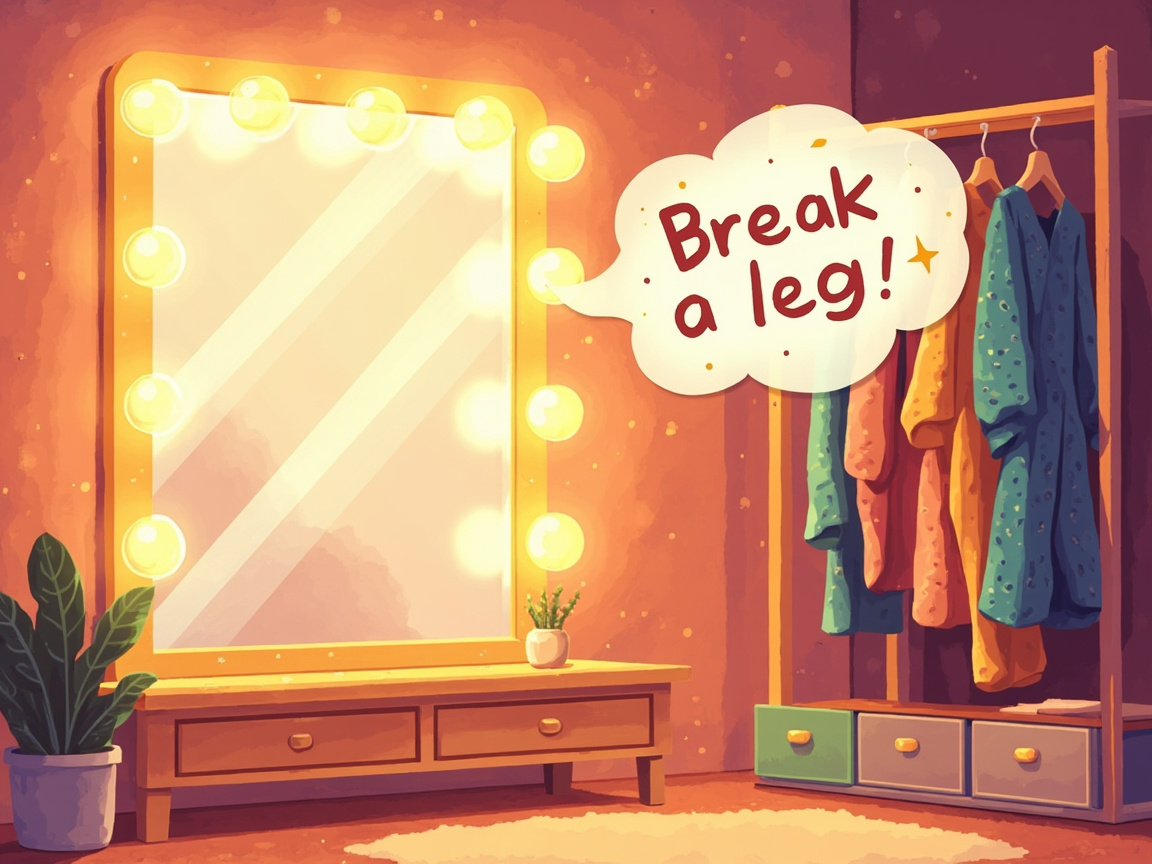
The idiom break a leg is one of the most well-known expressions in English, but it has nothing to do with physical injury. It is a way of wishing someone good luck, especially before a performance or important event. You would not say "good luck" to a performer — you say break a leg because the word "leg" here represents the stage curtain, and pulling the curtain (breaking it) means the show was a success. Another common idiom involving legs is pull someone's leg, which means to joke with someone or trick them in a harmless way. If you say "I passed all my exams without studying," and your friend replies, "You're pulling my leg," they think you are not being serious. Finally, when someone says they have cold feet, it means they are nervous or having second thoughts, usually right before something important like a wedding or a business deal.
Arms and Hands: Working and Reaching
English speakers often use arms and hands to talk about costs and effort. If something costs an arm and a leg, it is extremely expensive — so costly that it feels like you would have to give away parts of your body to afford it. On the other hand, if you need to persuade someone to do something, you might need to twist their arm. This does not involve any physical force; it simply means to convince someone firmly or put gentle pressure on them until they agree. When a situation gets out of hand, it means it has become difficult to control. A friendly argument between friends, for example, can get out of hand if neither person stays calm. Finally, if someone decides to play it by ear, they are not following a plan — they are responding to each situation as it happens, without preparation.
Head and Face: Thinking and Facing Consequences
Our heads and faces appear in many idioms about emotions and reactions. When a person loses their head, they become confused, angry, or unable to think clearly in a difficult moment. In contrast, if someone can keep their head, they stay calm and make good decisions even when things go wrong. The expression face the music is used when someone must accept the results of their actions, even when those results are unpleasant. A student who did not study for an exam will eventually have to face the music and accept a low grade. Another expressive idiom is have your head in the clouds, which describes a person who is daydreaming or not paying attention to what is happening around them.
Heart: Feeling and Emotion
The heart is the body part most used for talking about emotions. When someone says "Do not lose heart," they mean do not become sad or discouraged — keep trying and stay positive. If a romantic relationship ends badly, a person might say their partner broke their heart, meaning they caused them great emotional pain. A very common expression is my heart sank, which describes the sudden feeling of disappointment or fear when something unexpected and bad happens. For example, when a student realised they had forgotten their homework, their heart sank. Finally, to wear your heart on your sleeve means to openly show your emotions, so everyone around you knows exactly how you are feeling rather than keeping your feelings private.
Quiz
-
1Which idiom is used to wish someone good luck, especially before a performance?
"break a leg" is a way of wishing someone good luck, especially before a performance.
-
2What does the idiom "pull someone's leg" mean?
"pull someone's leg" means to joke with or trick someone in a harmless way.
-
3If something costs an arm and a leg, how would you describe its price?
When something costs an arm and a leg, it is described as extremely expensive.
-
4What does "face the music" mean?
"Face the music" means to accept the results of one's actions, even if they are unpleasant.
-
5Which expression describes the sudden feeling of disappointment or fear when something unexpected happens?
"My heart sank" describes the sudden feeling of disappointment or fear.