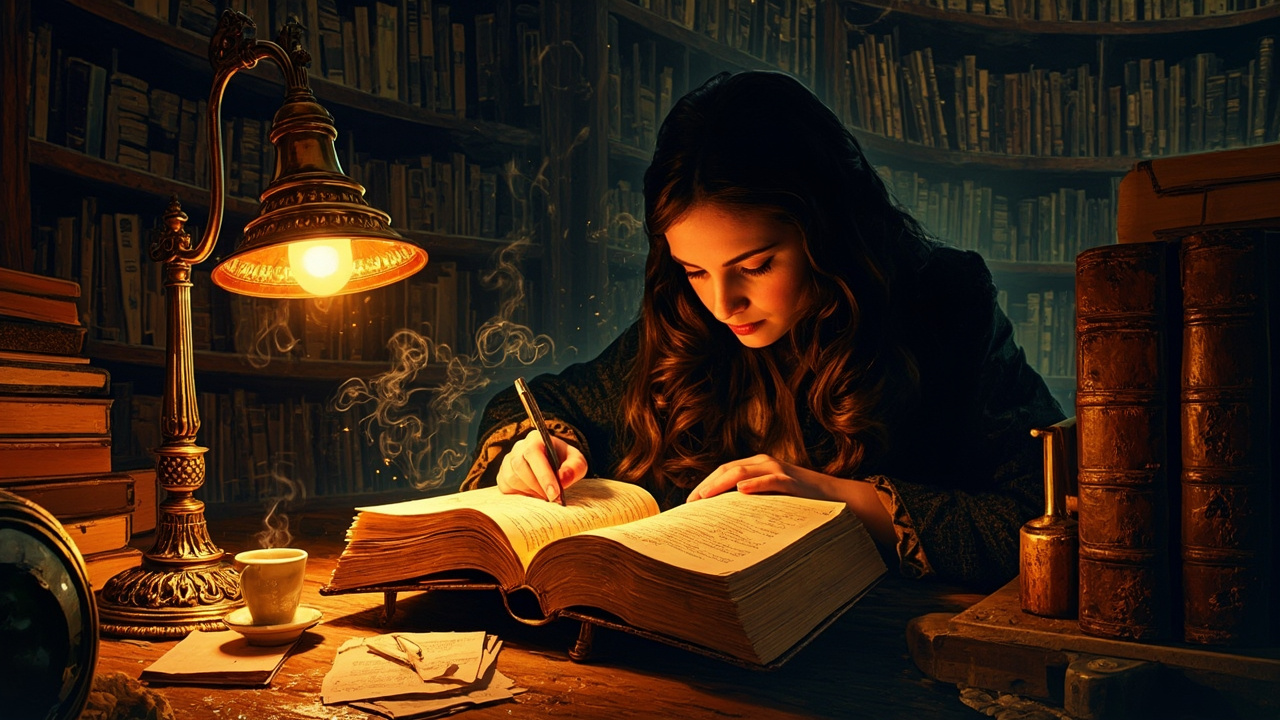
كان الملحق المحظور في مكتبة بودليان يحبس أنفاسه على طريقة جميع الأماكن التي تراكمت فيها الزمن دون اضطراب. أمضت الدكتورة إلينور فانس سبع سنوات بين الطبعات الأولى والمخطوطات المعلقة بالهوامش، لكن لم يكن شيء قد أعدها للكتاب الذي كانت تحمله الآن تحت ضوء المصباح المعقم للأرشيف: طبعة أولى من " لغز إدوين دروود" عام 1870، لم يكن لصفحاتها أي مظهر مميز باستثناء استثناء جوهري واحد.
بدأت الهوامش المعلقة في الفصل الحادي عشر، حيث يتردد السرد الديكيني ويتعثر، حيث سكن القلم أخيراً، واستمرت، بخط مذهل التشابه بخط المؤلف ذاته، حتى نهايته. حلت الشروحات المكتوبة بدقة مكدسة لغز الرواية المركزي بأناقة سلبت أنفاس إلينور. كان هناك، بحبر الحديد الباهت، حل لغز من قتل إدوين دروود.
صوّرَت الصفحات باحترافية مرتجفة. كان أمينConservator قد أكد لها أن هذه النسخة بالذات لم تُعاد تجليدها أو تُغير؛ وبحسب أي تقييم معقول، بدت الهوامش المعلقة معاصرة للكتاب ذاته. لكن هذا كان مستحيلاً. مات ديكنز في يونيو 1870، ومخطوطته غير مكتملة، وحله للغز فقد إلى الأبد للتكهنات. لم يكن بإمكانه أن يكتب هذه الكلمات.
أمضت إلينور ثلاثة أسابيع تحاول التصديق على الهوامش المنسوبة عبر كل منهجية متاحة، تحليل طيفي، تأريخ الورق، تركيب الحبر. جاءت النتائج محيرة لها. احتوى الحبر على مركبات لم تكن متاحة قبل عام 1885. كان شخص ما قد أضاف هذه الكلمات بعد عقود من آخر نفس للديكنز، ومع ذلك كانت قد جُملت ضمن كتاب سبق إنشاء الكلمات فيه.
استهلكت هذه المفارقة ساعات يقظتها حتى، في مساء ماطر العاصف في أواخر نوفمبر، ظهر رجل عند باب مكتبها. كان في نحو الستين، يرتدي بشكل لا تشوبه شائبة بطريقة لا توحي لا بالموضة ولا بالتفاخر، ويحمل نفسه بسلطة هادئة لشخص اعتاد أن يُطاع.
"لقد كنتِ تطرحين أسئلة حول هوامش دروود"، قال. لم يكن سؤالاً. "اسمي أشورث. أمثل منظمة مهتمة اهتماماً بالغاً بمثل هذه الأمور." أنتج بطاقة تحمل كلمة واحدة بخط قديم الطراز: كولوفون.
علمت إلينور أن كولوفون موجود منذ القرن الثامن عشر، رابطة من العلماء والكتاب والحراس التزمت يميناً واحداً: حماية بعض الأسرار الأدبية من الكشف المبكر. شرح أشورث أنهم يعتقدون أن بعض الأعمال تمتلك نقصاً مقدساً. الأسئلة غير المحلولة في قلب الأدب، ما حدث لدروود، من كانت المرأة في ورق الحائط الأصفر، هل مات هولمس حقاً في راينباخ، تخدم أغراضاً تتجاوز السرد المحض. إنها تُبقي الخيال حياً، تدعو كل جيل للمشاركة في الخلق بدلاً من تلقيه سلبياً.
"الهوامش المعلقة التي اكتشفتيها"، تابع أشورث، صوته مُوزون كجرس جنازة، "تزوير. تزوير متطور، صُمم لاغتصاب عبقرية ديكنز، لإصدار حكم نهائي حيث لا يجب أن يوجد أي حكم. لقد أنفقنا موارد كبيرة لاحتواء تأثيرها."
"لاحتواءه؟" صوته إلينور حاداً أكثر مما قصدت. "أم لقمعه؟"
لم يُظهر تعبير أشورث أي شيء. "التمييز لا يهم كثيراً للذين يفهمون حجم المخاطر."
لكن إلينور شعرت بالكذب تحت كلماته المتزنة. كانت الهوامش المعلقة التي فحصتها تمتلك صفة تتجاوز مجرد التزوير، عمقاً نفسياً، حميمية مع غموض النص، تشير إلى إلهام حقيقي بدلاً من تقليد. بدأت تتحقق من كولوفون ذاته، تتنقل في متاهة من الأرشيفات المحظورة والاتصالات المشفرة، تكتشف أن عضوية الجمعية تتضمن ليس أكاديميين فحسب بل رؤساء مؤسسات كبرى، سياسيين، شخصيات امتد تأثيرها بعيداً beyond العالم الأدبي.
جذبت تحقيقاتها الانتباه. ظهرت تحذيرات مجهولة في بريدها الجامعي. دُرست مكتبتها بينما كانت تحضر محاضرة. عندما فكّت شفرة أخيراً لشظية من مراسلات بين أعضاء كولوفون، فهمت المخاطر الحقيقية: الهوامش حقيقية. كُتبت من قِبل ديكنز ذاته، أمليت، بشكل مستحيل، من ما وراء القبر عبر وسيط أثناء جلسة استحضار أرواح حضرها العديد من مُنفذي أعماله الأدبية. قمع كولوفون الكشف لأكثر من قرن، مُرعَب من أن نشره سيُحطم ليس الأعراف الأدبية فحسب بل نسيج الخطاب العقلاني ذاته.
جاؤوا لأخذها يوم الخميس، قبل ثلاثة أيام من عزمها نشر نتائجها. كانت إلينور قد اتخذت احتياطات، نسخ وزعتها على زملاء موثوقين، أدلة ضمنت خارج نطاق وصولهم، لكنها قللت من تقدير مدى وصولهم. انتظر أشورث في شقتها المظلمة، اثنان من المرافقين يقفان بجانبه، الكتاب الأصلي على طاولة القهوة الخاصة بها.
"أنتِ لا تفهمين ما تهدديه"، قال، ولأول مرة تصدع توازنه بعاطفة حقيقية. "إذا علم العالم أن ديكنز تواصل من بعد الموت، أن الأدب ذاته أصبح شيئاً آخر غير ما اعتقدناه، ليس فناً فحسب بل جسراً بين العوالم، ستكون العواقب لا تُحصى. اليقين سيدمر الدهشة. الغموض هو ما يجعلنا بشراً."
نظرت إلينور إلى الرجل الذي كرس وجوده لحماية الألغاز وعرفت شيئاً غير متوقع: ليس شراً بل إيماناً. آمن أشورث بصدق أن الجهل كان شكلاً من أشكال النعمة. لكنها أمضت حياتها ساعية للحقيقة لأنها شكّت في قدرتها الخاصة على تقرير ما يجب أن يعرفه الآخرون.
"ستُنشر الهوامش"، قالت بهدوء. "ليس عن طريقي. رتبت لظهور طبعة كاملة، مجهولة المصدر، لا تُتتبع، مستحيلة القمع بمجرد وجودها. سيقرأ الناس ما أراده ديكنز لهم أن يقرأوه. ما يحدث بعد ذلك..." بسطت يديها. "لم يعد هذا من اختصاصك تقريره. ربما يموت الغموض. ربما يتحول إلى شيء أغرب وأعجب. بأي حال، إنه الآن ملك للجميع."
جلس أشورث
Der gesperrte Anbau der Bodleiana hielt den Atem an, wie alle Orte, an denen sich Zeit ungestört angesammelt hatte. Dr. Eleanor Vance hatte sieben Jahre unter Erstausgaben und kommentierten Fahnen verbracht, doch nichts hatte sie auf das Buch vorbereitet, das sie nun unter der sterilen Lampe des Archivs hielt: eine Erstausgabe von 1870 von Das Geheimnis von Edwin Drood, deren Seiten unremarkabel waren bis auf eine entscheidende Ausnahme.
Die Marginalien begannen in Kapitel Elf, wo Dickens' Erzählung ins Stocken gerät, wo der Stift schließlich zur Ruhe kam, und setzten sich, in einer Handschrift, die verblüffend ähnlich der des Autors selbst war, bis zu ihrem Ende fort. Die eng beschriebenen Anmerkungen lösten das zentrale Rätsel des Romans mit einer Eleganz, die Eleanor den Atem raubte. Dort, in verblasster Eisengallustinte, war die Lösung, wer Edwin Drood ermordet hatte.
Sie fotografierte die Seiten mit zitternder Präzision. Der Restaurator hatte ihr versichert, dass dieses bestimmte Exemplar nie neu gebunden oder verändert worden war; die Marginalien erschienen nach jeder vernünftigen Einschätzung zeitgenössisch mit dem Band selbst. Doch dies war unmöglich. Dickens war im Juni 1870 gestorben, sein Manuskript unvollendet, seine Lösung des Rätsels für immer der Spekulation überlassen. Er konnte diese Worte nicht geschrieben haben.
Eleanor verbrachte drei Wochen damit, die Anmerkungen mit jeder verfügbaren Methode zu authentifizieren, spektrografische Analyse, Papierdatierung, Tintenzusammensetzung. Die Ergebnisse verwirrten sie. Die Tinte enthielt Verbindungen, die vor 1885 nicht verfügbar waren. Jemand hatte diese Worte Jahrzehnte nach Dickens' letztem Atemzug hinzugefügt, und doch waren sie irgendwie in einem Band gebunden, der ihrer Erschaffung vorausging.
Das Paradoxon verzehrte ihre Wachstunden, bis an einem regengepeitschten Abend Ende November ein Mann an ihrer Bürotür erschien. Er war vielleicht sechzig, tadellos gekleidet auf eine Art, die weder Mode noch Ostentation suggerierte, und trug sich mit der stillen Autorität jemandes, der gewohnt war, dass man ihm gehorcht.
"Sie haben Fragen zu den Drood-Marginalien gestellt", sagte er. Es war keine Frage. "Mein Name ist Ashworth. Ich vertrete eine Organisation, die großes Interesse an solchen Angelegenheiten hat." Er brachte eine Karte hervor, die ein einziges Wort in einer archaischen Type trug: Kolophon.
Eleanor erfuhr, dass Kolophon seit dem achtzehnten Jahrhundert existierte, eine Gemeinschaft von Gelehrten, Sammlern und Hütern, verbunden durch einen einzigen Eid: bestimmte literarische Geheimnisse vor vorzeitiger Enthüllung zu schützen. Sie glaubten, erklärte Ashworth, dass einige Werke eine sakrale Unvollständigkeit besaßen. Die ungelösten Fragen im Herzen der Literatur, was mit Drood geschah, wer die Frau in der gelben Tapete war, ob Holmes wirklich in Reichenbach starb, dienten Zwecken jenseits der bloßen Erzählung. Sie hielten die Imagination am Leben, luden jede Generation ein, an der Schöpfung teilzuhaben, anstatt sie passiv zu empfangen.
"Die Marginalien, die Sie entdeckt haben", fuhr Ashworth fort, seine Stimme gemessen wie eine Totenglocke, "sind eine Fälschung. Eine raffinierte, entworfen, um Dickens' Genie zu okkupieren, um ein endgültiges Urteil zu fällen, wo keines existieren sollte. Wir haben beträchtliche Ressourcen aufgewendet, um ihren Einfluss einzudämmen."
"Einzudämmen?" Eleanors Stimme kam schärfer heraus als beabsichtigt. "Oder zu unterdrücken?"
Ashworths Ausdruck verriet nichts. "Der Unterschied bedeutet wenig für diejenigen von uns, die die Einsätze verstehen."
Doch Eleanor spürte eine Lüge unter seinen gemessenen Worten. Die Marginalien, die sie untersucht hatte, besaßen eine Qualität, die über bloße Fälschung hinausging, eine psychologische Tiefe, eine Vertrautheit mit den Mehrdeutigkeiten des Textes, die echte Inspiration statt Nachahmung nahelegte. Sie begann, über Kolophon selbst zu ermitteln, navigierte durch ein Labyrinth von gesperrten Archiven und kodierter Kommunikation, entdeckte, dass die Mitgliedschaft der Gesellschaft nicht nur Akademiker umfasste, sondern Leiter großer Institutionen, Politiker, Figuren, deren Einfluss weit über die literarische Welt hinausreichte.
Ihre Ermittlung zog Aufmerksamkeit auf sich. Anonyme Warnungen erschienen in ihrer Universitätspost. Ihr Büro wurde durchsucht, während sie einer Vorlesung beiwohnte. Als sie schließlich ein Fragment einer Korrespondenz zwischen Kolophon-Mitgliedern dekodierte, verstand sie die wahren Einsätze: die Marginalien waren echt. Sie waren von Dickens selbst geschrieben worden, diktiert, unmöglicherweise, aus dem Jenseits durch ein Medium während einer Séance, die von mehreren seiner literarischen Testamentsvollstrecker besucht wurde. Kolophon hatte die Enthüllung seit über einem Jahrhundert unterdrückt, in Angst, dass ihre Veröffentlichung nicht nur die literarische Konvention zerbrechen würde, sondern den Stoff des rationalen Diskurses selbst.
Sie holten sie an einem Donnerstag ab, drei Tage bevor sie ihre Ergebnisse veröffentlichen wollte. Eleanor hatte Vorkehrungen getroffen, Kopien an vertrauenswürdige Kollegen verteilt, Beweise außerhalb ihrer Reichweite gesichert, aber sie hatte ihre Reichweite unterschätzt. Ashworth wartete in ihrer dunklen Wohnung, zwei Gehilfen flankierten ihn, das Originalvolumen ruhte auf ihrem Couchtisch.
"Sie verstehen nicht, was Sie bedrohen", sagte er, und zum ersten Mal durchbrach echte Emotion seine Fassung. "Wenn die Welt erfährt, dass Dickens vom Tod her kommunizierte, dass Literatur selbst etwas anderes wird als wir glaubten, nicht bloß Kunst, sondern eine Brücke zwischen den Reichen, wären die Konsequenzen unberechenbar. Gewissheit würde das Staunen zerstören. Das Geheimnis ist es, was uns menschlich macht."
Eleanor sah den Mann an, der seine Existenz dem Schutz von Rätseln gewidmet hatte, und erkannte etwas Unerwartetes: nicht Bosheit, sondern Glauben. Ashworth glaubte aufrichtig, dass Unwissenheit eine Form von Gnade war. Doch sie hatte ihr Leben damit verbracht, der Wahrheit nachzujagen, gerade weil sie ihre eigene Fähigkeit bezweifelte, zu entscheiden, was andere wissen sollten.
"Die Marginalien werden veröffentlicht werden", sagte sie leise. "Nicht von mir. Ich habe arrangeirt, dass eine vollständige Ausgabe erscheint, anonym, nicht zurückverfolgbar, unmöglich zu unterdrücken, sobald sie existiert. Menschen werden lesen, was Dickens beabsichtigte, dass sie lesen. Was danach passiert..." Sie breitete die Hände aus. "Das ist nicht länger Ihre Entscheidung. Vielleicht stirbt das Geheimnis. Vielleicht verwandelt es sich in etwas Seltsameres und Wundervolleres. So oder so, es gehört jetzt allen."
Ashworth
La annexa restringida de la Bodleiana contenía el aliento a la manera de todos los lugares donde el tiempo se había acumulado sin perturbación. La Doctora Eleanor Vance había pasado siete años entre ediciones primeras y pruebas anotadas, sin embargo nada la había preparado para el volumen que ahora sostenía bajo la lámpara estéril del archivo: una primera edición de 1870 de El misterio de Edwin Drood, cuyas páginas eran irreprochables salvo por una excepción crítica.
Las notas marginales comenzaban en el Capítulo Once, donde la narración dickensiana vacila, donde la pluma finalmente se detuvo, y continuaban, en una caligrafía sorprendentemente similar a la del propio autor, hasta su conclusión. Las anotaciones apiñadas resolvían el enigma central de la novela con una elegancia que dejó sin aliento a Eleanor. Allí, en tinta ferrogálica desvaída, estaba la solución de quién mató a Edwin Drood.
Fotografió las páginas con precisión temblorosa. El conservador le había asegurado que este ejemplar en particular nunca había sido reencuadernado ni alterado; las notas marginales, según toda evaluación razonable, parecían contemporáneas al propio volumen. Sin embargo esto era imposible. Dickens había muerto en junio de 1870, su manuscrito incompleto, su solución al misterio perdida para siempre en la especulación. No podría haber escrito estas palabras.
Eleanor pasó tres semanas intentando autentificar las anotaciones a través de cada metodología disponible, análisis espectográfico, datación del papel, composición de la tinta. Los resultados la desconcertaron. La tinta contenía compuestos no disponibles antes de 1885. Alguien había añadido estas palabras décadas después del último aliento de Dickens, sin embargo de algún modo habían sido encuadernadas dentro de un volumen que precedía su creación.
La paradoja consumió sus horas de vigilia hasta que, en una noche de noviembre azotada por la lluvia, un hombre apareció en la puerta de su oficina. Tendría unos sesenta años, impecablemente vestido de una manera que no sugería moda ni ostentación, y se llevaba con la autoridad silenciosa de alguien acostumbrado a ser obedecido.
"Ha estado haciendo preguntas sobre las notas marginales de Drood", dijo. No era una pregunta. "Mi nombre es Ashworth. Represento a una organización que toma un vivo interés en tales asuntos." Produjo una tarjeta con una sola palabra en un tipo arcaico: Colophon.
Eleanor supo que Colophon existía desde el siglo dieciocho, una hermandad de scholarly, coleccionistas y guardianes unidos por un juramento singular: proteger ciertos misterios literarios de la revelación prematura. Creían, explicó Ashworth, que algunas obras poseían una incompletud sagrada. Las preguntas sin resolver en el corazón de la literatura, qué le ocurrió a Drood, quién era la mujer del papel amarillo, si Holmes verdaderamente pereció en Reichenbach, servían propósitos más allá de la mera narración. Mantenían la imaginación viva, invitaban a cada generación a participar en la creación en lugar de recibirla pasivamente.
"Las notas marginales que descubrió", continuó Ashworth, su voz medida como un toque funerario, "son una falsificación. Una sofisticada, diseñada para apropiarse del genio de Dickens, para pronunciar juicio final donde none debería existir. Hemos invertido recursos considerables en contener su influencia."
"¿Contenerla?" La voz de Eleanor salió más aguda de lo que pretendía. "¿O suprimirla?"
La expresión de Ashworth no traicionó nada. "La distinción importa poco para quienes entendemos las apuestas."
Sin embargo Eleanor percibió una mentira bajo sus palabras medidas. Las notas marginales que había examinado poseían una cualidad que trascendía la mera falsificación, una profundidad psicológica, una intimidad con las ambigüedades del texto, que sugería inspiración genuina en lugar de imitación. Comenzó a investigar sobre el propio Colophon, navegando por un laberinto de archivos restringidos y comunicaciones codificadas, descubriendo que la membresía de la sociedad incluía no solo académicos sino directores de instituciones importantes, políticos, figuras cuya influencia se extendía mucho más allá del mundo literario.
Su investigación atrajo atención. Aparecieron advertencias anónimas en su correo universitario. Su oficina fue registrada mientras ella asistía a una conferencia. Cuando finalmente descifró un fragmento de correspondencia entre miembros de Colophon, comprendió las verdaderas apuestas: las notas marginales eran genuinas. Habían sido escritas por el propio Dickens, dictadas, imposiblemente, desde más allá de la tumba a través de un médium durante una sesión de espiritismo a la que asistieron varios de sus albaceas literarios. Colophon había suprimido la revelación durante más de un siglo, aterrorizado de que su publicación destrozara no solo la convención literaria sino el propio tejido del discurso racional.
Vinieron por ella un jueves, tres días antes de que tuviera intención de publicar sus hallazgos. Eleanor había tomado precauciones, copias distribuidas a colegas de confianza, evidencia asegurada más allá de su alcance, pero había subestimado su alcance. Ashworth esperaba en su apartamento a oscuras, dos asociados flanqueándolo, el volumen original descansando en su mesa de café.
"No comprende lo que está amenazando", dijo, y por primera vez una emoción genuina agrietó su compostura. "Si el mundo supiera que Dickens se comunicò desde más allá de la muerte, que la literatura misma se convierte en algo distinto a lo que creíamos, no meramente arte sino un puente entre reinos, las consecuencias serían incalculables. La certeza destruiría el asombro. El misterio es lo que nos hace humanos."
Eleanor miró al hombre que había dedicado su existencia a proteger enigmas y reconoció algo inesperado: no villanía sino fe. Ashworth creía genuinamente que la ignorancia era una forma de gracia. Sin embargo ella había pasado su vida persiguiendo la verdad precisamente porque dudaba de su propia capacidad para decidir lo que otros debían saber.
"Las notas marginales serán publicadas", dijo suavemente. "No por mí. He arrangeido para que aparezca una edición completa, anónima, no rastreable, imposible de suprimir una vez que exista. La gente leerá lo que Dickens pretendía que leyeran. Lo que ocurra después..." Extendió las manos. "Eso ya no es decisión suya. Quizás el misterio muere. Quizás se transforma en algo más extraño y maravilloso. De cualquier manera, ahora pertenece a todos."
Ashworth
L'annexe restreinte de la Bodléienne retenait son souffle à la manière de tous les lieux où le temps s'était accumulé sans être troublé. Le Dr Eleanor Vance avait passé sept années parmi les éditions originales et les épreuves annotées, et pourtant rien ne l'avait préparée au volume qu'elle tenait maintenant sous la lampe stérile de l'archive : une première édition de 1870 de Mystère d'Edwin Drood, dont les pages ne présentaient rien de remarquable sauf une exception cruciale.
Les marginalia commençaient au onzième chapitre, là où le récit dickensien vacille, là où la plume s'est finalement immobilisée, et continuaient, dans une écriture étonnamment similaire à celle de l'auteur lui-même, jusqu'à sa conclusion. Les annotations serrées résolvaient l'énigme centrale du roman avec une élégance qui coupa le souffle d'Eleanor. Là, dans une encre ferrogallique pâlie, se trouvait la solution de l'identité de l'assassin d'Edwin Drood.
Elle photographia les pages avec une précision tremblante. Le restaurateur l'avait assurée que ce exemplaire particulier n'avait jamais été relié ni altéré ; les marginalia, selon toute évaluation raisonnable, paraissaient contemporains du volume lui-même. Pourtant c'était impossible. Dickens était mort en juin 1870, son manuscrit incomplet, sa solution au mystère perdue à jamais dans les spéculations. Il n'aurait pas pu écrire ces mots.
Eleanor passa trois semaines à tenter d'authentifier les annotations par toutes les méthodes disponibles, analyse spectrographique, datation du papier, composition de l'encre. Les résultats la déroutèrent. L'encre contenait des composés indisponibles avant 1885. Quelqu'un avait ajouté ces mots des décennies après le dernier souffle de Dickens, et pourtant ils avaient été reliés dans un volume qui précédait leur création.
Le paradoxe consomma ses heures d'éveil jusqu'à ce qu', par un soir de novembre déchiré par la pluie, un homme apparaisse à la porte de son bureau. Il avait peut-être soixante ans, vêtu de façon impeccable d'une manière qui ne suggérait ni fashion ni ostentation, et se tenait avec l'autorité tranquille de quelqu'un habitué à être obéi.
"Vous posez des questions sur les marginalia de Drood", dit-il. Ce n'était pas une question. "Je m'appelle Ashworth. Je représente une organisation qui porte un vif intérêt à ces questions." Il produisit une carte portant un seul mot en caractères archaïques : Colophon.
Eleanor apprit que Colophon existait depuis le dix-huitième siècle, une congrégation de savants, de collectionneurs et de gardiens liés par un serment singulier : protéger certains mystères littéraires d'une révélation prématurée. Ils croyaient, expliqua Ashworth, que certaines œuvres possédaient une incomplétude sacrée. Les questions irrésolues au cœur de la littérature, ce qui était arrivé à Drood, qui était la femme du papier peint jaune, si Holmes était vraiment mort à Reichenbach, servaient des desseins qui dépassaient le simple récit. Elles maintenaient l'imagination vivante, invitaient chaque génération à participer à la création plutôt qu'à la recevoir passivement.
"Les marginalia que vous avez découverts", continua Ashworth, sa voix mesurée comme un glas de funérailles, "sont un faux. Un sophisitiqué, conçu pour s'approprier le génie de Dickens, pour prononcer un jugement final là où aucun ne devrait exister. Nous avons dépensé des ressources considérables pour contenir son influence."
"Contenir ?" La voix d'Eleanor sortit plus aiguë qu'elle ne l'avait voulu. "Ou supprimer ?"
L'expression d'Ashworth ne trahit rien. "La distinction importe peu à ceux d'entre nous qui comprennent les enjeux."
Pourtant Eleanor perçut un mensonge sous ses paroles mesurées. Les marginalia qu'elle avait examinées possédaient une qualité qui transcendait le simple faux, une profondeur psychologique, une intimité avec les ambiguïtés du texte, qui suggérait une inspiration véritable plutôt qu'une imitation. Elle commença à enquêter sur Colophon lui-même, naviguant dans un labyrinthe d'archives restreintes et de communications codées, découvrant que l'adhésion de la société incluait non seulement des universitaires mais des directeurs de grandes institutions, des politiciens, des figures dont l'influence s'étendait bien au-delà du monde littéraire.
Son enquête attira l'attention. Des avertissements anonymes apparurent dans son courrier universitaire. Son bureau fut perquisitionné pendant qu'elle assistait à une conférence. Quand elle décoda finalement un fragment de correspondance entre membres de Colophon, elle comprit les véritables enjeux : les marginalia étaient authentiques. Ils avaient été écrits par Dickens lui-même, dictés, de façon impossible, depuis l'au-delà à travers un médium lors d'une séance spirite à laquelle assistèrent plusieurs de ses exécuteurs littéraires. Colophon avait supprimé la révélation pendant plus d'un siècle, terrifié à l'idée que sa publication ne brise non seulement la convention littéraire mais le tissu même du discours rationnel.
Ils vinrent la chercher un jeudi, trois jours avant qu'elle ne prévoit de publier ses découvertes. Eleanor avait pris des précautions, des copies distribuées à des collègues de confiance, des preuves sécurisées hors de leur portée, mais elle avait sous-estimé leur portée. Ashworth l'attendait dans son appartement sombre, deux associés le flanquant, le volume original sur sa table basse.
"Vous ne comprenez pas ce que vous menacez", dit-il, et pour la première fois une émotion véritable fissura son calme. "Si le monde apprenait que Dickens communiqua depuis la mort, que la littérature elle-même devient autre chose que ce que nous croyions, non pas simplement l'art mais un pont entre les royaumes, les conséquences seraient incalculables. La certitude détruirait l'émerveillement. Le mystère est ce qui nous rend humains."
Eleanor regarda l'homme qui avait dédié son existence à protéger les énigmes et reconnut quelque chose d'inattendu : non pas de la vilenie mais de la foi. Ashworth croyait sincèrement que l'ignorance était une forme de grâce. Pourtant elle avait passé sa vie à poursuivre la vérité précisément parce qu'elle doutait de sa propre capacité à décider ce que les autres devraient savoir.
"Les marginalia seront publiées", dit-elle doucement. "Pas par moi. J'ai arrangé pour qu'une édition complète apparaisse, anonyme, intraçable, impossible à supprimer une fois existante. Les gens liront ce que Dickens voulait qu'ils lisent. Ce qui se passe après..." Elle étendit les mains. "Ce n'est plus à vous de décider. Peut-être que le mystère meurt. Peut-être qu'il se transforme en quelque chose d'étrange et de plus merveilleux. Dans un cas comme dans l'autre, il appartient à tout le monde maintenant."
Ashworth
L'annexa ristretta della Bodleiana tratteneva il respiro alla maniera di tutti i luoghi dove il tempo si era accumulato indisturbato. La Dottoressa Eleanor Vance aveva trascorso sette anni tra prime edizioni e bozze annotate, eppure nulla l'aveva preparata per il volume che ora teneva sotto la lampada sterile dell'archivio: una prima edizione del 1870 de Il mistero di Edwin Drood, le cui pagine erano insignificanti tranne per un'unica eccezione cruciale.
Le postille iniziavano nel Capitolo Undicesimo, dove la narrazione dickensiana vacilla, dove la penna si fermò finalmente, e continuavano, in una calligrafia stranamente simile a quella dell'autore stesso, fino alla sua conclusione. Le annotazioni fitte risolvevano l'enigma centrale del romanzo con un'eleganza che tolse il fiato a Eleanor. Lì, in inchiostro ferro-gallico sbiadito, c'era la soluzione di chi avesse ucciso Edwin Drood.
Fotografò le pagine con precisione tremante. Il restauratore le aveva assicurato che questa copia particolare non era mai stata rilegata o alterata; le postille, secondo ogni ragionevole valutazione, sembravano contemporanee al volume stesso. Eppure questo era impossibile. Dickens era morto nel giugno 1870, il suo manoscritto incompiuto, la sua soluzione dell'enigma persa per sempre nella speculazione. Non poteva aver scritto queste parole.
Eleanor trascorse tre settimane cercando di autenticare le annotazioni attraverso ogni metodologia disponibile, analisi spettrografica, datazione della carta, composizione dell'inchiostro. I risultati la lasciarono sconcertata. L'inchiostro conteneva composti non disponibili prima del 1885. Qualcuno aveva aggiunto queste parole decenni dopo l'ultimo respiro di Dickens, eppure erano in qualche modo state rilegate in un volume che ne precedeva la creazione.
Il paradosso consumò le sue ore di veglia fino a quando, in una sera di novembre battuta dalla pioggia, un uomo apparve alla porta del suo ufficio. Avrà avuto circa sessant'anni, vestito in modo impeccabile in un modo che non suggeriva né moda né ostentazione, e si portava con l'autorevolezza silenziosa di chi è abituato a essere obbedito.
"State facendo domande sulle postille di Drood", disse. Non era una domanda. "Il mio nome è Ashworth. Rappresento un'organizzazione che nutre un vivo interesse per tali questioni." Produsse un biglietto recante una sola parola in un tipo arcaico: Colophon.
Eleanor apprese che Colophon esisteva dal diciottesimo secolo, una confraternita di studiosi, collezionisti e custodi legati da un giuramento singolare: proteggere certi misteri letterari dalla rivelazione prematura. Credevano, spiegò Ashworth, che alcune opere possedessero un'incompletezza sacra. Le domande irrisolte nel cuore della letteratura, cosa fosse accaduto a Drood, chi fosse la donna nella carta da parati gialla, se Holmes fosse davvero perito a Reichenbach, servivano fini che andavano oltre la mera narrazione. Mantenevano viva l'immaginazione, invitavano ogni generazione a partecipare alla creazione invece di riceverla passivamente.
"Le postille che avete scoperto", continuò Ashworth, la sua voce cadenzata come una campana funebre, "sono un falso. Uno sofisticato, progettato per appropriarsi del genio di Dickens, per pronunciare un giudizio finale dove nessuno dovrebbe esistere. Abbiamo speso risorse considerevoli per contenere la sua influenza."
"Contenerla?" La voce di Eleanor uscì più acuta di quanto intendesse. "O sopprimerla?"
L'espressione di Ashworth non tradì nulla. "La distinzione importa poco a coloro che comprendono le poste in gioco."
Eppure Eleanor percepì una bugia sotto le sue parole misurate. Le postille che aveva esaminato possedevano una qualità che trascendeva il mero falso, una profondità psicologica, un'intimità con le ambiguità del testo, che suggeriva ispirazione genuina piuttosto che imitazione. Cominciò a indagare sul Colophon stesso, navigando in un labirinto di archivi ristretti e comunicazioni codificate, scoprendo che l'adesione della società includeva non solo accademici ma capi di importanti istituzioni, politici, figure la cui influenza si estendeva ben oltre il mondo letterario.
La sua indagine attirò attenzione. Avvisi anonimi apparvero nella sua posta universitaria. Il suo ufficio fu perquisito mentre lei assisteva a una lezione. Quando finalmente decodificò un frammento di corrispondenza tra membri del Colophon, comprese le vere poste in gioco: le postille erano autentiche. Erano state scritte da Dickens stesso, dettate, impossibilmente, dall'aldilà attraverso un medium durante una seduta spiritica a cui parteciparono diversi dei suoi esecutori letterari. Il Colophon aveva soppresso la rivelazione per oltre un secolo, terrorizzato che la sua pubblicazione avrebbe frantumato non solo la convenzione letteraria ma la stessa trama del discorso razionale.
Vennero a prenderla di giovedì, tre giorni prima che intendesse pubblicare i suoi risultati. Eleanor aveva preso precauzioni, copie distribuite a colleghi fidati, prove assicurate oltre la loro portata, ma aveva sottovalutato la loro portata. Ashworth l'aspettava nel suo appartamento oscurato, due associati lo fiancheggiavano, il volume originale sul suo tavolino.
"Non capite ciò che state minacciando", disse, e per la prima volta un'emozione genuina incrinò la sua compostezza. "Se il mondo venisse a sapere che Dickens comunicò dall'aldilà, che la letteratura stessa diventa qualcosa di diverso da ciò che credevamo, non semplicemente arte ma un ponte tra i regni, le conseguenze sarebbero incalcolabili. La certezza distruggerebbe lo stupore. Il mistero è ciò che ci rende umani."
Eleanor guardò l'uomo che aveva dedicato la sua esistenza a proteggere gli enigmi e riconobbe qualcosa di inaspettato: non malvagità ma fede. Ashworth credeva genuinamente che l'ignoranza fosse una forma di grazia. Eppure lei aveva trascorso la vita perseguendo la verità proprio perché dubitava della propria capacità di decidere cosa gli altri dovessero sapere.
"Le postille saranno pubblicate", disse quietamente. "Non da me. Ho predisposto che un'edizione completa appaia, anonima, non rintracciabile, impossibile da sopprimere una volta esistente. La gente leggerà ciò che Dickens intendeva che leggessero. Ciò che succede dopo..." Sollevò le mani. "Non è più vostro decidirlo. Forse il mistero muore. Forse si trasforma in qualcosa di più strano e meraviglioso. In entrambi i casi, ora appartiene a tutti."
Ashworth