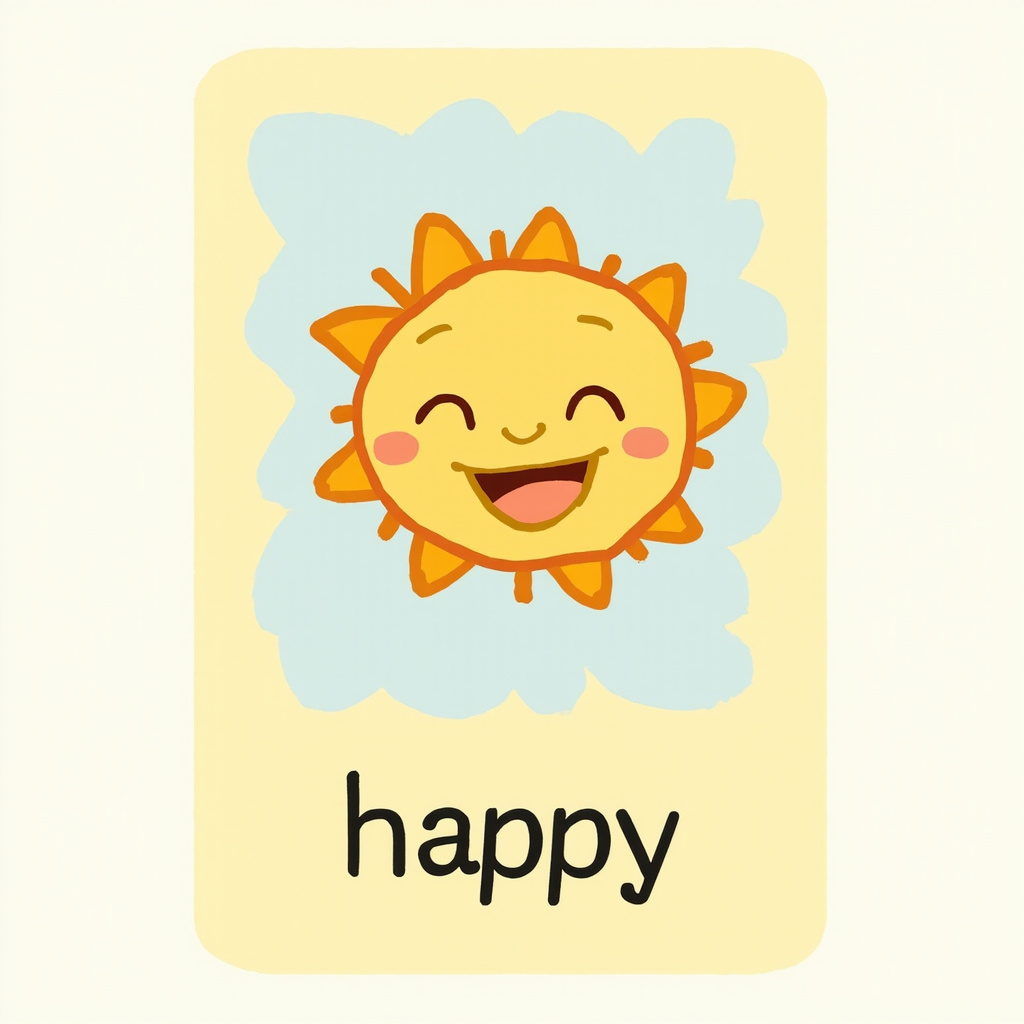
Now we use these feelings in real conversations. The most common question about feelings is How are you? or How are you today?. A short, polite answer is I'm fine, thanks or I'm OK, thanks.
To ask about a specific feeling, we say Are you (tired / happy / hot ...)? The short answer is Yes, I am or No, I'm not. To share your own feeling, say I feel (tired / happy ...) or simply I'm (tired / happy ...).
Here are useful phrases for talking about feelings today:
Question
Short answer
How are you?
I'm fine, thanks.
How are you today?
I'm OK, thanks.
How do you feel?
I feel tired.
Are you hungry?
Yes, I am. / No, I'm not.
Are you happy?
Yes, very happy!
Are you worried?
No, I'm not worried.
In British English, we often say I'm good instead of 'I'm fine'. We also say brilliant or not bad to mean 'I feel OK'. Try to use these in your conversation. Remember to be polite — say thanks or thank you after you answer.
When you speak, keep your answer short and clear. Smile when you say 'I'm fine, thanks'. This sounds friendly.
At work or at school, people ask 'How are you?' many times a day. You don't need to give a long answer. A short, friendly answer is best. If you want to add more, you can say how you really feel. Try this:
'I'm fine, thanks. But I'm a bit tired today.'
'I'm OK. I'm happy because it's Friday.'
'Not bad! I'm a bit hungry, but I'm fine.'
You can also ask the same question back: 'How are you?' or 'And you?'.
إزاي تتكلم عن مشاعرك بالإنجليزي
في السيكشن دي هنتعلم إزاي نسأل ونجاوب عن إحساسك بشكل بسيط وطبيعي. الحوار اللي بين Emma و Tom بيورّينا إن الكلام عن المشاعر ممكن يبقى قصير ومباشر، زي ما بنتكلم في الحياة اليومية.
السؤال الأساسي: How are you?
دي أكتر جملة بتتقال لما حد يسألك عن حالك. الإجابة المعتادة بتكون قصيرة ولطيفة:
I'm fine, thanks. (كويس، شكراً)
I'm OK, thanks. (ماشي، شكراً)
I'm good. (حلو، ودي أكتر في الـBritish English)
Brilliant (ممتاز) أو Not bad (مفيش حاجة وحشة)
لو عايز تضيف إحساس معين
ممكن تقول إحساسك الحقيقي بعد الإجابة القصيرة. بنستخدم I feel أو I'm:
I feel happy today, but I am a bit tired. (حاسس بفرح النهاردة، بس تعبان شوية)
I'm very hungry! (جعان جداً)
I'm a bit tired. (تعبان شوية)
السؤال عن إحساس معين
لو عايز تسأل حد عن إحساس معيّن، بنقول Are you (feeling)?، والجواب بييجي قصير:
Are you hungry? → Yes, I am. أو No, I'm not.
Are you happy? → Yes, very happy!
Are you worried? → No, I'm not worried.
نصايح مهمة من الدرس
متنساش تقول thanks بعد ما تجاوب عشان الكلام يبقى مؤدب.
ممكن ترجّع السؤال لصاحبك: And you? أو How are you?
في الشغل أو المدرسة الناس بتسألك السؤال ده كذا مرة في اليوم، فالإجابة القصيرة اللطيفة هي اللي بتمشي.
حاول تبتسم لما تقول I'm fine, thanks - ده بيخلّي صوتك ودود وطبيعي.
المهم في السيكشن دي إنك تتكلم بطبيعية، متحاولش تقول جمل طويلة. جمل قصيرة وواضحة هي اللي بتخلّي المحادثة مريحة بجد.
Listen to Emma and Tom talk about how they feel today.
E
EmmaHi Tom! How are you today?
T
TomI'm fine, thanks. But I'm a bit tired.
E
EmmaOh dear! Are you hungry?
T
TomYes, I am. I'm very hungry!
E
EmmaOK, let's get some food.
T
TomBrilliant! I'm happy now.
How are you today?
This is the most common way to ask about feelings in British English. Listen and repeat.
Required
Read the answer out loud. Sound friendly and polite.
I'm fine, thanks. How are you?
Required
Now tell someone how you really feel. You can use two feelings with 'but'.
I feel happy today, but I am a bit tired.
Required
You are at a café with a friend. Start the conversation, ask how your friend feels, and tell them how you feel today. Try to use at least three feeling words.
Required
Vocabulary
Vocabulary
6
cards
Today we learn eight common words for feelings in English. These words help you answer the question 'How are you?' or 'How do you feel?'. All of them work with the verb 'to be' (am, is, are).
We say I am happy or I'm happy in everyday English. The short form I'm is the most natural in conversation. Look at the table. Notice the pattern: subject + be + feeling.
Some of these words are emotions — what you feel in your mind. Others are physical feelings — what you feel in your body. You will use both kinds every day in English.
Word
Type
Example
happy
adjective
I am happy today.
sad
adjective
She is sad.
tired
adjective
I am very tired.
hungry
adjective
He is hungry.
angry
adjective
They are angry.
worried
adjective
I am worried about the test.
hot
adjective
It is hot today.
cold
adjective
I am cold.
Use very before a feeling to make it stronger: 'I am very tired' or 'I am very happy'. With hot and cold, you can also talk about the weather: 'It is hot today' or 'It is cold today'.
In negative sentences, we use not: 'I am not sad' or 'I'm not tired'. To ask a question, put the verb before the subject: Are you tired?Is she happy?
After you say how you feel, you can add because to give a reason. For example: 'I am tired because I worked a lot' or 'I am happy because it is my birthday'. This is a very useful pattern in real conversations.
إزاي تتكلم عن مشاعرك بالإنجليزي
كل يوم بنحتاج نوصف إحساسنا - سواء كنا مبسوطين، متضايقين، تعبانين، أو جعانين. في اللغة الإنجليزية، الكلمات اللي بنستخدمها لوصف الإحساس اسمها feelings أو emotions، وبنربطها دايماً بفعل to be (يعني am, is, are) عشان نكوّن جملة كاملة.
القاعدة الأساسية: subject + be + feeling
كل الكلمات اللي في الدرس هي adjectives (صفات)، يعني بتصف حالة الشخص نفسه. وبنختار am أو is أو are على حسب الفاعل:
I am tired - أنا تعبان
She is sad - هي زعلانة
He is hungry - هو جعان
They are angry - هم زعلانين
في الكلام اليومي، الصورة المختصرة I'm بتكون طبيعية أكتر من I am، فبنقول I'm happy أو I'm cold بدل الصورة الطويلة.
نوعين من المشاعر
الكلمات في الدرس بتنقسم لنوعين، وده مهم تفهمه:
مشاعر نفسية (emotions) - اللي بتحس بيها في دماغك، زي happy و sad و angry و worried
مشاعر جسدية (physical feelings) - اللي بتحس بيها في جسمك، زي tired و hungry و hot و cold
استخدامات إضافية مهمة
تكبير الإحساس بـ very: لو عايز تقول إن الإحساس ده قوي، حط very قبل الكلمة:
I am very tired - أنا تعبان جداً
She is very happy - هي مبسوطة جداً
hot و cold للطقس: الكلمتين دول ليهم استخدام تاني، بنوصف بيهم الجو:
It is hot today - الجو حر النهاردة
It is cold today - الجو برد النهاردة
النفي (negatives) والأسئلة (questions)
النفي: بنضيف not بعد فعل be:
I am not sad - أنا مش زعلان
I'm not tired - أنا مش تعبان
الأسئلة: بنعكس الترتيب، يعني الفعل ييجي قبل الفاعل:
Are you tired? - إنت تعبان؟
Is she happy? - هي مبسوطة؟
إضافة سبب بـ because
من أحسن الحركات في الكلام الحقيقي إنك بعد ما تقول إحساسك، تضيف سبب باستخدام because:
I am tired because I worked a lot - أنا تعبان لأني اشتغلت كتير
I am happy because it is my birthday - أنا مبسوط لأن النهاردة عيد ميلادي
I am hungry because I didn't eat breakfast - أنا جعان لأني معتش فطار
النمط ده بيخلّيك تشرح مشاعرك بشكل كامل وواضح، وده اللي بيخلي المحادثة تبان طبيعية فعلاً.
Meet eight common feeling words. Read each one out loud.
angryˈæŋɡri
Feeling or showing strong annoyance, displeasure, or hostility because of something wrong or bad.
coldkəʊld
Having a low temperature; not hot or warm. Can describe weather, objects, or conditions.
happyˈhæp.i
feeling , showing , or causing pleasure or satisfaction :
(used in greetings for special occasions ) full of e
hothɒt
Having a high temperature; very warm. Can also describe food that has a burning, spicy quality.
hungryˈhʌŋɡri
needing or wanting food; having a desire to eat
sadsæd
Feeling unhappy or upset; experiencing sorrow or unhappiness.
tiredˈtaɪəd
Feeling that you want to rest or sleep; having lost your energy after physical or mental effort.
worriedˈwʌrɪd
Feeling concerned, anxious, or uneasy about something that has happened or might happen.
Required
Match each feeling word to its meaning.
Match each feeling word to its meaning.
you feel good
you feel bad about something
you need sleep
you want to eat
you feel cross
you think a lot about a problem
the weather is very warm
the weather is not warm
happy
sad
tired
hungry
angry
worried
hot
cold
I am very tired today, but I am happy.
Notice the two feelings in one sentence. We can use 'but' to connect them.