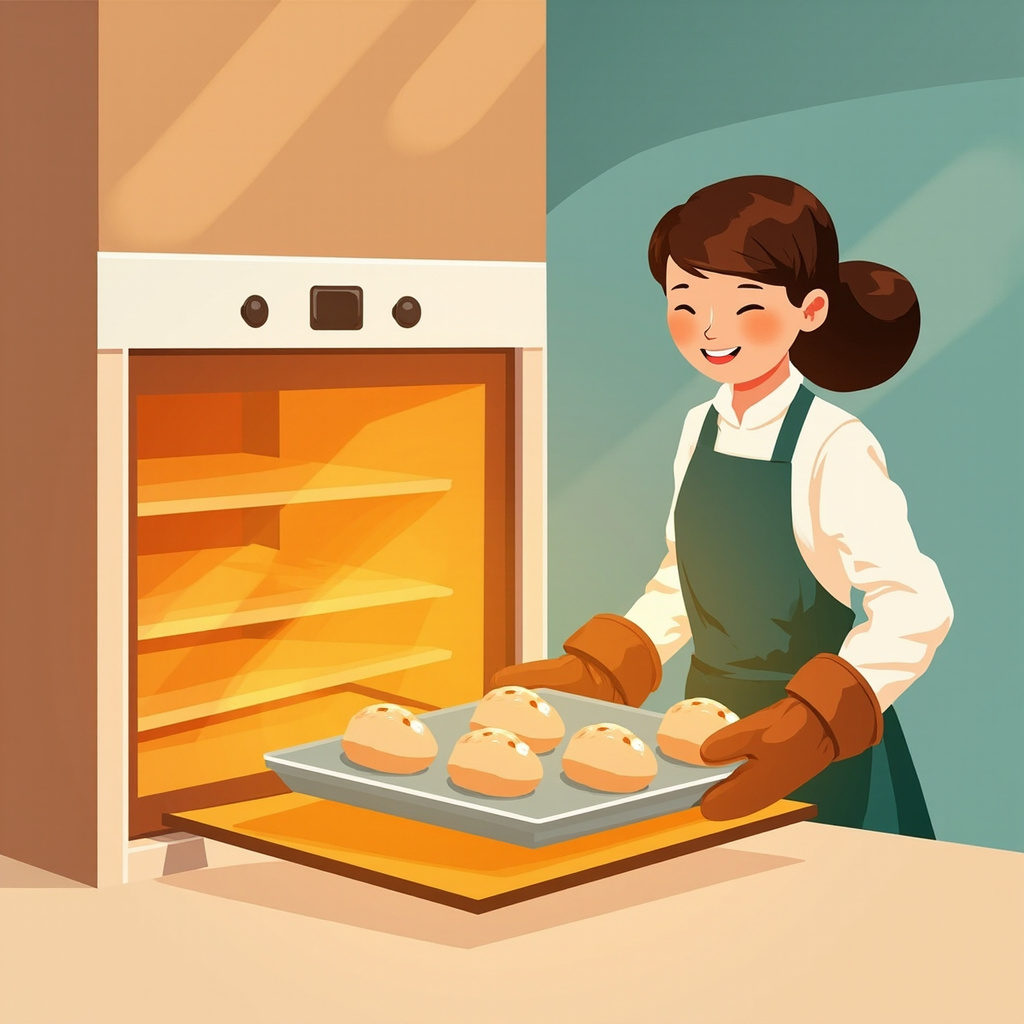
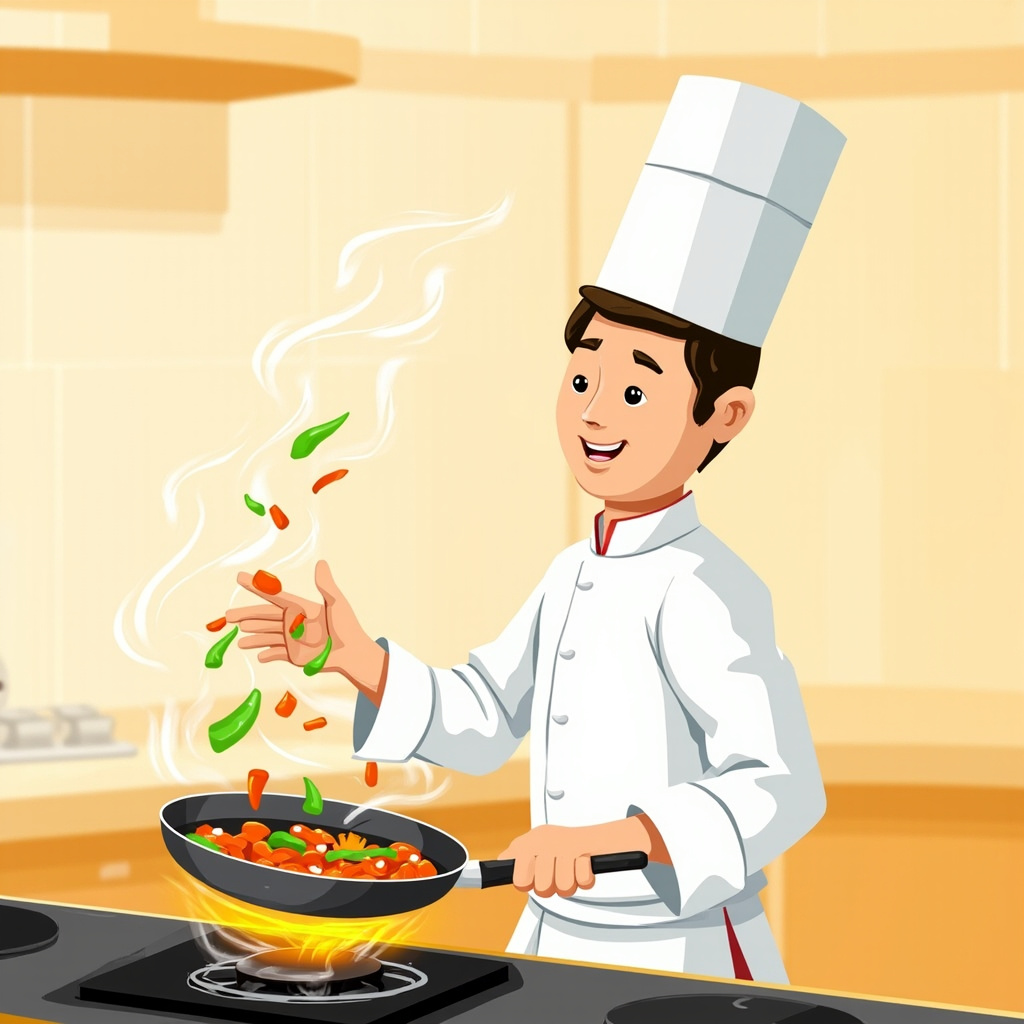
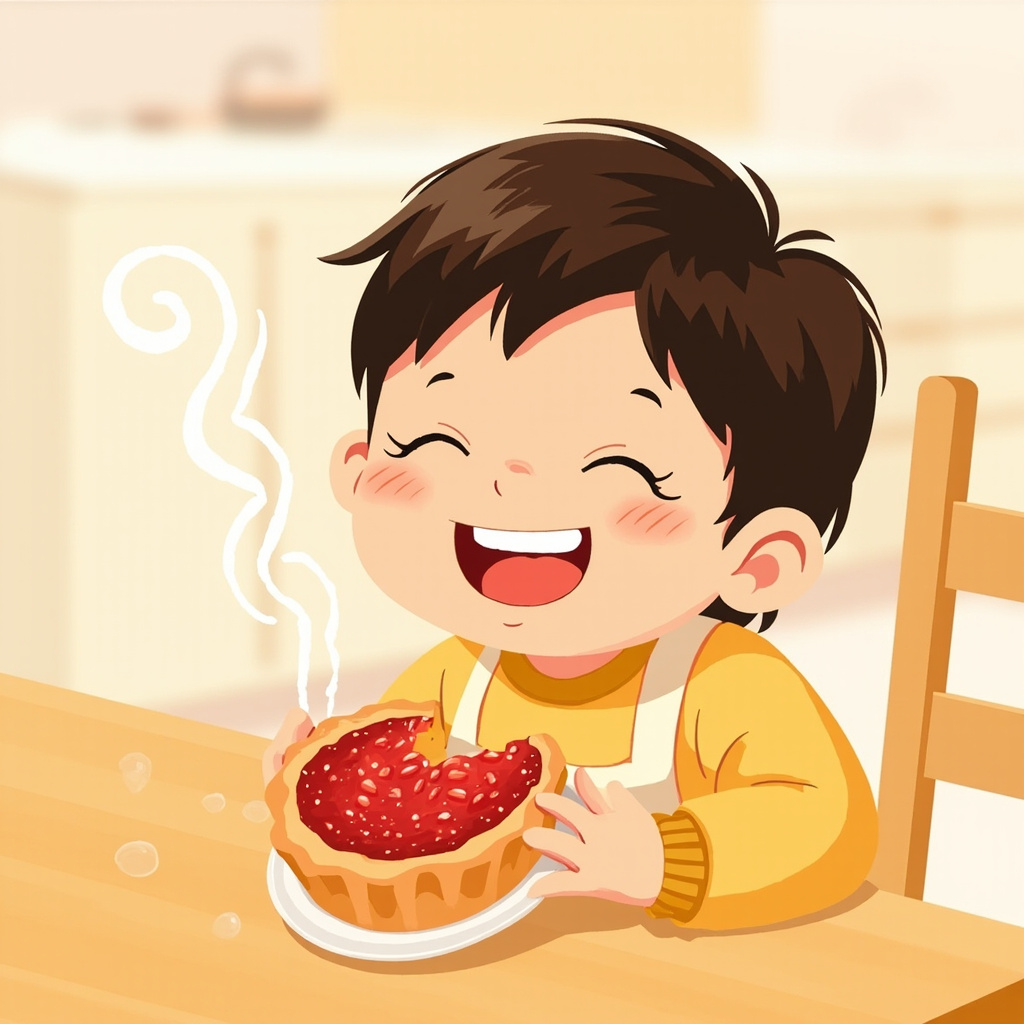
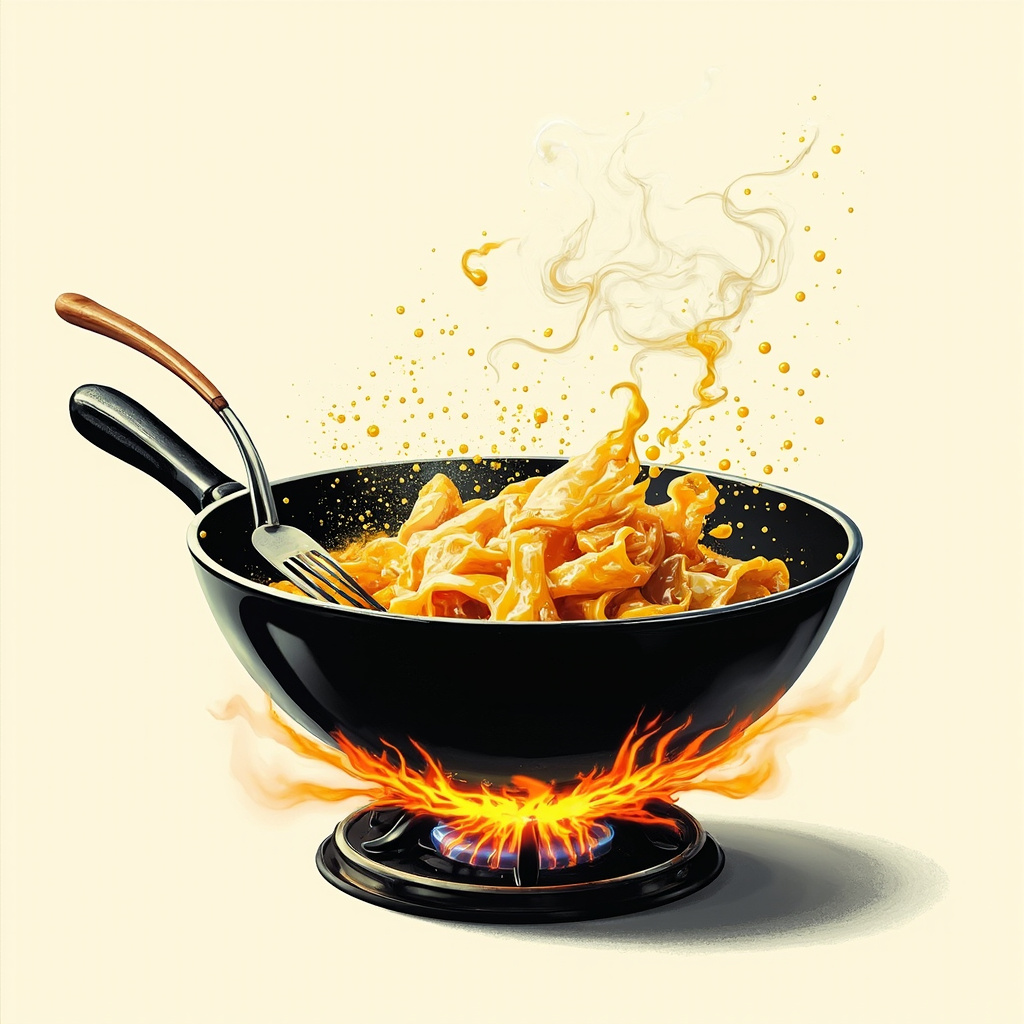
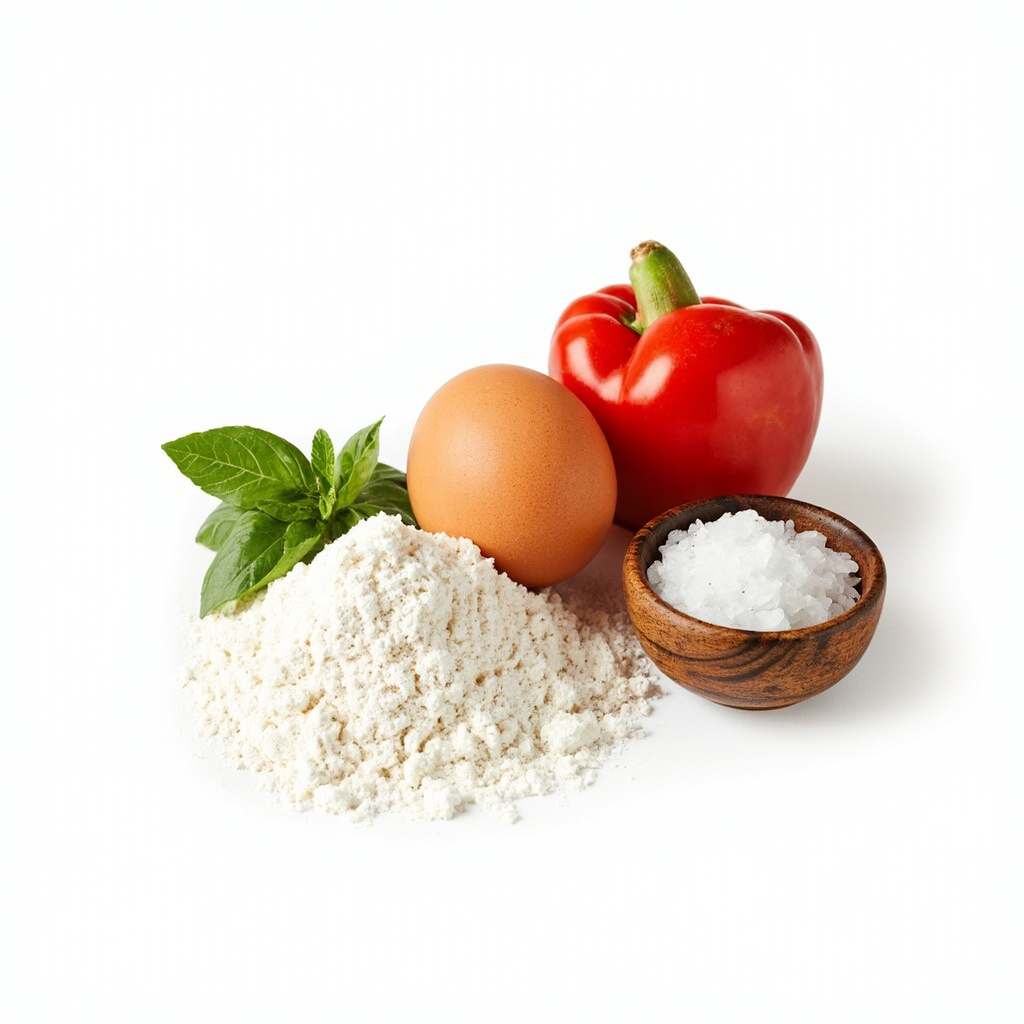
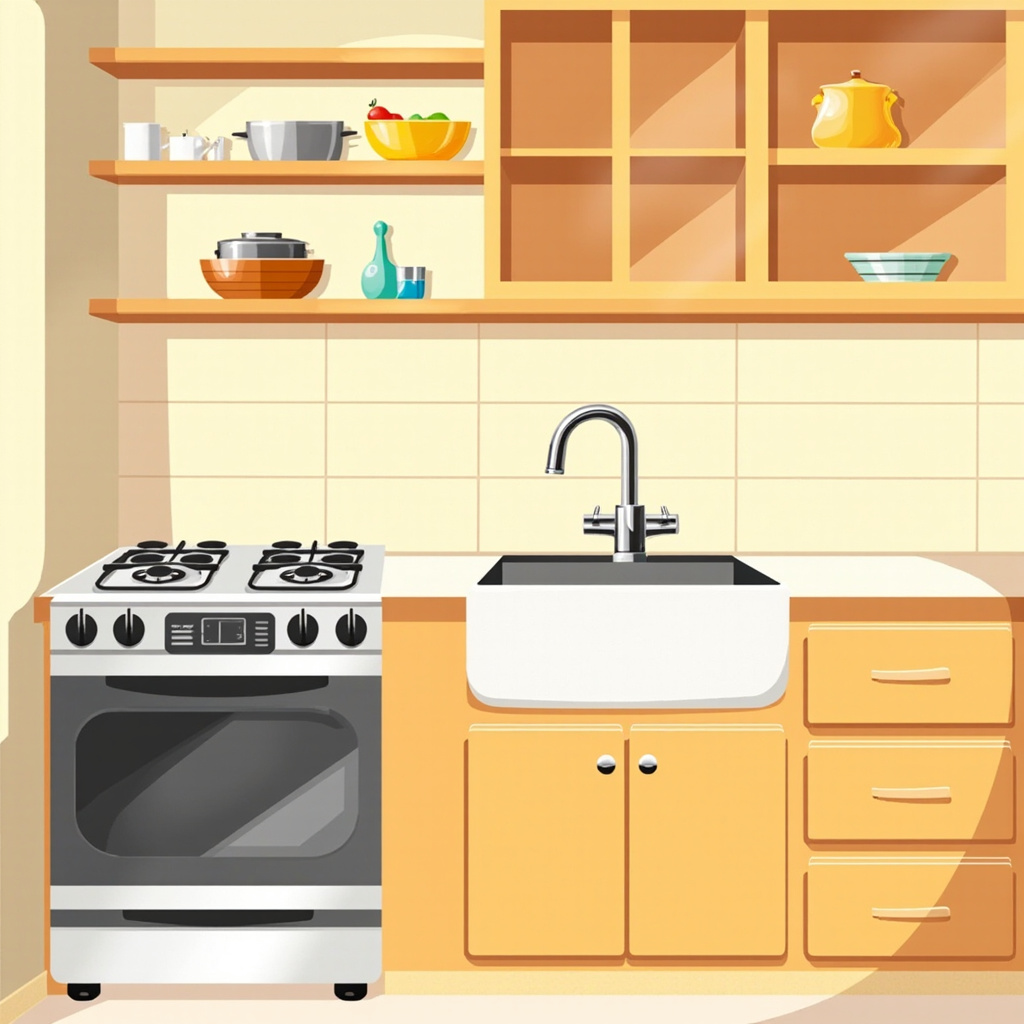
We use can to say we know how to do something. We use can't to say we do not know how to do it.Can and can't talk about ability — what you are able to do today.
Look at the table.Can is the same for every subject: I, you, he, she, it, we, they. We do not add -s to can. We do not use do or does with can.
Affirmative
Negative
Short answer
I
I can cook.
I can't bake.
Yes, I can. / No, I can't.
You
You can cook.
You can't bake.
Yes, you can. / No, you can't.
He / She / It
She can cook.
She can't bake.
Yes, she can. / No, she can't.
We / They
We can cook.
We can't bake.
Yes, we can. / No, we can't.
Questions have this word order: Can + subject + verb …?
Can you cook?
Can she bake a cake?
What can you make?
For negative sentences, add not after can and write it as one word: can't.
I can cook. ✅
I can'tcook. ✅
I don't cancook. ❌ — this is wrong!
Generating translation…
I can cook pasta and rice.
Notice: can is the same for I.
She can't bake a cake, but she can make an omelette.
Notice the form can't = can + not.
Required
Look at the questions: 'Can you cook?' and 'What can you make?' — what comes after can in a question?
the verb
the subject
not
Required
I ___ (can / can't) make an omelette. Look — it is easy.
Required
My brother ___ bake bread. He has a great recipe.
can
can't
cans
Required
We add -s to can with he / she / it: 'She cans cook.'
We do not change **can**. It is the same for every subject: 'She **can** cook.'
Required
Put the words in the correct order to make a question.
Can
you
rice
cook
?
Required
Drag the correct word (can or can't) into each sentence.
can't
can
can
can't
can
I cook pasta for dinner.
She bake a cake, but she can try.
We fry eggs for breakfast.
He boil rice — it is too hard.
They make a sandwich.
Listening
Listening
5
cards
In this section you will hear two friends, Emma and Tom, talking about cooking. They are at home in the kitchen on a Saturday afternoon. Emma is going to teach Tom how to bake a cake. Listen for the words can and can't — Tom uses them to talk about what he can and cannot cook.
Before you listen, think:
Can you cook pasta?Can you bake a cake?
What food do you make at home?
Prediction question: What do you think Tom can cook — pasta, cake, or sushi?
Generating translation…
Two friends, Emma and Tom, talk about cooking at home.
E
EmmaHi Tom! Do you like cooking?
T
TomYes, I do! I can cook a few things.
E
EmmaWhat can you make?
T
TomI can cook pasta and I can make an omelette. But I can't bake a cake.
E
EmmaOh, I can bake a cake! My mother has a great recipe for chocolate cake.
T
TomThat sounds delicious! Can you teach me?
E
EmmaSure! Do you have the ingredients at home?
T
TomI think so. I have flour, eggs and sugar.
E
EmmaGreat! Let's bake a cake this weekend.
T
TomWonderful! I can't wait.
Required
What is the main topic of the conversation?
Their jobs
Cooking and food
Sport
Required
Can Tom bake a cake?
Yes, he can.
No, he can't.
He can bake a cake and an omelette.
Required
Emma's mother has a great ___ for chocolate cake.
Pronunciation
Pronunciation
7
cards
In British English, the words can and can't do not sound the same. The vowel in each word is different. This is very important, because we use these two words all the time.
'can' = /kæn/
Your mouth is open but not very wide.
Your tongue is low and at the front of your mouth, touching behind the bottom teeth.
The sound is short.
It sounds like the 'a' in cat, apple, or man.
'can't' = /kɑːnt/
Your mouth opens wider.
Your tongue is low and pushed to the back of your mouth.
The sound is longer — you hold it for more time.
The final -t is clearly heard.
It sounds like the 'a' in car, father, or bath.
Word
Mouth
Tongue
Length
can /kæn/
less open
front
short
can't /kɑːnt/
more open
back
long
Words with /k/ + /æ/: cat, can, man, hat, apple, pan
Words with /k/ + /ɑː/: car, can't, bath, plant, after, class
Listen to the difference. The vowel in can't is much longer and your mouth is more open.
Generating translation…
'can' = /kæn/: short vowel, tongue at the front.'can't' = /kɑːnt/: long vowel, tongue at the back, mouth wider. Hold the vowel in 'can't' for longer.
Required
Which word do you hear?
can
can't
Required
Say the word. Tongue at the front, short vowel.
can
Required
Say the word. Mouth wider, tongue at the back, long vowel.
can't
Required
Say the sentence. Notice the short vowel in can.
I can cook.
Required
Say the sentence. Notice the long vowel in can't.
I can't bake.
Reading
Reading
6
cards
In this section you will read a short message from Sara. She is writing about her cooking skills. First, look at the strategy box below — it will help you read faster and find the answers.
STRATEGY BOX: Reading for specific information
When you read for specific information, do not read every word. Read quickly and look for keywords. In this lesson, the keywords are can and can't, and the names of foods. The sentences around these words usually have the answer you need.
Pre-taught key words
pasta – food made from wheat, like spaghetti or macaroni
sushi – Japanese food made with rice and fish
rice – small white grains, a very common food
flour – a white powder used for baking bread and cakes
Now read Sara's message. Answer the questions by finding the keywords can and can't.
Generating translation…
Hi! My name is Sara. I love cooking in my kitchen on Sundays. I can cook pasta and rice very well. I can also bake a cake — chocolate cake is my favourite! I can fry eggs for breakfast. But I can't make sushi. It looks very difficult. My mother is a great cook. She can make delicious food from any recipe. Can you cook? Tell me about your favourite food! — Sara
Required
What is Sara's message mainly about?
Her family and work
Her cooking skills and food
Her school
Required
Sara can make sushi at home.
Sara says: 'But I **can't** make sushi. It looks very difficult.'
Required
What is Sara's favourite cake?
Vanilla cake
Chocolate cake
Fruit cake
Required
Sara can ___ eggs for breakfast.
boil
fry
bake
Speaking
Speaking
7
cards
Now it is your turn to speak! Use can and can't to talk about your cooking. Here are useful phrases for this lesson:
English
I can cook pasta.
I can't make sushi.
Can you cook?
Yes, I can. / No, I can't.
I love cooking!
It's delicious!
Let's cook together!
Listen to the model dialogue. Then repeat the key phrases. Finally, talk with Tom in the roleplay. Use can and can't in every sentence.
Generating translation…
Two friends, Emma and Tom, talk about what they can and can't cook.
E
EmmaCan you cook, Tom?
T
TomYes, I can cook pasta. What about you?
E
EmmaI can bake a cake. But I can't fry fish.
T
TomI can fry fish! It's easy.
E
EmmaGreat! Let's cook dinner together.
T
TomGood idea! I can't wait.
I can cook pasta, but I can't bake a cake.
Listen and repeat. This is the key sentence for the lesson.
Required
Say it. Use the long vowel /æ/ in can.
I can bake a cake.
Required
Say it. Use the long vowel /ɑː/ in can't.
I can't make sushi.
Required
You are talking with Tom. He wants to know what you can and can't cook. Use can and can't in your answers. Ask Tom what he can cook too. Try to talk for at least four turns.
Required
Vocabulary
Vocabulary
6
cards
Welcome! In this lesson we learn words about food and cooking. When you cook, you make food using heat. When you bake, you cook food in an oven, like bread or cake. When you fry, you cook food in hot oil in a pan. When you boil, you cook food in very hot water, like eggs or rice. A recipe is a set of instructions that tells you how to make a dish. The foods you need to make a recipe are ingredients. You do all this work in the kitchen — the room in your home where you cook. When food tastes very, very good, we say it is delicious.
These eight words are the key words for this lesson. You will use them with can and can't in the next section. Look at the table carefully. Read each example sentence to see how the word is used in real English.
Word
Part of speech
Meaning (Arabic)
Example sentence
cook
verb
I can cook pasta.
bake
verb
She can bake a cake.
fry
verb
He can fry eggs.
boil
verb
We can boil rice.
recipe
noun
This recipe is easy.
ingredient
noun
I need three ingredients.
kitchen
noun
My kitchen is small.
delicious
adjective
The cake is delicious!
Generating translation…
Read each word. Tap to hear it. These are the cooking words for this lesson.
bakebeɪk
To cook food using dry heat in an oven, especially bread, cakes, or pastries.
boilbɔɪl
To heat a liquid until it bubbles and turns to gas, or to cook food in boiling water.
cookkʊk
To prepare food by heating it, such as by boiling, frying, or baking.
deliciousdɪˈlɪʃ.əs
having a very pleasant taste or smell :
used to describe a situation or activity that gives you great pleasure
fryfraɪ
To cook food in hot oil or fat over medium-high heat.
ingredientɪnˈɡriːdiənt
A substance or component that is part of a mixture or combination, especially a food item used in preparing a
kitchenˈkɪtʃɪn
A room in a house or building where meals are prepared, typically containing a stove, sink, and storage for fo
recipeˈresɪpi
A set of instructions for preparing a particular dish, including a list of ingredients and the steps to follow
Required
Match each cooking word with its meaning.
Match each cooking word with its meaning.
cook
bake
fry
boil
recipe
ingredient
kitchen
delicious
make food with heat
cook in an oven
cook in hot oil
cook in very hot water
instructions to make a dish
a food you use in a recipe
the room where you cook
very tasty
I can cook a delicious meal in my kitchen.
Read and listen. Notice the cooking words: cook, delicious, kitchen.