كانت المفاتيح أثقل مما توقعت إلينور—نحاس متيبس يطرق القفل كأنها مجموعة من الأسرار الصغيرة تُسلَّم. كان المنزل في شارع مالارد قدokeh`t owned by a great-aunt she'd never met, a woman whose photograph in the hallway showed a face so carefully composed it might have been carved from porcelain. Now it belonged to her, and to David, and to whatever remained of the woman who had accumulated sixty-three years of silence in these rooms. They had planned to renovate, of course. The estate agent's particulars had spoken of "potential" and "character," which Eleanor had translated, with the pragmatic optimism of the recently bereaved, into "acceptable structural issues" and "aesthetic challenges requiring vision." What she had not anticipated was the way the house would resist their plans, the way it seemed to hold its breath as they walked through rooms that still smelled of lavender and dust and something older, something mineral, like the bones of the earth itself. The first discovery came on a Thursday, when David lifted the corner of the threadbare carpet in the sitting room and found, beneath it, another carpet—an intricate Persian weave in faded ruby and indigo, so deteriorated at the edges that it crumbled at his touch. They rolled it back further, expecting subfloor, and instead found a third layer: worn floorboards painted the green of summer hedges, and carved into them, with what must have been a penknife held in an unsteady hand, the words Margaret, 1923. I am here. The name appeared elsewhere, too. In a cabinet beneath the stairs, behind a false panel that David discovered only because one of its hinges had rusted through and the wood had warped. Behind it: a hollow space in the wall stuffed with papers, photographs, and a hand-painted wooden box containing a lock of hair the colour of autumn wheat, tied with a ribbon that disintegrated when Eleanor touched it. The papers were letters, yellowed and brittle, addressed to Margaret Ashworth, and in them a voice she could barely hear for the trembling of her own heart spoke of a love that could not be spoken aloud, of a future that would not come, of a door that had been closed and would never be opened again. "She must have hidden them here," David said, but Eleanor shook her head. The placement was too deliberate, too desperate. Someone had sealed that panel from the inside, had wanted the letters preserved for a time when they themselves would no longer need to read them. The walls yielded their secrets more slowly. In the kitchen, removing the old lino—yellowed in patterns that suggested decades of sunlight from the window above the sink—they found paint layers beneath, each one a different colour, each one bearing the faint impression of wallpaper that had been hung and stripped, hung and stripped, as though the house itself could not decide what it wished to be. In the topmost layer, barely visible unless the light fell at precisely the right angle, there were handprints. Dozens of them. Some large, some small, some so faint they might have been imagined. And on the wall beside the old coal fire, in what must have been the original plaster, an entire paragraph carved into the surface, the letters small and cramped, crowded together as though racing against discovery: They think I am gone but I am here. I have always been here. I will be here when they are gone. The house remembers. The house keeps. The house does not forget. Eleanor read it aloud, and the words seemed to hang in the air of the empty room, refusing to dissipate. David put his arm around her, a gesture of comfort that felt more like a man holding onto something solid in the face of his own unease. "We should have the house surveyed," he said. "Professionally. Before we do anything else." But the survey, when they commissioned it, revealed only what any surveyor might find: dry rot in the eastern corner, some outdated wiring, a chimney that needed repointing. No mention of hidden chambers, no evidence of anything amiss. The house behaved as houses are expected to behave—solid, mute, indifferent to the anxieties of those who dwell within it. And yet the layers continued to reveal themselves. In the garden, excavating for the new rose bed Eleanor had planned, they uncovered a flagstone that should not have been there—a single paving stone, set apart from the path, its surface worn smooth in a way that suggested years of being knelt upon. Beneath it, a tin box containing a child's teeth, save for one, and a note in a child's handwriting: For the fairy. Please make Mam better. They buried the teeth again, and the note, and the flagstone, and said nothing more about rose beds. It was David who finally understood. Or perhaps it was not understanding at all, but simply acceptance—the recognition that the house was not haunted in any way they had been taught to fear, but rather possessed of a memory so vast and so patient that it had become indistinguishable from the stones themselves. Every family that had lived within these walls had left something behind. Not ghosts, not poltergeists, not the restless dead, but something more fundamental: the residue of ordinary lives, lived in love and fear and hope, layered so deeply into the structure that the structure had become, in some essential way, indistinguishable from the lives themselves. "We are part of it now," Eleanor said one evening, watching the light fade across the garden where so many had stood before her, watching the same light, feeling the same weight of time. "Whatever we do here, whatever we leave behind—it becomes part of the house. And the house keeps it." David nodded. The renovation plans had been quietly abandoned. What would be the point of erasing the past when the past was the only thing that gave the house its depth, its texture, its strange and humbling capacity for witness? They stayed. They lived their lives within the house, becoming another layer in its long accumulation of ordinary days.
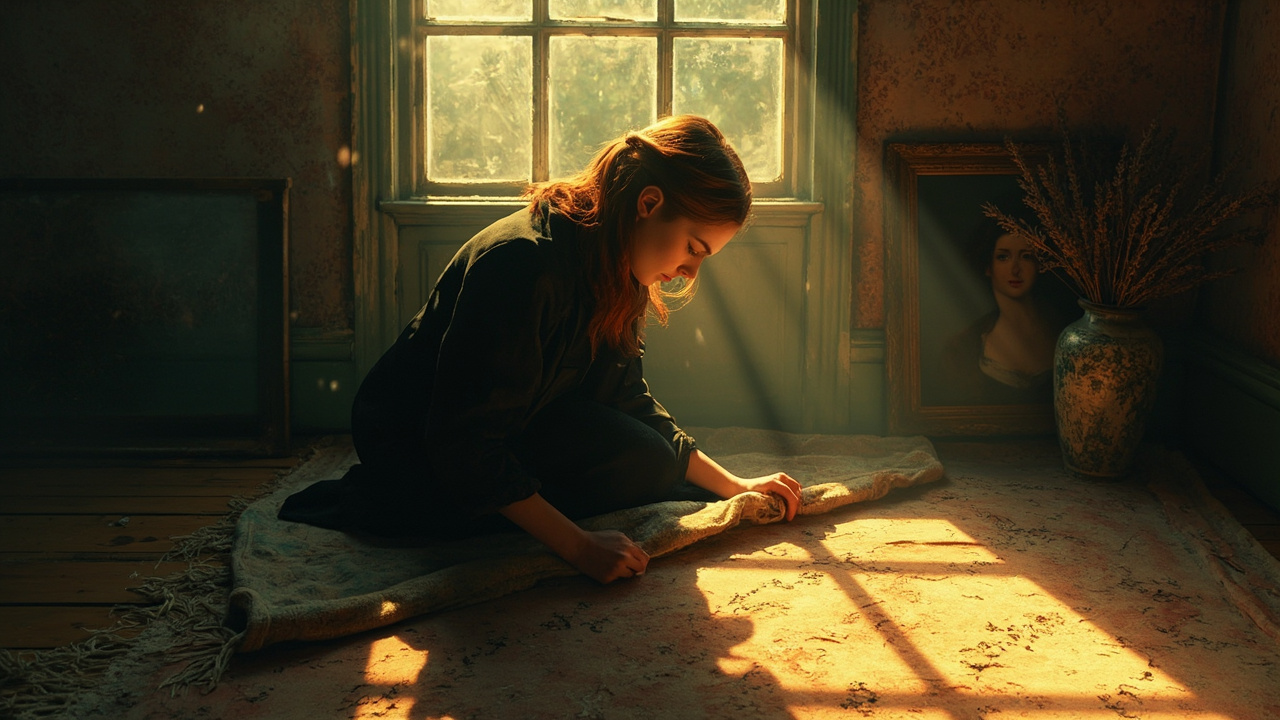
The keys were heavier than Eleanor had anticipated—tarnished brass that clinked against the lock like a collection of small secrets being surrendered. The house on Mallard Lane had belonged to a great-aunt she'd never met, a woman whose photograph in the hallway showed a face so carefully composed it might have been carved from porcelain. Now it belonged to her, and to David, and to whatever remained of the woman who had accumulated sixty-three years of silence in these rooms. They had planned to renovate, of course. The estate agent's particulars had spoken of "potential" and "character," which Eleanor had translated, with the pragmatic optimism of the recently bereaved, into "acceptable structural issues" and "aesthetic challenges requiring vision." What she had not anticipated was the way the house would resist their plans, the way it seemed to hold its breath as they walked through rooms that still smelled of lavender and dust and something older, something mineral, like the bones of the earth itself. The first discovery came on a Thursday, when David lifted the corner of the threadbare carpet in the sitting room and found, beneath it, another carpet—an intricate Persian weave in faded ruby and indigo, so deteriorated at the edges that it crumbled at his touch. They rolled it back further, expecting subfloor, and instead found a third layer: worn floorboards painted the green of summer hedges, and carved into them, with what must have been a penknife held in an unsteady hand, the words Margaret, 1923. I am here. The name appeared elsewhere, too. In a cabinet beneath the stairs, behind a false panel that David discovered only because one of its hinges had rusted through and the wood had warped. Behind it: a hollow space in the wall stuffed with papers, photographs, and a hand-painted wooden box containing a lock of hair the colour of autumn wheat, tied with a ribbon that disintegrated when Eleanor touched it. The papers were letters, yellowed and brittle, addressed to Margaret Ashworth, and in them a voice she could barely hear for the trembling of her own heart spoke of a love that could not be spoken aloud, of a future that would not come, of a door that had been closed and would never be opened again. "She must have hidden them here," David said, but Eleanor shook her head. The placement was too deliberate, too desperate. Someone had sealed that panel from the inside, had wanted the letters preserved for a time when they themselves would no longer need to read them. The walls yielded their secrets more slowly. In the kitchen, removing the old lino—yellowed in patterns that suggested decades of sunlight from the window above the sink—they found paint layers beneath, each one a different colour, each one bearing the faint impression of wallpaper that had been hung and stripped, hung and stripped, as though the house itself could not decide what it wished to be. In the topmost layer, barely visible unless the light fell at precisely the right angle, there were handprints. Dozens of them. Some large, some small, some so faint they might have been imagined. And on the wall beside the old coal fire, in what must have been the original plaster, an entire paragraph carved into the surface, the letters small and cramped, crowded together as though racing against discovery: They think I am gone but I am here. I have always been here. I will be here when they are gone. The house remembers. The house keeps. The house does not forget. Eleanor read it aloud, and the words seemed to hang in the air of the empty room, refusing to dissipate. David put his arm around her, a gesture of comfort that felt more like a man holding onto something solid in the face of his own unease. "We should have the house surveyed," he said. "Professionally. Before we do anything else." But the survey, when they commissioned it, revealed only what any surveyor might find: dry rot in the eastern corner, some outdated wiring, a chimney that needed repointing. No mention of hidden chambers, no evidence of anything amiss. The house behaved as houses are expected to behave—solid, mute, indifferent to the anxieties of those who dwell within it. And yet the layers continued to reveal themselves. In the garden, excavating for the new rose bed Eleanor had planned, they uncovered a flagstone that should not have been there—a single paving stone, set apart from the path, its surface worn smooth in a way that suggested years of being knelt upon. Beneath it, a tin box containing a child's teeth, save for one, and a note in a child's handwriting: For the fairy. Please make Mam better. They buried the teeth again, and the note, and the flagstone, and said nothing more about rose beds. It was David who finally understood. Or perhaps it was not understanding at all, but simply acceptance—the recognition that the house was not haunted in any way they had been taught to fear, but rather possessed of a memory so vast and so patient that it had become indistinguishable from the stones themselves. Every family that had lived within these walls had left something behind. Not ghosts, not poltergeists, not the restless dead, but something more fundamental: the residue of ordinary lives, lived in love and fear and hope, layered so deeply into the structure that the structure had become, in some essential way, indistinguishable from the lives themselves. "We are part of it now," Eleanor said one evening, watching the light fade across the garden where so many had stood before her, watching the same light, feeling the same weight of time. "Whatever we do here, whatever we leave behind—it becomes part of the house. And the house keeps it." David nodded. The renovation plans had been quietly abandoned. What would be the point of erasing the past when the past was the only thing that gave the house its depth, its texture, its strange and humbling capacity for witness? They stayed. They lived their lives within the house, becoming another layer in its long accumulation of ordinary days.
The keys were heavier than Eleanor had anticipated—tarnished brass that clinked against the lock like a collection of small secrets being surrendered. The house on Mallard Lane had belonged to a great-aunt she'd never met, a woman whose photograph in the hallway showed a face so carefully composed it might have been carved from porcelain. Now it belonged to her, and to David, and to whatever remained of the woman who had accumulated sixty-three years of silence in these rooms. They had planned to renovate, of course. The estate agent's particulars had spoken of "potential" and "character," which Eleanor had translated, with the pragmatic optimism of the recently bereaved, into "acceptable structural issues" and "aesthetic challenges requiring vision." What she had not anticipated was the way the house would resist their plans, the way it seemed to hold its breath as they walked through rooms that still smelled of lavender and dust and something older, something mineral, like the bones of the earth itself. The first discovery came on a Thursday, when David lifted the corner of the threadbare carpet in the sitting room and found, beneath it, another carpet—an intricate Persian weave in faded ruby and indigo, so deteriorated at the edges that it crumbled at his touch. They rolled it back further, expecting subfloor, and instead found a third layer: worn floorboards painted the green of summer hedges, and carved into them, with what must have been a penknife held in an unsteady hand, the words Margaret, 1923. I am here. The name appeared elsewhere, too. In a cabinet beneath the stairs, behind a false panel that David discovered only because one of its hinges had rusted through and the wood had warped. Behind it: a hollow space in the wall stuffed with papers, photographs, and a hand-painted wooden box containing a lock of hair the colour of autumn wheat, tied with a ribbon that disintegrated when Eleanor touched it. The papers were letters, yellowed and brittle, addressed to Margaret Ashworth, and in them a voice she could barely hear for the trembling of her own heart spoke of a love that could not be spoken aloud, of a future that would not come, of a door that had been closed and would never be opened again. "She must have hidden them here," David said, but Eleanor shook her head. The placement was too deliberate, too desperate. Someone had sealed that panel from the inside, had wanted the letters preserved for a time when they themselves would no longer need to read them. The walls yielded their secrets more slowly. In the kitchen, removing the old lino—yellowed in patterns that suggested decades of sunlight from the window above the sink—they found paint layers beneath, each one a different colour, each one bearing the faint impression of wallpaper that had been hung and stripped, hung and stripped, as though the house itself could not decide what it wished to be. In the topmost layer, barely visible unless the light fell at precisely the right angle, there were handprints. Dozens of them. Some large, some small, some so faint they might have been imagined. And on the wall beside the old coal fire, in what must have been the original plaster, an entire paragraph carved into the surface, the letters small and cramped, crowded together as though racing against discovery: They think I am gone but I am here. I have always been here. I will be here when they are gone. The house remembers. The house keeps. The house does not forget. Eleanor read it aloud, and the words seemed to hang in the air of the empty room, refusing to dissipate. David put his arm around her, a gesture of comfort that felt more like a man holding onto something solid in the face of his own unease. "We should have the house surveyed," he said. "Professionally. Before we do anything else." But the survey, when they commissioned it, revealed only what any surveyor might find: dry rot in the eastern corner, some outdated wiring, a chimney that needed repointing. No mention of hidden chambers, no evidence of anything amiss. The house behaved as houses are expected to behave—solid, mute, indifferent to the anxieties of those who dwell within it. And yet the layers continued to reveal themselves. In the garden, excavating for the new rose bed Eleanor had planned, they uncovered a flagstone that should not have been there—a single paving stone, set apart from the path, its surface worn smooth in a way that suggested years of being knelt upon. Beneath it, a tin box containing a child's teeth, save for one, and a note in a child's handwriting: For the fairy. Please make Mam better. They buried the teeth again, and the note, and the flagstone, and said nothing more about rose beds. It was David who finally understood. Or perhaps it was not understanding at all, but simply acceptance—the recognition that the house was not haunted in any way they had been taught to fear, but rather possessed of a memory so vast and so patient that it had become indistinguishable from the stones themselves. Every family that had lived within these walls had left something behind. Not ghosts, not poltergeists, not the restless dead, but something more fundamental: the residue of ordinary lives, lived in love and fear and hope, layered so deeply into the structure that the structure had become, in some essential way, indistinguishable from the lives themselves. "We are part of it now," Eleanor said one evening, watching the light fade across the garden where so many had stood before her, watching the same light, feeling the same weight of time. "Whatever we do here, whatever we leave behind—it becomes part of the house. And the house keeps it." David nodded. The renovation plans had been quietly abandoned. What would be the point of erasing the past when the past was the only thing that gave the house its depth, its texture, its strange and humbling capacity for witness? They stayed. They lived their lives within the house, becoming another layer in its long accumulation of ordinary days.
The keys were heavier than Eleanor had anticipated—tarnished brass that clinked against the lock like a collection of small secrets being surrendered. The house on Mallard Lane had belonged to a great-aunt she'd never met, a woman whose photograph in the hallway showed a face so carefully composed it might have been carved from porcelain. Now it belonged to her, and to David, and to whatever remained of the woman who had accumulated sixty-three years of silence in these rooms. They had planned to renovate, of course. The estate agent's particulars had spoken of "potential" and "character," which Eleanor had translated, with the pragmatic optimism of the recently bereaved, into "acceptable structural issues" and "aesthetic challenges requiring vision." What she had not anticipated was the way the house would resist their plans, the way it seemed to hold its breath as they walked through rooms that still smelled of lavender and dust and something older, something mineral, like the bones of the earth itself. The first discovery came on a Thursday, when David lifted the corner of the threadbare carpet in the sitting room and found, beneath it, another carpet—an intricate Persian weave in faded ruby and indigo, so deteriorated at the edges that it crumbled at his touch. They rolled it back further, expecting subfloor, and instead found a third layer: worn floorboards painted the green of summer hedges, and carved into them, with what must have been a penknife held in an unsteady hand, the words Margaret, 1923. I am here. The name appeared elsewhere, too. In a cabinet beneath the stairs, behind a false panel that David discovered only because one of its hinges had rusted through and the wood had warped. Behind it: a hollow space in the wall stuffed with papers, photographs, and a hand-painted wooden box containing a lock of hair the colour of autumn wheat, tied with a ribbon that disintegrated when Eleanor touched it. The papers were letters, yellowed and brittle, addressed to Margaret Ashworth, and in them a voice she could barely hear for the trembling of her own heart spoke of a love that could not be spoken aloud, of a future that would not come, of a door that had been closed and would never be opened again. "She must have hidden them here," David said, but Eleanor shook her head. The placement was too deliberate, too desperate. Someone had sealed that panel from the inside, had wanted the letters preserved for a time when they themselves would no longer need to read them. The walls yielded their secrets more slowly. In the kitchen, removing the old lino—yellowed in patterns that suggested decades of sunlight from the window above the sink—they found paint layers beneath, each one a different colour, each one bearing the faint impression of wallpaper that had been hung and stripped, hung and stripped, as though the house itself could not decide what it wished to be. In the topmost layer, barely visible unless the light fell at precisely the right angle, there were handprints. Dozens of them. Some large, some small, some so faint they might have been imagined. And on the wall beside the old coal fire, in what must have been the original plaster, an entire paragraph carved into the surface, the letters small and cramped, crowded together as though racing against discovery: They think I am gone but I am here. I have always been here. I will be here when they are gone. The house remembers. The house keeps. The house does not forget. Eleanor read it aloud, and the words seemed to hang in the air of the empty room, refusing to dissipate. David put his arm around her, a gesture of comfort that felt more like a man holding onto something solid in the face of his own unease. "We should have the house surveyed," he said. "Professionally. Before we do anything else." But the survey, when they commissioned it, revealed only what any surveyor might find: dry rot in the eastern corner, some outdated wiring, a chimney that needed repointing. No mention of hidden chambers, no evidence of anything amiss. The house behaved as houses are expected to behave—solid, mute, indifferent to the anxieties of those who dwell within it. And yet the layers continued to reveal themselves. In the garden, excavating for the new rose bed Eleanor had planned, they uncovered a flagstone that should not have been there—a single paving stone, set apart from the path, its surface worn smooth in a way that suggested years of being knelt upon. Beneath it, a tin box containing a child's teeth, save for one, and a note in a child's handwriting: For the fairy. Please make Mam better. They buried the teeth again, and the note, and the flagstone, and said nothing more about rose beds. It was David who finally understood. Or perhaps it was not understanding at all, but simply acceptance—the recognition that the house was not haunted in any way they had been taught to fear, but rather possessed of a memory so vast and so patient that it had become indistinguishable from the stones themselves. Every family that had lived within these walls had left something behind. Not ghosts, not poltergeists, not the restless dead, but something more fundamental: the residue of ordinary lives, lived in love and fear and hope, layered so deeply into the structure that the structure had become, in some essential way, indistinguishable from the lives themselves. "We are part of it now," Eleanor said one evening, watching the light fade across the garden where so many had stood before her, watching the same light, feeling the same weight of time. "Whatever we do here, whatever we leave behind—it becomes part of the house. And the house keeps it." David nodded. The renovation plans had been quietly abandoned. What would be the point of erasing the past when the past was the only thing that gave the house its depth, its texture, its strange and humbling capacity for witness? They stayed. They lived their lives within the house, becoming another layer in its long accumulation of ordinary days.
The keys were heavier than Eleanor had anticipated—tarnished brass that clinked against the lock like a collection of small secrets being surrendered. The house on Mallard Lane had belonged to a great-aunt she'd never met, a woman whose photograph in the hallway showed a face so carefully composed it might have been carved from porcelain. Now it belonged to her, and to David, and to whatever remained of the woman who had accumulated sixty-three years of silence in these rooms. They had planned to renovate, of course. The estate agent's particulars had spoken of "potential" and "character," which Eleanor had translated, with the pragmatic optimism of the recently bereaved, into "acceptable structural issues" and "aesthetic challenges requiring vision." What she had not anticipated was the way the house would resist their plans, the way it seemed to hold its breath as they walked through rooms that still smelled of lavender and dust and something older, something mineral, like the bones of the earth itself. The first discovery came on a Thursday, when David lifted the corner of the threadbare carpet in the sitting room and found, beneath it, another carpet—an intricate Persian weave in faded ruby and indigo, so deteriorated at the edges that it crumbled at his touch. They rolled it back further, expecting subfloor, and instead found a third layer: worn floorboards painted the green of summer hedges, and carved into them, with what must have been a penknife held in an unsteady hand, the words Margaret, 1923. I am here. The name appeared elsewhere, too. In a cabinet beneath the stairs, behind a false panel that David discovered only because one of its hinges had rusted through and the wood had warped. Behind it: a hollow space in the wall stuffed with papers, photographs, and a hand-painted wooden box containing a lock of hair the colour of autumn wheat, tied with a ribbon that disintegrated when Eleanor touched it. The papers were letters, yellowed and brittle, addressed to Margaret Ashworth, and in them a voice she could barely hear for the trembling of her own heart spoke of a love that could not be spoken aloud, of a future that would not come, of a door that had been closed and would never be opened again. "She must have hidden them here," David said, but Eleanor shook her head. The placement was too deliberate, too desperate. Someone had sealed that panel from the inside, had wanted the letters preserved for a time when they themselves would no longer need to read them. The walls yielded their secrets more slowly. In the kitchen, removing the old lino—yellowed in patterns that suggested decades of sunlight from the window above the sink—they found paint layers beneath, each one a different colour, each one bearing the faint impression of wallpaper that had been hung and stripped, hung and stripped, as though the house itself could not decide what it wished to be. In the topmost layer, barely visible unless the light fell at precisely the right angle, there were handprints. Dozens of them. Some large, some small, some so faint they might have been imagined. And on the wall beside the old coal fire, in what must have been the original plaster, an entire paragraph carved into the surface, the letters small and cramped, crowded together as though racing against discovery: They think I am gone but I am here. I have always been here. I will be here when they are gone. The house remembers. The house keeps. The house does not forget. Eleanor read it aloud, and the words seemed to hang in the air of the empty room, refusing to dissipate. David put his arm around her, a gesture of comfort that felt more like a man holding onto something solid in the face of his own unease. "We should have the house surveyed," he said. "Professionally. Before we do anything else." But the survey, when they commissioned it, revealed only what any surveyor might find: dry rot in the eastern corner, some outdated wiring, a chimney that needed repointing. No mention of hidden chambers, no evidence of anything amiss. The house behaved as houses are expected to behave—solid, mute, indifferent to the anxieties of those who dwell within it. And yet the layers continued to reveal themselves. In the garden, excavating for the new rose bed Eleanor had planned, they uncovered a flagstone that should not have been there—a single paving stone, set apart from the path, its surface worn smooth in a way that suggested years of being knelt upon. Beneath it, a tin box containing a child's teeth, save for one, and a note in a child's handwriting: For the fairy. Please make Mam better. They buried the teeth again, and the note, and the flagstone, and said nothing more about rose beds. It was David who finally understood. Or perhaps it was not understanding at all, but simply acceptance—the recognition that the house was not haunted in any way they had been taught to fear, but rather possessed of a memory so vast and so patient that it had become indistinguishable from the stones themselves. Every family that had lived within these walls had left something behind. Not ghosts, not poltergeists, not the restless dead, but something more fundamental: the residue of ordinary lives, lived in love and fear and hope, layered so deeply into the structure that the structure had become, in some essential way, indistinguishable from the lives themselves. "We are part of it now," Eleanor said one evening, watching the light fade across the garden where so many had stood before her, watching the same light, feeling the same weight of time. "Whatever we do here, whatever we leave behind—it becomes part of the house. And the house keeps it." David nodded. The renovation plans had been quietly abandoned. What would be the point of erasing the past when the past was the only thing that gave the house its depth, its texture, its strange and humbling capacity for witness? They stayed. They lived their lives within the house, becoming another layer in its long accumulation of ordinary days.