Now you can use the morning words in a real conversation. This section teaches you how to talk about yourmorning and ask questions about someone else's morning.
To talk about your morning, use this pattern: I [verb] at [time]. For example, I wake up at 7. or I leave home at 8. You can also connect two actions with then: I wake up. Then I have breakfast.
To ask about someone else's morning, you can ask: What time do you wake up? or What do you do in the morning? These questions start with what or what time.
Listen to the model dialogue between Emma and Tom. They talk about when they wake up, what they eat, and when they leave home. After the dialogue, you will record two sentences about your own morning, and then have a live conversation with the AI. Speak clearly and use the morning words.
Useful phrases:
I wake up at seven.
I get up at seven.
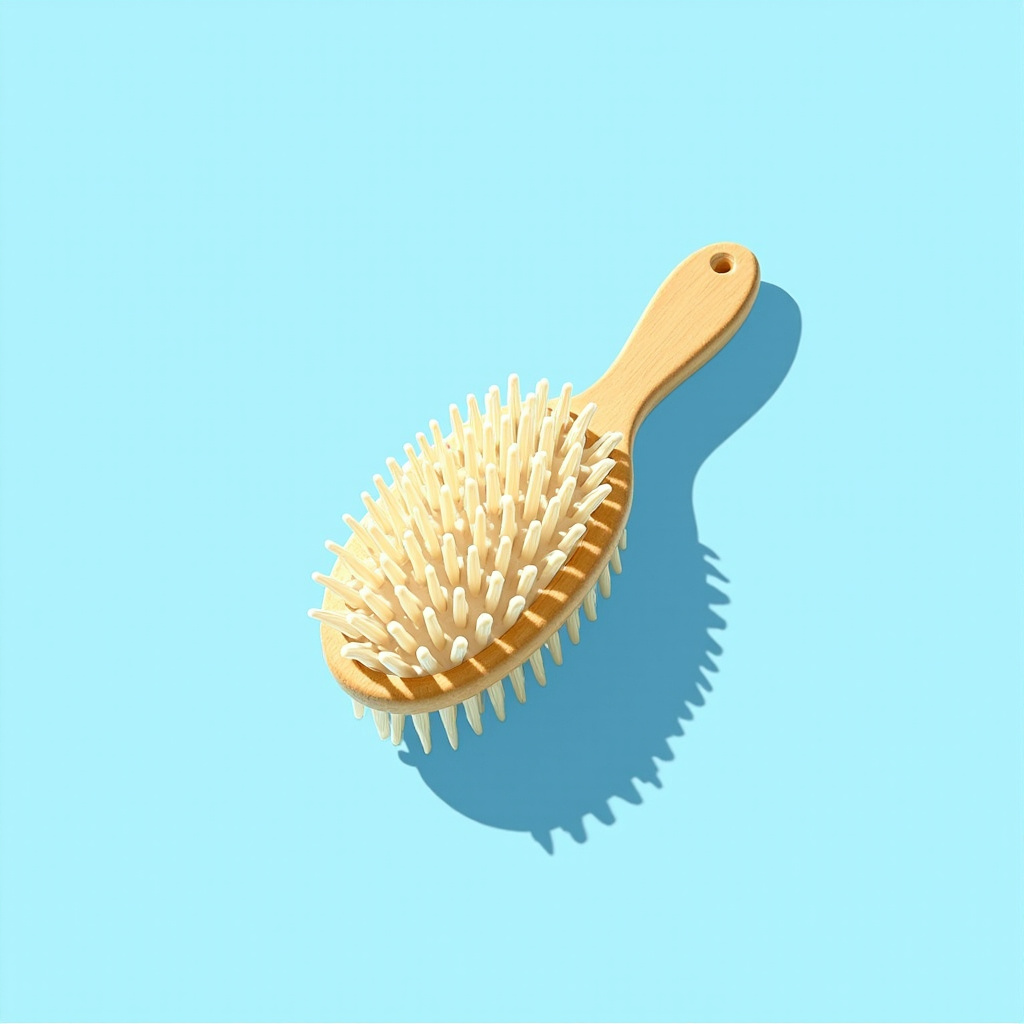
I brush my teeth.
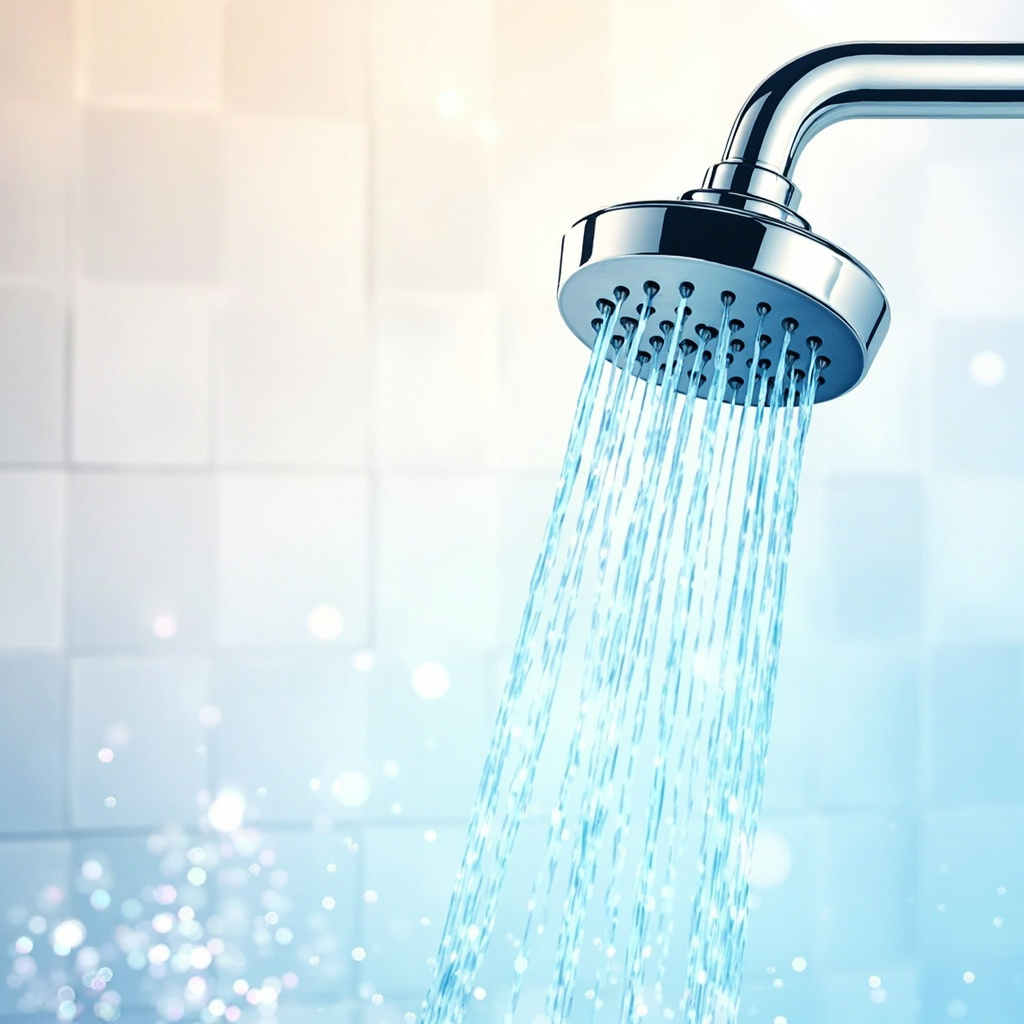
I take a shower.
I have breakfast.
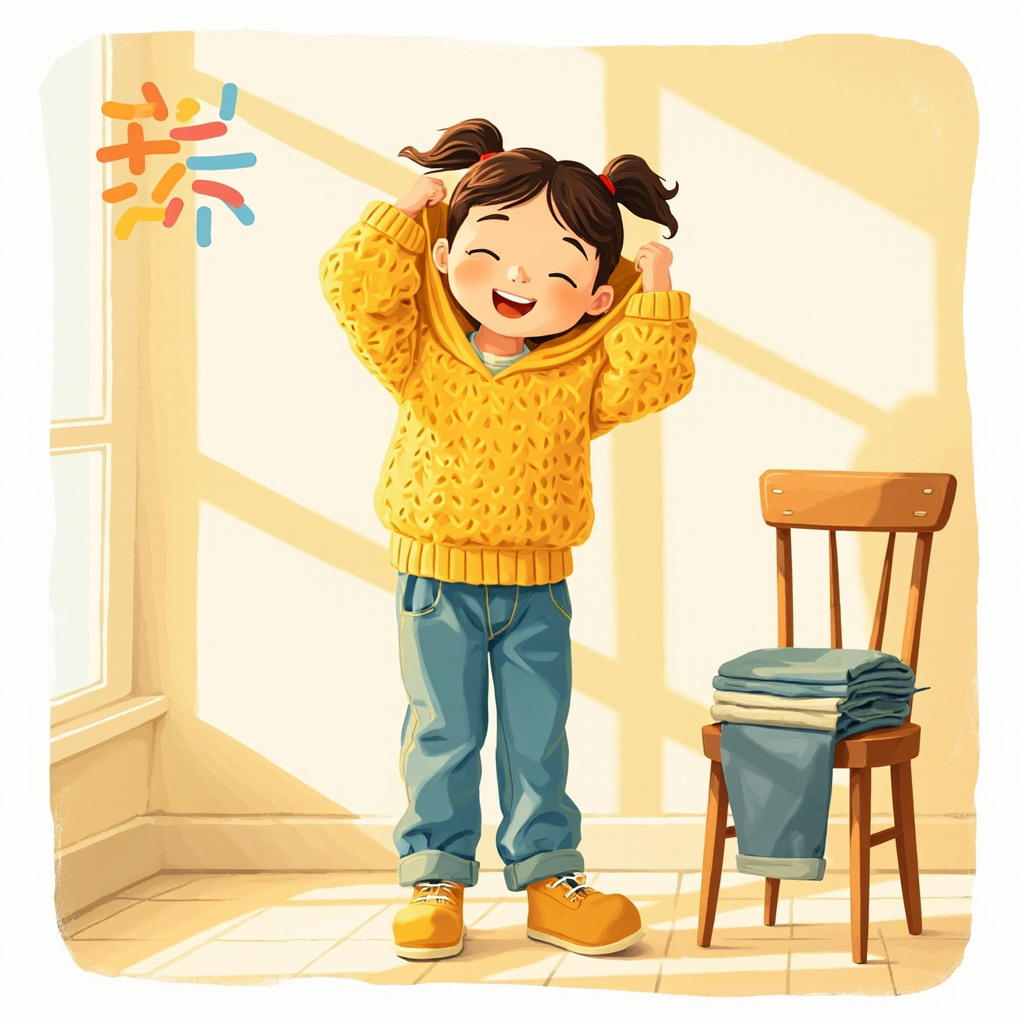
I get dressed.
I leave home at eight.
What time do you wake up?
What do you do in the morning?
إزاي تتكلم عن صباحك بالإنجليزي
في الجزء ده هنتعلم إزاي نحكي عن الروتين بتاع الصبح بتاعنا بالإنجليزي، وإزاي نسأل حد تاني عن صباحه. الفكرة بسيطة وبتعتمد على جمل قصيرة تبدأ بـ I وبعدها الفعل والوقت. المستوى ده (A1) بيركز على إنك تقدر تقول جملة مفهومة من غير تعقيد.
الجملة الأساسية: I + verb + at + time
الطريقة الأساسية لوصف صباحك هي: I + الفعل + at + الوقت.
I wake up at 7. — أنا بصحى الساعة 7.
I leave home at 8. — أنا بسايب البيت الساعة 8.
I have breakfast at 7:30. — بفطر الساعة 7:30.
لاحظ إن الفعل دايماً بييجي في المصدر بعد I، من غير إضافة s أو es، لأن الـ I في الإنجليزي مش بتاخد s.
ربط أكتر من فعل بـ then
لو عايز تحكي حاجتين ورا بعض، استخدم then (وبعدين):
I wake up. Then I take a shower. — أنا بصحى. وبعدين باخد دش.
I have breakfast, and then I leave home at 8. — بفطر، وبعدين بسايب البيت الساعة 8.
Then كلمة سحرية بتخلي كلامك يبقى طبيعي ومترابط.
إزاي تسأل حد عن صباحه
عشان تسأل صاحبك عن صباحه، استخدم what time أو what do you do:
What time do you wake up? — بتصحى الساعة كام؟
What do you do in the morning? — بتعمل إيه الصبح؟
Do you have breakfast? — بتفطر؟
لاحظ إن السؤال بيبدأ بـ do لأننا بنتكلم عن عادة يومية، والفعل بعد do بيفضل في المصدر من غير تغيير.
الحوار بين Emma و Tom
في المثال هتسمع Emma بتبعت سؤال بسيط، و Tom بيرد بهدوء:
Emma: Hi Tom! What time do you wake up?
Tom: I wake up at 7. Then I take a shower.
Emma: Do you have breakfast?
Tom: Yes, I have breakfast at 7:30.
Emma: What time do you leave home?
Tom: I leave home at 8.
نصيحة قبل التسجيل
لما تيجي تسجل صوتك، حاول تتكلم بثقة وسرعة طبيعية. الجمل القصيرة أحسن من الجمل الطويلة في المستوى ده. ركز على إنك تقول I والفعل والوقت بوضوح، وماتنساش تستخدم then عشان تربط بين الخطوات.
Listen to Emma and Tom talk about their mornings.
E
EmmaHi Tom! What time do you wake up?
T
TomI wake up at 7. Then I take a shower.
E
EmmaDo you have breakfast?
T
TomYes, I have breakfast at 7:30.
E
EmmaWhat time do you leave home?
T
TomI leave home at 8.
I wake up at 7 in the morning.
This is a model sentence for talking about your morning. You can change the time: 'I wake up at 6' or 'I wake up at 8'.
Required
Say this sentence about your morning. Tap to record your voice.
I wake up at 7 o'clock.
Required
Now say a longer sentence. Use 'and then' to connect two actions.
I have breakfast, and then I leave home at 8.
Required
You are at school. A new friend asks about your morning routine. Tell them when you wake up, what you do, and when you leave home.
Required
Vocabulary
Vocabulary
6
cards
Good morning! Every day, you do small things before you start your day. This lesson teaches 8 common English words for what you do in the morning. These words are verbs (action words) and nouns (things).
Look at the table below. Read each example out loud. Notice the pattern: most sentences start with I + verb. For example, I wake up at 7. and I have breakfast.
In English, we use the simple present tense to talk about daily routines. This tense talks about things you do every day. After you read the table, you will match words to meanings, read a model sentence, listen to one, and answer a question.
Take your time with each step. The next section will help you use these words in a real conversation about your morning.
Word
Type
Example
wake up
verb
I wake up at 7.
get up
verb
I get up at 7.
brush (teeth)
verb
I brush my teeth.
shower
noun
I take a shower.
breakfast
noun
I have breakfast.
get dressed
verb
I get dressed.
leave
verb
I leave home at 8.
morning
noun
Good morning!
الكلمات دي بتوصف الروتين بتاع الصبح بتاعك
في الدرس ده هنتعلم ٨ كلمات إنجليزي شائعة بتستخدمها كل يوم لما تتكلم عن الصبح. الكلمات دي مهمة جداً لأن أي محادثة عادية عن يومك هتحتاجها، سواء مع صاحبك الأجنبي أو في الشغل أو حتى في الامتحان.
الأفعال والأسماء (Verbs and Nouns)
الكلمات دي مقسومة لنوعين أساسيين:
أفعال (verbs): يعني حركات وأفعال بتعملها — wake up, get up, brush, get dressed, leave
أسماء (nouns): يعني أشياء — shower, breakfast, morning
معلومة كده: كلمة brush لوحدها معناها فرشاة، لكن لما نقول brush my teeth بقت فعل ومعناها "أفرش أسناني".
الزمن اللي هتستخدمه: المضارع البسيط (Simple Present)
في الإنجليزي، لما تتكلم عن حاجة بتعملها كل يوم أو بشكل روتيني، بتستخدم زمن اسمه Simple Present. الفعل بيفضل زي ما هو في معظم الحالات، بس لو الفاعل هو he أو she أو it، بنضيف s في الآخر.
مثال:
I wake up at 7. (أنا بصحى الساعة ٧)
She wakes up at 6. (هي بتصحى الساعة ٦)
النمط المهم: I + فعل
في أغلب الجمل هتلاقي النمط ده: نبدأ بـ I وبعدها الفعل مباشرة. خلينا نشوف كام مثال في سياق طبيعي:
I wake up at 7 in the morning.
I get up and brush my teeth.
I take a shower and get dressed.
I have breakfast, then I leave home at 8.
فرق بسيط مهم: wake up و get up
الاتنين بيتكلموا عن إنك تفضل صاحي، بس في فرق دقيق: wake up يعني تفتح عينك وتصحى من النوم، وget up يعني تقوم من على السرير فعلاً وتبدأ تتحرك.
خد وقتك في كل خطوة، وجرب تقول الجمل كاملة بصوت عالي — ده أحسن طريقة تثبّت الكلام.
Read each word. Look at the example. Tap each word to hear it.
breakfastˈbrekfəst
The first meal of the day, usually eaten in the morning.
brushbrʌʃ
A tool with bristles attached to a handle, used for cleaning, painting, or tidying hair.
get dressedɡet ˈdrest
To put on your clothes; to dress yourself.
get upɡet ʌp
To rise from a sitting or lying position; to stand up. Also commonly used to mean to wake up and get out of be
leave
the period of time during which you are absent from work or duty
morningˈmɔː.nɪŋ
the part of the day from the time when the sun rises or you wake up until the middle of the day or lunch time
showerˈʃaʊə
A device in a bathroom that sprays water over your body for washing, or a short period of rain.
wake upweɪk ʌp
To stop sleeping and become conscious again; to make someone stop sleeping.
Required
Match each morning word to its meaning.
Match each morning word to its meaning.
wake up
get up
brush (teeth)
shower
breakfast
get dressed
leave
morning
open your eyes, stop sleeping
stand up and leave your bed
clean your teeth with a toothbrush
wash your body with water
the meal you eat in the morning
put on your clothes
go away from a place
the early part of the day
I wake up at 7 in the morning.
Read this example. 'Wake up' means to open your eyes and stop sleeping. 'At 7' is the time.
Required
What does the speaker do after waking up?
brush teeth
take a shower
have breakfast
Required
Which word means 'the meal you eat in the morning'?