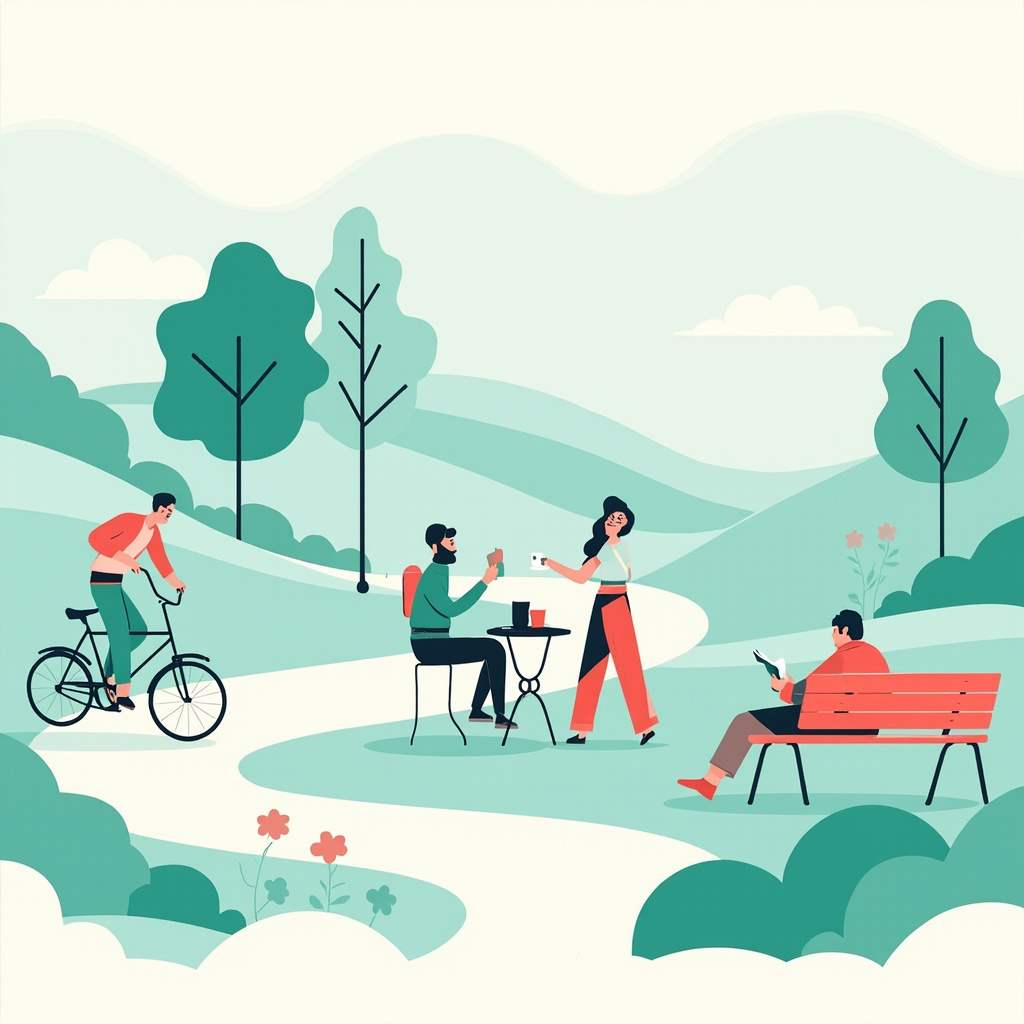
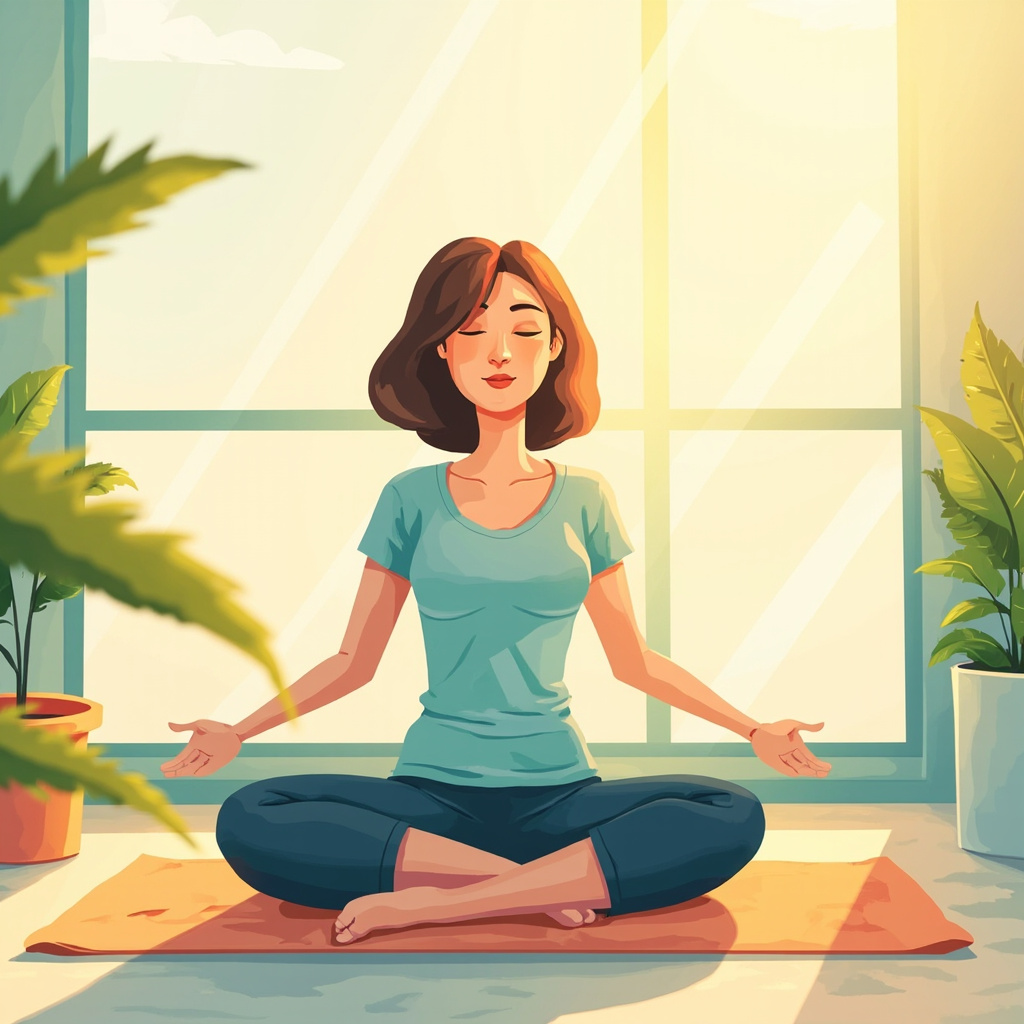
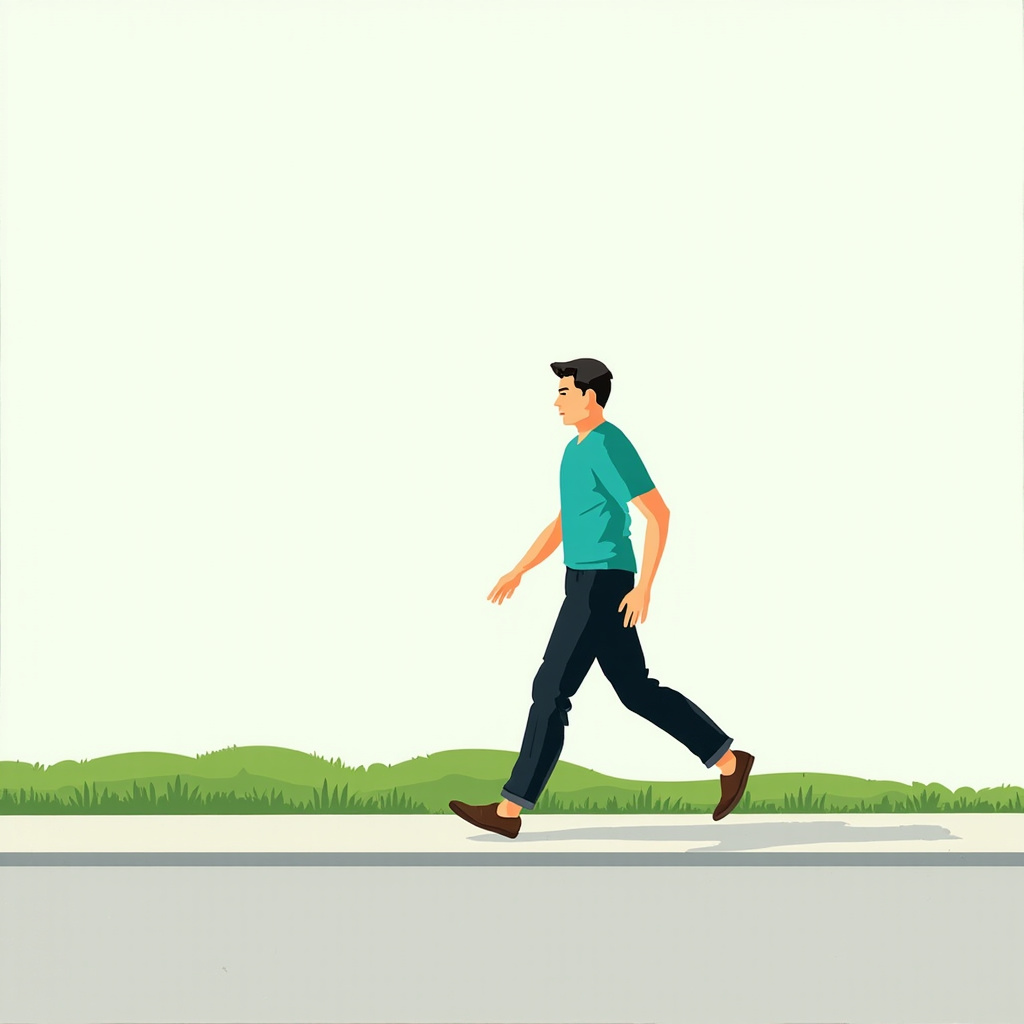
Use these simple phrases to talk about your weekend. They are friendly and natural. You can use them with a friend, a classmate, or your teacher.
What do you do at the weekend? — a common question about free time
I usually + verb — for things you do every week
I sometimes + verb — for things you do not every week
On Saturday, I + verb. — for one day
On Sunday, I + verb. — for the other day
Look at this example:
'I usually relax on Saturday. I sometimes visit my family on Sunday.'
Notice the word order: subject + usually/sometimes + verb. Always use a base verb after usually and sometimes. Do not add -s here. For one day, start with On + day, then a comma. You can also say On weekends, I + verb for both days together.
When you speak, try to use a few phrases. You can say one sentence or three. Practice helps. This is a great way to share your weekend with a friend. Listen, then speak!
إزاي تتكلم عن الويكند بالإنجليزي
في الدرس ده هنتعلم إزاي تسأل صاحبك أو حد تعرفه عن اللي بيعمله في نهاية الأسبوع، وإزاي ترد عليه بشكل طبيعي زي ما الناس بتتكلم فعلاً. كل الجمل هنا بسيطة ومفيدة جداً في الحياة اليومية.
الكلمات اللي بتتكرر: usually و sometimes
usually معناها "عادةً"، وبنستخدمها لما الحاجة بتتعمل كل أسبوع تقريباً. sometimes معناها "أحياناً"، وبنستخدمها لما الحاجة مش بتتعمل كل مرة.
المهم جداً: الكلمتين دول بيتحطوا بين الفاعل (subject) والفعل (verb)، والفعل بعدهم بيفضل في صورته الأساسية من غير ما نضيف s. بص على الفرق:
I usually relax on Saturday. (أنا عادةً بارتاح يوم السبت)
I sometimes visit my family on Sunday. (أنا أحياناً بزور أهلي يوم الأحد)
التكلم عن يوم معين
لما تحب تقول إنك بتعمل حاجة في يوم واحد، ابدأ الجملة بـ On + اسم اليوم، وبعدين فاصلة، وبعدين بقية الجملة. الأمثلة:
On Saturday, I cook and clean.
On Sunday, I read a book.
لو عايز تتكلم عن الويكند كله مرة واحدة، استخدم On weekends:
On weekends, I relax with my family.
جمل تساعدك تفتح المحادثة
في الدرس فيه جمل صغيرة لكنها بتفتح محادثة كاملة:
Hi Tom! What do you do at the weekend? — سؤال ودود بتفتح بيه الكلام.
That sounds nice! — رد لطيف بيخلي صاحبك يحس إنك مهتم ويكمل.
What about Sunday? — طريقة طبيعية تسأل عن اليوم التاني.
And you? — جملة صغيرة بتسأل صاحبك يشارك تجربته هو كمان.
نصيحة صغيرة
لما تتكلم، حاول تسأل سؤال ورا سؤال عشان المحادثة تكمل. خلي إجاباتك بسيطة في الأول، كلمة أو اتنين كفاية. ومع التمرين هتلاقي نفسك بتتكلم بثقة وراحة أكتر.
Listen to two friends talk about the weekend.
E
EmmaHi Tom! What do you do at the weekend?
T
TomI usually relax on Saturday.
E
EmmaThat sounds nice! What about Sunday?
T
TomI sometimes visit my family. And you?
E
EmmaI usually cook and clean on Saturday. On Sunday, I read a book.
I usually relax on Saturday.
This is a model sentence. Notice: I + usually + verb + on + day.
Required
Read this sentence aloud. Talk about a usual weekend activity.
I usually relax on Saturday.
Required
Read this sentence aloud. Talk about a weekend activity you do sometimes.
I sometimes visit my family on Sunday.
Required
Your friend wants to know about your weekend. Tell them what you usually do on Saturday. Tell them what you sometimes do on Sunday. Use the phrases from this lesson.
Required
Vocabulary
Vocabulary
6
cards
The weekend is Saturday and Sunday. Many people have free time on these two days. They rest, see friends, and do fun things. What do you do? Look at these common verbs. They help you talk about free time activities.
Word
Type
Example sentence
relax
verb
I relax at home on Saturday.
visit
verb
I visit my grandmother on Sunday.
watch
verb
I watch a movie at night.
cook
verb
I cook dinner with my family.
play
verb
I play football with friends.
walk
verb
I walk in the park.
read
verb
I read a book in the morning.
clean
verb
I clean my room on Saturday.
All these verbs are easy to use in the present tense. Use I + verb to talk about you. Add -s for he, she, or it: She walks to the park.He plays football on Sunday.My mother visits her sister on Saturday. The verb stays the same after to: I want to relax at home. The verb also stays the same after I like: I like reading in the morning.
You can also use these verbs in questions. Start with Do you + verb...? For example: Do you cook on Saturday? This is a great way to ask a friend about free time. Remember: the weekend is a time to relax and have fun. You can do one activity or many. There is no right or wrong answer. Just tell the truth about your free time.
الإجازة الأسبوعية والأفعال الإنجليزية
النهارده هنتعلم مجموعة أفعال (verbs) بنستخدمها لما نحب نتكلم عن اللي بنعمله في الإجازة الأسبوعية (weekend)، يعني يوم السبت ويوم الأحد. الأفعال دي بسيطة جداً وكلها أفعال يومية.
الأفعال الأساسية
عندنا 8 أفعال مهمة، كلها تصريفها سهل:
relax — يعني "يسترخي" أو "يرتاح"
visit — يعني "يزور" حد أو مكان
watch — يعني "يشاهد" فيلم أو ماتش
cook — يعني "يطبخ"
play — يعني "يلعب" كورة أو أي لعبة
walk — يعني "يمشي" أو "يتمشى"
read — يعني "يقرأ"
clean — يعني "ينضف"
إزاي نستخدمهم في جملة
كل الأفعال دي في المضارع البسيط (present simple) وبنستخدمها كده:
I + الفعل لما بتتكلم عن نفسك، والفعل بيفضل زي ما هو من غير أي إضافة:
I relax on Saturday. (أنا أرتاح يوم السبت)
I visit my grandmother. (أنا أزور جدتي)
I cook dinner. (أنا بطبخ العشا)
I watch a movie at night. (بشاهد فيلم بالليل)
لما بنتكلم عن حد تاني
لو بنتكلم عن شخص تاني (he, she, it) بنضيف -s في آخر الفعل:
She walks to the park. (هي بتمشي للحديقة)
He plays football. (هو بيلعب كورة)
My mother cleans the house. (أمي بتنضف البيت)
بعد "to" أو "like"
الفعل بيفضل زي ما هو بعد to، مفيش إضافة:
I want to relax. (عايز أرتاح)
I want to cook pasta. (عايز أطبخ مكرونة)
وبعد like برضو نفس القاعدة:
I like reading in the morning. (بحب أقرا الصبح)
I like walking in the park. (بحب أمشي في الحديقة)
إزاي تسأل صاحبك
لو عايز تسأل حد عن الإجازة بتاعته، ابدأ بـ Do you + الفعل:
Do you cook on Saturday? (بتطبخ يوم السبت؟)
Do you play football? (بتلعب كورة؟)
Do you visit your family? (بتزور أهلك؟)
دلوقتي فكّر: إنت بتعمل إيه في الإجازة؟ جرّب تقول جملة كاملة بالإنجليزي باستخدام أي فعل من دول.
Here are 8 common verbs for weekend activities. Read them and remember them.
cleankliːn
Not dirty; free from dirt, marks, or unwanted substances.
cookkʊk
To prepare food by heating it, such as by boiling, frying, or baking.
playpleɪ
When you play, especially as a child , you spend time doing an enjoyable and/or entertaining activity :
to tak
readriːd
to look at words or symbols and understand what they mean :
to say the words that are printed or written:
to u
relaxrɪˈlæks
to rest and become less worried, tense, or stressed; to make something less tight or strict
visitˈvɪzɪt
To go to see someone or a place for a period of time, often for pleasure or as a tourist.
walkwɔːk
To move on foot; to go somewhere by putting one foot in front of the other, one step at a time.