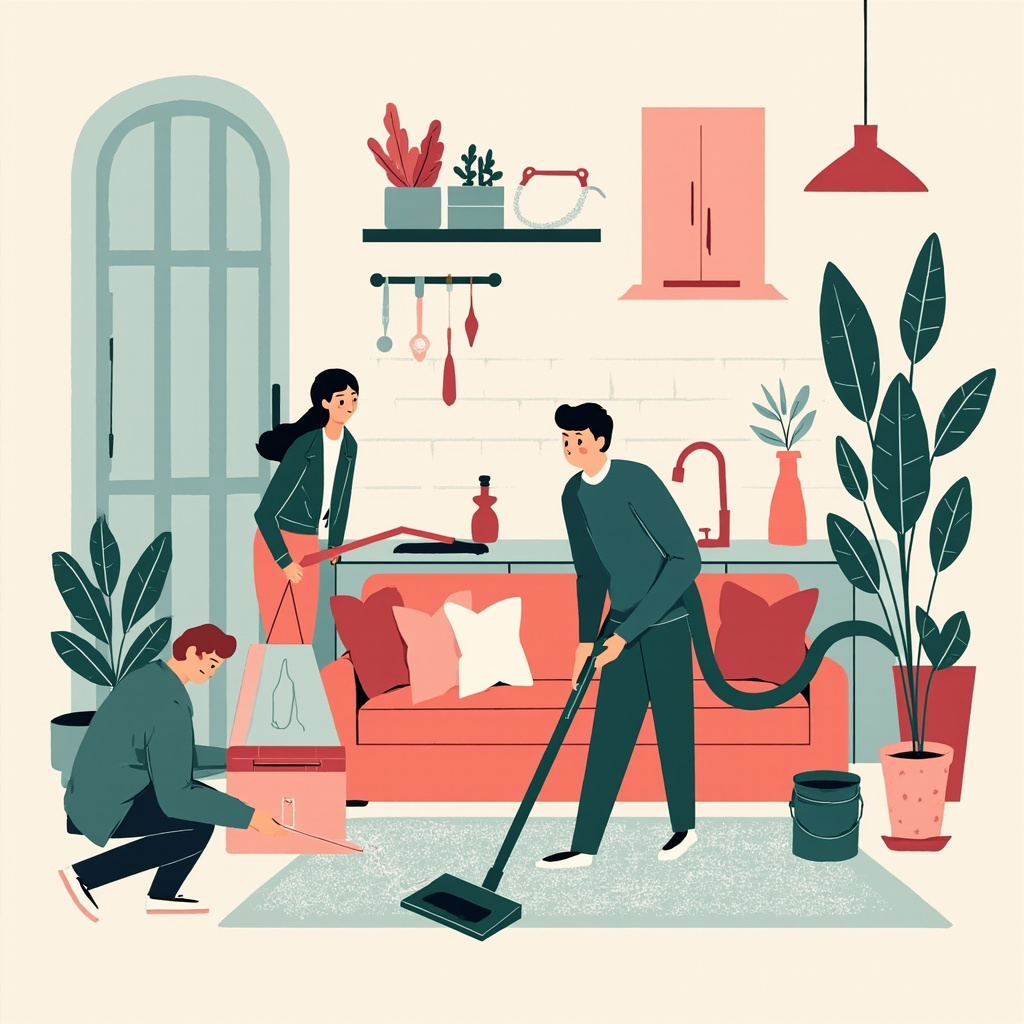
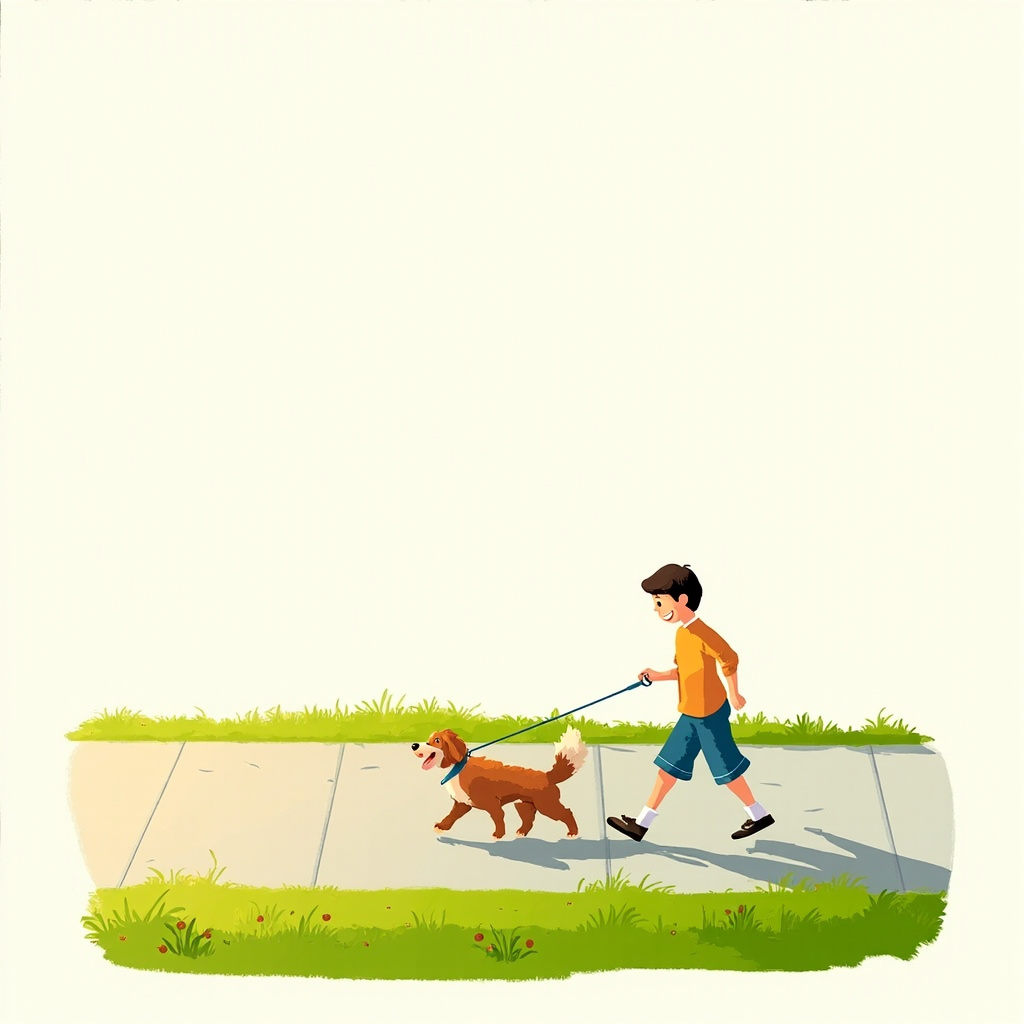
We use have to to talk about things we must do — jobs that are necessary. We use don't have to to talk about things we do not need to do — they are not necessary.
Look at the form:
Subject
Positive
Negative
Question
I / You / We / They
have to do the dishes
don't have to do the dishes
Do you have to do the dishes?
He / She / It
has to do the dishes
doesn't have to do the dishes
Does he have to do the dishes?
Short answers: Yes, I do. / No, I don't. / Yes, he does. / No, he doesn't.
Don't confusedon't have to (not necessary) with mustn't (not allowed). At A2, remember: I don't have to work tomorrow = it is not necessary, I can rest.
Examples:
I have to cook dinner tonight. (It is necessary.)
She doesn't have to work on Sundays. (She can relax.)
Do you have to tidy your room? — Yes, I do. / No, I don't.
Does he have to take out the rubbish? — Yes, he does.
قاعدة have to و don't have to
في الدرس ده هنتعلم قاعدة مهمة في الإنجليزي بنستخدمها لما نحكي عن الشغل في البيت والحاجات اللي لازم نعملها. القاعدة اسمها have to وبنقولها لما الحاجة تبقى ضرورية ولازم تتعمل.
المعنى الأساسي
have to معناها "لازم" أو "مضطر" — الحاجة ضرورية.
don't have to معناها "مش لازم" أو "مش مضطر" — الحاجة مش ضرورية وإنت حر.
الشكل (Form)
مع الفاعل I, you, we, they بنستخدم have to من غير ما تتغير:
I have to cook dinner.
We have to clean the kitchen.
لكن مع he, she, it بنضيف s وبتقول has to:
She has to wash the dishes.
He has to take out the rubbish.
النفي (Negative)
بنضيف don't أو doesn't قبل have:
I don't have to work tomorrow.
She doesn't have to clean the bathroom today.
السؤال (Question)
بنحط Do أو Does في الأول:
Do you have to tidy your room?
Does he have to take out the rubbish?
والإجابات القصيرة بتبقى كده: Yes, I do. أو No, I don't. ، و Yes, he does. أو No, he doesn't.
غلطة لازم تاخد بالك منها
ما تخلطش بين حاجتين مهمين:
don't have to = مش لازم (مش ضرورة، يعني ممكن ترتاح أو ما تعملش).
mustn't = ممنوع (مش مسموح لك خالص تعمل كده).
يعني I don't have to work tomorrow معناها إنت في إجازة، مش إنت ممنوع من الشغل.
أمثلة من الدرس
I have to do the washing every Saturday. → لازم أغسل الهدوم كل سبت.
She doesn't have to work on Sundays. → هي مش مضطرة تشتغل يوم الحد.
خلي بالك في التمارين
لو الجملة عن حاجة لازم تتعمل → استخدم have to أو has to.
لو الجملة عن حاجة مش لازم تتعمل → استخدم don't have to أو doesn't have to.
بص دايمًا على الفاعل عشان تعرف تختار have ولا has، و do ولا does.
I have to do the washing every Saturday.
A positive sentence with I + have to.
She doesn't have to clean the bathroom today.
A negative sentence with she + doesn't have to.
Required
Look at the two sentences above. What comes after the subject in the negative form?
doesn't have to
not have to
don't have to
Required
I ___ (have to) tidy my room every weekend.
Required
He ___ (have to) take out the rubbish tonight.
Required
Which sentence means 'it is not necessary'?
She doesn't have to work tomorrow.
She doesn't work tomorrow.
She don't have to work tomorrow.
Required
'You don't have to cook dinner. We can order pizza.' — This means cooking is not necessary.
**Don't have to** = not necessary. Ordering pizza is an option.
Required
Put the words in order to make a question.
you
have
to
do
the
dishes
?
Required
___ your mum ___ (have to) work on Sundays?
Required
Complete each sentence with the correct form.
have to
doesn't have to
have to
has to
don't have to
I do the washing today.
She walk the dog after school.
They work tomorrow.
He cook dinner tonight.
We tidy the flat this morning.
Listening
Listening
6
cards
Imagine two flatmates — people who share a flat. They are in the kitchen on a Sunday morning. They are talking about who does which chore this week.
Before you listen, think: what chores do flatmates usually share? In British homes, people often share cooking, washing and cleaning. One person cooks, the other washes the dishes — that is fair.
As you listen, try to catch: who does the washing? Who cooks dinner? Does anyone have to clean the bathroom?
في الدرس ده هنتعلم إزاي نتكلم عن الشغل البيت - يعني الحاجات اللي لازم نعملها في البيت زي الطبخ والتنظيف وغسيل الهدوم. الموقف بسيط: اتنين ساكنين مع بعض في شقة، واحد اسمه Tom والتاني Emma، وهم قاعدين يوم الحد الصبح بيقسموا شغل الأسبوع بينهم.
القاعدة الأساسية: have to
لما نقول I have to معناها إني مضطر أو لازم أعمل الحاجة دي. دي بتتستخدم للالتزامات والواجبات. من الكلام:
I have to work late = لازم أشتغل بالليل
I have to do the washing = لازم أعمل الغسيل
I have to clean the bathroom = لازم أنضف الحمام
ولو مش مضطر، بنقول I don't have to، زي ما Emma قالت: I don't have to clean the bathroom. خلي بالك: don't have to معناها مش لازم (اختيار)، مش ممنوع.
الفرق المهم: have to و can
can معناها أقدر / ممكن (إمكانية)، زي: I can cook dinner (أقدر أطبخ عشا)
can't معناها مش قادر، زي: I can't cook (مش هقدر أطبخ) - وده بسبب إنه شغال بالليل
have to معناها لازم (التزام)، مش مجرد اختيار
السؤال والإجابة القصيرة
لما Emma سألت: Do you have to take out the rubbish too?، Tom رد: Yes, I do. خلي بالك: في الإجابة بنستخدم do أو don't بس، من غير ما نعيد الفعل نفسه. ولو الإجابة لا، بنقول: No, I don't.
أداة الربط so
Tom قال: I have to work late on Monday, so I can't cook. الـ so هنا معناها علشان كده / فلذلك - بتربط السبب بالنتيجة. السبب: شغل بالليل. النتيجة: مش هقدر يطبخ.
مفردات مهمة - شغل البيت بالإنجليزي
do the washing = يعمل الغسيل
take out the rubbish = ينزل الزبالة (في بريطانيا بيقولوا rubbish، مش garbage)
clean the bathroom = ينضف الحمام
walk the dog = يودي الكلب يتمشى
do the dishes = يغسل الصحون
cook dinner = يطبخ العشا
نصيحة للاستماع
من أول مرة ركز بس في مين بيعمل إيه ومتى. من تاني مرة ابدأ ركز في الأفعال والـ grammar. لو فاتتك كلمة، كمّل اسمع وهتستنتج معناها من السياق.
Two flatmates, Emma and Tom, are planning their week of chores.
E
EmmaHi Tom. Let's talk about the chores for this week.
T
TomOK. I have to work late on Monday, so I can't cook.
E
EmmaNo problem. I can cook dinner on Monday and Tuesday.
T
TomGreat. Then I have to do the washing on Wednesday.
E
EmmaDo you have to take out the rubbish too?
T
TomYes, I do. And I have to clean the bathroom on Saturday.
E
EmmaI don't have to clean the bathroom, but I have to walk the dog.
T
TomPerfect. Thanks, Emma.
Required
What is the main topic of the conversation?
Their weekend plans
Who does which chore this week
Buying new things for the flat
Required
Who cooks dinner on Monday?
Tom
Emma
Both of them
Required
Tom has to clean the bathroom on ___.
Required
Tom has to walk the dog.
**Emma** has to walk the dog, not Tom.
Pronunciation
Pronunciation
6
cards
This lesson targets the /h/ sound in the word have. The /h/ sound is very common in English, but Arabic speakers often drop it.
How to make /h/:
Open your mouth a little, like you are breathing out gently.
Place the tip of your tongue behind your bottom front teeth.
Push air out of your mouth with a small push from your throat.
Do not use your voice. /h/ is voiceless — put your hand on your throat and feel: no vibration.
It is not a strong sound. It is just a soft breath.
Common problem: saying 'ave instead of have. Remember to start the word with a small breath.
Words and phrases with /h/:
have, has, had
he, him, her, his
house, home
happy, hard
Listen to your teacher (or the app) and copy the soft breath at the start of each word.
صوت الـ /h/ في اللغة الإنجليزية
النهاردة هنشتغل على صوت صغير بس مهم جداً في الإنجليزي، وهو صوت الـ /h/. الصوت ده بيظهر في كلمات كتير زي have وhouse وhappy، وبيتقال في جمل من الدرس زي I have to do the dishes يعني "لازم أغسل الأطباق" وShe has to tidy her room يعني "لازم ترتب أوضتها".
إزاي بتعمل الصوت ده بفيك؟
افتح بقك شوية صغيرة كأنك بتتنهد بهدوء من غير ما تبان تعبير معين على وشك. حط طرف لسانك ورا أسنانك السفلية. بعدين طلّع هوا من بقك بضغط خفيف جاي من زورك. خلّي بالك: الصوت ده ** voiceless**، يعني مش محتاج حبال صوتية خالص. لو حطيت إيدك على زورك وإنت بتقوله، مش هتحس بأي رعشة أو اهتزاز - هتحس بس بالهوا وهو طالع.
المشكلة الشائعة عند الناطقين بالعربية
كتير مننا بيقول "ave" بدل "have" - يعني بيشيل الـ /h/ من أول الكلمة وبيبدأ بيه صوتي. ده بيخلي الكلام يبان غريب على الإنجليزي. السر هو إنك تبدأ الكلمة بـنَفَس صغير قبل ما تكمل بقية الحروف. تخيّل كأنك بتبخ على نضارتك عشان تنضفها - الـ /h/ قريب من ده.
كلمات تانية من الدرس فيها نفس الصوت:
he, him, her, his (ضمائر مهمة)
home (بيت)
hard (صعب)
happy (سعيد)
نصيحة للتدريب
قول لنفسك الكلمات دي بصوت عالي وإنت حاطط إيدك على زورك. لو حسّيت بأي اهتزاز، يبقى أنت بتستخدم صوتك غلط. المطلوب هو هوا هادي بس من غير أي رعشة. جرّب كمان تقول "I have to..." وتاخد نفس قبل الـ have عشان تفتكر تبدأ بيها.
/h/ is a soft, voiceless breath. Open your mouth, put your tongue behind your bottom teeth, and push air out. No voice. No vibration in your throat. Keep the breath small and short.
Required
Listen. Which word do you hear?
have
ave
Required
Say the word have. Start with a soft breath /h/.
have
Required
Say the sentence. Listen to yourself: do you hear the /h/ at the start of have?
I have to do the dishes.
Required
Say the sentence. Notice the /h/ in has and her.
She has to tidy her room.
Reading
Reading
6
cards
Strategy box — Skimming: When you read a short message for the first time, do not read every word. Look at the title, the first line and the last line. This helps you get the general idea quickly. You can read carefully the second time.
Key words to spot:
chore — a job at home
responsibility — a job you must do
share — to do something together with someone else
fair — equal, OK for everyone
In this section you will read a short message from a teenager called Sam. Sam is writing about the chores in his house and whether the work is shared fairly.
إزاي تقرأ رسالة قصيرة من غير ما تضيع وقتك
قبل ما ندخل على الرسالة اللي سام كاتبها، عايزين نتكلم عن مهارة اسمها skimming أو "القراءة السطحية السريعة". الفكرة بسيطة: لما بتفتح رسالة أو مقال قصير لأول مرة، متبصش على كل كلمة. بص على العنوان، أول سطر، وآخر سطر بس. كده هتقدر تاخد الفكرة العامة في ثواني، وبعدها ترجع تقرأ بهدوء للتفاصيل.
طب إيه فايدة الطريقة دي؟
لأن دماغك بيشتغل أسرع لما تديله أدلة بدل ما تقرأ كل حرف. لما تقرأ العنوان وجملة أو اتنين بس، مخك بيبدأ يحزر عن إيه الموضوع. وبعدين لما تقرأ للمرة الثانية بهدوء، بتلاقي إن الكلمات بقت أسهل بكتير لأنك أصلاً عارف بتدور على إيه.
الكلمات اللي هتقابلك في الرسالة
chore — يعني شغلانة أو مهمة بيت لازم تتعمل. زي ما تغسل الأطباق أو تنضف أوضتك. مثال: "Washing the dishes is my daily chore."
responsibility — يعني واجب أو مسؤولية. مفيش اختيار، دي شغلانة لازم تتعمل. مثال: "It's my responsibility to take out the trash."
share — يعني تشارك أو تقسم الشغل مع حد تاني. مثال: "My brother and I share the cleaning."
fair — يعني عادل ومنصف للكل. مثال: "Is the work split fairly?"
الرسالة هتقول إيه؟
سام مراهق بيكلمنا عن الشغل في بيته، وهل هو وأهله بيقسموا الشغل بالعدل ولا لأ. ركز وأنت بتقرأ، وحاول تلاحظ الـ chores اللي بيعملوها كل واحد فيهم، وكمان مين بياخد responsibility أكبر.
Hi everyone!
My name is Sam and I'm 15. I live with my mum, my dad and my little sister, Lily. At home, we all have chores. I have to do the washing every Saturday morning, and I have to take out the rubbish three times a week. It's not my favourite job, but I don't have to cook dinner — my mum does that.
My sister Lily is only 10, so she doesn't have to do the washing. She has to tidy her room and make her bed. That's fair, I think.
My dad has to clean the bathroom and walk the dog. He works a lot, but at home he still helps.
I think our chores are fair because everyone does something. We share the work, and our home is happy.
What about you? Do you have chores at home?
قراءة عن شغل البيت
النص اللي قدامك هو رسالة قصيرة من مراهق اسمه Sam، عنده 15 سنة، بيكلم فيها عن chores (شغل البيت) اللي كل واحد في العيلة بيعمله. الفكرة الرئيسية إن المسؤولية مش على واحد بس، كل واحد بياخد جزء من الشغل.
القواعد المهم: have to / don't have to
أكتر حاجة هتلاحظها في النص هي استخدام have to و don't have to عشان نتكلم عن الواجبات والمسؤوليات.
have to معناها "لازم" أو "مضطر" — دي حاجة لازم تتعمل. مثال من النص: I have to do the washing every Saturday morning. (لازم أغسل الهدوم كل سبت الصبح).
don't have to معناها "مش لازم" — يعني مش مضطر، بس ممكن لو عايز. مثال: I don't have to cook dinner — my mum does that. (مش لازم أنا اللي أطبخ، ماما هي اللي بتطبخ).
لاحظ إن الفرق بين have to و don't have to مش زي الفرق بين must و mustn't. Don't have to معناها "اختياري"، مش "ممنوع".
كلمات جديدة عن شغل البيت
هتلاقي في النص شوية chores مهمة لازم تعرفها:
do the washing — يغسل الهدوم
take out the rubbish — ينزل الزبالة
tidy the room — يرتب الأوضة
make the bed — يرتب السرير
clean the bathroom — ينضف الحمام
walk the dog — يمشي الكلب
إزاي تقرا النص
أول حاجة، skim يعني تقرأ بسرعة عشان تاخد الفكرة العامة. تاني حاجة، scan تدور على معلومة معينة زي "مين بيغسل الحمام؟". تالت حاجة، read for detail تقرأ بهدوء عشان تفهم كل جملة وتفهم الفرق بين have to و don't have to.
في النهاية، Sam بيسأل سؤال: Do you have chores at home? حاول تفكر في شغل البيت اللي بتعمله أنت وإزاي بتوصفه بالإنجليزي.
Required
What is the main idea of the message?
Sam hates doing chores.
In Sam's family, everyone shares the chores.
Sam's sister does all the housework.
Required
Sam has to cook dinner every day.
Sam says he **doesn't have to** cook dinner — his mum does.
Required
What does Sam have to do on Saturdays?
Clean the bathroom
Do the washing
Walk the dog
Required
Lily has to do the washing because she is 10.
Sam says Lily **doesn't have to** do the washing. She only tidies her room and makes her bed.
Speaking
Speaking
7
cards
Now it is your turn to talk about chores at home. Use these useful phrases:
English phrase
When to use it
I have to + chore
to talk about your responsibilities
I don't have to + chore
to talk about things you do not need to do
Do you have to + chore?
to ask someone about their chores
Yes, I do. / No, I don't.
short answers
In my family, we share the chores.
to describe your home
I think it's fair / not fair.
to give a simple opinion
Listen to the model dialogue, then practise the sentences. Finally, you will have a live conversation with the AI.
في السيكشن ده، هتتكلم عن شغلك في البيت (chores) مع حد تاني، يعني هتتمرن على حوار قصير. الفكرة الأساسية هنا إنك تتعلم تستخدم have to عشان تقول إن فيه حاجة لازم تعملها.
إيه معنى have to؟
Have to معناها "لازم" أو "مضطر إنك تعمل الحاجة دي". لو عايز تقول إنك بتعمل شغل في البيت، بتستخدم التركيب ده:
I have to + الفعل (لازم أعمل...)
I don't have to + الفعل (مش لازم أعمل...)
مثلا:
I have to take out the rubbish. (لازم أنزل الزبالة)
I don't have to cook dinner. (مش لازم أطبخ العشاء)
إزاي تسأل حد تاني عن شغله؟
عشان تسأل حد عن شغله في البيت، بتستخدم السؤال ده:
Do you have to + الفعل + ?
مثلا:
Do you have to do chores at home? (هل لازم تعمل شغل في البيت؟)
Do you have to walk the dog? (هل لازم تمشي الكلب؟)
والإجابة المختصرة بتكون:
Yes, I do. (أيوه، بعمله)
No, I don't. (لأ، مش بعمله)
إزاي تدي رأيك في الحوار؟
بعد ما تسأل وتجاوب، تقدر تقول رأيك بشكل بسيط:
I think it's fair. (أنا شايف إن ده عادل)
I think it's not fair. (أنا شايف إن ده مش عادل)
We share the work at home. (إحنا بنقسم الشغل في البيت)
مثال كامل من المحادثة:
شوف إزاي Emma و Tom استخدموا التركيبات دي:
Emma: "Do you have to do chores at home, Tom?"
Tom: "Yes, I do. I have to take out the rubbish and walk the dog."
Emma: "Do you have to cook dinner?"
Tom: "No, I don't. My sister cooks."
Emma: "No, I don't. But I have to tidy my room every day."
Tom: "I think that's fair. We share the work at home."
لما تسجل صوتك، جرب تقول جمل شبه دي:
I have to do the washing on Saturdays. (لازم أعمل الغسيل أيام السبت)
I don't have to clean the bathroom. (مش لازم أنضف الحمام)
وافتكر إنك بعد التسجيل هتعمل شات مع الذكاء الاصطناعي، فلازم تكون مستعد تيجي أسئلة زي "Do you have to...?" وتجاوب عليها بطبيعية.
Two friends, Emma and Tom, are talking about their chores at home.
E
EmmaDo you have to do chores at home, Tom?
T
TomYes, I do. I have to take out the rubbish and walk the dog.
E
EmmaDo you have to cook dinner?
T
TomNo, I don't. My sister cooks. Do you?
E
EmmaNo, I don't. But I have to tidy my room every day.
T
TomI think that's fair. We share the work at home.
I have to take out the rubbish, but I don't have to cook dinner.
A model sentence you can copy in your own answer.
Required
Say this sentence about a real chore you do. Replace 'do the washing' with your own chore if you can.
I have to do the washing on Saturdays.
Required
Say this sentence. It uses don't have to for something that is not your job.
I don't have to clean the bathroom.
Required
You are talking with your friend Tom. He asks about your chores. Answer his questions and ask him about his chores. Try to use have to and don't have to at least three times.
Required
Vocabulary
Vocabulary
6
cards
In this lesson we look at common household chores — the small jobs people do at home every day. At A2 level you need to recognise them quickly and use them in simple sentences.
Look at the table. Each chore is a short phrase with do or another verb. We say do the washing, tidy the room, take out the rubbish, make the bed and walk the dog. These are very common in British English.
Word / phrase
Part of speech
Meaning (Arabic)
Example sentence
do the washing
verb phrase
I do the washing on Saturdays.
do the dishes
verb phrase
My brother does the dishes after dinner.
tidy the room
verb phrase
I tidy my room every morning.
take out the rubbish
verb phrase
Please take out the rubbish.
make the bed
verb phrase
She makes the bed before school.
clean the bathroom
verb phrase
He cleans the bathroom on Fridays.
cook dinner
verb phrase
We cook dinner together.
walk the dog
verb phrase
Dad walks the dog in the park.
Notice the pattern: most chores use do + the + noun (do the washing, do the dishes). Other chores use a different verb (tidy the room, make the bed, walk the dog). You will need all of these to talk about your responsibilities at home.
شغل البيت بالإنجليزي 🏠
كل واحد فينا عنده شغل بيوميه بيعمله في البيت - زي ما تغسل الهدوم، أو ترتب الأوضة، أو تنزل الزبالة. الدرس ده هيعلمك إزاي تقول الشغل ده بالإنجليزي بشكل بسيط وسلس.
النمط الأشهر: do + the + اسم
أكتر شغل البيت بييجي مع فعل do، وبنحط بعده the وبعدين الاسم:
do the washing - يغسل الهدوم
do the dishes - يغسل الأطباق
لاحظ إن فعل do بيتغير مع الفاعل:
I do the dishes (أنا)
My brother does the dishes (هو / أخويا)
مع he/she/it بنضيف s أو es فبتبقى does.
شغل تاني بأفعال مختلفة
في شغل تاني محتاجش do، بنستخدم معاه أفعال تانية:
tidy the room - يرتب الأوضة
make the bed - يرتب السرير
take out the rubbish - ينزل الزبالة بره
clean the bathroom - ينضف الحمام
cook dinner - يطبخ العشا
walk the dog - يمشي الكلب
إزاي تستخدمهم في جمل
On Saturdays, I do the washing and tidy my room.
She makes the bed before school.
We cook dinner together.
Dad walks the dog in the park.
He cleans the bathroom on Fridays.
نصايح مهمة
كلمة the لازم تيجي قبل الاسم دايماً (the washing، the dishes، the room، the bed، the bathroom).
لو عايز تتكلم عن عادتك، استخدم المضارع البسيط مع كلمات تكرار زي every day، on Saturdays، after dinner.
لما تتكلم عن أكتر من شغل في نفس الوقت، اربطهم بـ and.
دلوقتي بقى عندك كل الكلمات اللي محتاجها عشان تتكلم عن شغلك في البيت. جرّب تعمل جملتين أو تلاتة من راسك!
Read each chore. In your head, picture someone doing this job at home.
clean the bathroomkliːn ðə ˈbɑːθruːm
To clean and make the bathroom tidy and hygienic by removing dirt, germs, and clutter.
cook dinnerkʊk ˈdɪnə
To prepare and heat food for the evening meal.
do the dishesduː ðə ˈdɪʃɪz
To wash the dishes after a meal; to clean plates, glasses, and utensils used during cooking or eating.
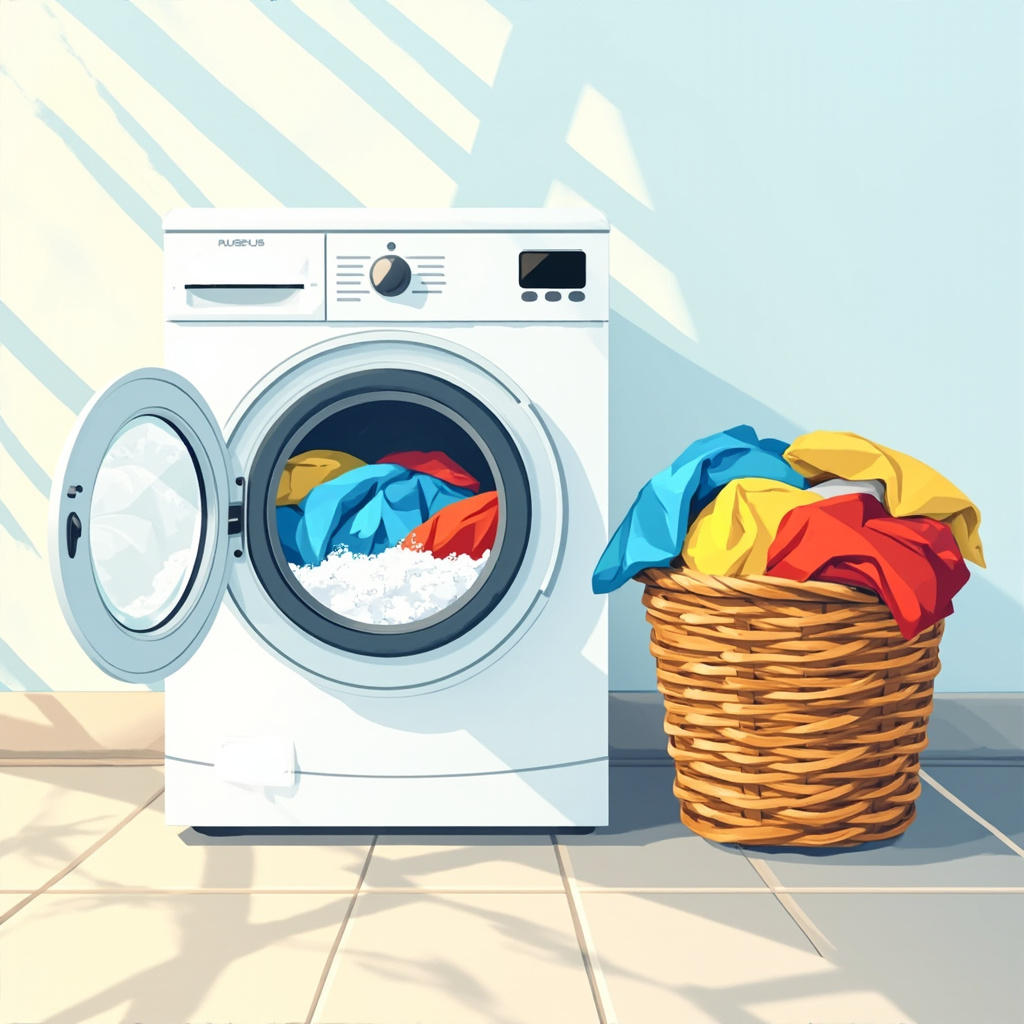
do the washingduː ðə ˈwɒʃɪŋ
To wash clothes and linens, typically in a washing machine. The phrase 'do the washing' is a common way to ref
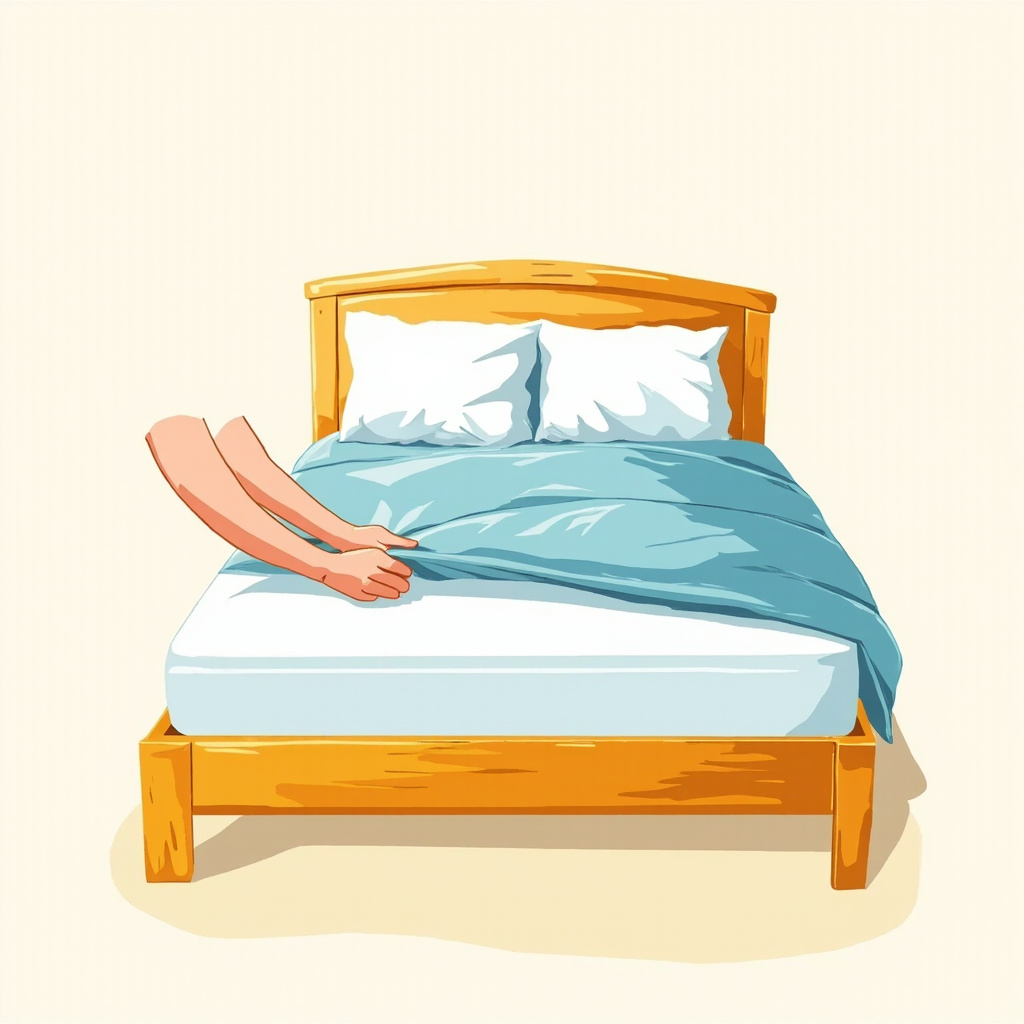
make the bedmeɪk ðə ˈbed
To arrange sheets, blankets, and pillows on a bed in a tidy and organized way.
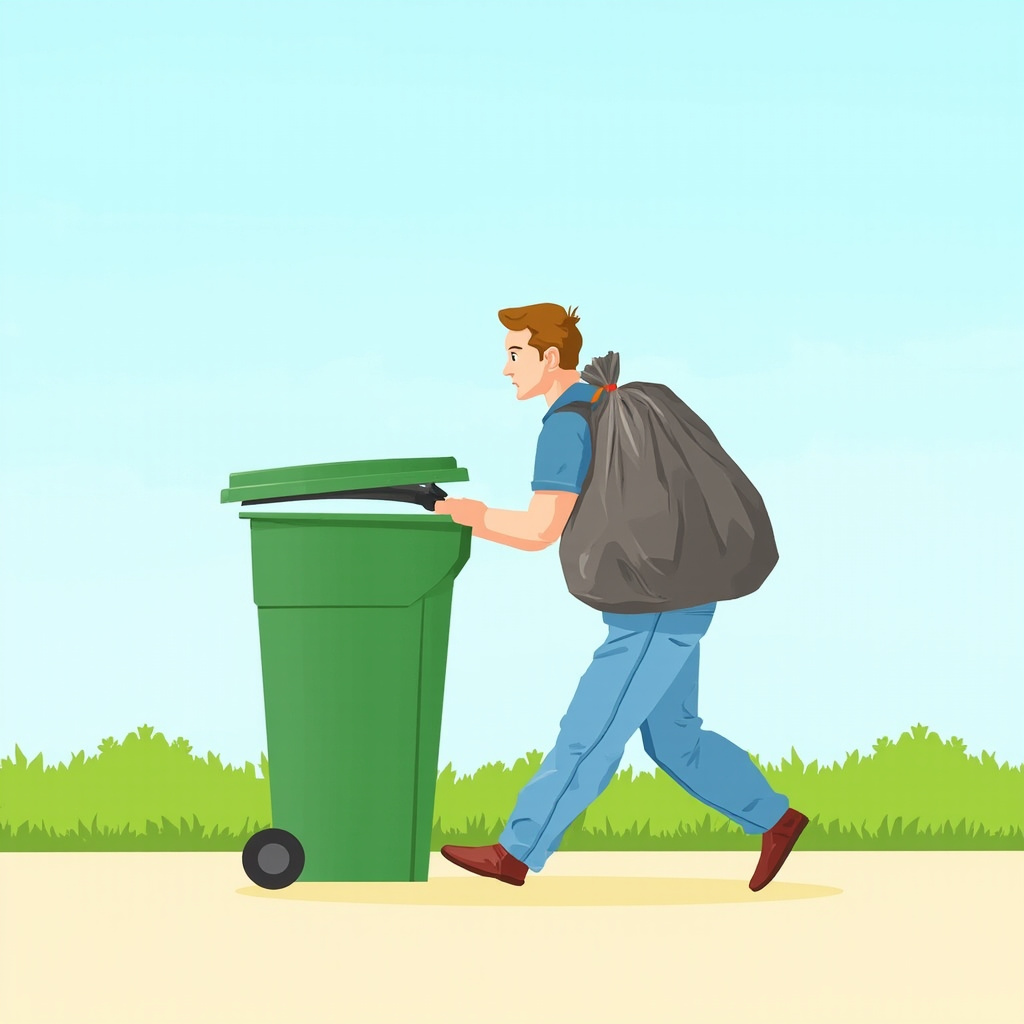
take out the rubbishteɪk ˈaʊt ðə ˈrʌbɪʃ
to carry or remove garbage, trash, or waste from inside a building to an outside bin or disposal area
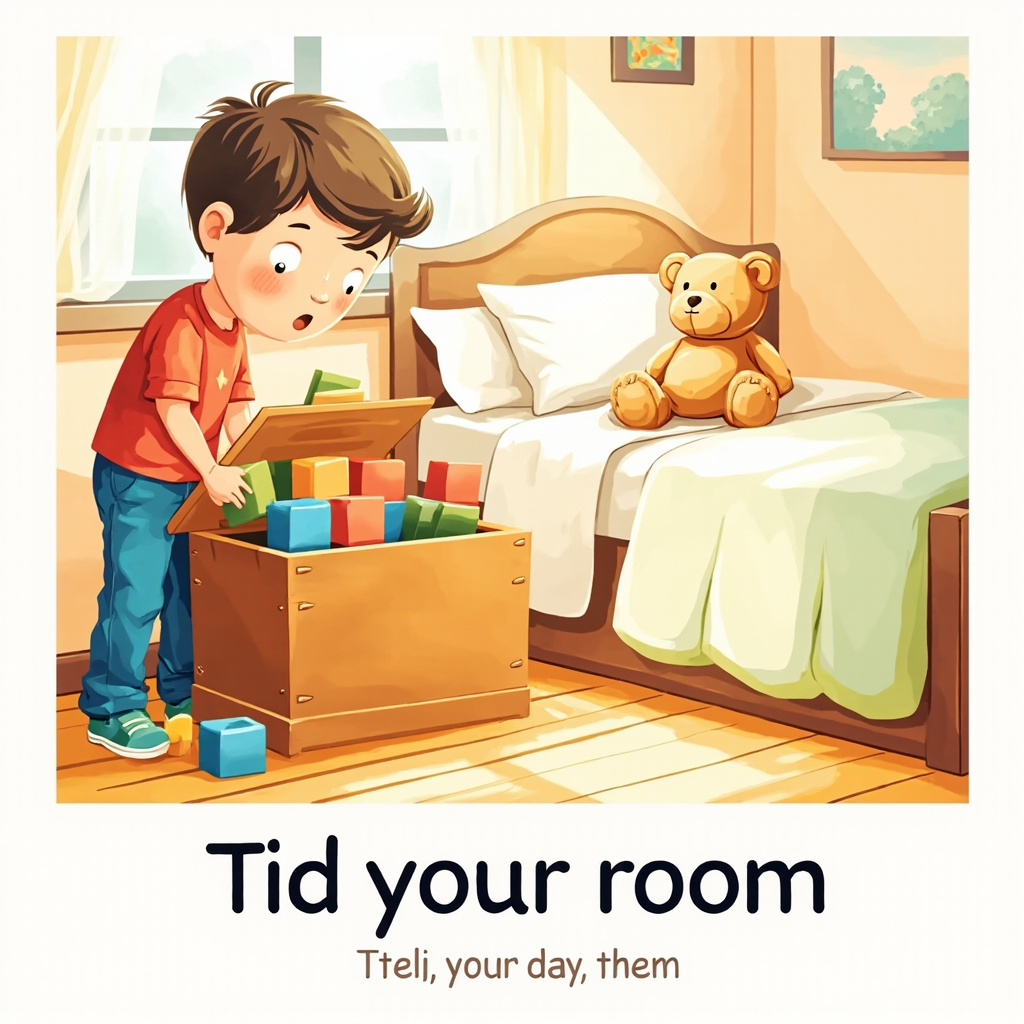
tidy the roomˈtaɪdi ðə ruːm
To clean and organize a room by putting things in their proper places and making it neat.
walk the dogwɔːk ðə dɒɡ
To take a dog outside for exercise, typically by walking with it on a leash or in an open area.
Required
Match each chore with its meaning.
Match each chore with its meaning.
do the washing
do the dishes
tidy the room
take out the rubbish
make the bed
walk the dog
wash the plates and cups
wash the clothes
take the dog outside
make the room neat
put the bin outside
straighten the bed sheets
On Saturdays, I do the washing and tidy my room.
Read this example. It uses two new chores in one sentence about a weekly routine.