British vs. American English: Spelling, Speaking, and Slang
Discover how spelling, pronunciation, and everyday expressions differ between British and American English, and learn to navigate both varieties confidently.
Spelling Differences: The -OUR vs. -OR Dilemma
One of the most noticeable differences between British and American English is the spelling of words ending in -our versus -or. British English retains the Latin spelling colour, favour, and honour, while American English simplifies these to color, favor, and honor. This pattern extends to words like neighbour (British) and neighbor (American). Writers should also watch for the -ise/-ize verb endings, where British speakers typically prefer organise and realise, whereas Americans spell these as organize and realize. Consistency is key—choose one spelling system and stick with it throughout your writing.
Everyday Vocabulary: From Biscuits to Cookies
British and American English have developed distinct words for everyday objects, which can cause confusion for learners. A British biscuit is what Americans call a cookie, while British chips are American fries. The boot of a car in Britain is the trunk in America, and people in London ride the lift while New Yorkers use the elevator. When you finish your meal, you might ask for the cheque (British) rather than the check (American). These differences extend to the car itself: British drivers fill up with petrol, while Americans buy gas. Learning these pairs helps you understand both varieties of English.

Pronunciation Patterns: Stress and Vowel Sounds
Beyond vocabulary, pronunciation varies significantly between the two varieties. British English often places stress on the second syllable of words like garage (ga-RAGE) and advertisement (ad-VER-tise-ment), while American speakers typically stress the first syllable. The vowel sound in words like dance and bath differs notably, with British speakers using a longer, more open /ɑː/ sound compared to the shorter American /æ/. Words ending in -ile such as mobile or hostile also show different vowel pronunciations. These pronunciation differences can affect comprehension when listening to native speakers from different regions.
Slang and Informal Expressions
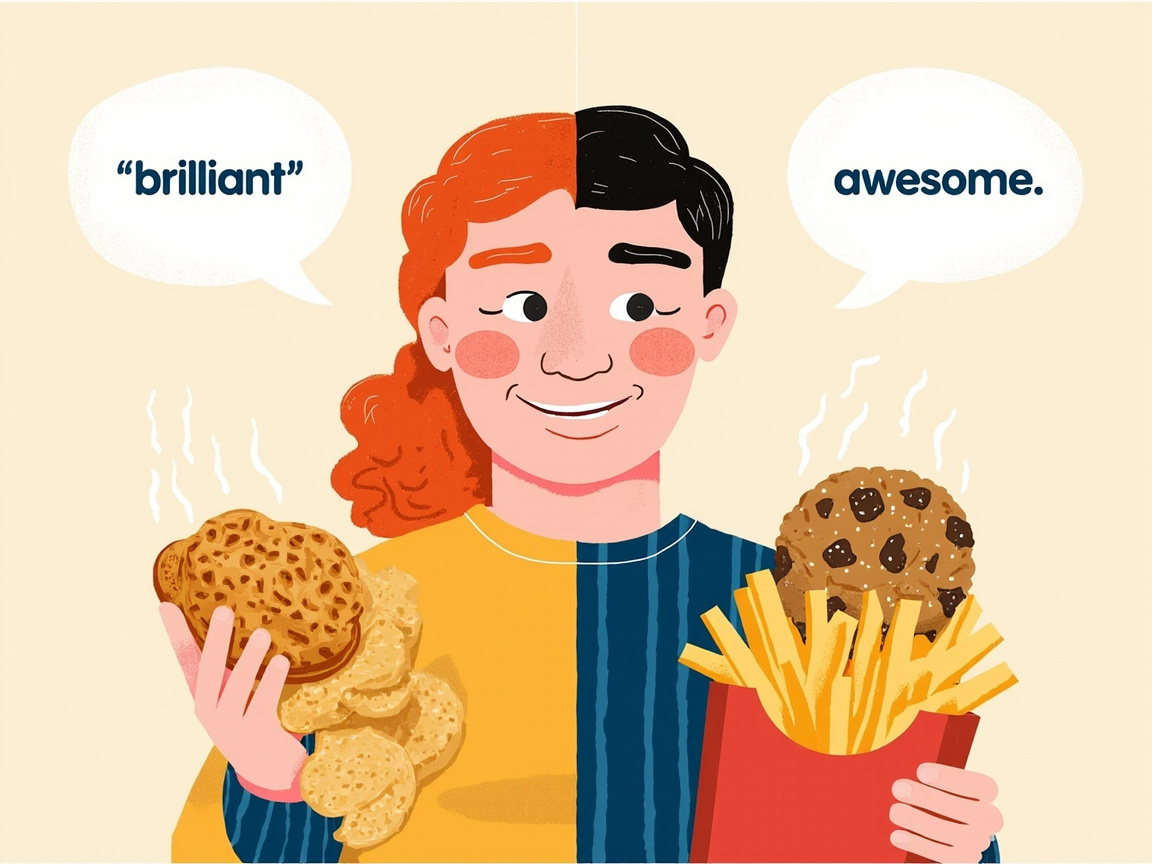
British and American slang expressions can be particularly challenging because they evolve quickly and vary by generation. In Britain, someone might say they're sorted when everything is arranged, or call a friend mate as a casual term of address. Americans might describe the same situation as being cool or good to go. The word brilliant expresses strong approval in British English, while Americans often use awesome or amazing. When something is broken or not working, Brits might say it's kaput or done for. Understanding these informal expressions helps you follow conversations and appear more natural in both varieties.
إنجليزي بريطاني × أمريكي: تهجّي وتكلّم وتعرّب
هتتعلّم إيه من الدرس؟
الدرس ده بيفتح ملف الفروق بين اللهجتين الأشهر في الإنجليزي: الإملاية، المفردات اليومية، النطق، والعامية. مش بس فرق في طريقة الكتابة — ده فرق في طريقة التفكير نفسها. هنقرا كل قسم ونطلّع القاعدة العملية اللي بتحكّم اختيارك.
الإملاية: حرف U اللي بيفضح البريطاني
British English retains the Latin spelling colour, favour, and honour, while American English simplifies these to color, favor, and honor.
الإنجليزي البريطاني بيحتفظ بالتهجي اللاتيني colour وfavour وhonour، بينما الأمريكي بيختصرهم لـcolor وfavor وhonor.
أول قسم عن الفروق الإملائية. المقال بيحط القاعدة الأشهر: البريطاني بيحتفظ بحرف U في كلمات زي colour، والأمريكي بيحذفه:
الفعل «retains» معناه يحتفظ بـ — بيوصّل إن البريطاني مش بيغيّر، ده متمسك بالأصل. والمقارنة مع «simplifies» بتوصّل فلسفة الأمريكي: اختصر. لاحظ إن المقال بيستخدم «while» عشان يحط التقابل في نفس الجملة.
المفردات: البسكويت اللي بقى كوكي
A British biscuit is what Americans call a cookie, while British chips are American fries.
البسكويت البريطاني هو اللي الأمريكان بيسمّوه كوكي، والبطاطس البريطانية هي البطاطس المقلية الأمريكية.
تاني قسم عن الكلمات اليومية المختلفة. المقال بيعدّد أزواج مفردات ممكن تلخبطك لو سافرت أو تفرّجت على فيلم:
التركيب «what X call Y» بيعرّف حاجة من وجهة نظر مجموعة تانية. المقال بيستخدمه لربط العالمين: مش فرقة كلمات، ده نفس الشيء باسمين. والمقارنة بتستمر بعدها — boot/trunk, lift/elevator, petrol/gas.
النطق: الوزن اللي بيتحرك جوه الكلمة
British English often places stress on the second syllable of words like garage (ga-RAGE) and advertisement (ad-VER-tise-ment), while American speakers typically stress the first syllable.
الإنجليزي البريطاني بيحط التشديد على المقطع التاني في كلمات زي garage (ga-RAGE) وadvertisement (ad-VER-tise-ment)، بينما المتكلمين الأمريكان عادة بيشدّدوا المقطع الأول.
تالت قسم عن الفروق في النطق. المقال بيوضح إن نفس الكلمة ممكن تتنطق بشكل مختلف تمامًا:
التركيب «places stress on» معناه يشدّد على — بيوصف إين بتقع النبرة في الكلمة. والمقال بيدّي مثالين بيوضحوا الفرق بالحروف: البريطاني بيشدّد التاني، الأمريكي الأول. دي معلومة عملية لو بتتكلم أو بتسمع.
العامية: اللي بتتغير أسرع من القاموس
In Britain, someone might say they're sorted when everything is arranged, or call a friend mate as a casual term of address.
في بريطانيا، حد ممكن يقول إنه sorted لما كل حاجة تكون مرتبة، أو ينادي صاحبه mate كلفظ نداء ودّي.
آخر قسم عن العامية. المقال بيحذر إن الكلام العادي ده بيتغير بسرعة، وبيستخدم كلمة بتوصف اللفظة اللي بتناسب الموقف:
التعبير «casual term of address» معناه اللفظ اللي بتنده بيه حد بشكل ودّي — زي «يا صاحبي» أو «يا معلم». المقال بيوضح إن mate في بريطانيا عامية للصديق. دي لغة الشارع اللي بتتعلمها بالعيش مش بالكتب.
الفرق اللي بيفرق في الفهم
كل تعبير من المقال ليه قاعدة تستخدمها لما تقرا أو تسمع أو تكتب. شوف المعنى والأمثلة.
retains
معناها «يحتفظ بـ» أو «يبقي على»: ما يتغيرش أو ما يضيعش.
الفعل retain رسمي شوية: retain information / retain control / retain the original spelling. بتستخدمه في الكلام الأكاديمي أو الوصفي. ومشتقاته retention معناها الاحتفاظ — مصطلح في التعليم والذاكرة.
The old building retains its original charm.
المبنى القديم بيحتفظ بسحره الأصلي. وصف لحاجة ثابتة.
She retains a clear memory of her childhood in Egypt.
هي محتفظة بذكرى واضحة لطفولتها في مصر. استخدام للذاكرة.
what Americans call
التركيب «what X call Y» معناه «اللي X بيسمّوه Y»: تعريف حاجة من منظور مجموعة معينة.
التركيب what + group + call + noun: what doctors call a stroke / what locals call the old town. بيتستخدم في المقارنات الثقافية والعلمية عشان توصّل إن نفس الحاجة ليها اسم مختلف عند ناس مختلفين.
What Egyptians call koshari is simply rice and lentils mixed together.
اللي إحنا بنسميه كشري هو بس رز وعدس متخلطين. تعريف ثقافي.
What programmers call a bug, users call a problem.
اللي المبرمجين بيسمّوه بج، المستخدمين بيسمّوه مشكلة. مقارنة مهنية.
places stress on
معناها «بيحط التشديد على» أو «بيشدّد»: بيوصف أين تقع النبرة في الكلمة.
التركيب place/put stress on + syllable/word: place stress on the first syllable / put emphasis on the second part. مفيد في وصف النطق والتعليم. و«stress» هنا معناها النبرة مش الضغط النفسي.
Arabic speakers often place stress on the wrong syllable in English words.
المتكلمين العرب غالبًا بيحطوا التشديد على المقطع الغلط في الكلمات الإنجليزية. ملاحظة تعليمية.
In the word 'banana', we place stress on the middle syllable.
في كلمة banana، بنشدّد على المقطع اللي في النص. وصف نطق.
casual term of address
معناها «لفظ نداء ودّي» أو «طريقة مناداة غير رسمية»: الكلمة اللي بتنده بيه حد تعرفه.
التركيب term of address هو المصطلح الرسمي للفظ النداء: a friendly term of address / a formal term of address. والـ«casual» بتوصّل إنه مش رسمي — زي mate أو buddy أو man. استخدمه لما تشرح لحد كيفية استخدام ألقاب الشارع.
In Australia, 'mate' is a common casual term of address.
في أستراليا، mate لفظ نداء ودّي شائع. شرح ثقافي.
Using 'bro' as a term of address is too casual for a job interview.
استخدام bro كلفظ نداء هو ودّي زيادة عن اللزوم لمقابلة شغل. تحذير مهني.
ورقة مراجعتك للهجتين
تقريب النطق بالعربي للمساعدة بس؛ صوت المقال هو الموديل.
| التعبير | معناه هنا | النطق | تقريب بالعربي | موضعه |
|---|---|---|---|---|
| retains | يحتفظ بـ / يبقي على | /rɪˈteɪnz/ | رِتينز | فقرة الإملاية |
| what Americans call | اللي X بيسمّوه Y | /wɒt əˈmerɪkənz kɔːl/ | وات أمِرِكَنز كول | فقرة المفردات |
| places stress on | بيحط التشديد على | /pleɪsɪz stres ɒn/ | بليسِز سترِس أون | فقرة النطق |
| casual term of address | لفظ نداء ودّي / غير رسمي | /ˈkæʒuəl tɜːm əv əˈdres/ | كاجوَل تِرم أَف أَدرِس | فقرة العامية |
افتكر فيلم أو مسلسل بريطاني وواحد أمريكي شفتهم. اكتب جملتين تقارن بين كلمة أو طريقة نطق سمعتها في الاتنين. استخدم «what X call Y» أو «places stress on» في كلامك.
Quiz
-
1Which spelling is correct in British English: 'organise' or 'organize'?
British English uses the -ise ending, so 'organise' is the British spelling.
-
2What do Americans call the storage area at the back of a car?
Americans call the car's storage area the 'trunk', while Britons call it the 'boot'.
-
3Which word means 'excellent' in British informal English?
While Americans might say 'awesome' or 'amazing', Britons often use 'brilliant' informally.
-
4In British English, what is the word for the device that moves people between floors in a building?
British English uses 'lift' where American English uses 'elevator'.
-
5How do you spell the word for a hue or shade in American English?
American English spells this word 'color' without the 'u' that appears in the British 'colour'.