الطريق إلى إِلريك
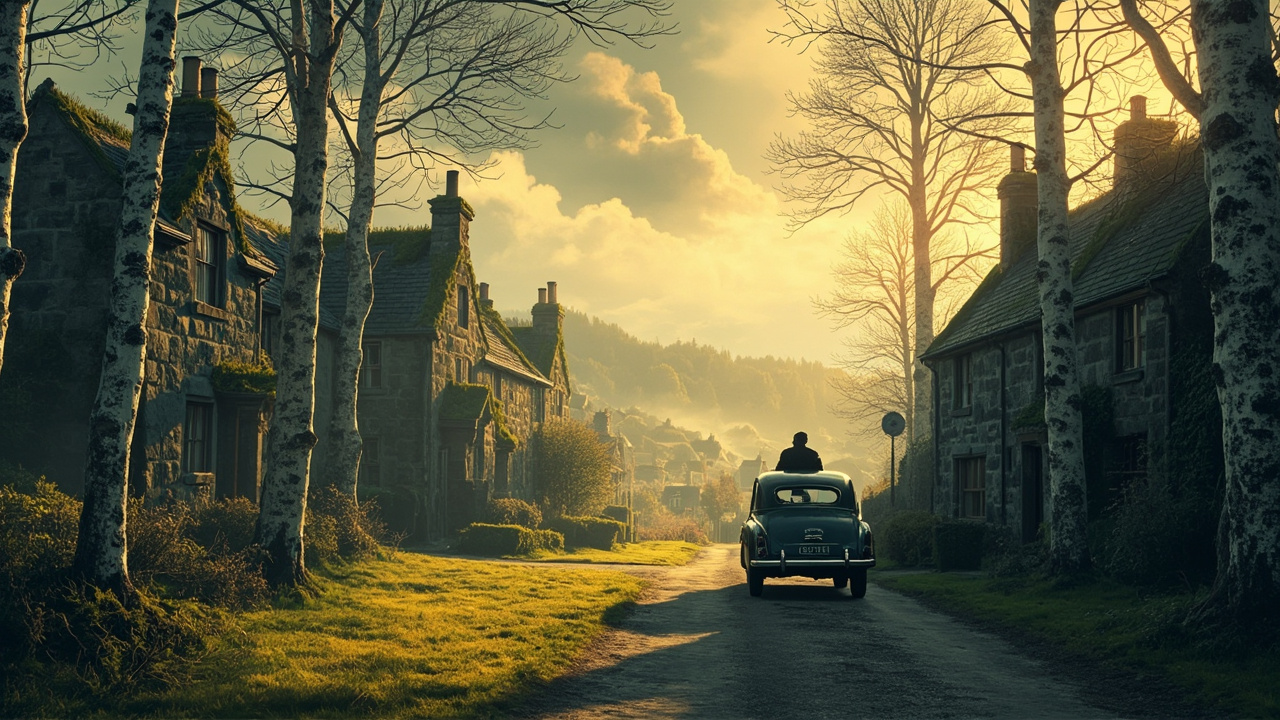
وصل ماركوس إلى إِلريك في اليوم الثالث، رغم أنه لم يكن ليدرك كيف وجدها. كانت القرية تقع في وادٍ لمحها عرضًا - ومضة من الحجر الرمادي بين صفوف البتولا بينما تحرك ضوء ما بعد الظهر. اتخذ المنعطف دون تفكير، يتبع الطريق الضيق حيث الضفاف ملتصقة بإحكام والأسفلت غير مؤكد تحت عجلاته. الآن جلس في سيارته المستأجرة على حافة أرض خضراء، يحاول أن يفهم ما يراه. كانت الأكواخ قديمة، بقدم لا يُصدق، جدرانها مكسوة بالطحالب والذاكرة. كان الدخان يتصاعد من المداخن الحجرية، وفي مكان ما ضحك طفل، لكن حين نظر، لم يكن هناك أحد. لم تكن القرية مميزة على خريطته، وفقد هاتفه الإشارة قبل ساعات.
"أتيتَ من بعيد لتجدنا."
قفز ماركوس. وقفت امرأة بجانب سيارته، رغم أنه لم يسمعها تقترب. كانت في السبعين تقريبًا، بشعر أبيض يفلت من وشاح صوفي وعينين بلون سماء الشتاء.
"كنت أبحث عن الطريق السريع A9،" قال، رغم أنه حتى مع خروج الكلمات من فمه، عرفها كذبة. لم يكن يبحث عن شيء على الإطلاق.
"الجميع يبحثون عن شيء." ابتسمت، ووجهها طيب. "أنا آيليد. أظن أنك تريد الشاي. وربما تفسيرًا."
كان داخل الكوخ كله ضوء نار وخشب عتيق. صبت آيليد الويسكي في أكواب غير متطابقة بينما ماركوس يسأل أسئلة لم تجب عليها قط إجابة كاملة. كانت القرية هنا، أخبرته، منذ قبل مجيء الرومان وذهابهم. الطقوس القديمة لا تزال ذات أهمية هنا، قالت، رغم أنها لم توضح ماهية تلك الطقوس.
"لماذا تبقى؟" سأل. "هنا، أعني. هذا البُعد عن كل شيء."
حدقت عينا آيليد فيه لحظة طويلة. "وَماذا، قل لي، ستسمّي كل مكان؟" قالت أخيرًا. "عشت واحدًا وثمانين عامًا، ولم أشعر مرة واحدة أن العالم وراء تلك التلال يحتوي على شيء نصفه واقعي كما نملك هنا."
في تلك الليلة، مشى ماركوس إلى البحيرة على حافة القرية. كان الماء أسود كالحبر، والضباب يتصاعد من سطحه في حلقات بطيئة. ظن أنه رأى أشكالًا تتحرك في الضباب - طويلة ورشيقة، أشكالها غير مؤكدة - لكن حين моргнул، اختفت.
سأل آيليد عن السيث في الصباح التالي. ضحكت، لكن لم يكن هناك سخرية في ضحكتها. "الناس الطيبون،" قالت. "الجيران. كانوا هنا أطول منا جميعًا، وسيبقون هنا طويلًا بعدنا. أحيانًا يهتمون بالغرباء. أظن أنك لفت انتباههم."
"هل يجب أن أقلق؟"
"هل يجب على العصفور أن يقلق حين يحوم الصقر؟ ربما. لكن الصقر لا يضرب دائمًا، وأحيانًا يحوم فقط ليرى."
الأيام اتخذت إيقاعًا غريبًا. ساعد ماركوس في الحصاد، وأصلح جدران الحجر الجاف، وجلس بجانب النار في أمسيات يستمع إلى قصص نصف يتذكرها من طفولته ونصف يتعرف عليها من nowhere. الحدود التي كان يأخذها دائمًا كأمر مفروغ منه - بينه وبين العالم، بين الحقيقي والغير حقيقي - بدأت تبدو أقل كجدران وأكثر كتقاليد.
في مساء اليوم الخامس، فهم أنه سيتعين عليه الاختيار. كان الطريق إلى البيت يستدعيه للعودة، أو ربما النسخة من نفسه التي تنتمي لذلك الطريق.
وجدته آيليد على حافة البحيرة، يراقب الضباب يتجعد ويتفكك.
"أنت تعرف أن المغادرة تعني النسيان،" قالت. "العالم الذي أتيت منه لن يسمح لك بالتمسك بهذا. ستروي القصة، ربما، ولا أحد سيصدقك. ستقنع نفسك أنها كانت حلمًا."
"وماذا لو بقيت؟"
"تصبح حينها واحدًا منا. وربما هذا ما تبحث عنه، لكنني تعلمت أن ما نبحث عنه وما نحتاجه نادرًا ما يكونان الشيء نفسه."
أدخلت شيئًا في راحة يده: حجر صغير، ناعم وداكن، من قاع البحيرة. "خذه. حين تنسى، امسكه. وحين تتذكر، امسكه. وربما يومًا ما ستجد طريقك العودة إلى الطريق الذي يقود إلى هنا."
غادر في الصباح التالي. اختفت القرية قبل أن يصل إلى الطريق الرئيسي - تلاشت كما لو أنها لم توجد قط. قال لنفسه إنها كانت الضباب، والإرهاق، ووحدة الرحلة. كان ذلك قبل ثلاث سنوات. يعيش في المدينة الآن، يعمل ساعات طويلة، يشرب مع زملاء يعتبرونه هادئ الحزن. أحيانًا، في ساعات الفجر الأولى، يستيقظ وطعم الويسكي على لسانه وصدى الضحك في أذنيه. يمد يده إلى جيبه، والحجر لا يزال هناك - مصقول الآن من سنوات من لمسه. تستدعيه المرتفعات كل خريف. لم يعد، لكنه لم ينسَ. وأحيانًا، حين يسقط الضوء بطريقة معينة ويصمت العالم، يُقسم أنه يستطيع رؤية طريق لا ينبغي أن يكون هناك، يتعرج صعودًا عبر التلال نحو قرية موجودة فقط حين يكون أحد ما ضائعًا بما يكفي ليصل إليها.
وفي مكان ما، فوق بحيرة سوداء كالحة، يسمع ضحكة طفل لا وجود له، أو ربما يوجد."
Die Straße nach Elrick
Marcus erreichte Elrick am dritten Tag, obwohl er nicht hätte sagen können, wie er es gefunden hatte. Das Dorf lag in einem Tal, das er nur zufällig erblickt hatte - ein Aufblitzen grauen Gesteins zwischen den Birken, als das Nachmittagslicht sich wandte. Er bog ab, ohne nachzudenken, folgte der schmalen Straße, wo die Hecken eng aneinander standen und der Asphalt unter seinen Rädern unsicher wurde. Nun saß er in seinem Mietwagen am Rand einer Wiese und versuchte, das zu begreifen, was er sah. Die Cottages waren alt, unmöglich alt, ihre Mauern überzogen von Moos und Erinnerung. Rauch stieg aus steinernen Schornsteinen auf, und irgendwo lachte ein Kind, doch als er hinsah, war niemand da. Das Dorf war nicht auf seiner Karte verzeichnet, und sein Telefon hatte schon Stunden zuvor den Empfang verloren.
"Ihr seid einen weiten Weg gekommen, um uns zu finden."
Marcus zuckte zusammen. Eine Frau stand neben seinem Wagen, obwohl er nicht gehört hatte, wie sie sich näherte. Sie mochte siebzig sein, mit weißem Haar, das unter einem Wollkopftuch hervorlugte, und Augen von der Farbe eines Winterhimmels.
"Ich suchte die A9," sagte er, obwohl er selbst in dem Moment, als die Worte seinen Mund verließen, wusste, dass sie eine Lüge waren. Er hatte nach gar nichts gesucht.
"Sie suchen alle etwas." Sie lächelte, und ihr Gesicht war freundlich. "Ich bin Eilidh. Ich nehme an, Ihr wollt Tee. Und vielleicht eine Erklärung."
Das Innere des Cottage war ganz Feuerlicht und uraltes Gebälk. Eilidh goss Whisky in unpassende Gläser, während Marcus Fragen stellte, die sie nie so recht beantwortete. Das Dorf war hier, sagte sie ihm, schon bevor die Römer kamen und gingen. Die alten Wege seien hier noch von Bedeutung, sagte sie, obwohl sie nicht erklärte, was diese Wege sein mochten.
"Warum bleiben Sie?" fragte er. "Hier, meine ich. So weit weg von allem."
Eilidhs Augen hielten seinen Blick einen langen Moment. "Und was, wenn ich fragen darf, würdet Ihr überall nennen?" sagte sie schließlich. "Ich habe einundachtzig Jahre gelebt, und ich habe nie auch nur ein einziges Mal gefühlt, dass die Welt jenseits dieser Hügel etwas enthielt, das auch nur halb so wirklich war wie das, was wir hier haben."
In jener Nacht ging Marcus zu dem Loch am Rand des Dorfes. Das Wasser war schwarz wie Tinte, und Nebel stieg von seiner Oberfläche in langsamen Spiralen auf. Er glaubte, Gestalten im Nebel zu sehen - groß und schlank, ihre Formen ungewiss - doch als er blinzelte, waren sie verschwunden.
Er fragte Eilidh am nächsten Morgen nach den Sithe. Sie lachte, doch es war keine Spöttelei darin. "Die guten Leute," sagte sie. "Die Nachbarn. Sie waren länger hier als wir alle, und sie werden noch lange nachdem wir vergangen sind, hier sein. Manchmal interessieren sie sich für Fremde. Ich glaube, Ihr habt ihre Aufmerksamkeit erregt."
"Sollte ich mir Sorgen machen?"
"Sollte der Spatz sich sorgen, wenn der Habicht kreist? Vielleicht. Aber der Habicht schlägt nicht immer zu, und manchmal kreist er nur, um zu schauen."
Die Tage nahmen einen seltsamen Rhythmus an. Marcus half bei der Ernte, reparierte Trockensteinmauern, saß abends am Feuer und hörte Geschichten, die er halb aus seiner Kindheit erinnerte und halb aus nirgendwo wiedererkannte. Die Grenzen, die er immer als selbstverständlich hingenommen hatte - zwischen sich selbst und der Welt, zwischen dem Realen und dem Unrealistischen - begannen weniger wie Mauern und mehr wie Konventionen zu erscheinen.
Am fünften Abend verstand er, dass er wählen müssen würde. Die Straße nach Hause rief ihn zurück, oder vielleicht die Version von sich selbst, die auf diese Straße gehörte.
Eilidh fand ihn am Rand des Lochs, wie er zusah, wie der Nebel sich kräuselte und wieder auflöste.
"Ihr wisst, dass Gehen Vergessen bedeutet," sagte sie. "Die Welt, aus der Ihr kommt, wird Euch nicht erlauben, dies festzuhalten. Ihr werdet die Geschichte erzählen, vielleicht, und niemand wird Euch glauben. Ihr werdet Euch selbst davon überzeugen, dass es ein Traum war."
"Und wenn ich bleibe?"
"Dann werdet Ihr einer von uns. Und vielleicht ist das, was Ihr sucht, aber ich habe gelernt, dass das, was wir suchen, und das, was wir brauchen, selten dasselbe ist."
Sie drückte etwas in seine Handfläche: einen kleinen Stein, glatt und dunkel, vom Grund des Lochs. "Nehmt diesen. Wenn Ihr vergesst, haltet ihn. Wenn Ihr Euch erinnert, haltet ihn. Und vielleicht findet Ihr eines Tages den Weg zurück zur Straße, die hierher führt."
Er reiste am nächsten Morgen ab. Das Dorf war verschwunden, bevor er die Hauptstraße erreichte - wie ausgelöscht, als hätte es nie existiert. Er sagte sich, es sei der Nebel gewesen, die Erschöpfung, die Einsamkeit der Reise. Das war vor drei Jahren. Er lebt jetzt in der Stadt, arbeitet lange Stunden, trinkt mit Kollegen, die ihn für stillmelancholisch halten. Manchmal, in den frühen Morgenstunden, wacht er mit dem Geschmack von Whisky auf der Zunge und dem Echo von Gelächter in den Ohren. Er greift in seine Tasche, und der Stein ist noch dort - jetzt abgeschliffen von Jahren des Berührens. Die Highlands rufen ihn jeden Herbst. Er ist nicht zurückgekehrt, aber er hat nicht vergessen. Und manchmal, wenn das Licht auf eine bestimmte Weise fällt und die Welt still wird, könnte er schwören, dass er eine Straße sehen kann, die nicht sein sollte, die sich durch die Hügel hinaufwindet zu einem Dorf, das nur existiert, wenn jemand genug verirrt ist, es zu finden.
Und irgendwo, über einem Loch schwarz wie Tusche, hört man das Lachen eines Kindes, das nicht existiert, oder vielleicht existiert."
La Route vers Elrick
Marcus arriva à Elrick le troisième jour, bien qu'il n'aurait pu dire précisément comment il l'avait trouvée. Le village reposait dans une vallée qu'il n'avait aperçue que par accident - un éclat de pierre grise entre les bouleaux tandis que la lumière de l'après-midi se déplaçait. Il avait pris le virage sans réfléchir, suivant la route étroite où les haies étaient resserrées et où le bitume devenait incertain sous ses roues. À présent, il était assis dans sa voiture de location au bord d'un pré verdoyant, essayant de donner un sens à ce qu'il voyait. Les chaumières étaient anciennes, impossibly anciennes, leurs murs recouverts de mousse et de mémoire. La fumée s'élevait des cheminées de pierre, et quelque part un enfant riait, mais quand il regarda, il n'y avait personne. Le village n'était pas marqué sur sa carte, et son téléphone avait perdu le signal des heures auparavant.
"Vous avez fait un long chemin pour nous trouver."
Marcus sursauta. Une femme se tenait à côté de sa voiture, bien qu'il ne l'ait pas entendue approcher. Elle devait avoir environ soixante-dix ans, avec des cheveux blancs s'échappant d'un foulard de laine et des yeux de la couleur du ciel d'hiver.
"Je cherchais l'A9," dit-il, bien que même au moment où les mots quittaient sa bouche, il sût qu'ils étaient mensongers. Il n'avait rien cherché du tout.
"Ils cherchent tous quelque chose." Elle sourit, et son visage était doux. "Je suis Eilidh. Je suppose que vous voudrez du thé. Et peut-être une explication."
L'intérieur de la chaumière n'était que lueurs du feu et poutres anciennes. Eilidh versa du whisky dans des verres dépareillés tandis que Marcus posait des questions qu'elle ne répondait jamais vraiment. Le village était là, lui dit-elle, depuis avant l'arrivée et le départ des Romains. Les anciennes façons comptaient encore ici, dit-elle, bien qu'elle n'ait pas précisé ce que ces façons pouvaient être.
"Pourquoi restez-vous?" demanda-t-il. "Ici, je veux dire. Si loin de tout."
Les yeux d'Eilidh plongèrent dans les siens un long moment. "Et que chiameriez-vous, je vous prie, partout?" dit-elle enfin. "J'ai vécu quatre-vingt-un ans, et je n'ai jamais senti que le monde au-delà de ces collines contenait quoi que ce soit de moitié aussi réel que ce que nous avons ici."
Cette nuit-là, Marcus marcha jusqu'au loch au bord du village. L'eau était noire comme de l'encre, et la brume s'élevait de sa surface en spirales lentes. Il crut voir des silhouettes se déplacer dans le brouillard - grandes et minces, leurs formes incertaines - mais quand il cligna des yeux, elles avaient disparu.
Il interrogea Eilidh sur les Sithe le lendemain matin. Elle rit, mais il n'y avait aucune moquerie dedans. "Les bonnes gens," dit-elle. "Les voisins. Ils sont là depuis plus longtemps que nous tous, et ils seront là bien après nous. Parfois, ils s'intéressent aux étrangers. Je pense que vous avez attiré leur attention."
"Devrais-je m'inquiéter?"
"Le moineau devrait-il s'inquiéter quand le faucon tournoie? Peut-être. Mais le faucon ne frappe pas toujours, et parfois il tournoie simplement pour regarder."
Les jours prirent un rythme étrange. Marcus aida à la récolte, répara des murs de pierre sèche, s'assit près du feu le soir en écoutant des histoires qu'il se souvenait à moitié de son enfance et qu'il reconnaissait à moitié de nulle part. Les frontières qu'il avait toujours tenues pour acquises - entre lui-même et le monde, entre le réel et l'irréel - commencèrent à sembler moins comme des murs et plus comme des conventions.
Le cinquième soir, il comprit qu'il devrait choisir. La route vers la maison l'appelait à revenir, ou peut-être la version de lui-même qui appartenait à cette route.
Eilidh le trouva au bord du loch, observant la brume s'enrouler et se dérouler.
"Vous savez que partir signifie oublier," dit-elle. "Le monde d'où vous venez ne vous laissera pas vous accrocher à ceci. Vous raconterez l'histoire, peut-être, et personne ne vous croira. Vous vous convaincrez que c'était un rêve."
"Et si je reste?"
"Alors vous devenez l'un de nous. Et peut-être est-ce ce que vous cherchez, mais j'ai appris que ce que nous cherchons et ce dont nous avons besoin sont rarement la même chose."
Elle pressa quelque chose dans sa paume: une petite pierre, lisse et sombre, du fond du loch. "Prenez ceci. Quand vous oublierez, tenez-la. Quand vous vous souviendrez, tenez-la. Et peut-être qu'un jour vous retrouverez le chemin qui mène ici."
Il partit le lendemain matin. Le village avait disparu avant qu'il n'atteigne la route principale - évanoui aussi complètement que s'il n'avait jamais existé. Il se dit que c'était le brouillard, l'épuisement, la solitude du voyage. C'était il y a trois ans. Il vit dans la ville maintenant, travaille de longues heures, prend un verre avec des collègues qui le trouvent discrètement mélancolique. Parfois, dans les petites heures du matin, il se réveille avec le goût du whisky sur la langue et l'écho du rire dans les oreilles. Il glisse la main dans sa poche, et la pierre est toujours là - polie maintenant par des années à la toucher. Les Highlands l'appellent chaque automne. Il n'est pas revenu, mais il n'a pas oublié. Et parfois, quand la lumière tombe d'une certaine manière et que le monde se fait silencieux, il jurerait pouvoir voir une route qui n'existait pas, sinuant vers les collines vers un village qui n'existe que quand quelqu'un est assez perdu pour le trouver.
Et quelque part, au-dessus d'un loch noir d'encre, on entend le rire d'un enfant qui n'existe pas, ou peut-être qui existe."
Дорога в Эльрик
Маркус прибыл в Эльрик на третий день, хотя не мог бы точно сказать, как он его нашёл. Деревня лежала в долине, которую он заметил лишь случайно - вспышку серого камня между берёзами, когда дневной свет сместился. Он свернул, не думая, следуя по узкой дороге, где живые изгороди подступали близко, а асфальт становился ненадёжным под колёсами. Теперь он сидел в арендованной машине на краю зелёной лужайки, пытаясь осмыслить увиденное. Коттеджи были старые, невероятно старые, их стены покрыты мхом и памятью. Дым поднимался из каменных труб, а где-то смеялся ребёнок, но когда он посмотрел, там никого не было. Деревня не была обозначена на его карте, а его телефон потерял сигнал несколько часов назад.
"Вы проделали долгий путь, чтобы найти нас."
Маркус вздрогнул. Рядом с его машиной стояла женщина, хотя он не слышал её приближения. Ей было, должно быть, около семидесяти, с белыми волосами, выбивающимися из шерстяного платка, и глазами цвета зимнего неба.
"Я искал трассу А9," - сказал он, хотя даже в тот момент, когда слова срывались с его губ, он знал, что это ложь. Он ничего не искал.
"Все что-то ищут." Она улыбнулась, и её лицо было добрым. "Я - Эйлид. Думаю, вам нужен чай. И, возможно, объяснение."
Внутри коттеджа было всё в отблесках огня и древних балок. Эйлид налила виски в неподходящие друг другу стаканы, пока Маркус задавал вопросы, на которые она так и не давала толковых ответов. Деревня была здесь, сказала она ему, ещё до прихода и ухода римлян. Старые обычаи здесь всё ещё имеют значение, сказала она, хотя и не уточнила, что это за обычаи.
"Почему вы остаётесь?" - спросил он. "Здесь, я имею в виду. Так далеко от всего."
Глаза Эйлид на долгое мгновение встретились с его взглядом. "И что же, скажите на милость, вы называете везде?" - сказала она наконец. "Я прожила восемьдесят один год, и я ни разу не чувствовала, что мир за теми холмами содержит что-то хотя бы наполовину такое реальное, как то, что есть у нас здесь."
Той ночью Маркус пошёл к озеру на краю деревни. Вода была чёрной, как чернила, и туман поднимался с её поверхности медленными спиралями. Ему показалось, что он видит силуэты, движущиеся в тумане - высокие и стройные, их формы неопределённы - но когда он моргнул, они исчезли.
На следующее утро он спросил Эйлид о Сите. Она рассмеялась, но в её смехе не было насмешки. "Добрый народ," - сказала она. "Соседи. Они были здесь дольше, чем кто-либо из нас, и они будут здесь ещё долго после нас. Иногда они проявляют интерес к незнакомцам. Думаю, вы привлекли их внимание."
"Стоит ли мне беспокоиться?"
"Стоит ли воробью беспокоиться, когда над ним кружит ястреб? Возможно. Но ястреб не всегда наносит удар, а иногда кружит просто чтобы посмотреть."
Дни обрели странный ритм. Маркус помогал с уборкой урожая, чинил стены из сухого камня, вечерами сидел у огня, слушая истории, которые наполовину помнил из детства и наполовину узнавал из ниоткуда. Границы, которые он всегда принимал как должное - между собой и миром, между реальным и нереальным - начали казаться меньше стенами и больше условностями.
На пятый вечер он понял, что ему придётся выбирать. Дорога домой звала его назад, или, возможно, та версия его самого, которая принадлежала этой дороге.
Эйлид нашла его у кромки озера, наблюдающего, как туман клубится и рассеивается.
"Вы знаете, что уход означает забвение," - сказала она. "Мир, из которого вы пришли, не позволит вам удержать это. Вы расскажете эту историю, возможно, и никто вам не поверит. Вы сами убедите себя, что это был сон."
"А если я останусь?"
"Тогда вы станете одним из нас. И, возможно, это то, что вы ищете, но я усвоила, что то, что мы ищем, и то, в чём мы нуждаемся, редко совпадают."
Она вложила что-то ему в ладонь: небольшой камень, гладкий и тёмный, со дна озера. "Возьмите это. Когда забудете - держите его. Когда вспомните - держите его. И, возможно, однажды вы найдёте дорогу назад, к той, что ведёт сюда."
Он уехал следующим утром. Деревня исчезла ещё до того, как он достиг главной дороги - растаяла так полно, словно её никогда не существовало. Он говорил себе, что это был туман, усталость, одиночество путешествия. Это было три года назад. Теперь он живёт в городе, работает допоздна, выпивает с коллегами, которые считают его тихо меланхоличным. Иногда, в ранние утренние часы, он просыпается с привкусом виски на языке и эхом смеха в ушах. Он запускает руку в карман, и камень всё ещё там - отполированный теперь годами прикосновений. Горы зовут его каждую осень. Он не вернулся, но и не забыл. И иногда, когда свет падает определённым образом и мир затихает, он готов поклясться, что видит дорогу, которой не должно быть, вьющуюся вверх через холмы к деревне, которая существует лишь тогда, когда кто-то достаточно потерян, чтобы найти её.
И где-то, над озером чёрным, как чернила, слышится смех ребёнка, которого не существует, или, возможно, который существует.