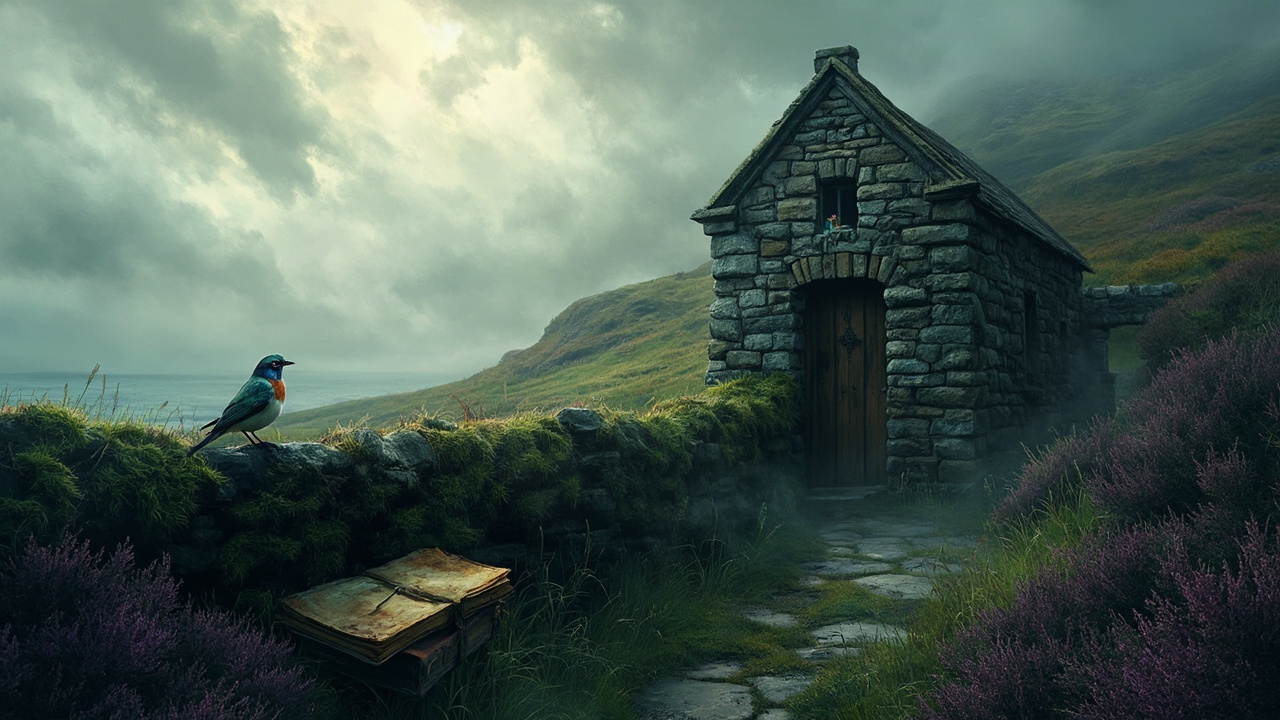
كرست الدكتورة إلينور مارش خمس عشرة سنة Pursuing المستحيل. الفراشة Bleakeney التيطاردتها عبر المستنقعات النورفولكية؛ قطط,伊比利亚 lynx expeditions عبر cork forests أندلوسية؛ السنوات المرهقة التي spent تصوير البومة المتنحية المرقطة في Cascades الماطرة. ومع ذلك، لم يكن هناك شيء قدCaptured خيالها مثل الهمس الذي وصلها في conference ornithological البريطاني في لندن autumn الماضي.زوج متكاثر من الحلقات الزرقاء— Luscinia svecica —مؤكد في المرتفعات الاسكتلندية. ليس طائراً ضائعاً، ولا مهاجراً مرتبكاً طُرد من مساره بواسطة عواصفAtlantics، ولكن زوجاً مقيمًا يحاول التعشيش في ركنBritain حيث لم يفكر أي ornithologist في البحث.Drangate حزمت معداتها الميدانية في الساعة التي تلتها.Stranger.عامل العقارات في إنفرنيس نظر إليها بريبة متعبة Reserved لأي شخص يسأل عن كوخ الحارس القديم في Glencarnie. "لقد كان فارغاً منذ السبعينيات،" قال، دافعاً المفاتيح عبر العداد. "خاصية عسكرية سابقة، على ما يبدو. بعض الرجالالعلماءعمل هناك خلال الحرب. غادر في عجلة، أو هكذا تذهب القصة. لم يعد أبداً لأشياءه.لم تفكر إلينور كثيراً في الملاحظة في ذلك الوقت. المرتفعات كانت مليئة بترك Wartime المهجورة—صناديقpillboxes تتحلل إلى machair، bunkers خرسانية تستسلم ببطء للمستنقعات المتقدمة. فكرة أن عالماً قد يكونconducted بحثاً في مثل هذا المكان المعزول بدا غريباً فقط، وليس remarkable.It كان اليوم الثالث من مسحها عندما وجدت أول دفتر ملاحظات.الريح كانت قد مزقت جزءاً من的事情了 من الرفوف المتحلل من أرضية الغرفة الخلفية للكوخ، كاشفة عن تجويف ضحل تحت Floorboards. في الداخل، ملفوفة في قماش زيتي تحول إلى غبار منذ فترة طويلة، كانت lying دفتر جلدي، أوراقه منتفخة بالرطوبة ومبقعة بالبقع. خط اليد كان دقيقاً، Almostmechanical—شخصاً تدرب على تسجيل الملاحظات بدقة.التاريخ على الصفحة الأولى كان 14 مارس 1943.Read إلينور عبر Evening وطوال الليل، مصباحها الغازي يلقي ظلالاً طويلة عبر النص المزدحم. المؤلف حدد نفسه فقط كـ A.C.—الدكتور أليستير كراين، تبين أنها microbiologist من كامبريدج للعمل على مشروع أشار إليه فقط باسم "Operation Songbird."كانت الإدخالات المبكرةmundane بما فيه الكفاية: ملاحظات دورة التكاثر، أنماط التغذية، migratory routes Mapper عبر صفحات الأطلس البالية. كراين كان يمتلك Clearly شغفاً حقيقياً بالطيور بالإضافة إلى credentials العلمية. ولكن مع مرور الأشهر، تحول النبرة. أصبحت المراجع ملتوية، واللغة منكهة بصيغ كيميائية وتسلسلات رقمية بدت مصممة obscuring بدلاً من الإضاءة.\"يؤمنون أنني أسعى وراء فضول ornithological،\" read إدخال من سبتمبر 1943. \"دعهم يبقون في تلك الجهولة المريحة. آثار امتصاص Aether-7 عبر نسيج كبد الطائر تتجاوز ما سيمولهCommittee. أمضي قدماً على أي حال.\"اعترفت إلينور بالتدوينات بطريقة ما—كانت قد واجهت تشفيراً مماثلاً في تقارير من بلتشلي بارك، على الرغم من أن تلك كانتConcerned اتصالات العدو بدلاً من البحث العلمي. الحرب كانت demand السرية في جميع أشكالها.قضت الأسبوع التالي تبحث بشكل منهجي في الكوخ والأراضي المحيطة. خلف لوحة false في الموقد القديم، اكتشفت cache ثانية: صور، مخططات تشريحية مفصلة لأنواع passerine، وصندوق معدني محكم يحتوي على عدة قوارير زجاجية. كانت الملصقات قد تحولت إلى غبار منذ فترة طويلة، لكن البقايا بالداخل لا تزال تحمل رائحة حلوة Metallic.It كانت الصور التي أثبتت Mostrevealing. عشرات الصور صورت الحلقات الزرقاءCaptured في شبكات mesh دقيقة، أرجلها مزودة بحلقات صغيرة تحمل أرقاماً متسلسلة. أظهرت بعض الصور الطيورBeing released؛ others Depicted them واقعاً على ما بدا وكأنه جهاز صغير—حزام من نوع ما، مصمم ليُلبس عبر صدر الطائر.\"A.C. فهم ما لم يفهمه الآخرون،\" همست إلينور لنفسها، تجميع أجزاء قصة انتظرت ما يقرب من ثمانين عاماً لتُروى.الحقيقة، أدركت، كانت أكثر تعقيداً من أي فيلم إثارة could have invented. كراين لم يكن conducting تجربة orthodox. centrado بحثه الحربي على اقتراح جريء: أن الطيور المهاجرة قد تخدم كـ vectors لمواجهة الوكلاء biological. بدا Aether-7 وكأنه شكل مبكر لما يسميه العلماء الحديثون مركباً prophylactic—يمكن امتصاصه بواسطة الطيور، carried عبر الحدود، ونشره من خلال droppings الطبيعية لنشر المناعة عبر Populations avian بأكملها.كان كراين يحاول هندسة درع biological ضد الأسلحة التي حكومته كانت تتسابق لتطويرها.إدخاله الأخير، المؤرخ 6 يونيو 1944—صباح يوم انتهاء العملية—تحدث عن الإخلاء. \"إنهم يغلقون المنشأة. عملي لا يجب أن يُدمر، بل يُخفى فقط. الطيور الزرقاء ستحمل ما لم أستطع. إذا وجد أحد هذه الكلمات، فليعلم أن المركب في الحاويات المغلقة لا يزال قابلاً للحياة. لقد اختبرته بنفسي. إنه ليس سلاحاً. إنه عكس كل ما Underlines الكلمة.\"وضعت إلينور الدفتر ونظرت إلى النافذة. الفجر كان يبزغ فوق Glen، painting القمم البعيدة بظلال من الوردي والعنبر. في مكان ما في الأدغال تحت، كان طائر يغني—warble السائل المميز الذي عبرت دولة كاملة لسماعه.عادت إلى صندوق المعادن وفحصت القوارير بعناية أكبر. ربما يكون المركب بالداخل ثميناً—أو قد يكون عديم الفائدة بعد ثمانين عاماً من التدهور. Either way، تنتمي الآن إلى مختبر، وليس إلى قبر منسي في المرتفعات.بينما كانت تعيد تعبئة اكتشافها بعناية، سمحت إلينور لنفسها بلحظة من الدهشة الهادئة. كانت قد جاءت تبحث عن طائر نادر ووجدت بدلاً من ذلك إرث عالم نسيه العالم.
Dr. Eleanor Marsh hatte fünfzehn Jahre der Verfolgung des Unmöglichen gewidmet. Den Blakeney-Schmetterling, den sie durch die Norfolk-Moore gejagt hatte; die Iberischen Luchsexpeditionen durch die andalusischen Korkeichenwälder; die besessenen Jahre damit verbracht, die schwer fassbare Nördliche Flecken-Eule in den regennassen Kaskaden zu fotografieren. Doch nichts hatte ihre Vorstellungskraft so sehr gefangen genommen wie das Flüstern, das sie auf der Britischen Ornithologischen Gesellschaftskonferenz in London im vergangenen Herbst erreicht hatte. Ein brütendes Paar Blaukehlchen — Luscinia svecica — bestätigt in den schottischen Highlands. Kein Irrgast, kein verwirrter Migrant, der von Atlantikstürmen vom Kurs abgebracht wurde, sondern ein ansässiges Paar, das versuchte, in einem Winkel Großbritanniens zu nisten, wo kein Ornithologe je zu suchen gedacht hatte. Sie hatte ihre Feldausrüstung innerhalb einer Stunde gepackt. Der Grundstücksmakler in Inverness hatte sie mit dem müden Misstrauen betrachtet, das allen vorbehalten war, die sich nach dem alten Wildhüterhäuschen in Glencarnie erkundigten. "Steht seit den Siebzigern leer", hatte er gesagt und die Schlüssel über den Tresen geschoben. "Offenbar ehemaliges Militäreigentum. Ein Wissenschaftler hat dort während des Krieges gearbeitet. Ist in aller Eile abgereist, so geht die Geschichte. Ist nie zurückgekommen, um seine Sachen zu holen." Eleanor hatte die Bemerkung damals nicht weiter beachtet. Die Highlands waren übersät mit aufgegebenen Kriegsanlagen — Pillenboxen, die in die Sanddünen bröckelten, Betonbunker, die langsam dem vordringenden Moor nachgaben. Die Vorstellung, dass ein Wissenschaftler an einem so abgelegenen Ort geforscht haben könnte, schien lediglich exzentrisch, nicht bemerkenswert. Am dritten Tag ihrer Bestandsaufnahme fand sie das erste Notizbuch. Der Wind hatte ein Stück verrottenden Linoleums vom Boden des Hinterzimmers der Hütte gerissen und eine flache Höhlung unter den Dielen freigelegt. Darin, eingewickelt in Wachstuch, das längst zerfallen war, lag ein ledergebundenes Journal, dessen Seiten vom Wasserschaden aufgequollen und mit Stockflecken übersät waren. Die Handschrift war akribisch, fast mechanisch — jemand, der sich darin geübt hatte, Beobachtungen mit Präzision aufzuzeichnen. Das Datum auf der ersten Seite lautete 14. März 1943. Eleanor las bis zum Abend und durch die Nacht, ihre Gasonne warf lange Schatten auf die enge Schrift. Der Autor identifizierte sich nur als A.C. — Dr. Alistair Crane, wie sich herausstellte, ein Mikrobiologe, der von Cambridge für ein Projekt abgestellt worden war, auf das er nur als "Operation Songbird" verwies. Die frühen Einträge waren banal genug: Brutzyklusbeobachtungen, Fütterungsmuster, Zugrouten, die auf abgenutzten Atlasseiten nachgezeichnet waren. Crane hatte offensichtlich echte ornithologische Leidenschaft neben seinen wissenschaftlichen Qualifikationen besessen. Doch im Laufe der Monate verschob sich der Ton. Die Bezüge wurden schräg, die Sprache gespickt mit chemischen Formeln und numerischen Sequenzen, die eher zu verbergen als zu erhellen schienen. "Sie glauben, ich jage ornithologische Kuriositäten", lautete ein Eintrag vom September 1943. "Lasst sie in dieser bequemen Unwissenheit verharren. Die Implikationen der Absorptionsrate von Aether-7 durch aviäres Lebergewebe überschreiten, was das Komitee genehmigen würde. Ich fahre fort trotzdem." Eleanor erkannte die Notierungen auf ihre Weise wieder — sie war ähnlichen Verschlüsselungen in Berichten von Bletchley Park begegnet, obwohl diese sich auf feindliche Kommunikation bezogen hatten statt auf wissenschaftliche Forschung. Der Krieg hatte Geheimhaltung in all ihren Formen gefordert. Sie verbrachte die folgende Woche systematisch damit, die Hütte und die umliegenden Grundstücke zu durchsuchen. Hinter einer falschen Tafel im alten Kamin entdeckte sie einen zweiten Cache: Fotografien, detaillierte anatomische Diagramme von Singvogelarten und eine versiegelte Metallbox mit mehreren Glasfläschchen. Die Etiketten waren längst verblasst, aber die Rückstände darin trugen noch immer einen leicht süßlichen, metallischen Geruch. Es waren die Fotografien, die sich als aufschlussreichsten erwiesen. Dutzende von Bildern zeigten in feinmaschigen Netzen gefangene Blaukehlchen, deren Beine mit kleinen Ringen mit sequentiellen Nummern versehen waren. Einige Bilder zeigten die Vögel beim Freilassen; andere stellten sie dar, wie sie auf etwas saßen, das wie ein kleines Gerät aussah — eine Art Geschirr, das für das Tragen auf der Brust des Vogels konzipiert war. "A.C. verstand, was andere nicht verstanden", murmelte Eleanor vor sich hin, während sie die Fragmente einer Geschichte zusammensetzte, die fast achtzig Jahre darauf gewartet hatte, erzählt zu werden. Die Wahrheit, wurde ihr klar, war komplizierter als jeder Thriller, den sie hätte erfinden können. Crane hatte kein orthodoxes Experiment durchgeführt. Seine Kriegsforschung hatte sich auf eine radikale These konzentriert: dass Zugvögel als Vektoren zur Bekämpfung biologischer Wirkstoffe dienen könnten. Aether-7 schien eine frühe Form dessen zu sein, was moderne Wissenschaftler als prophylaktische Verbindung bezeichnen würden — eine, die von Vögeln aufgenommen, über Grenzen transportiert und durch natürliche Exkremente verbreitet werden könnte, um Immunität durch gesamte Vogelbestände zu verbreiten. Crane hatte versucht, einen biologischen Schild gegen die Waffen zu entwickeln, die seine eigene Regierung zu entwickeln raste. Sein letzter Eintrag, datiert auf den 6. Juni 1944 — dem Morgen nach dem D-Day — sprach von Evakuierung. "Sie schließen die Anlage. Meine Arbeit darf nicht zerstört werden, nur versteckt. Die Blauvögel werden tragen, was ich nicht konnte. Falls jemand diese Worte findet, wisse, dass die Verbindung in den versiegelten Behältern noch lebensfähig ist. Ich habe sie selbst getestet. Es ist keine Waffe. Es ist das Gegenteil von allem, was das Wort impliziert." Eleanor legte das Journal ab und ging zum Fenster. Die Morgendämmerung brach über das Tal herein und malte die fernen Gipfel in Rosen- und Bernsteintöne. Irgendwo in der Birkenheide darunter sang ein Vogel — das distinctive flüssige Trillern, für das sie ein ganzes Land durchquert hatte, um es zu hören. Sie kehrte zur Metallbox zurück und untersuchte die Fläschchen sorgfältiger. Die Verbindung darin könnte unschätzbar sein — oder nach achtzig Jahren der Degradation wertlos. So oder so, sie gehörte jetzt in ein Labor, nicht in ein vergessenes Grab in den Highlands. Während sie ihre Entdeckung sorgfältig wieder einpackte, erlaubte Eleanor sich einen Moment der stillen Staunens. Sie war gekommen, um einen seltenen Vogel zu suchen, und hatte stattdessen das Vermächtnis eines Wissenschaftlers gefunden, den die Welt vergessen hatte.
Le Dr Eleanor Marsh avait consacré quinze années à la poursuite de l'impossible. Le papillon de Blakeney qu'elle avait chassé à travers les marais du Norfolk ; les expéditions de traque du lynx ibérique à travers les forêts de chêne-liège andalouses ; les années obsessionnelles passées à photographier l'élusive chouette tachetée du Nord dans les Cascades détrempées de pluie. Pourtant, rien n'avait vraiment capturé son imagination comme le murmure qui lui était parvenu lors de la conférence de la British Ornithological Society à Londres l'automne dernier. Un couple nicheur de gorgebleues à miroir — Luscinia svecica — confirmé dans les Highlands écossaises. Non pas un erratique, non pas un migrateur désorienté détourné de sa route par les tempêtes atlantiques, mais un couple résident essayant de nicher dans un recoin de Grande-Bretagne où aucun ornithologue n'avait songé à chercher. Elle avait fait ses bagages en moins d'une heure. L'agent immobilier d'Inverness l'avait regardée avec la méfiance lasse réservée à quiconque s'enquérait du vieux pavillon de garde-chasse à Glencarnie. « Vide depuis les années soixante-dix », avait-il dit en faisant glisser les clés sur le comptoir. « Propriété militaire désaffectée, paraît-il. Un certain scientifique y a travaillé pendant la guerre. Il est parti en toute hâte, selon la légende. Il n'est jamais revenu chercher ses affaires. » Eleanor n'avait pas prêté grande attention à cette remarque à l'époque. Les Highlands étaient jonchés d'installations战争 abandonnées — des bunkers s'effritant dans la lande, des blockhaus de béton cédant lentement à la tourbière envahissante. L'idée qu'un scientifique puisse avoir mené des recherches dans un endroit aussi isolé semblait simplement excentrique, pas remarquable. C'était le troisième jour de son inventaire lorsqu'elle découvrit le premier cahier. Le vent avait arraché une partie du linoléum pourri du sol de l'arrière-cuisine du pavillon, révélant une cavité peu profonde sous les planches. À l'intérieur, enveloppé dans une toile cirée depuis longtemps désintégrée, se trouvait un journal relié de cuir, ses pages gonflées d'humidité et tachées d'humidité. L'écriture était méticuleuse, presque mécanique — quelqu'un qui s'était entraîné à consigner les observations avec précision. La date sur la première page indiquait le 14 mars 1943. Eleanor lut jusqu'au soir et throughout la nuit, sa lampe à gaz projetant de longues ombres sur l'écriture serrée. L'auteur ne s'identifiait que sous le nom de A.C. — le Dr Alistair Crane, apprit-elle, un microbiologue détaché de Cambridge pour travailler sur un projet qu'il ne désignait que sous le nom d'« Opération Songbird ». Les premières entrées étaient assez banales : observations de cycles de reproduction, comportements alimentaires, routes migratoires cartographiées sur des pages d'atlas usées. Crane possédait clairement une véritable passion ornithologique en plus de ses diplômes scientifiques. Mais au fil des mois, le ton changea. Les références devinrent obliques, le langage parsemé de formules chimiques et de séquences numériques qui semblaient conçues pour obscurcir plutôt qu'éclairer. « Ils croient que je poursuis des curiosités ornithologiques, » lisait-on dans une entrée de septembre 1943. « Qu'ils demeurent dans cette ignorance confortable. Les implications du taux d'absorption de l'Aether-7 par le tissu hépatique aviaire dépassent ce que le comité autoriserait. Je poursuis malgré tout. » Eleanor reconnaissait ce type de notation — elle en avait rencontré de similaires dans des rapports de Bletchley Park, bien que ceux-ci concernassent les communications ennemies plutôt que la recherche scientifique. La guerre exigeait le secret sous toutes ses formes. Elle passa la semaine suivante à fouiller systématiquement le pavillon et les terrains environnants. Derrière une fausse plaque dans l'ancienne cheminée, elle découvrit une deuxième cachette : des photographies, des diagrammes anatomiques détaillés d'espèces de passereaux, et une boîte métallique scellée contenant plusieurs flacons de verre. Les étiquettes avaient depuis longtemps disparu, mais les résidus à l'intérieur dégageaient encore une odeur légèrement sucrée et métallique. Ce étaient les photographies qui s'avérèrent les plus révélatrices. Des dizaines d'images montraient des gorgebleues capturés dans des filets à maille fine, leurs pattes munies de petites bagues portant des numéros séquentiels. Certaines images montraient les oiseaux relâchés ; d'autres les dépeignaient perchés sur ce qui semblait être un petit appareil — une sorte de harnais, conçu pour être porté sur la poitrine de l'oiseau. « A.C. comprenait ce que les autres ne comprenaient pas, » murmura Eleanor pour elle-même, assemblant les fragments d'une histoire qui avait attendu près de quatre-vingts ans pour être racontée. La vérité, réalisa-t-elle, était plus complexe que n'importe quel roman d'espionnage qu'elle aurait pu inventer. Crane n'avait pas mené une expérience orthodoxe. Ses recherches de guerre s'étaient concentrées sur une proposition radicale : que les oiseaux migrateurs pourraient servir de vecteurs pour contrer les agents biologiques. L'Aether-7 semblait être une forme primitive de ce que les scientifiques modernes appelleraient un composé prophylactique — qui pourrait être absorbé par les oiseaux, transporté à travers les frontières, et disséminé par les déjections naturelles pour répandre l'immunité à travers des populations aviaires entières. Crane avait essayé d'ingénier un bouclier biologique contre les armes mêmes que son gouvernement cherchait à développer. Sa dernière entrée, datée du 6 juin 1944 — le matin après le Jour J — parlait d'évacuation. « Ils ferment la installation. Mon travail ne doit pas être détruit, seulement caché. Les oiseaux bleus porteront ce que je n'ai pas pu. Si quelqu'un trouve ces mots, qu'il sache que le composé dans les contenants scellés reste viable. Je l'ai testé moi-même. Ce n'est pas une arme. C'est le contraire de tout ce que ce mot implique. » Eleanor posa le journal et marcha jusqu'à la fenêtre. L'aube se levait sur la vallée, peignant les sommets lointains de nuances de rose et d'ambre. Quelque part dans les bouleaux en contrebas, un oiseau chantait — le trille liquide caractéristique qu'elle avait traversé un pays pour entendre. Elle retourna à la boîte métallique et examina les flacons plus soigneusement. Le composé à l'intérieur pourrait s'avérer précieux — ou il pourrait être inutile après quatre-vingts ans de dégradation. Dans tous les cas, il appartenait désormais à un laboratoire, non à une tombe oubliée dans les Highlands. Pendant qu'elle réemballait soigneusement sa découverte, Eleanor se permit un moment de wonder silencieux. Elle était venue chercher un oiseau rare et avait trouvé à la place l'héritage d'un scientifique que le monde avait oublié.
Доктор Элинор Марш посвятила пятнадцать лет pursuit невозможного. Бабочку Блейкни, за которой она охотилась через норфолкские болота; экспедиции по выслеживанию иберийской рыси через андалусские пробковые леса; одержимые годы, spent на фотографирование неуловимой северной пятнистой совы в дождливых Каскадах. Однако ничто так не захватило ее воображение, как шепот, reach её на британском орнитологическом обществе в Лондоне прошлой осенью. Гнездящаяся пара синегалок — Luscinia svecica — подтверждена в Шотландском нагорье. Не заблудшая птица, не сбившийся с курса мигрант, снесённый атлантическими штормами, а оседлая пара, пытающаяся вить гнездо в уголке Британии, где ни один орнитолог не думал искать. Она собрала свое полевое оборудование в течение часа. Агент по недвижимости в Инвернессе смотрел на нее с усталым подозрением, зарезервированным для тех, кто спрашивал о старом егерском домике в Гленкарни. «Пуст с семидесятых», — сказал он, sliding ключи по стойке. «Бывшая военная собственность, как говорят. Какой-то ученый парень работал там во время войны. Уехал в спешке, или так гласит история. Никогда не возвращался за своими вещами». Элинор тогда не придала этому замечанию особого значения. Нагорья были усеяны заброшенными военными объектами — казематами, crumbling в мари, бетонными бункерами, медленно surrendering наступающему болоту. Мысль о том, что ученый мог проводить исследования в таком изолированном месте, казалась merely эксцентричной, не примечательной. Это был третий день её обследования, когда она нашла первую записную книжку. Ветер сорвал часть гнилого линолеума с пола задней комнаты коттеджа, обнажив неглубокую полость под половицами. Внутри, завернутый в промасленную ткань, давно истлевшую, лежал кожаный журнал, его страницы, набухшие от сырости и покрытые пятнами плесени. Почерк был аккуратный, почти механический — кто-то, кто train himself to записывать наблюдения с точностью. Дата на первой странице гласила 14 марта 1943 года. Элинор читала весь вечер и всю ночь, её газовая лампа бросала длинные тени на сжатый текст. Автор идентифицировал себя только как A.C. — доктор Алистер Крейн, как выяснилось, микробиолог, seconded из Кембриджа для работы над проектом, который он упоминал лишь как «Операция Сонбёрд». Ранние записи были достаточно банальны: наблюдения за циклами размножения, модели питания, миграционные маршруты, нанесенные на изношенные страницы атласа. Крейн явно обладал подлинной орнитологической страстью наряду со своими научными credentials. Но по мере progression месяцев тон сместился. Ссылки стали косвенными, язык приправлен химическими формулами и числовыми последовательностями, которые, казалось, были designed to скрывать, а не освещать. «Они верят, что я преследую орнитологические curiosities», — читалась запись от сентября 1943 года. «Пусть они пребывают в этом удобном неведении. Последствия скорости абсорбции Эфира-7 через печеночную ткань птиц превышают то, что санкционировал бы комитет. Я продолжаю несмотря ни на что». Элинор узнала эти обозначения — она сталкивалась с подобным кодированием в отчетах из Блетчли-Парк, хотя те касались вражеских коммуникаций, а не научных исследований. Война требовала секретности во всех её формах. Следующую неделю она провела, систематически обследуя коттедж и прилегающие территории. За ложной панелью в старом камине она обнаружила второй тайник: фотографии, детальные анатомические диаграммы видов воробьиных и запечатанную металлическую коробку, содержащую несколько стеклянных флаконов. Этикетки давно выцвели, но остатки внутри всё ещё сохраняли слегка сладковатый, metallic запах. Именно фотографии оказались наиболее информативными. Десятки изображений изображали синегаловок, пойманных в тонкоячеистые сети, их лапки были оснащены крошечными кольцами с последовательными номерами. На некоторых снимках птицы были запечатлены при выпуске; на других — сидящими на том, что казалось небольшим аппаратом — неким harness, предназначенным для ношения на груди птицы. «A.C. понимал то, чего не понимали другие», — пробормотала Элинор про себя, собирая воедино фрагменты истории, которая ждала почти восемьдесят лет, чтобы быть рассказанной. Правда, поняла она, была более замысловатой, чем любой триллер, который она могла бы изобрести. Крейн проводил не ортодоксальный эксперимент. Его военные исследования были сосредоточены на радикальном предположении: что мигрирующие птицы могли бы служить векторами для противодействия биологическим агентам. Эфир-7 казался ранней формой того, что современные ученые назвали бы профилактическим соединением — таким, которое могло бы абсорбироваться птицами, переноситься через границы и распространяться через естественные экскременты для распространения иммунитета через целые популяции птиц. Крейн пытался сконструировать биологический щит против самого оружия, разработку которого его правительство стремилось ускорить. Его последняя запись, датированная 6 июня 1944 года — утром после дня «Д» — говорила об эвакуации. «Они закрывают объект. Моя работа не должна быть уничтожена, merely спрятана. Синие птицы понесут то, что не смог я. Если кто найдет эти слова, знайте, что соединение в запечатанных контейнерах всё ещё жизнеспособно. Я проверил это сам. Это не оружие. Это противоположность всего, что подразумевает это слово». Элинор отложила журнал и подошла к окну. Рассвет занимался над долиной, окрашивая далёкие пики в оттенки розового и янтарного. Где-то в берёзовых зарослях внизу пела птица — тот самый характерный мелодичный роспев, ради которого она пересекла целую страну. Она вернулась к металлической коробке и более внимательно examine флаконы. Соединение внутри могло оказаться бесценным — или бесполезным после восьмидесяти лет деградации. В любом случае, теперь оно принадлежало лаборатории, а не забытой могиле в нагорьях. Осторожно переупаковывая свою находку, Элинор позволила себе момент тихого изумления. Она пришла искать редкую птицу и вместо этого обнаружила наследие учёного, которого мир забыл.