We use the present simple to talk about habits — things we do every day, every week, or always. It is also for things that are true all the time.
Look at the verb use. It changes a little with he and she:
I / you / we / they use a phone. (no -s)
He / she uses a phone. (add -s)
For negative sentences, we use don't or doesn't:
I don't use a tablet.
She doesn't use a tablet.
For questions, we put do or does first:
Do you use a computer?Yes, I do. / No, I don't.
Does he use a laptop?Yes, he does. / No, he doesn't.
Common time words for habits: every day, always, usually, sometimes, never. They go before or after the verb: "I always check my email." or "I check my emailevery morning."
Subject
Positive
Negative
Question
I / you / we / they
use
don't use
Do ... use?
he / she
uses
doesn't use
Does ... use?
النهارده هنتكلم عن قاعدة مهمة جداً في الإنجليزي، وهي Present Simple أو المضارع البسيط. بنستخدم المضارع البسيط لما نتكلم عن حاجات بنعملها بشكل معتاد كل يوم، زي ما في المثال: I use my laptop every day. يعني أنا بستخدم اللابتوب بتاعي كل يوم.
الفعل اللي هنركز عليه النهارده هو use ومعناه "يستخدم". الفعل ده بيتغير شكله على حسب الفاعل. لو الفاعل كان I أو you أو we أو they، بنقول use من غير أي إضافة. لكن لو الفاعل كان he أو she، بنضيف حرف s في الآخر ويبقى uses.
I use a phone
You use a phone
We use a phone
They use a phone
He uses a phone
She uses a phone
في حالة النفي (negative)، بنستخدم don't مع I و you و we و they، وبنستخدم doesn't مع he و she. وبعدها الفعل يرجع use من غير s. مثلاً:
I don't use a tablet
She doesn't use a tablet
في السؤال (question)، بنحط do أو does في أول الجملة. مثلاً:
Do you use a computer?
Does he use a laptop?
وفي كلمات كتير بنستخدمها مع العادات زي every day و always و usually و sometimes و never. الكلمات دي ممكن تيجي قبل الفعل أو بعده. مثلاً: I always check my email. أو I check my email every morning.
لما تحل التمارين اللي جاية، خلي بالك من الفاعل الأول، لأن ده اللي بيحدد هتقول use ولا uses، وهتستخدم don't ولا doesn't.
I use my laptop every day.
Notice: I use (no -s after I / you / we / they).
She uses a phone at work.
Notice: She uses (add -s after he / she / it).
Required
Look at the two sentences above. What comes after 'she' or 'he'?
use (no -s)
uses (with -s)
don't
Required
She ___ (use) a laptop at work.
Required
Choose the correct question:
Do he use a phone?
Does he use a phone?
Does he uses a phone?
Required
"I doesn't use a tablet." — Is this correct?
Correct: "I **don't** use a tablet." We use **doesn't** only with he / she / it.
Required
"She doesn't use a computer." — Is this correct?
Correct! With **she** we use **doesn't** and the verb has no -s.
Required
Put the words in the correct order to make a sentence.
a
laptop
uses
She
Required
Put the words in the correct order.
every
I
day
use
phone
my
Required
Drag the correct verb form to each sentence.
use
uses
watch
checks
I my computer every day.
She a tablet at home.
He his email in the morning.
We videos on our phone.
Listening
Listening
5
cards
You are going to hear a short dialogue between two friends, Maya and Omar. They are at a coffee shop. They are talking about the technology they use every day. Listen for the words: phone, computer, email, app, tablet.
Before you listen, think: What technology do you use every day? Do you use a phone? A laptop? An app? An email?
Now listen to Maya and Omar. Pay attention to:
which technology each person uses,
when they use it (every day, in the morning, at home),
and what they use it for (work, email, music, reading).
They use the present simple — for habits! They say "I use...", "I always...", "I usually...".
You will hear the dialogue two times. First time: just listen and get the idea. Second time: try to catch the details.
التكنولوجيا في حياتنا اليومية
في الـ dialogue اللي جاي، مية و عمر بيكلموا عن التكنولوجيا اللي بيستخدموها كل يوم. الحوار بسيط بس فيه كذا نقطة مهمة لازم تاخد بالك منها.
الـ Present Simple للتعبير عن العادات
الاتنين بيستخدموا الـ present simple عشان بيتكلموا عن حاجات بيعملوها بشكل يومي أو عادة ثابتة. بص على الأمثلة دي:
"I use my computer at work." — بستخدم الكمبيوتر في الشغل.
"I always have my phone." — أنا دايماً معايا الموبايل.
"I check my email every morning." — بتفقد الإيميل كل الصبح.
أسئلة بـ Do
لما مية عايزة تسأل عمر سؤال، بتستخدم do قبل الفاعل:
"Do you use a computer every day?" — بتستخدم كمبيوتر كل يوم؟
"Do you use any apps?" — بتستخدم أي تطبيقات؟
عشان تجاوب بتقول Yes, I do أو No, I don't.
كلمات مهمة
computer = كمبيوتر
phone = موبايل
email = إيميل
app = تطبيق
tablet = تابلت (جهاز لوحي زي الآيباد)
at work = في الشغل
at home = في البيت
أدوات التكرار (Adverbs of Frequency)
الأدوات دي بتوضح قد إيه الحاجة بتحصل بشكل متكرر:
always = دايماً
usually = عادةً
every day = كل يوم
every morning = كل الصبح
خد بالك إن always و usually بييجوا قبل الـ main verb في الجملة المثبتة، زي: "I always have my phone" و "I usually use my tablet at home".
حرف الجر for
بنستخدم for عشان نقول الهدف أو الغرض من حاجة. مثلاً:
"I use it for email." — بستخدمه للإيميل.
"I use it for music." — بستخدمه للموسيقى.
"I use it for work." — بستخدمه للشغل.
نصيحة للاستماع
لما تسمع الحوار ركز على أربع حاجات:
إيه الجهاز اللي كل واحد بيتكلم عنه (phone, computer, tablet).
امتى بيستخدمه (every day, every morning).
فين بيستخدمه (at work, at home, on the bus).
بيستخدمه لإيه (email, music, work).
الحوار هيتسمع مرتين، فالمرة الأولى ركز في الفكرة العامة، والمرة الثانية حاول تمسك التفاصيل.
Maya and Omar are at a coffee shop. They are talking about the technology they use every day.
M
MayaHi Omar! Do you use a computer every day?
O
OmarYes, I do. I use my computer at work.
M
MayaWhat about your phone?
O
OmarI always have my phone. I use it for email.
M
MayaMe too. I check my email every morning.
O
OmarDo you use any apps?
M
MayaYes! I use a music app. I listen to music on the bus.
O
OmarThat's a good idea. I usually use my tablet at home.
M
MayaNice. I love my tablet for reading.
Required
What is the dialogue about?
Food at a coffee shop
Technology they use every day
Their jobs at work
Required
What does Omar use at work?
his phone
his computer
his tablet
Required
Maya checks her ___ every morning.
Pronunciation
Pronunciation
6
cards
The words use and uses look almost the same, but the final sound is different. Listen carefully!
In use /juːs/, the final sound is /s/. It is a soft, quiet sound. Put your hand on your throat. You do not feel vibration. Just air comes out — like a snake: ssss.
In uses /juːzɪz/, the final sound is /z/. It is a louder, buzzing sound. Put your hand on your throat. You feel vibration. Your voice is on — like a bee: zzzz.
The trick:
/s/ = no voice (just air)
/z/ = with voice (vibration in your throat)
More examples:
place /pleɪs/ — ends in /s/
places /pleɪzɪz/ — ends in /z/
plays /pleɪz/ — ends in /z/
This is important for the verb use: "I use" (/s/) vs "she uses" (/z/).
Word
Final sound
Voice?
use
/s/
no voice
uses
/z/
with voice
place
/s/
no voice
places
/z/
with voice
الفرق بين /s/ و /z/: صوتين قريبين من بعض بس مختلفين
يا صديقي، النهاردة عندنا درس صغير بس مهم جدًا في النطق. خد عندك كلمتين شكلهم قريب من بعض: use و uses. الكلمة الأولى معناها "بستخدم" لما بتتكلم عن نفسك، والتانية معناها "بتستخدم" لما بتتكلم عن حد تاني زي she أو he. السؤال: إيه الفرق بينهم في الصوت؟
الفكرة الأساسية: صوت ولا هوا بس؟
الموضوع كله بيرجع لآخر حرف في كل كلمة. في use /juːs/، الصوت الأخير اسمه /s/. ده صوت هادي وناعم، بيطلع من غير ما حنجرتك تشتغل. حط إيدك على زورك وإنت بتقولها - مش حتحس بأي رعشة خالص. فكّر فيها كده: زي صوت الحية بالظبط، ssss، هوا بس.
بس في uses /juːzɪz/، الصوت الأخير اسمه /z/. وده صوت فيه رنين وطنين، لأن حنجرتك بتشتغل معاك وإنت بتقوله. حط إيدك على زورك تاني - دلوقتي حتحس بحاجة بتزغزغ! ده صوت النحلة: zzzz.
القاعدة السهلة اللي تقعد في دماغك
/s/ = من غير صوت، هوا بس بيخرج
/z/ = بصوت، الحنجرة بترتعش
أمثلة تانية عشان المعلومة تثبت
عشان متحفظش الكلمات دي بس، بص على المجموعة دي:
place /pleɪs/ → بتنتهي بـ /s/، هوا بس
places /pleɪzɪz/ → بتنتهي بـ /z/، بصوت ورنين
plays /pleɪz/ → بتنتهي بـ /z/، بصوت ورنين
لاحظ إزاي لما بنضيف حرف s في الآخر عشان نعمل الجمع أو نغيّر الفعل، الصوت بيتحول من الهادي للغني.
طب ليه ده مهم في المحادثة؟
لما بتقول "I use the phone every day"، بتستخدم /s/ لأن الفاعل هو أنا. لكن لما بتقول "She uses the phone every day"، لازم تستخدم /z/ لأن الفعل بيتغير مع الفاعل. الفرق ده صغير بس بيعمل فرق كبير في كلامك.
تمرين سريع: قول جملة كاملة وركّز على آخر صوت. حط إيدك على زورك، وقول "I use"... ما حسّيت بحاجة. دلوقتي قول "She uses"... حسيت بالطنين؟ كده يبقى أنت فهمت!
To make /s/: put your tongue behind your top teeth. Push air out. No voice — just air. To make /z/: same place, same air, but turn your voice ON. Feel the buzz in your throat!
Required
Listen. Which word do you hear?
use
uses
Required
Say the word. End with a quiet /s/ — no voice, just air.
use
Required
Say the word. End with a buzzing /z/ — turn your voice ON.
uses
Required
Read the sentence aloud. Pay attention to the final /z/ in uses.
She uses a phone.
Reading
Reading
6
cards
In the reading block, you practice reading for gist (the general idea) and then for detail (specific facts).
Strategy box — Skimming: When you skim a text, you read it quickly. You do not read every word. Look at the title, the first line, and the last line. This helps you find the main idea. Then you read again slowly for details.
Key words to know before you read:
student — a person who studies at school
homework — work a teacher gives you to do at home
favorite — the one you like best
helps — makes something easier or better
You will read a short blog post from a student named Sam. He talks about his daily technology. Read it twice: first fast (skim), then slow (for detail). Try to find the answers to the questions after you read.
إزاي تقرا صح في جزء الـ Reading
الهدف من جزء الـ reading إنه يعلمك استراتيجية قراءة مش مجرد قراءة عادية. في طريقة معينة لازم تمشي عليها عشان تفهم النص كويس وتعرف تجاوب على الأسئلة اللي بعدها.
أولاً: Skimming (قراءة سريعة)
لما تـ skim، بتقرا بسرعة جداً عشان تاخد الفكرة العامة بس. مش لازم تفهم كل كلمة ولا تقرا كل سطر. بص بس على الحاجات دي:
الـ title (العنوان) — ده بيديكن فكرة عامة عن الموضوع
الـ first line (أول سطر) — بيوضحلك الكاتب هيبدأ منين
الـ last line (آخر سطر) — غالباً فيه الخلاصة أو النهاية
يعني مثلاً لو العنوان عن التكنولوجيا، أنت عارف إن النص هيكون عن التكنولوجيا من غير ما تقرا كل كلمة.
ثانياً: Reading for detail (قراءة تفصيلية)
بعد ما تخلص الـ skim، ارجع اقرا النص تاني بس بهدوء. المرة دي ركز على التفاصيل والأسماء والأرقام. بتبص على كل كلمة عشان تفهم المعلومة كويس وتلاقي الإجابات.
كلمات مهمة قبل ما تقرا
student — يعني طالب، واحد بيذاكر في مدرسة
homework — يعني الواجب، الشغل اللي المدرس بيديهولك تعمله في البيت
favorite — يعني المفضّل، الحاجة اللي بتحبها أكتر من أي حاجة تانية
helps — يعني بيساعد، بيخلي حاجة أسهل أو أحسن
النص اللي جاي
هتقرا blog post قصير من student اسمه Sam. هتلاقيه بيحكي عن التكنولوجيا اللي بيستخدمها كل يوم، وإزاي التكنولوجيا دي helps him مع الـ homework ومع الـ favorite things بتاعته.
متقراش النص مرة واحدة بس. استخدم الاستراتيجية: اقراه مرة سريع الأول عشان تاخد الفكرة العامة، وبعدين اقراه مرة تانية بهدوء عشان تطلع التفاصيل وتجاوب على الأسئلة. كده هتفهم أحسن وتلاقي الإجابات بسهولة.
Sam's Technology Blog
Hi! My name is Sam. I am a student. I use technology every day.
I have a laptop for school. I use it for my homework. I also have a phone. I always check my email on my phone.
In the evening, I use my tablet to watch videos. My favorite app is the music app. I listen to music every night before bed.
Technology helps me a lot in my life!
Required
What is this blog about? (gist)
Sam's job at work
Sam's daily technology
Sam's favorite food
Required
Sam uses his laptop for work.
Sam is a **student**, not a worker. He uses his laptop for **homework**.
Required
What is Sam's favorite app?
the video app
the email app
the music app
Required
Sam uses his tablet in the evening.
The blog says: "In the evening, I use my tablet to watch videos."
Speaking
Speaking
7
cards
In the speaking block, you practice talking about your technology habits. First you hear a model dialogue. Then you repeat the key sentences. Finally, you have a roleplay with your AI partner.
When you speak, remember to use the present simple for habits. You can say:
'I use my phone every day.'
'I don't use a tablet.'
'I usually use an app for music.'
Pay attention to your pronunciation:
Say 'use' with a soft /s/ at the end.
Say 'uses' with a buzzing /z/ at the end.
Speak slowly and clearly. Don't rush!
In the roleplay, you will talk with your AI partner. Try to:
Answer the question.
Use one of the useful phrases below.
Ask a question back.
Don't worry about mistakes. Just try!
Useful phrases for talking about technology:
English
Do you use a ...?
Yes, I do.
No, I don't.
I use it for ...
I use my ... every day.
I usually use ...
What about you?
تدريب الكلام عن التكنولوجيا
في القسم ده هنتكلم عن العادات بتاعتك مع التكنولوجيا. يعني هتقول لأصحابك أو لزمايلك في الشغل إيه الأجهزة اللي بتستخدمها كل يوم. المهمة بسيطة: هتسمع الحوار الأول، وبعدين تكرر الجمل المهمة، وفي الآخر هتعمل محادثة حقيقية مع الذكاء الاصطناعي.
الجمل اللي هتتعلمها
الحوار بيبدأ بسؤال بسيط: Do you use a laptop? يعني "هل بتستخدم لاب توب؟" والإجابة بتيجي قصيرة: Yes, I do أو No, I don't. بعدين بتسأل What do you use it for? يعني "بتستخدمه في إيه؟" وبترد بجملة زي I use it for email and homework يعني "بستخدمه للإيميل والواجبات".
نصايح للنطق
كلمة use بتتنطق بـ /s/ هادية في الآخر، زي صوت السين الخفيفة.
كلمة uses بتيجي بـ /z/ فيها صوت الز، زي ما بتقول "يوزز".
استخدم present simple لأنك بتتكلم عن عادات يومية. بص على الأمثلة دي:
I use my phone every day — بستخدم موبايلي كل يوم.
I don't use a tablet — مابستخدمش تابلت.
I usually use an app for music — باعتاد أستخدم أب للموسيقى.
لاحظ إن في الجملة المنفية بنضيف don't قبل الفعل، ولما عايز تقول إن العادة دي بتتكرر كتير بتحط usually قبل الفعل.
في المحادثة مع الذكاء الاصطناعي
جاوب على السؤال اللي اتسألت.
استخدم جملة من الجمل المفيدة زي What about you? عشان ترجع السؤال لصاحبك.
متقلقش من الغلط، أهم حاجة تجرب وتتكلم.
كده هتكون جاهز تتكلم عن التكنولوجيا بثقة. يلّا نبدأ!
Two friends talk about their technology. Listen and notice the useful phrases.
E
EmmaHi Tom! Do you use a laptop?
T
TomYes, I do. I use it every day.
E
EmmaWhat do you use it for?
T
TomI use it for email and homework.
E
EmmaNice! I use my phone for email.
I use my laptop for email and homework.
This is the key sentence. Practice saying it with a clear /s/ at the end of 'use'.
Required
Read the sentence aloud. Speak clearly and at a normal speed.
I use my phone every day.
Required
Read the question aloud. Use a friendly voice and good rhythm.
Do you use a computer at work?
Required
You are at a technology class. A new friend asks about your technology. Talk about what you use (phone, laptop, tablet, app), how often (every day, always, usually), and what for (email, music, homework). Ask one question back.
Required
Vocabulary
Vocabulary
6
cards
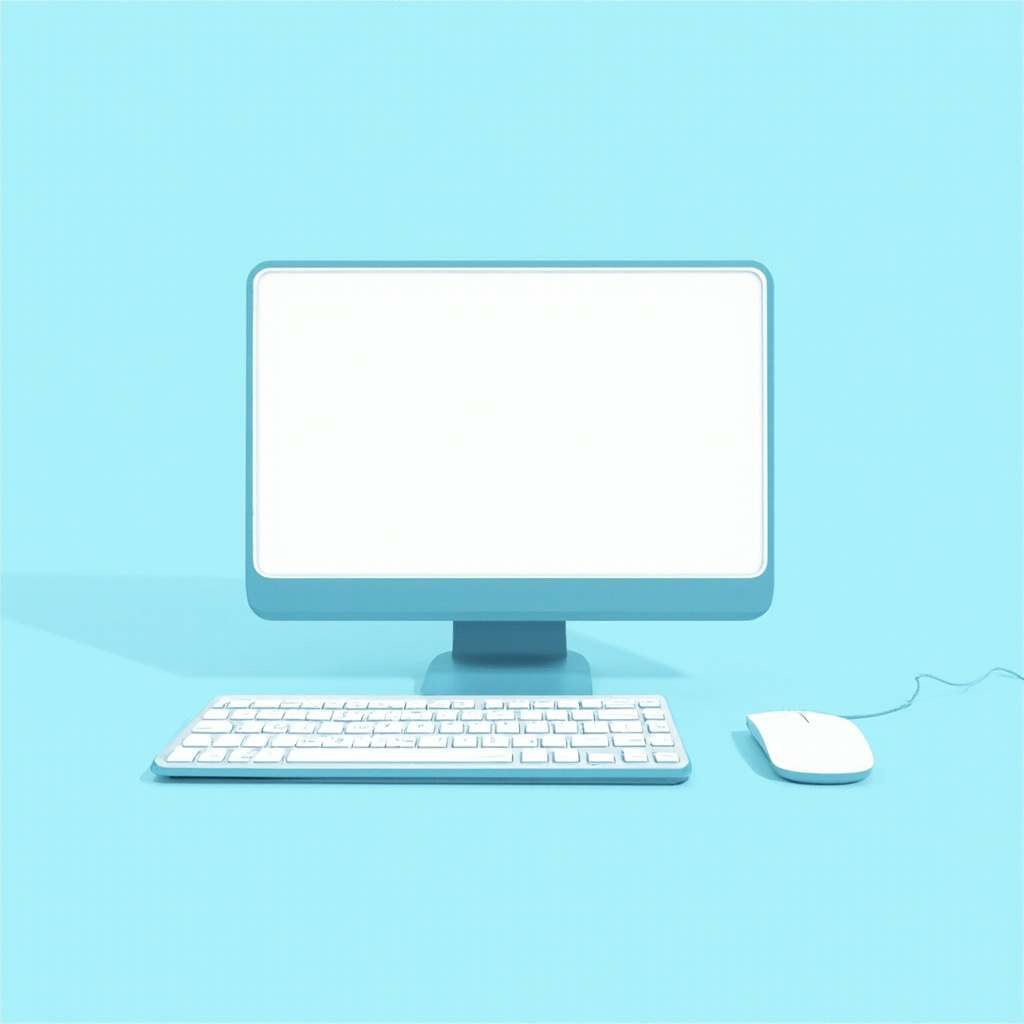
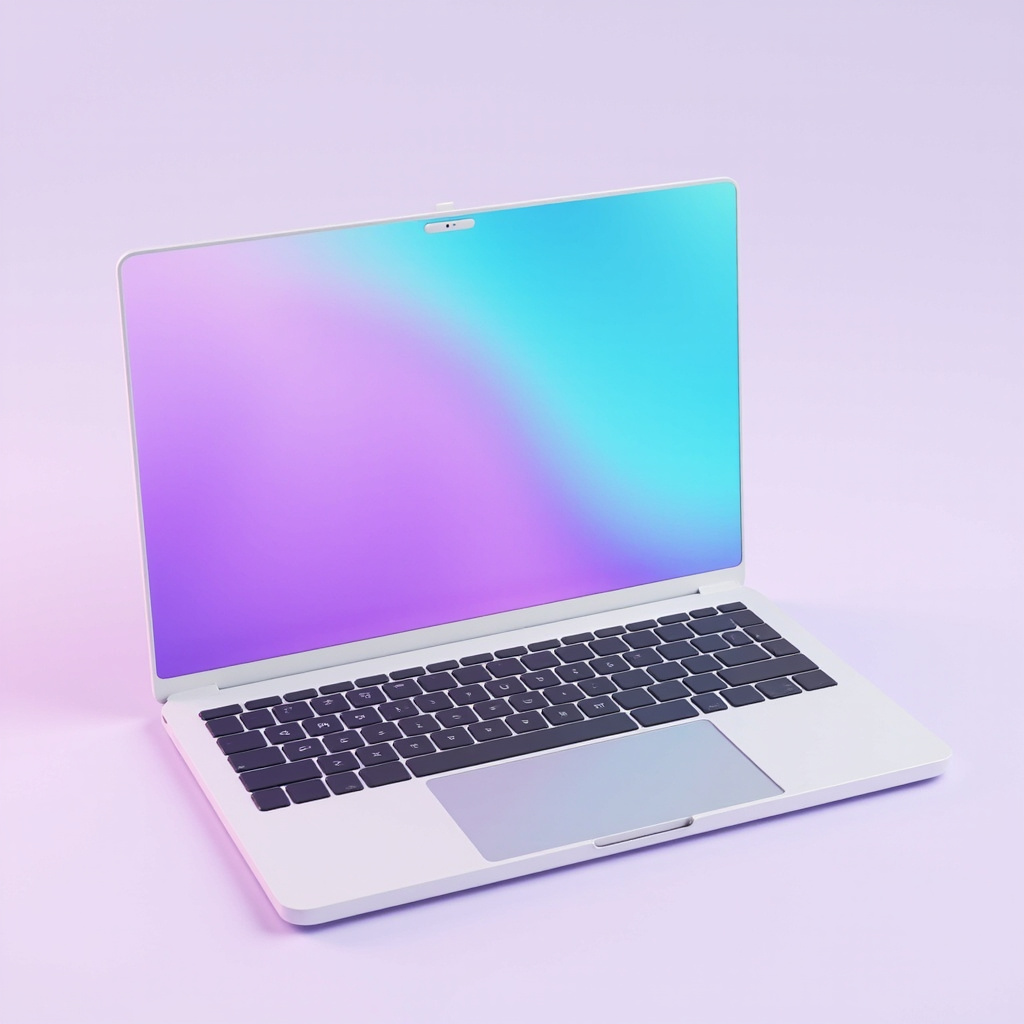
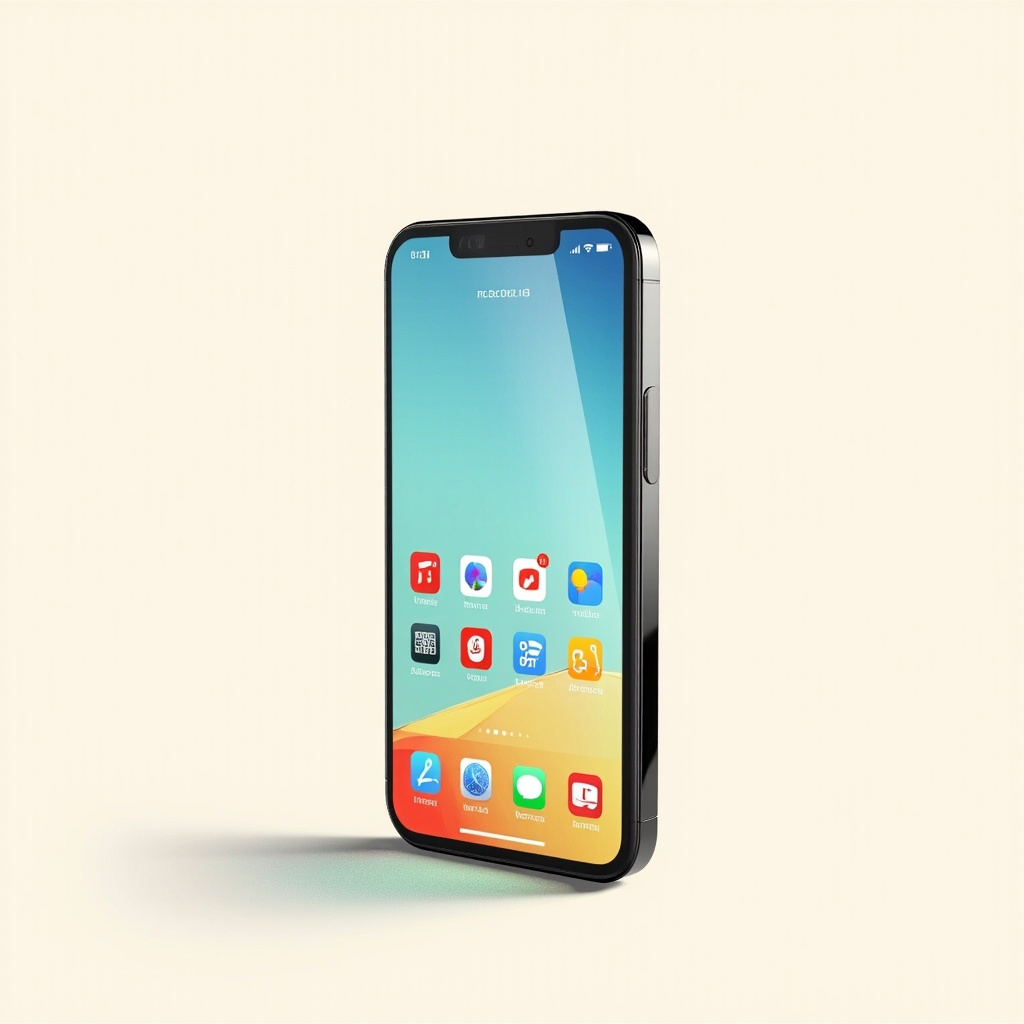
In this lesson, you learn common technology words. These are words you see and use every day. Look at the table. Each word has a small picture in your mind: a phone you hold in your hand, a computer on a desk, a laptop you can carry, a tablet like a thin book, the internet that connects everything, email you write and read, an app you tap on the screen, and a screen you look at.
Try to read the example sentences. They use the verb use: "I use my phone." "She uses a laptop." This is the present simple — for things you do every day.
Remember: technology words are nouns. We say aphone, acomputer, alaptop. But we do not say "a internet" or "a email". We say theinternet, theemail, or just "I use email" (no article).
Word
Type
Example
phone
noun
I have a new phone.
computer
noun
My computer is fast.
laptop
noun
She uses a laptop at work.
tablet
noun
He reads on his tablet.
internet
noun
The internet is slow today.
email
noun
I check my email every morning.
app
noun
This app is free.
screen
noun
The screen is very big.
في الدرس ده هنتعلم كلمات بتاعة التكنولوجيا اللي بنستخدمها كل يوم. كل الكلمات دي أسماء (nouns) يعني بتسمي حاجات ملموسة أو خدمات، زي phone (تليفون)، computer (كمبيوتر)، laptop (لاب توب)، tablet (تابلت)، internet (إنترنت)، email (إيميل)، app (تطبيق)، و screen (شاشة).
قاعدة أدوات النكرة (A / An)
في الإنجليزية لما نتكلم عن حاجة واحدة لأول مرة بنحط قبلها a لو الكلمة بتبدأ بحرف ساكن (consonant). كل الكلمات اللي فاتت بتبدأ بحرف ساكن، فبنقول a قبلها:
a phone (تليفون)
a computer (كمبيوتر)
a laptop (لاب توب)
a tablet (تابلت)
a screen (شاشة)
استثناء مهم: internet و email
في كلمتين مختلفين شوية: internet و email. دول مش بنحط قبلهم a لأنهم بيتعاملوا معاهم كأسماء غير معدودة أو خدمات عامة. بنقول:
I use the internet (بستخدم الإنترنت)
I check email (بتفقد الإيميل)
❌ مش بنقول "a internet" أو "a email"
الفعل use (يستخدم)
في المثال الأساسي: "I use my phone every day to check my email." الفعل use معناها "يستخدم". القاعدة في المضارع البسيط (present simple):
مع I / you / we / they بنقول use بدون إضافة.
مع he / she / it بنضيف -s فبنقول uses.
أمثلة:
I use my laptop for work.
She uses a tablet to read.
He uses the computer at the office.
جمل تانية من الجدول للتدريب
I have a new phone.
My computer is fast.
This app is free.
The screen is very big.
خد وقتك في النطق، وركّز على الفرق بين a و the، وعلى إن internet و email غالباً بتيجي بدون أداة نكرة.
Learn these 8 technology words. Tap each word to hear it and see its meaning.
A
appæp
A software program that you can download onto a smartphone or tablet to do a specific job or task.
computerkəmˈpjuː.tər
an electronic machine that is used for storing , organizing , and finding words, numbers , and pictures , for
emailˈiː.meɪl
the system for using computers to send messages over the internet :
a message or document sent using this syst
internetˈɪn.tə.net
A global system of connected computers that allows people to share information and communicate electronically.
laptopˈlæp.tɒp
a computer that is small enough to be carried around easily and is flat when closed
phonefəʊn
a device that uses either a system of wires along which electrical signals are sent or a system of radio signa
screenskriːn
A flat surface on a television, computer, phone, or other electronic device where images, text, and videos are
tabletˈtæblət
A tablet is a flat, portable touchscreen device that is larger than a smartphone but smaller than a laptop, us
Required
Match each technology word with its meaning.
Match each technology word with its meaning.
phone
computer
laptop
tablet
internet
email
app
screen
a small device you use to call people
a machine you use on a desk
a small computer you can carry
a thin computer, like a book
the network that connects computers
a message you send on a computer
a small program on a phone
the part of a device you look at
I use my phone every day to check my email.
Listen and read. Notice the verb use in the present simple.