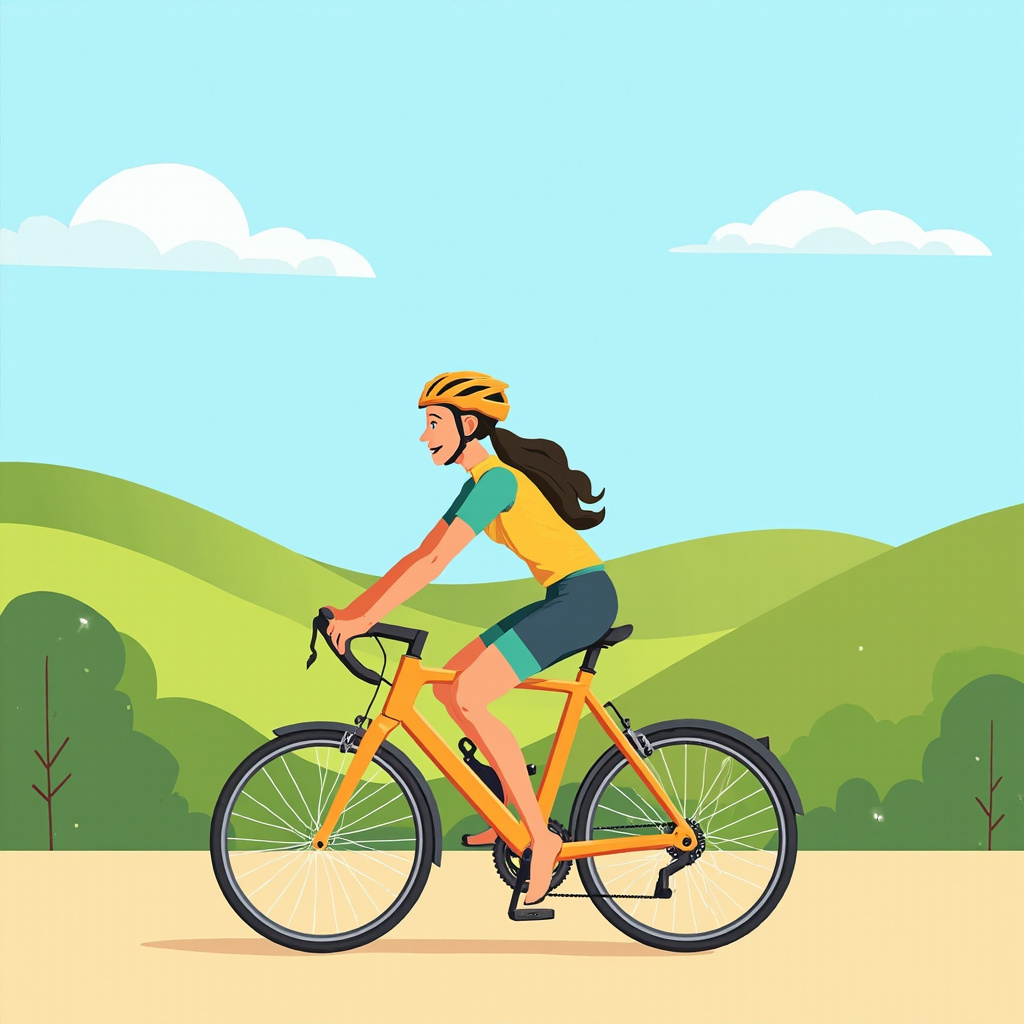
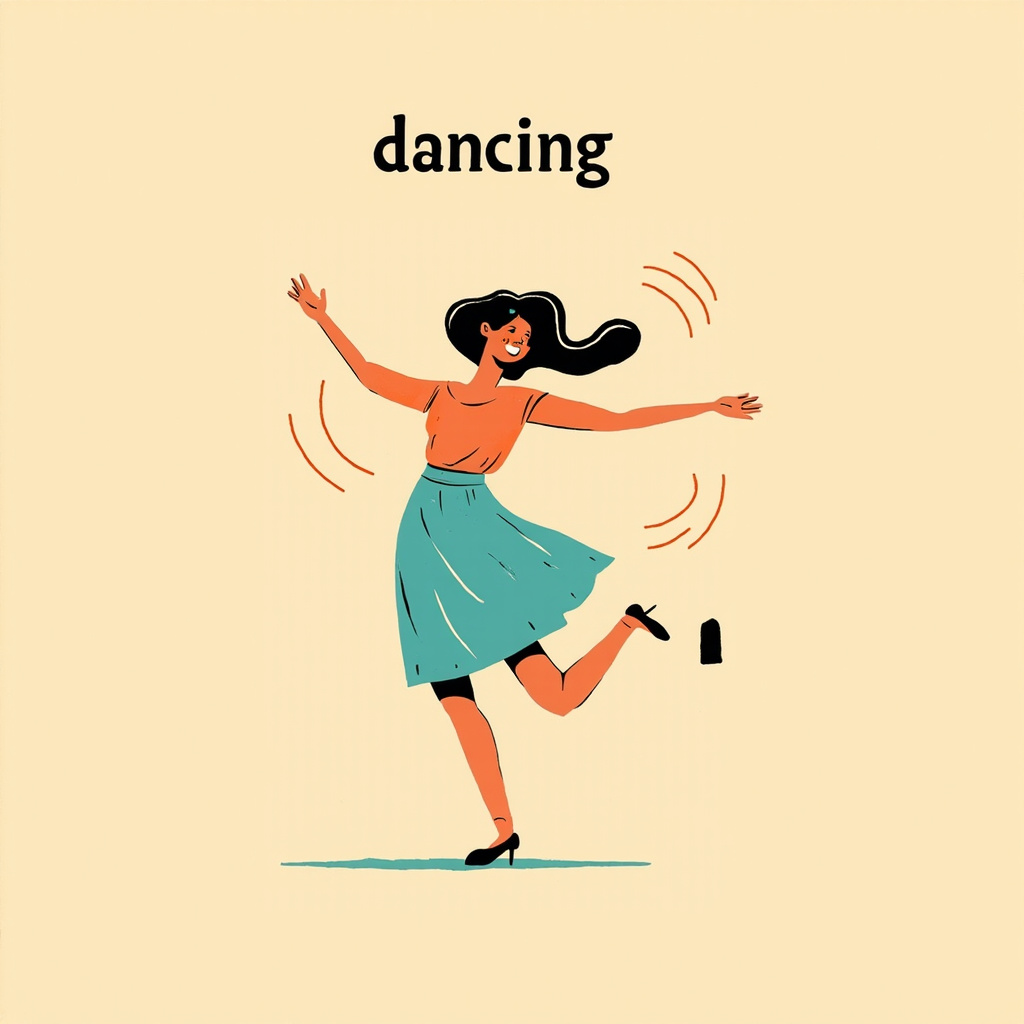
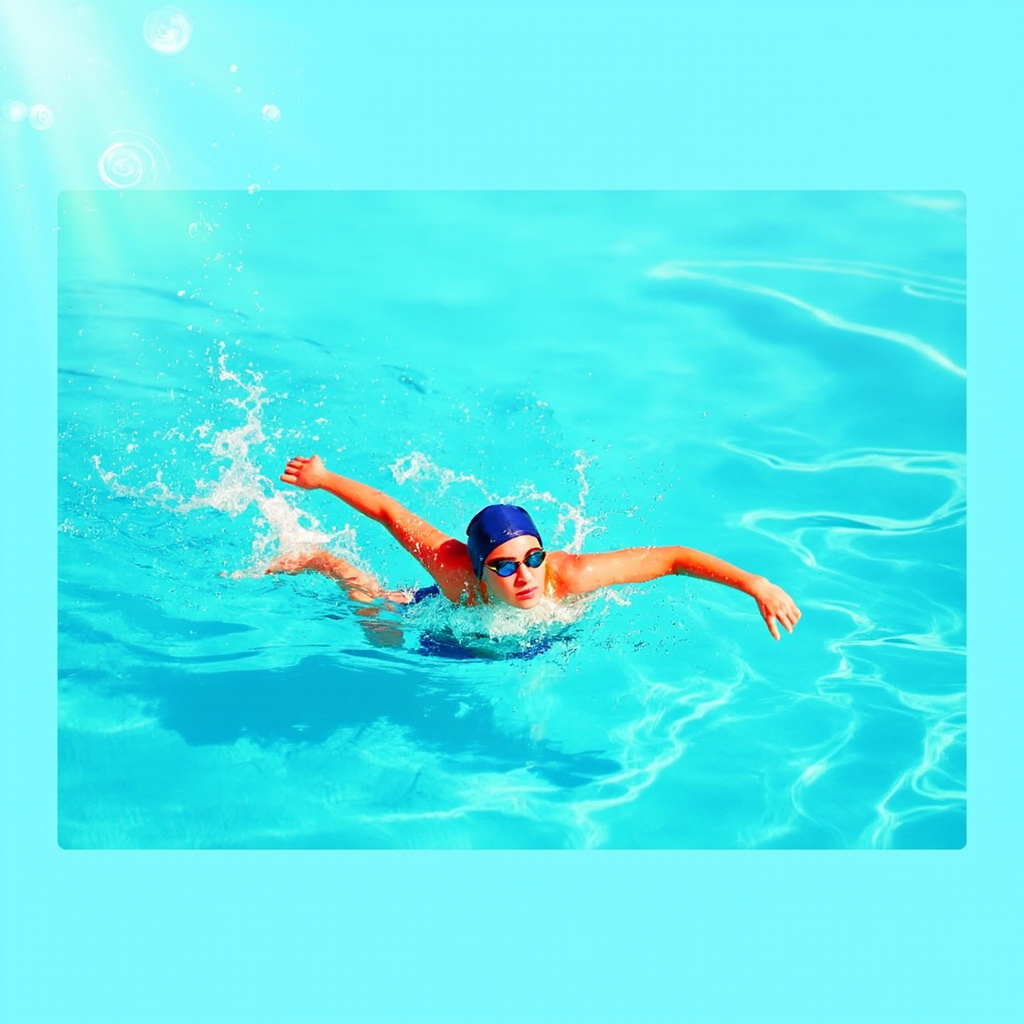
To talk about hobbies, we use the present simple. The present simple is for things you do every day, every week, or every month — habits and routines. For example, I read every evening or She goes swimming on Saturdays.
Look at the table. Notice how the verb changes with he, she and it. We add -s or -es to the verb. With I, you, we, they, the verb stays the same. This is the first rule of the present simple.
Subject
Positive
Question
Short answer
I / you / we / they
I like reading.
Do you like reading?
Yes, I do. / No, I don't.
he / she / it
She likes reading.
Does she like reading?
Yes, she does. / No, she doesn't.
Asking questions with do and does
To make a question, we put do or does at the start, before the subject.
Do you like painting?
Does he go swimming?
What do you do at the weekend?
What does she do in her free time?
Remember the rules:
Use do with I, you, we, they.
Use does with he, she, it.
After does, the main verb does not add -s. We say Does he go...?, not Does he goes...?.
Short answers
Short answers are very common in speaking.
Do you like cooking? — Yes, I do. / No, I don't.
Does she like dancing? — Yes, she does. / No, she doesn't.
Notice we use don't / doesn't in negative short answers, and the main verb does not have -s after it.
الـ Present Simple للـ Hobbies
دلوقتي هنتكلم عن إزاي نسأل عن الـ hobbies بتاعتك أو بتاعة حد تاني. القاعدة الأساسية هنا هي الـ present simple، وده بنستخدمه للأشياء اللي بنعملها كل يوم، كل أسبوع، أو كل شهر - يعني العادات والروتين اليومي.
الـ Verb مع He, She, It
أول حاجة لازم تعرفها: لما الـ subject يكون he أو she أو it، بنضيف -s أو -es للـ verb. مثلاً:
I read every evening.
She reads every evening.
He goes swimming on Saturdays.
مع I, you, we, they، الـ verb بيفضل زي ما هو من غير أي إضافة. يعني بنقول "I read" مش "I reads".
إزاي نسأل سؤال: Do و Does
عشان تسأل سؤال في الـ present simple، بنحط do أو does في أول الجملة قبل الـ subject:
Do you like reading?
Does he go cycling?
What do you do at the weekend?
What does she do in her free time?
القاعدة هنا بسيطة:
بنستخدم do مع I, you, we, they
بنستخدم does مع he, she, it
نقطة مهمة جداً
لما تستخدم does في السؤال، الـ verb الرئيسي مبياخدش -s. يعني بنقول Does he go swimming? مش Does he goes swimming?. الـ -s بتكون موجودة فعلاً، بس في الـ does، مش في الـ verb التاني.
الإجابات القصيرة (Short Answers)
الإجابات القصيرة دي شائعة جداً في الكلام اليومي:
Do you like cooking? — Yes, I do. / No, I don't.
Does she like dancing? — Yes, she does. / No, she doesn't.
لاحظ إن في الإجابة السلبية بنستخدم don't مع I, you, we, they و doesn't مع he, she, it، والـ verb الرئيسي بيفضل من غير -s في كل الأحوال.
اللي هتلاحظه في التمارين
في التمارين اللي جاية، ركز على: اختيار do ولا does حسب الـ subject، إن الـ verb ميبقاش فيه -s بعد does، والإجابات القصيرة الصحيحة في السؤال والإجابة.
Do you like reading? — Yes, I do. I read every evening.
Read the question and answer. Notice 'do' before the subject 'you'.
Does your brother go cycling at the weekend? — No, he doesn't.
Read this question. Notice 'does' before 'your brother' and no -s on 'go'.
Required
Look at the two questions above. What comes right after the question word (do/does)?
the verb
the subject
-s on the verb
Required
___ your sister like dancing?
Required
Which question is correct?
What do you do in your free time?
What does you do in your free time?
What you do in your free time?
Required
Read this sentence: 'Does he goes swimming every day?' It is correct.
After 'does', the main verb does not add -s. The correct form is 'Does he go swimming...?'
Required
Put the words in the correct order to make a question.
Do
you
like
painting
?
Required
Drag a word from the bank and put it in the right place. Use the correct form of 'do' or 'does'.
does
do
Does
Do
Does
your mum like cooking?
What you do at the weekend?
Tom go running every morning?
What hobbies she have?
they like dancing?
Listening
Listening
5
cards
In this section, you will hear two friends, Emma and Tom. They are at a coffee shop on Saturday afternoon. They are talking about their hobbies and what they like to do in their free time.
Before you listen, think about this question: What hobbies do you have? Do you know anyone who likes painting, running or cooking? When you listen, try to catch the key words: cycling, reading, painting, dancing.
شرح المحادثة
خد عندك قهوة وتعالى نسمع محادثة بين اتنين أصحاب، إيما وتوم، في كافيه يوم السبت. الاتنين بيكلموا عن الهوايات بتاعتهم وإيه اللي بيحبوا يعملوه وقت الفاضي.
الكلمات المفتاحية في المحادثة
الموضوع كله دار حول أربع هوايات أساسية، ركز عليها كويس:
cycling (ركوب العجل): توم بيقول I usually go cycling with my brother
reading (القراءة): I read every evening
painting (الرسم): I do painting three times a week
dancing (الرقص): هتسمعه في السؤال بتاع توم
القواعد المهمة
أولاً: زمن المضارع البسيط (Simple Present) — بنستعمله لما نتكلم عن العادات والحاجات اللي بنعملها بشكل منتظم. خد عندك مثلاً I usually go cycling وI read every evening. الفعل هنا بيفضل زي ما هو مهما كان الفاعل I, you, he, إلا في حالة الـ he/she/it بنضيف s أو es في الآخر زي she loves.
ثانياً: كلمات التكرار (Frequency Adverbs) — دي كلمات بتقول لنا العادة دي بتتعمل قد إيه:
usually (عادةً)
every evening (كل مسا)
three times a week (تلات مرات في الأسبوع)
ثالثاً: طريقة تكوين الأسئلة في الإنجليزي بنحتاج فعل مساعد:
What do you usually do at the weekend? — سؤال عن العادات
Do you like any other hobbies? — سؤال بنعم أو لا
Does your sister like painting too? — لما نسأل عن شخص تالت بنستخدم does
رابعاً: like + verb-ing — في الإنجليزي لما تحب حاجة بتعملها، بتضيف ing:
I like reading مش I like read
I like painting مش I like paint
نصيحة للاستماع
أول مرة اسمع المحادثة، ركز على الفكرة العامة بس — مين بيحب يعمل إيه. تاني مرة، ركز على التفاصيل — مين بياخد bro، كام مرة، وإمتى. لو مشفت كلمة، متقلقش، كمّل اسمع وسياق الكلام هيفهمك.
دلوقتي جاهز تسمع وتلاقي الهوايات اللي بتحبها!
Listen to Emma and Tom talking about their hobbies.
E
EmmaHi Tom! How are you?
T
TomI'm fine, thanks. And you?
E
EmmaI'm good. So, what do you usually do at the weekend?
T
TomI usually go cycling with my brother. We love it.
E
EmmaDo you like any other hobbies?
T
TomYes, I also like reading. I read every evening.
E
EmmaI love painting. I do painting three times a week.
T
TomWow! Does your sister like painting too?
E
EmmaNo, she doesn't. She likes dancing.
Required
What is the conversation mainly about?
Their jobs
Their hobbies
Their families
Required
What does Tom do at the weekend?
He goes cycling with his brother.
He does painting with Emma.
He reads books about food.
Required
Emma does painting ___ times a week.
Pronunciation
Pronunciation
6
cards
Today we look at two vowel sounds in English: a short sound /ɪ/ and a long sound /iː/. These two sounds are different, but they can be easy to mix up, especially for Arabic speakers. Listen carefully to the difference.
The short sound /ɪ/
Your tongue is high but relaxed. Your mouth is almost closed. The sound is short and quick. You can hear it in: swimming, running, is, fit, sit, big, in.
The long sound /iː/
Your tongue is high and tense. The corners of your mouth pull back a little, like a small smile. The sound is longer — you can almost count to two as you say it. You can hear it in: reading, skiing, see, eat, sleep, green, three.
Look at these pairs:
swim /swɪm/ — short /ɪ/
skiing /ˈskiːɪŋ/ — long /iː/
fit /fɪt/ — short /ɪ/
feet /fiːt/ — long /iː/
Both sounds are very common in words for hobbies. The short /ɪ/ is in swimming and running. The long /iː/ is in reading and skiing. Can you hear and feel the difference?
صوتين لازم تفرّق بينهم: /ɪ/ و /iː/
في اللغة الإنجليزية فيه صوتين متشابهين جداً على الأذن العربية، بس لو بصّيت كويس على حركة اللسان والشفتين هتلاقي إن الفرق بينهم كبير. الصوتين دول بيبقوا في كلمات كتير عن الهوايات زي swimming وreading وrunning وskiing.
الصوت القصير /ɪ/ — اللسان مرتخي
لما بتقول swimming، حط إيدك على خدّك. هتحس إن اللسان عالي جوه الفم بس مرتخي ومش متوتر. زوايا الشفايف مش بتتحرك خالص. الصوت بيطلع سريع، بيعدّي من غير ما تحس بيه. كلمات تانية فيها نفس الصوت: sit، big، fit، is، in.
الصوت الطويل /iː/ — اللسان متوتر ومتقدّم
لما بتقول reading، هتحس إن اللسان عالي بس كمان مشدود ومتقدّم لقدام شوية. وكمان زوايا الشفايف بتتشد على الجنبين، كأنك بتعمل ابتسامة صغيرة. الصوت بيستمر أطول، ممكن تعدّ واحد-اثنين وأنت بتقوله. كلمات تانية فيها نفس الصوت: see، eat، sleep، three، green.
إزاي تفرّق وأنت بتسمع؟
swimming → الصوت القصير /ɪ/ — "سْويْمِنج" (الـ i سريعة)
reading → الصوت الطويل /iː/ — "رييييدينج" (الـ ea ممدودة)
running → قصير — "رانِنج"
skiing → طويل — "سكيييييينج"
نصيحة للمتعلم العربي
العربي بطبيعته بيحبّ يمدّ الصوائت، فبيقول "riiding" بدل reading أو "suiiming" بدل swimming. عشان كده، وانت بتتدرب، قول الصوت الطويل وركّز إنه فعلاً طويل — عدّ في سرّك واحد-اثنين. أمّا الصوت القصير، يبقى لازم يكون سريع زي الطقة. جرّب تقول الاتنين ورا بعض واستمع للفرق بإذنك، وحسّ بإيدك على خدّك.
Short /ɪ/: mouth relaxed, almost closed, sound is quick. Long /iː/: mouth like a small smile, sound is longer. Example: 'swim' uses the short sound; 'skiing' uses the long sound.
Required
Listen. Which word do you hear?
swim
skiing
Required
Say the word. Make the first part short: /swɪm/.
swimming
Required
Say the word. Make the first vowel long: /riːdɪŋ/.
reading
Required
Say the two words. Listen to the short /ɪ/ in 'running' and the long /iː/ in 'reading'.
running and reading
Reading
Reading
6
cards
Reading is a great hobby. In this section, you will read a short blog post from a person called Sam. Sam writes about his free time and his hobbies. As you read, try to find specific information — names, places, and times.
Reading strategy: Scanning for detail
When you scan, you do not read every word. You move your eyes quickly over the text to find a name, a date, or a particular word. First, look at the questions. Then search the text for the answer. For example, if the question asks 'Who does Sam run with?', you look for the word 'run' and the word after it.
Key words in this text:
busy (adjective): when you have a lot to do (مشغول)
free time (noun): time when you are not working (وقت الفراغ)
usually (adverb): most of the time (عادة)
twice a week (phrase): two times in one week (مرتين في الأسبوع)
outdoors (adverb): outside, not in a building (في الهواء الطلق)
Try the strategy: read the questions first, then scan the text for the answers.
القراءة في الجزء ده: بنتعرف على هوايات Sam
في الجزء ده، هتلاقي blog post قصير مكتوبه من واحد اسمه Sam بيحكي فيها عن هواياته وإزاي بيقضي free time بتاعه. بس الفكرة هنا مش إنك تقرأ الكلام كله من الأول للآخر - لأ، إحنا هنستخدم طريقة اسمها scanning for detail وده معناه إنك بتدوّر على معلومة معينة في النص بسرعة من غير ما تقرأ كل كلمة.
يعني إيه Scanning بالظبط؟
تخيل إنك في سوبر ماركت وبتدوّر على علبة cornflakes - مش هتقف تقرأ كل حاجة على الرف، صح؟ لأ، عينك هتدوّر على الكلمة اللي عليها وهتروح عليها على طول. كده بالظبط بيحصل في الـ scanning:
أول حاجة: اقرأ الأسئلة اللي تحت النص قبل ما تبدأ تقرأ الـ passage
تاني حاجة: حدد الكلمة المهمة في السؤال - ممكن تكون name زي Sam، أو time زي twice a week، أو place زي park
تالت حاجة: روح ابحث في النص عن الكلمة دي وخد اللي جنبها
المفردات اللي هتقابلك في النص
دول كلمات مهمة هتساعدك تفهم الكلام وتلاقي الإجابات بسرعة:
busy (adjective): يعني إنك مشغول وعندك حاجات كتير - I am busy today, I can't play.
free time: الوقت اللي أنت فيه مش شغال أو مش ماسك - In my free time, I read books.
usually (adverb): يعني "في الغالب" أو "غالباً" - I usually wake up at 7.
twice a week: مرتين في الأسبوع - I play football twice a week.
outdoors: بره البيت، في الهوا الطلق أو الطبيعة - I love being outdoors on sunny days.
نصيحة قبل ما تبدأ
لما تقرأ سؤال زي "How often does Sam do his hobby?" بص على طول على الكلمات اللي بتدل على الوقت زي usually أو twice a week، لأنها هي اللي هتديك الإجابة. خلّي بالك كمان من outdoors لأنها بتوصفلك المكان. جرّب الطريقة دي على نص Sam وشوف هتقدر تلاقي الإجابات قد إيه في ثواني!
Hi, my name is Sam. I want to tell you about my free time. I am a student with busy days. On weekdays, I study at school. In the evening, I like reading. I usually read for one hour.
At the weekend, I love the outdoors. I go running in the park on Saturday morning. I run with my friend Ben. After running, we go cycling for about one hour. On Sunday, I sometimes go swimming with my sister.
I don't like cooking, but I love eating! What are your hobbies? Write to me!
القراءة مش بس إنك تقرأ من أول السطر لآخره، في استراتيجيات ذكية تخليك تفهم أسرع وأحسن. في الدرس ده، هنتعلم ٣ طرق أساسية للقراءة، وهنطبّقهم على الباساج بتاع Sam.
أول طريقة: Skimming أو "القراءة السطحية السريعة". هنا إنت بتقرأ بسرعة عشان تاخد الفكرة العامة بس، من غير ما تقف عند كل كلمة. زي لما بتفتح جريدة وبتقرا العناوين الرئيسية. في الباساج بتاعنا، لما تـ skim هتفهم على طول إن Sam بيحكي عن وقت فراغه والحاجات اللي بيحب يعملها.
تاني طريقة: Scanning أو "البحث عن معلومة معينة". هنا بتحط عينك على كلمات مفتاحية زي Saturday أو swimming عشان تلاقي المعلومة اللي محتاجها بسرعة. مفيدة جداً لما يكون عندك سؤال محدد، زي مثلاً: "Sam بيجري مع مين؟" أو "يوم إيه اللي بيسبح فيه؟".
تالت طريقة: Read for detail أو "القراءة للفهم الكامل". هنا بتقرأ بهدوء وتركز في كل جملة. هنا بالذات بنلاحظ القواعد الجديدة في النص.
ومن أهم القواعد اللي موجودة في الباساج: استخدام like و love مع verb + ing لما تتكلم عن الهوايات. مش بتقول "I like run"، لازم تقول I like running:
I like reading (بحب القراءة)
I love eating (بحب الأكل)
I go running (بروح أجري)
I go cycling (أركب عجلة)
I go swimming (أسبح)
كمان فيه don't like لما تحب تعبّر عن حاجة مش عاجباك: "I don't like cooking" يعني "مش بحب الطبخ". لاحظ إن الـ verb بعد don't like برضو بياخد -ing.
وأخيراً، انتبه للظروف الزمنية والـ frequency adverbs اللي بتوصف الروتين:
Sam says he reads 'in the evening', not in the morning.
Required
Who does Sam go running with?
His sister
His brother
His friend Ben
Required
Sam likes cooking.
Sam says 'I don't like cooking, but I love eating!'
Speaking
Speaking
7
cards
Now it is your turn to talk. In this section, you will practise asking and answering questions about hobbies. First, you will hear a short model conversation between two friends. Then you will record your own answers. Finally, you will speak live with your AI partner.
Useful phrases for talking about hobbies
What do you do in your free time? — the most common way to start.
I like + -ing / noun: I like reading. I like music.
I go + -ing: I go swimming. I go running.
I do + noun: I do painting. I do cooking.
Do you like + -ing? — Yes, I do. / No, I don't.
Does he/she like + -ing? — Yes, he does. / No, she doesn't.
My hobby is + -ing / noun: My hobby is cooking.
Tips for speaking
Speak slowly and clearly.
It is OK to make mistakes. Just keep talking.
Use short answers: Yes, I do. / No, I don't.
Try to ask a question back. Good conversations go both ways!
When you are ready, listen to the model, record the two sentences, and then start the roleplay with your AI partner.
التكلم عن الهوايات 🎨
في الجزء ده هنتعلم ازاي نتكلم عن الهوايات بتاعتنا بالإنجليزي بشكل طبيعي زي ما بنعمل في الحياة اليومية. الحوار بين Aisha و Omar بيورينا إن السؤال عن الهوايات مش محتاج يكون رسمي — ممكن تبدأه مع حد بتقابله في أي مكان.
السؤال الأساسي
أهم جملة لازم تعرفها هي "What do you do in your free time?" ودي معناها "بتعمل إيه في وقت فراغك؟" — دي الطريقة الطبيعية والودودة عشان تفتح الموضوع.
إزاي تعبّر عن هوايتك
في أكتر من طريقة تقول بيها إيه الهواية بتاعتك:
I like + -ing / noun: زي "I like reading" أو "I like music"
I love + -ing: للتعبير عن حاجة بتحبها جدًا، زي "I love cooking"
I go + -ing: للأنشطة اللي بنستخدم معاها go، زي "I go cycling" أو "I go swimming"
I do + noun: للأنشطة اللي بنستخدم معاها do، زي "I do painting"
My hobby is + -ing / noun: زي "My hobby is cooking"
أسئلة و Short Answers
لما حد يسألك "Do you like reading?"، الإجابة القصيرة هي "Yes, I do" أو "No, I don't". كمان ممكن تسأل عن حد تاني: "Does he like swimming?" والإجابة "Yes, he does".
كلمات تدل على التكرار
usually = عادةً (I usually go cycling)
every day = كل يوم (I cook every day)
always = دايمًا
نصايح للمحادثة 🎯
اتكلم ببطء ووضوح، مفيش ضغط.
غلطاتك عادي، كمّل كلام.
حاول ترجّع سؤال للتاني زي "What about you?" عشان المحادثة تفضل شغالة.
جاهز دلوقتي؟ هتسجّل الجمل وبعدين تعمل roleplay مع الـ AI!
Listen to this short model conversation.
A
AishaHi Omar! What do you do in your free time?
O
OmarI usually go cycling. What about you?
A
AishaI love cooking. I cook every day.
O
OmarDo you like reading too?
A
AishaYes, I do. I read before bed.
What do you do in your free time?
This is the most useful question to start a conversation about hobbies.
Required
Read the question aloud. Speak clearly.
What do you do in your free time?
Required
Read the answer aloud. Use the 'go + -ing' pattern.
I usually go swimming at the weekend.
Required
You are at a language exchange meeting. A new friend asks about your hobbies. Answer their questions and ask them about theirs.
Required
Vocabulary
Vocabulary
6
cards
In this lesson, we look at words for hobbies. A hobby is something you do because you enjoy it, usually in your free time. Many people have one hobby, and some people have two or three. Hobbies are a great way to relax, learn new skills, and meet other people.
Look at the table below. You will see eight common hobbies. For each word, the table shows the part of speech, a short meaning in your language, and an example sentence. Read the example sentences carefully and notice the verb that goes with each hobby.
Word
Part of speech
Meaning
Example
hobby
noun
My hobby is reading.
painting
noun
She does painting at the weekend.
swimming
noun
He goes swimming every Friday.
reading
noun
I love reading before bed.
cooking
noun
Cooking is fun for the family.
running
noun
My dad goes running in the park.
cycling
noun
We go cycling on Sundays.
dancing
noun
Dancing makes me happy.
Verb + hobby patterns
go + -ing: go swimming, go running, go cycling
do + noun: do painting, do cooking
like + noun / -ing: like reading, like dancing
In English, we do not usually say 'I make swimming' or 'I do a swimming'. We use go, do, like, play or love with each hobby. Try to learn the verb with the hobby, not just the hobby on its own. These short phrases are very common in everyday English. In the next section, we will use these words to ask questions.
الهوايات في اللغة الإنجليزية 🎨🏊
الدرس ده بيعلّمك الهوايات، يعني الحاجات اللي بتعملها بانبساط في وقت الفاضي. الكلمة الأساسية هنا هي hobby (هواية)، وهي noun (اسم). ودي حاجة بتقولها كتير لما حد يسألك: "What do you do in your free time?" (بتعمل إيه في وقت الفاضي؟).
الكلمات الجديدة
عندك ثمانية كلمات لازم تعرفهم كويس:
painting = الرسم (بالفرشاة والألوان)
swimming = السباحة
reading = القراءة
cooking = الطبخ
running = الجري
cycling = ركوب العجلة
dancing = الرقص
hobby = الهواية
القاعدة الذهبية: الفعل مع الهواية ⚡
في الإنجليزي، مش بنقول "I make swimming" أو "I do a swimming". لازم تحفظ الفعل اللي بيناسب كل هوية، لأن كل هوية ليها فعلها المخصوص. في تلات أنماط أساسية:
1. go + -ing (روح + فعل) — للهوايات اللي فيها حركة ورياضة: