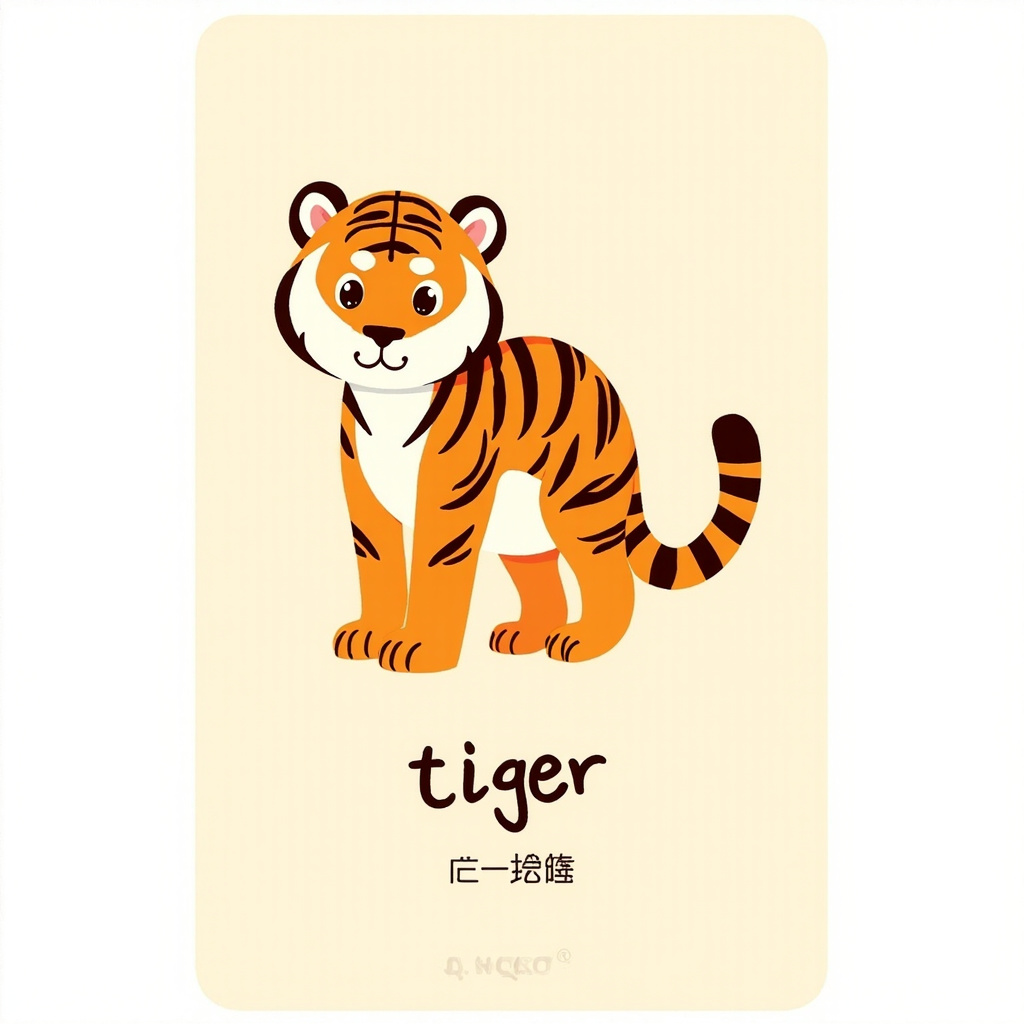
Comparing animals is easy when you know comparative adjectives. We use comparatives to talk about how two animals are different.
Look at these examples:
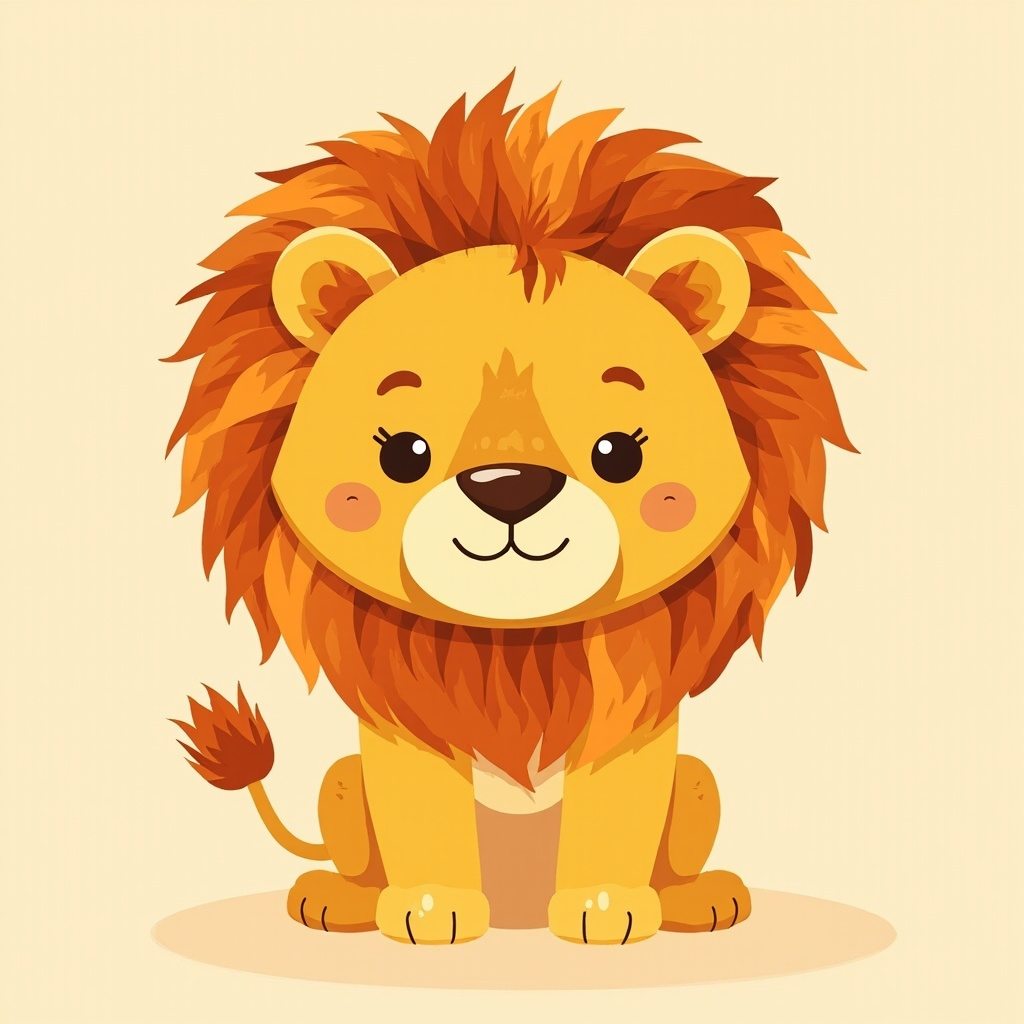
A lion is bigger than a mouse.
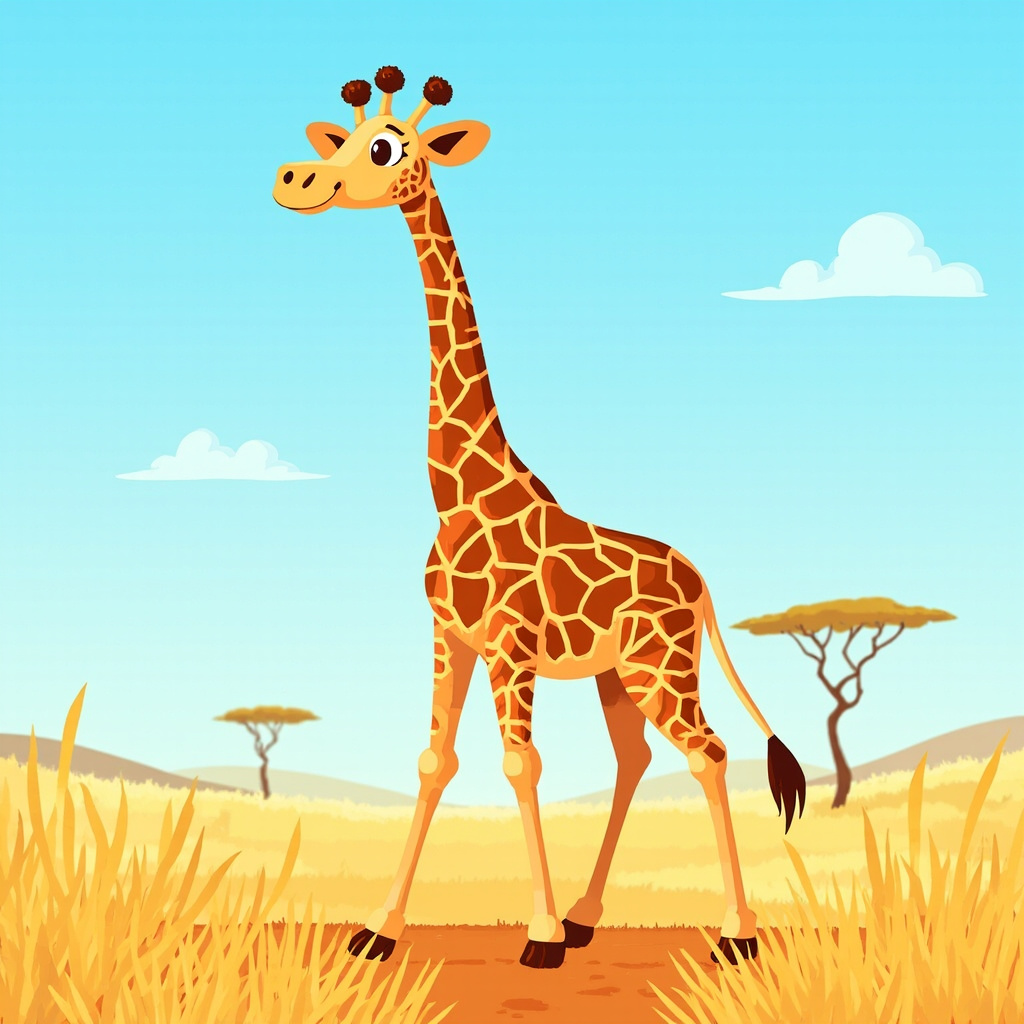
A giraffe is taller than an elephant.
Tigers are more dangerous than monkeys.
There are three rules for making comparatives in English.
Rule 1: Short adjectives add -er. Words like tall, fast and big become taller, faster and bigger. A horse is faster than a turtle.
Rule 2: Long adjectives use 'more'. Words with three or more syllables, like dangerous or intelligent, use more before the adjective. A tiger is more dangerous than a rabbit.
Rule 3: Some adjectives are irregular.Good becomes better, and bad becomes worse. A lion is better at running than a mouse.
We always use than after the comparative: A is more ___ than B.
Type
Adjective
Comparative
Example sentence
Short (-er)
tall
taller
A giraffe is taller than a horse.
Short (-er)
big
bigger
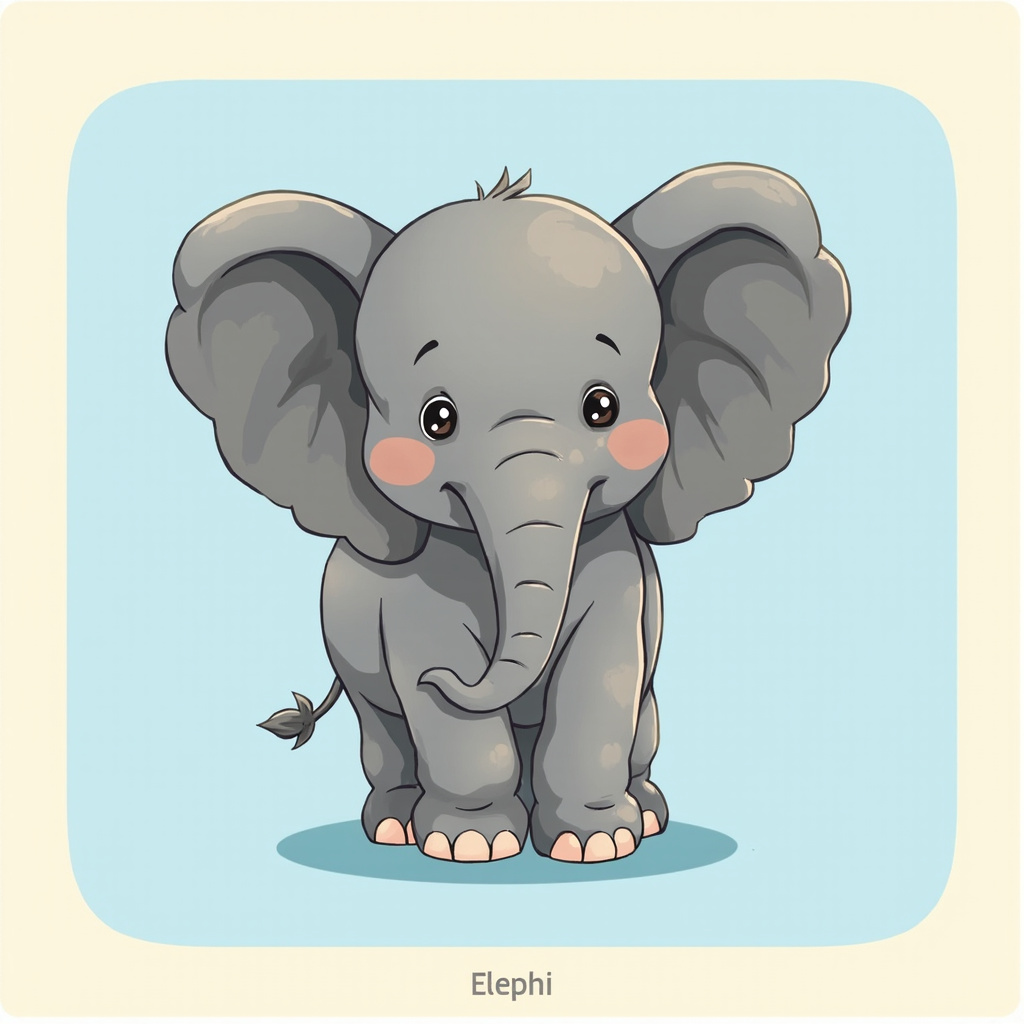
An elephant is bigger than a lion.
Short (-er)
fast
faster
A cheetah is faster than a tiger.
Short (-er)
strong
stronger
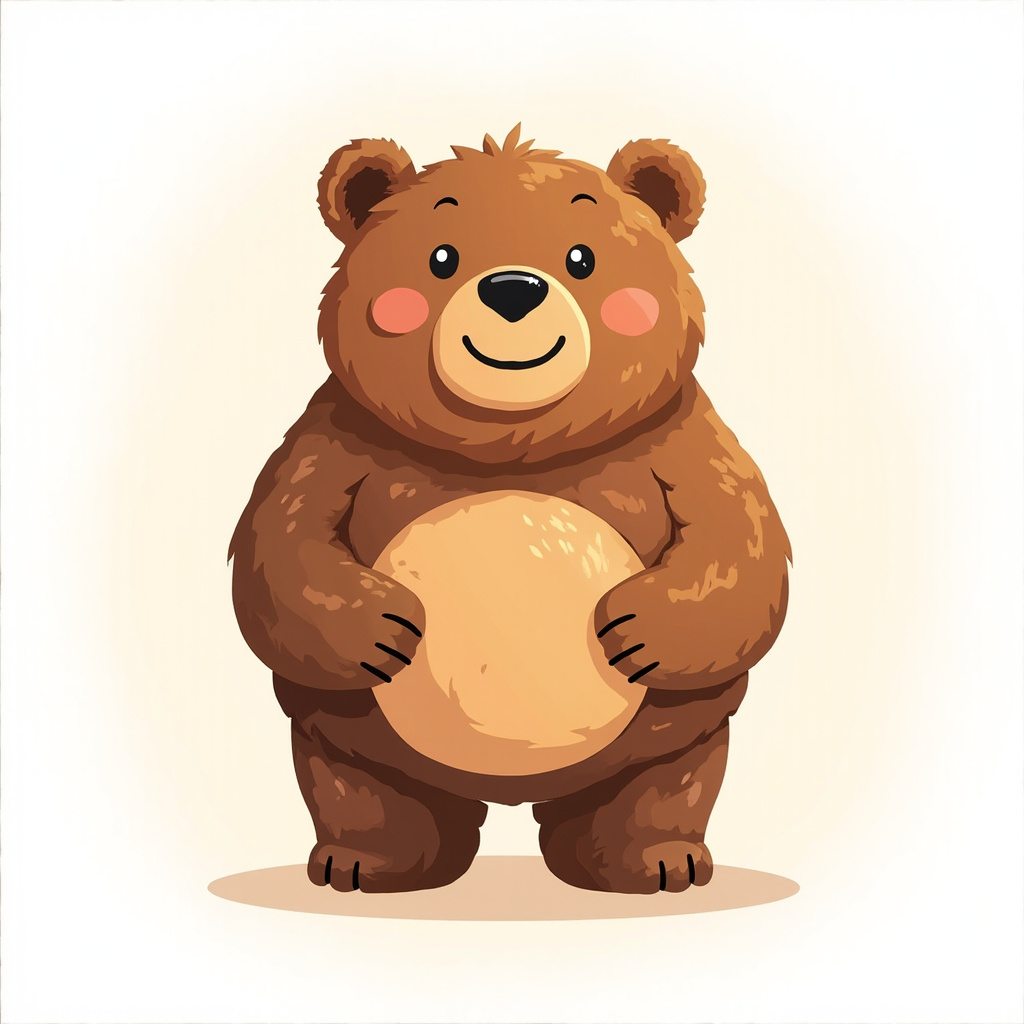
A bear is stronger than a monkey.
Long (more + adj)
dangerous
more dangerous
Snakes are more dangerous than rabbits.
Long (more + adj)
intelligent
more intelligent
Monkeys are more intelligent than mice.
Irregular
good
better
A dog is better than a cat for running.
Irregular
bad
worse
A snake is worse than a rabbit as a pet.
Spelling tip: with short adjectives ending in consonant-vowel-consonant (like big), double the last letter: big → bigger. With adjectives ending in -y (like happy), change y to i and add -er: happy → happier.
Watch out! Don't say dangerouser or intelligenter — these words are too long for -er. And don't say more bigger or more faster — the -er already means more, so you don't need more with it.
Comparative Adjectives - الصفات المقارنة
لو عايز تقارن بين حيوانين مع بعض في اللغة الإنجليزية، لازم تستخدم comparative adjectives أو الصفات المقارنة. دي صفات بتتغير شكلها عشان تعبّر عن إن حاجة أكبر أو أسرع أو أخطر من حاجة تانية. مثلاً: An elephant is bigger than a mouse.
القاعدة الأولى: الصفات القصيرة بنضيفلها -er
لو الصفة قصيرة - يعني syllable واحد أو اتنين - بنضيفلها في الآخر -er. الأمثلة دي توضحلك:
tall (طويل) → taller (أطول): A giraffe is taller than a horse.
fast (سريع) → faster (أسرع): A cheetah is faster than a turtle.
big (كبير) → bigger (أكبر): An elephant is bigger than a mouse.
strong (قوي) → stronger (أقوى): A bear is stronger than a monkey.
القاعدة التانية: الصفات الطويلة بنحط قبلها more
لو الصفة طويلة - يعني تلات syllables أو أكتر - بنحط كلمة more قبلها. خلي بالك إن الصفة نفسها مش بتتغير:
dangerous (خطر) → more dangerous (أخطر): Tigers are more dangerous than monkeys.
intelligent (ذكي) → more intelligent (أذكى): Monkeys are more intelligent than mice.
القاعدة التالتة: صفات شاذة (Irregular)
في صفات قليلة بتيجي بشكل مختلف خالص ومالهاش قاعدة ثابتة:
good (كويس) → better (أحسن): A dog is better than a cat for running.
bad (وحش) → worse (أسوأ): A snake is worse than a rabbit as a pet.
نصايح مهمة للإملاء
في حالتين لازم تاخد بالك من طريقة الكتابة:
الصفات اللي بتنتهي بـ consonant-vowel-consonant زي big، بنضاعف الحرف الأخير: big → bigger.
الصفات اللي بتنتهي بـ -y زي happy، بنغير الـ y لـ i وبعدين نضيف -er: happy → happier.
الأخطاء اللي لازم تتجنبها
كتير من المتعلمين بيقعوا في الأخطاء دي، فخلي بالك:
❌ more bigger أو more faster - غلط! الـ -er لوحدها معناها "أكتر" بالفعل.
✅ الصح: bigger، faster، more dangerous، more intelligent.
كلمة than
مهم جداً تعرف إن بعد كل comparative لازم تحط كلمة than. الصيغة الأساسية هي: A is [comparative] than B. مثلاً: A lion is faster than a turtle. ركز على الكلمة دي في كل التمارين اللي جاية.
An elephant is bigger than a mouse.
Read this comparative sentence. Notice the -er ending on bigger.
Tigers are more dangerous than monkeys.
Read this comparative sentence. Notice more before dangerous.
Required
Look at the two sentences above. Which word comes after the comparative adjective?
than
very
and
Required
A giraffe is ___ (tall) than an elephant.
Required
Snakes are ___ (dangerous) than rabbits.
Required
Which sentence is correct?
A tiger is dangerouser than a cat.
A tiger is more dangerous than a cat.
A tiger is dangerouser than a cat.
Required
A cheetah is faster than a horse.
Yes — a cheetah can run up to 110 km/h, so it is **faster than** a horse.
Required
Elephants are gooder than mice at swimming.
*Good* is irregular. The comparative is **better**, not *gooder*: 'Elephants are better than mice at swimming.'
Required
Put the words in the correct order to make a sentence.
A
lion
is
stronger
than
a
monkey
.
Required
Drag the correct comparative form into each sentence.
faster
more dangerous
bigger
stronger
taller
An elephant is than a tiger.
A horse is than a turtle.
Tigers are than cats.
A bear is than a monkey.
A giraffe is than a horse.
Listening
Listening
5
cards
Imagine you are at the zoo with a friend. You are looking at the animals and talking about them. This is a perfect time to use comparative adjectives.
In the dialogue below, you will hear two friends, Emma and Tom, comparing the animals they see. Listen for words like bigger than, faster than and more dangerous than.
Listen for the small words too: than, than, than. The friends use than every time they compare two animals. If you hear than, the next word is the second animal in the comparison: bigger than a lion, faster than a horse.
Pay attention to the difference between short comparatives (with -er) and long comparatives (with more). The friends use both. Can you hear when they use more?
Also notice the adjectives the friends use. They talk about size (bigger), speed (faster), intelligence (more intelligent), strength (stronger) and danger (more dangerous). These are the most common adjectives for describing animals.
You will do three exercises after listening: one for the general meaning (gist), one for a true/false statement, and one fill-in-the-blank about a specific sentence.
الحوار اللي هتسمعه
تخيل إنك رايح جنينة الحيوانات مع صاحبك، وقاعدوا الاتنين بتبصوا على الحيوانات وبتقارنوا بينهم. ده بالظبط اللي بيعملوه Emma و Tom في الحوار ده. هم مش بيوصفوا الحيوانات بس، لأ، ده بين كل حيوان والتاني مين أكبر، مين أذكى، ومين أخطر. الحوار ده مثال ممتاز على استخدام comparative adjectives يعني صفات المقارنة.
قواعد المقارنة في الإنجليزي
في الإنجليزي عندنا قاعدتين أساسيين للمقارنة:
لو الصفة قصيرة (مقطع أو مقطعين)، بنضيف في الآخر -er. مثلا:
big → bigger
tall → taller
fast → faster
clever → cleverer
strong → stronger
heavy → heavier
لو الصفة طويلة (تلاتة مقاطع أو أكتر)، بنحط قبلها كلمة more. مثلا:
intelligent → more intelligent
dangerous → more dangerous
كلمة than اللي بتفرق
بعد أي comparative لازم تيجي كلمة than عشان تربط بين الاتنين اللي بتقارنهم. مثل ما Emma بتقول: Monkeys are cleverer than the lions. ولاحظ كمان إن Tom بيقول: Which animal is more dangerous, a tiger or a lion? — هنا بيقارن بين tiger و lion باستخدام more dangerous than.
كلمة much للتأكيد
لو عايز تاكد إن الفرق كبير فعلا، بتحط much قبل الصفة. Emma بتقول: The elephants are much heavier too. يعني إنها عايزة تاكد إن الفيل فعلا أتقل بكتير من الأسد.
نصايح للاستماع
في الأول ركز على المعنى العام: مين أكبر حيوان في الحوار؟ مين أذكى؟ مين أخطر؟
خلي ودماغك صاحية لكلمة than — دي علامة إن في مقارنة بتحصل.
لما تسمع صفة قبل than، اسأل نفسك: هي بـ -er ولا بـ more؟ ده هيعرفك نوع الصفة.
بعد ما تخلص الاستماع، هتعمل تلاتة تمارين: واحد للمعنى العام (gist)، واحد true/false، وواحد fill in the blank على جملة معينة من الحوار.
Listen to Emma and Tom at the zoo. They are comparing the animals they see.
E
EmmaLook at the lions over there, Tom!
T
TomThey're very big. But I think the elephants are bigger than the lions.
E
EmmaYes, definitely. The elephants are much heavier too.
T
TomWhat about the monkeys? They're smaller, but I think they're cleverer than the lions.
E
EmmaI think monkeys are more intelligent than many other animals.
T
TomWhich animal is more dangerous — a tiger or a lion?
E
EmmaI think tigers are more dangerous. They're faster and stronger.
T
TomLook, there's a giraffe! Giraffes are taller than all the other animals here.
E
EmmaYes, but giraffes aren't faster than horses.
T
TomTrue. Horses are faster, but I still like giraffes best.
Required
Where are Emma and Tom?
At the zoo
At school
At home
Required
Tom thinks the elephants are bigger than the lions.
Tom says: *'I think the elephants are bigger than the lions.'* So this is true.
Required
Emma thinks monkeys are ___ intelligent than many other animals.
Pronunciation
Pronunciation
6
cards
In this lesson, every comparative adjective ends in -er: bigger, faster, taller, stronger, smaller. This ending is very important for the meaning of the word, so it must be easy to hear.
In British English, the -er ending is pronounced /ə/. This is called a schwa. To make this sound, your mouth is open and relaxed. Your tongue is flat in the middle of your mouth. Your lips are not rounded. The sound is short and weak — almost like a very quick 'uh'.
Listen to these words:
bigger /ˈbɪɡə/ — the er sounds like a short 'uh'
faster /ˈfɑːstə/
taller /ˈtɔːlə/
shorter /ˈʃɔːtə/
longer /ˈlɒŋɡə/
stronger /ˈstrɒŋɡə/
Common mistakes to avoid:
Don't say biggerrr with a long rolling 'r'. Keep the -er short.
Don't drop the -er completely. The ending is what makes the comparative.
Practice tip: say each word and hold the last sound for one second. Then say it again quickly, like in a normal sentence: A lion is bigger than a mouse.
The schwa is the most common vowel sound in English. You already use it in small words like about, taken and pencil. In comparatives, the schwa tells the listener that you are comparing two things, not just naming one. Without the -er, the word big is a normal adjective. With the -er, the word bigger means more big. This small sound changes the meaning completely.
In the activities below, you will hear a word and repeat it. Pay attention to the short -er sound at the end.
صوت الـ Schwa في آخر Comparative Adjectives
كل comparative adjective في الإنجليزي بينتهي بـ -er، زي bigger و faster و taller و stronger و shorter. بس الحتة دي مش بتتنطق زي ما إحنا بنكتبها بالظبط. الصوت ده اسمه schwa ورمزه في القاموس /ə/.
إزاي بتعمل الصوت ده بفيزيكال؟
الـ schwa هو أسهل vowel sound في اللغة كلها، بس هو اللي بيعمل مشاكل للناطقين بغير الإنجليزي. خد بالك من الخطوات دي:
بقك يبقى مفتوح شوية وفيه ريلاكس — مش متوتر زي لما بتقول /i/ مثلاً.
لسانك يفضل flat في نص بقك — ما يطلعش قدام ولا يروح ورا، سيبه في مكانه.
شفايفك متبقاش مستديرة (not rounded) — سيبها طبيعية ومرتخية.
الصوت يطلع قصير وضعيف — شبه "uh" السريعة اللي بنقولها لما بننسى إجابة سؤال.
أمثلة من الدرس نفسه
/ˈbɪɡə/ — bigger (أكبر)
/ˈfɑːstə/ — faster (أسرع)
/ˈtɔːlə/ — taller (أطول)
/ˈstrɒŋɡə/ — stronger (أقوى)
/ˈʃɔːtə/ — shorter (أقصر)
الأخطاء اللي لازم تتجنبها
أكتر غلطتين شائعيين عند المتعلمين:
تقول "biggerrr" وتحط رولّينج r — الـ schwa مفيهاش أي صوت /r/. خلص الصوت ونقّط.
تنسى الـ -er خالص — وده بيغير المعنى تماماً. لو قلت "A mouse is big" يبقى إنت بتوصف الفار إنه كبير بشكل عام. لو قلت "A mouse is bigger" يبقى إنتك بتقارنه بحاجة تانية.
ليه الـ Schwa مهم أوي في الـ Comparatives؟
الـ schwa هو أكثر صوت vowel موجود في اللغة الإنجليزية — حوالي 25% من كل الحروف المتحركة في الكلام اليومي بتكون schwa. إنت أصلاً بتقوله كل يوم في كلمات زي about و taken و pencil من غير ما تاخد بالك. في الـ comparatives بالذات، الصوت الصغير ده هو اللي بيقول للمستمع إنك بتقارن بين حاجتين، مش بتصف حاجة واحدة بس. يعني هو اللي بيحمل معنى "زيادة" أو "مقارنة" جوه الكلمة.
نصيحة للتدريب
قول كل كلمة وشدّ الصوت الأخير بتاعها لثانية كاملة عشان تسمعه. بعدين قولها بسرعة طبيعية جوه جملة زي "A giraffe is taller than an elephant". ركز إن الـ -er الأخيرة تفضل قصيرة وضعيفة وساكتة زي نفسها في آخر كل كلمة.
The -er in comparatives is a schwa /ə/. Your mouth is open and relaxed. The tongue is flat. The sound is short. Listen to the examples in the explanation and copy the mouth shape.
Required
Listen. Which word do you hear?
fast
faster
fastest
Required
Say the word. Hold the final -er sound, then say it naturally in a sentence: An elephant is bigger than a lion.
bigger
Required
Say the word. Then use it: A bear is stronger than a monkey.
stronger
Required
Read the sentence. Listen for the short -er sound at the end of taller.
A giraffe is taller than an elephant.
Speaking
Speaking
7
cards
Now it is your turn to talk. Use comparative adjectives to describe and compare your favourite animals.
Here are some useful phrases:
I think ___ is more ___ than ___.
In my opinion, ___ is the most ___ animal.
I like ___ because they are ___.
Do you think ___ is er than ?
I agree / I disagree.
Yes, I think so too.
Really? I think ___ is ___er.
You will hear a short example first, then practise saying the key sentences. Finally, you will have a live chat with your AI partner about animals.
Tips for the roleplay:
Speak slowly and clearly.
Use the -er sound at the end of comparatives.
Try to use both -er and more + adjective.
Don't worry about mistakes. Your partner will understand you.
In the live chat, your partner will ask about your favourite animal. Compare it with another animal. Try to give at least three comparative sentences in your answer. You can use words like bigger, faster, stronger and more dangerous.
You can also talk about real animals you know. If you have a pet, you can compare it to a wild animal. Personal sentences are easier to remember and more fun to say.
Remember: every comparative sentence has the form A is + comparative + than + B. The first thing is the subject, the second thing is the thing you compare it with.A mouse is smaller than a cat.A cat is bigger than a mouse. Both are correct, but the meaning is different.
In the roleplay, your partner will wait for your answer. Take your time, then speak clearly. If you don't know a word in English, try to describe it: the animal with the long neck (giraffe) or the animal that is orange and black (tiger).
وصف الحيوانات بالمقارنة في الإنجليزي
في الجزء ده هنتعلم إزاي نوصف الحيوانات ونقارن بينهم باستخدام comparative adjectives، يعني صفات المقارنة في الإنجليزي. ده من أهم المواضيع في المستوى A2 وهيساعدك تتكلم عن أي حاجة وتقول إنها أحسن أو أكبر أو أسرع من غيرها.
قاعدة المقارنة الأساسية
في الإنجليزي عندنا طريقتين للمقارنة:
الطريقة الأولى: بنضيف -er في آخر الصفة لما تكون كلمة قصيرة، زي:
big → bigger (أكبر)
strong → stronger (أقوى)
fast → faster (أسرع)
small → smaller (أصغر)
الطريقة التانية: بنحط more قبل الصفة لما تكون طويلة، زي:
more dangerous (أخطر)
more intelligent (أذكى)
more beautiful (أجمل)
شكل جملة المقارنة
كل جملة مقارنة لازم تبقى بالشكل ده: A + is + comparative + than + B
A mouse is smaller than a cat. (الفأر أصغر من القطة)
A cat is bigger than a mouse. (القطة أكبر من الفأر)
الجملتين الاتنين صح، بس المعنى مختلف. في الأولى بنركز على الفأر، وفي التانية بنركز على القطة.
تعبيرات هتحتاجها في المحادثة
I think ___ is er than . (أنا فاكر إن ___ أ من )
In my opinion, ___ is the most ___ animal. (في رأيي، ___ هو أكتر حيوان ___)
I like ___ because they are ___. (أنا بحب ___ لأنهم ___)
I agree / I disagree. (أنا موافق / مش موافق)
Really? I think ___ is ___er. (فعلاً؟ أنا فاكر إن ___ أ___)
نصايح للمحادثة
اتكلم بهدوء ووضوح، متستعجلش
ركز على نطق -er في آخر الصفات زي bigger و faster
حاول تستخدم الطريقتين: -er و more + adjective
لو مش عارف اسم حيوان، حاول توصفه، زي the animal with the long neck (الحيوان اللي رقبته طويلة) بدل ما تقول giraffe
متقلقش من الغلط، اللي قدامك هيفهمك
في الأول هتسمع مثال قصير بين Sara و Ali بيتكلموا عن الحيوانات المفضلة. بعدين هتسجل نفسك بتقول جمل مقارنة زي I think elephants are bigger than lions. وأخيراً هتعمل محادثة مع الـ AI. حاول على الأقل تعمل 3 جمل مقارنة عن حيوانك المفضل!
Listen to a short example. Sara and Ali are comparing their favourite animals.
S
SaraWhat's your favourite animal, Ali?
A
AliI like tigers. They're stronger than lions, I think.
S
SaraReally? I think lions are more dangerous than tigers.
A
AliI disagree. Tigers are faster too.
S
SaraI like elephants. They're bigger than all the other animals.
I think tigers are stronger than lions.
Read the sentence. Notice the structure: I think + subject + comparative + than + noun.
Required
Say the sentence clearly. Use a short -er sound at the end of bigger.
I think elephants are bigger than lions.
Required
Say the sentence. Remember: long adjectives use more + adjective.
I think monkeys are more intelligent than snakes.
Required
You are at the zoo with your English friend. They will ask about your favourite animal. Compare it with another animal, and answer their questions. Try to use at least three comparative sentences: bigger than, faster than, more dangerous than.
Required
Vocabulary
Vocabulary
6
cards
To describe animals, you first need to know their names. This lesson uses eight common animals. You can find them in zoos, in books, and on TV.
Some animals are very big, like elephants and bears. Some are very small, like mice. Some are fast runners, like tigers and monkeys. Some animals are dangerous, and some are gentle and friendly.
When you learn a new animal, try to learn one adjective with it. This helps you remember both words and start making sentences quickly.
Word
Part of speech
Example sentence
lion
noun
The lion is the king of the jungle.
elephant
noun
An elephant is bigger than a horse.
giraffe
noun
A giraffe has a very long neck.
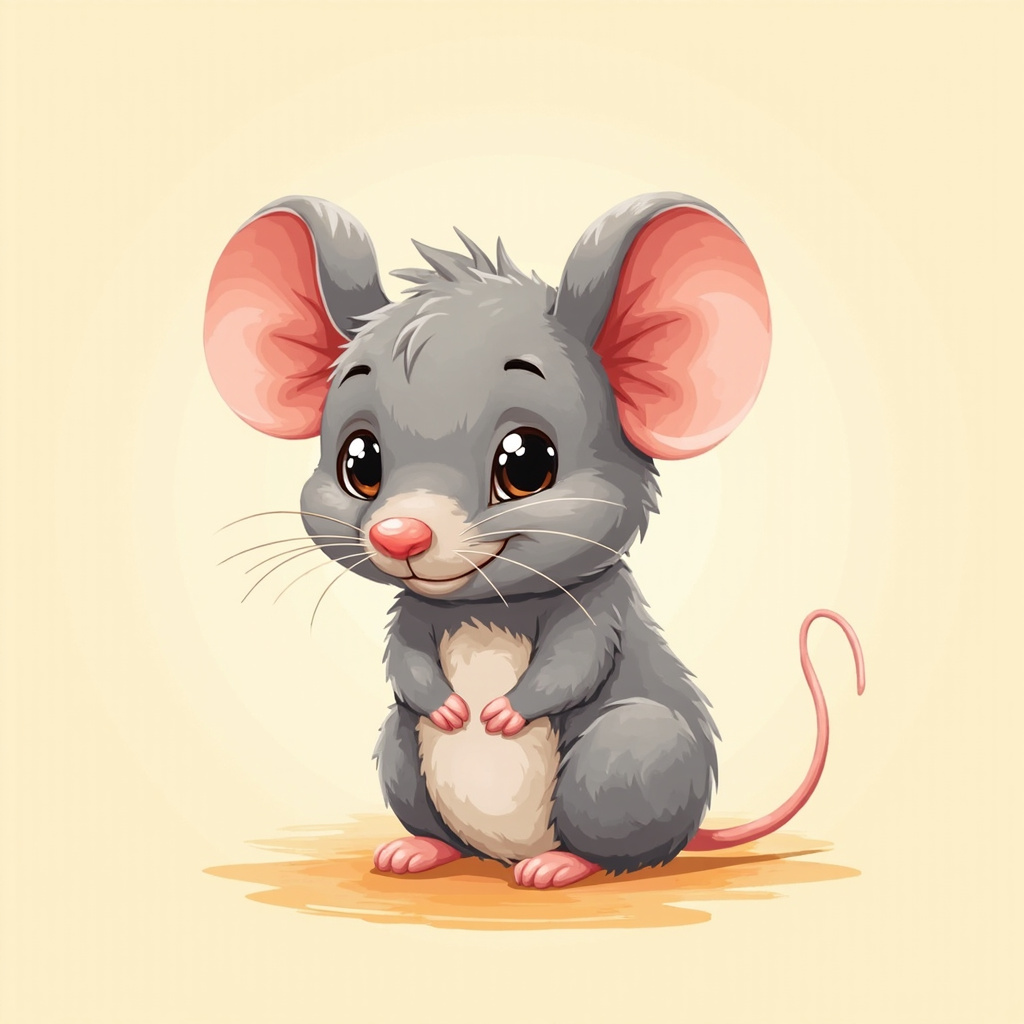
mouse
noun
A mouse is smaller than a cat.
tiger
noun
A tiger is faster than a lion.
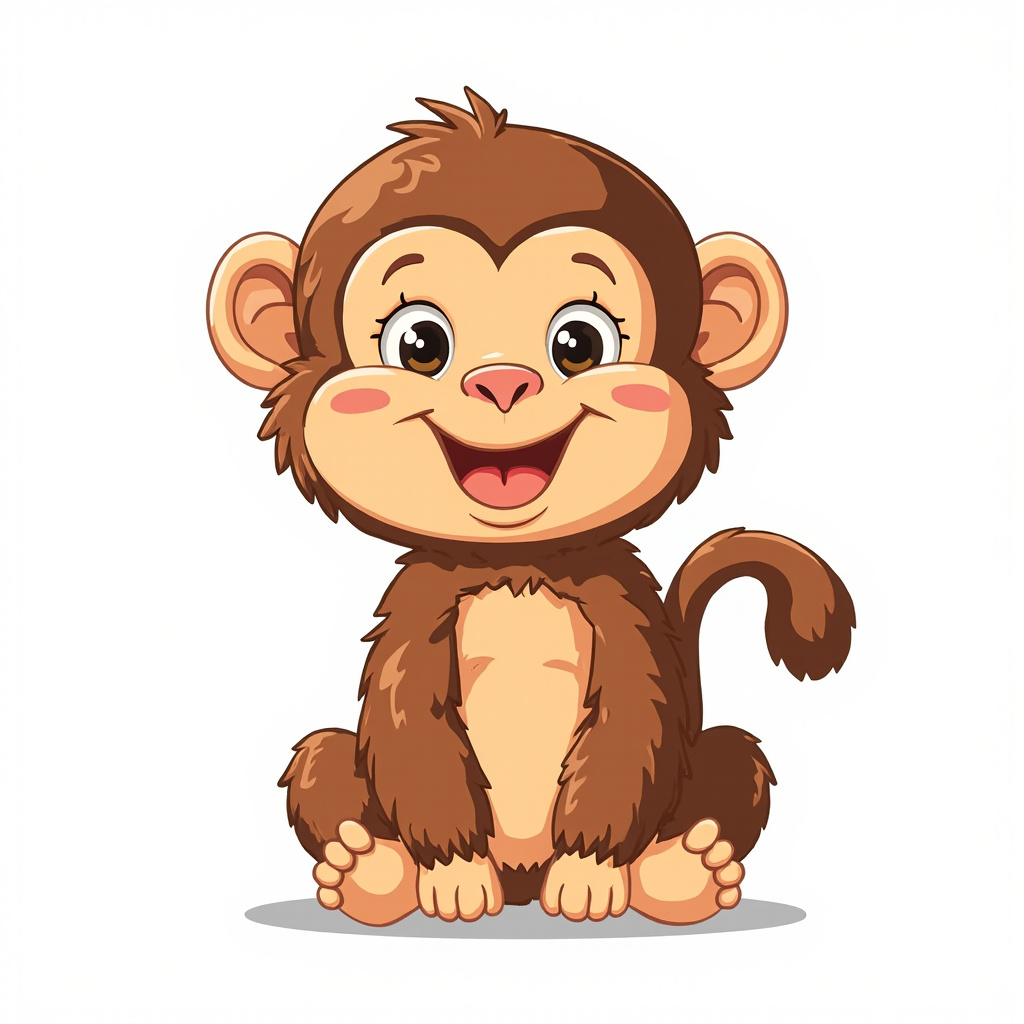
monkey
noun
Monkeys are clever animals.
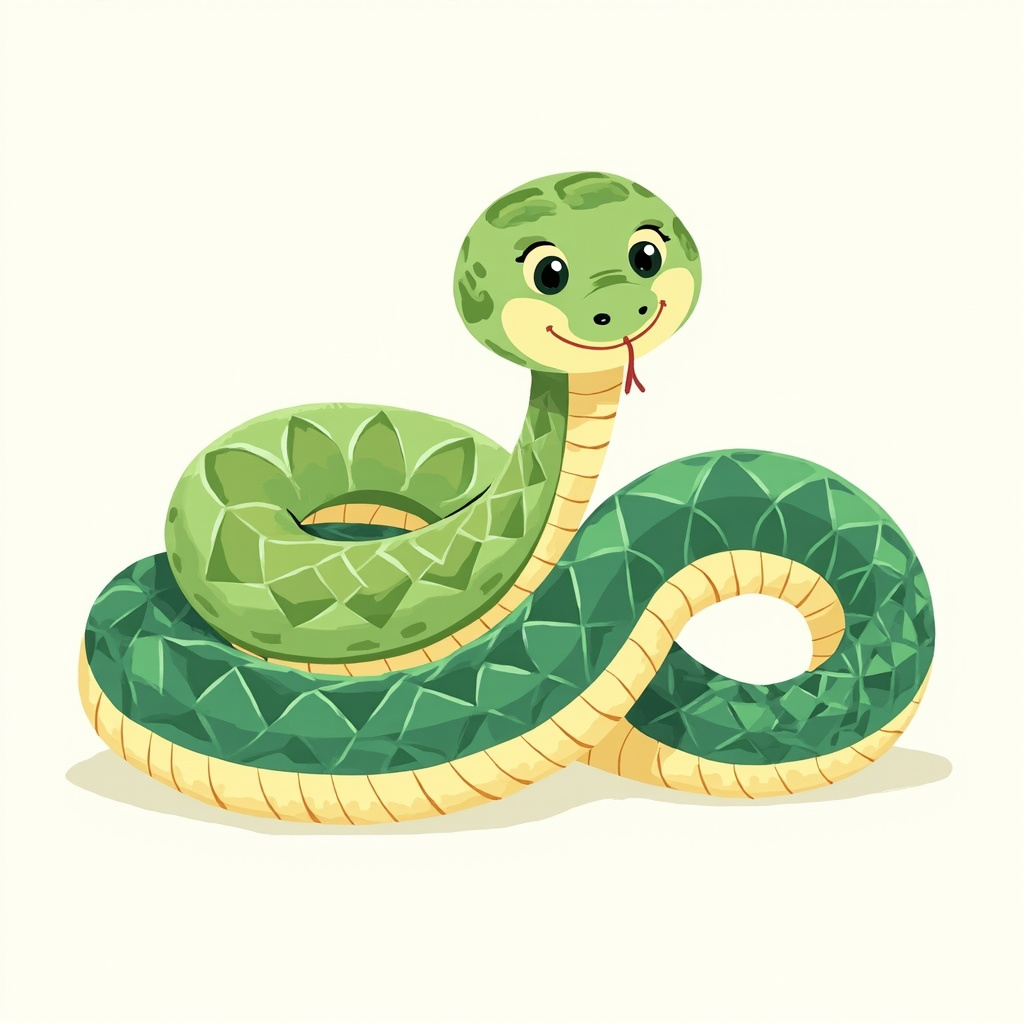
snake
noun
A snake can be very long.
bear
noun
A bear is strong and big.
In English, animals are usually countable nouns. We can say a lion, two tigers, many monkeys. For plural, most animal words add -s or -es: lion → lions, monkey → monkeys, snake → snakes.
The article you use depends on the first sound. Use a before consonant sounds: a lion, a bear, a mouse. Use an before vowel sounds: an elephant, an orange tiger. This is a small but important rule.
You will see these eight animals again in the listening and speaking sections. Try to remember their names. The more you see a word, the easier it is to remember.
Remember: every animal in this list can be used in a comparative sentence: A is + comparative + than + B.
🦁 الحيوانات بالإنجليزي - Animals Vocabulary
إيه الحيوانات اللي هندرسها؟
في الجزء ده هنتعلم ثمانية حيوانات شائعة بتلاقيها في الـ zoo، يعني الحديقة، وفي الكتب وعلى التلفزيون. الحيوانات هي: lion (أسد)، elephant (فيل)، giraffe (زرافة)، mouse (فأر)، tiger (نمر)، monkey (قرد)، snake (ثعبان)، وbear (دب).
نوع الكلمة - Parts of Speech
كل الحيونات دي nouns، يعني أسماء. ودي countable nouns، يعني أسماء ليها مفرد وجمع. تقدر تقول a lion (أسد واحد)، two tigers (نمرين)، أو many monkeys (قرود كتير).
الجمع - Plurals
عشان تحول الاسم من المفرد للجمع، في الغالب بتضيف -s أو -es:
lion → lions (أسود)
bear → bears (دببة)
tiger → tigers (نمور)
monkey → monkeys (قرود)
snake → snakes (ثعابين)
elephant → elephants (فيَلة)
giraffe → giraffes (زرافات)
⚠️ ملاحظة مهمة: كلمة mouse من الكلمات الشاذة في الجمع! مينفعش تقول mouses، الصحيح هو mice.
أداة التعريف - A / An
في الإنجليزية، بنستخدم a أو an قبل الاسم المفرد:
a قبل الـ consonant sounds (الأصوات الساكنة): a lion، a bear، a mouse، a tiger
an قبل الـ vowel sounds (الأصوات المتحركة): an elephant، an orange tiger
القاعدة مش على الحرف، لأ على الصوت اللي بتسمعه.
أوصاف تفتكر بيها
لما تتعلم حيوان جديد، حاول تحط معاه صفة واحدة عشان تثبته في دماغك:
elephants وbears → big (كبار جداً)
mouse → small (صغير)
tigers وmonkeys → fast (سريعين)
snakes → dangerous (خطيرة)
monkeys → clever (أذكياء)
جمل المقارنة - Comparatives
الحيوانات دي ممتازة عشان تتدرب على جمل المقارنة. القاعدة: A is + comparative + than + B. لاحظ الأمثلة دي:
A tiger is faster than a lion.
An elephant is bigger than a giraffe.
A mouse is smaller than a cat.
A bear is stronger than a monkey.
💡 نصيحة: كل ما تشوف كلمة جديدة، حاول تعمل بيها جملة مقارنة - كده هتفتكرها أسرع وتتمرن على القواعد في نفس الوقت.
Meet the eight animals. Listen to the pronunciation and repeat each word.
bearbeə
A large, heavy mammal with thick fur that lives in forests and sleeps during winter.
elephantˈɛlɪfənt
A large gray mammal with a long flexible nose (trunk), curved white tusks, and large ears, found in Africa and
giraffedʒɪˈrɑːf
A tall African animal with a very long neck and legs, with orange-brown spots, that eats leaves from trees.
lionˈlaɪən
A large wild cat with a mane (males) found in Africa and India, known as the 'king of the jungle.'
monkeyˈmʌŋki
A primate with a long tail that lives in trees, found in tropical regions of the world. Monkeys are known for
mousemaʊs
A small rodent with a long tail, pointed snout, and rounded ears. It is commonly found in homes and fields.
snakesneɪk
A long, thin animal without legs that moves by sliding along the ground.
tigerˈtaɪɡə
A large wild cat with orange fur and black stripes, native to Asia.
Required
Match each animal with its Arabic meaning.
Match each animal with its Arabic meaning.
lion
elephant
giraffe
mouse
tiger
monkey
snake
bear
أسد
فيل
زرافة
فأر
نمر
قرد
ثعبان
دب
A tiger is faster than a lion, but a bear is stronger.
Read this sentence. It uses two comparative adjectives to compare three animals.